The Secret To Keeping Zucchini Producing All Summer Long In Ohio
If you have ever walked out to your Ohio garden and found a zucchini the size of a baseball bat hiding under the leaves, you know the struggle. Zucchini plants shower us with squash for a few weeks, then quietly stall while you’re not looking.
Part of the problem starts in the kitchen. When you run out of ways to use zucchini, the squash pile up on the vine instead of on your plate, and that pile-up is exactly what slows your plant down.
This task takes less than five minutes a day, and most gardeners never even think to check for it. Start this today and the difference in your harvest shows up within a week or two.
Frequent Harvesting Is The Real Secret To Nonstop Zucchini
Most Ohio gardeners do not realize the harvest schedule is the whole game. Keeping zucchini producing all summer long starts with one simple action: pick often.
Zucchini plants are built to reproduce. When fruit stays on the vine too long, the plant thinks its job is done.
That signal slows everything down. New flowers stop forming, and the plant shifts its energy toward ripening that one oversized squash.
Frequent harvesting breaks that cycle. Picking every one to two days tells the plant it still has work to do.
Think of it like a subscription box that keeps sending shipments because you keep opening them. Stop opening, and the shipments pause.
Gardeners who harvest daily through peak summer often pull five to seven zucchini per week from a single plant. That number drops fast when fruit is left to grow unchecked.
The plant does not need fertilizer or fancy tricks to keep going. It needs you to show up and take what it has made.
A quick walk through the garden each morning is all it takes. Grab a small harvest bag, check every plant, and cut anything that looks ready.
Even pulling fruit that is slightly smaller than ideal is better than leaving it too long. Your plant will respond within days with a fresh flush of new blooms.
Consistency is the real fertilizer here. Keep harvesting, and your zucchini will keep producing well into late summer.
Picking Zucchini Small Encourages Continuous New Fruit Growth
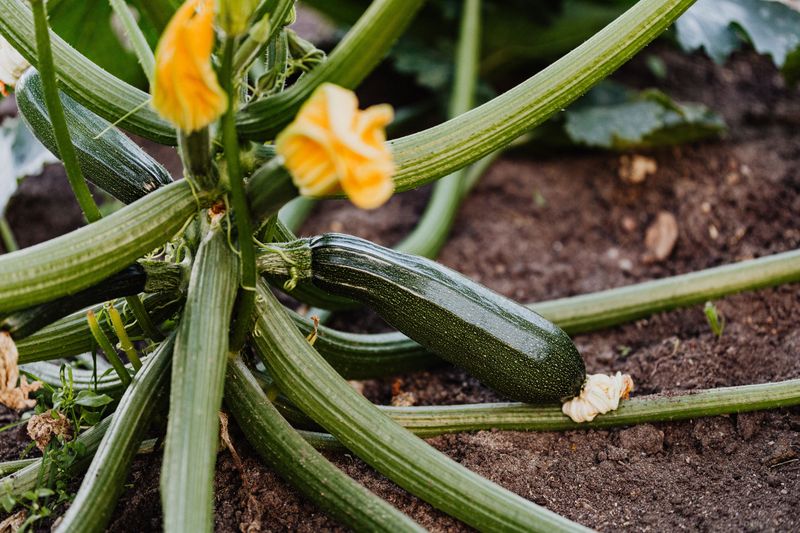
Small zucchini taste better and stay tender longer than their giant cousins. Picking fruit when it reaches six to eight inches is the sweet spot most experienced growers swear by.
At that size, the skin is tender and the seeds are barely formed. The flavor is mild and slightly sweet, unlike the bland taste of an overgrown squash.
Beyond taste, size matters because of how the plant responds. A small zucchini carries less weight and demands less energy from the root system.
When you remove it early, the plant redirects that saved energy immediately. New flower buds begin forming within a couple of days in warm weather.
Larger fruit left on the plant acts like a drain. The roots keep pumping water and nutrients into something that won’t taste good anyway.
Your Ohio Garden Changes Every Week. Your Plan Should Too.
Gardening in Ohio changes quickly throughout the season. Every Friday you’ll receive a simple weekly plan showing exactly what to plant, prune, fertilize, harvest, and protect so you never miss the right timing.
Pulling small also protects the plant structurally. Oversized squash can stress stems and even cause them to split near the base.
Baby zucchini, harvested at four to five inches, are actually a delicacy in many kitchens. Chefs prize them for their firm texture and rich flavor.
You do not need a ruler to get this right. If the fruit looks like something you would grab at a farmers market, it is ready to cut.
Trust your eye and your instinct. Picking small is one of those garden habits that consistently pays off.
Delayed Harvesting Signals The Plant To Stop Producing
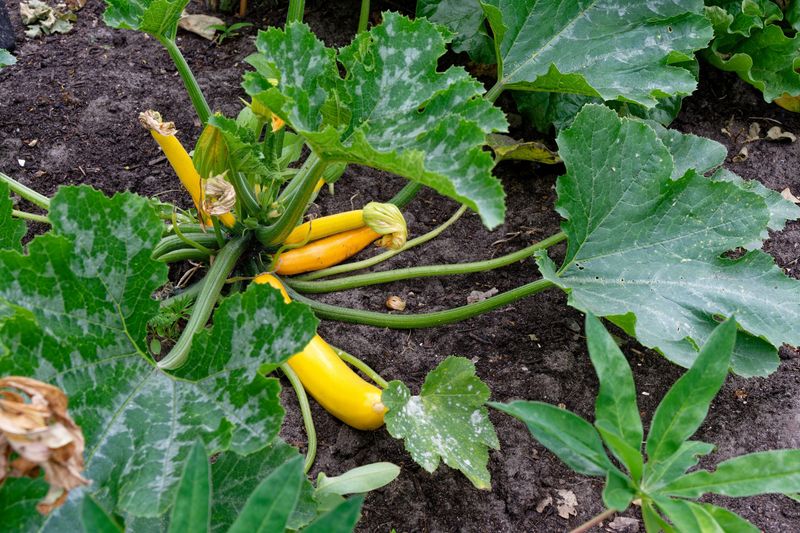
One forgotten zucchini can slow down a plant’s production significantly. Experienced gardeners have watched it happen again and again.
When a squash grows past twelve inches and starts to yellow, the plant enters a different mode. It reads the situation as mission accomplished and begins pulling back.
New flower buds stop forming or drop off before they ever open. The root system shifts focus from growth to maintenance, and output slows to almost nothing.
This is not a disease or a pest problem. It is the plant doing exactly what nature designed it to do.
Zucchini evolved to produce seeds and spread them. Once a fruit matures and seeds develop fully, the plant has succeeded in its biological goal.
Your job as a gardener is to keep interrupting that goal. Take the fruit before it matures, and the plant starts over from the beginning.
Some Ohio gardeners lose a noticeable chunk of their summer harvest simply by skipping a few days of checking. A weekend camping trip can leave behind a squash the size of a football.
If you do find an oversized zucchini, remove it immediately. Do not leave it on the plant hoping it will somehow still be useful.
Cut it off, toss it in the compost, and give the plant a deep watering. Within a week, new blooms should start appearing again.
Delay costs you more than one squash. It costs you weeks of potential production.
Daily Checks Catch Fruit Before Growth Slows Down
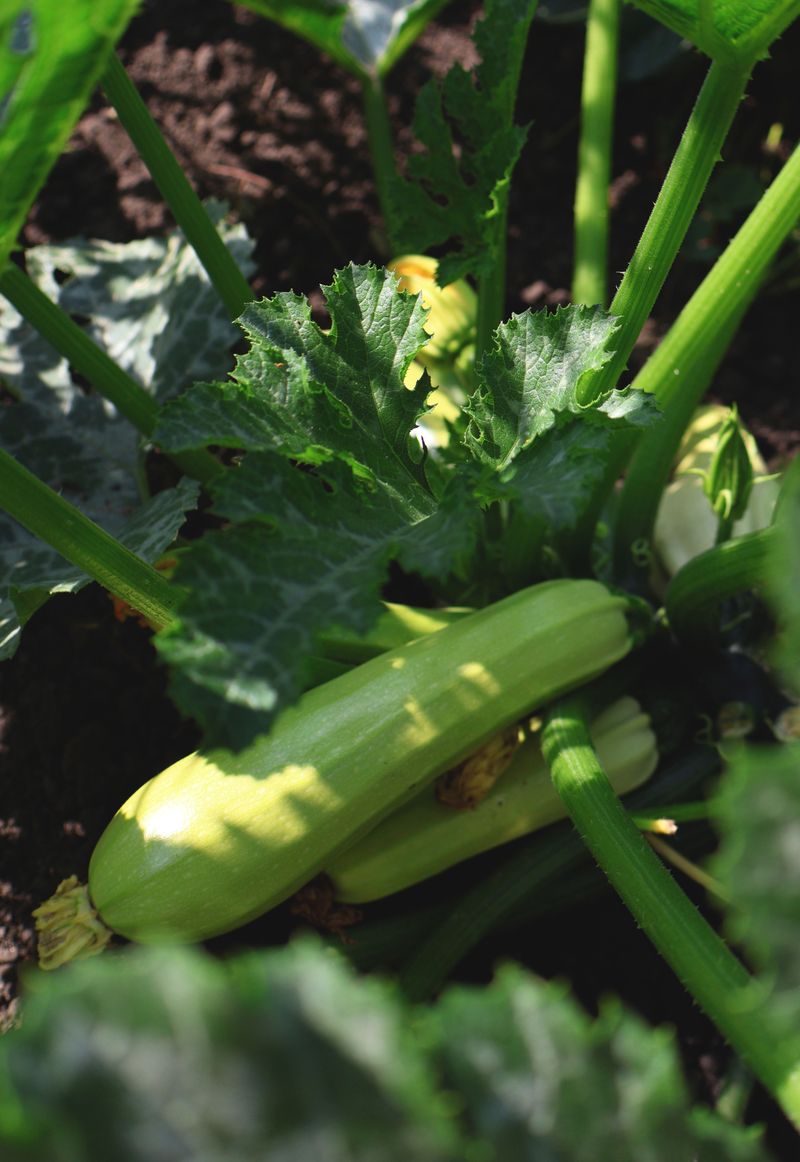
Zucchini grows faster than almost any other vegetable in the garden. On a warm summer day, a small squash can nearly double in size overnight.
That speed means a single skipped day can turn a perfect harvest into a missed opportunity. Daily checks are not optional if you want steady production.
Morning is the best time to walk the garden. The light is low and angled, which makes it easier to spot fruit hiding under the big broad leaves.
Zucchini leaves are enormous and love to hide things. A squash that was invisible yesterday can be pressing against the soil by tomorrow morning.
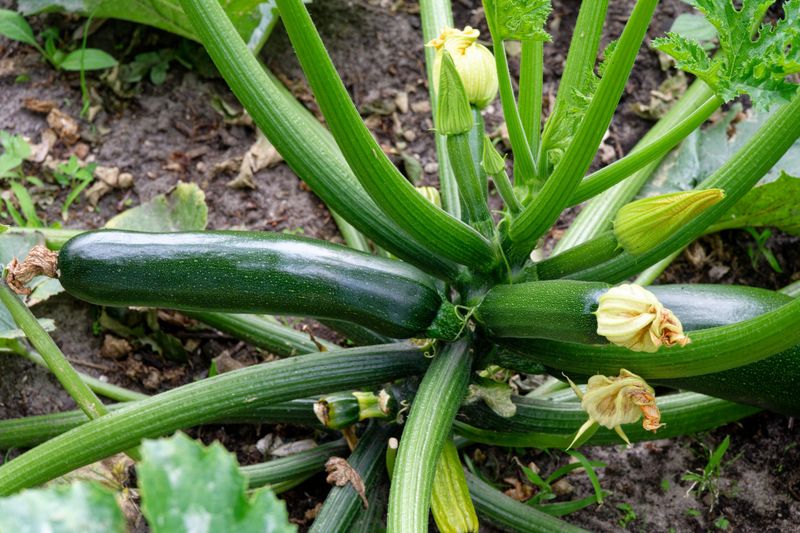
Get in the habit of gently lifting leaves as you check each plant. Look at the base of the stem where new fruit forms first.
Bring a pair of scissors or small garden shears on every walk. Cutting is cleaner than twisting and causes less damage to the plant’s stem.
Even if you do not find anything ready, the walk is worth it. You will catch pests early, notice wilting before it becomes serious, and stay connected to what your Ohio garden needs.
Some gardeners set a phone alarm for the same time each morning. That small nudge builds the habit fast, especially in busy summer schedules.
A garden that gets daily attention almost always outperforms one that gets weekly visits. Show up every day, and your zucchini will show up for you.
Removing Mature Fruit Redirects Energy To New Blooms
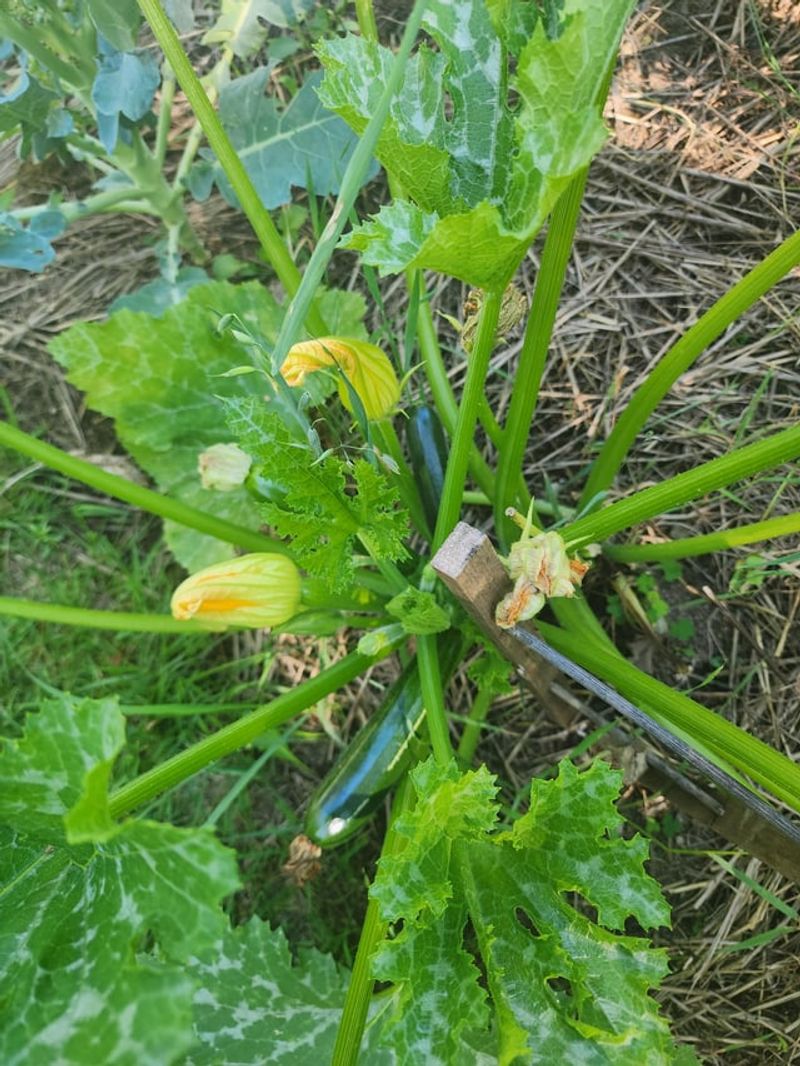
Energy management is central to a zucchini plant. Roots, leaves, and stems all move resources toward one goal at a time.
When a mature fruit sits on the vine, it pulls the majority of that energy toward itself. New bloom development slows because the plant simply cannot do both at once.
Removing that mature squash is like flipping a switch. The plant almost immediately begins redirecting resources toward younger growth and bud formation.
Ohio gardeners who cut mature fruit early in the season often see a second and third wave of blooms within ten to fourteen days. That wave means more fruit is coming.
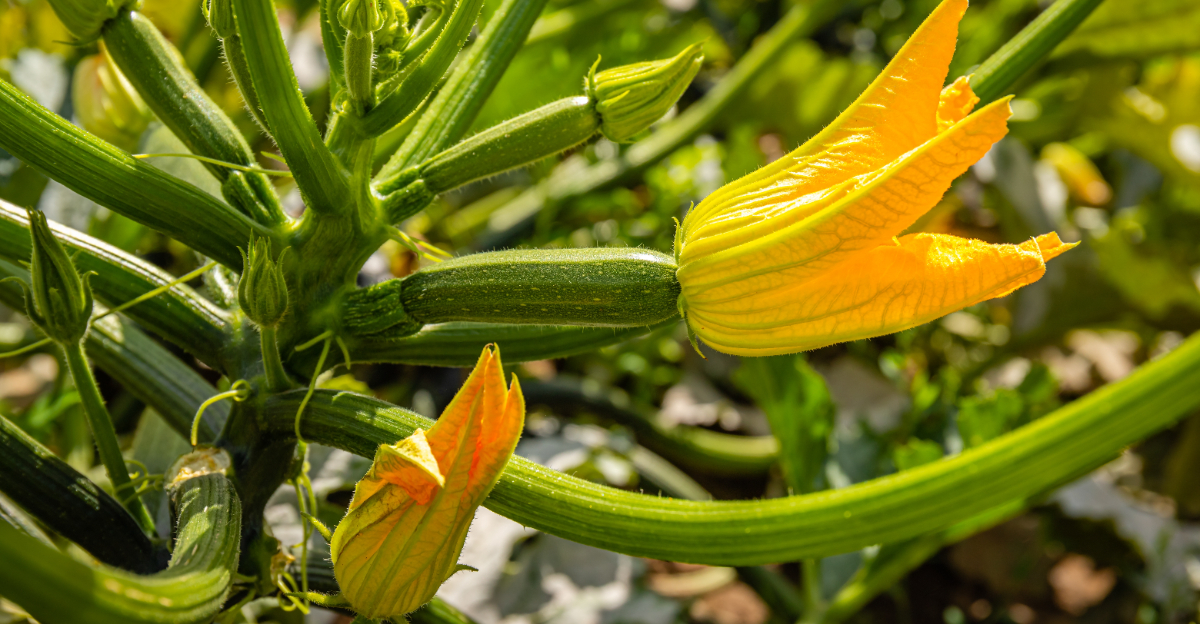
It helps to understand how zucchini flowers work. Plants produce both male and female flowers, and only female flowers develop into fruit.
Female flowers have a tiny swollen base that looks like a miniature squash. When the plant is stressed by carrying too much mature fruit, female flowers drop before they ever open.
Removing the weight of mature squash reduces that stress fast. The plant stabilizes, and female flower production picks back up within days.
You do not need to wait for fruit to turn yellow before cutting it. Any zucchini past eight to ten inches is already pulling more than it should.
Cut it, cook it, share it with a neighbor, or toss it in the compost. Getting it off the plant is what matters most.
Your next harvest is already forming the moment you make that cut.
A Simple Harvest Routine Keeps Production Steady All Summer
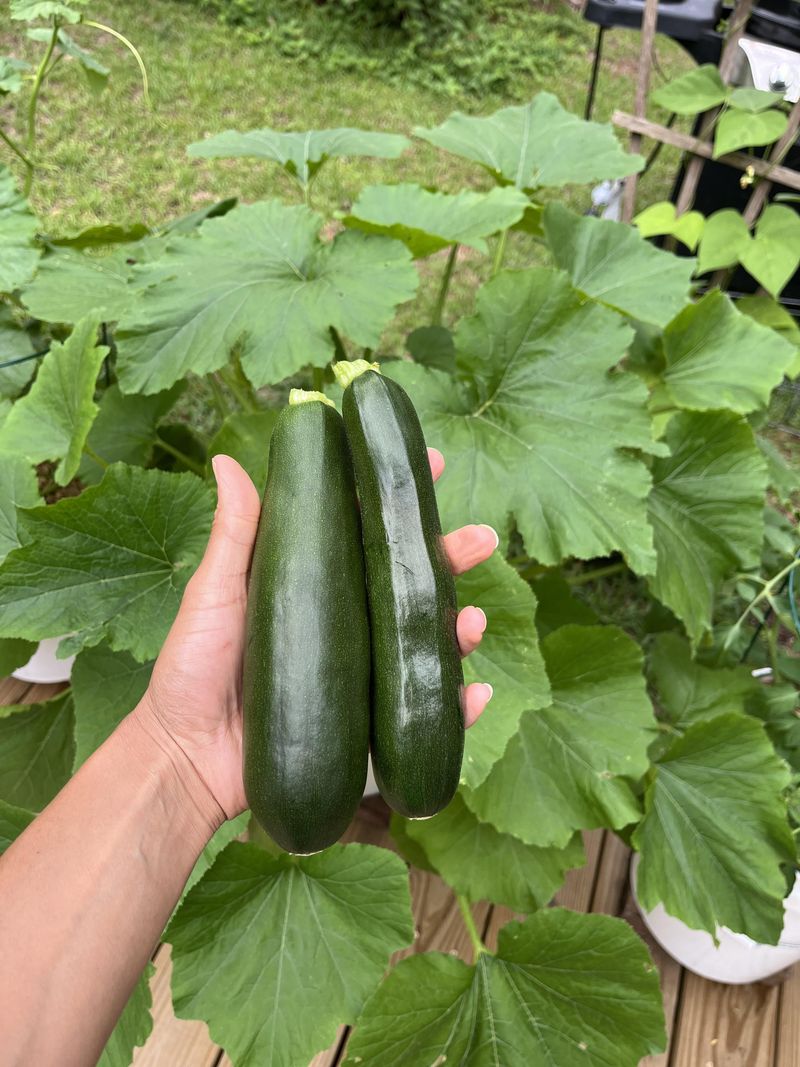
Building a harvest routine does not require a spreadsheet or a complicated system. A simple, repeatable habit is all it takes to keep zucchini producing all summer long.
Start by committing to a daily garden walk at the same time each day. Morning works best for most people because the heat has not set in yet.
Bring a harvest bag and a clean pair of shears every single time. Having the right tools in hand removes the excuse to skip cutting when something looks ready.
Check every plant from base to tip. Lift the large lower leaves and look underneath where smaller fruit loves to hide from view.
Cut anything six inches or longer without hesitation. If you are unsure it is ready, it probably is.
After harvesting, give the plant a slow, deep watering at the base. Consistent moisture supports the energy demand that comes with continuous fruiting.
Once a week, remove any yellowing leaves from the lower part of the plant. Clearing old foliage improves airflow and reduces the chance of mold forming near the soil.
Take a moment to look at the flowers. If you see mostly male blooms, pollination may need a little help from a small paintbrush.
This whole routine takes about five minutes per plant. That small investment pays off in fresh squash all the way through September.
A consistent routine is the real secret, and now you have everything you need to make it work.