The 7 Best Native Plant Nurseries In Ohio Worth Driving To This August
Ohio native plant shopping is not a quick cart-and-checkout errand.
It feels more like a tiny road trip with dirt under the fingernails and a better yard at the end. One nursery may know prairie plants that shrug off August sun.
Another may steer you toward shrubs that birds actually use. Another may save you from buying a pretty perennial that hates your clay soil.
That is the fun part. The right nursery does not just sell plants. It helps you match roots to real Ohio conditions, from lake-influenced yards to dry prairie pockets and damp woodland edges.
August makes the hunt even better. You can see blooms, seedheads, height, texture, and pollinator traffic before the pot ever reaches your trunk.
Bring photos of your yard. Bring shade notes. Bring restraint, if you own any.
So which Ohio native plant stops are worth the drive this August when your garden needs smarter plants and better advice?
A tougher garden may start with one good Saturday drive and an empty backseat.
1. Meadow City Native Plant Nursery In Cleveland
Cleveland gardeners know that native plants have to be more than pretty.
Meadow City Native Plant Nursery fits that urban reality. It sits at 15006 Westropp Ave, Cleveland, OH 44110, right in the Waterloo Arts District, so this stop can feel like a plant run with a little neighborhood adventure attached.
The nursery focuses on Ohio-appropriate wildflowers, grasses, and shrubs that can suit city lots, community gardens, pocket prairies, and smaller residential spaces.
That makes this stop especially useful for gardeners working with compacted soil, hot pavement, tiny front yards, and pollinator goals that need to fit between the sidewalk and the porch.
Before you drive across town, check current hours through the nursery’s own pages or recent public listings. Small specialty nurseries can shift summer access faster than a coneflower seedhead feeds a finch.
Arrive with a short list of site details. Sun hours, drainage, soil texture, deer pressure, and available space all help staff point you toward plants with a better shot at settling in.
Cleveland’s lake-influenced climate can feel different from central or southern Ohio. That makes regional guidance valuable, especially for plants that prefer a little more moisture or tolerate cooler conditions.
Ask about seed source when you can. Local or regional provenance can matter for long-term fit and wildlife value.
This is the kind of nursery where the best purchase may not be the plant you planned to buy. Dangerous for the budget, excellent for the garden.
2. Leaves For Wildlife In Sunbury
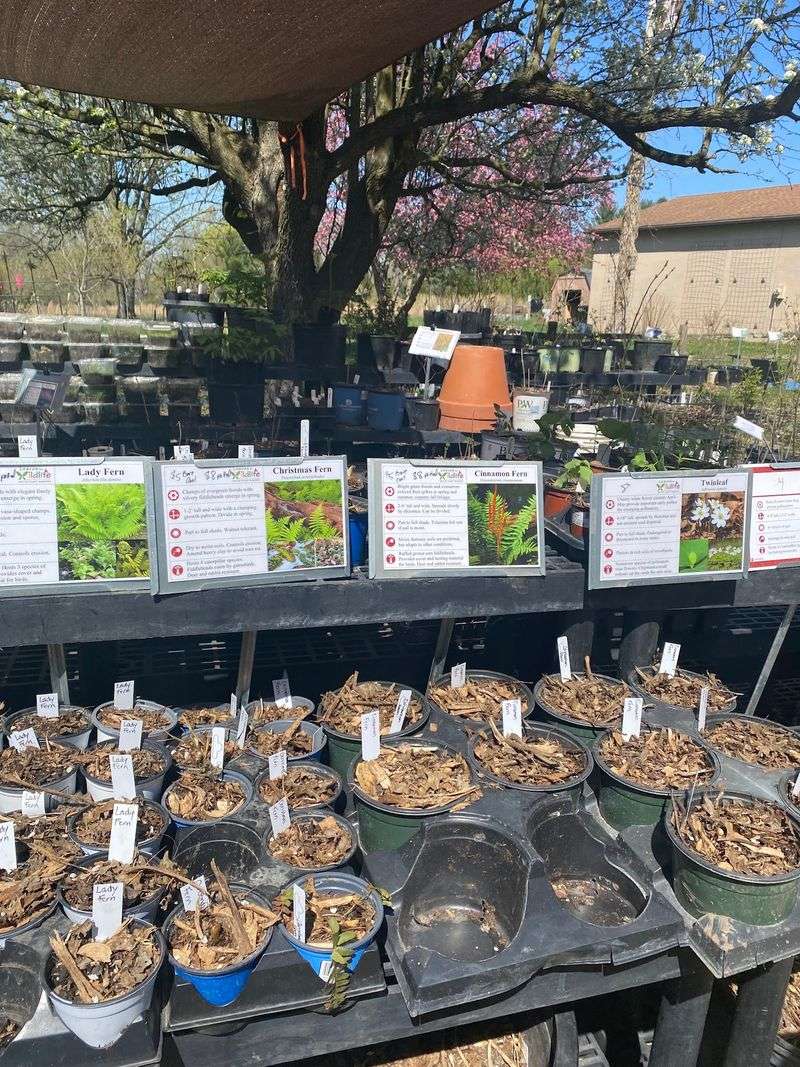
Leaves For Wildlife in Sunbury is built around a simple idea.
A yard should feed more than the gardener’s ego. Set the map for 1655 N. County Road 605, Sunbury, OH 43074, then leave room in the car for the plant you swore you were not buying.
This nursery has earned attention from central Ohio plant lovers who want native species that support caterpillars, bees, birds, and the layered food web behind a healthier landscape.
Your Ohio Garden Changes Every Week. Your Plan Should Too.
Gardening in Ohio changes quickly throughout the season. Every Friday you’ll receive a simple weekly plan showing exactly what to plant, prune, fertilize, harvest, and protect so you never miss the right timing.
That focus makes it a smart stop for gardeners who care about host plants, berry-producing shrubs, and bloom sequences that keep insects active across the season.
Check the current visit format before you go. The nursery lists seasonal hours and appointment options, and August plant hunting works best when the gate is actually open. Revolutionary concept, yes.
The Sunbury area sits close enough to Columbus for an easy drive, but the plant advice can still feel grounded in real central Ohio conditions. Clay-heavy soil, sunny new subdivisions, old farm lots, and mixed shade all come up often in this region.
Bring photos of the space you want to plant. A picture of the sad corner beside the fence can save twenty minutes of vague hand gestures.
Ask about shrubs as well as flowers. Wildlife gardens need layers, not just a tray of pretty blooms.
This stop is especially helpful when you want the why behind the plant, not just the price tag.
3. Natives In Harmony In Marengo
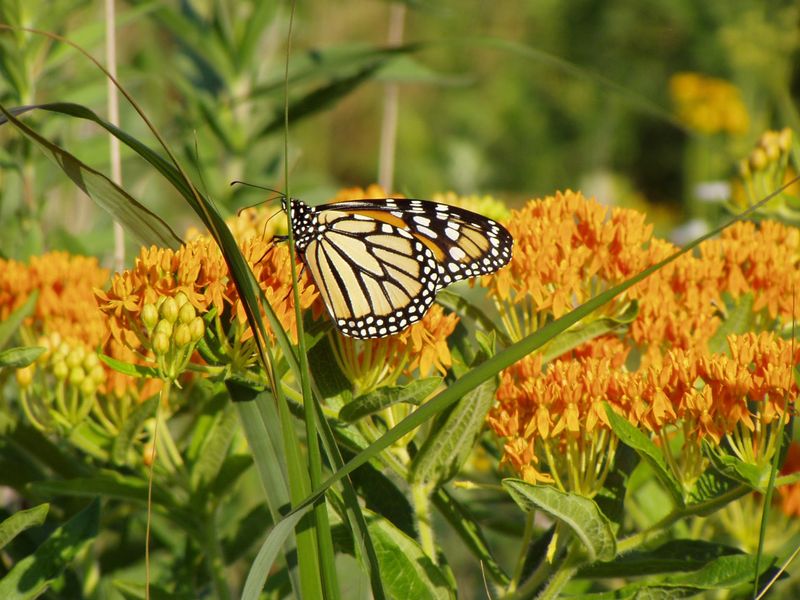
Natives In Harmony in Marengo feels like a destination for gardeners who read plant tags closely.
The drive leads to 4652 Township Road 179, Marengo, OH 43334, which fits the whole mood: quiet road, serious native plant knowledge, and a very real risk of leaving with more flats than planned.
This central Ohio nursery is known for its emphasis on locally appropriate native plants and regional provenance. That matters when the goal is not just a pretty bed, but a garden that fits Ohio insects, soil, rainfall, and winter patterns.
The rural setting also suits the mission. Marengo sits among fields, roadsides, and woodlot edges where native plant communities still make sense to the eye.
Do not treat this as a casual drop-in unless current details confirm that format. Appointment-based visits, pickup windows, or seasonal sale dates are common among smaller native plant operations. Check first, then drive.
Show up prepared. List your sun exposure, soil moisture, and garden size. “It gets some sun” is a charming phrase, but it does not help much at checkout.
Ask which plants were grown from local or regional seed. Staff who can answer that question clearly are giving you information worth having.
August is a fun time to visit because many prairie and meadow plants are no longer shy. You can see height, texture, bloom color, and pollinator traffic in real time.
Leave extra trunk space. Native plant people love self-control in theory. In practice, one more flat always seems reasonable.
4. Scioto Gardens In Delaware
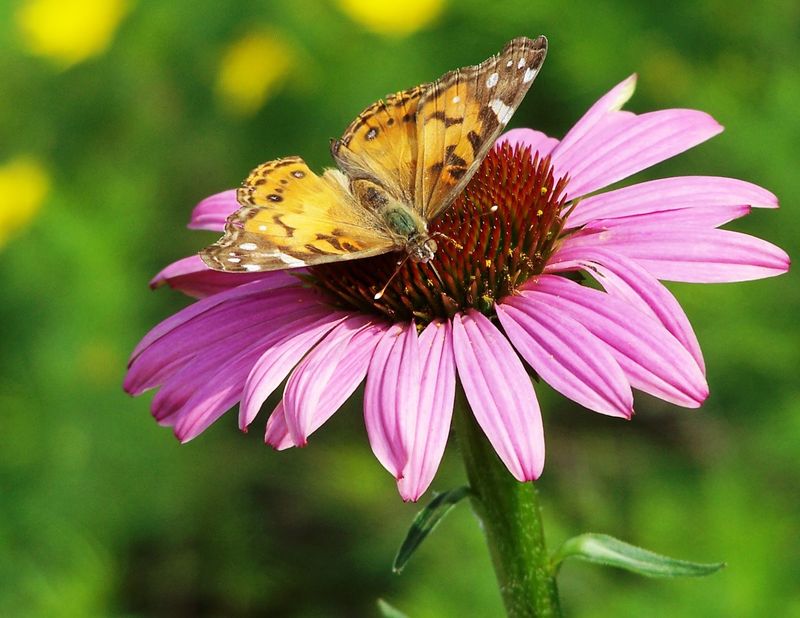
Scioto Gardens in Delaware is the stop for gardeners who want options.
Head to 2870 Curve Road, Delaware, OH 43015, and plan enough time to wander. This is not the kind of stop where “just ten minutes” survives contact with the perennial tables.
Many native nurseries lean heavily toward wildflowers and grasses. This one is often valued for a broader plant palette, including perennials, shrubs, trees, and grasses that can help shape a whole landscape instead of one small border.
That makes it useful for bigger projects. Turf replacement, woodland edges, rain gardens, privacy layers, and pollinator beds all need different plant roles.
Delaware County sits in a handy central Ohio position, where gardeners may deal with clay, full-sun slopes, dry shade, and damp low spots, sometimes all in one yard.
A nursery with range can help you avoid buying seven sun-loving plants for one gloomy fence corner. We have all been optimistic. The corner was not impressed.
Confirm current hours and retail details before the August drive. Nursery schedules can change, and summer heat can affect plant availability.
Plan time to ask questions. Mature size matters. Bloom timing matters. Soil preference really matters.
A plant that looks cute in a pot may want three feet of space and a life of emotional freedom.
Scioto Gardens is worth considering when your project needs more than a tray of flowers. It can help you build the bones of a native yard.
5. Visit Keystone Flora In Cincinnati
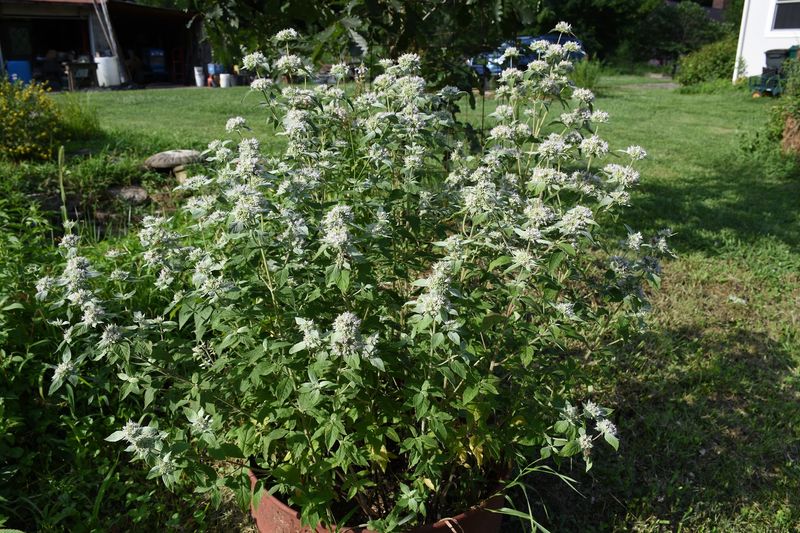
This Cincinnati native plant nursery is located at 5045 Wooden Shoe Hollow Lane, Cincinnati, OH 45232, and the nursery asks visitors to call first to set a time.
Very native-plant-person energy: thoughtful, practical, and slightly dangerous for your weekend plans.
The nursery focuses on native plants from the local region, which makes it especially useful for southwest Ohio gardeners dealing with heat, clay, slopes, and tough urban edges.
This is a good stop for pocket prairies, rain gardens, pollinator beds, and gardeners who want plants that do more than sit there looking cute. Cute is fine. Ecological usefulness is cuter.
Before visiting, check the current hours and recent photos on Google Maps or the nursery’s own site. Small native nurseries can shift schedules, and August heat can change what looks best on the sales tables.
Bring photos of your yard. A sunny slope, damp corner, or sad strip by the driveway tells staff more than a heroic description ever will.
Ask about plant height, spread, bloom time, and seed source. Those questions help you avoid buying one innocent-looking pot that later wants half the yard.
Keystone Flora is a smart pick for readers who want a visually checkable destination and a real native plant focus.
6. Ohio Prairie Nursery In Hiram
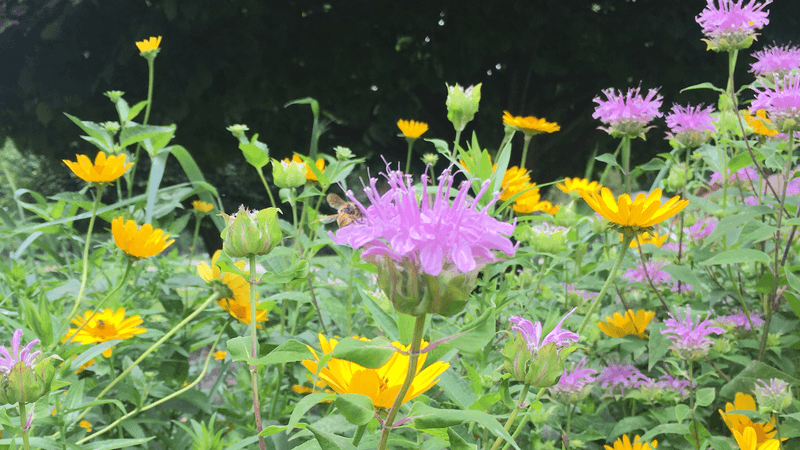
Ohio Prairie Nursery is the Hiram stop for gardeners with meadow dreams.
The nursery is listed at 11961 Alpha Road, Hiram, OH 44234, which gives northeast Ohio readers a clear address to check before planning the drive.
It is also listed as appointment only, online, and phone-order based, so this one needs a call or current listing check before anyone treats it like a casual walk-in retail trip.
That careful wording matters. This is a strong native plant source, but it may not behave like a garden center with open aisles and weekend browsing.
The nursery is especially relevant for prairie, wetland, meadow, pollinator, stormwater, and restoration seed projects. That makes it useful for gardeners with bigger plans than one border by the mailbox.
Ask about seed mixes versus plugs. Seed can cover a larger area, but it needs patience, site prep, and weed control. Plugs cost more, but they give faster visual progress.
August is a good time to study mature meadow plants before ordering. Look at what blooms, what stands tall, and what still looks alive when the lawn beside it seems deeply offended by summer.
Ohio Prairie Nursery works best as a planned stop or order source, not an impulse detour.
For the right project, though, it can help turn a plain sunny space into something with movement, pollinators, seedheads, and a lot more personality.
7. Try Native Roots Plant Market In Cincinnati
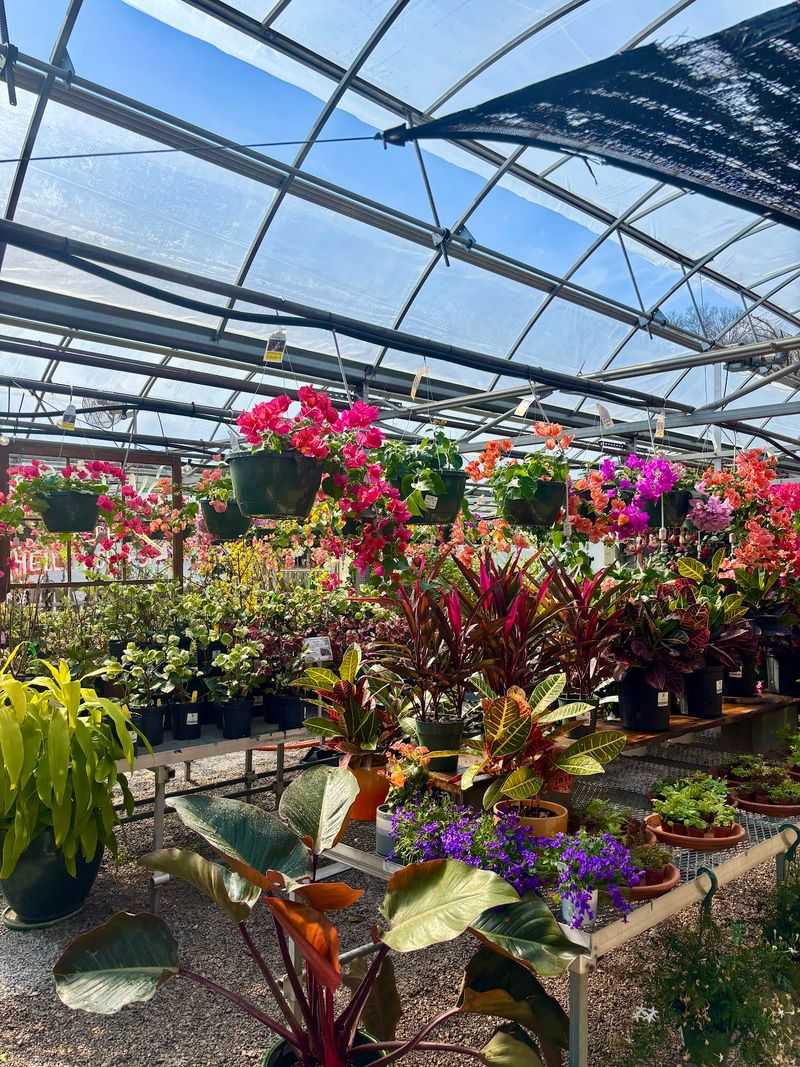
Native Roots Plant Market gives Cincinnati-area gardeners another easy-to-preview stop.
The plant market sits at 6840 Clough Pike, Cincinnati, OH 45244, which makes it a practical stop for Cincinnati and Anderson Township gardeners who want native options with a polished retail feel.
The big advantage for this list is visibility. Public listings include photos, and the official plant market page shows a real retail destination rather than a purely behind-the-scenes grower.
For readers planning an August drive, that extra visual confidence helps.
This one needs a careful shopping mindset. The plant market offers native plants, herbs, and eco-friendly garden goods, so gardeners who want straight native species should read tags closely and ask questions before loading the cart.
That is not a dealbreaker. It just means the shopper needs to stay awake at the wheel. Botanically awake, not highway awake. Preferably both.
Ask staff which plants are Ohio native, which are regional natives, and which are cultivars. Those details matter for gardeners trying to build habitat rather than just add color.
August shoppers should also check recent Google Maps photos before leaving home. Photos can reveal layout, plant condition, signage, parking, and the general feel of the place better than any glowing description.
Native Roots works well as the final list item because it is accessible, photo-friendly, and useful for gardeners who want native options with a retail experience that feels easy to navigate.