These Arizona Flowering Plants Feed Adult Fireflies And Keep Them Flashing All Summer

Most people are surprised to learn that Arizona has fireflies at all, but nearly two dozen species light up our deserts, grasslands, and streamsides. Adult fireflies sip nectar and pollen, so the flowers in your yard can literally keep those little lights glowing all summer.
The best part is that the plants that feed them are tough, native, and thirsty for almost nothing. Here are eight low-desert bloomers that support fireflies while surviving Phoenix and Tucson heat with barely any fuss.
1. Desert Willow (Chilopsis linearis)

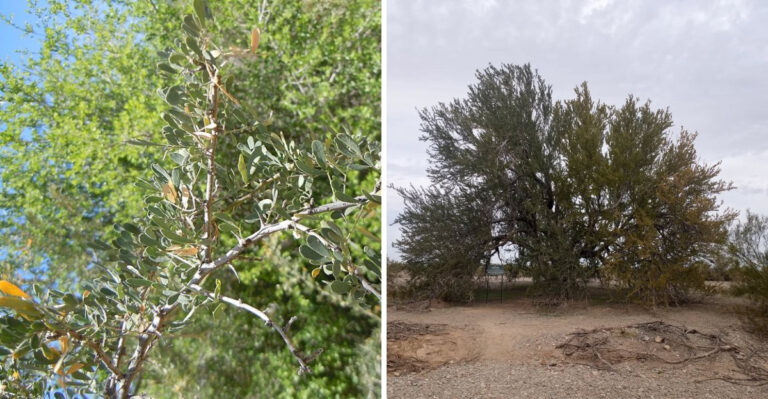
Picture a small tree draped in trumpet-shaped blossoms of pink and lavender, humming with pollinators from spring right through fall. That is desert willow, one of the low desert’s hardest-working natives.
Its fragrant flowers open from April into October, with a big flush in May and June and a second show after the summer monsoon storms roll through. Those repeat blooms matter because adult fireflies feed on nectar and pollen, and a plant that keeps flowering gives them fuel across their short flashing season.
Beyond the fireflies, this tree earns its keep. It handles brutal triple-digit heat, shrugs off drought once established, and asks for very little water.
The light, dappled shade it throws also helps keep the ground beneath it cooler and moister, which can benefit firefly larvae hiding in leaf litter.
Fun bit of trivia: despite the name, it is not a true willow at all. It just happens to love the wet, sandy washes where willows often grow.
Plant it in fall for the strongest start, and skip the pesticides so your glowing visitors stay safe.
2. Desert Milkweed (Asclepias subulata)

Skinny green stems that look almost bare, topped with creamy-white flower clusters, give desert milkweed its odd rush-like charm. Do not let the sparse look fool you, because this Sonoran native is a pollinator powerhouse.
It blooms across an incredibly long stretch, roughly April through December, which means nectar is on the menu for adult fireflies during their peak summer and monsoon activity. The flowers draw bees, butterflies, and other small insects, and that busy web of life indirectly supports firefly larvae hunting for food in the soil.
Gardeners in Phoenix and Tucson love it because it laughs at reflected heat off walls and pavement, thrives in full sun, and settles happily into stubborn caliche soils. Once its roots are down, it wants almost no supplemental water.
There is a bonus for butterfly fans too. Desert milkweed is a host plant for monarch and queen caterpillars, so you get flashing lights at night and fluttering wings by day.
Tuck it into a hot, dry corner where other plants sulk, keep it pesticide-free, and it will quietly do the work.
3. Plains Coreopsis (Coreopsis tinctoria)

Cheerful is the only word for a patch of plains coreopsis, with its golden petals and rich red centers nodding in the summer breeze. These daisies show up right when fireflies need them most.
Blooming from June through September, and often stretching year-round after monsoon rains, plains coreopsis lays out a steady nectar buffet during the low desert’s firefly season. Bees, butterflies, and small insects crowd the flowers, feeding adult fireflies directly and building the insect food chain that firefly larvae depend on.
Your Arizona Garden Changes Every Week. Your Plan Should Too.
Gardening in Arizona changes quickly throughout the season. Every Friday you’ll receive a simple weekly plan showing exactly what to plant, prune, fertilize, harvest, and protect so you never miss the right timing.
What makes it a smart pick for Arizona yards is how little it demands. It is drought-tolerant, low-maintenance, and perfectly happy in the heat, spreading easily and reseeding itself so the color keeps coming back season after season.
Try scattering seed in fall or letting a stand naturalize in a sunny spot that gets a little monsoon runoff. The plants stay short and airy, so they mix beautifully with grasses and other wildflowers.
A little history for you: the tinctoria in its name points to its old use as a dye plant, once prized for the warm reds and yellows its blossoms could produce.
4. Lanceleaf Coreopsis (Coreopsis lanceolata)

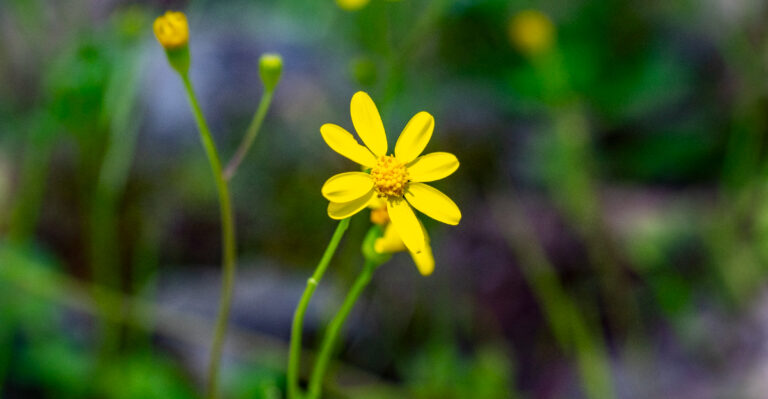
Bold, sunny yellow blooms on tall wiry stems make lanceleaf coreopsis look like a scatter of tiny suns across the garden. It has naturalized comfortably in the low desert, which tells you how tough it really is.
Flowering from late spring into early summer, roughly April through July, it fills the gap before some of the later monsoon bloomers wake up. That timing lines up nicely with the Southwest spring firefly, active from early June to late July, giving those early flashers a place to feed.
The flowers pull in bees, butterflies, and a swarm of small insects. Adult fireflies sip the nectar, while the insect activity below feeds hungry firefly larvae tucked into moist, undisturbed ground.
Care could hardly be simpler. Give it sun, let it dry out between waterings once established, and resist the urge to spray anything.
Deadheading spent blooms can coax a longer show.
Here is a friendly tip: pair it with plains coreopsis so your yard hands off from one bloom period to the next, keeping the nectar flowing and the lights glowing across a wider slice of the summer.
5. Mexican Evening Primrose (Oenothera berlandieri)

Few plants carpet a bed with pink quite like Mexican evening primrose, whose cup-shaped blooms seem to appear overnight and multiply by the dozen. It is a Southwestern native that positively revels in Phoenix summers.
From spring through fall it sends up waves of soft pink flowers, with intermittent blooming right through the hot months. Those daytime blossoms attract a steady stream of pollinators, and the nectar helps feed adult fireflies alongside bees and butterflies.
Its real superpower is toughness. It laughs at heat, tolerates drought once rooted, adapts to caliche, and asks for barely any attention.
Give it a little room, because it spreads happily and can fill an area faster than you expect.
That spreading habit is actually a plus for fireflies. A dense groundcover holds soil moisture and creates the shaded, undisturbed earth where larvae like to live.
One word of caution worth sharing: this primrose enthusiastically colonizes new ground, so plant it where you welcome a generous drift rather than a tidy clump. Keep the sprayers away, and let it ramble at the edge of a low-water bed.
6. White Desert Evening Primrose (Oenothera caespitosa)

When the sun drops and fireflies begin their light show, white desert evening primrose is just getting started. Its big, papery white blossoms unfurl at night, glowing softly in the dusk.
That after-dark timing is exactly why it belongs on a firefly gardener’s list. Adult fireflies are active once the light fades, so a flower that opens in the evening offers nectar right when they are out looking for it.
The blooms often blush pink as they age, giving the plant a shifting, dreamy palette.
A clumping native, it stays low and tidy, making it easy to place near a patio or path where you can watch the flashing happen. It handles desert soils and heat, and once established it needs very little water.
Its cousin, the annual desert evening primrose, works the same nighttime shift with yellow flowers that open at dusk and close by morning. Planting a few of these night bloomers gives your yard a full evening menu.
Keep the area free of harsh lighting and pesticides. Bright lights scramble firefly mating signals, so a dim, flower-filled corner does double duty for these glowing insects.
7. Missouri Goldenrod (Solidago missouriensis)

Golden plumes waving in the late-summer heat announce that goldenrod season has arrived, and Missouri goldenrod handles the low desert better than most. It is a compact, low-growing native that brings color when many spring flowers have faded.
Blooming from July into fall, it lines up beautifully with the Southwest synchronous firefly, which appears after monsoon rains from July through September. Late-season nectar is precious for adult fireflies, and this plant delivers exactly when they need a boost.
Goldenrods are famous among naturalists for the sheer number of insects they support. That bustling activity feeds the insect food web, and a healthy web means more prey for firefly larvae developing in moist ground.
Plant it in part sun in the low desert, where a bit of afternoon relief keeps it looking fresh. It is undemanding once established and shrugs off dry spells.
Let me clear up an old myth while we are here. Goldenrod gets blamed for hay fever, but the real culprit is ragweed blooming at the same time.
Goldenrod pollen is heavy and sticky, carried by insects, not the wind, so plant it without worry.
8. Frogfruit (Phyla nodiflora)

Hugging the ground with a dense green mat dotted by tiny button-like flowers, frogfruit is the humble hero of firefly habitat. It rarely gets top billing, yet it shows up again and again on firefly-friendly plant lists.
The small blossoms carry a pink or white crown and quietly feed a parade of little pollinators. More importantly for our glowing friends, frogfruit forms exactly the kind of cool, moist, undisturbed groundcover that firefly larvae love to live in.
Larvae are the stage that spends the most time in your yard, hiding in leaf litter and damp soil while they grow. A living mat like this holds moisture, shades the earth, and offers shelter, all of which support the next generation of flashers.
It is tough, spreads readily, tolerates foot traffic, and works well near a small water feature or a spot that catches monsoon runoff. Adding even a modest water source nearby amplifies its habitat value.
Think of frogfruit as the foundation beneath all those nectar flowers. The blooms feed the adults, and this quiet groundcover cradles the young, keeping your Arizona firefly show going year after year.