Stop Watering Your Michigan Yard Immediately If You See This After A Storm
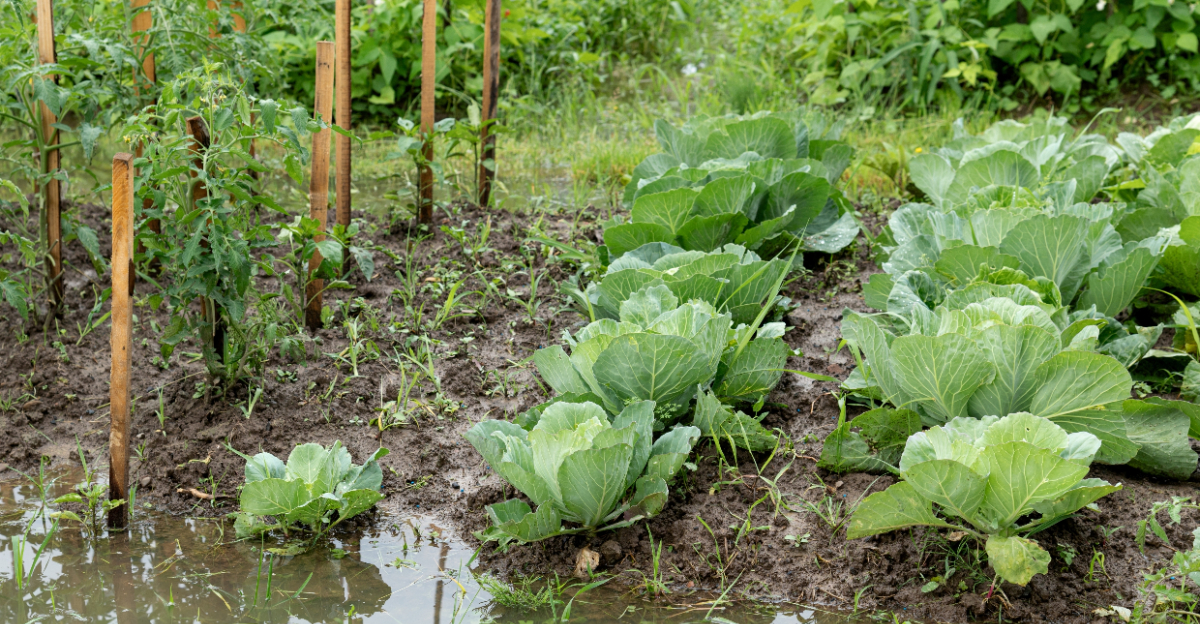
The instinct to get back on a regular watering schedule after a Michigan storm passes feels responsible. The storm watered the garden, the sun came back out, and everything looks like it needs attention again within a day or two.
One post-storm sign in Michigan yards shows that the soil holds far more water than it appears to from the surface. Adding irrigation on top of this hidden saturation damages plant roots faster than drought ever would.
Seeing this sign and continuing to water anyway is one of the most common ways Michigan gardeners lose plants in the days following a significant storm, when everything above the soil line looks like it is recovering just fine.
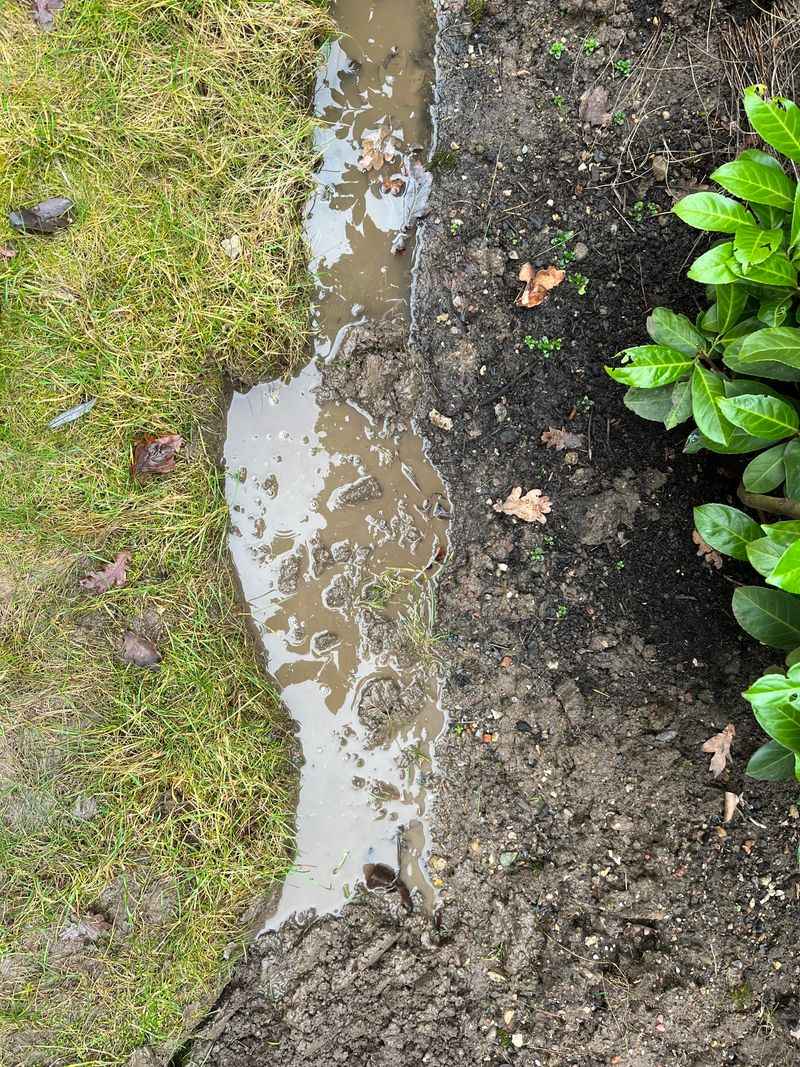
1. Standing Water Means The Soil Is Already Full
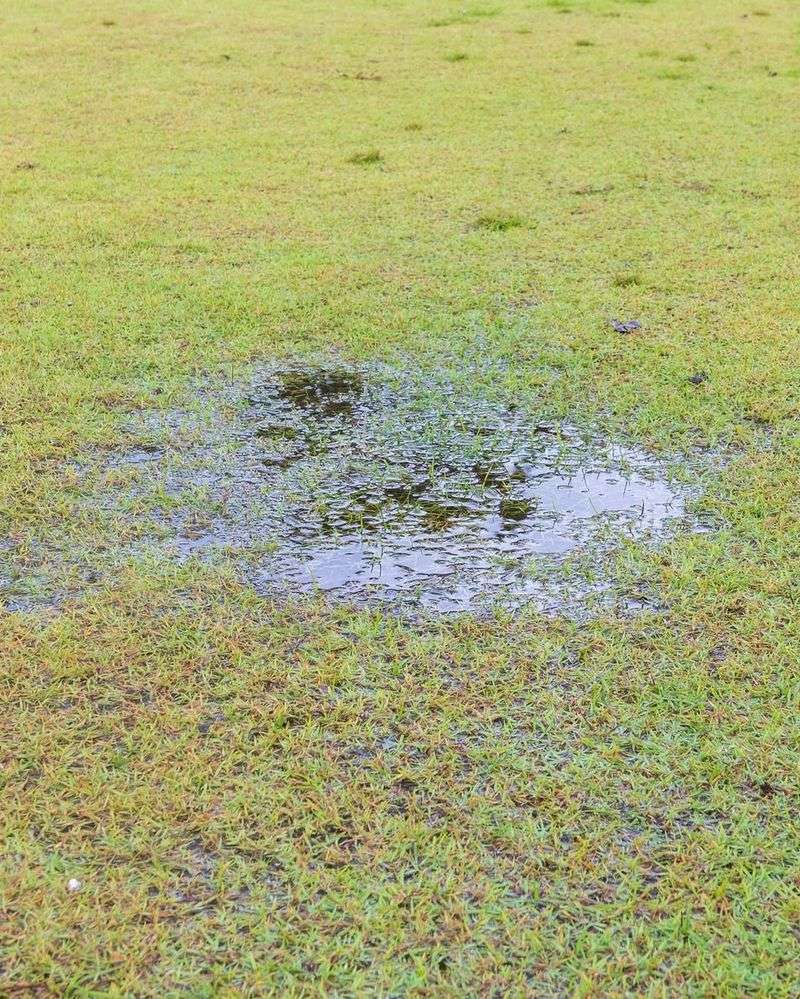
Picture this: you walk outside after a summer thunderstorm and your shoes sink right into the grass. That squishy, wet feeling underfoot is your yard telling you it has had enough water for now.
The soil can only hold so much moisture at one time, and once it hits that limit, there is simply nowhere left for extra water to go.
When you run your sprinklers on top of already soaked ground, you are not helping your lawn recover faster. The water has no room to soak down to the roots where it actually matters.
Instead, it just sits on the surface, keeping the top layer of soil wet and heavy for even longer than it needs to be.
Michigan storms can drop significant rainfall in a short amount of time, especially during summer months. A single strong thunderstorm can easily deliver half an inch or more of rain in under an hour.
That adds up fast, and your soil feels every drop. Leaving your irrigation system off after a storm is one of the simplest and smartest things you can do for your yard. Give the ground time to drain naturally before you even think about adding more water.
Most lawns need at least a day or two after heavy rainfall before they are ready for irrigation again.
Checking for puddles or pressing your finger an inch into the soil are two quick ways to judge how saturated the ground actually is. If water pools around your finger or the ground feels like a sponge, put the sprinkler remote down and walk away.
2. Extra Water Can Push Roots Into Stress
Roots are not just drinking straws for your plants. They also breathe.
Just like the leaves and stems above ground, roots need oxygen to function properly, and they pull that oxygen from tiny air pockets that exist naturally in healthy soil.
When a storm soaks the ground and those air pockets fill up with water, roots start struggling almost immediately. They cannot absorb nutrients efficiently, and the normal processes that keep your lawn and garden looking green and strong start to slow down.
Watering again before the soil dries out removes whatever oxygen is left and makes the situation noticeably worse.
You might notice your grass looking a little yellow or your flowers wilting even though the ground is soaking wet. That can feel confusing, but it makes sense once you understand that too much water is just as stressful for plants as too little.
Your Michigan Garden Changes Every Week. Your Plan Should Too.
Gardening in Michigan changes quickly throughout the season. Every Friday you’ll receive a simple weekly plan showing exactly what to plant, prune, fertilize, harvest, and protect so you never miss the right timing.
The signs of overwatering often look a lot like the signs of underwatering.
Lawns, shrubs, vegetables, and flower beds all react differently to waterlogged soil, but none of them benefit from extra irrigation when the ground is already saturated. Vegetables are especially sensitive.
Tomatoes, peppers, and squash can show stress symptoms within just a day or two of sitting in overly wet soil.
The best thing you can do is simply wait. Let the soil breathe again before you add more moisture.
Healthy roots in well-drained soil will bounce back quickly after a storm, and your plants will look much better for it in the days that follow.
3. Storm Rain Counts Toward The Weekly Total
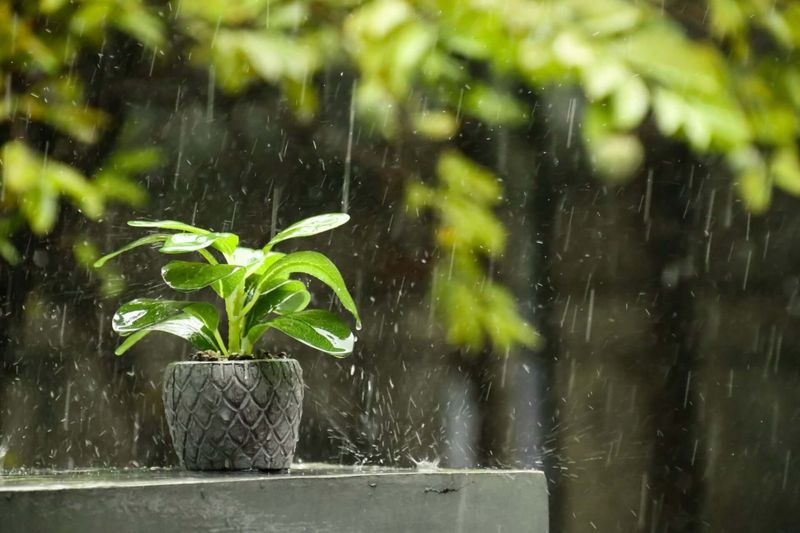
Most Michigan homeowners know their lawn needs about one inch of water per week to stay healthy during the growing season. What not everyone remembers is that rainfall absolutely counts toward that total.
A storm that drops three-quarters of an inch of rain means your sprinklers only need to make up the difference, not run a full cycle on top of it.
Running a full irrigation cycle after a heavy storm is one of the most common watering mistakes people make without even realizing it.
Smart sprinkler systems with rain sensors can help prevent this automatically, but plenty of yards still rely on manual timers or habit-based schedules that do not account for recent weather.
A simple rain gauge is one of the most useful and affordable tools a Michigan gardener can own. Place one in an open area of your yard away from trees or roof overhangs, and check it after every significant storm.
That small piece of information can save you from over-irrigating your entire yard week after week.
Overwatering over time does not just stress your plants. It also wastes a surprising amount of water and can raise your utility bill without you noticing the cause.
The average home irrigation system uses thousands of gallons per season, and a good chunk of that can be avoided simply by tracking rainfall more carefully.
After a storm, reset your thinking before you reset your timer. Check that rain gauge, do the math on how much water your yard actually received, and only run your sprinklers when the numbers say your lawn genuinely needs it.
4. Heavy Soil Holds Moisture Longer
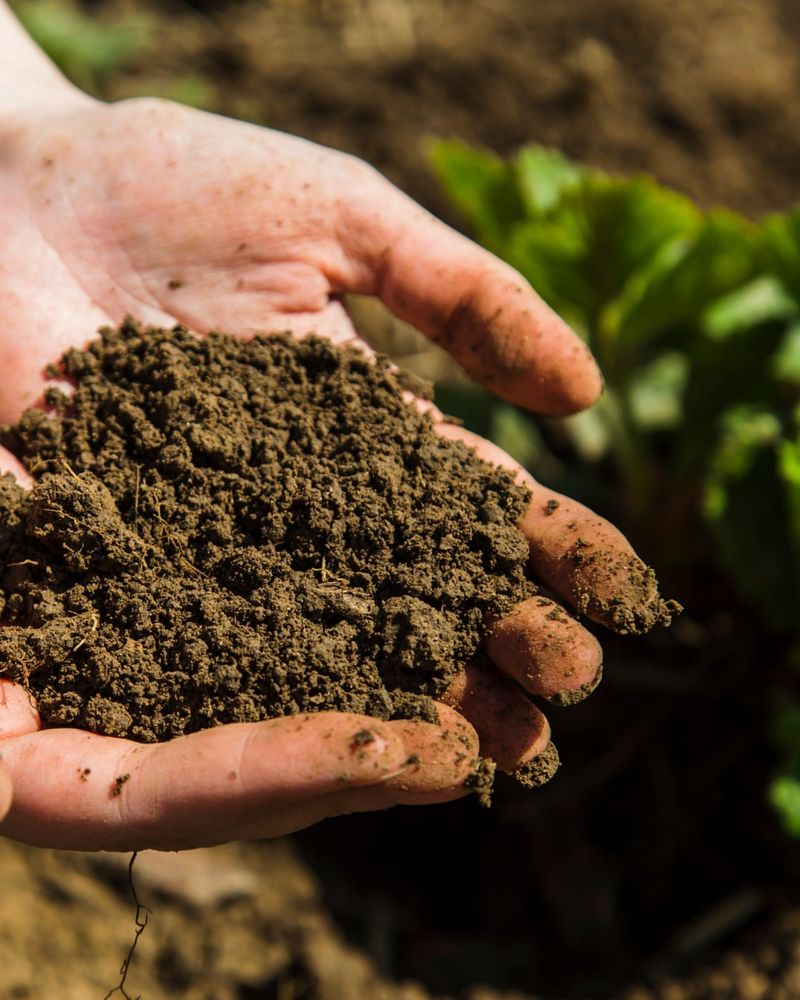
Not all Michigan yards drain the same way, and that difference matters a lot after a storm. Yards with clay-heavy soil, compacted ground, or low-lying spots hold onto water much longer than areas with looser, sandier soil.
If your yard falls into one of those categories, the drainage clock starts much later than you might expect.
Clay soil is common across many parts of Michigan, especially in the lower peninsula. It feels dense and sticky when wet, and it can take two to three days or even longer to drain properly after a heavy storm.
Watering on your normal schedule during that time just adds more water to ground that has no room left to absorb it.
Low spots in the yard are another area to watch carefully. Water naturally flows downhill and collects in dips and depressions, so those areas often stay soggy long after the rest of the lawn has dried out.
Adding irrigation to those spots too soon can turn a temporary puddle into a recurring problem.
Compacted soil is similar. Foot traffic, lawn equipment, and years of use can pack soil so tightly that water drains very slowly no matter how much or how little rain falls.
Aerating your lawn once a year helps with this, but in the short term, these areas need extra time before you water again.
Walk your yard after a storm and pay attention to where the water collects and how long it lingers.
Those observations will help you build a smarter, more customized watering plan that treats different parts of your yard the way they each actually need to be treated.
5. More Water Can Create Runoff Instead Of Soaking In
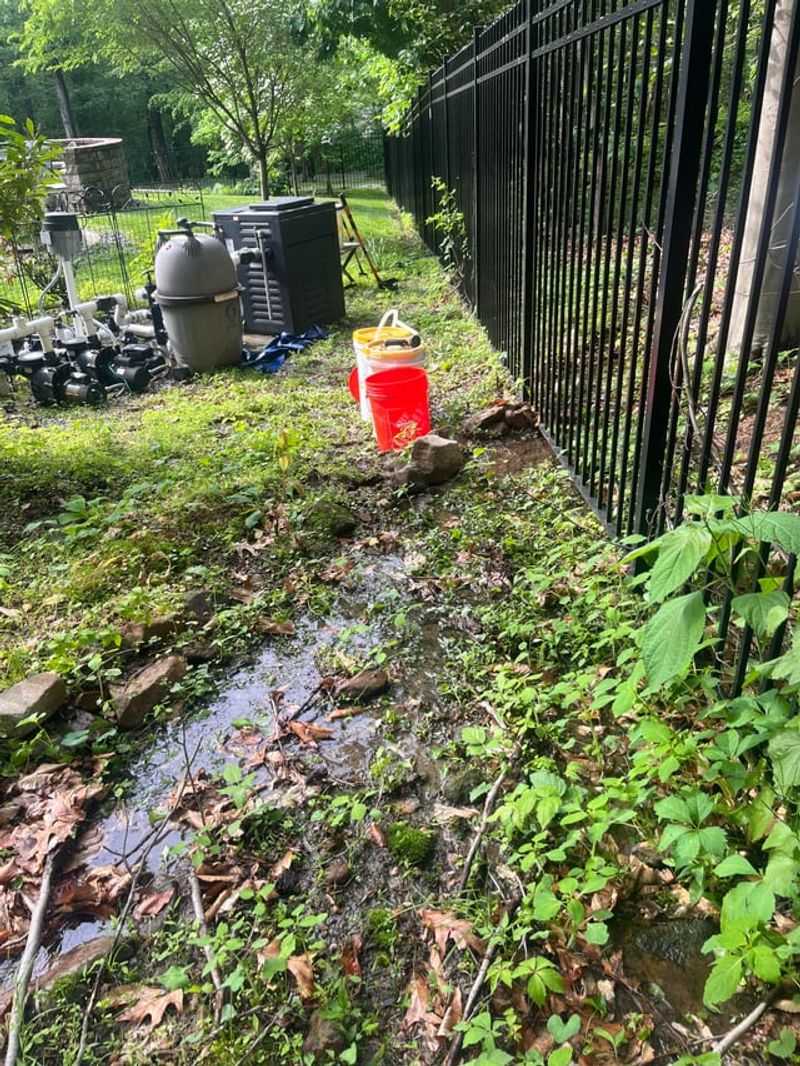
Here is something that surprises a lot of homeowners: once your soil is completely saturated, extra water from your sprinklers does not actually reach your plants.
Instead, it travels sideways across the surface of the yard and flows wherever gravity takes it. That usually means your sidewalk, your driveway, or the street drain at the end of your block.
Runoff sounds harmless at first, but it carries a lot more than just water. Bits of topsoil, mulch from your garden beds, grass clippings, and any fertilizer or lawn treatments you recently applied all hitch a ride.
That means the nutrients you spent money on end up washing away before your plants ever get to use them.
In Michigan, stormwater runoff is a real environmental concern. Water that flows off residential yards into storm drains often ends up in local rivers, lakes, and streams without being treated.
Fertilizer-laced runoff contributes to algae growth in those waterways, which affects fish, wildlife, and the overall water quality that communities depend on.
Preventing runoff is actually pretty simple once you understand what causes it. The main fix is timing.
Wait until your soil has drained and dried enough to accept water again before turning on your irrigation system. That way, every drop from your sprinklers actually soaks down to the root zone where it belongs.
Mulching your garden beds and planting groundcover in bare areas also helps slow runoff by giving water more surface to cling to.
Small changes like these add up to a yard that handles both storms and irrigation much more efficiently over time.
6. Wet Grass Overnight Can Raise Lawn Disease Pressure
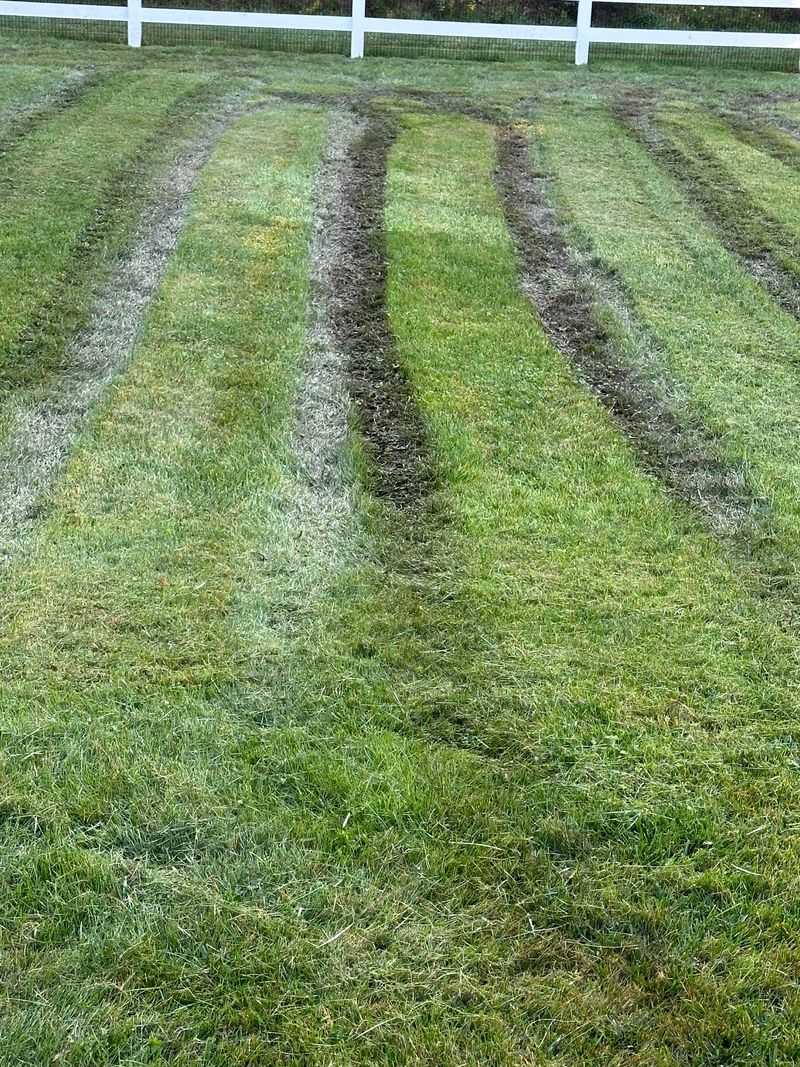
Timing matters enormously when it comes to watering your lawn, and this is especially true after a storm.
If rain soaks your grass late in the day and you then run your sprinklers in the evening on top of that, your lawn could stay wet through the entire night.
That combination creates exactly the kind of environment where lawn diseases thrive.
Fungal lawn problems like brown patch, dollar spot, and pythium blight are all common in Michigan during warm, humid stretches of summer.
These issues spread most aggressively when grass blades stay wet for extended periods, particularly overnight when temperatures stay warm and there is little wind to help things dry out.
Watering after a storm can unintentionally give these conditions a major boost.
Brown patch is one of the most recognizable lawn diseases in the Midwest. It shows up as circular brown or tan areas in the grass, sometimes with a darker ring around the outer edge.
Once it takes hold, it can spread quickly across a lawn that stays consistently wet and warm.
The good news is that avoiding this kind of trouble is straightforward. Skip your evening watering cycle if your grass is already wet from a storm.
If your lawn genuinely needs irrigation, morning is always the best time. Early watering gives the grass several hours of daylight and airflow to dry off before nightfall arrives.
Keeping your mower blade sharp and your grass at the right height also helps reduce disease pressure.
Healthy, well-maintained turf is naturally more resistant to fungal problems, even during Michigan’s famously unpredictable summer weather patterns.
7. The Right Move Is To Wait And Recheck
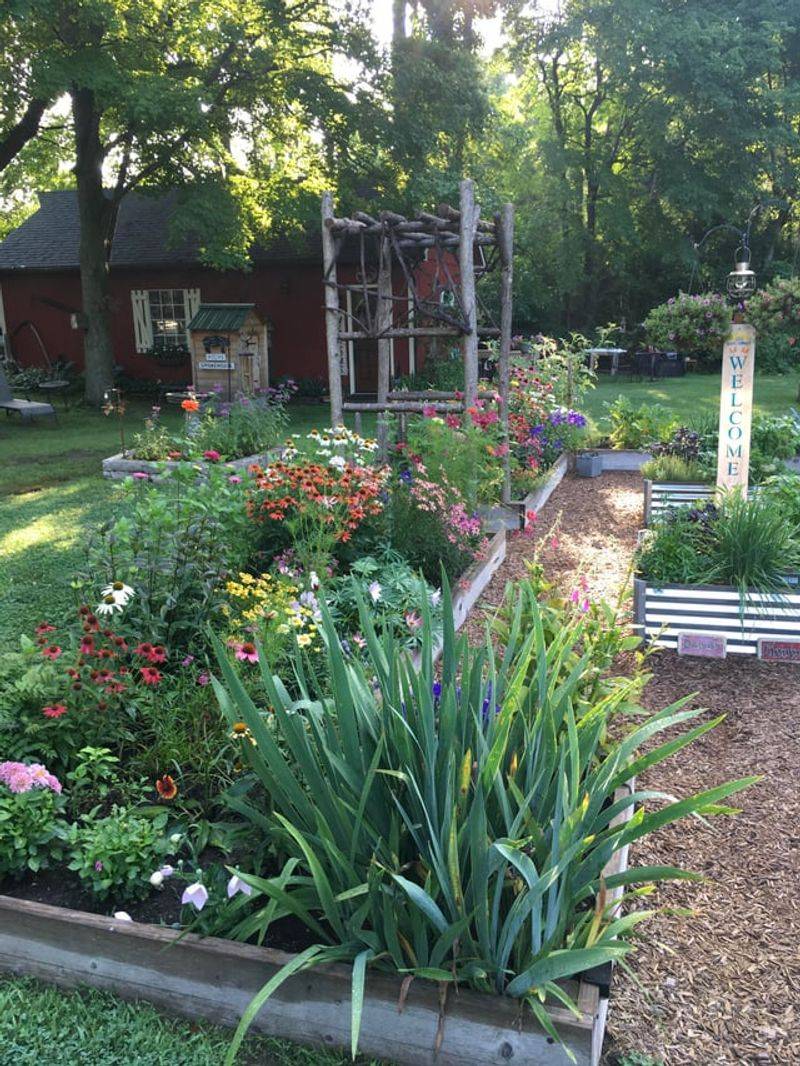
Seeing puddles in your yard after a storm can feel like a problem that needs fixing right away, but the smartest action you can take is actually the easiest one: do nothing.
Turn off your irrigation system, step back, and let the yard handle things on its own for a little while. Nature is pretty good at recovering when you give it the space to do so.
Start by switching off any automatic timers or smart irrigation schedules so they do not kick on while the ground is still saturated. Then just observe.
Watch where the water collects, how fast it drains, and which areas of your yard dry out first. That information is genuinely useful for making better watering decisions going forward.
After 24 to 48 hours, go back outside and do a simple soil check. Press your finger or a screwdriver about two inches into the ground in several spots across your yard.
If it slides in easily and the soil feels damp and cool, there is still plenty of moisture available. If it feels dry and firm, your lawn is ready for water again.
Your rain gauge is your best friend during this process. Note how much rain fell during the storm, subtract that from your lawn’s weekly water needs, and only run your sprinklers to make up the actual difference.
That approach keeps your lawn healthy without wasting a single drop. Restarting your watering routine based on real soil conditions rather than a fixed schedule is one of the most effective upgrades any Michigan gardener can make.
Your yard will look better, your water bill will thank you, and your plants will genuinely be healthier for it.