Texas Gardeners Should Never Plant These Plants Near Roses
Roses in Texas already face enough pressure from heat, humidity, and pests without the wrong neighboring plants making things worse.
Most gardeners think carefully about what roses need in terms of sun, water, and soil, but the plants growing nearby rarely get the same consideration.
That oversight can quietly undermine even a well cared for rose bed in ways that are easy to misread as disease, nutrient deficiency, or just the difficulty of growing roses in Texas.
Certain plants compete aggressively for the resources roses need, others create the kind of humid, crowded conditions that invite fungal problems, and a few are allelopathic, meaning they release compounds into the soil that actively suppress the growth of plants around them.
Knowing what not to put near your roses is just as important as knowing what they need directly, and some of the most common planting mistakes in this category involve plants that seem like completely reasonable neighbors at first glance.
1. Tomatoes
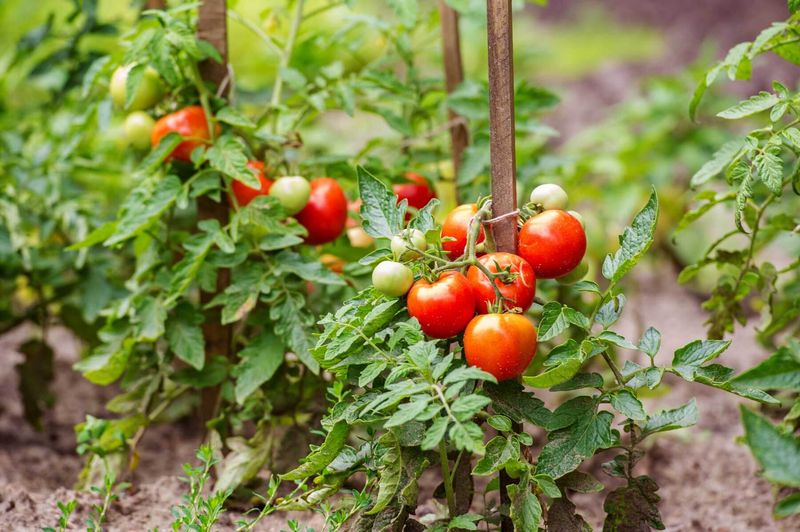
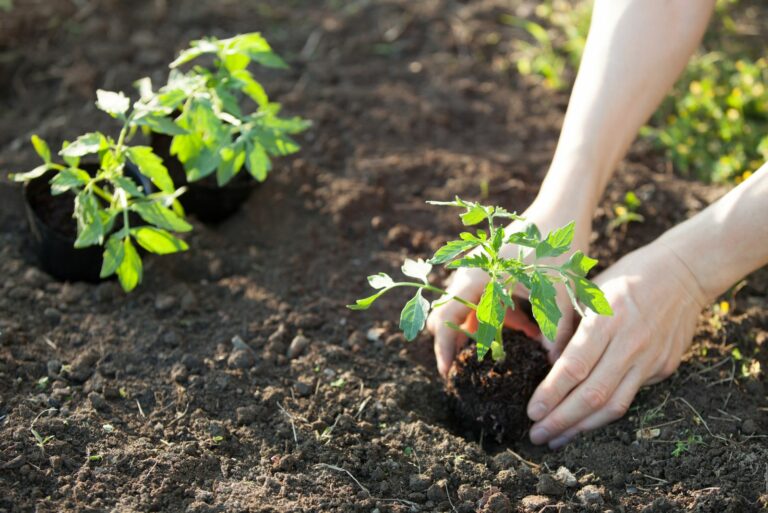
Most gardeners love growing tomatoes and roses in the same backyard, but these two plants are actually a risky combination. Tomatoes belong to the nightshade family, and that family comes with some serious baggage when it comes to fungal diseases.
Blight and wilt are two of the most common problems, and both can spread easily from tomato plants to nearby rose bushes.
In Texas, the warm and humid conditions during spring and early summer create the perfect environment for fungal spores to travel through the air and soil.
Once a disease takes hold in your tomatoes, it does not take long before your roses start showing the same symptoms.
Yellowing leaves, black spots, and wilting canes are all warning signs that something has gone wrong.
Beyond disease, tomatoes are heavy feeders. They pull large amounts of nitrogen, phosphorus, and potassium from the soil.
Roses need those same nutrients to produce their beautiful blooms. When tomatoes and roses compete for the same resources, the roses almost always come out on the losing end.
Tomatoes also grow quite tall and bushy, which can block sunlight from reaching your rose canes. Roses need at least six hours of direct sun each day to stay healthy and bloom well.
Shade from a nearby tomato plant can reduce flowering and weaken the overall plant over a single season.
Keep your tomato beds at least ten to fifteen feet away from your rose garden. This simple spacing rule can protect both plants and give each one the room and resources it needs to truly shine in your Texas garden.
2. Potatoes
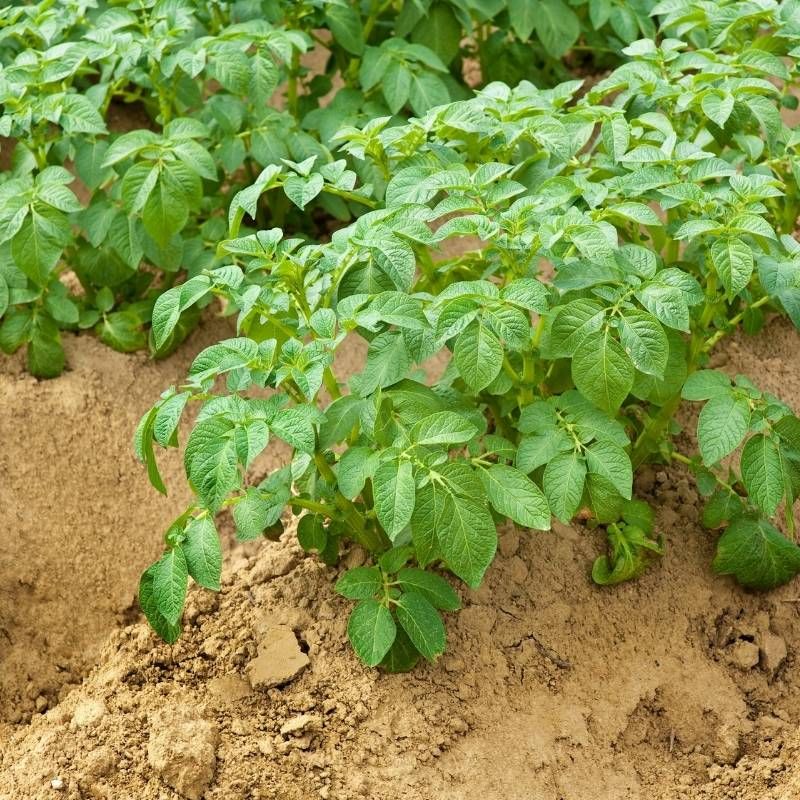
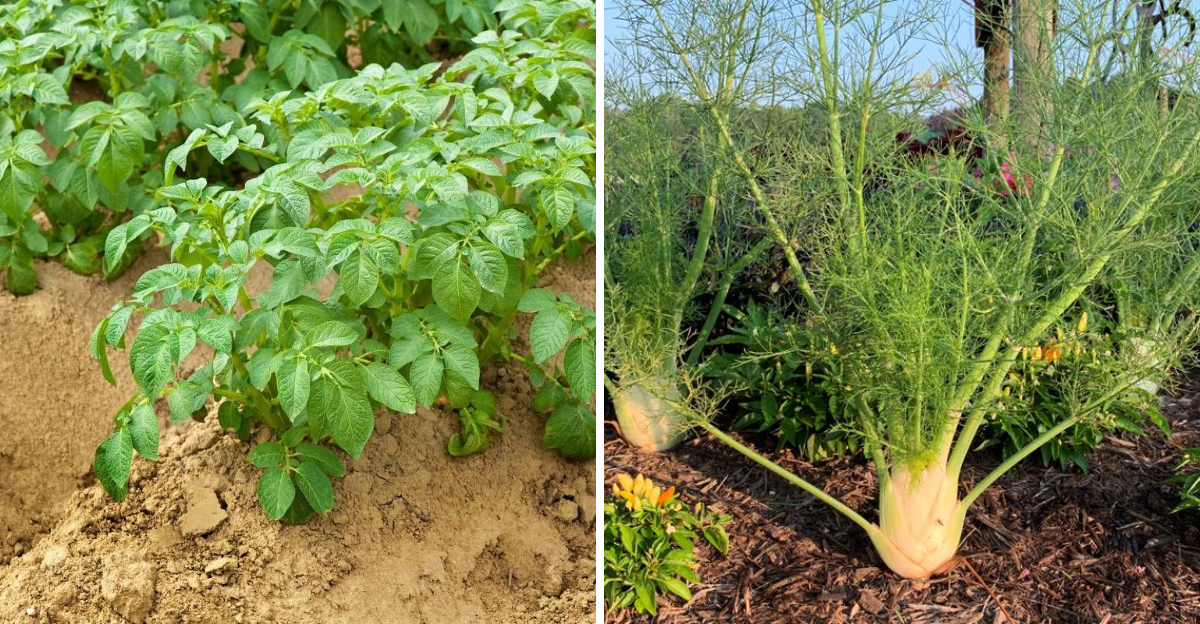
Potatoes might seem like an innocent vegetable, but they carry a hidden threat that every Texas rose gardener should know about. Like tomatoes, potatoes are members of the nightshade family.
That shared family connection means they are vulnerable to many of the same soilborne diseases, and those diseases can spread directly to your roses through the ground.
One of the biggest concerns is a condition called Verticillium wilt. This fungal disease lives in the soil and can survive for years, even after the infected plant is long gone.
Your Texas Garden Changes Every Week. Your Plan Should Too.
Gardening in Texas changes quickly throughout the season. Every Friday you’ll receive a simple weekly plan showing exactly what to plant, prune, fertilize, harvest, and protect so you never miss the right timing.
Once it gets into your garden bed, it can move from potato roots to rose roots without any warning. Infected roses may show yellowing leaves, brown streaking inside the canes, and a general decline in health that is hard to reverse.
Potatoes are also heavy feeders, much like tomatoes. They draw heavily from the soil, pulling nutrients that your roses desperately need.
In the already nutrient-challenging soils common across much of Texas, this kind of competition can seriously set back your rose plants.
Another issue is that potato plants attract certain pests, including aphids and whiteflies. These insects do not stay put on the potato plants.
They wander, and roses happen to be one of their favorite destinations. A pest problem that starts in your potato patch can quickly become a rose problem too.
To keep your roses safe, grow potatoes in a completely separate section of your garden. Rotating where you plant potatoes each year also helps reduce soilborne disease buildup and protects everything else growing nearby, including your prized rose bushes.
3. Fennel
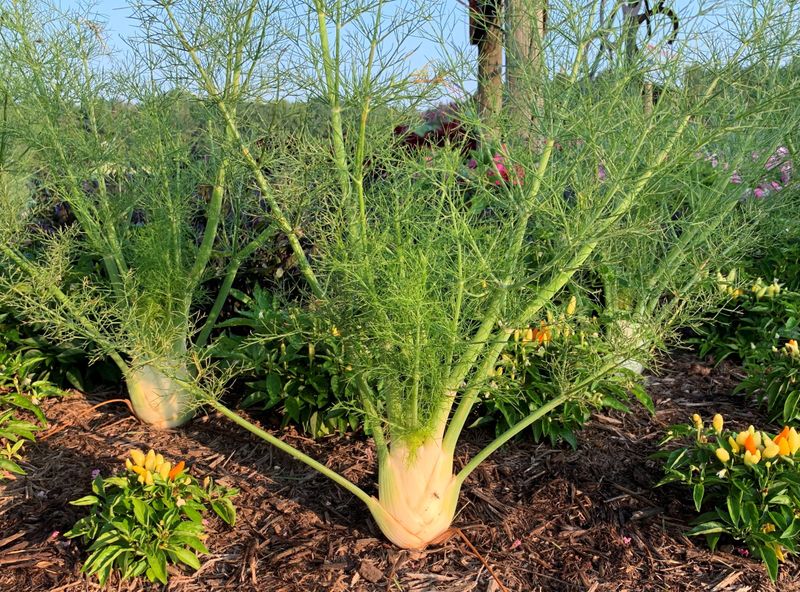
Fennel has a reputation for being a bit of a bully in the garden, and that reputation is well earned. This tall, feathery herb releases natural chemical compounds from its roots and leaves into the surrounding soil.
Scientists call this process allelopathy, and it basically means fennel is chemically telling other plants to back off.
Roses are particularly sensitive to these compounds. When fennel grows close to a rose bush, the rose may start to look stunted, produce fewer blooms, or show signs of stress even when it is being watered and fertilized properly.
Many gardeners spend months trying to figure out what is wrong before realizing the culprit is the fennel growing just a few feet away.
What makes fennel especially tricky is that it looks beautiful and smells wonderful. It attracts butterflies and beneficial insects, which can make it seem like a great garden addition.
But its good qualities do not cancel out the harm it causes to neighboring plants, especially roses.
In Texas, where gardeners often try to maximize every inch of their garden space, it is tempting to tuck fennel in wherever there is room. Resist that urge when roses are involved.
Even planting fennel a few feet away may not be enough, because its root compounds can travel through the soil over time.
Give fennel its own dedicated space, well away from your rose beds. A raised container or a separate garden section works perfectly.
That way you can enjoy all the benefits of growing fennel without putting your roses at risk of slow, invisible decline.
4. Brassicas (Cabbage Family)
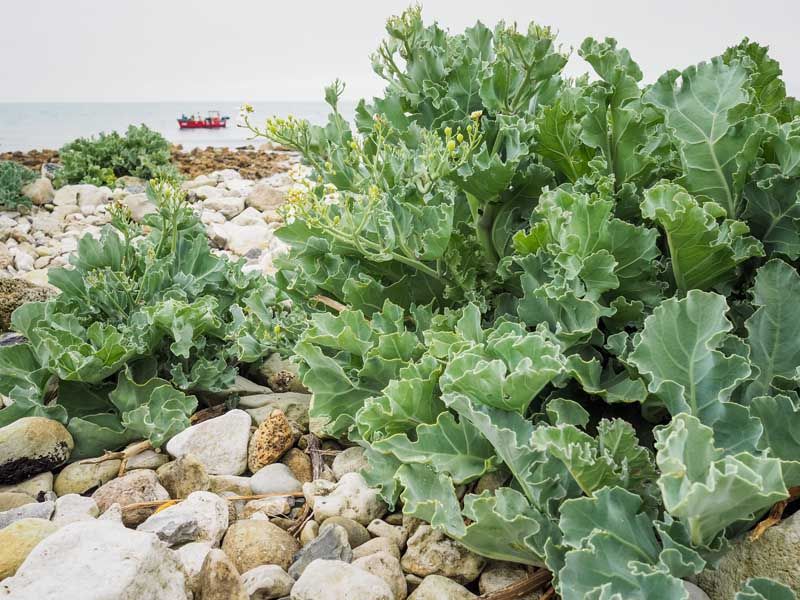
Cabbage, broccoli, cauliflower, Brussels sprouts, and kale all belong to the brassica family, and they share a common trait that makes them bad neighbors for roses. These vegetables are incredibly hungry plants.
They pull massive amounts of nutrients from the soil, especially nitrogen, which is exactly what roses need to grow strong canes and produce vibrant blooms.
When brassicas are planted close to roses in a Texas garden, the competition for nutrients becomes fierce. Roses often lose that battle.
You might notice your roses producing smaller flowers, growing more slowly, or developing pale, yellowish leaves. These are classic signs of nutrient deficiency caused by nearby heavy feeders stealing what the roses need.
Brassicas also tend to grow in dense, leafy clusters that trap moisture around the base of nearby plants.
In the hot and humid conditions Texas sees during spring, that trapped moisture creates an ideal breeding ground for fungal diseases like powdery mildew and black spot, both of which love to attack roses.
Did you know that some brassicas also attract cabbage worms and aphids in large numbers? These pests do not limit themselves to the brassica plants.
They explore nearby plants, and roses are frequently targeted. A heavy aphid infestation can weaken a rose bush quickly, especially during the stress of a Texas summer.
The best approach is to keep your vegetable patch and your rose garden well separated. Give each group of plants its own dedicated space with plenty of room to breathe.
Your roses will reward you with healthier growth and more impressive blooms when they are not fighting their neighbors for survival.
5. Mint
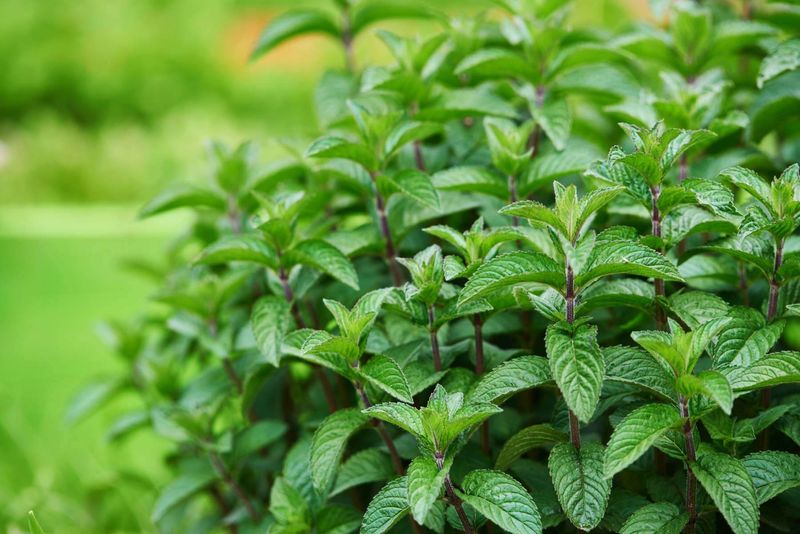
There is something almost sneaky about mint. It smells amazing, it is useful in the kitchen, and it looks harmless enough when you first plant it.
But give mint a few weeks, and you will start to see its true nature. This plant spreads underground with incredible speed, sending out horizontal roots called runners that can travel several feet in a single growing season.
When mint is planted near roses, those runners weave through the soil and crowd out the rose roots. Roses need loose, well-aerated soil to absorb water and nutrients effectively.
Mint roots compact the surrounding soil and compete aggressively for both moisture and minerals. In the dry stretches that Texas gardeners deal with regularly, this competition can stress roses significantly.
Mint also creates dense surface coverage that can block water from reaching rose roots. During a quick rain shower or watering session, the mint canopy intercepts much of the moisture before it ever soaks into the ground.
Roses sitting nearby end up getting far less water than they actually need. Some gardeners think planting mint nearby will repel pests from their roses.
While mint does have some insect-repelling qualities, the damage it causes to the surrounding soil and root space far outweighs any pest-control benefit it might offer.
If you love growing mint, the smartest solution is to plant it in containers. A pot with a solid bottom completely stops the runners from spreading.
You can place the container anywhere in your garden and still enjoy fresh mint without giving it a chance to take over your rose beds or any other planting area nearby.
6. Walnut Trees (Especially Black Walnut)
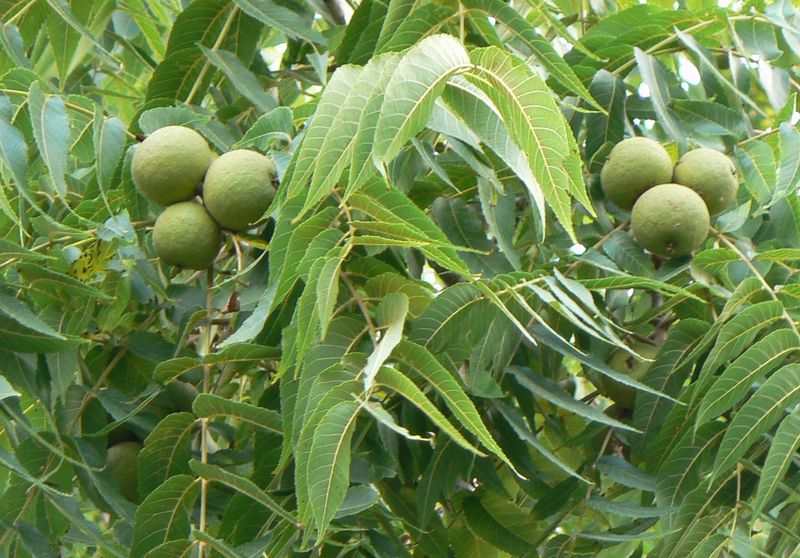
If there is one plant on this list that poses the most serious threat to roses, it is the black walnut tree. These trees produce a natural chemical called juglone, and they release it into the soil through their roots, fallen leaves, and even their nut husks.
Juglone is essentially a growth inhibitor, and roses are extremely sensitive to it. When a rose bush grows within the root zone of a black walnut tree, it begins to absorb juglone through its roots. The results are not pretty.
Roses exposed to juglone typically show wilting, yellowing leaves, and stunted growth. Over time, the plant weakens and struggles to bloom.
No amount of fertilizer or extra watering will fix the problem as long as the walnut tree is nearby.
The root zone of a black walnut tree extends far beyond what you can see above ground. A mature tree can have roots spreading sixty to eighty feet from its trunk.
That means even a rose bed that looks safely distanced from the tree could still be within reach of those juglone-releasing roots.
In Texas, black walnut trees are found naturally across many central and northern parts of the state. If you have one on your property or in a neighboring yard, it is worth mapping out the root zone before choosing where to plant your roses.
Other walnut species also produce juglone, though typically in lower concentrations than the black walnut. To be safe, keep roses well away from any walnut tree on your property.
Choosing a planting location on the opposite side of your yard from any walnut tree is the most reliable way to protect your roses long term.