Native Arizona Trees Homeowners Are Choosing Instead Of Invasive Sissoo — And Why They’re Glad They Switched
Not every landscaping regret shows up right away. Sometimes it takes years before a tree starts causing the kind of problems that make its original benefits feel a lot less impressive.
What once seemed like the perfect source of shade can gradually turn into one of the most frustrating parts of the yard.
That is exactly why sissoo is losing favor in so many landscapes. The fast growth that once made it attractive is no longer enough to outweigh the issues that often come with it later.
At the same time, a different group of trees is getting much more attention.
These options are already adapted to the climate, fit naturally into the landscape, and bring the kind of long term value that becomes more obvious with every passing year.
Arizona has no shortage of beautiful native trees. Once their strengths become clear, it is easy to see why so many property owners are choosing them instead of sissoo.
1. Blue Palo Verde Brings Spring Color Without The Sissoo Problems
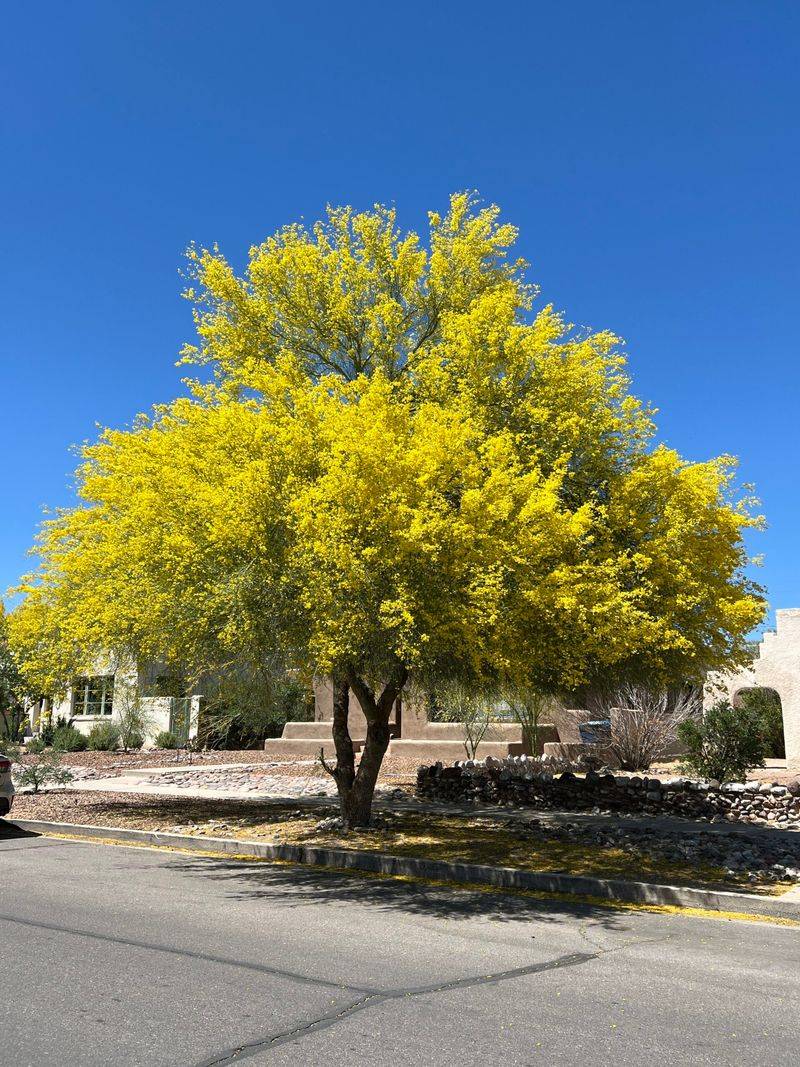
Few trees put on a show quite like Blue Palo Verde in spring. Clusters of bright yellow flowers cover every branch, turning the entire tree into a glowing canopy.
It happens fast, usually in April, and the effect is stunning against a blue desert sky.
Blue Palo Verde grows to around 25 feet tall with a wide, airy canopy. Roots stay reasonable and do not crack sidewalks or invade plumbing.
That alone makes it a massive upgrade over Sissoo for most homeowners.
Green bark does photosynthesis even when the tree drops its tiny leaves during drought. Water use is very low once established, typically after the first two years.
No extra irrigation systems, no babying required.
Birds love nesting in the branching structure. Bees swarm the flowers every spring, which is great news for anyone growing vegetables nearby.
Wildlife activity increases noticeably after planting.
Thorns are present, so plant it away from high-traffic walkways. Spacing it properly from the start saves headaches later.
Overall, Blue Palo Verde rewards minimal care with maximum visual payoff every single year.
Its filtered shade also makes it easier to grow many desert-adapted plants underneath without creating dense, heavy cover.
2. Foothill Palo Verde Thrives In Tough Desert Conditions
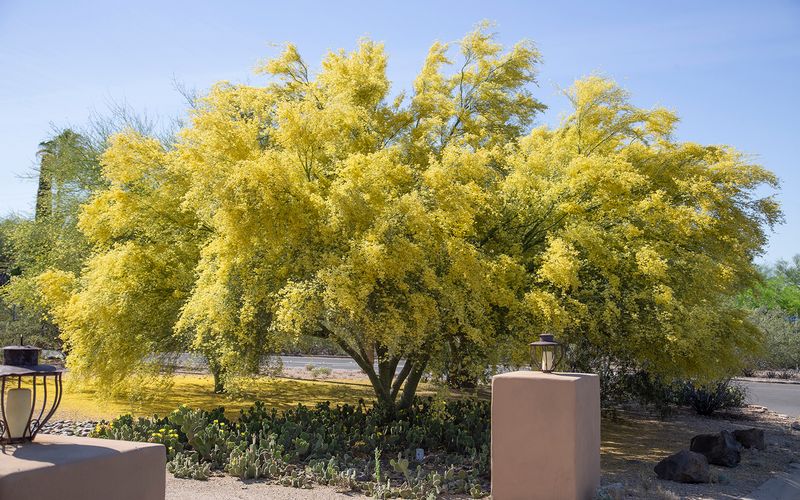
Foothill Palo Verde is built for punishment. Rocky hillsides, caliche soil, brutal summer heat, it handles all of it without complaint.
Sissoo needs regular water and good drainage to stay healthy, while Foothill Palo Verde handles drought with ease.
Mature height typically stays between 15 and 20 feet. Spread can be similar, creating a rounded, natural-looking canopy that fits most suburban lots without crowding fences or structures.
Shape stays manageable with occasional light pruning.
Yellow flowers appear in spring, slightly later than Blue Palo Verde. Bloom time is shorter but still impressive.
After flowering, small seed pods develop and provide food for quail, doves, and other desert birds.
Root systems are deep and anchored, not shallow and spreading like Sissoo. Sidewalks, patios, and underground pipes stay safe.
Your Arizona Garden Changes Every Week. Your Plan Should Too.
Gardening in Arizona changes quickly throughout the season. Every Friday you’ll receive a simple weekly plan showing exactly what to plant, prune, fertilize, harvest, and protect so you never miss the right timing.
That reliability is something homeowners genuinely appreciate after dealing with invasive root damage.
Establishment takes patience. Water deeply but infrequently during the first two summers, then back off significantly.
Once it finds its footing in desert soil, Foothill Palo Verde becomes almost completely self-sufficient and continues performing year after year.
Another advantage is its long lifespan. A healthy Foothill Palo Verde can remain a dependable part of the landscape for decades with very little intervention.
3. Desert Willow Delivers Flowers Without Aggressive Growth
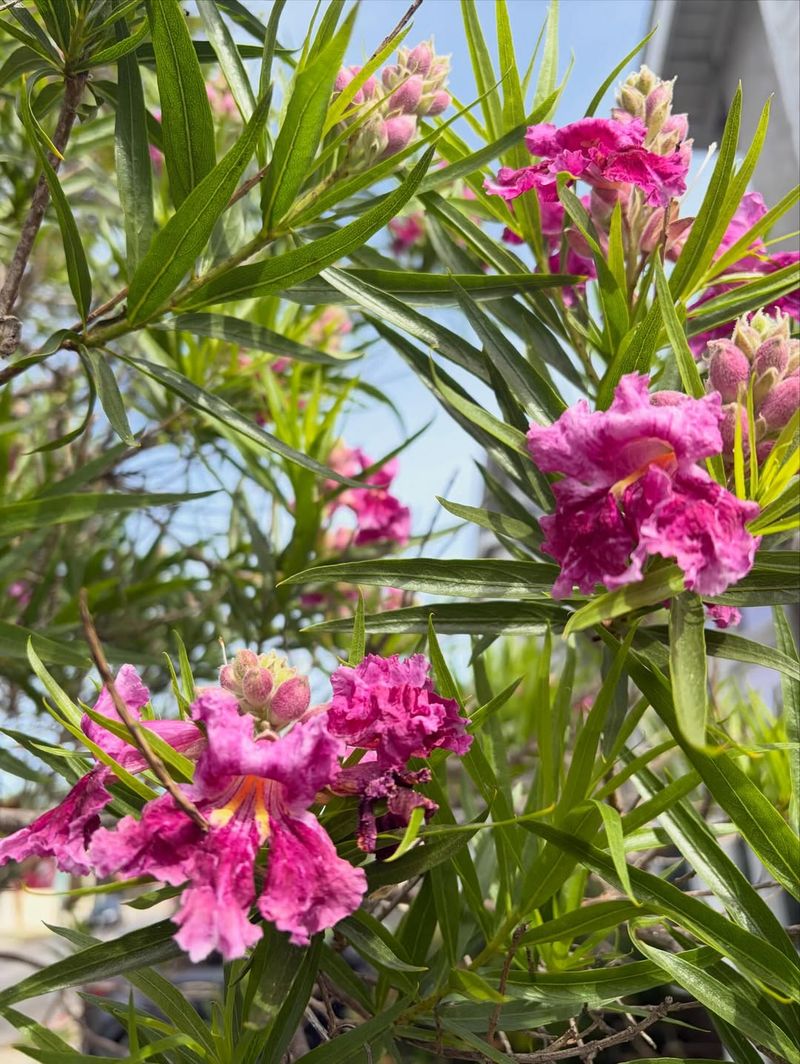
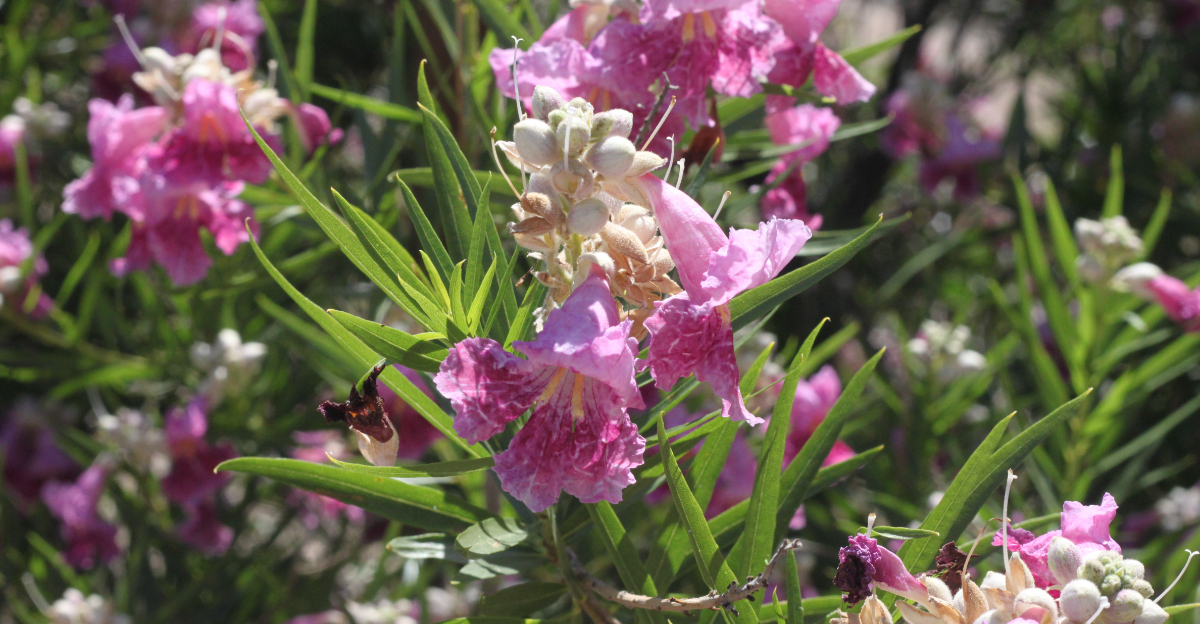
Trumpet-shaped flowers in pink, purple, and white keep Desert Willow blooming from late spring straight through early fall. No other native tree in the desert Southwest offers that kind of extended color.
Hummingbirds show up almost immediately after the first flowers open.
Growth is moderate, reaching around 15 to 25 feet depending on water availability. Spread stays proportional and predictable.
Unlike Sissoo, it does not send runners underground or sprout aggressively in surrounding garden beds.
Leaves are long and narrow, which gives the tree a soft, wispy look without creating heavy shade. That light canopy is actually useful in desert gardens, allowing enough sunlight through for ground-level plantings underneath.
Drought tolerance is strong once established. Deep watering every two to three weeks during summer keeps it healthy and flowering.
Reduce irrigation in cooler months and let natural rainfall handle most of the work.
Seed pods form after flowering and persist into winter, adding visual interest even after blooms fade. Wildlife use the pods as a food source.
Cleanup is minimal compared to heavy leaf-dropping trees. Desert Willow gives a lot back for very little effort from the homeowner.
4. Ironwood Rewards Patience With Long-Term Beauty
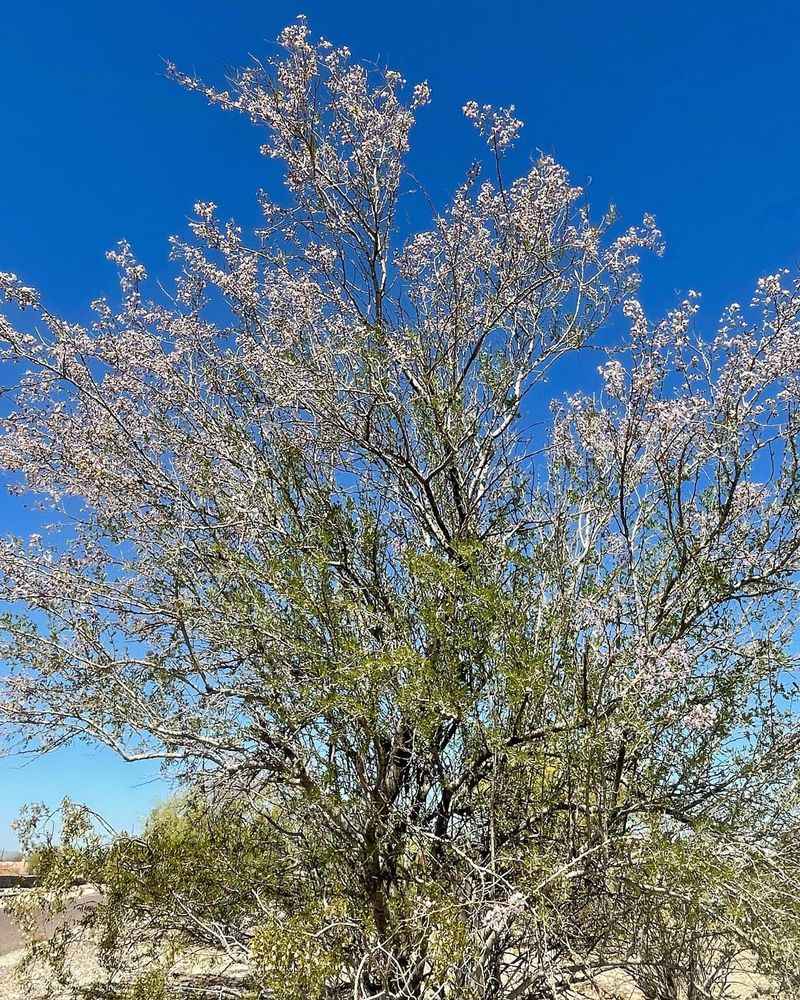
Ironwood is the oldest living native tree in the Sonoran Desert, with some specimens living over 800 years. Planting one feels less like landscaping and more like leaving something behind for future generations.
That kind of permanence is rare in any yard.
Growth is slow, usually just a few inches per year. Patience is genuinely required.
But after a decade in the ground, an Ironwood starts developing real presence, with a thick trunk and layered canopy that no fast-growing tree can replicate.
Lavender-purple flowers cover the branches in late spring. Bloom time is brief but breathtaking.
Seed pods follow and are edible, historically used as a food source by Indigenous communities across the Sonoran region.
Thorns are sharp, so placement matters. Keep it away from paths and play areas.
Once positioned correctly, it needs almost no maintenance beyond occasional shaping during the first few years.
Wildlife benefit enormously from Ironwood. Over 500 species use it for shelter, nesting, or food in natural desert settings.
Bringing that ecological value into a residential yard is something Sissoo simply cannot offer. Ironwood is a long-term investment that keeps paying off.
5. Velvet Mesquite Creates Shade With Less Water
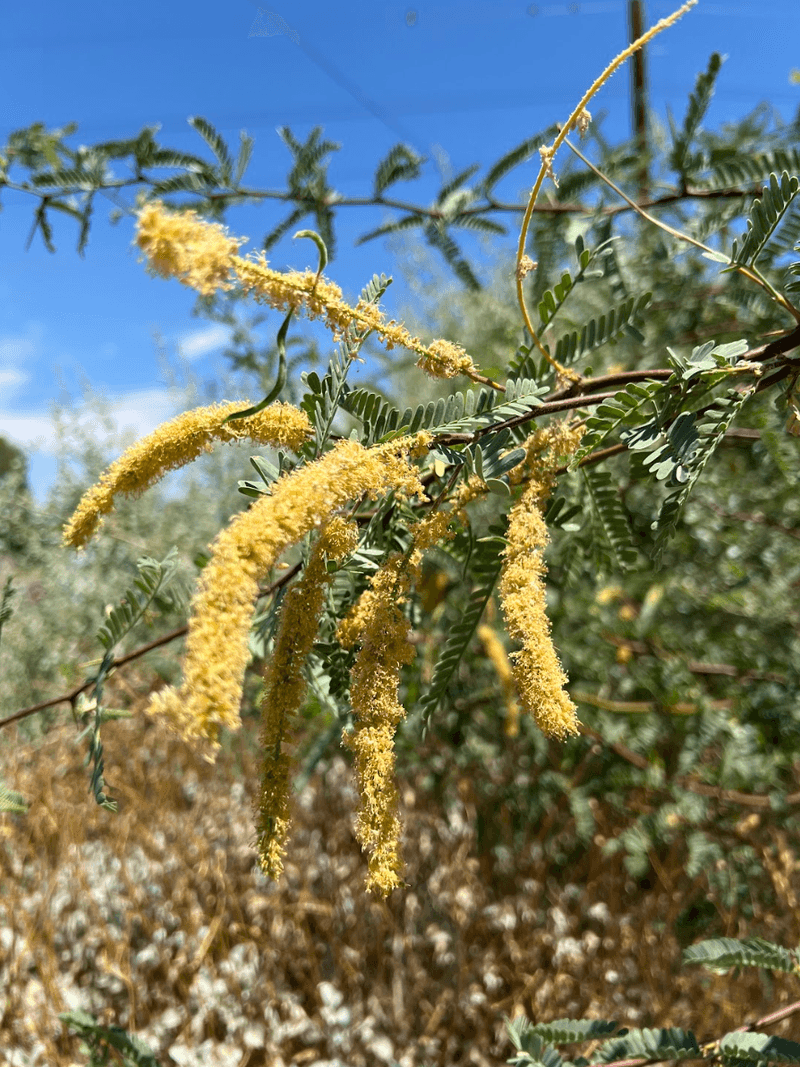
Velvet Mesquite does something few desert trees manage well: it creates real, usable shade. Canopy spread can reach 40 feet on a mature tree, covering a significant portion of a yard.
That shade lowers surface temperatures noticeably, which matters a lot during triple-digit summer days.
Water needs are low after establishment. Deep roots tap into groundwater and moisture stored far below the surface.
Supplemental irrigation can be reduced dramatically after the first two to three years in the ground.
Feathery, bipinnate leaves create a soft, dappled shade pattern rather than dense blockout coverage. Plants underneath can still receive filtered light.
That makes it easier to grow low-water ground covers or native grasses beneath the canopy.
Seed pods are long, sweet-smelling, and edible. Javelinas, deer, coyotes, and birds all feed on fallen pods.
Homeowners often notice a significant uptick in wildlife activity after a Mesquite matures in the yard.
Some people worry about thorns and messy pod drop. Both are real but manageable.
Raking pods once or twice a season is a fair trade for the shade and wildlife value Velvet Mesquite reliably delivers year after year without demanding much in return.
6. Netleaf Hackberry Supports Birds Throughout The Year
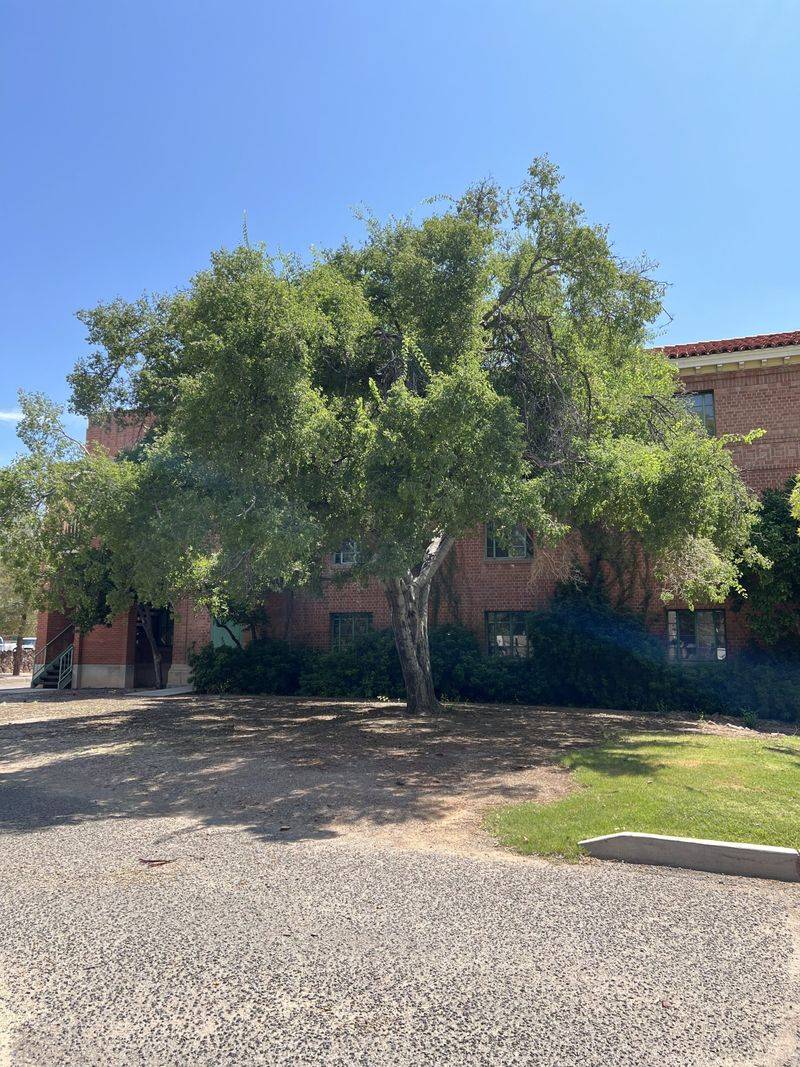
Bird activity around a Netleaf Hackberry is almost constant. Small orange-red berries ripen in late summer and attract mockingbirds, robins, cedar waxwings, and dozens of other species.
Homeowners who plant one essentially install a free bird feeder that refills itself every year.
Size stays manageable, usually between 20 and 30 feet tall with a rounded canopy. Root behavior is far more contained than Sissoo, making it a safer choice near patios, driveways, and underground utilities.
Structural damage from roots is not a known issue with this species.
Leaves are rough-textured and stay on the tree later into fall than most desert natives. That extended leaf period provides shade well into October, which is genuinely useful in warm desert climates where summer heat lingers.
Drought tolerance is solid once the tree establishes. It naturally grows along desert washes and canyon edges, meaning it can handle both dry spells and occasional heavy watering.
Flexible water needs make it easier to manage in typical yard conditions.
Bark develops deep furrows and a rugged character as the tree ages. Older specimens have real visual presence.
For homeowners who want wildlife value, seasonal interest, and low maintenance all in one package, Netleaf Hackberry consistently delivers on every front.
7. Arizona Sycamore Works Well In Larger Landscapes
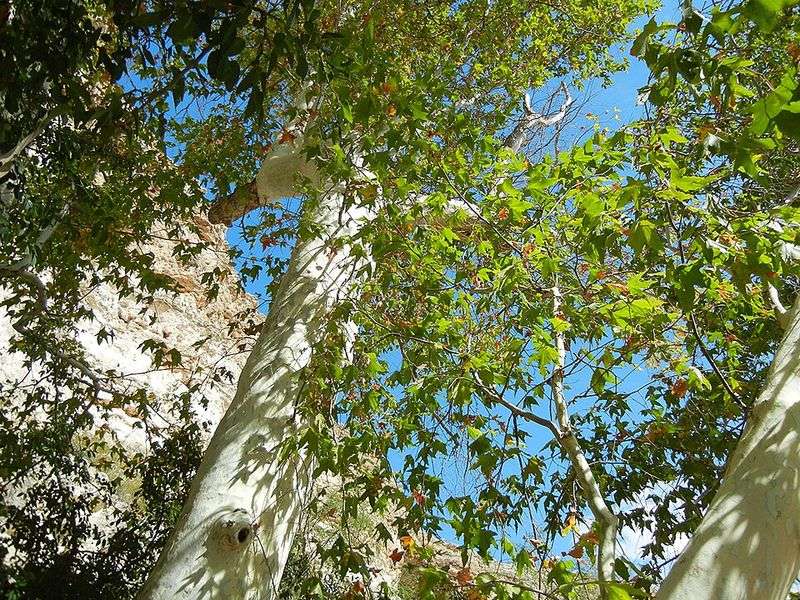
White, tan, and cream bark that peels in patches makes Arizona Sycamore one of the most visually striking native trees available.
Even in winter, when leaves are gone, the trunk and upper branches create a sculptural focal point that genuinely stands out in any large yard.
Size is the biggest consideration. Mature trees can reach 80 feet tall with a wide spreading canopy.
Larger properties, acreages, and open desert lots are the right fit. Compact suburban yards may not give this tree the room it needs to grow properly.
Water requirements are higher than most desert natives. Sycamore naturally grows along streams and canyon bottoms where water is more available.
Supplemental irrigation during dry months is necessary, especially during the first several years after planting.
Wildlife use is impressive. Hawks nest in upper branches.
Cavity-nesting birds move into older trees. Leaf litter creates habitat for insects that feed ground-dwelling birds and reptiles.
Ecological value builds steadily as the tree matures.
Root spread matches canopy spread, so placement away from structures is important from the start.
Given proper space and reliable water access, Arizona Sycamore develops into a landmark tree that defines an entire property for decades without the invasive tendencies that made Sissoo so problematic.
8. Catclaw Acacia Handles Heat And Poor Soil Easily
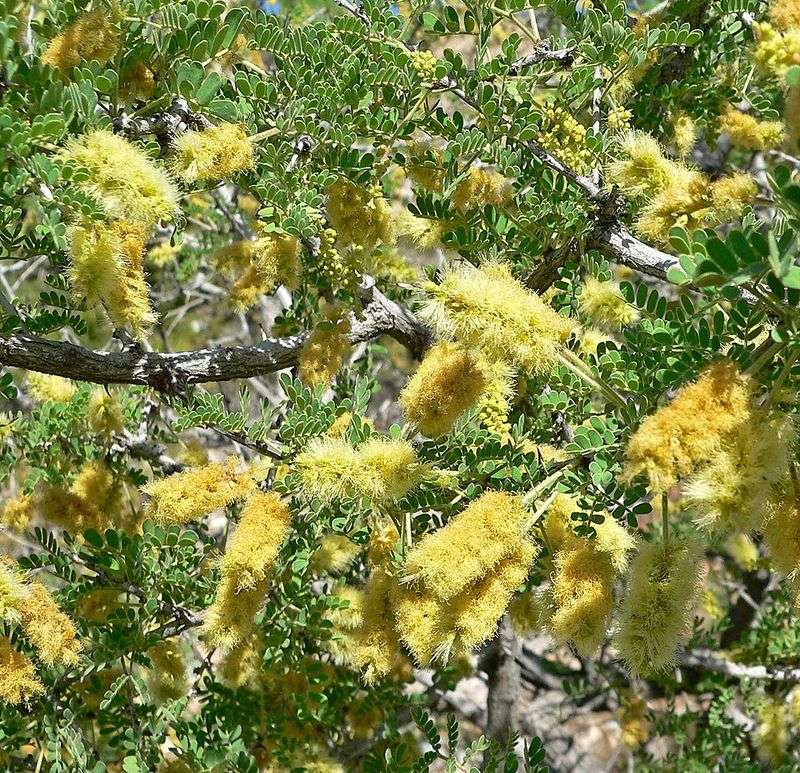
Catclaw Acacia earned its name honestly. Curved, claw-like thorns grab clothing and skin with impressive efficiency.
Plant it as a barrier hedge or a wildlife screen and that thorny personality becomes a genuine feature rather than a flaw.
Heat tolerance is exceptional. Caliche soil, compacted hardpan, gravel beds, it grows in conditions that would stress most ornamental trees.
Homeowners dealing with difficult planting sites often find Catclaw Acacia succeeds where other choices have repeatedly failed.
Small yellow puffball flowers bloom in spring and carry a light, pleasant fragrance. Bloom time is relatively brief but attracts pollinators in large numbers.
Bees in particular visit heavily during the flowering period, which is valuable for any garden with edible plants nearby.
Mature size stays between 15 and 20 feet tall in most conditions. Spread can be wide, but pruning keeps it in bounds without stressing the tree.
Structure is naturally multi-trunked and shrubby, which works well in informal desert landscape designs.
Seed pods provide food for quail and doves through fall and winter. Wildlife value continues well after flowering ends.
Maintenance is minimal once established, needing only occasional shaping and infrequent deep watering during extended dry periods. For tough spots in the yard, few natives perform as reliably.
9. Screwbean Mesquite Fits Smaller Spaces More Easily
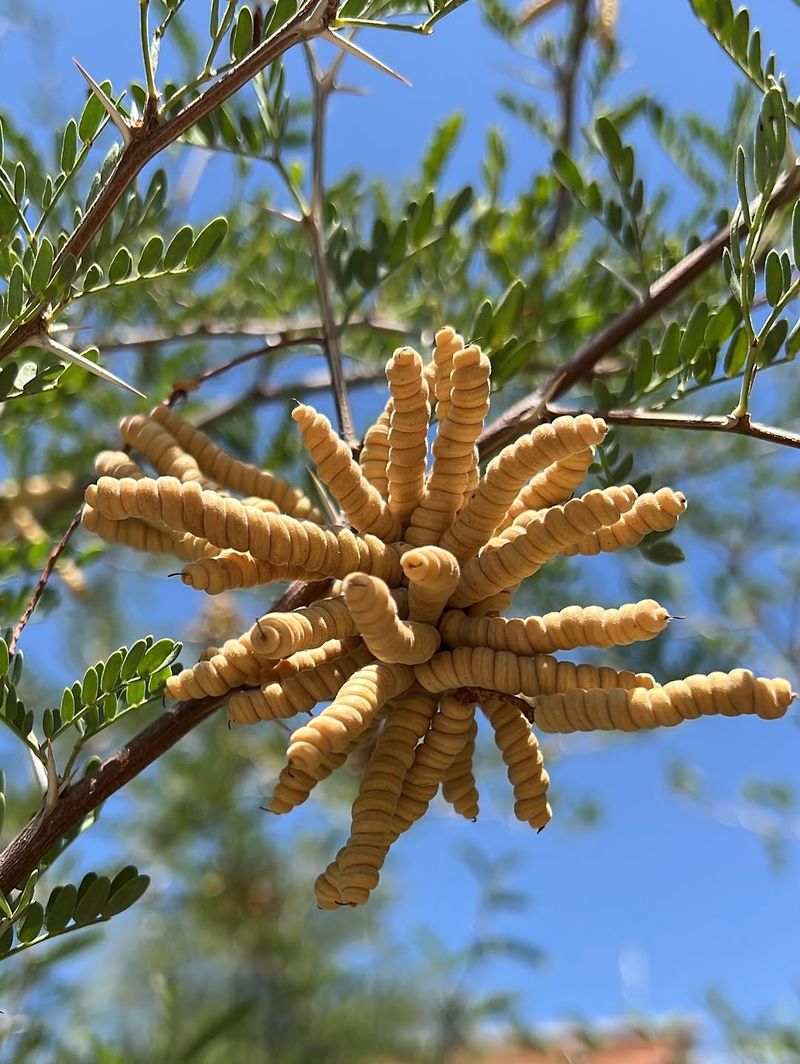
Screwbean Mesquite is the compact option that most homeowners with smaller lots overlook. Mature height usually stays between 15 and 20 feet, and spread is proportional.
Tight courtyards, narrow side yards, and compact front landscapes all become viable planting sites.
Twisted, corkscrew-shaped seed pods are unlike anything else growing in desert yards. Clusters of spiral pods hang from branches through summer and fall, creating a unique visual texture.
Kids and visitors almost always stop to look at them up close.
Feathery leaves cast light, filtered shade without blocking airflow. Summer heat stays more manageable in areas shaded by Screwbean Mesquite than in fully exposed spots.
Shade quality improves as the canopy fills in over several growing seasons.
Water use after establishment is low. Deep, infrequent watering every two to three weeks during summer is typically enough.
Rainfall during winter and spring can often handle irrigation needs entirely during cooler months.
Wildlife value is real. Quail, doves, and small mammals all feed on fallen pods.
Branching structure provides nesting cover for smaller bird species.
Screwbean Mesquite delivers the wildlife and shade benefits of larger Mesquite varieties in a size that actually fits the average residential lot without overwhelming surrounding plantings or structures.