8 Thanksgiving Centerpieces You Can Make From Your New York Garden
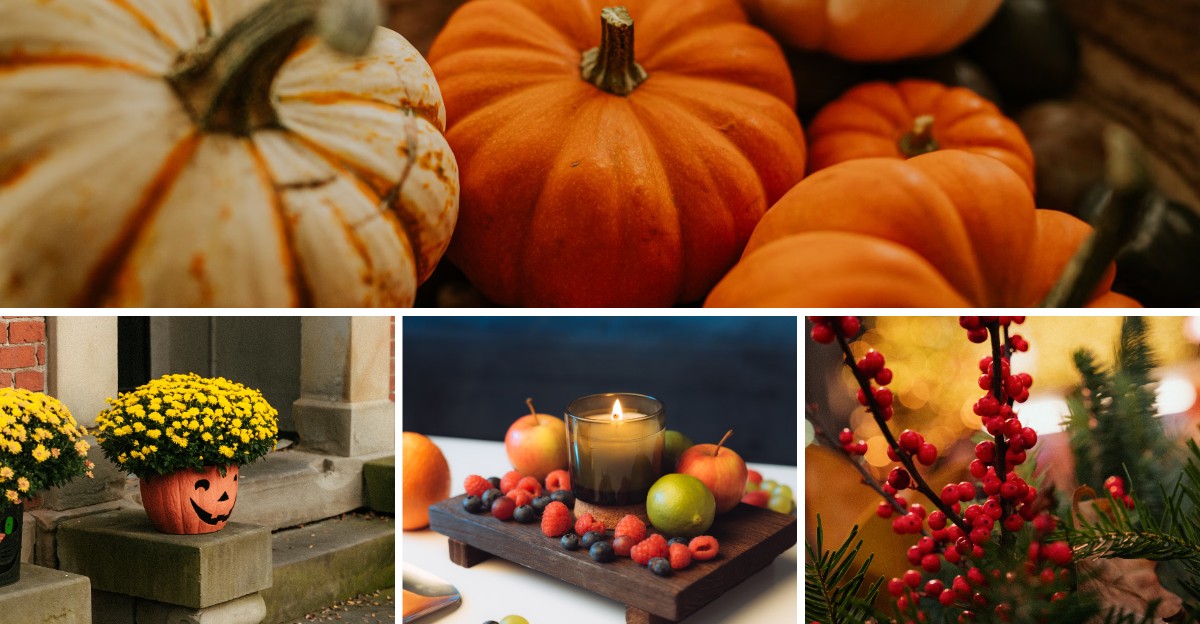
You are paying retail for centerpieces that cost very little to gather. Florists in Manhattan charge premium prices for what you can snip with garden pruners.
Dried hydrangea heads, corn husks, and rose hips wait for you right now. Maple leaves shift from scarlet to burnt orange, and they fill gaps beautifully.
Gnarled branches give you sculptural height that store-bought arrangements struggle to match. Texture does the heavy lifting, so you stop buying glitter.
Throughout New York, you will find pumpkins, hydrangeas, apples, and rose hips. Upstate fields and city stoops alike offer low-cost material across New York.
Your guests will study the table and suspect a boutique designer. Meanwhile you pocket the savings and let them wonder.
Before you cut anything, you must learn which stems to save. Soon you will meet a humble winterberry twig that rivals candles.
1. Hydrangea And Oak Leaf Mason Jar Bouquet
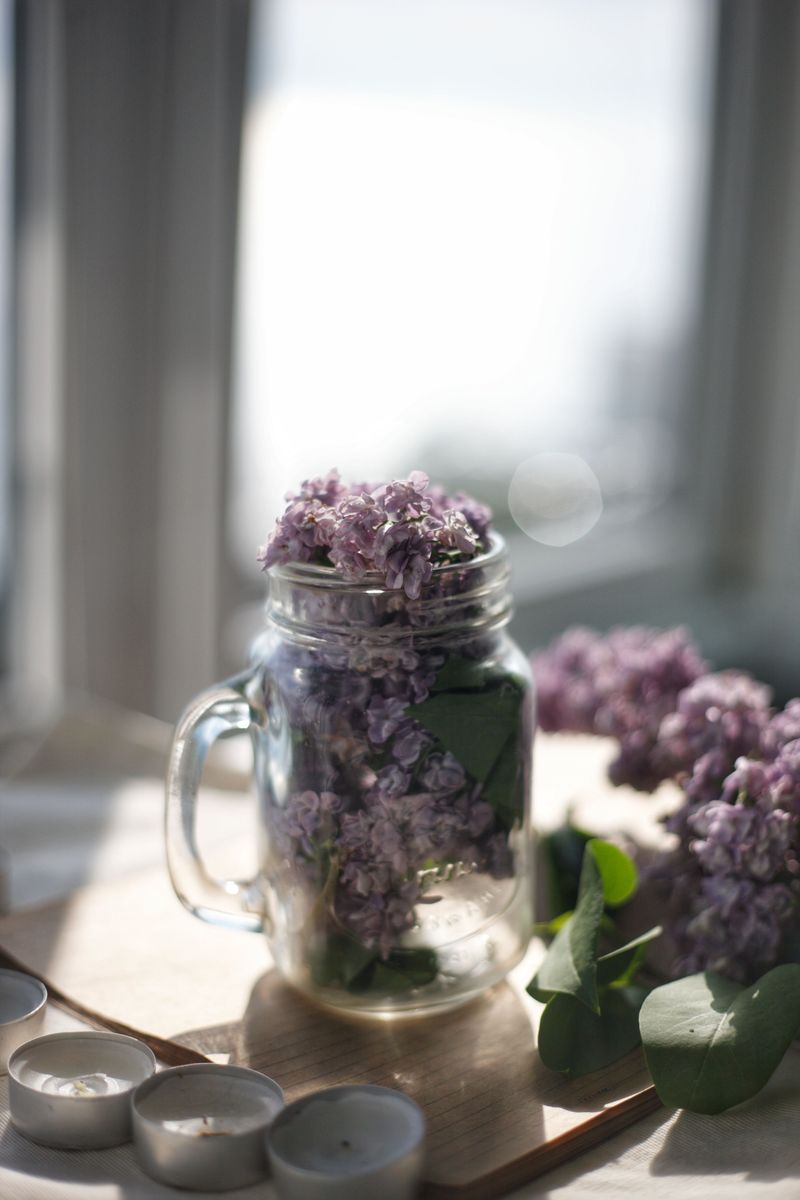
Grandma had a trick, and it involved a forgotten flower bush and a few dusty glass jars. Her table looked professionally styled each November, and few people knew her secret.
Hydrangeas grow in tons of New York yards, and their blooms change color in the fall. Fresh blue and white flowers slowly turn shades of rose, wine, and soft green.
Those faded autumn heads are the ones you want for drying. Wait until the petals feel slightly papery, like the pages of an old library book.
Cut stems about twelve inches long in the morning after the dew has gone. Strip away the lower leaves so the stems look neat and tidy.
Place the stems in a jar with just an inch or two of water. Let the water slowly disappear, and the flowers will dry while keeping their shape. Test a few stems first to see how the color holds. Small trials save time before you cut more.
Meanwhile, collect some deep red oak leaves from the yard or a nearby park. Pin oaks and red oaks are common in New York and turn rich red and bronze shades.
Arrange three jars in a row down the center of the table. Tuck a few oak leaves around each bloom for a pop of burgundy.
Tie a strip of twine or burlap around each jar neck for a cozy farmhouse feel. Your dried hydrangeas can look lovely for a full year if kept away from direct sun.
2. Corn Husk And Ornamental Grass Table Bundle
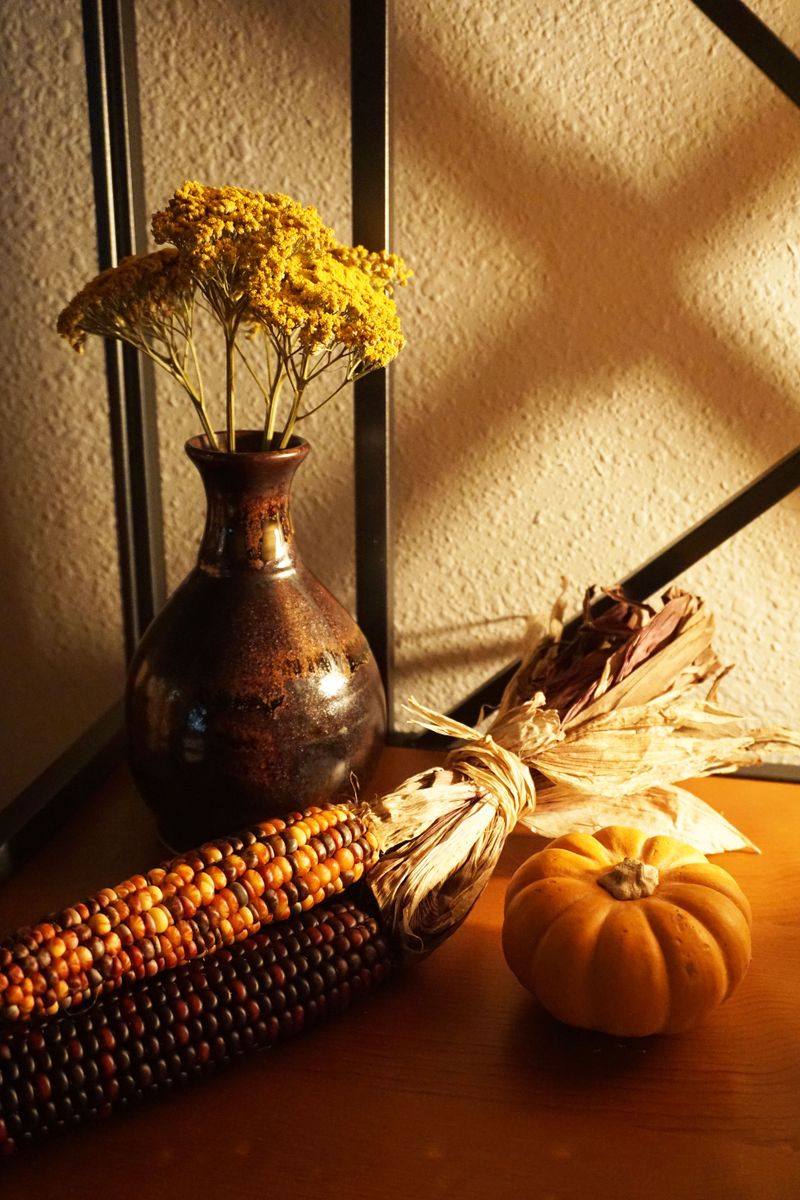
Long before supermarkets, the Haudenosaunee people of New York grew corn as one of the Three Sisters. Bringing dried corn to your Thanksgiving table honors a very old harvest tradition.
If you grew sweet corn or ornamental flint corn this summer, keep those stalks! The tall, papery leaves turn a lovely tan color as October goes on.
Flint corn, sometimes called calico corn, has kernels of red, purple, gold, and blue. It looks almost like stained glass when the light hits it just right.
Pull back the husks on a few ears but leave them attached at the base. Hang them upside down in a garage or shed for two to four weeks to dry.
Your New York Garden Changes Every Week. Your Plan Should Too.
Gardening in New York changes quickly throughout the season. Every Friday you’ll receive a simple weekly plan showing exactly what to plant, prune, fertilize, harvest, and protect so you never miss the right timing.
Ornamental grasses add a soft, feathery touch to the bundle. Fountain grass and switchgrass grow well here and send up fluffy plumes in fall.
Snip a handful of grass plumes and a few corn stalks cut to table length. Lay them flat in the center of the table like a long natural runner.
Set the bundle near a window to enjoy the light. Warm tones glow beautifully against a plain tablecloth.
Place three or four colorful corn ears on top, with the husks fanned out. Wrap the middle of the bundle with jute twine and tie a simple bow.
A light spray of clear hairspray may help keep the grass plumes from shedding. Your table will look rustic, earthy, and full of history.
3. Mini Pumpkin And Gourd Harvest Bowl
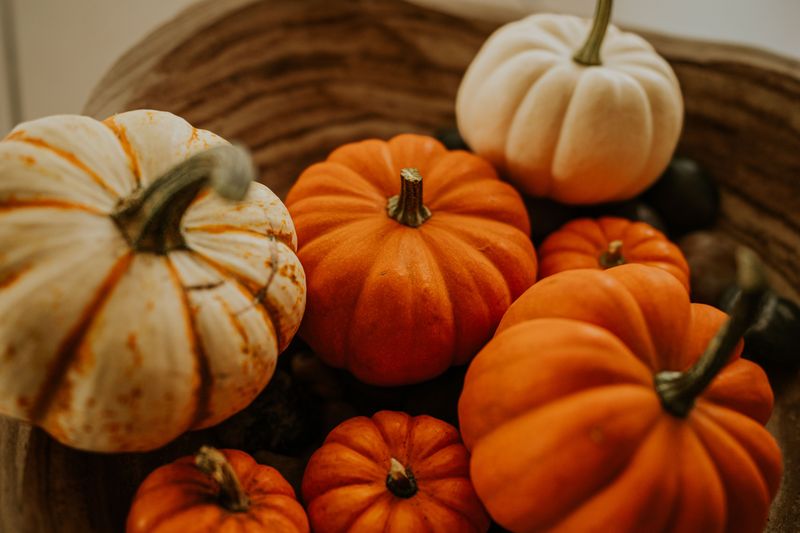
Picture a big wooden bowl spilling over with tiny pumpkins like a pirate’s treasure chest. Kids love it, grown-ups love it, and it costs very little if you grew the vines.
Small pumpkins and gourds do well across New York, from Long Island to the Finger Lakes. Many varieties ripen between September and October, so fall is perfect for picking your stash.
Start by cutting each fruit with two or three inches of stem attached. A long stem helps keep rot away and gives each piece a cute little handle.
Next, wipe them clean with a cloth dipped in a mix of water and a splash of vinegar. Let them dry in a sunny spot for about ten days to toughen the skins.
Check each pumpkin for soft spots before bringing it inside. Firm skins stay fresh longer and look sharper.
Now grab a wide bowl, an old basket, or even a cake stand from the cupboard. Place the biggest pumpkins first, then tuck smaller gourds into the gaps.
Mix colors on purpose for the best look on your table. Orange, cream, green stripes, and warty yellow pieces all play nicely together in one bowl.
Fill any empty spaces with fallen maple leaves or a few acorns from the yard. The extra texture makes the whole display look rich and full.
Cured gourds can last for months, so this bowl can stay out well past Thanksgiving. Some folks even keep theirs going into December with a little pine added.
4. Hollow Pumpkin And Mum Flower Planter
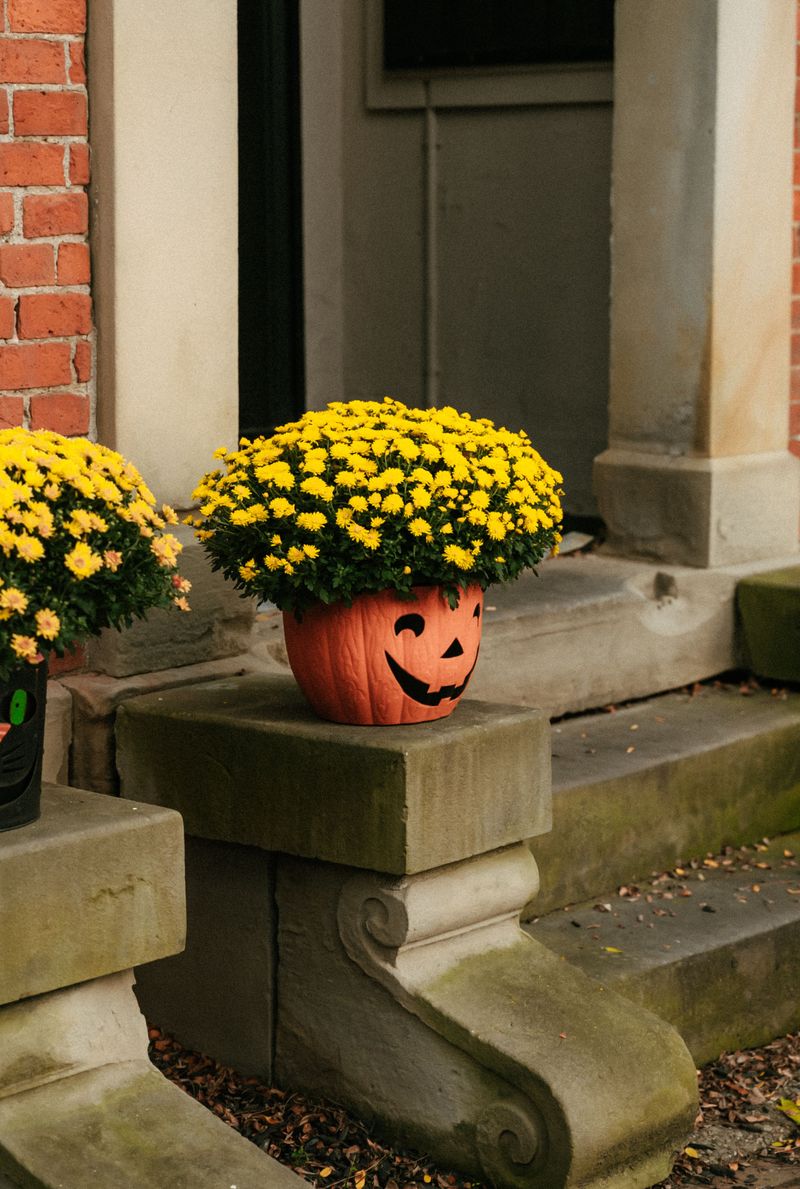
Who says a pumpkin can only become a jack-o-lantern or a pie? Turn one into a flower pot and watch your guests do a double take.
Garden mums are the stars of New York porches each fall. They bloom in bronze, gold, burgundy, and creamy white right when other flowers fade.
Pick a medium pumpkin with a flat bottom so it sits steady on the table. Cut a wide circle around the top and scoop out the seeds and stringy pulp.
Save those seeds for roasting later, since they make a tasty snack. A little salt and olive oil turns them into a crunchy treat.
Line the inside of the pumpkin with a plastic bag to slow down soft spots. Then dig up a small mum from your garden, roots and soil included.
Set the mum inside and press extra potting soil around the edges. Water it lightly, since the pumpkin cannot drain like a real pot.
Choose a mum with plenty of closed buds. New blooms keep opening for weeks and extend the display.
For a fuller look, tuck in sprigs of ivy, sage, or trailing thyme around the rim. The greenery spills over the edge and softens the bright orange shell.
Expect this centerpiece to look great for about one to two weeks. Afterward, try replanting a hardy mum in your garden bed and add the pumpkin to the compost pile.
5. Apple And Candle Glowing Lantern Tray
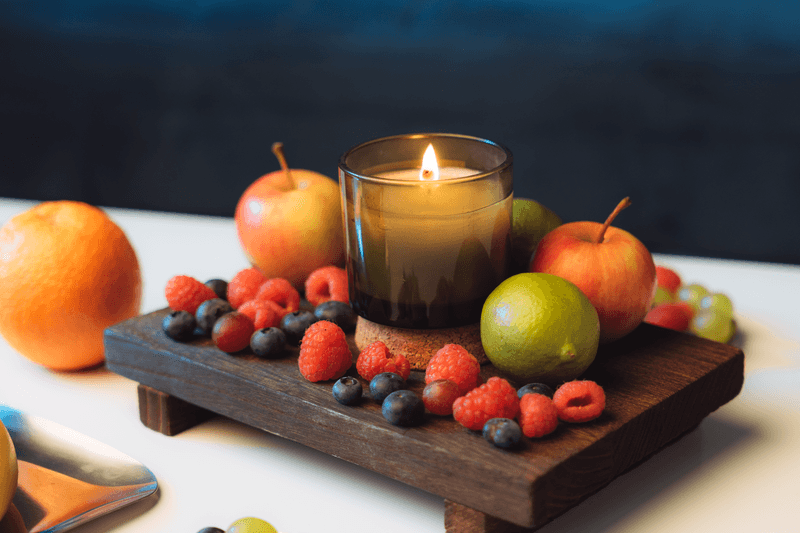
New York is one of the top apple-growing states in the country. So why not let a few of them light up your holiday dinner?
If you have a backyard apple tree, October is peak picking time. McIntosh, Cortland, and Empire are local favorites that look beautiful on a table.
Choose firm apples that stand up straight without wobbling. Slice a tiny bit off the bottom if one tips over too easily.
Use an apple corer or a small knife to dig a hole in the top. Make it just wide enough to hold a tea light candle snugly.
Squeeze a little lemon juice inside each hole to stop the fruit from browning. Then pop in a battery-powered tea light, which is safer near dried leaves.
Line up five or six apples on a wooden cutting board or metal tray. Mix red and green apples for a cheerful, patterned look.
Pair the glow with a simple linen runner. Soft light on red skins creates a warm, welcoming mood.
Scatter cinnamon sticks, whole cloves, and a few dried leaves between the apples. When the candles warm up, your dining room will smell like a cozy bakery.
Flameless candles are the safer choice near dried leaves and curious hands. After the feast, the apples can head straight into a crisp or a batch of applesauce.
6. Kale And Herb Edible Garden Display
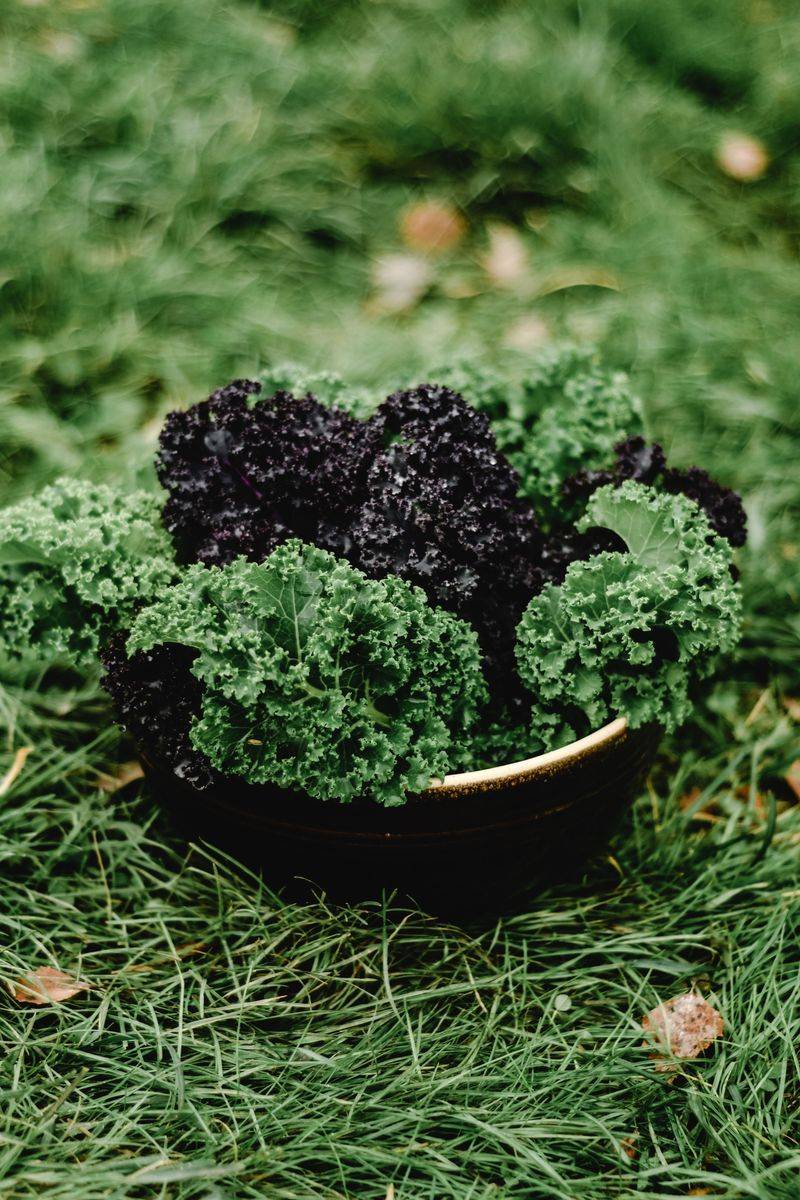
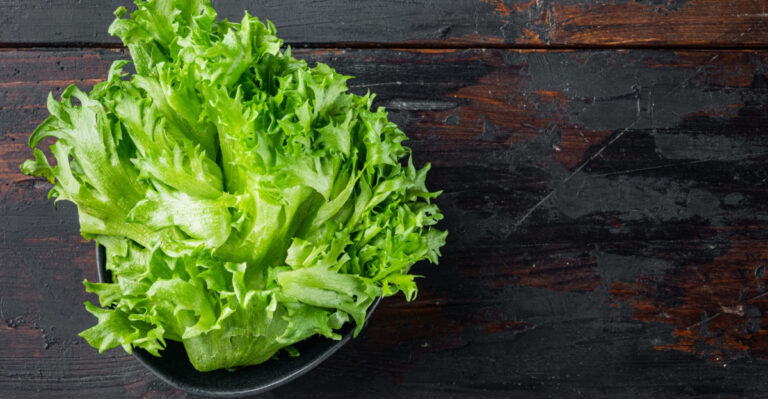
Okay, hear me out on this one. Picture a centerpiece you can actually munch on. Cabbage and kale might sound silly on a fancy table, but wait until you see them.
Kale loves chilly New York weather and tastes sweeter after the first frost. Purple and frilly green varieties look almost like giant roses.
Ornamental kale is even showier, with pink and white centers that glow. It is edible when grown without treatments, though it can taste a bit bitter.
Cut a few kale heads close to the ground, keeping some stem attached. Rinse off any dirt or insects hiding in the leaves.
Next, raid your herb patch for sage, thyme, and parsley. These tough herbs often keep growing in October even when the tomatoes are long gone.
Place the kale heads in a low basket or terracotta dish. Tuck bundles of herbs all around them like fluffy green filler.
Add a few small radishes or chili peppers for pops of color. They look playful beside the leaves.
When someone reaches past the display, they will catch a whiff of fresh sage. That smell pairs well with turkey and stuffing.
Here is the best part for practical cooks. Guests can snip herbs right off the table to sprinkle on their plates, and leftover kale makes a hearty soup on Saturday.
7. Winterberry And Evergreen Branch Arrangement
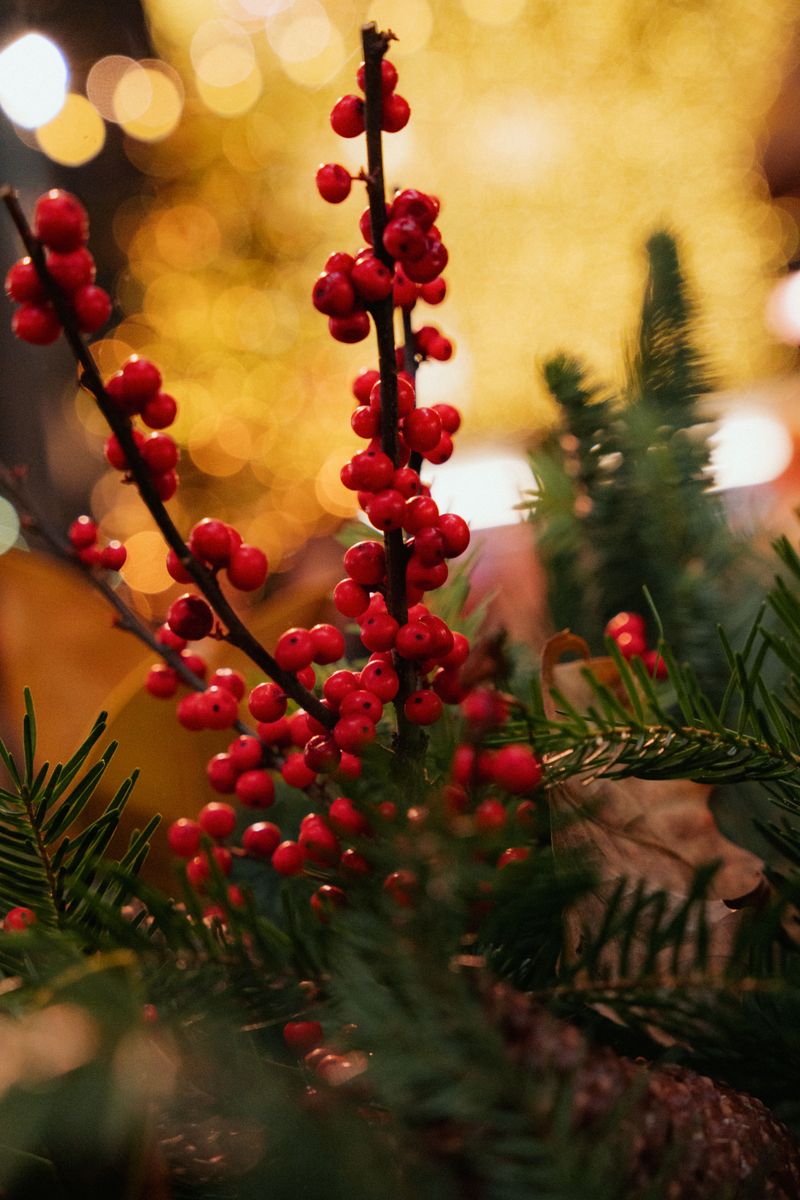
Bright red berries on bare twigs look like nature turned on a string of tiny lights. Winterberry holly is a native New York shrub that stands out each fall.
Unlike regular holly, winterberry drops its leaves in autumn. That leaves clusters of glossy scarlet berries hugging the branches of female plants.
You can find it growing in wet spots, along streams, and in plenty of home gardens. Birds adore the berries, but they are mildly toxic to people and pets.
Use sharp pruners to cut branches about two feet long. Make each cut at an angle so the stems soak up water easily.
Now gather some evergreen pieces for contrast. White pine, cedar, and spruce all grow well in New York and smell fresh indoors.
Choose a tall vase or a vintage pitcher for this arrangement. Place the winterberry branches first, letting them reach up and out in different directions.
Place the vase near the center so guests see the berries from any seat. Fill the lower part with evergreen sprigs so the vase looks lush. The deep green makes the red berries look even brighter.
Change the water every few days to keep things fresh. With a little care, this arrangement can last several weeks, which is a nice bonus for busy families.
8. Rose Hip And Seed Head Wreath Ring
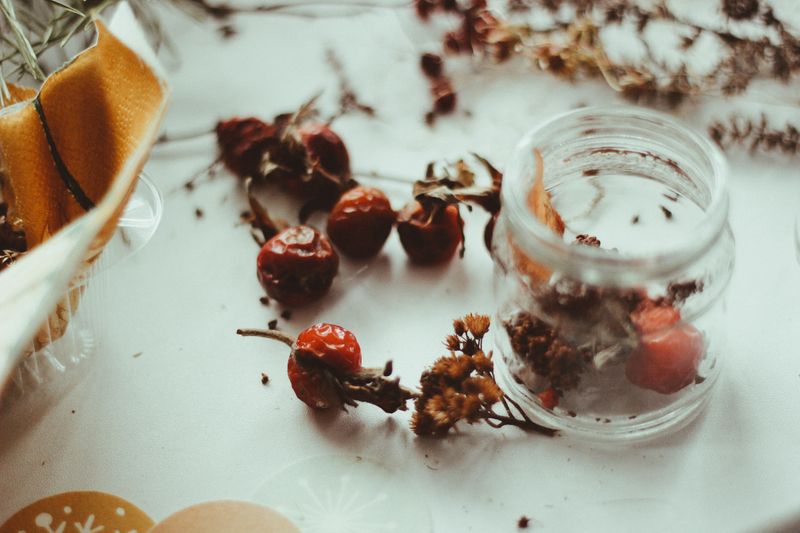
Busy gardeners, this one is your reward for skipping fall cleanup. Those dried flower heads you left untrimmed are about to become art.
Rose hips are the round red fruits left behind after roses finish blooming. Rugosa roses, common along New York beaches, make especially big and shiny ones.
Seed heads count too, like spiky coneflowers, fuzzy sedum, and dark black-eyed Susans. Their brown and rusty tones add a woodsy, natural vibe.
Start with a plain grapevine wreath from a craft store, or twist your own from garden vines. Lay it flat on the table instead of hanging it on a door.
Snip rose hips in small clusters with short stems attached. Poke them into the wreath gaps or secure them with thin floral wire.
Wear gloves when you pick, since rose canes have sharp thorns. Careful hands keep the project fun.
Add seed heads between the rose hip bunches in a repeating pattern. A hot glue gun helps hold the trickier pieces in place.
Set a flameless pillar candle right in the middle. The ring of berries and seed heads frames the glow like a cozy campfire.
Rose hips were once made into vitamin-rich syrup in Britain during World War Two. Your centerpiece now comes with a little history lesson to share over pie.