That Is Probably Not A Brown Recluse Hiding In Your California Home
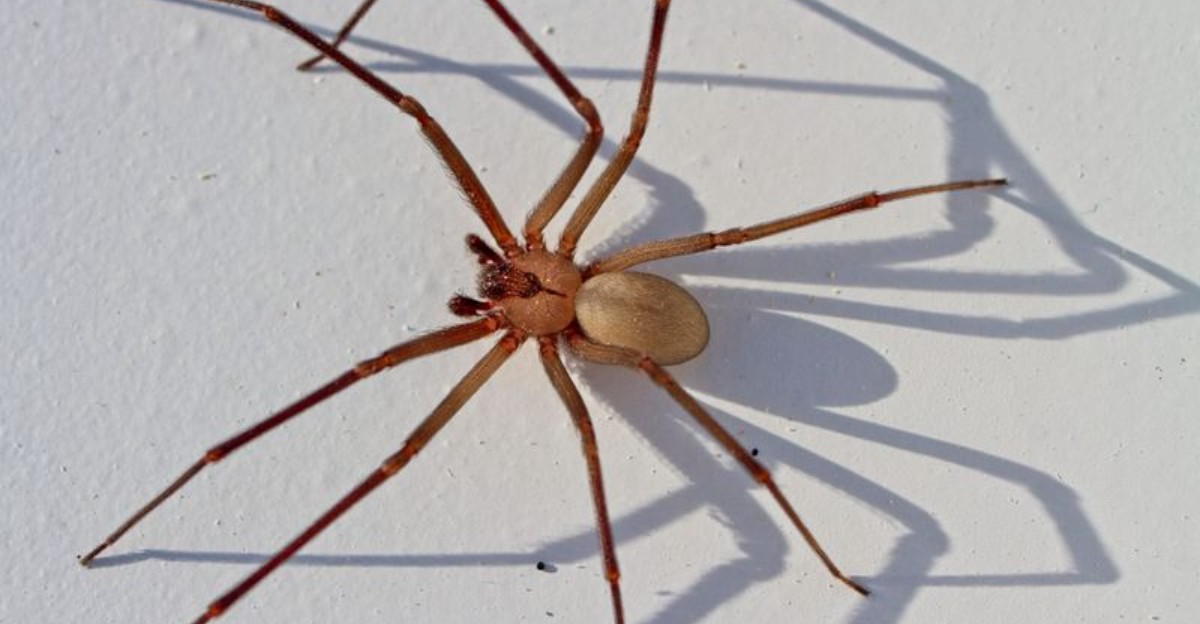
One infamous eight-legged house guest has just six eyes arranged in three neat pairs, while most of its look-alikes have eight. That eye pattern is a better clue than the famous violin mark, since nervous minds see fiddles everywhere.
Many mystery skin sores blamed on bites turn out to be bacterial infections like MRSA, which need prompt medical care. The glossy western black widow, with its red hourglass, is the California resident that truly deserves respect.
Let’s just say the long-legged residents of my shed now get a friendly nod instead of a broom. You might notice tiny green sparkles on the lawn during a nighttime flashlight sweep, which means harmless hunters are out.
Plenty of backyard rumors grow bigger every time someone retells them at a barbecue. A clear photo, a magnifying glass, and a quick call to local experts could turn that midnight panic into simple curiosity.
That Violin-Marked Spider Has A Home Address Far From Here
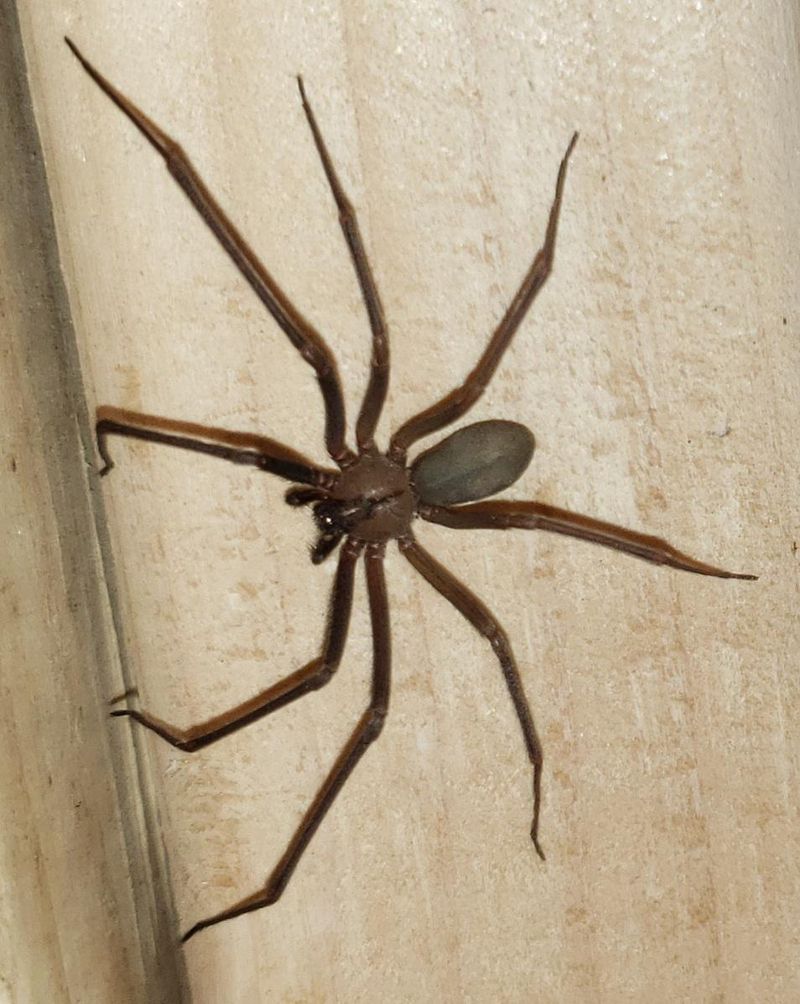
Spider experts have a fun habit of asking people to mail in suspected brown recluses. Rick Vetter, a former researcher at UC Riverside, collected spiders from across the country for years.
The results told a clear story. The brown recluse lives mostly in the south-central and midwestern United States, roughly from Nebraska and Texas east to Ohio and Georgia. Inside that range, people find them in closets, attics, and boxes quite often.
California sits far outside that zone. Out of the many spiders Californians sent in as possible recluses, nearly all turned out to be something else. The handful of real brown recluses ever confirmed here were mostly travelers that rode in with furniture or shipping crates.
One stray in a moving van does not create a population. A recluse needs mates, steady shelter, and the right conditions to settle in. That has not happened here in any documented way.
You can relax your shoulders a bit. If someone at a barbecue swears their garage is full of brown recluses, ask how they know. Odds are strong that nobody ever checked the spider closely, and the story grew bigger each time it was told.
Count The Eyes Before You Trust The Fiddle Mark
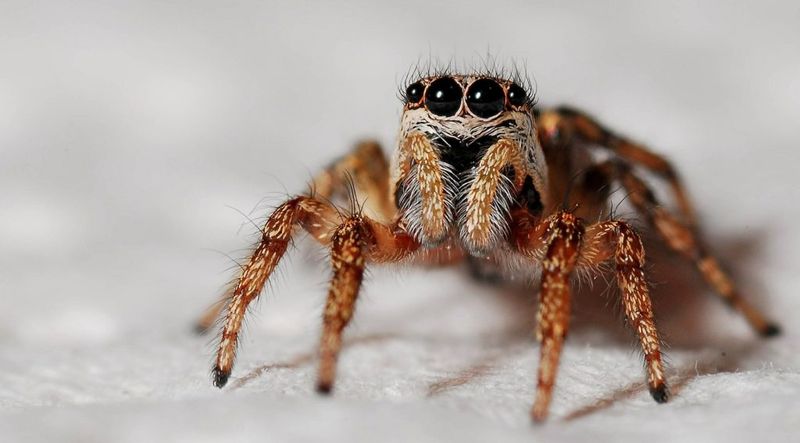
Grab a magnifying glass, because the eyes give away the secret. Recluse spiders have six eyes arranged in three pairs, called dyads. Most spiders you meet have eight eyes set in two rows.
The famous violin mark is far less reliable. Plenty of harmless spiders have darker shapes on their backs, and a nervous mind sees fiddles everywhere. Experts say the eye pattern is the best clue for regular folks.
A few other traits help too. Recluse spiders have plain tan to brown bodies with no stripes or bands. Their legs look smooth and evenly colored, without obvious spines or thick hair.
Here is a quick checklist for your next encounter:
Six eyes in pairs? Plain legs with no spines or bands? A uniform body without stripes or spots? If any answer is no, you can rule out a recluse.
I like to trap the spider under a clear cup and slide paper underneath. That lets me look closely without anyone getting nervous, spider included. A phone camera on zoom mode works surprisingly well for checking eyes, and the photo comes in handy later if you want an expert to take a look.
Wolf Spiders And Cellar Spiders Are The Usual Suspects
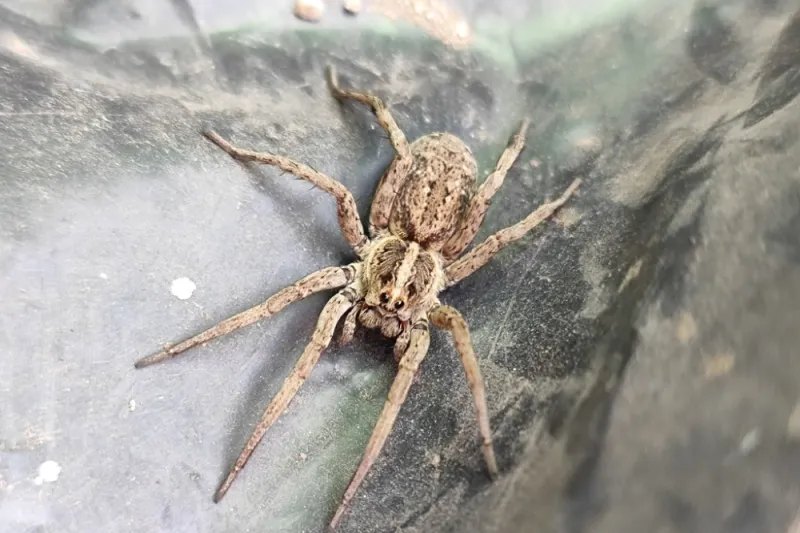
Most of the brown spiders scaring Californians are ordinary neighbors with very different habits. Wolf spiders top the list of mix-ups.
These chunky hunters roam floors at night instead of building webs. They have hairy legs, often with stripes or bands, plus eight eyes. Two big eyes face forward and reflect light, so a flashlight sweep across the lawn at night can show tiny green sparkles.
Cellar spiders are the long-legged, pale brown ones dangling in corners. Many people call them daddy longlegs. They shiver their webs when disturbed and pose little concern for people.
Other common look-alikes include:
Yellow sac spiders, which are pale and often hide in folded sheets of silk on walls. Woodlouse spiders, with reddish legs and a tan abdomen, which hunt pill bugs in damp garden beds. Various ground spiders and funnel weavers that slip indoors in fall.
Honestly, many of these spiders help gardeners. They eat insects that chew on seedlings or sneak into the kitchen. I leave a few cellar spiders in my shed on purpose, because they keep the flying pests down without any spray at all.
California Does Have A Desert Recluse Cousin
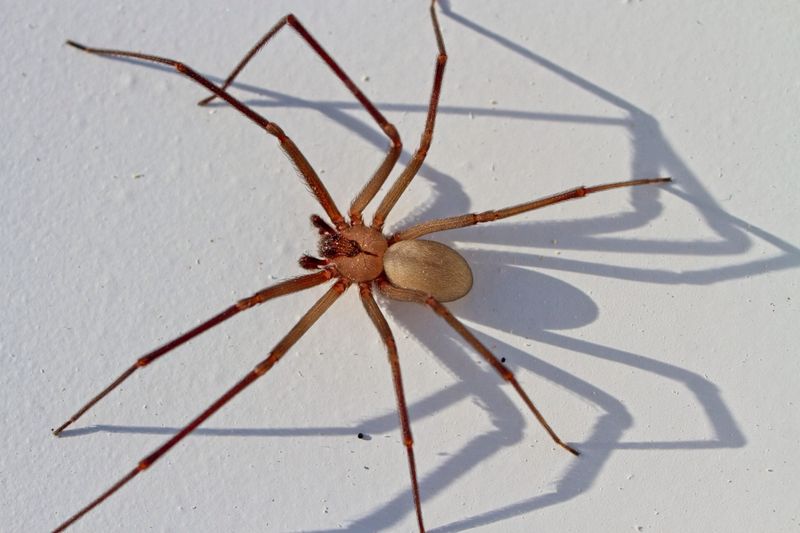
Plot twist time. California does host native recluse spiders, just not the brown recluse.
The desert recluse, Loxosceles deserta, lives in the Sonoran and Mojave deserts of southern California. It also shows up in some dry parts of the lower San Joaquin Valley. It hides under rocks, dry plant debris, and packrat nests rather than inside cozy suburban closets.
Because its habitat is sparsely populated, run-ins with people are uncommon. Bites are rare and documented cases are few. Folks living near desert towns like Palm Springs or Barstow have a slightly higher chance of meeting one, mostly in sheds or outbuildings.
Another relative, the Chilean recluse, was introduced to a few limited spots. Records include parts of Los Angeles County in commercial buildings, not widespread home infestations.
So if you live in coastal San Francisco or the foggy north coast, a recluse of any kind is very unlikely. Desert dwellers should use the same six-eye check and wear gloves when moving firewood or old boxes. A little caution goes a long way out there, and it beats panicking over every brown shape near the patio.
That Angry Red Skin Sore Deserves A Doctor Visit

Many so-called spider bites were never spider bites at all. Research has shown that doctors in areas without recluses still diagnose brown recluse bites again and again.
What causes those sores instead? Bacterial skin infections top the list, including MRSA, a staph bacteria that resists some antibiotics. Other culprits can include ingrown hairs, reactions to plants, insect bites, and certain medical conditions.
Calling it a spider bite can delay the right care. A MRSA infection, for example, often needs specific treatment, and waiting can let it spread.
Watch for warning signs like these:
Redness that keeps growing, pus or swelling, fever, or a sore that will not heal. Any of these means you should call a doctor promptly.
If you actually saw a spider bite you, try to catch the spider safely in a jar. Bringing it along helps a medical provider understand what happened. Without a spider, tell your doctor honestly that you are not sure of the cause. Gardeners scratch and nick their hands constantly, so mention any recent soil work, thorny roses, or new gloves too. Those details can point toward the real answer faster.
The Shiny Black Widow Is The Spider Worth Respecting
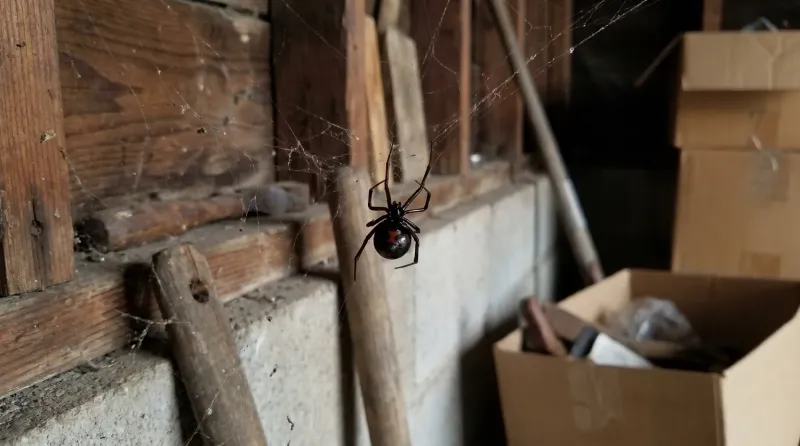
Now for the spider that truly lives here in good numbers. The western black widow is common across California, from city garages to farm sheds.
Adult females are easy to spot. They have glossy black bodies and a red hourglass on the underside of the round abdomen. Males and young spiders look quite different, often lighter with tan, white, or orange markings.
Black widows build messy, tangled webs that feel strong and sticky. You’ll find them in quiet places like woodpiles, meter boxes, under patio furniture, and inside empty flower pots. They are shy and usually bite only when pressed against skin.
Their venom affects nerves and can cause painful muscle cramps. Serious problems are uncommon in healthy adults, yet children and older people face more risk. Anyone bitten should call Poison Control or seek medical advice.
Gardeners have a simple defense. Wear sturdy gloves when reaching into stacked pots, irrigation boxes, or lumber. I tap my boots before slipping them on after they sit in the garage. Shaking out gloves takes two seconds and spares you a very unpleasant afternoon.
Sealed Cracks And Snug Window Screens Keep Spiders Outdoors
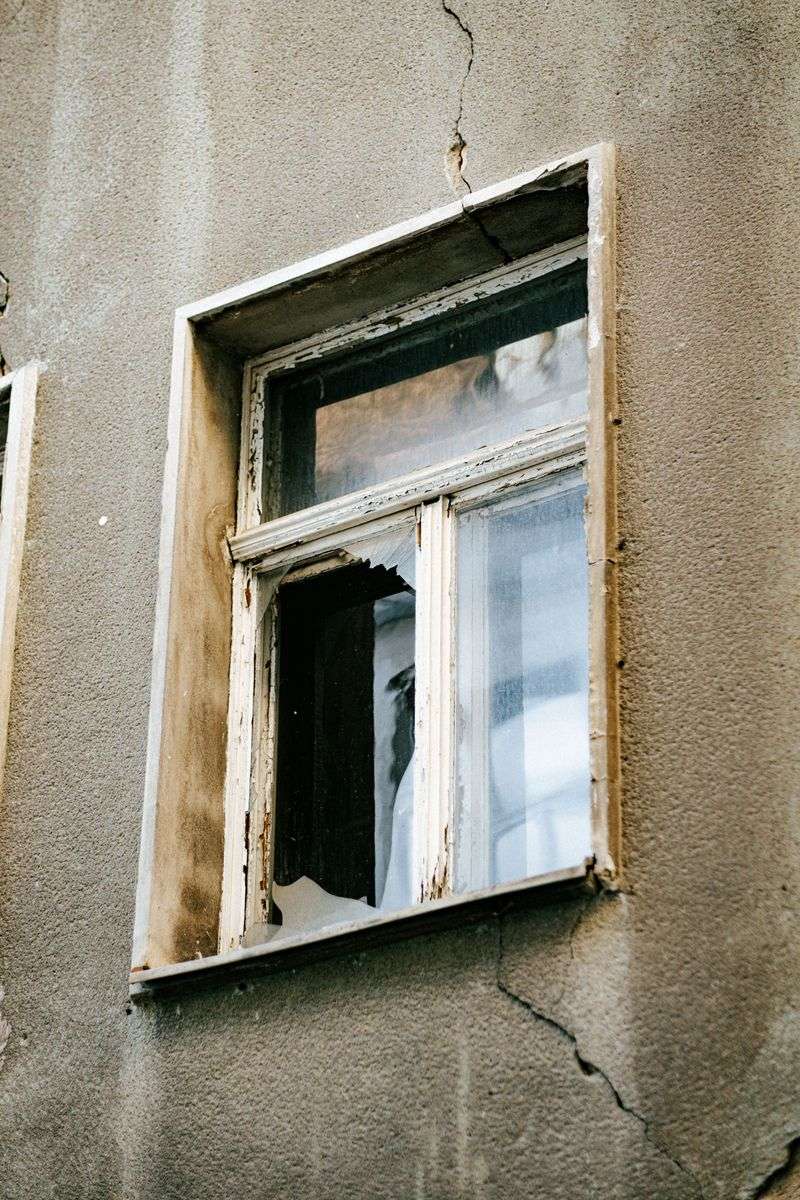
Spiders mostly wander inside looking for insects to eat. Fewer bugs and fewer entry points mean fewer surprise visitors on your bathroom wall.
Start at the edges of your home. Seal cracks in the foundation and gaps around pipes, doors, and windows with caulk. Check that window screens fit tight and door sweeps touch the threshold.
Clutter is a spider’s favorite apartment complex. Keep boxes off garage floors, store items in sealed plastic bins, and clear piles of leaves near the foundation. Move firewood well away from walls.
Inside, regular vacuuming removes webs, egg sacs, and the tiny insects spiders hunt. Pay attention to corners, under beds, and behind furniture.
Outdoor lights attract moths, and moths attract spiders. Yellow bug lights or motion sensors can cut down the buffet near your doors.
You rarely need broad pesticide sprays for common house spiders. UC IPM notes that sprays offer limited long-term help indoors, while cleaning and sealing work better. A broom to brush down outdoor webs every few weeks is honestly one of the most satisfying chores I know.
A Clear Spider Photo Can Get You An Expert Answer
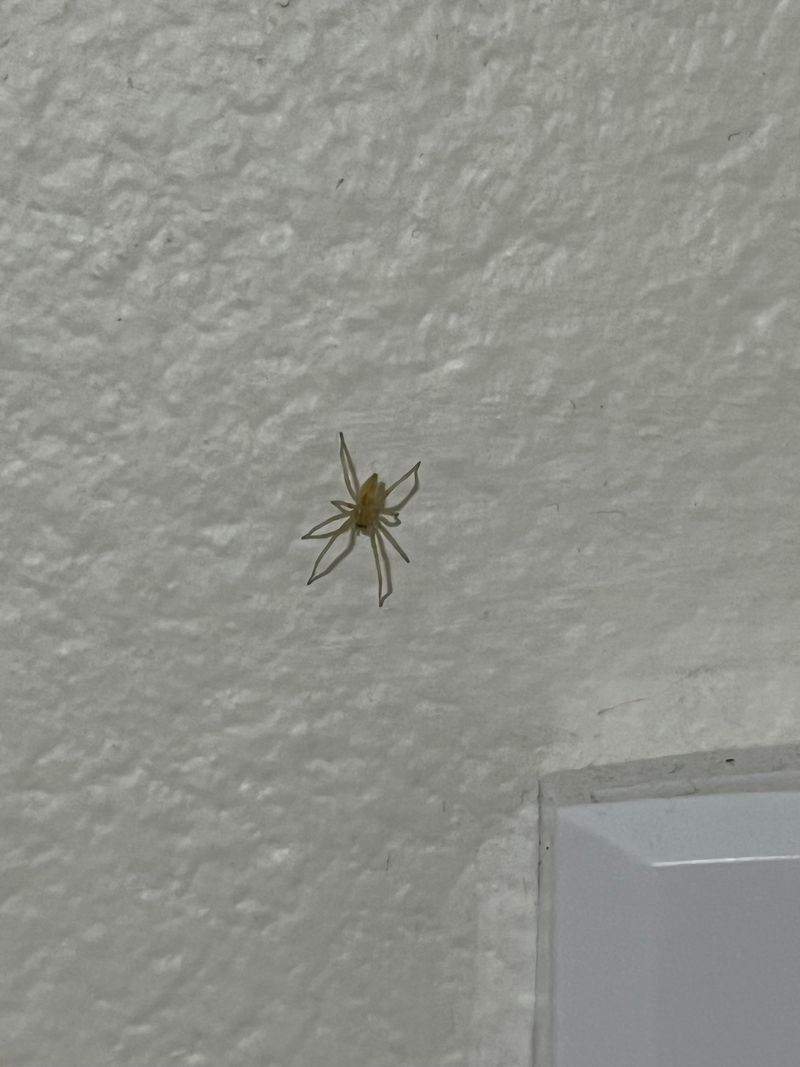
Still unsure about the critter in your laundry room? Asking a real expert is easier than many people expect.
Your local UC Cooperative Extension office and Master Gardener program can help identify spiders and insects. Many county offices accept photos by email or offer help desks. The UC IPM website also has detailed pest notes on spiders, including recluses and black widows.
Good photos make their job much easier. Try these tips:
Trap the spider under a clear cup or in a sealed jar. Shoot from the top and the side in bright light. Get as close as possible to the head so the eye pattern shows.
Placing a coin nearby gives a helpful sense of size. Note where you found it, since a garage in Fresno and a cabin in the desert suggest different suspects.
Here is my favorite takeaway from all this research. Most brown spiders in California homes are harmless helpers eating pests you would rather not see. Learn to spot the black widow, check eyes before panicking, and see a doctor for stubborn sores. That simple plan beats internet rumors every time.