Why Some California Garden Beds Stay Soggy Long After The Rain Stops
Spanish mission builders shaped adobe bricks from the same sticky clay that still sits beneath many California backyards today. That old building material held its shape for centuries, and it can hold rainwater in your garden too.
I have to admit, my first soggy bed fooled me into thinking a pipe had burst underground. The lawn next door dried out in two days, while my tomato patch stayed squishy for a week.
You might notice yellowing leaves and a sour smell rising from beds where your plants once looked perfectly happy. Roots need air as much as water, and soggy soil quietly squeezes that air out of every pore.
Personally, I love solving these mysteries, because the clues usually hide right under our boots in California. So which sneaky culprit is turning your garden bed into a mud pie long after the clouds leave?
Heavy Clay Soil Holds Rain Like A Sponge
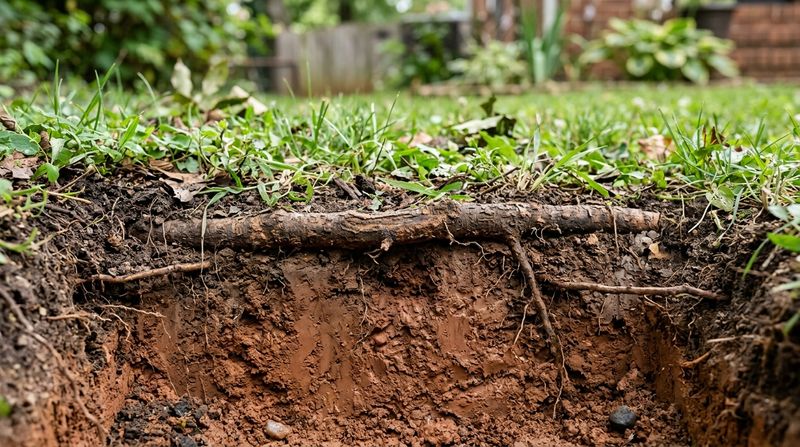
Clay particles are so tiny that hundreds could line up across the width of a single grain of sand. Packed together, they leave only skinny gaps, so rainwater creeps downward at a slow pace in your bed.
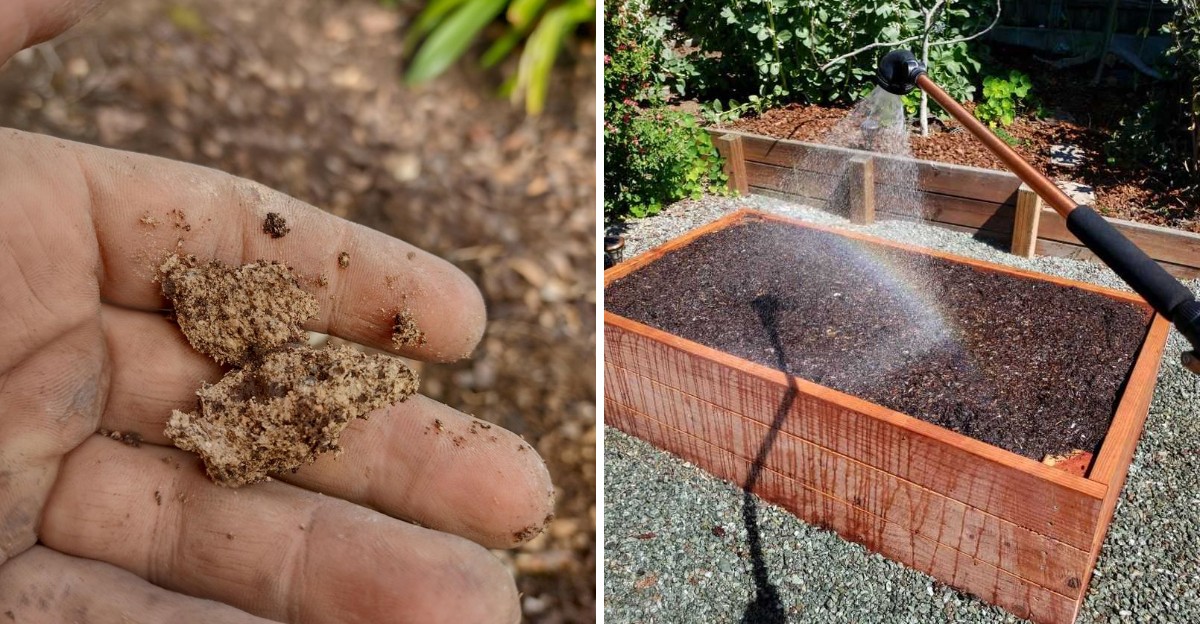
I can spot clay soil the moment my shovel comes up wearing a heavy, sticky coat of muck. Squeeze a damp handful, and clay forms a smooth ribbon that holds together instead of crumbling apart in your palm.
Many valley and coastal neighborhoods in California sit on clay-rich soils that formed from old river and lake deposits. Those soils hold nutrients well, which is a perk, but they shed extra water much slower than sandy ground.
When every pore fills with water, roots run short on oxygen and can begin to rot within days. Plants like lavender and rosemary struggle most, since they evolved on fast-draining slopes rather than heavy lowland soils.
You need to resist the urge to add sand, because sand mixed into clay can create something close to concrete. UC Master Gardeners suggest working in compost instead, which slowly builds crumbly structure and bigger spaces for water.
Personally, I add a few inches of compost each fall and top beds with mulch to keep earthworms busy. Those wriggly helpers tunnel through the clay, opening tiny drainage channels you could hardly create with a shovel.
Raised beds filled with a loose soil blend offer another smart fix if your native clay feels hopeless. Lifting roots even a foot above the soggy layer can make a dramatic difference during a wet winter.
Footsteps And Wheelbarrows Squash Garden Soil Flat
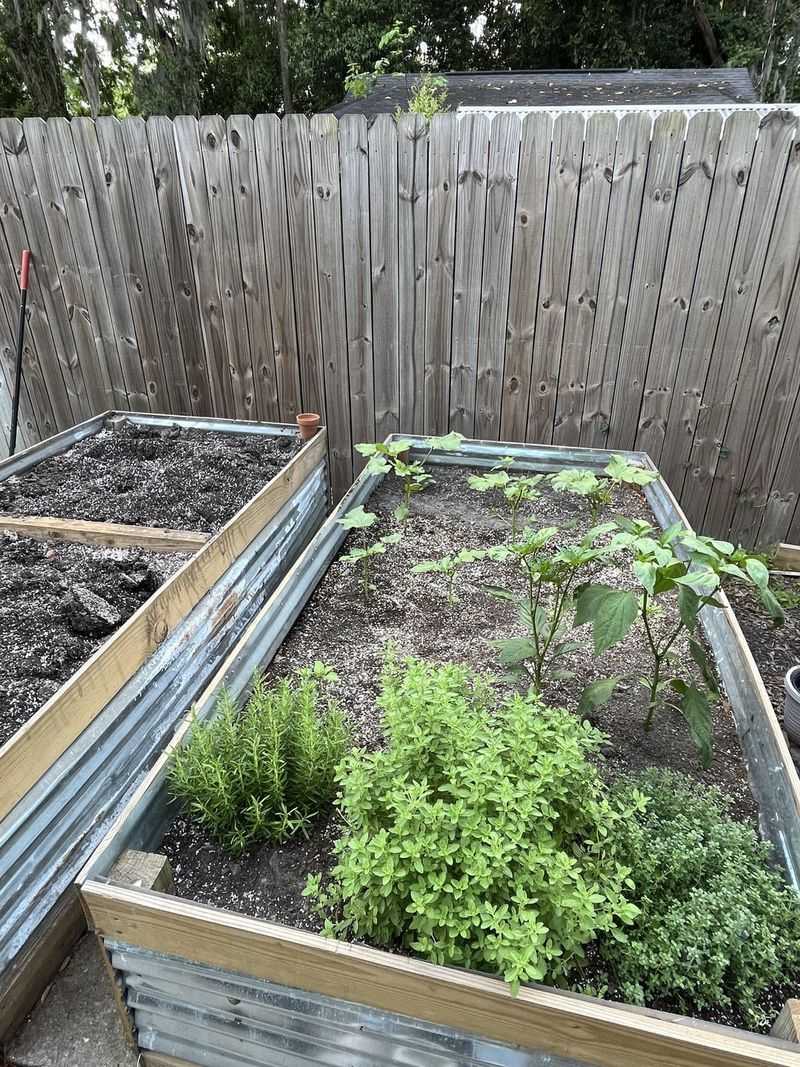
Healthy garden soil is roughly half solid particles and half open space, filled with a mix of air and water. Every time you stomp across a wet bed, you squeeze those spaces smaller and push the air right out.
I have to confess that my favorite shortcut to the hose once ran straight through my vegetable bed. By spring, that narrow path held puddles for days, while the soil on either side drained just fine.
Wet soil packs down much more easily than dry soil, because water acts like a lubricant between particles. That means the rainy season is exactly when walking on beds or digging in them does the most harm.
New homes in California often sit on ground pressed hard by heavy construction equipment, with compaction reaching below the topsoil. Builders may spread a thin layer of fresh soil on top, which hides the dense layer waiting underneath.
You can test your own beds by pushing a long screwdriver into moist soil and noting where it stops. Sudden resistance just a few inches down usually signals a compacted zone that rainwater struggles to pass through.
Laying stepping stones or boards across wide beds spreads your weight and protects the soil from heavy pressure. Designing beds about four feet wide also helps, since you can reach the middle without stepping inside.
For badly packed ground, loosen it once with a garden fork after it dries, then add compost generously. Deep-rooted cover crops like fava beans can also punch natural channels through stubborn soil over a single season.
Hidden Hardpan Sits Like A Shelf Beneath The Roots
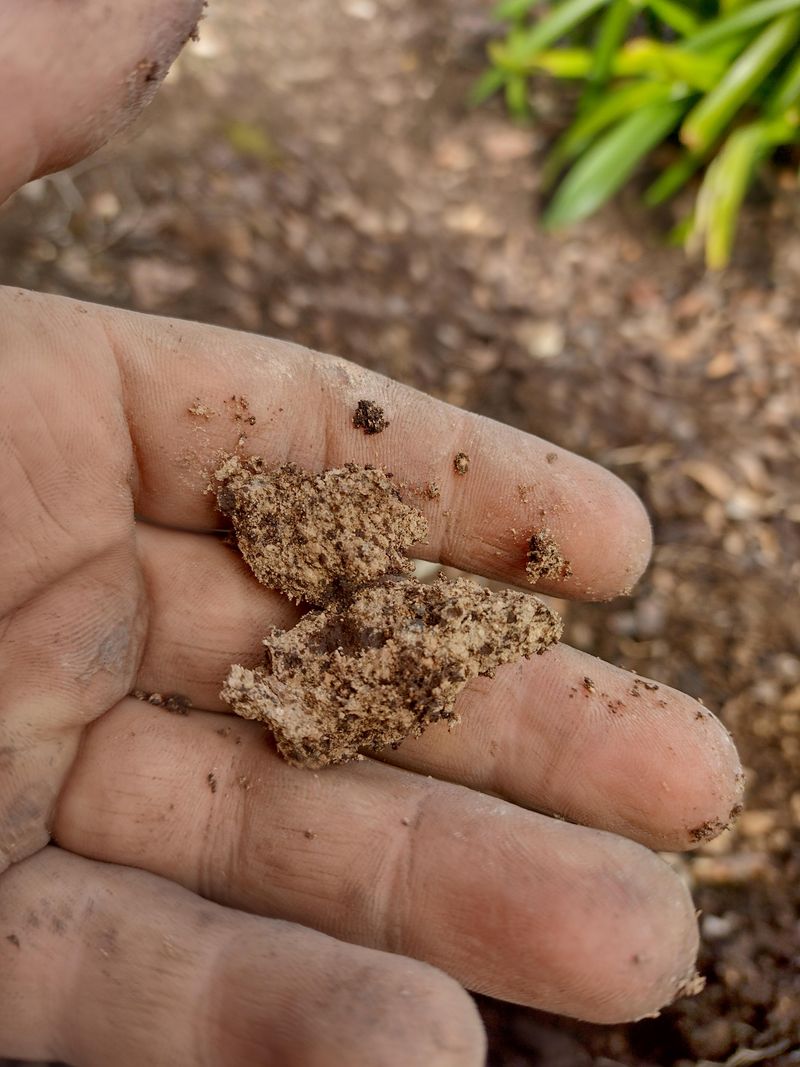
Some backyard soil hides a cemented layer so tough that farmers use giant steel rippers to crack it open. Gardeners call it hardpan, and you might not know it exists until a new tree sits in standing water.
Natural minerals like silica and iron compounds can glue soil grains together into a rocky underground sheet. These layers formed slowly over thousands of years, especially in older soils across the valley floors.
Fresno gardeners know this problem well, since local hardpan can show up anywhere from one to six feet deep. Parts of the Sacramento area and other inland valleys deal with similar cemented layers beneath their lawns.
What surprises me most is how normal the topsoil looks, with no clue about the barrier sitting below. Rain soaks in nicely at first, then stalls at the hardpan and slowly fills the soil from underneath.
Try digging a test hole about two feet deep, filling it with water, and timing how fast it drains. Water lingering for many hours, especially overnight, suggests something solid is blocking the downward path below your plants.
If the layer is thin, you can sometimes break through it with a digging bar when planting trees. Punching a drainage chimney through the hardpan lets water escape into looser soil sitting beneath the cemented layer.
For thicker hardpan, I believe raised beds or mounded planting areas are the most practical and friendly solution. Shallow-rooted vegetables and flowers can thrive happily up there, well above the water trapped on that stubborn shelf below.
Low Spots And Bad Slopes Send Runoff Into Garden Beds
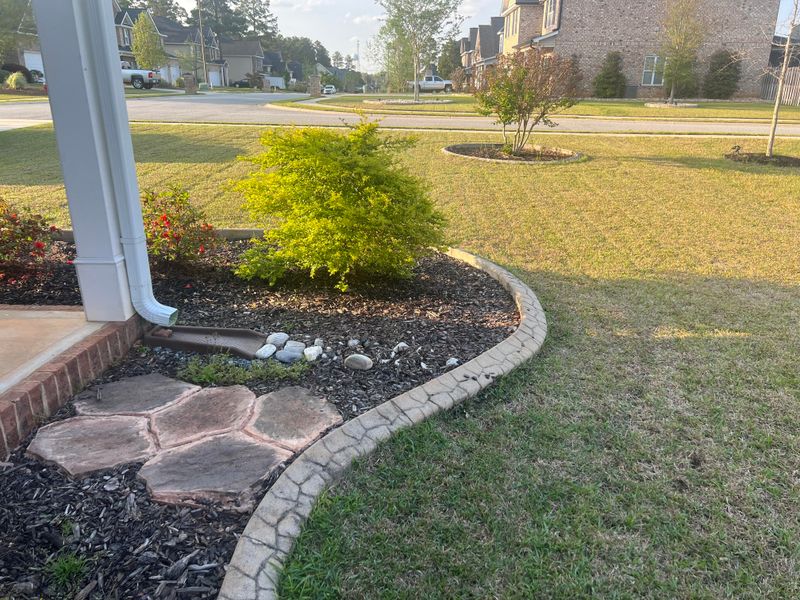
Water is lazy in the best way, sliding downhill and settling in the lowest spot it can possibly find. Sometimes that spot happens to be the flower bed you spent all weekend planting with fresh seedlings.
I love walking my yard during a steady rain, because that is when water reveals its secret travel routes. You will see little streams crossing the lawn and pooling in dips you hardly noticed on sunny days.
Patios and walkways can block natural flow paths, trapping runoff against the edges of nearby planting beds. Roof downspouts add even more, since one inch of rain on a typical roof can shed hundreds of gallons.
Point those downspouts toward a gravel path or a rain garden instead of straight into your vegetable patch. Many California cities offer rebates for rain gardens and barrels, so check with your local water district first.
Beds edged with tall boards or stone can also act like bathtubs if the surrounding ground drains toward them. Water slips in from the sides and has nowhere to escape, especially when the native soil underneath is heavy.
Grading experts often recommend ground that slopes gently away from buildings, so water drifts toward safer spots. Shallow swales lined with rocks or native grasses can guide runoff around beds rather than straight through them.
For stubborn low spots, filling the dip with good soil or turning it into a rain garden works nicely. Moisture-loving natives like sedges and yerba mansa enjoy wet feet and make soggy corners look intentional.
Sprinklers Running After A Storm Keep Beds Waterlogged
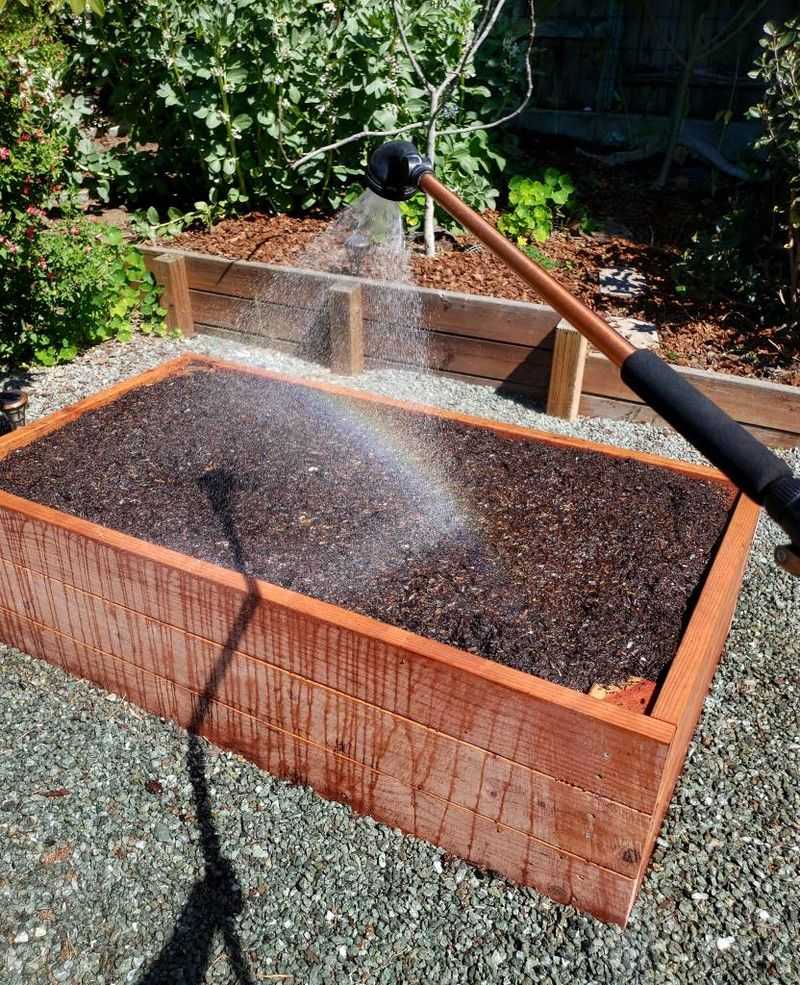
Few sights make me groan louder than sprinklers spraying away happily the morning after a soaking winter storm. Your soil was already full, and now the timer is pouring extra water into a bed with no room left.
Most irrigation timers follow a schedule, not the weather, so they keep running unless someone steps in. Drip lines tucked under mulch are especially sneaky, because you rarely see them working during cloudy weeks.
Clay and compacted beds suffer most, since they already release water slowly before any extra irrigation arrives. Constant wetness invites root rot organisms like Phytophthora, which thrive in saturated soil and attack many garden plants.
Confession time, I once forgot to pause my system during nearly a month of rainy winter weather. My poor salvia bed turned mushy and gray, and the water bill hurt nearly as much as replacing those plants.
Weather-based smart controllers adjust watering automatically, and many California water agencies offer rebates to help cover the cost. Rain sensors are cheaper still, shutting off the system once they detect a set amount of rainfall.
Before watering, push a finger or a soil probe a few inches deep and feel for real dryness. Cool, damp soil means your plants are fine, and the timer deserves a well-earned break for now.
Many established native plants need little or no summer water once settled, and they rarely need irrigation during rainy months. Turning the system off from roughly November through March often makes sense in wetter coastal and northern areas.
Shallow Bedrock And Layered Soil Trap Water Up Top
Dig a few feet in some foothill yards, and your shovel may clang against solid granite instead of soil. Sierra Nevada foothill towns often sit on thin soils over granite, and that rock barely lets water pass.
Rain soaks into the shallow soil above the rock, then spreads sideways or simply sits there for days. Your garden ends up resting in a thin soggy bowl, even while the surface looks surprisingly dry.
Layered soil causes a similar headache, and it surprises plenty of gardeners who fill beds with mixed materials. Water moving from fine soil into a coarser layer below pauses until the upper layer becomes fully saturated.
I find that fact wild, because many of us were taught to put gravel in the bottom of planters. Research from university extensions shows that gravel layer actually raises the soggy zone closer to the roots.
Abrupt changes, like sandy loam piled over heavy clay, slow water down at the boundary between the two. You can soften that line by mixing new soil into the top several inches of native ground before filling.
Over bedrock, choose plants with modest root systems, or build beds upward instead of digging deeper. Native foothill plants like manzanita often prefer fast drainage, so place them on slopes or mounds where water escapes.
Once you understand what lies beneath, those stubborn soggy patches start to feel more like puzzles than problems. A little digging and observation can turn your wettest corner into the most interesting part of your garden.