The 8 Most Overplanted Florida Shrubs That Struggle Every Winter (and 4 Better Swaps)
Some of the most popular hedge plants start dropping leaves when nights merely slide into the upper thirties. Frost is not even required, because tropical leaves can suffer chilling injury well above the freezing mark on thermometers.
Florida nurseries still sell these heat lovers by the truckload, even in towns that see frost most winters. Every February, I spot bare brown sticks lining driveways where bright color glowed just a few months earlier.
I have to admit that I fell for a few of these flashy shrubs myself, years ago. You might notice your own front yard on this list, and that is perfectly fine, my friend.
Better yet, four tough swaps can handle even the coldest January snaps far better and bounce back quickly.
So which familiar favorites made the struggle list, and which sturdy plants deserve their spot instead?
1. Tropical Hibiscus
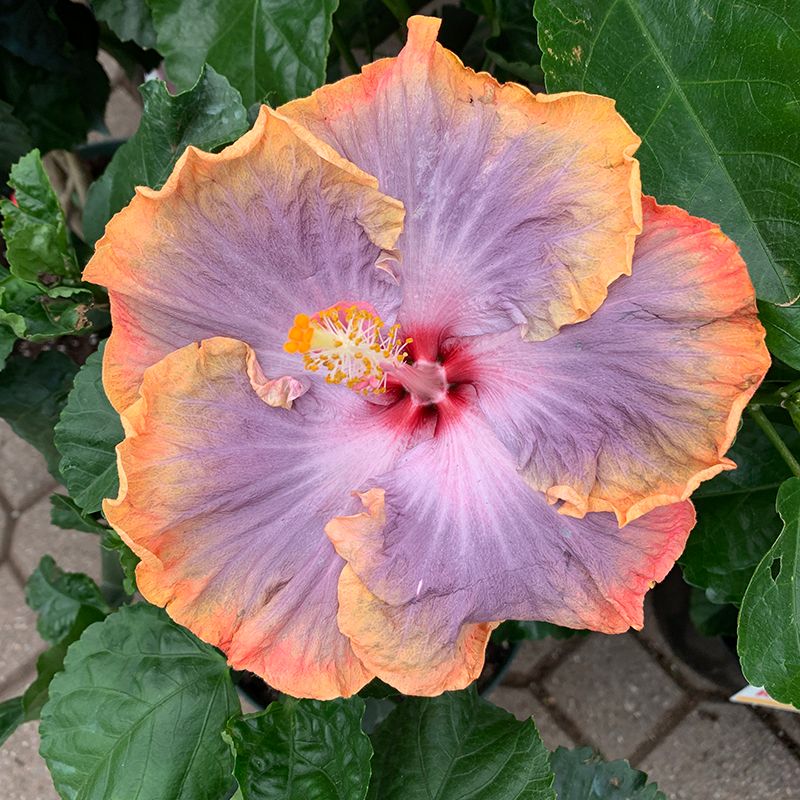
Each giant hibiscus bloom lasts about a single day, yet the plant somehow keeps the colorful show going for months. I love that dinner-plate drama, but tropical hibiscus has a real soft spot when chilly winter air rolls in.
Frost burns the leaves and tender stems, and a hard freeze can knock whole plants back to the ground. Even chilly nights in the low forties often trigger yellow leaves that drop in piles around the shrub’s base.
Gardeners in the northern half of Florida tend to see the heaviest damage after clear, windless nights. Established roots frequently resprout in spring, though you lose many weeks of blooms while the new branches catch up.
Personally, I keep frost cloth handy and drape it all the way down to the ground before cold nights. Soil releases stored heat after dark, so covers that touch the ground trap far more warmth underneath them overnight.
Hold off on pruning damaged stems until new growth appears, since those brown leaves shield the tender inner wood. If you want hibiscus without the winter stress, a large container parked near a sheltered south wall works nicely.
2. Ixora
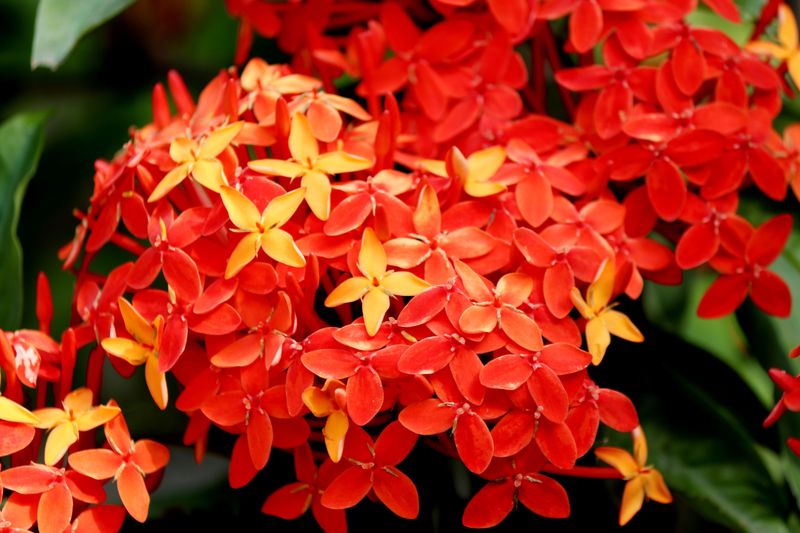
Those tight balls of red and orange flowers look like tiny bouquets, and hummingbirds and butterflies visit them often. Ixora earned a spot along countless shopping center hedges, yet cool weather exposes its fussy tropical personality pretty fast.
Temperatures near freezing can burn the foliage, and a hard frost often leaves the entire shrub looking thin and bare. Even mild cold spells can turn the leaves a dull bronze or reddish color that lingers well into spring.
What surprises me most is that cold is only half the trouble with this shrub in many Florida home landscapes. Ixora craves acidic soil, so plants near alkaline limestone or concrete foundations often show yellow leaves with green veins.
That yellowing comes from a lack of available iron and manganese, which gets worse when chilly roots slow down. You need to mulch generously and use a fertilizer with micronutrients during the warm growing season for steady color.
Dwarf varieties stay neat and wonderfully compact, but they share the same tender nature as their taller cousins. Save ixora for frost-free coastal spots, and enjoy it there instead of fighting it farther north through each winter.
3. Croton
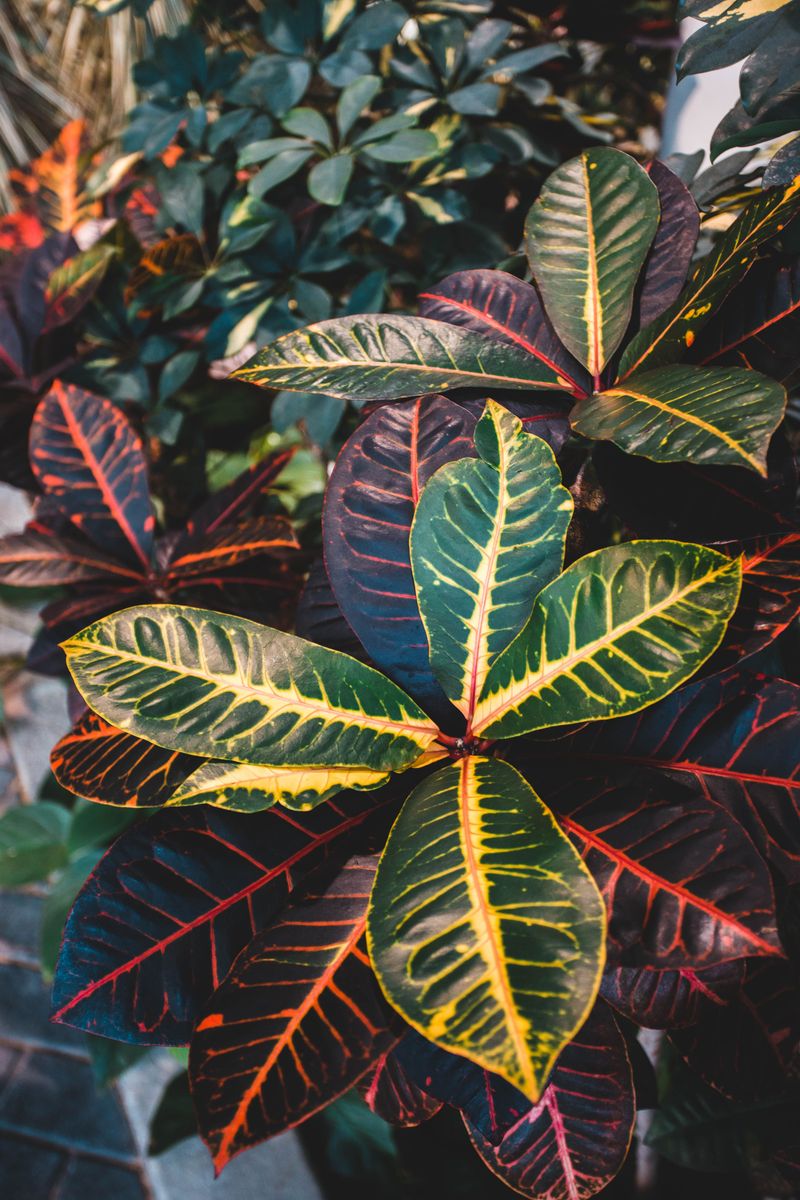
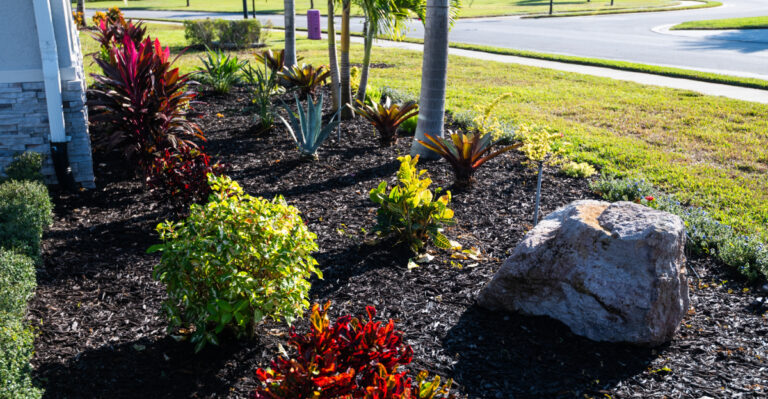
Few shrubs look like a box of melted crayons, yet croton leaves pull off splashes of red and gold. I can’t imagine a bolder foliage plant, though crotons sulk the moment nights start feeling a little crisp and cool.
University extension experts note that temperatures below about forty degrees can injure the leaves of this tropical shrub. Damaged foliage often drops in a sudden shower, leaving bare stems that look awkward until warm spring weather finally returns.
Crotons also dislike sudden changes, so even a move from nursery shade to blazing sun can cause leaf drop. That touchy streak explains why so many front yards hold lanky, half-bare crotons by the end of winter.
Wear gloves when trimming, because the milky sap can irritate skin and the plant is toxic if eaten. Keep curious pets and toddlers away from fallen leaves, which tend to collect under the shrub after cold snaps.
In cooler regions, I suggest growing crotons in pots that can roll into a garage when nighttime forecasts dip. Bright filtered light indoors keeps the colors going strong until you wheel them back outside once spring settles in.
4. Bougainvillea
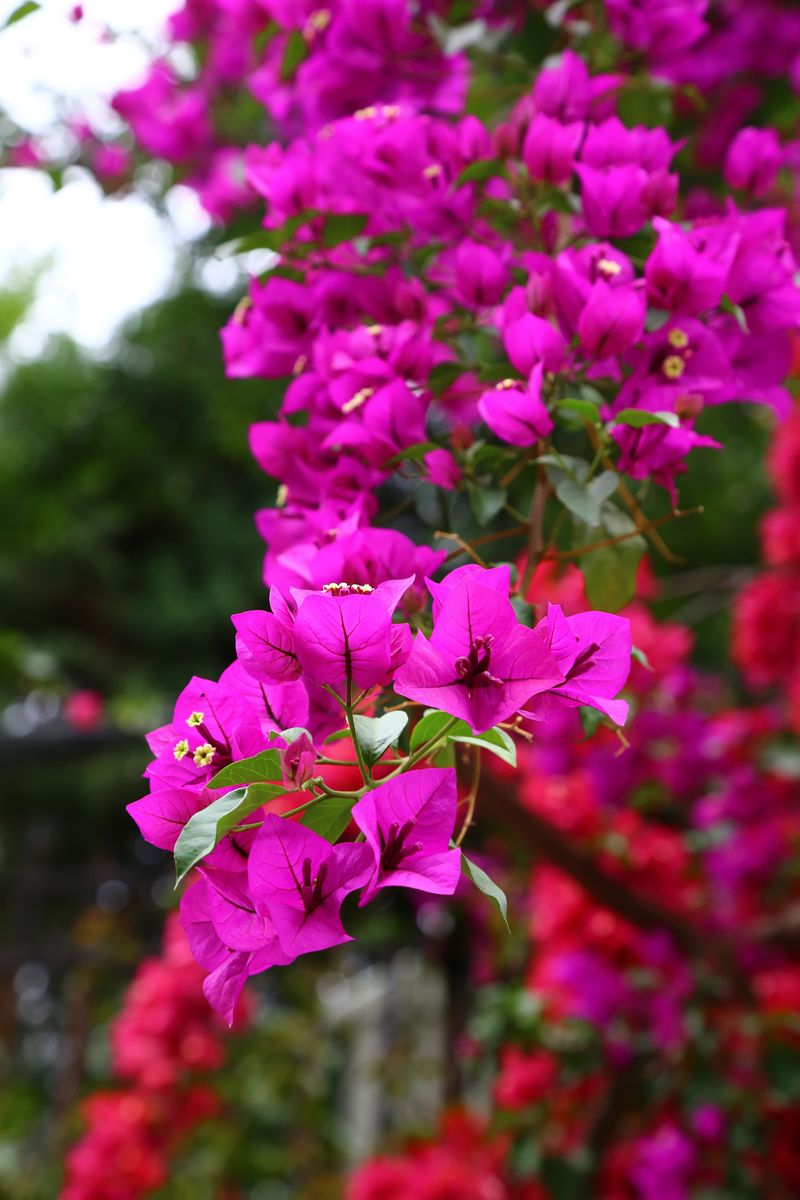
Those hot pink petals on bougainvillea are not petals at all, since they are papery bracts surrounding tiny white flowers. Honestly, that sneaky trick charms me, but the plant behind it carries thorns and a strong dislike of frost.
A light frost burns the tender tips, while a hard freeze can knock the whole canopy back to woody stems. Many plants recover from older wood, yet the bare, thorny skeleton can sit there looking grim for several long months.
Size is the other surprise, because some varieties scramble twenty feet or more when given a sturdy support. Florida homeowners often tuck a little nursery pot beside the mailbox, then battle those sharp canes there for many years.
Bougainvillea blooms best in full sun with dry, lean soil, so heavy watering and fertilizer mostly produce extra leaves. Wait until frost danger passes before pruning cold damage, then shape the plant while new shoots push out.
Gardeners in warmer coastal zones can enjoy it with little fuss, especially near hot walls and pool decks. Farther inland, a large container lets you shuffle this showoff into a garage before the coldest nights arrive.
5. Allamanda
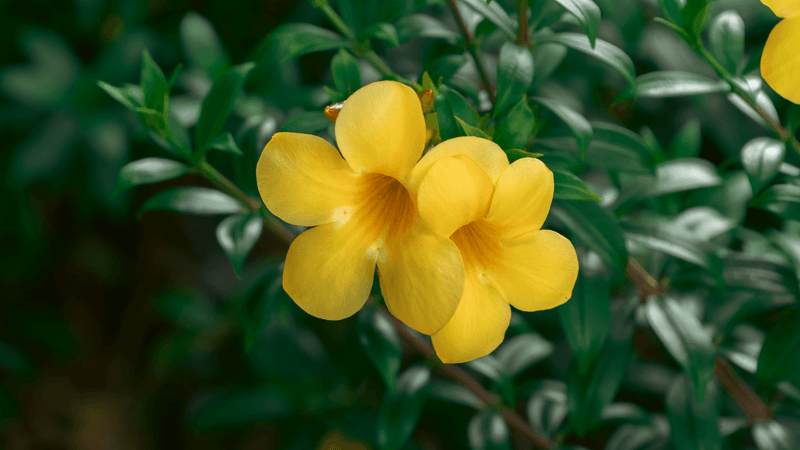
Golden trumpets the size of your palm make allamanda a summer favorite at almost every garden center I visit. That sunny charm fades quickly in cold weather, because this South American native wants steady warmth all year long.
Frost damages the leaves and stems, and a hard freeze can send the plant back to its roots underground. Even before frost arrives, chilly weeks slow growth and leave the foliage looking pale and rather tired until spring.
Common allamanda acts like a sprawling vine, so it often outgrows the neat shrub spot it was first given. Bush allamanda stays a bit tidier, though it carries the same cold sensitivity when temperatures drop sharply at night.
You need to handle it with care, since the sticky white sap can irritate skin and every part is toxic. Keep it away from play areas, and wash pruning tools afterward so sap residue does not linger on blades.
Along frost-free coasts, it grows easily on a fence with steady water and a regular summer feeding schedule. Everywhere else, I treat it as a seasonal splash of color and accept the winter setback without any guilt.
6. Copperleaf
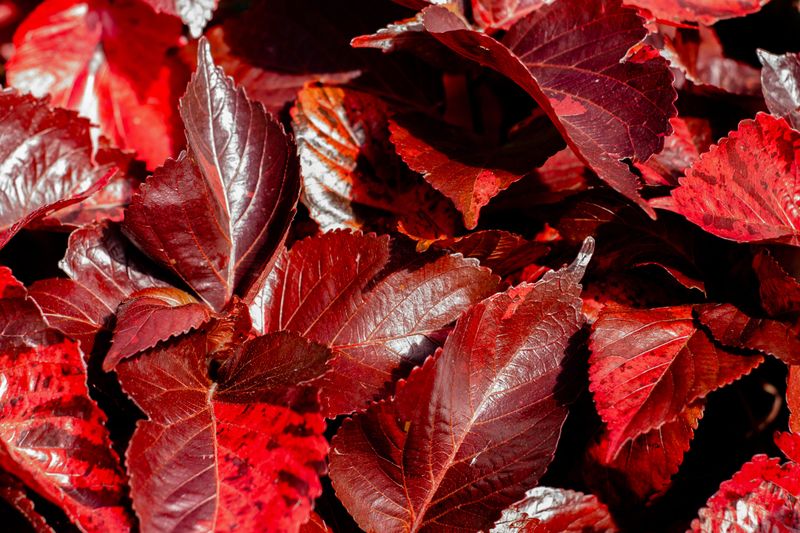
Copperleaf looks like someone dipped every leaf in sunset paint, with bold swirls of bronze and hot pink. Landscapers adore it for instant color, yet this Pacific island native shows its tender side nearly every winter.
Leaves often brown and drop when temperatures slide toward freezing, and an actual frost can scorch the shrub quite badly. Established plants usually sprout again from lower stems, but that bare, twiggy look can last well into spring.
You’re in for a surprise when summer heat returns, because copperleaf can shoot up toward ten feet tall or more. That speedy growth means regular trimming, which can feel like a chore for a plant that struggles every winter.
Rich soil and steady moisture keep the colors bold, while deep shade tends to fade the leaves toward green. Prune cold damage in late winter or early spring, cutting back to healthy green tissue on each damaged stem.
For cooler Florida yards, copperleaf works best as a summer accent in large pots rather than a permanent hedge row. I think of it like a bright beach towel, wonderful in warm months and better tucked away when chilly.
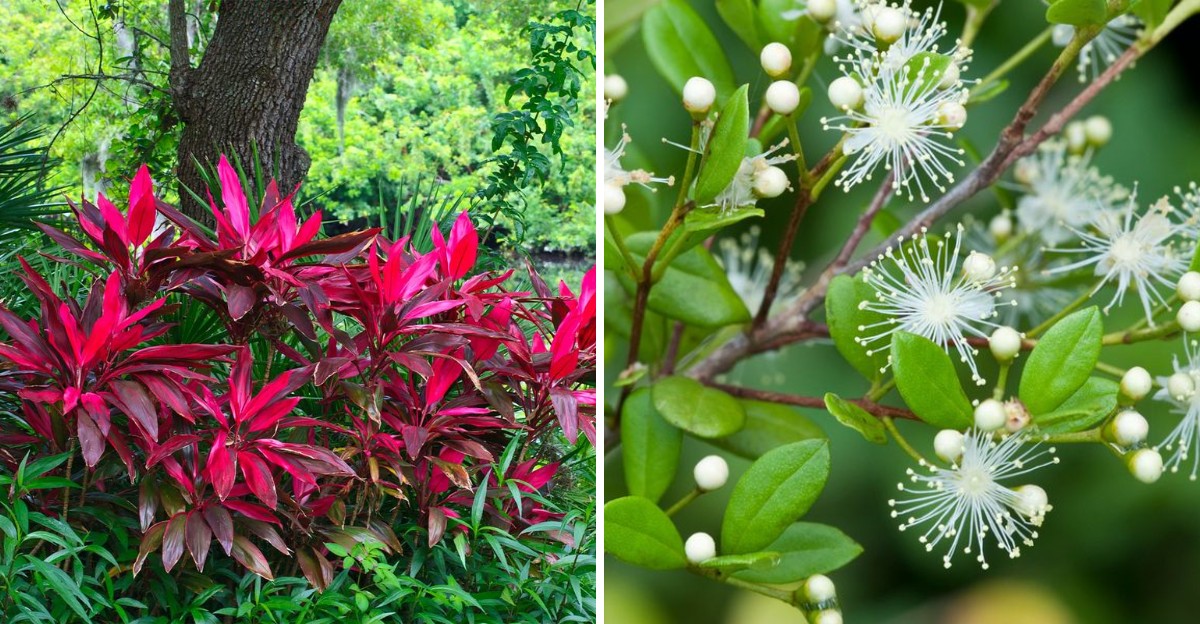
7. Hawaiian Ti Plant
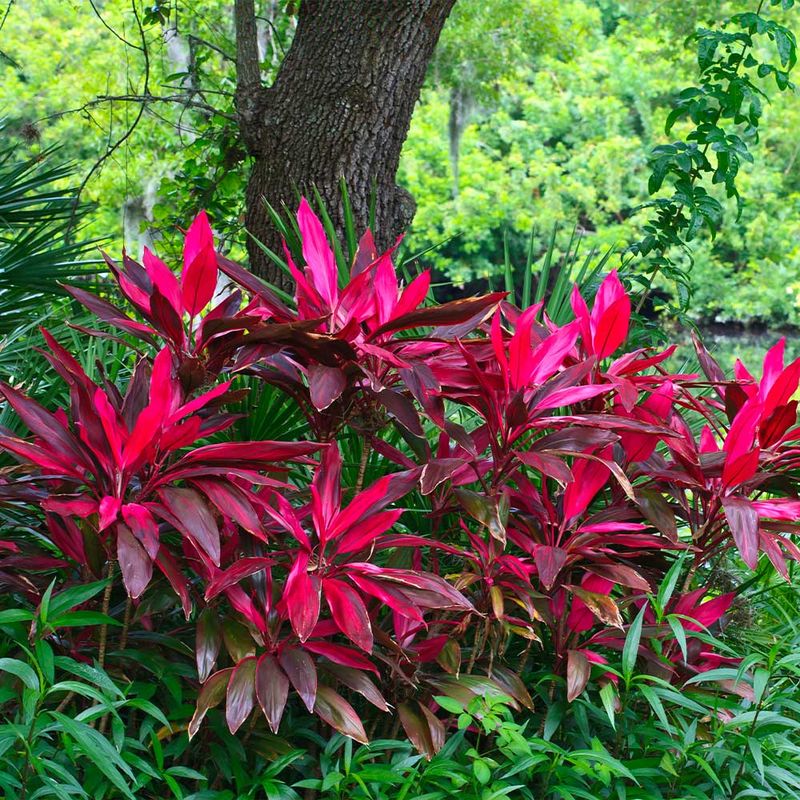
Ti plants once grew around Hawaiian homes as good luck charms, and their leaves still wrap traditional dishes today. That lucky reputation does not protect them from cold, though, and winter often leaves them looking ragged and sad.
Hawaiian ti grows best in warm zones, and frost turns the glossy leaves brown and limp almost overnight in exposed spots. Canes can resprout if the roots stay healthy, but the regrowth takes many months to look lush and full again.
Those hot pink and burgundy leaves make me weak at the knees whenever I spot them in a nursery. Still, the colorful types tend to look their best in bright, dappled shade rather than harsh afternoon sun.
Ti plants also dislike fluoride, which can cause brown leaf tips when they are watered with treated city water. Keep soil pH near neutral, and avoid fertilizers with superphosphate, since that adds even more fluoride to the root zone.
One clever trick is snipping healthy cane pieces before a freeze and rooting them in small pots indoors. That way, you keep your favorite colors safe even if the outdoor clump takes a hard winter hit outside.
8. Jatropha
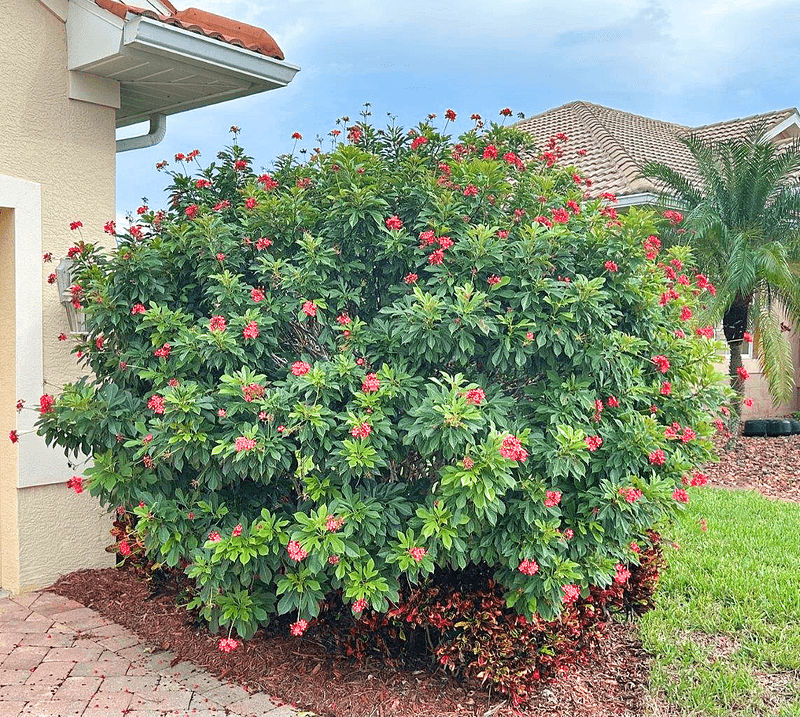
Butterflies flutter around jatropha almost nonstop, drawn to its starry scarlet flowers that bloom through much of the year. Peregrina, as many folks call it, earns praise for summer color but grumbles loudly once chilly winter air settles in.
Frost burns its fiddle-shaped leaves, and a hard freeze can knock the shrub back severely in the cooler inland areas. Plants in protected spots may recover by summer, while exposed ones often look scraggly for a long and awkward stretch.
Safety matters here, because the seeds and sap of jatropha are toxic to people and pets if swallowed. You can pick off the seed pods as they form, especially when kids play near the garden bed.
Jatropha handles sandy soil and some drought, which explains why it shows up in so many commercial plantings around town. Light pruning after cold damage helps it fill out, since new shoots carry the next round of flowers.
In frost-free neighborhoods, it remains a lovely small tree for butterfly fans who own bright, sunny yards. Farther north, though, it rarely looks its best by February, so I would pick a tougher neighbor for that spot.
9. Firebush
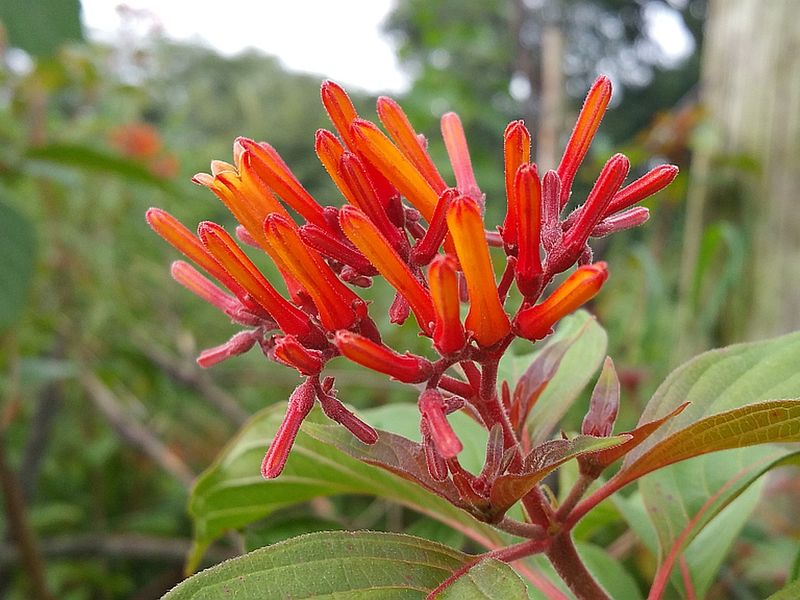
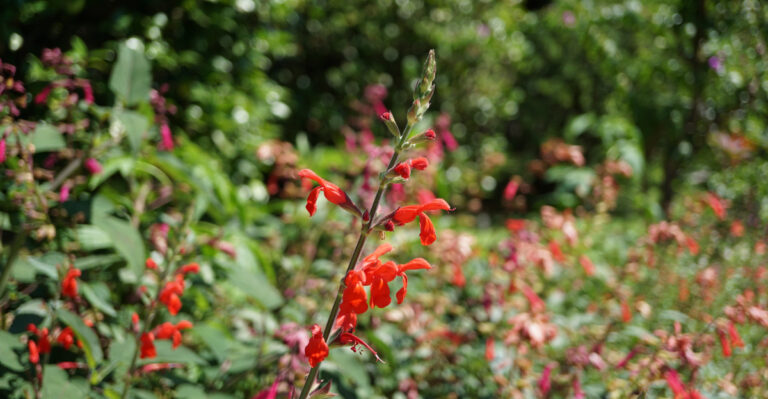
Hummingbirds treat firebush like a roadside diner, zipping between its tubular orange-red flowers from late spring well into fall. This native shrub replaces fussy tropicals beautifully, and zebra longwing butterflies love sipping from it in my yard too.
Firebush is not frost-proof, and honest gardeners in northern counties should know that a freeze can brown its upper branches. Unlike the tropicals above, it bounces back quickly from sturdy roots and usually blooms the very same year.
In milder southern areas, it often keeps much of its foliage through winter with only minor leaf drop overall. Cool weather also tints some leaves a handsome burgundy red, which honestly looks festive rather than tired to me.
You need to check the label carefully, because a compact non-native variety often gets sold under the same name. Look for Hamelia patens var. patens, which offers the best wildlife value and fits our local ecosystems naturally.
Plant it in full sun or light shade, where it can reach eight feet or more with a little time. Once established, it handles dry spells surprisingly well and rarely needs much extra fertilizer in sandy home landscapes.
10. Simpson’s Stopper
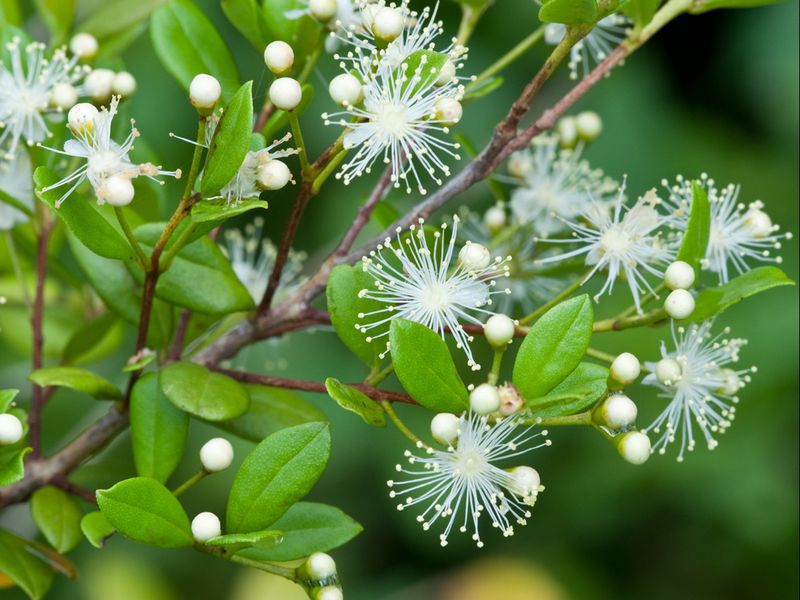
Crush a Simpson’s stopper leaf between your fingers, and a spicy, pleasant scent drifts up to greet you right away. I love sneaking that little sniff test on garden tours, and it wins over skeptical friends almost every time.
Native and evergreen, it handles light freezes far better than ixora or croton during typical winter snaps in its range. Gardeners up through central regions grow it as a dense hedge that keeps its glossy green leaves year round.
Small white flowers appear in warm months, followed by orange-red berries that mockingbirds and other songbirds gobble up quickly. As trunks mature, the bark peels in smooth cinnamon patches that shine when you shape it into a tree.
Simpson’s stopper tolerates salt spray and sandy soil, so coastal homeowners can use it without much worry at all. It grows at a slow to moderate pace, which means fewer pruning sessions than speedy shrubs like copperleaf demand.
Full sun brings the densest growth, though it also performs nicely in partial shade under tall slash pines. Water regularly during the first year, then let it coast through most dry spells mostly on its own.
11. Coontie
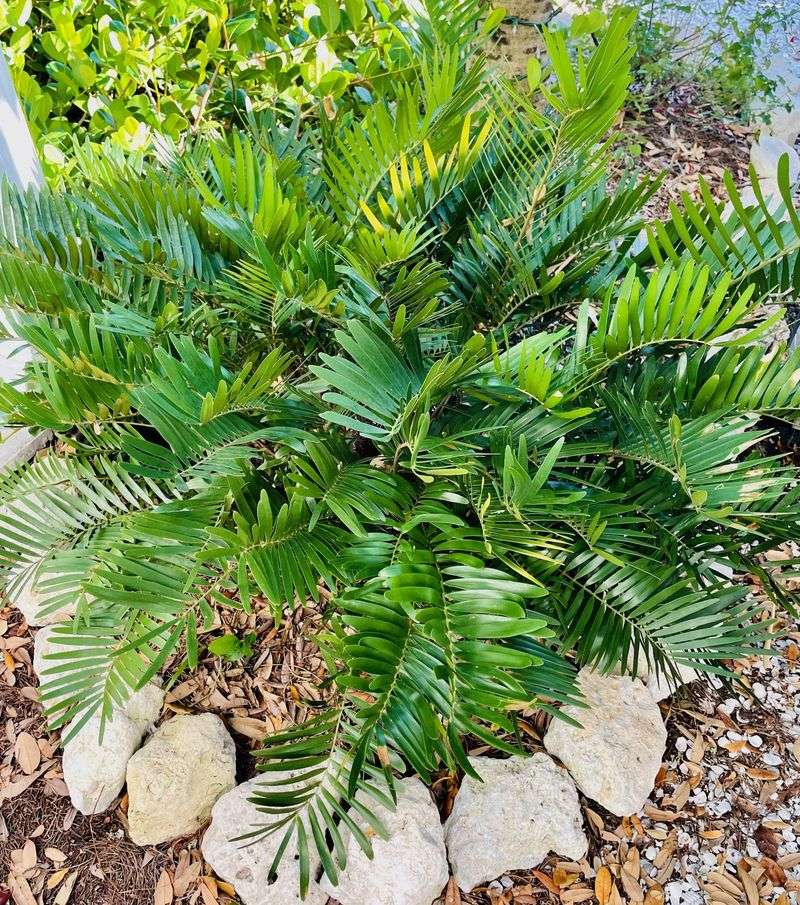
Coontie belongs to the cycads, an ancient plant group that thrived alongside dinosaurs long before the first flowers appeared on Earth. I can’t help smiling at that history every time I pass the feathery green clumps along my front walkway.
Native to the state, coontie shrugs off typical winter cold far better than the tropical shrubs on this list. Its stiff, glossy leaflets stay green through chilly nights, giving garden beds a steady, layered look all winter long.
Coontie is also the main native host plant for the atala butterfly, whose caterpillars are bright red with yellow spots. Once nearly gone from the state, those flashy butterflies have returned partly thanks to coontie plantings in yards.
Keep in mind that every part of coontie is toxic if eaten, especially the bright orange seeds inside female cones. Cycad poisoning in dogs is a known risk, so plant it away from spots where pets roam and dig.
Patience pays off here, since coontie grows slowly and may take a few years to fill out. Give it well-drained sandy soil in sun or shade, and it will happily ask for very little water.
12. Walter’s Viburnum
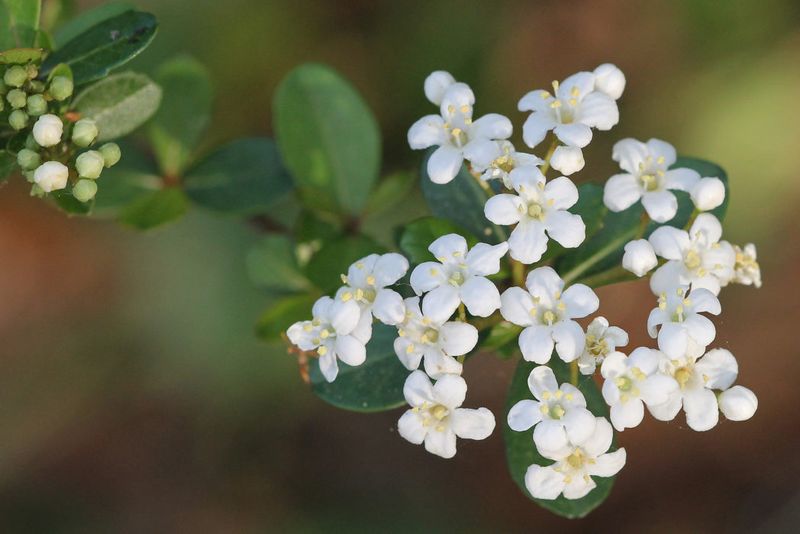
Clouds of tiny white flowers cover Walter’s viburnum in late winter, often before most other shrubs even wake up. Early bees appreciate that surprise buffet, and personally I find it the cheeriest sight of the entire cool season.
Native across much of the state, it handles typical winter cold with barely a shrug of its small leaves. Some leaves may blush purple or drop in northern areas, but the shrub stays healthy and leafs out fresh each spring.
Wild plants can grow into large thickets, so compact cultivars like ‘Mrs. Schiller’s Delight’ suit smaller home yards better. That dwarf form stays around three to five feet tall and makes a tidy hedge without constant shearing or fuss.
Flexibility is its secret talent, since it tolerates soggy low spots as well as drier sandy soil once established. Small dark fruits follow the blooms, and songbirds pick them off quickly before most people even notice them.
Plant it in sun or part shade, and water deeply during dry spells until the roots settle in well. Swapping a frost-burned croton hedge for this native feels like trading a diva for a dependable best friend.