Who Pays When A California Neighbor’s Tree Damages Your Car
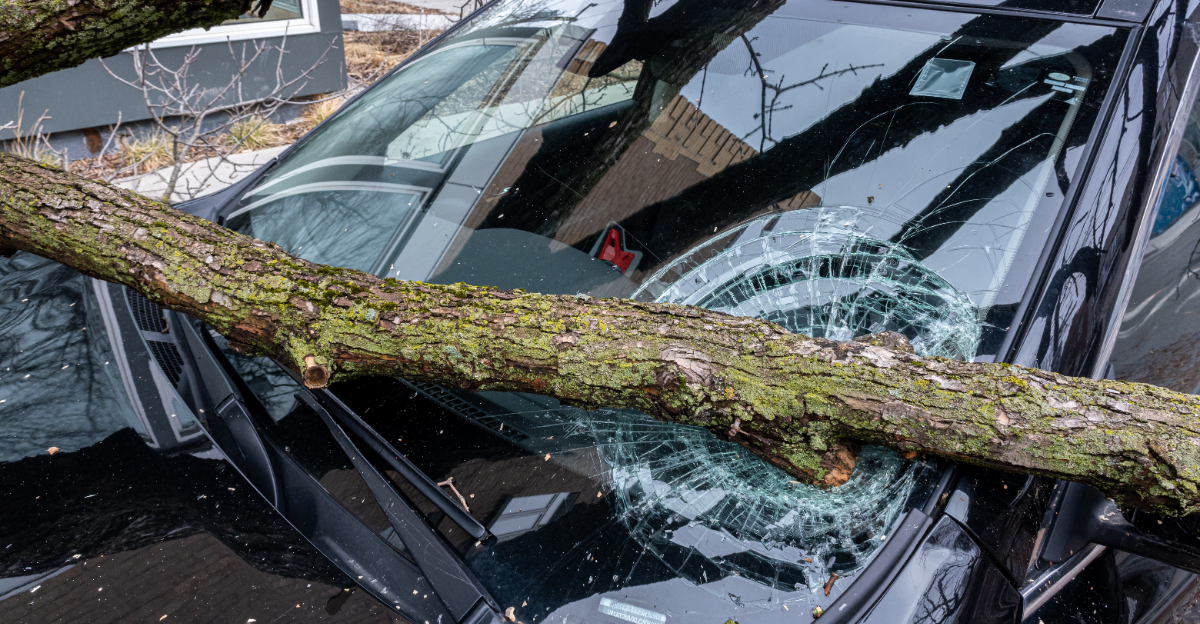
A fallen branch can turn an ordinary California afternoon into a very expensive headache. One minute, your car is parked peacefully.
The next, it has a fresh dent courtesy of the neighbor’s tree. Great. Just great.
Figuring out who pays is not always as simple as pointing across the property line. The answer can depend on what happened before the damage, what the tree looked like, and what each person reasonably knew.
Suddenly, that harmless old tree becomes the star of a neighborhood legal drama.
Insurance may step in, but that does not always end the argument. Responsibility can shift based on details that are easy to overlook until the repair bill arrives.
That is why these situations often create confusion fast. Knowing how liability usually works can help you respond calmly and avoid making a costly assumption while everyone is still staring at the damage.
1. A Healthy Tree Fall Is Usually An Accident
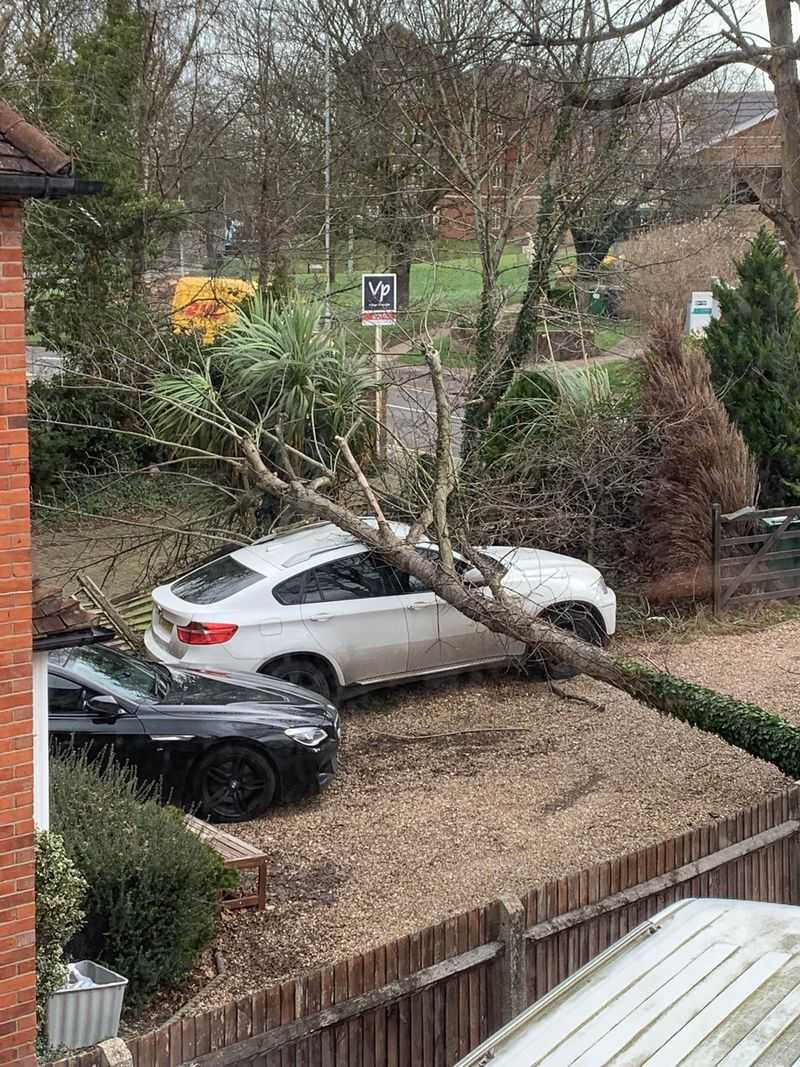
Most people assume that if a neighbor’s tree falls on their car, the neighbor automatically owes them money. That’s not how it works in California.
When a tree appears healthy and shows no visible signs of trouble, its fall is generally considered an act of nature.
Courts and insurance companies treat these situations differently than cases involving obvious neglect. A healthy tree can still topple during strong winds or after heavy rain softens the soil.
In those cases, the tree owner is typically not held liable because they had no reason to believe the tree was dangerous.
Your own auto insurance policy with comprehensive coverage is usually your best bet in this scenario. Comprehensive coverage handles damage from falling objects, including trees.
If you don’t carry that type of coverage, you may end up paying out of pocket.
It feels unfair, but the law generally doesn’t punish someone for something they couldn’t have predicted.
The key legal concept here is negligence, and without proof that the neighbor ignored a known problem, negligence is hard to establish.
Always check your own policy first before assuming the neighbor’s homeowner insurance will cover the damage.
2. Neglect Can Shift The Bill To The Neighbor
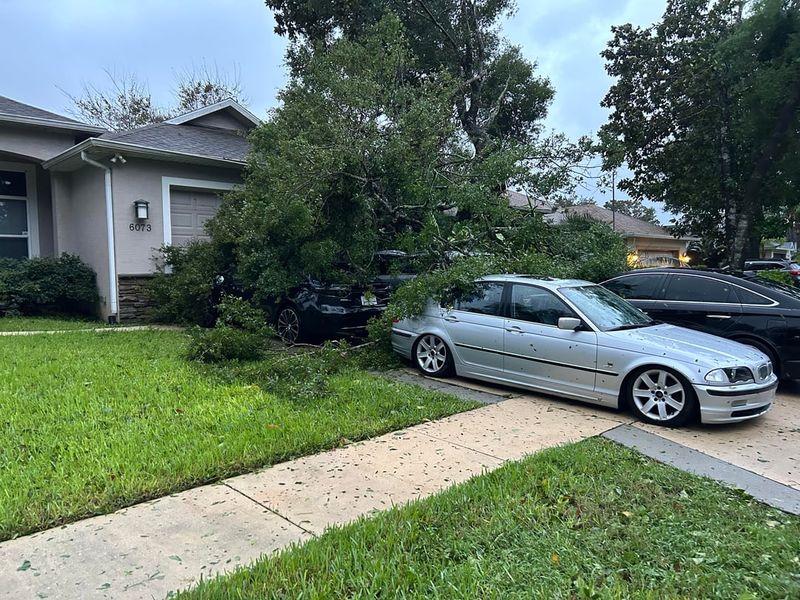
When a tree owner ignores obvious warning signs, the legal situation changes fast. Neglect is the turning point that can shift financial responsibility from your insurance to the neighbor.
If a tree was visibly rotting, leaning dangerously, or dropping large limbs before the incident, that matters a lot.
California follows a negligence-based liability system. That means you need to prove the neighbor knew or should have known the tree was a hazard.
Evidence of neglect can include withered limbs, fungal growth at the base, or a visible lean toward your property.
Proving neglect takes more than just saying the tree looked bad. You’ll need documentation, photos, or witness statements to back up your claim.
Without solid evidence, the neighbor’s insurance company may reject your claim entirely.
Homeowner negligence cases are taken seriously in California courts. If you can show the neighbor failed to maintain a clearly dangerous tree, they may be required to cover your repair costs.
Your California Garden Changes Every Week. Your Plan Should Too.
Gardening in California changes quickly throughout the season. Every Friday you’ll receive a simple weekly plan showing exactly what to plant, prune, fertilize, harvest, and protect so you never miss the right timing.
In some cases, a neighbor’s homeowner’s insurance will step in to settle the claim. Acting quickly after the damage occurs and gathering as much evidence as possible gives your case a much stronger foundation from the start.
3. Damaged Or Diseased Trees Change The Story
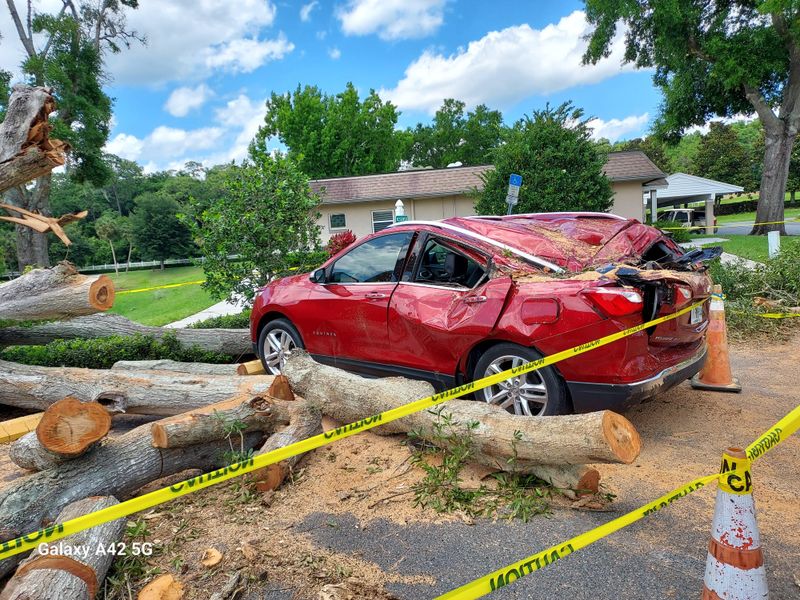
Not all trees that fall are in good shape. A diseased or structurally damaged tree tells a very different story when it comes to liability.
If the tree showed clear signs of disease or decay before it fell, the owner had a responsibility to address it.
Common signs of a troubled tree include hollow trunks, peeling bark, mushroom growth near the roots, and large withered branches called widow-makers.
These are red flags that any reasonable homeowner should notice. Ignoring them is where liability starts to build.
In northern California, certain tree diseases spread quickly and can weaken a tree from the inside out without obvious external signs. That’s why professional inspections matter so much.
A certified arborist can catch problems that a casual glance won’t reveal.
If a neighbor’s diseased tree falls on your car, you have a stronger case for holding them responsible. The key is showing the damage existed before the incident.
Photos, neighbor testimonies, and professional evaluations all help build that case. Diseased trees don’t always fall during storms either.
Sometimes they collapse on calm days, which makes the owner’s failure to act even harder to defend in a legal or insurance dispute.
4. Prior Warnings Matter More Than Complaints
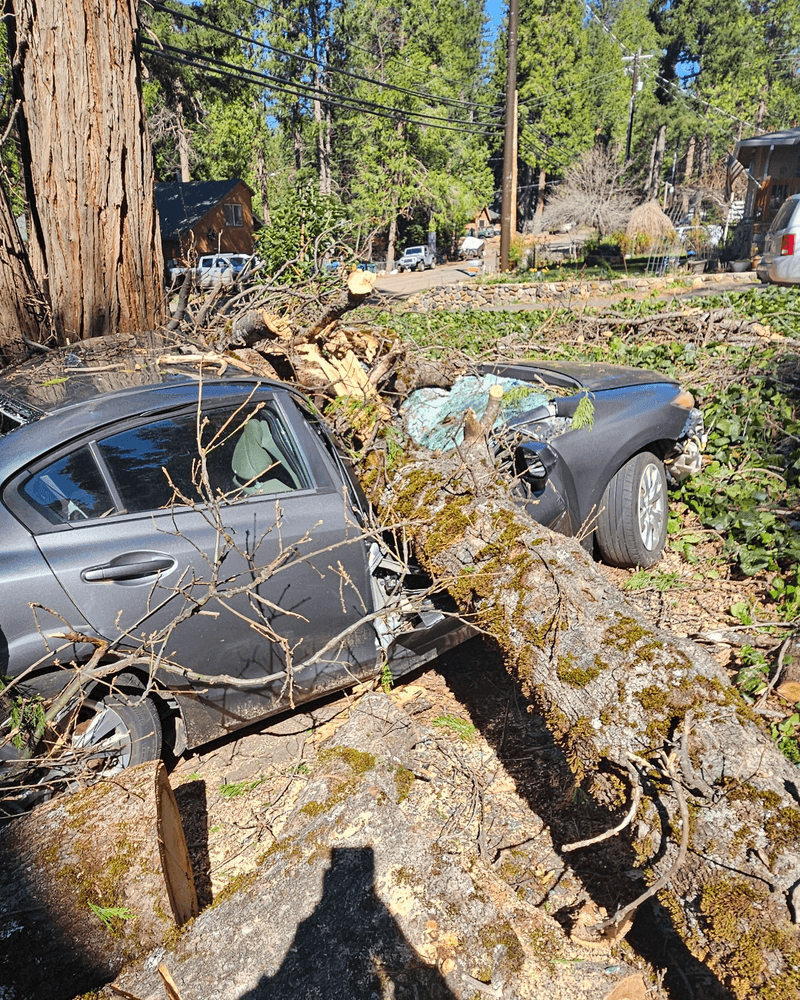
Telling a neighbor their tree looks bad over the fence is one thing. Putting that concern in writing is something else entirely.
When it comes to tree damage liability, a formal written warning can be the most powerful piece of evidence you have.
If you noticed a dangerous tree and warned the neighbor in writing before any damage occurred, that notice becomes a key part of your claim. It shows the neighbor was aware of the problem and chose not to act.
That’s the definition of negligence in many legal cases.
A simple letter or even a text message can serve as proof. Keep a copy of anything you send.
If the neighbor dismissed your concern and the tree later damaged your car, you’re in a much stronger position to recover your costs.
Verbal complaints are harder to prove and easier to deny. That’s why written communication is always the smarter move.
You don’t need a lawyer to write a warning letter. Be clear, polite, and specific about what you observed and when.
Include dates and descriptions of what you saw. Courts and insurance adjusters take documented warnings seriously.
A well-timed written notice can be the difference between a denied claim and a fully covered repair bill.
5. Photos Help Prove The Tree’s Condition
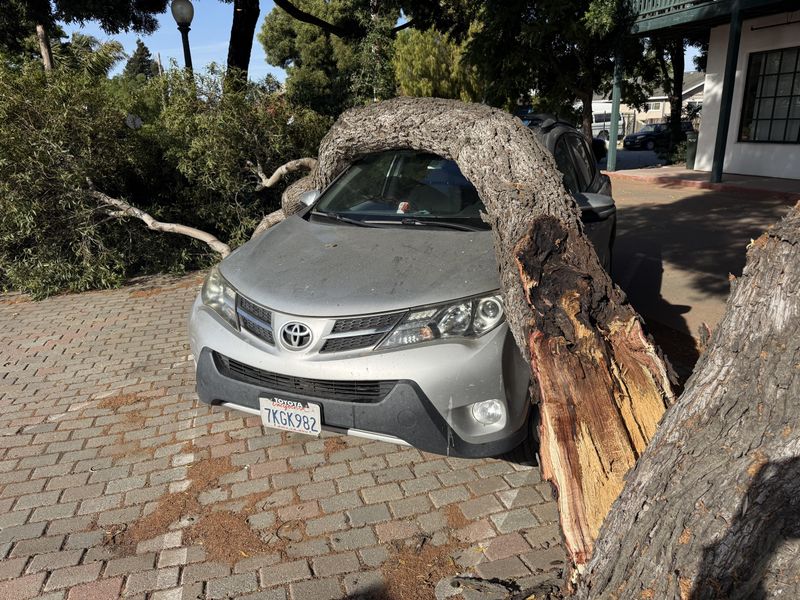
One of the simplest things you can do to protect yourself is take photos regularly. If a neighbor’s tree looks unstable or unhealthy, document it with clear, dated photos.
Most smartphones automatically record the date and time of each photo, which makes them useful as evidence.
After damage occurs, take photos immediately. Capture the tree, the car, the point of impact, and any visible signs of decay or disease in the fallen tree.
Wide shots and close-ups both matter. The more detailed your photo record, the harder it is for an insurance company to dismiss your claim.
Photos taken before the incident are even more valuable. They show the tree’s condition over time and can demonstrate that the problem wasn’t sudden.
If you noticed the tree leaning or losing bark months earlier and photographed it, that timeline tells a compelling story.
In the southern and central parts of California, dry conditions can speed up tree decay. Keeping a photo log of nearby trees that concern you is a smart habit.
Store your photos in a cloud backup so they aren’t lost if your phone breaks. Good documentation doesn’t just help with insurance claims.
It can also support a small claims court case if a neighbor refuses to cooperate after their tree damages your property.
6. An Arborist Report Can Strengthen A Claim
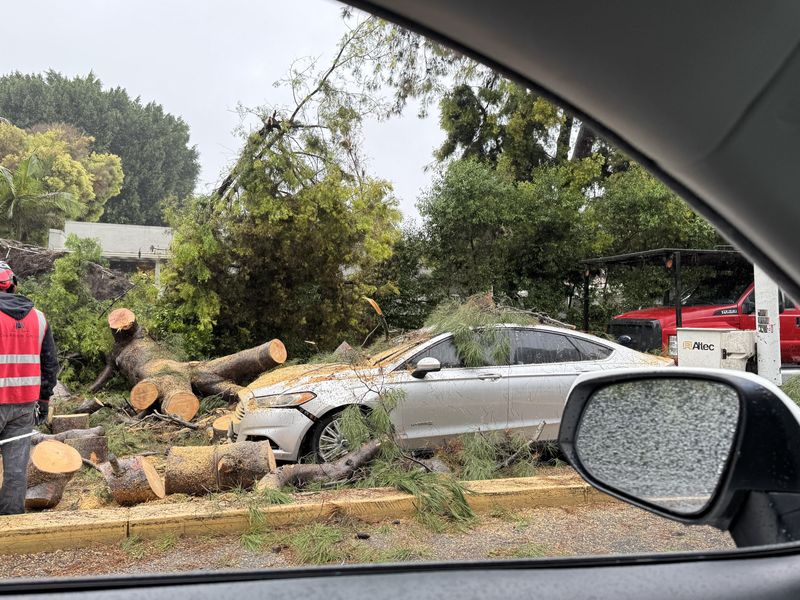
Sometimes photos and eyewitness accounts aren’t enough to settle a dispute. That’s when an arborist report can make a real difference.
A certified arborist is a trained tree expert who can evaluate a tree’s health, structure, and risk level with professional authority.
Hiring an arborist to inspect a tree before or after an incident provides documented, expert-backed evidence.
Their report can confirm whether a tree was diseased, structurally weak, or posed a foreseeable risk.
Insurance companies and judges take these reports seriously.
An arborist report is especially useful when a neighbor disputes your claim. If they insist their tree was healthy and you have a professional saying otherwise, that expert opinion carries weight.
The cost of hiring an arborist varies, but it’s often worth it when dealing with significant car repair bills.
In many parts of California, certified arborists are available through local tree care companies or through the International Society of Arboriculture. You can verify an arborist’s credentials online before hiring them.
Ask for a written report that includes the tree’s condition, any observed disease or structural issues, and a risk assessment.
A thorough report gives your insurance company or attorney a clear picture of what happened and why the neighbor may bear responsibility for the damage to your vehicle.
7. Storm Damage Is Often Treated Differently
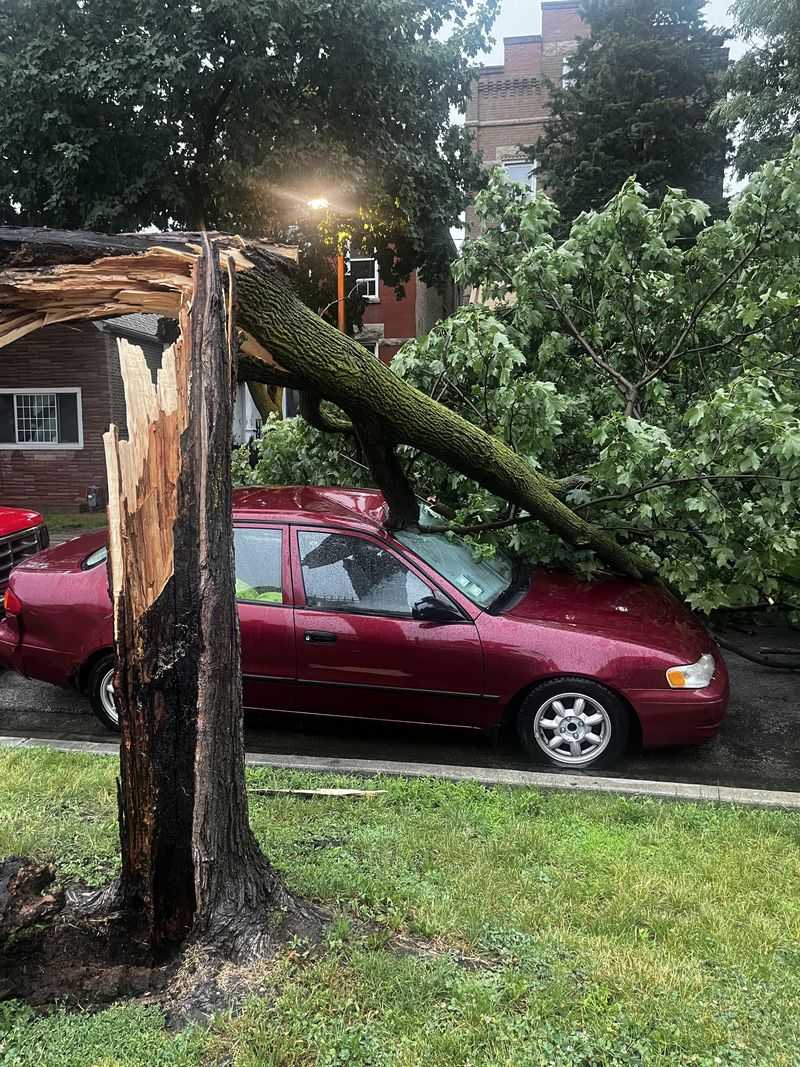
Storms create a different set of rules when it comes to tree damage and liability. When a major storm rolls through our state, fallen trees are often classified as acts of nature.
That classification can protect tree owners from being held financially responsible, even if the tree was on their property.
Insurance companies frequently invoke what’s called an act of God defense during storm events. This means the damage was caused by an unforeseeable natural event, not by anyone’s negligence.
In those cases, your own comprehensive auto insurance is typically the primary source of coverage.
However, storm conditions don’t automatically clear a negligent tree owner of responsibility. If the tree was already diseased or damaged before the storm hit, the storm may have just been the final trigger.
In that situation, the owner’s prior neglect is still relevant to the claim.
After a storm, document everything quickly. Fallen branches and debris get cleaned up fast, sometimes before you have a chance to gather evidence.
Take photos right away and note the tree’s condition at the point of failure. In areas like the Central Valley or coastal regions of our state, storm seasons can be unpredictable.
Being prepared with good documentation habits year-round means you won’t be scrambling for evidence after the next big weather event damages your car.
8. Your Deductible May Still Come First
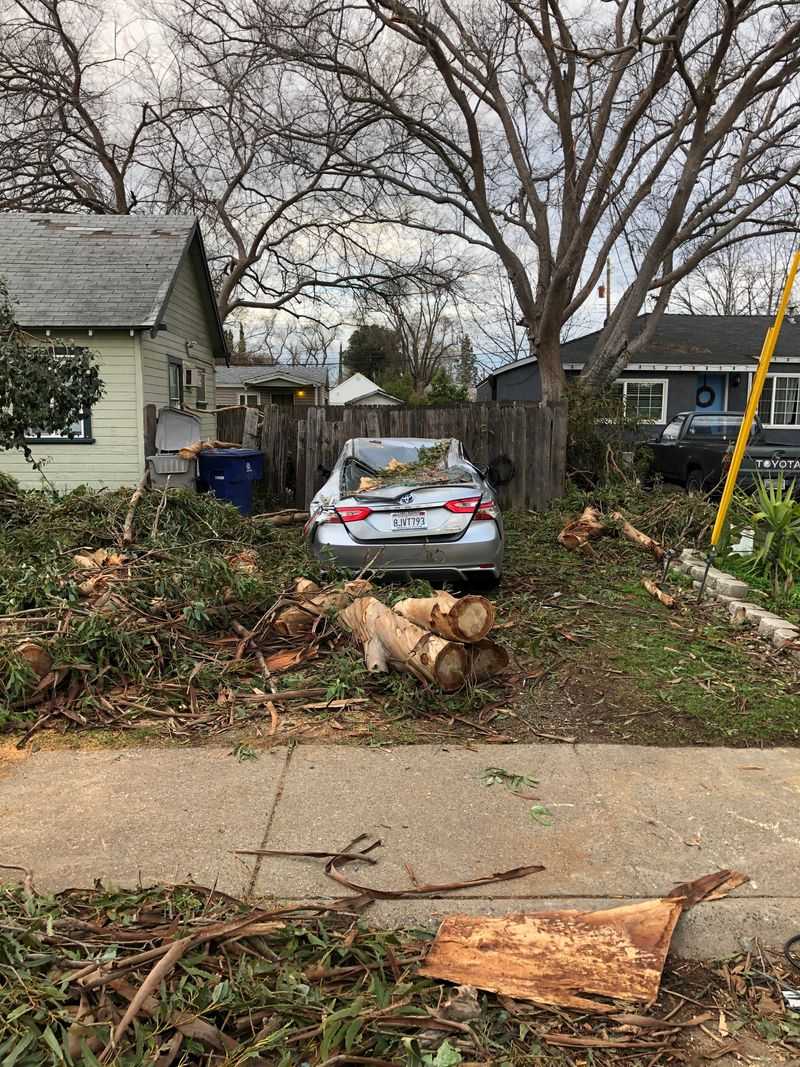
Even when liability seems clear, your deductible often comes into play before any money changes hands. A deductible is the amount you pay out of pocket before your insurance covers the rest.
Knowing your deductible amount helps you decide whether filing a claim is even worth it.
For smaller repair jobs, the cost might be less than your deductible. In that case, filing a claim doesn’t make financial sense.
You’d pay the full repair bill yourself and potentially see your insurance rate go up. It’s always smart to get a repair estimate before deciding how to proceed.
If the neighbor is clearly liable and their homeowner’s insurance agrees to cover the damage, you may be able to skip your deductible entirely. Their policy would pay the repair costs directly.
But getting a neighbor’s insurance to accept liability takes time and solid evidence.
Some drivers in California carry uninsured motorist property damage coverage, which can sometimes apply to falling object claims.
Review your policy carefully or call your insurance agent to understand exactly what you’re covered for.
Don’t assume comprehensive coverage handles every scenario without checking the fine print.
Knowing your coverage limits and deductible amounts before an incident happens puts you in a much stronger position to make smart, confident decisions when a neighbor’s tree causes unexpected damage to your car.