That Fast Many-Legged Bug In Your Maryland Basement Is Venomous But Helpful
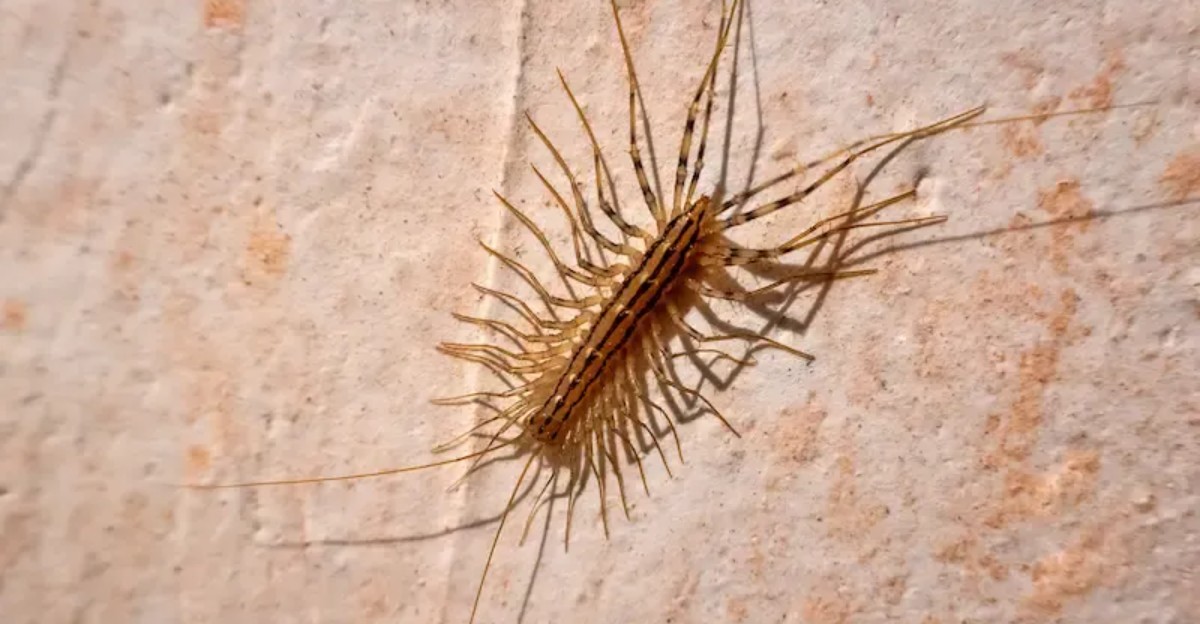
A creature with thirty legs can sprint across your floor faster than you can grab a slipper. I learned that the hard way one muggy night in my Maryland basement, armed with a laundry basket and zero courage.
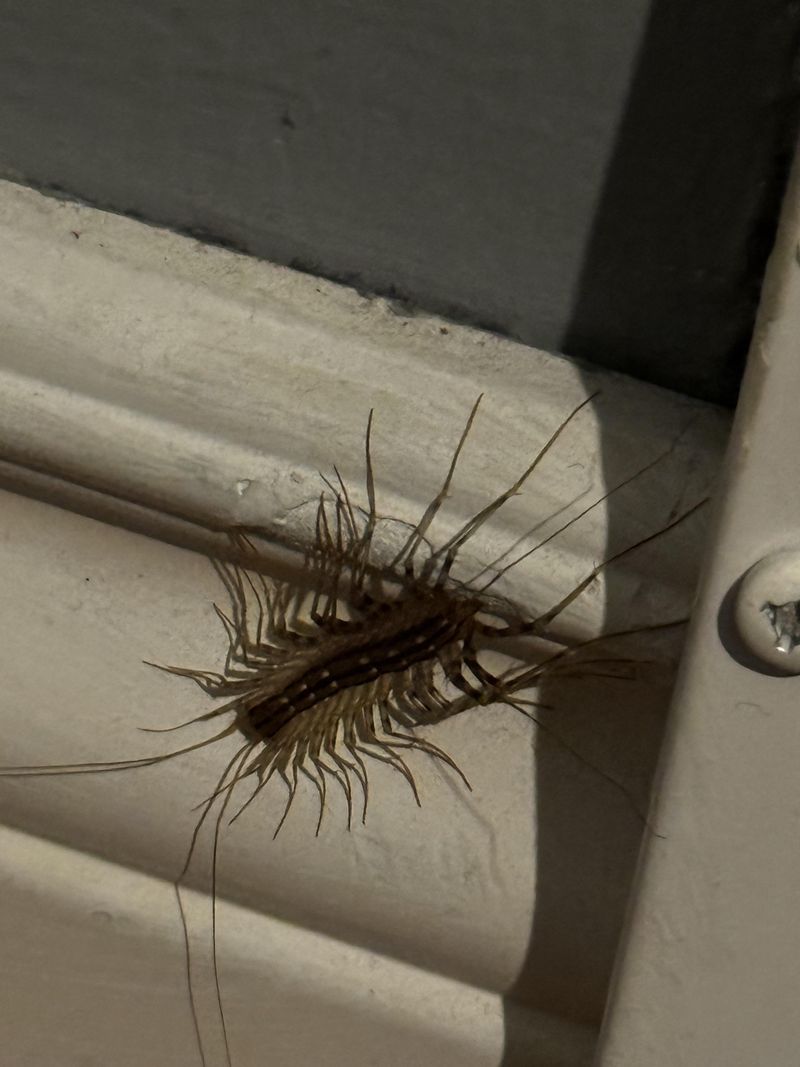
Those legs are long, thin, and almost wispy. The back pair stretches out like a second set of antennae, so you honestly cannot tell which end is the front. My heart still does a little hop every time one zips past the dryer.
Here’s what gets me, though. This speedy visitor carries venom, yet it spends its nights hunting the very pests you actually want gone.
Call me stubborn, but I stopped reaching for the shoe once I learned what it eats. So who is really working the night shift down there, and should you let it keep the job?
That Thirty-Legged Sprinter Under Your Washer Has A Name
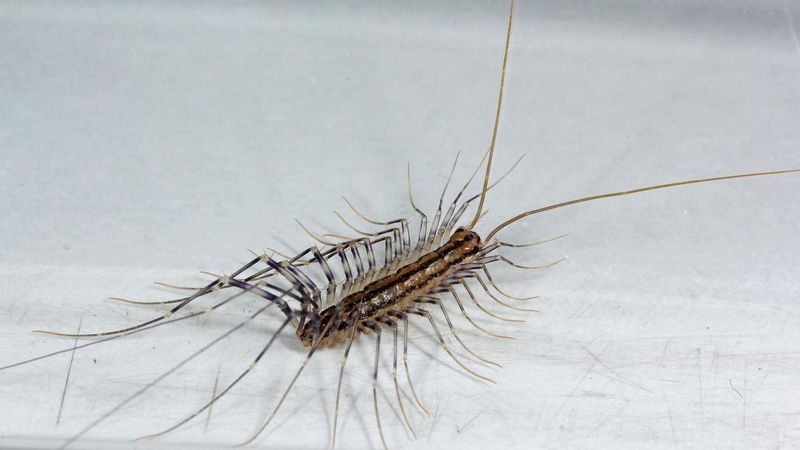
Most folks spot it for half a second before it vanishes under the washer. That blur of legs is almost certainly a house centipede, known to scientists as Scutigera coleoptrata.
Adults have 15 pairs of legs, which adds up to 30 total. Their bodies run about 1 to 1.5 inches long and look grayish-yellow with three dark stripes down the back. The legs carry dark bands, which gives them a striped, almost feathery look when they move.
Speed is their claim to fame. They can cover over a foot per second, which explains why you rarely catch one standing still. The very last pair of legs is extra long and often gets mistaken for antennae.
Fun fact for your next family dinner: these critters originally came from the Mediterranean region. They spread around the world over many years and now live comfortably across much of the United States.
In Maryland, they are a common sight in homes, especially in damp basements. Technically they are not insects at all.
Centipedes belong to their own group, closer to millipedes than to beetles or ants. Knowing exactly what you’re looking at is the first step toward deciding how you feel about it.
Those Hooked Front Legs Carry Venom, But Only A Little
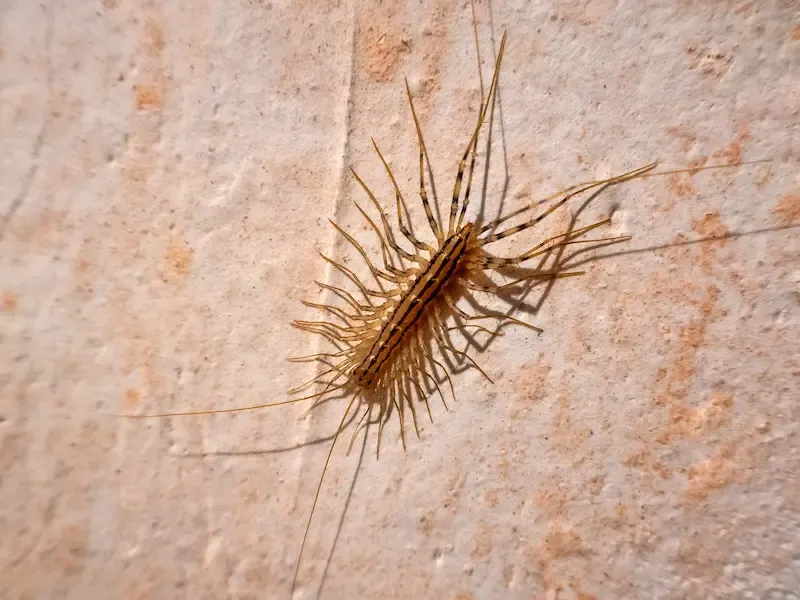
Yes, the title is true, and I won’t sugarcoat it. House centipedes are venomous, but the story ends far less dramatically than you might fear.
Their venom comes through special front legs called forcipules. These curved, pincer-like limbs sit right beside the mouth and inject venom into prey like spiders and silverfish. For a tiny cockroach, that’s a serious problem. For you, it’s mostly a non-event.
Bites on people are rare. University extension experts note that the forcipules often struggle to pierce human skin at all. When a bite does happen, it usually comes from someone grabbing or pinning one against bare skin.
A bite typically feels like a mild bee sting. Expect some local pain, redness, or slight swelling that fades within a day or so. Wash the spot with soap and water, and a cold pack can ease the sting.
People with strong allergies to insect stings should watch for unusual reactions and call a doctor if symptoms spread. That kind of response is uncommon, though. House centipedes don’t carry diseases, and they don’t chew wood, clothing, or food. Honestly, the scare factor is far bigger than the risk.
A Free Exterminator Is Patrolling Your Basement Walls
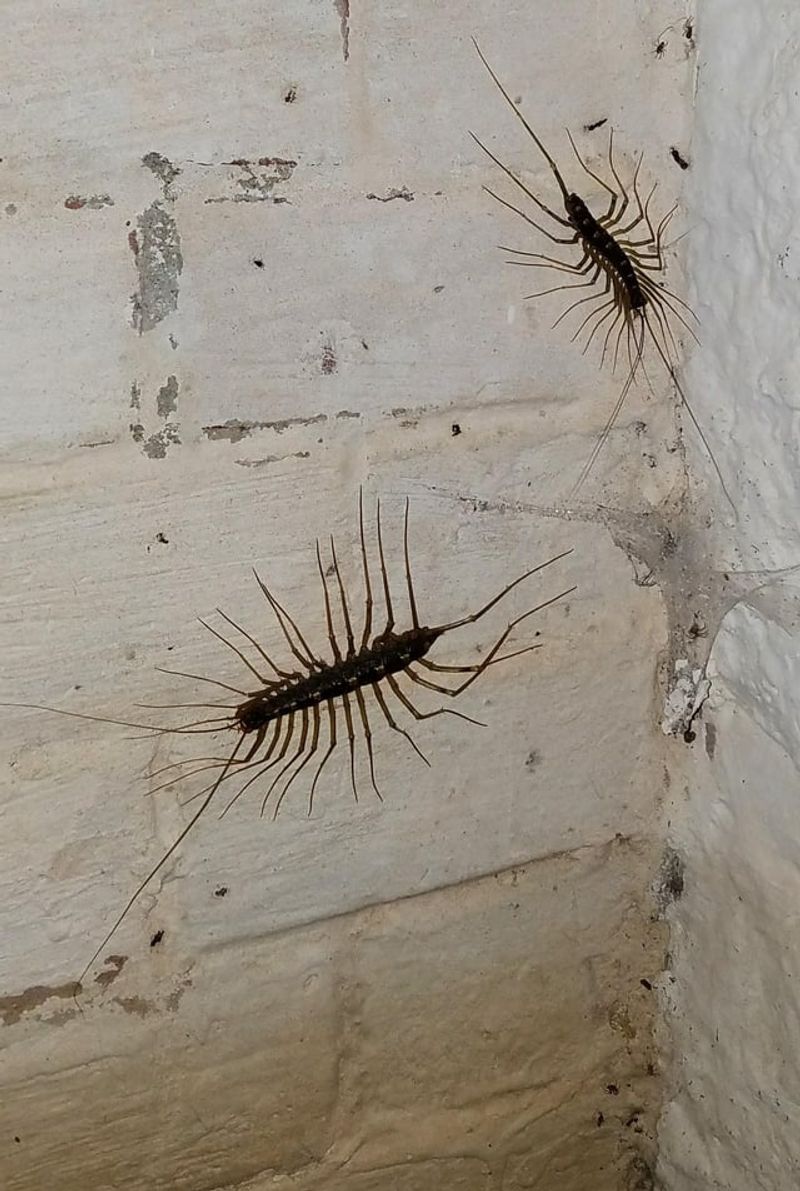
Guilty as charged, I used to squash every one I saw. Then I learned what they actually eat, and my whole attitude shifted.
House centipedes are pure predators. They hunt silverfish, cockroaches, spiders, carpet beetle larvae, ants, termites, flies, and other small pests. They want live prey only, so your pantry and houseplants are safe from them.
Their hunting style is wild to watch. Instead of chasing with their mouths, they lasso prey using those many legs, wrapping it up before delivering a venomous bite. Some observers have even seen them carry several victims at once.
So a centipede in your basement is basically a free pest control service working overnight. It costs nothing, needs no spray, and takes no days off.
There’s a catch worth noticing, though. If you see lots of them, they’re telling you something. A steady centipede crowd usually means there’s a steady food supply, like silverfish or roaches, hiding nearby.
Treat frequent sightings as a clue rather than the main problem. Look into what they’re feasting on, because that’s often the real pest you’ll want to handle.
Damp Maryland Basements Are A Centipede Paradise
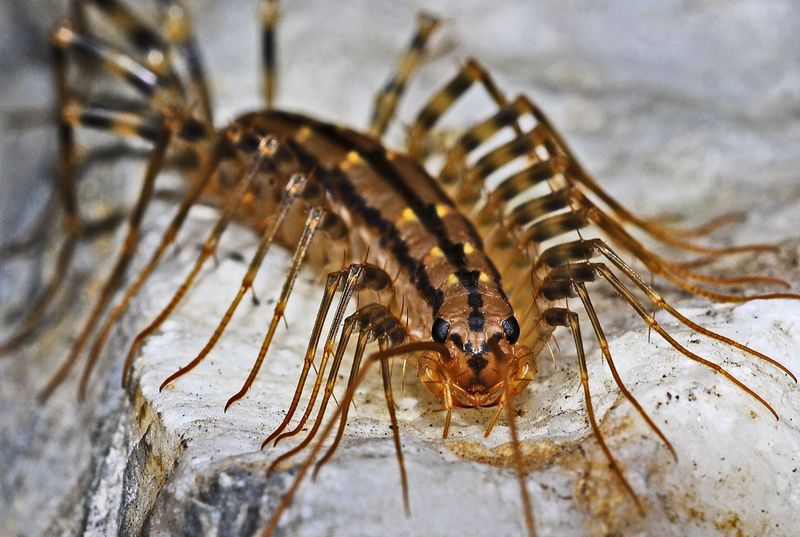
Humidity is the welcome mat. House centipedes need moisture to survive, since they lose water through their bodies more easily than many insects do.
That makes Maryland a pretty cozy spot for them. Our sticky summers, high groundwater in many areas, and plenty of older homes with block foundations create damp hideouts everywhere. Basements near the Chesapeake Bay and along low-lying stretches of the Eastern Shore can feel especially muggy.
Inside, they love cool, dark, wet corners. Check around sump pumps, floor drains, laundry areas, bathrooms, crawlspaces, and gaps in cinder block walls. Cardboard boxes stacked on concrete floors make another favorite hiding place.
Outdoors, they shelter under mulch, leaf piles, stones, and stacked firewood. When the weather turns extra hot and dry or cold in fall, some wander inside looking for better conditions.
They’re nocturnal hunters too. During the day they tuck into cracks, then come out at night to search for food using their long, sensitive antennae.
So if your basement smells a little musty, that’s useful information. The same moisture attracting centipedes also attracts their prey, plus mold and mildew.
A Dehumidifier Might Be Your Best Centipede Tool
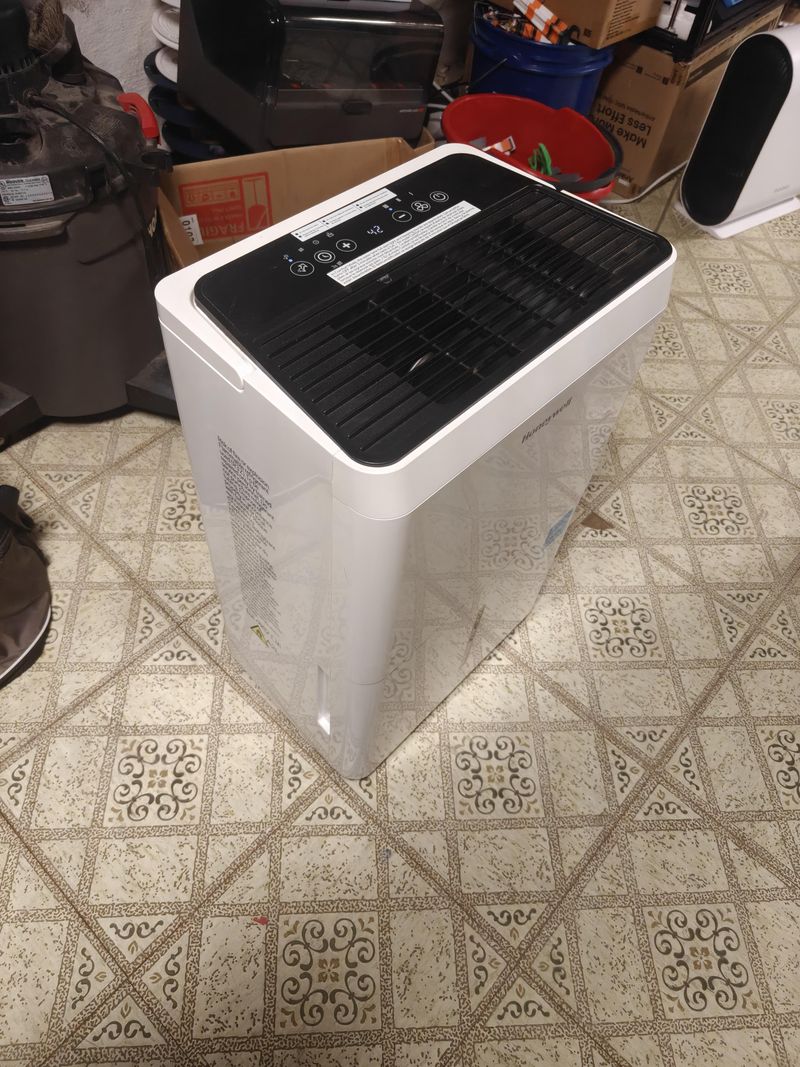
Trust me on this one, sprays are not the answer. The most effective way to see fewer centipedes is to make your basement drier and less appealing.
A dehumidifier is the star player here. Many experts suggest keeping indoor humidity below about 50 percent, which helps reduce both centipedes and the moisture-loving pests they hunt. Empty the bucket often, or connect a hose to a drain.
Next, hunt down leaks. Dripping pipes, sweating water lines, and leaky washing machine hoses all feed the damp. Fixing them can make a surprising difference in just a few weeks.
Outside, look at your gutters and downspouts. Water should flow well away from the foundation, not pool beside it. Grading soil to slope away from the house helps too.
Good airflow matters in crawlspaces. Vents, vapor barriers, and fans can cut moisture that builds up in Maryland’s humid months.
Store items in sealed plastic bins instead of cardboard on the floor. Cardboard soaks up moisture and offers perfect hiding spots. A drier basement benefits your belongings, your air quality, and your peace of mind.
Sealing Foundation Cracks Keeps Many-Legged Guests Outside
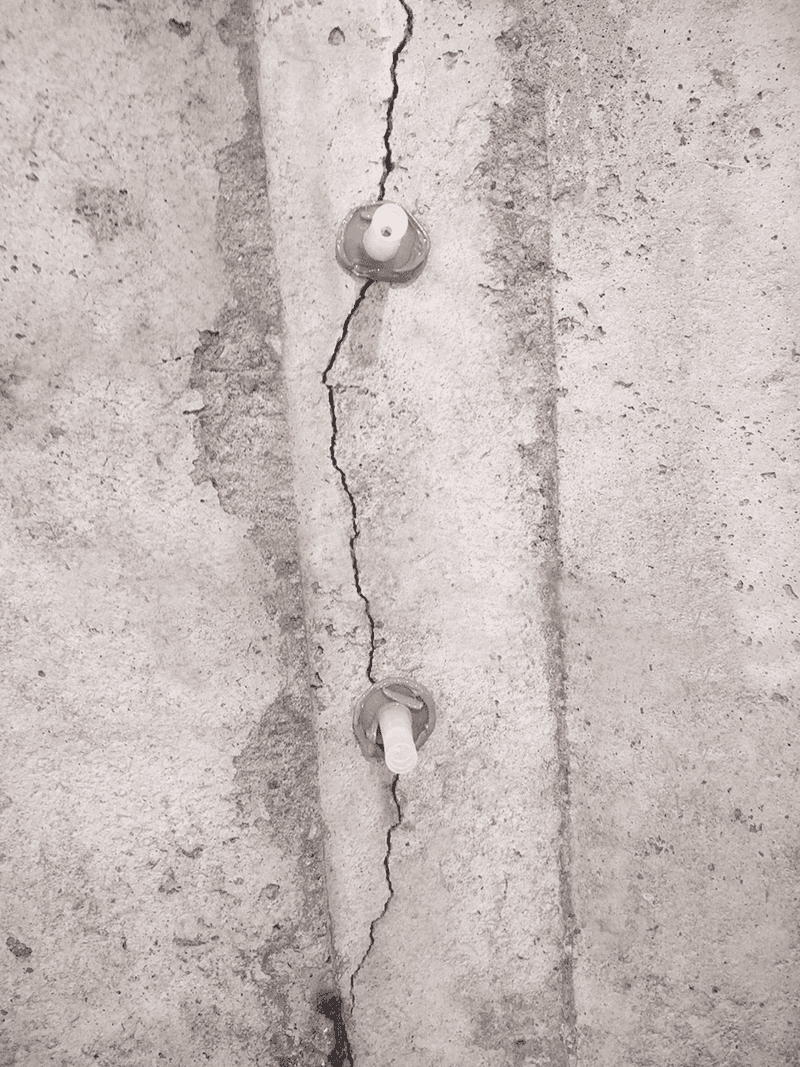
Grab a caulk gun and take a slow walk around your house. Tiny gaps you’d usually overlook are open doors for centipedes and the bugs they chase.
Focus on foundation cracks, spaces around pipes and wires, basement window frames, and the bottom edges of doors. Silicone caulk works for small gaps, while expanding foam or mortar patches suit larger ones. Door sweeps and fresh weatherstripping close up drafty entries.
Then tidy the outside. Pull mulch back a few inches from the foundation, rake up leaf piles, and move stones or boards that hold moisture against the house. Firewood should sit off the ground and away from walls.
As a gardener, I’ll admit this one stung a little. I love a thick mulch bed. Still, leaving a small dry strip next to the foundation doesn’t hurt plants and makes a real difference.
Fall is a smart time for this job in Maryland. Cooler nights push many critters toward warm shelter, so sealing up before then pays off.
You won’t block every single visitor. Yet fewer entry points means fewer surprises next to the laundry basket.
Sticky Traps Reveal What Else Is Crawling In Your Basement
Here’s a little detective trick I picked up from extension advice. Sticky traps placed along basement walls can show you exactly what’s living down there.
Set a few glue boards along baseboards, behind the washer, and near drains. Check them after a week. You might find centipedes, but you’ll often find silverfish, spiders, crickets, or roaches too.
That information is gold. If traps keep catching cockroaches or silverfish, you’ve found the food source keeping centipedes around. Handling those pests, mostly through moisture control and cleaning, will naturally shrink the centipede crowd.
Traps can also catch some centipedes directly, though their long legs sometimes break off as they escape. They can actually regrow lost legs over later molts, which is one of their stranger talents.
Keep traps away from pets and small kids, and place them flat against walls where crawling critters travel. Swap out full or dusty boards.
Broad pesticide sprays usually aren’t needed for house centipedes. Many university entomologists say tackling moisture and prey works better. If you’re facing a serious roach or termite problem, though, calling a licensed pest professional makes good sense.
Letting One House Centipede Stay Might Be The Smart Move
Don’t laugh, but I’ve started giving our basement centipede a quiet nod. After everything I’ve read, it feels more like a roommate earning its keep than an intruder.
Consider the trade. One centipede hunts silverfish, spiders, and roach nymphs every night, asks for nothing, and rarely bites. House centipedes can live several years, so a resident one keeps working season after season.
That doesn’t mean you need to love them. If one shows up in a bedroom or bathtub, gently scoop it into a jar and release it outdoors or back into the basement. Bare hands aren’t a great idea, mostly for comfort’s sake.
A balanced plan works best. Keep the basement dry, seal gaps, store things in bins, and watch for signs of bigger pest problems. A few centipedes can stay, while dozens tell you the prey situation needs attention.
Spreading the word helps too. Plenty of Maryland neighbors panic over these fast-moving guests and reach for harsh chemicals they don’t need.
Next time those thirty legs flash across the floor, take a breath. Your little night hunter might be doing more good than you realized.