The Best Set-And-Forget Florida Plants For Around A Pool That Stay Neat On Their Own
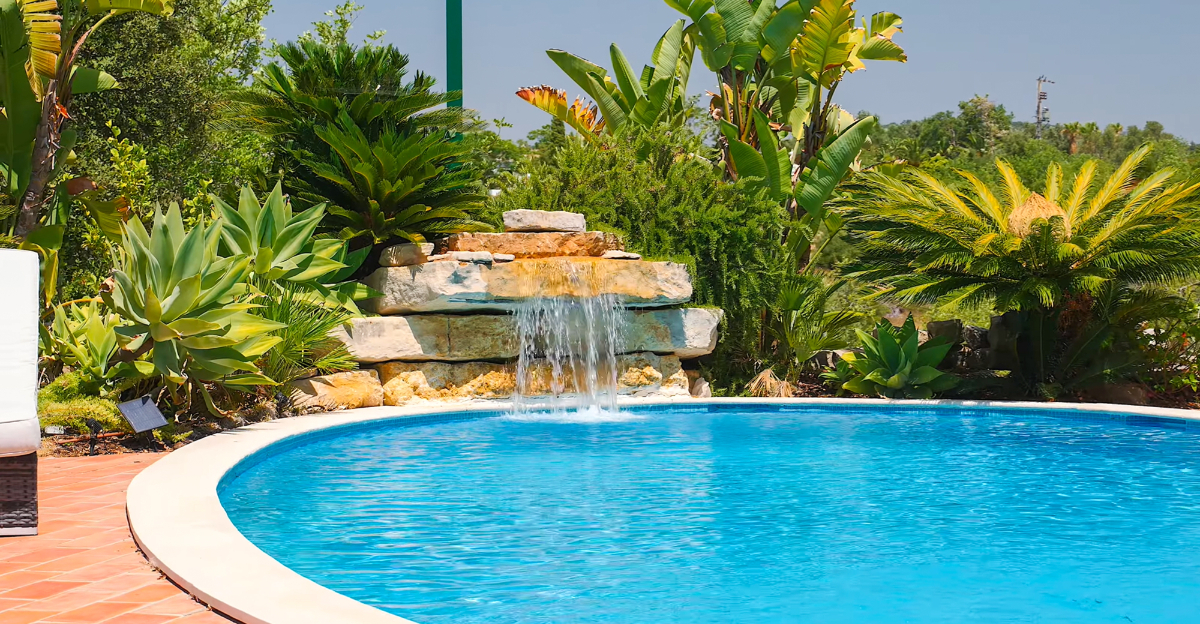
Pool landscaping in Florida has one requirement above everything else. Low maintenance that actually stays low maintenance.
Not plants that look manageable at the nursery and turn into a pruning project by midsummer. Not fast growers that drop leaves into the water every other week.
Not anything that needs constant attention to stay looking decent through the hottest months of the year. Florida pool owners have enough to manage without a landscaping situation that adds to the list.
Certain plants earn a permanent spot around a pool specifically because of how little they demand. Tidy growth habits, tolerance for reflected heat off the deck, and the ability to look presentable through an entire summer without much intervention.
That combination is harder to find than it should be. But the plants that pull it off make pool landscaping feel like a solved problem instead of an ongoing one.
1. Plant Bird Of Paradise For Low-Litter Tropical Structure
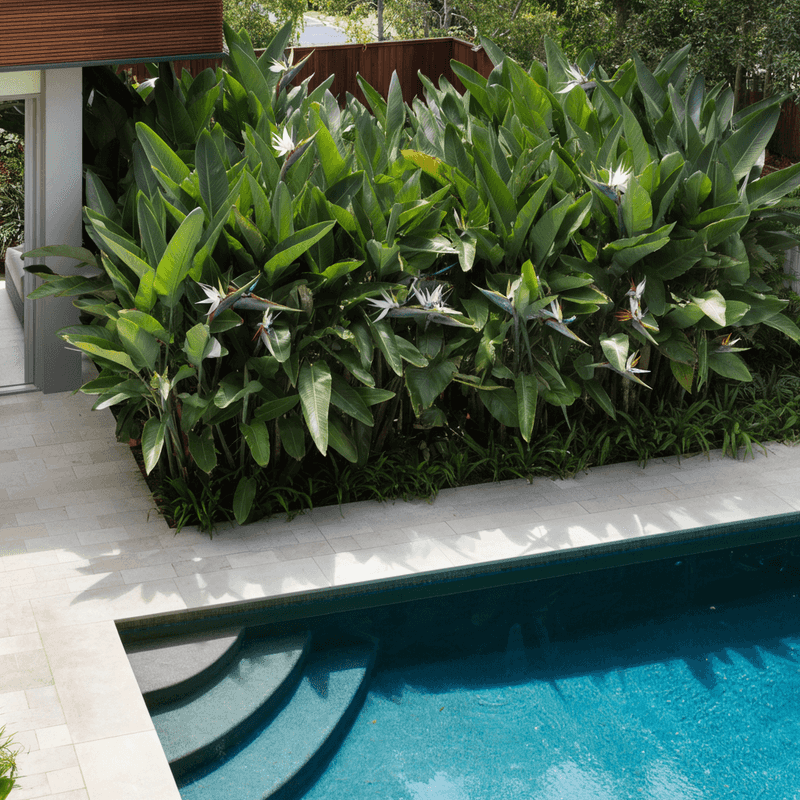
Strelitzia reginae, the bird of paradise, is a poolside classic for good reason. UF/IFAS notes that it performs well in warm, sunny, well-drained sites and is valued for its low leaf litter, making it one of the cleaner choices for areas near water.
Its bold, paddle-shaped leaves give you that lush tropical structure without the constant shower of dropped foliage that ruins a swim.
Drought tolerance is another reason this plant earns its place in poolside beds. Once established, it handles dry spells without drama.
UF/IFAS also notes some light salt-spray tolerance, which makes it useful in coastal yards where sea breezes are part of daily life.
Occasional splash from the pool is manageable, but it should not sit in constant chemical runoff, so distance from the pool edge and good drainage both matter here.
Give it enough room for its mature size before you plant. Crowding it against pool equipment, narrow walkways, or walls creates problems down the road.
In southern regions it thrives year-round in the ground, while central and northern regions may see cold damage in hard winters. A well-placed bird of paradise can anchor a poolside bed with sculptural presence and almost zero trimming.
That is exactly the kind of plant a busy homeowner wants beside the water.
2. Use Coontie For A Tidy Native Poolside Accent
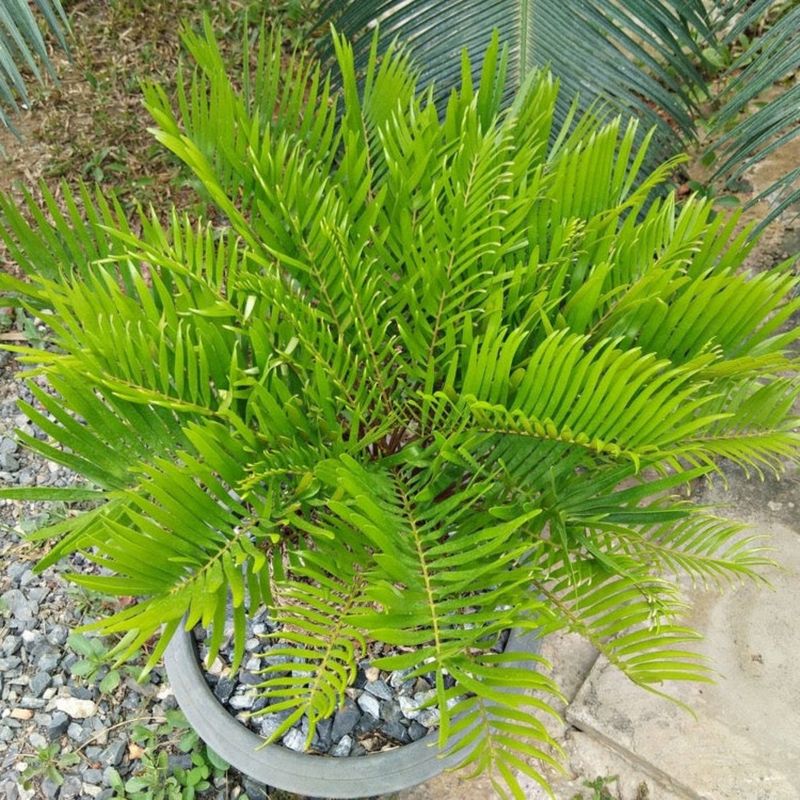
A hot poolside bed that bakes all afternoon needs plants with real staying power, and coontie delivers without demanding much back.
Zamia integrifolia is a native cycad with a naturally low, symmetrical form that looks intentional even when you have not touched it in months.
UF/IFAS describes it as drought tolerant once established and well-suited to sunny, well-drained sites across this state.
Its tidy, fern-like fronds stay compact and close to the ground, so there is no towering growth to trim back or sprawling branches to manage around a pool deck.
Coontie also serves as the only larval host plant for the atala butterfly, a rare and beautiful native species.
UF/IFAS supports this ecological role, making coontie a plant that earns its place both visually and environmentally.
Your Florida Garden Changes Every Week. Your Plan Should Too.
Gardening in Florida changes quickly throughout the season. Every Friday you’ll receive a simple weekly plan showing exactly what to plant, prune, fertilize, harvest, and protect so you never miss the right timing.
One important note deserves attention before you plant: coontie is toxic if eaten, including its seeds and plant parts. Place it thoughtfully in yards with pets, small children, or curious visitors, and keep it away from areas where people might handle it casually.
Set it back from pool steps or seating edges as a precaution. As a mass planting or accent in a poolside bed, though, its clean shape and native toughness make it a genuinely low-effort choice.
It looks polished season after season.
3. Choose Muhly Grass For Soft Texture Without Shearing
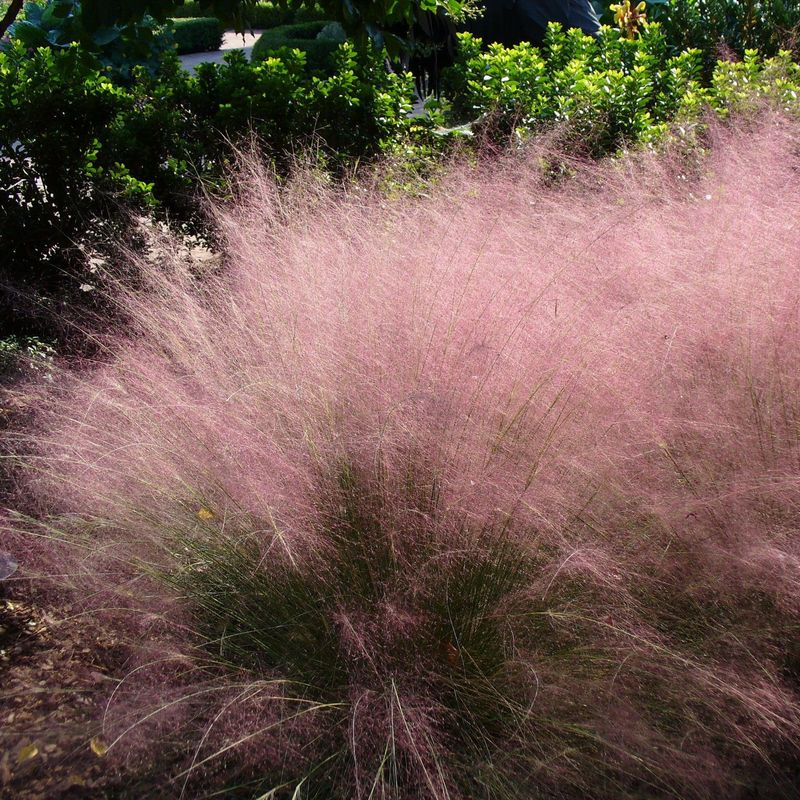
Reflected heat bouncing off light-colored pool pavers can scorch a lot of ornamentals before summer even peaks. Muhly grass, Muhlenbergia capillaris, handles that kind of radiant heat without complaint.
UF/IFAS recognizes it as a tough native clumping grass that thrives in full sun and well-drained soils. That makes it a smart pick for the sunny beds that frame most residential pools.
Its soft texture and seasonal plumes bring movement and color to a poolside bed without any hedge-style shearing. The clouds of pink and purple bloom in fall and draw admiring looks from anyone near the water.
You do not need to clip muhly grass into a shape the way you would a boxwood or a ficus. Its natural clumping form is the whole point.
Placement still matters, though. Position it where plumes and fine blades will not shed directly into the pool or spill across a narrow walkway.
Some seasonal cleanup, like cutting back old growth in late winter, keeps it looking fresh rather than ragged. Muhly grass does not tolerate constant chlorinated splash, so a little distance from the pool edge is wise.
Give it a well-drained, properly spaced bed with good sun, and it will reward you with texture and color that looks anything but low-effort, even though it truly is.
4. Plant Dwarf Fakahatchee Grass For Clean Clumping Form
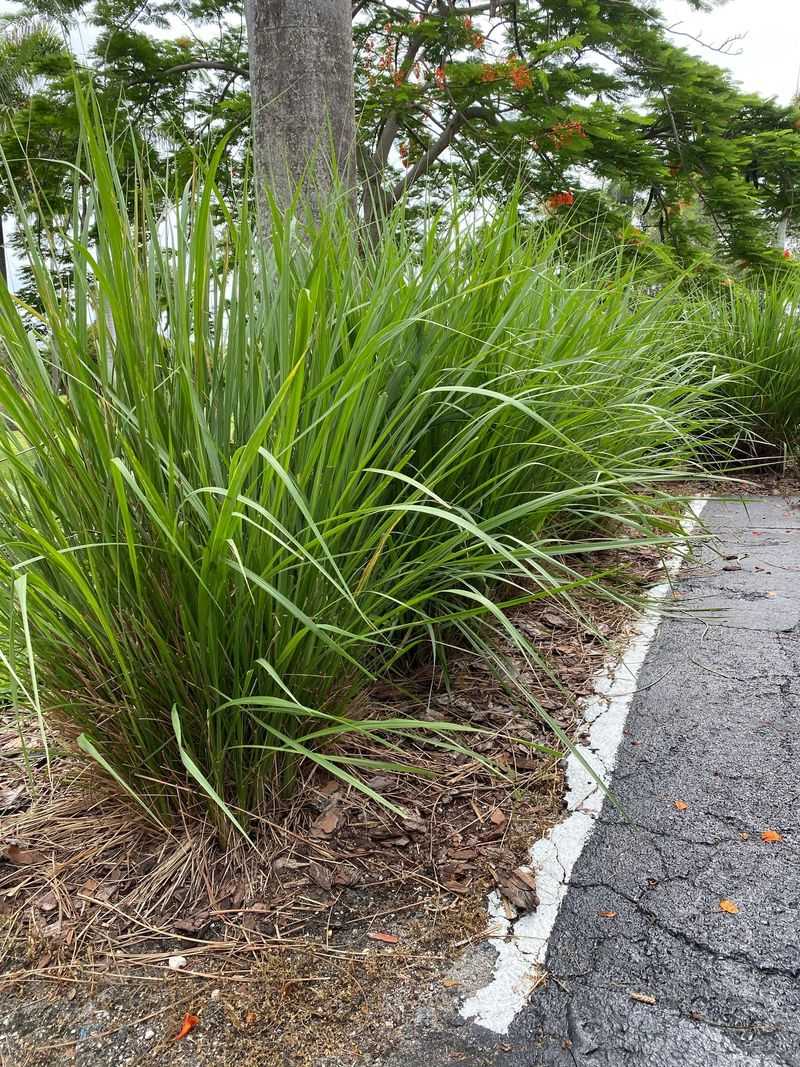
Clipped hedges near a pool take constant attention to stay sharp, and one skipped trim can make the whole yard look neglected. Dwarf Fakahatchee grass, Tripsacum floridanum, offers a different approach.
UF/IFAS describes it as a compact native clumping grass with a naturally tidy form that fits well in home landscapes across this state. It performs particularly well in sunny to partly shaded, well-drained sites.
Its clean clumping habit means the grass holds its shape without routine trimming. The natural mound looks intentional, like someone placed it with a designer’s eye, even though the plant is simply doing what it does on its own.
That is the whole appeal for poolside use: structure that reads as deliberate without requiring regular shaping sessions.
Keep in mind that “dwarf” is a relative term. Check the mature size of any cultivar before planting, and give it enough space so it does not crowd a narrow pool path or block a gate.
UF/IFAS notes that this grass is generally low-maintenance once established, with decent drought tolerance after its roots settle in. It pairs well with other native plants in a layered poolside bed.
For homeowners who want green, living structure near the water without the chore of constant clipping, dwarf Fakahatchee grass is a practical answer. It is also an attractive one that earns its spot.
5. Use Dwarf Yaupon Holly For Compact Evergreen Shape
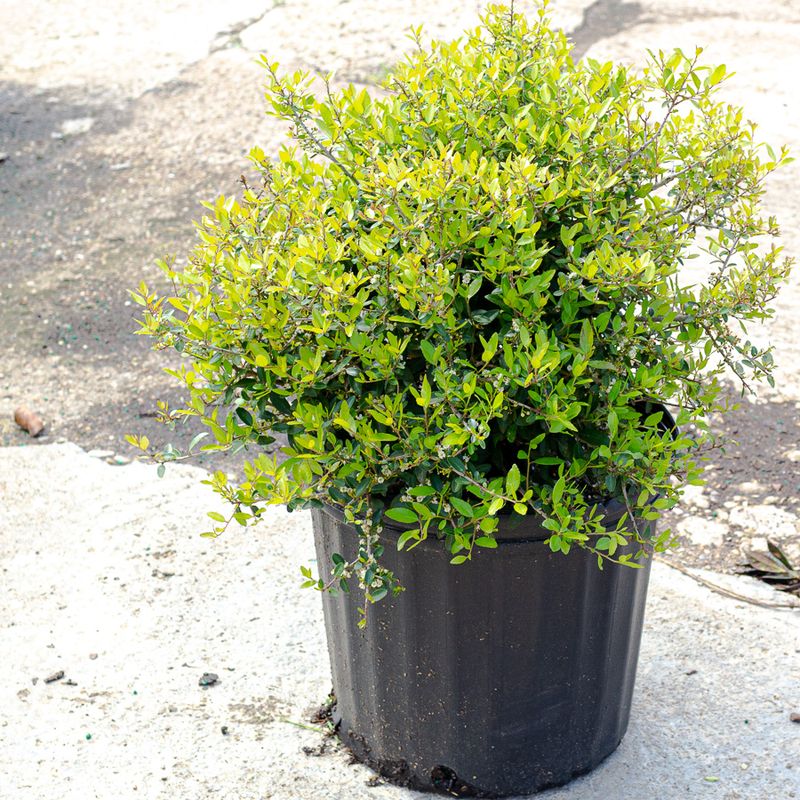
Evergreen structure near a pool is worth its weight in gold, but not if you spend every other weekend shearing it back into shape. Dwarf yaupon holly, Ilex vomitoria in its compact cultivars, can solve that problem.
UF/IFAS notes that yaupon holly is a tough, adaptable native shrub that tolerates heat, drought once established, and a range of soil conditions found across this state.
The key word in the name is “dwarf,” and it deserves some scrutiny. Not every plant sold as a dwarf yaupon stays truly small.
Cultivar selection matters a great deal, so check the expected mature size before you buy. A cultivar that tops out at two to three feet behaves very differently from one that quietly reaches five or six.
Pick the right one, and you get a naturally rounded, evergreen shape that needs almost no shaping to look polished.
Light pruning may still come up after a hard storm or to remove stray branches, but that is a far cry from monthly hedge maintenance.
Placed correctly in a poolside bed with good drainage and full to partial sun, a well-chosen dwarf yaupon stays tidy through the seasons.
Its small, dense leaves are not heavy litter producers, which keeps the pool deck cleaner. For year-round evergreen presence with minimal fuss, it is a reliable and source-backed choice.
6. Choose Agave For Sculptural Heat-Tough Corners
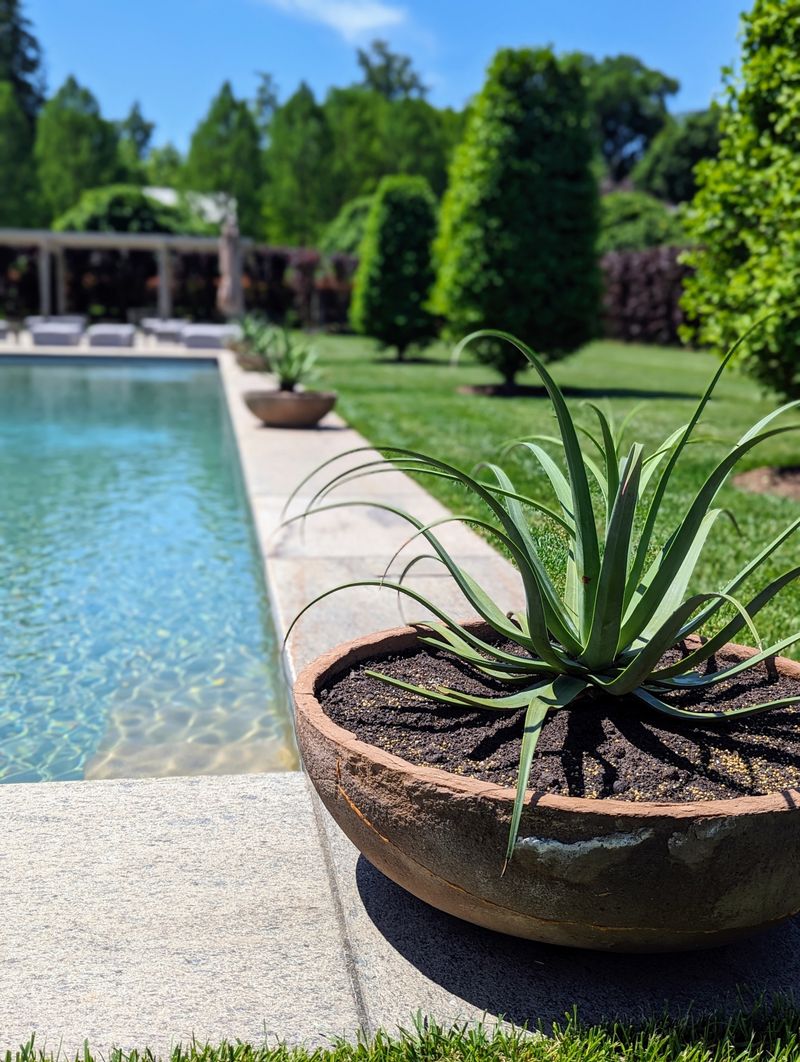
A glare-filled pool corner where sun reflects off both the water and the pavers can exhaust most ornamentals by midsummer. Agave thrives in exactly that spot.
UF/IFAS recognizes various agave species as heat-tolerant, drought-tolerant plants suited to full sun and well-drained soils in this state. Their bold rosette form provides year-round sculptural presence without a single trim.
The natural shape of agave looks designed. There is no pruning needed to maintain that striking, symmetrical form.
Each rosette holds its structure through summer heat, winter cool snaps, and everything in between. That is the set-and-forget appeal: a plant whose natural geometry does the design work for you, season after season, without shears or shaping spray.
Safety, however, is not optional with agave. Many species have rigid, sharply pointed leaf tips and serrated edges that can cause real injury.
Keep agave away from pool steps, ladders, narrow walkways, seating areas, and any spot where people brush past or children play. Set it back in a bed corner or against a wall where foot traffic stays clear.
Occasional removal of a spent leaf or old rosette after it blooms may be needed, but that is infrequent work. For a hot, sunny corner that needs bold structure with almost no upkeep, agave earns its reputation as one of the toughest poolside plants available.
7. Plant Society Garlic For Neat Edges And Purple Blooms
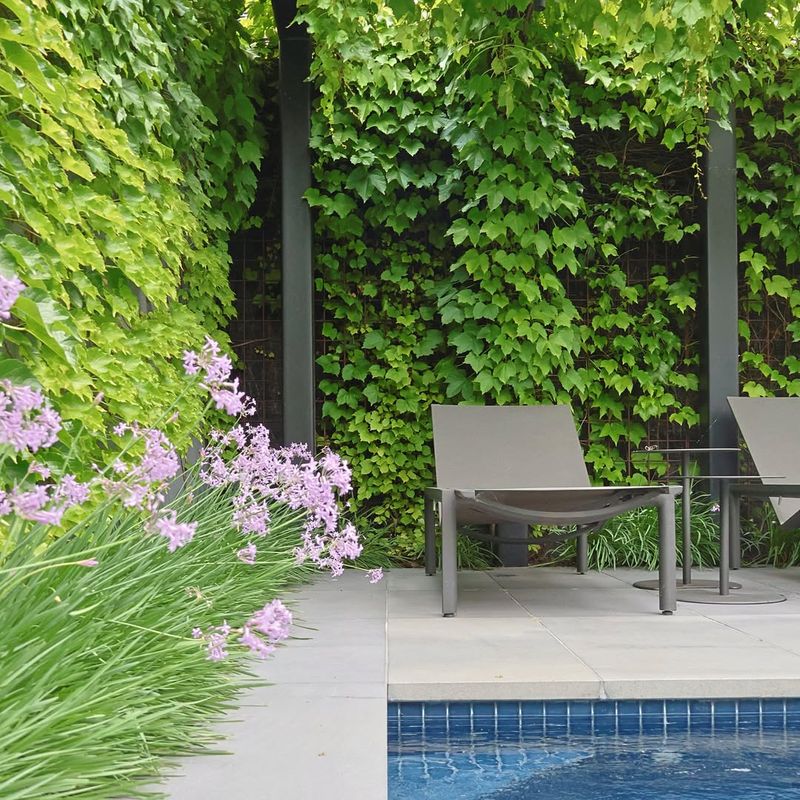
A poolside border that holds a clean line and offers some color at the same time is a rare find in the ornamental world. Society garlic, Tulbaghia violacea, comes close to delivering both.
UF/IFAS and Florida-Friendly Landscaping sources recognize it as a reliable ornamental for sunny, well-drained beds in this state. It is valued for its clumping grass-like foliage and recurring purple blooms.
The clumping form stays tidy without constant trimming, which makes it genuinely useful as a border or edging plant beside a pool deck.
Flowers appear repeatedly through the warm months, adding soft purple color to an area that might otherwise be all green and gray.
The plant does not require shearing into a formal shape. Its natural form is already neat enough to look intentional in a designed bed.
One nuance worth knowing: the foliage releases a garlic-like scent when brushed or cut. For most poolside beds set a few feet from seating, that is not an issue.
Right beside a lounge chair or a narrow entry path, though, some homeowners find the smell noticeable. Society garlic is not a native species, but it is widely used as a Florida-Friendly ornamental.
Give it full sun, good drainage, and reasonable spacing, and it will hold a clean poolside edge with purple blooms and very little fuss throughout the growing season.
8. Use Dwarf Natal Plum For Glossy Heat-Tough Poolside Structure
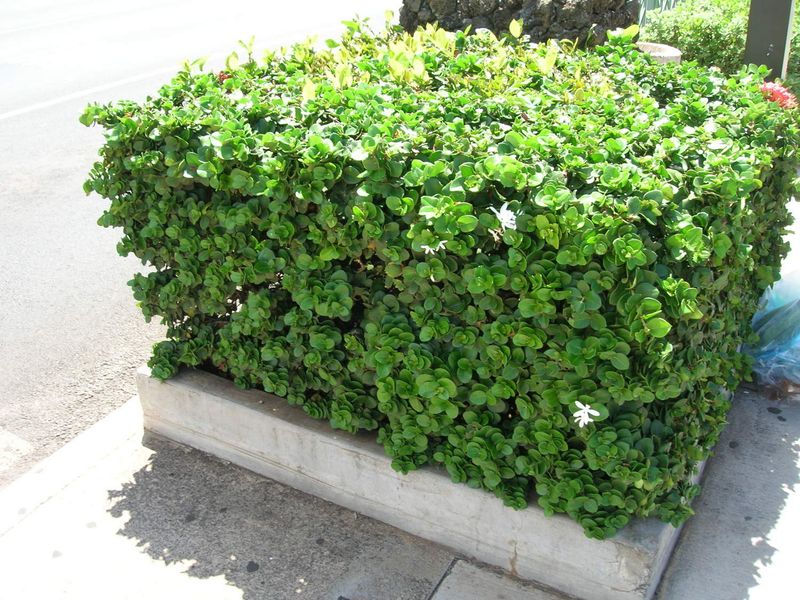
Wanting glossy, polished structure in a hot poolside bed without the mess of a large canopy dropping leaves into the water is a completely reasonable goal. Dwarf natal plum, Carissa macrocarpa in its compact cultivars, can meet that goal.
UF/IFAS describes natal plum as a heat-tolerant, salt-tolerant shrub suited to sunny, well-drained sites in warmer parts of this state. It has attractive glossy foliage and fragrant white flowers.
The dwarf forms stay more compact than the standard species, making them a better fit for managed poolside beds where size control matters. Their dense, glossy leaves give the planting a finished look without requiring regular shearing.
Flowers appear through the warm season, and fruiting can occur on some cultivars. Fruit drop near hardscape is worth considering, so check cultivar behavior before placing it directly against pool coping or a light-colored deck.
Natal plum is not a native species, and it comes with a real safety consideration: thorns. Keep dwarf natal plum away from pool steps, ladders, narrow walkways, seating areas, and splash zones where children play.
Set it back in a bed where it can show off its glossy structure without putting anyone in the path of its spines.
Used as a set-back structure plant rather than a close pool-edge specimen, it brings tough, attractive evergreen presence to a hot bed with minimal trimming needed.