Michigan Septic Drain Fields Have 8 Planting Rules Homeowners Should Know
Michigan drain fields do not look dangerous.
They look like open, sunny yard space, which is exactly how they trick people.
That bright patch behind the house seems perfect for tomatoes, shrubs, or a neat little flower bed. Then the septic map enters the conversation and ruins the shovel party.
A drain field is not regular garden ground. It is part of a working wastewater system, and plant roots, soil compaction, raised beds, irrigation, and even too much mulch can create problems that cost far more than a weekend project should.
Michigan homeowners have an extra reason to pay attention, because clay soils, freeze-thaw cycles, snowmelt, and county rules can all shape what belongs there.
So what can you safely plant near a septic drain field without gambling with the system under your lawn?
Start with shallow roots, light maintenance, and a healthy respect for the pipes you cannot see.
1. Keep Vegetable Beds Off The Field
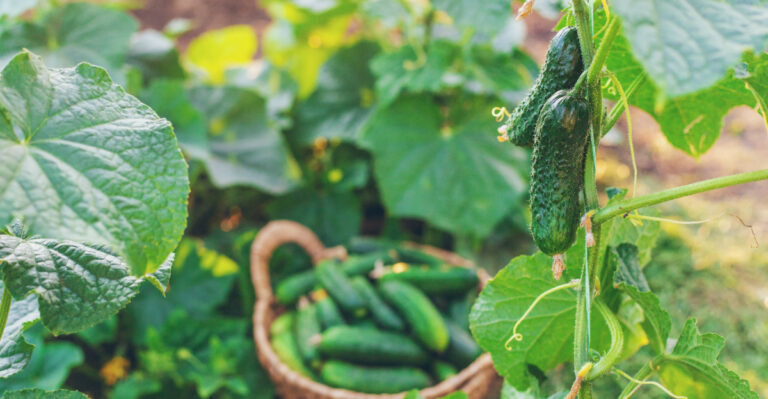
Growing your own food feels incredibly rewarding, especially during a Michigan summer when fresh tomatoes and cucumbers are practically irresistible.
But planting edible crops directly over a septic drain field is a genuinely bad idea, and Michigan State University Extension is clear about that.
Drain fields treat wastewater as it moves through the soil.
That soil contains bacteria and pathogens from household waste. Vegetables, especially root crops like carrots or potatoes, can absorb those contaminants directly through the root system.
Leafy greens sitting close to the soil surface carry even higher risk from splashing.
Even if everything looks fine on the surface, the invisible microbial activity underneath is the real issue.
You cannot wash off what gets absorbed inside a plant. Health departments across Michigan consistently warn against edible gardening over any active septic component for exactly that reason.
The good news is that moving your vegetable beds just twenty to thirty feet away from the field boundary solves the problem completely.
Use that open lawn area for grass and wildflowers instead, and put your food garden somewhere with clean, uncontaminated soil.
A raised bed near the house or along a sunny fence line gives you all the growing space you need without the risk hiding beneath your feet.
2. Choose Shallow Roots Only
Root depth is the single biggest factor when choosing plants for a drain field area.
Shallow-rooted plants absorb surface moisture without pushing down into the pipe zone below, which is exactly what you want over a system that needs to breathe and drain freely.
Michigan State University Extension recommends grasses and shallow-rooted perennials as the safest choices for drain field coverage.
Turfgrass is actually ideal because its fibrous roots stay close to the surface, help prevent erosion, and allow the soil to process wastewater efficiently. Native perennials with similarly modest root systems can work well too.
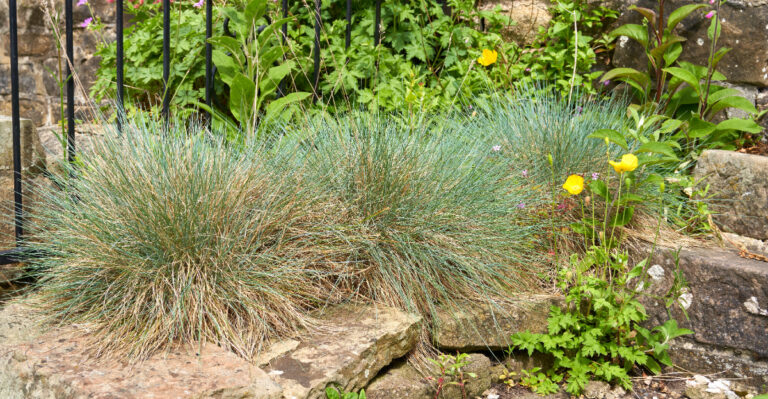
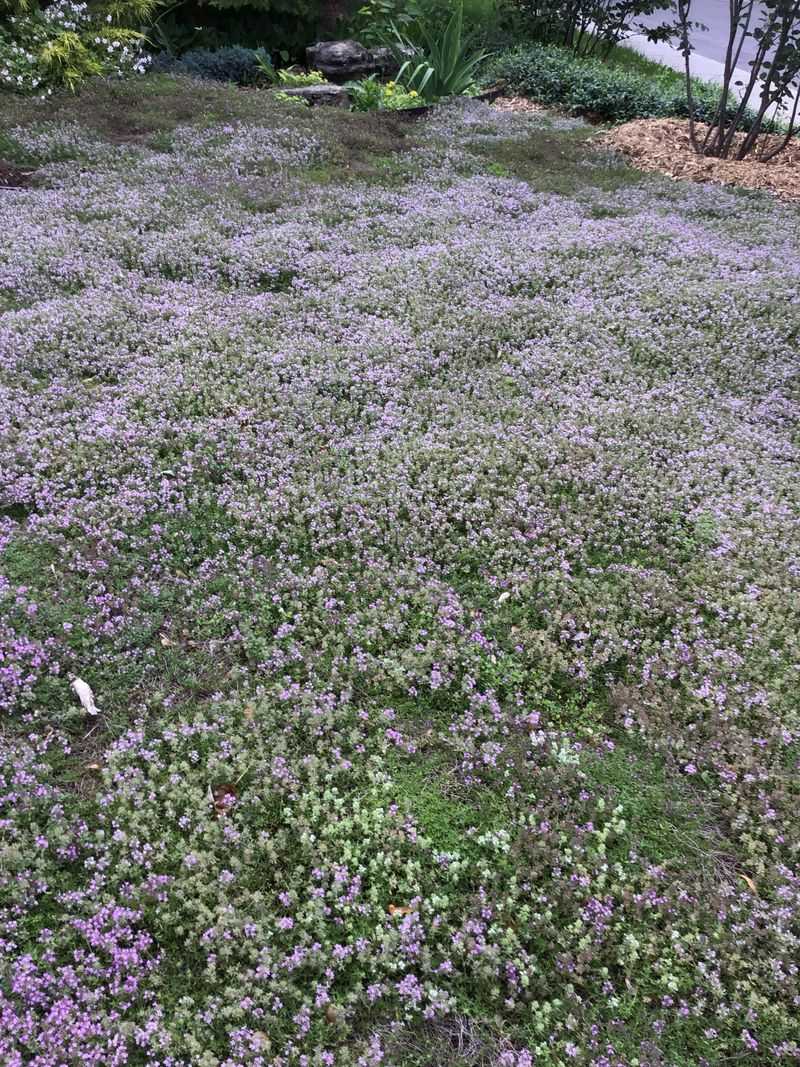
Good shallow-rooted options for Michigan drain fields include creeping thyme, native fescues, and prairie dropseed.
These plants establish without threatening the lateral lines running beneath the surface. They also handle the slightly moist soil conditions common over active drain fields better than many traditional landscape plants.
Your Michigan Garden Changes Every Week. Your Plan Should Too.
Gardening in Michigan changes quickly throughout the season. Every Friday you’ll receive a simple weekly plan showing exactly what to plant, prune, fertilize, harvest, and protect so you never miss the right timing.
One thing worth knowing is that even plants labeled as low-growing can develop aggressive roots over time.
Always research mature root depth, not just plant height. A small ornamental grass that stays six inches tall might still send roots down two feet after a few seasons.
Checking with your local Michigan cooperative extension office before planting gives you a reliable second opinion.
3. Skip Trees And Large Shrubs
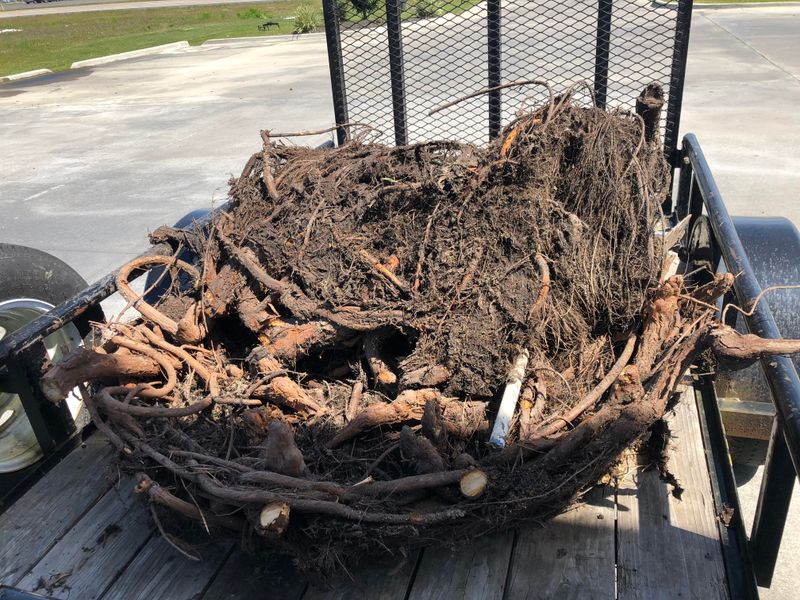
A mature maple tree standing twenty feet from your drain field has already spread its root system twice that distance in every direction underground, threading into every moist crack and pipe joint it can find.
Trees are relentless searchers for water, and a drain field is essentially a buffet.
Root intrusion is one of the leading causes of septic system failure in Michigan.
Once roots enter the lateral lines, they expand within the pipe, cracking joints and blocking flow. Repairs are expensive and often require full excavation of the field. Preventing the problem costs nothing except a better plant choice.
Michigan State University Extension recommends keeping all trees at least fifty feet from a drain field, and large shrubs like lilacs, forsythia, and ornamental willows should stay at least twenty-five feet away.
Even plants commonly considered safe, like arborvitae hedges, can cause issues when planted too close over time.
The rule of thumb in Michigan is simple.
If it gets taller than three feet and has woody stems, it probably does not belong anywhere near the drain field. Grass and low perennials handle that space far better and cause far fewer headaches down the road.
4. Avoid Extra Water Over The Lines
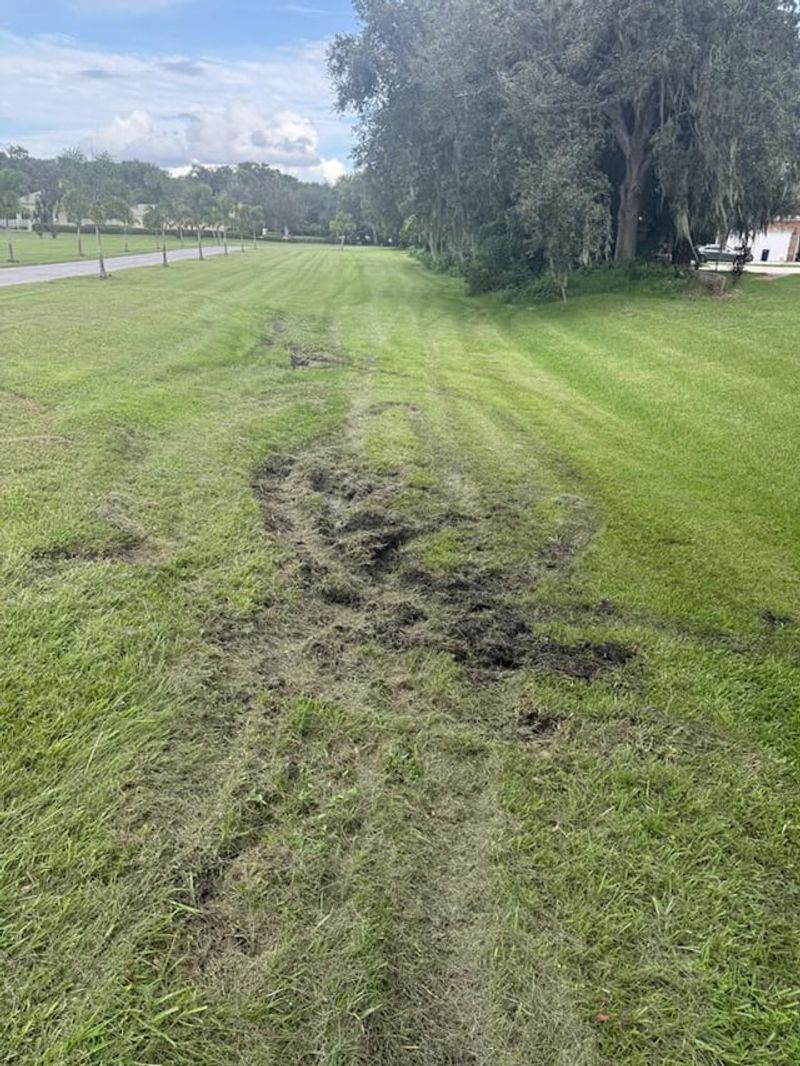
Drain fields work by allowing treated wastewater to slowly move through layers of soil.
That process depends on the soil having enough capacity to absorb and filter the liquid coming from your household. Add extra water on top through irrigation, and the math stops working in your favor.
Saturated soil cannot process wastewater properly.
When the ground above the lateral lines stays too wet, the system backs up, odors develop, and in serious cases, effluent can surface in your yard.
Michigan winters already stress drain fields with snowmelt and spring rain, so adding irrigation on top of that compounds the problem.
Sprinkler systems should be designed to avoid drain field areas entirely.
If your yard has automatic irrigation zones, mark the field boundaries clearly and make sure no heads are pointed toward that space.
Even hand-watering plants in the area too frequently can cause soil saturation over time, especially in the heavy clay soils common across much of lower Michigan.
Downspouts and sump pump discharge lines should also be directed well away from the drain field.
Check your grading each spring to make sure runoff flows away from the field naturally. Keeping that soil at a natural moisture level is one of the simplest ways to extend your system’s working life.
5. Keep Raised Beds Somewhere Else
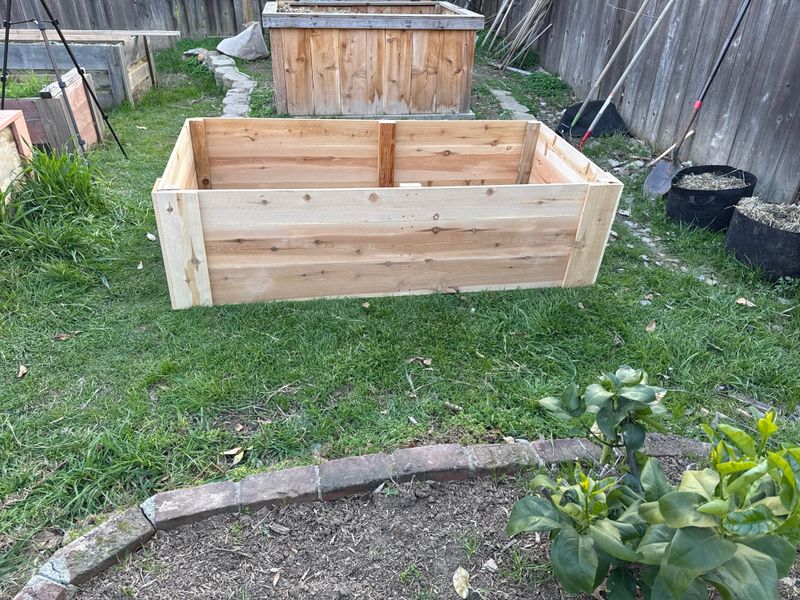
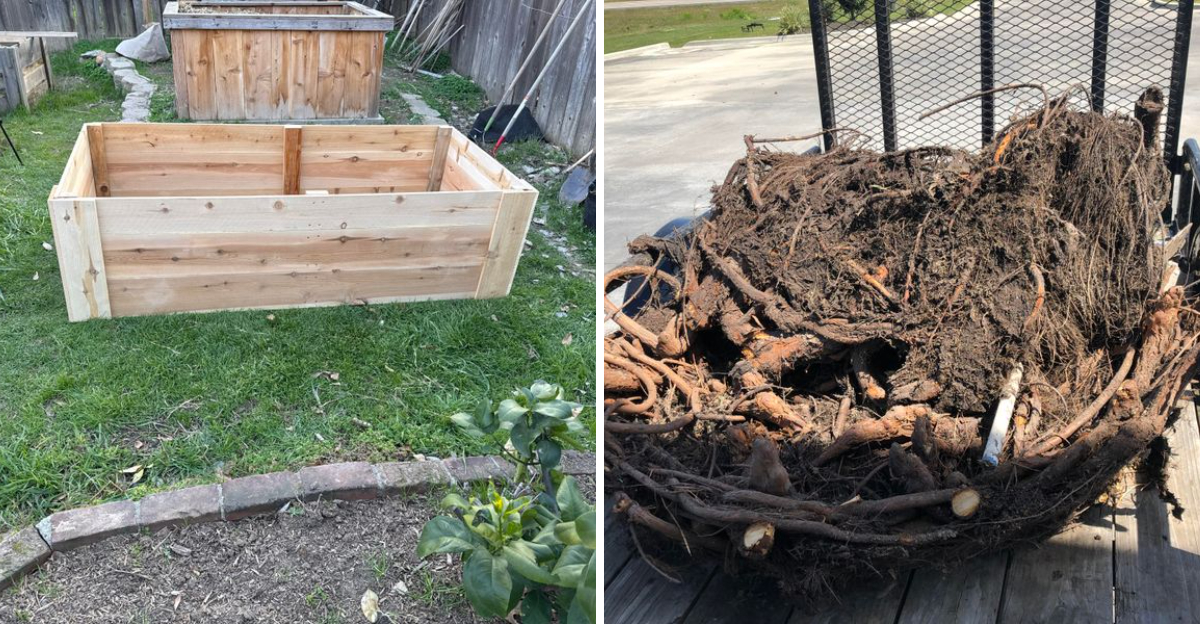
Raised beds have become wildly popular in Michigan gardens over the last decade, and for good reason.
They warm up faster in spring, drain well, and keep soil loose and workable. The problem is that homeowners sometimes see the flat, open drain field as prime real estate for exactly that kind of project.
Placing a raised bed over a drain field creates several problems at once.
The added soil weight presses down on the lateral lines below, which can compress the gravel layer that keeps the system functioning.
Compressed drain fields cannot distribute wastewater evenly, and that leads to failure zones developing in patches across the field.
Raised beds also concentrate irrigation water in one spot.
Even if you are careful about how much you water, a raised bed planted with thirsty vegetables will receive far more water than a lawn area would.
All of that extra moisture soaks down into the drain field layer and overwhelms the soil’s absorption capacity.
Beyond the mechanical and moisture issues, the food safety concern applies here too.
Any edible plant growing in soil placed over a drain field still sits in close proximity to a zone processing household wastewater.
Find a sunny spot near the house, along a fence, or in a corner of the yard that sits well outside the drain field boundary. Your raised beds will thrive there just as well.
6. Do Not Dig Deep Or Till
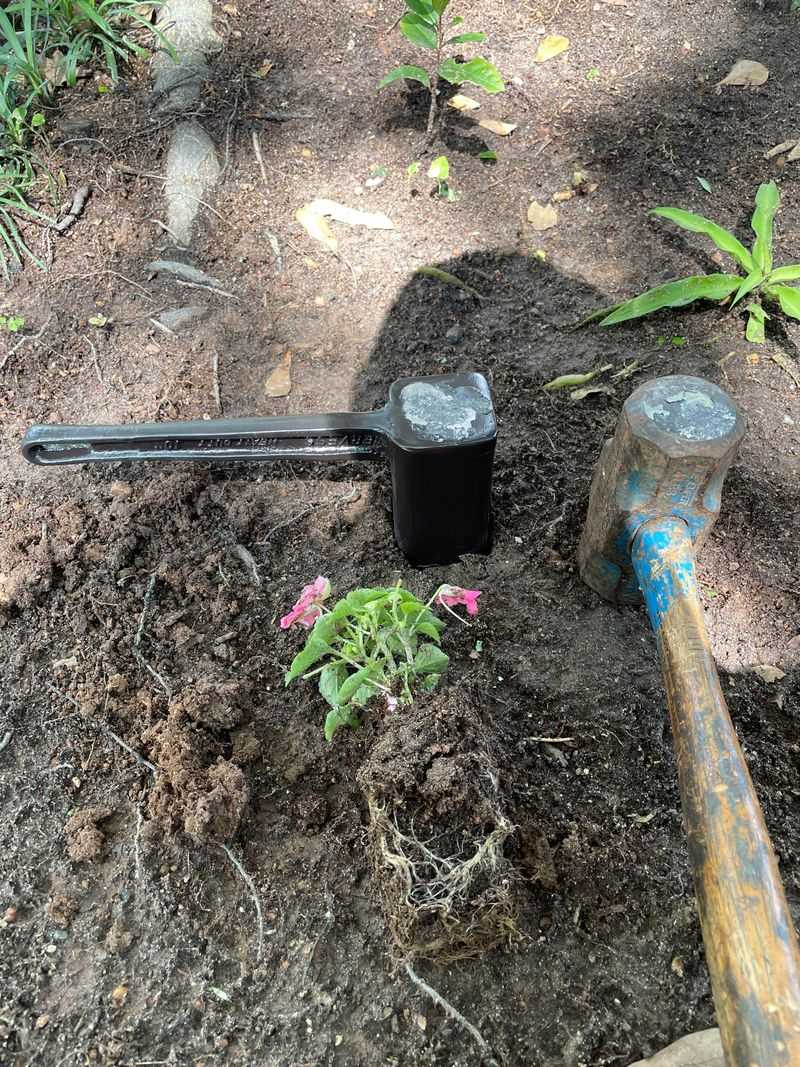
Grab a shovel, find a promising patch of ground, and start turning soil. That is a satisfying Saturday morning in most Michigan backyards.
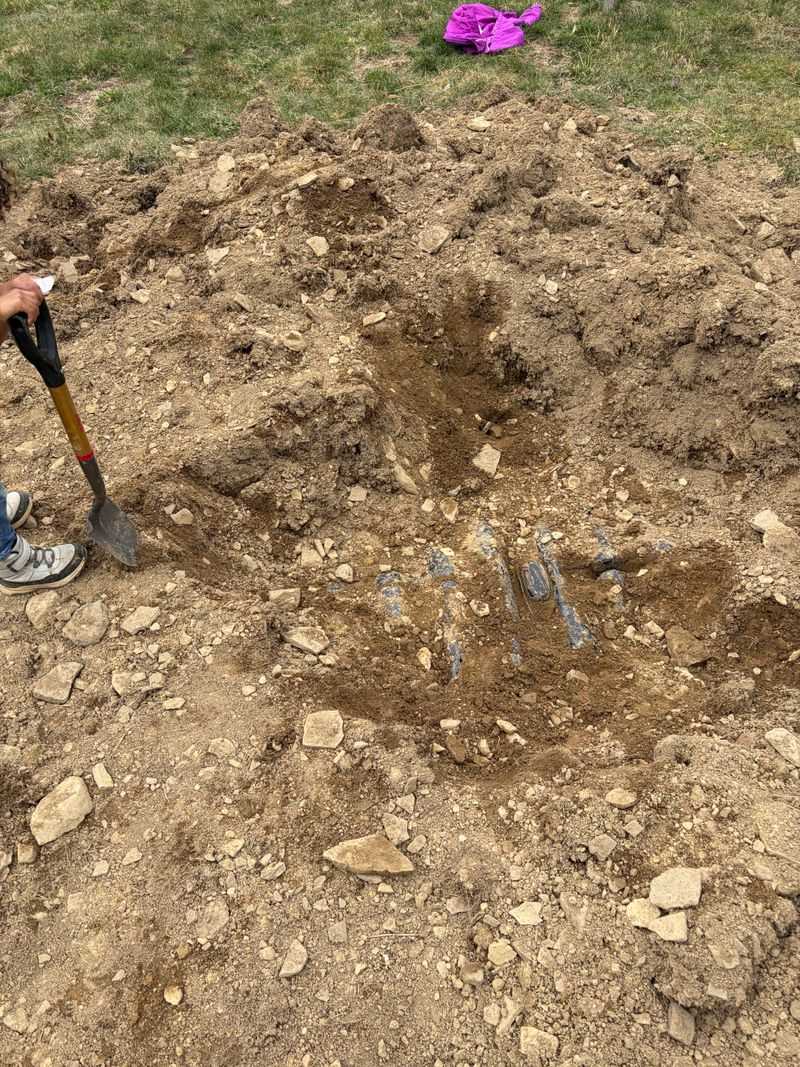
Over a drain field, though, that shovel can hit a lateral line in just a few inches, cracking a pipe that handles everything your household flushes and drains.
Septic lateral lines in Michigan are typically buried between six and thirty-six inches below the surface, depending on the system age and soil conditions.
That range means some lines are shockingly close to the surface. Tilling equipment, post-hole diggers, and even aggressive hand shoveling can reach them without any warning until you hear or feel the snap.
Michigan State University Extension advises against any deep digging or mechanical tilling over drain field areas.
Even routine gardening tasks like aerating with a core aerator should be done carefully, using only shallow-tine equipment and only after confirming where the lines run.
If you need to do any work near the field, contact your local health department or a licensed septic professional to get a system map first.
Many Michigan counties have records on file. Knowing exactly where the lines run before you pick up any tool is the smartest move you can make.
7. Use Grass Or Prairie Perennials
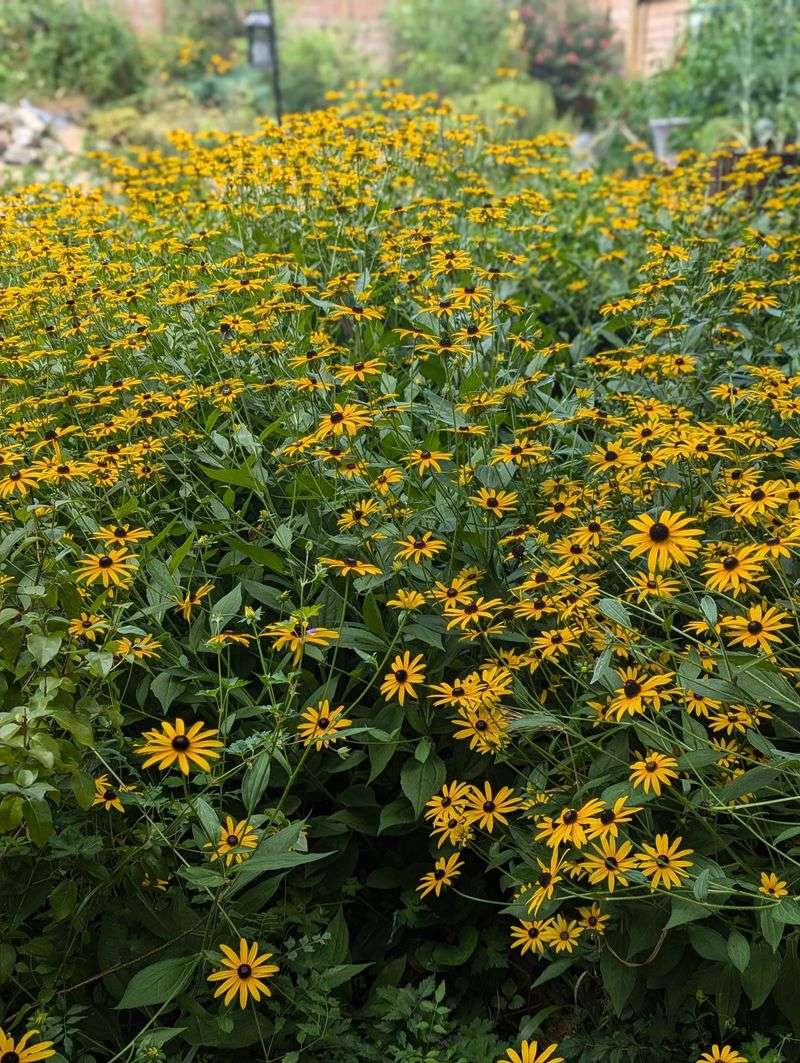
Here is where things get genuinely encouraging. The drain field does not have to look bare or boring.
With the right plant choices, it can actually be one of the most attractive parts of your Michigan yard, especially if you lean into native prairie-style plantings along the edges.
Turfgrass remains the gold standard for drain field coverage.
It holds soil in place, allows evaporation from the surface, and keeps roots shallow. Kentucky bluegrass, fine fescues, and perennial ryegrass all perform well in Michigan and stay well within the safe root depth zone.
Native prairie perennials that work well near or around drain fields include black-eyed Susans, wild bergamot, lanceleaf coreopsis, and prairie dropseed grass.
These plants are adapted to Michigan soils, require minimal supplemental watering once established, and attract pollinators without causing any system stress.
Their roots stay relatively shallow compared to woody plants, and they tolerate the slightly elevated soil moisture that drain fields sometimes produce.
A mix of turfgrass in the center of the field with a border of native perennials just inside the safe planting zone creates a yard that looks intentional, supports local wildlife, and keeps your septic system running without interruption.
That combination is genuinely hard to beat.
8. Mark The Field Before Planting
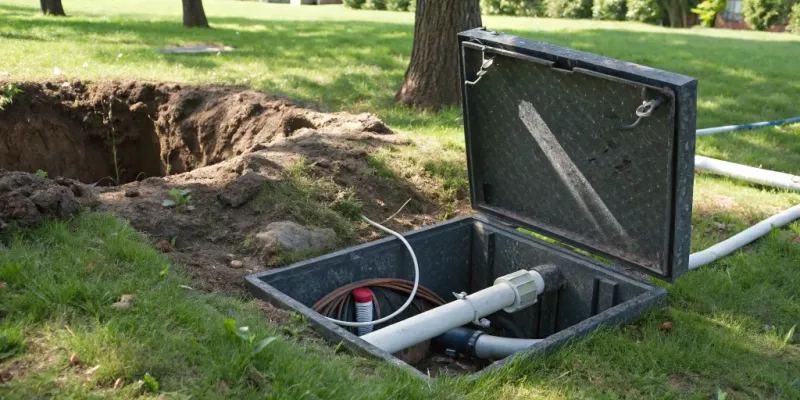
Every landscaping mistake made over a drain field starts the same way: someone did not know exactly where the field was.
Property records get fuzzy, memories of the original installation fade, and that open grassy patch just looks like unused space waiting for a project. Marking the field before touching a single plant changes everything.
Michigan homeowners can locate their drain field boundaries through several reliable channels.
Your county health department likely has a copy of your septic permit and system diagram on file. Licensed septic pumpers and inspectors can also locate the field during a routine service visit.
Once you have the field boundaries confirmed, mark them with landscape flags, painted stakes, or a simple string outline before starting any planting project.
Taking a photograph with your phone showing the markers relative to your house gives you a reference you can pull up anytime.
Some Michigan homeowners also add a small permanent marker post at each corner of the field so future owners or landscapers know the boundaries without needing to research records.
Marking the field costs almost nothing and takes less than an afternoon.
Skipping that step and accidentally planting a tree over a lateral line can cost thousands in repairs within just a few years. Start there, and the rest of these rules become much easier to follow.