The Meaning Behind Seeing Cardinals In Your Ohio Yard This August
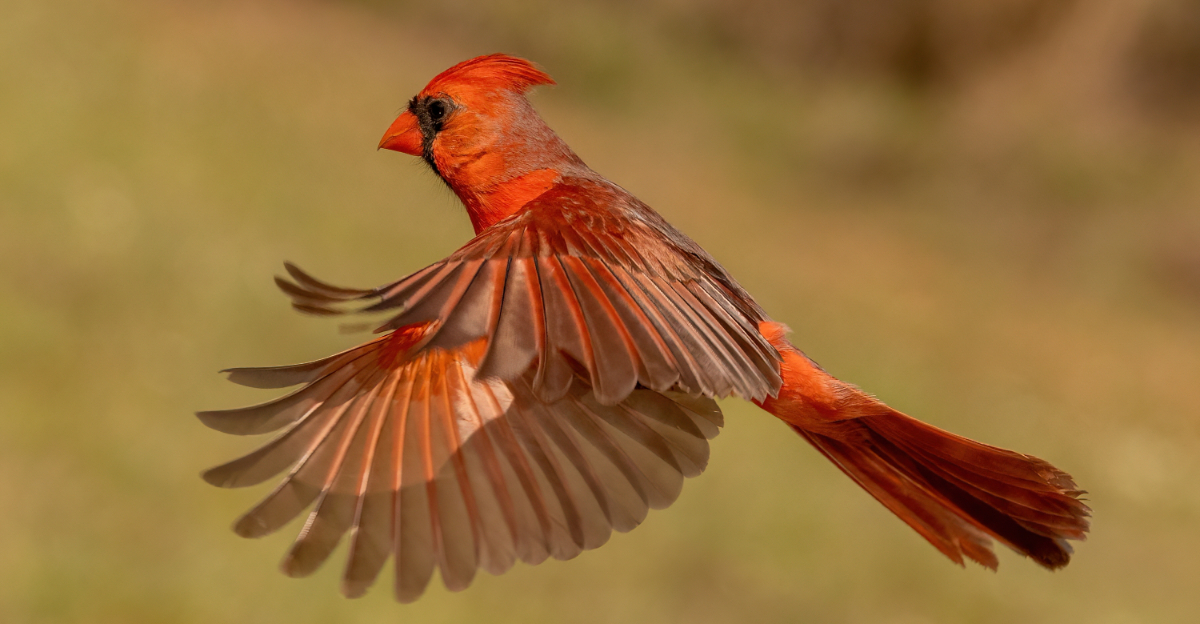
A cardinal in an Ohio yard in August carries a different weight than a June sighting. The breeding season is winding down.
The frantic energy of spring has settled. A cardinal moving through the yard in August is a different version of the same bird, and what it is doing there tells a different story.
Cardinals in August are reading the landscape for what comes next. Food sources, cover, the plant structure that will matter through fall and into winter.
A yard they visit consistently in August is a yard they have assessed and approved for the harder months ahead. The meaning behind an August cardinal sighting is ecological and specific.
The plants providing what that bird found, the berries, the seed heads, the shelter, all of it factors into why this yard made the cut when others nearby did not. A cardinal in August is not casual.
It is a decision.
1. Bright Red Visitors Never Left For The Summer
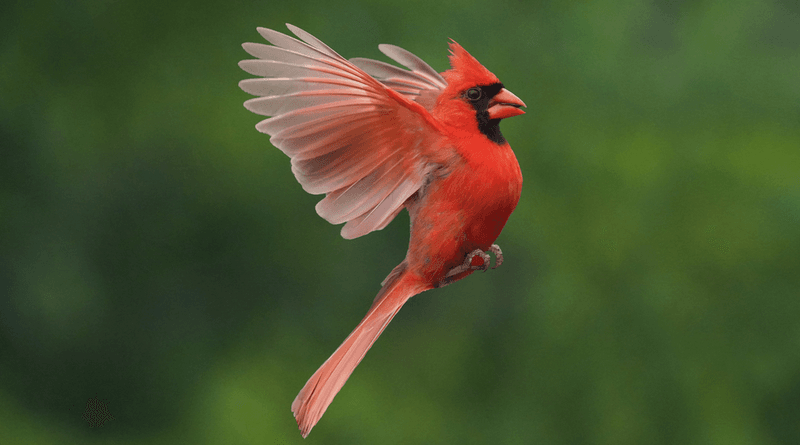
Spotting a cardinal near your fence or birdbath can feel like a surprise, even if the bird has been around all year. Northern Cardinals do not migrate south when temperatures drop or when summer winds down.
They are permanent residents across Ohio, staying in the same general region through every season.
Male cardinals wear that well-known bright red plumage year-round. Females are not dull by comparison.
They carry warm brown tones with reddish hints in the wings, tail, and crest. Both birds are worth watching closely.
A cardinal may not visit your specific yard every single day. Each bird maintains a home range, and its movements within that range shift depending on food, cover, and other factors.
You might see the same general area visited regularly without it being the exact same individual every time.
Summer foliage can hide birds that were always nearby. As August progresses, some leaves thin out and feeding patterns shift.
Cardinals that blended into dense greenery may suddenly seem more visible.
A simple way to track local activity is to note the time of day when cardinals appear most often. Early morning and late afternoon tend to be active periods.
Keeping a short written log over several days can reveal patterns you might otherwise miss.
2. Scruffy Feathers Usually Point To A Summer Molt
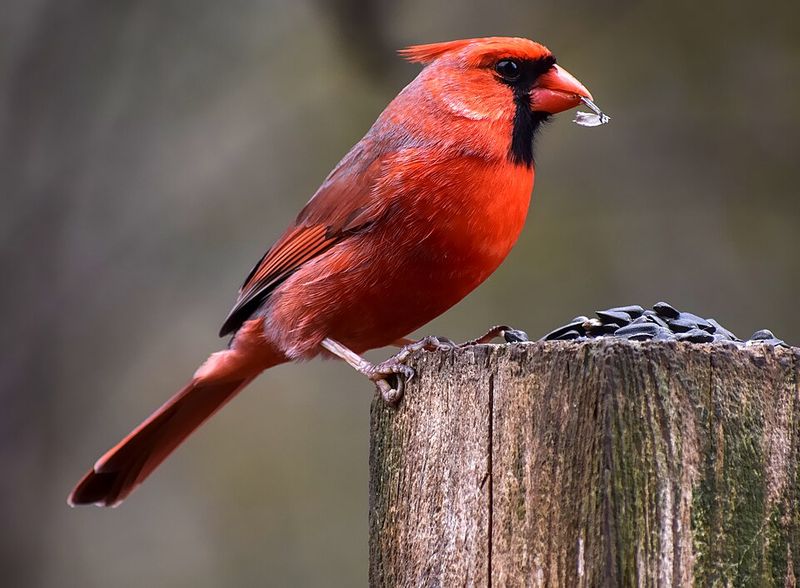
Ragged-looking birds at the feeder in August are not necessarily sick. Northern Cardinals go through a complete molt after the breeding season wraps up.
This annual feather replacement is a normal and necessary process for the birds.
During molt, old feathers fall out and fresh ones grow in to replace them. The timing often lands in late summer for most cardinals.
Some birds may look uneven or patchy for a few weeks while the new feathers come in gradually.
A small number of cardinals can appear nearly bald on the head during this period. Seeing a red bird with a bare black-skinned head can be startling, but it often reflects normal molt progression.
Your Ohio Garden Changes Every Week. Your Plan Should Too.
Gardening in Ohio changes quickly throughout the season. Every Friday you’ll receive a simple weekly plan showing exactly what to plant, prune, fertilize, harvest, and protect so you never miss the right timing.
New head feathers usually return within a few weeks.
Not every scruffy-looking bird is molting, though. Feather problems can also result from parasites, injury, or other health issues.
Observing from a distance is the right approach, since handling a wild bird is never recommended.
Once fresh feathers grow in, a male cardinal can look noticeably more vivid heading into fall. The new plumage tends to appear brighter and more uniform.
Watching this gradual change from your window or porch is one of the quiet rewards of late-summer birdwatching in Ohio.
3. Young Brown Cardinals Reveal The Season’s New Generation
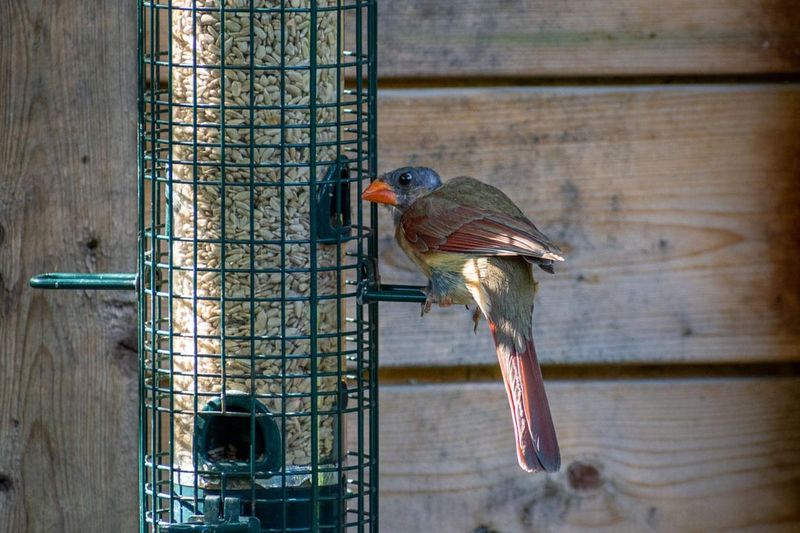
Brown cardinals showing up at your feeder are not all adult females. Some of those birds are juveniles, hatched earlier in the season and now exploring on their own.
Telling them apart takes a bit of practice.
Young cardinals carry brownish plumage similar to adult females, but their bills offer a useful clue. Juvenile bills start out dark, almost blackish, and gradually shift toward the orange-red color seen in adults.
An adult female carries that reddish-orange bill clearly, which helps separate her from a young bird.
Juveniles seen in August may have hatched from early spring nests or from later summer nesting attempts. Cardinals can raise more than one brood in a season, so the age of young birds varies.
Not every brown bird in your yard is a juvenile, and not every juvenile looks identical.
Watching behavior alongside plumage gives a fuller picture. Young birds may act less confident at a feeder, or they may beg for food near an adult.
These behavioral clues work best when combined with careful attention to bill color and overall feather pattern.
Try watching quietly from a comfortable distance and noting two or three traits together before drawing a conclusion. A single field mark is rarely enough to confirm age.
Patience and repeated observation will serve you better than a quick glance.
4. Parents May Still Be Guiding Juveniles Around The Yard
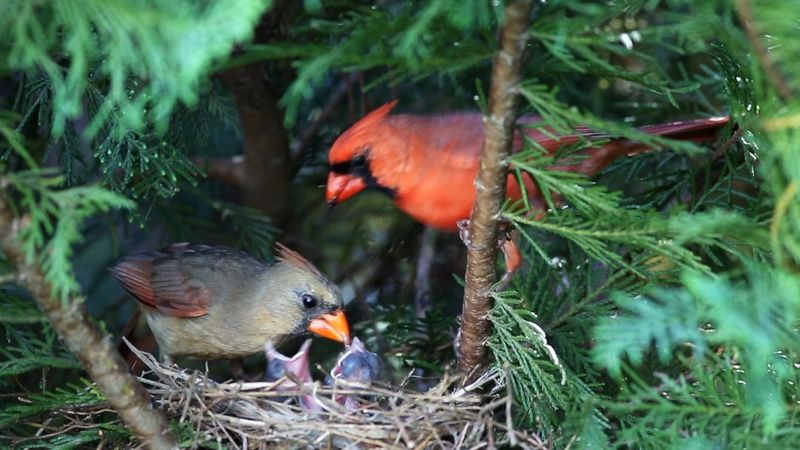
Watching an adult cardinal pass a seed to a younger bird is one of the more charming scenes a backyard can offer in late summer. Some pairs continue guiding their young well after the fledglings leave the nest.
The exact length of this parental involvement varies by pair and by how many broods they have raised.
Cardinals can attempt more than one nesting cycle through the warmer months. A pair finishing a late summer brood may still have fledglings nearby in August.
Those young birds follow adults, beg with fluttering wings, and gradually learn to find food on their own.
An adult feeding a young bird does not mean the juvenile cannot survive without help. Fledglings are more capable than they appear.
The parental contact at this stage supports learning rather than total dependence.
Active nests should always be left alone. Approaching a nest for a closer look or a photograph can stress the adults and leave young birds vulnerable.
Watching from a respectful distance through binoculars gives you a much better view anyway.
Keeping cats indoors during this period is one of the most practical steps a yard owner can take. Fledglings spend time on or near the ground, which puts them at risk from outdoor cats.
Wildlife rehabilitators across Ohio can assist if a bird appears genuinely injured rather than simply young.
5. Seeds And Berries Become A Bigger Part Of The Menu
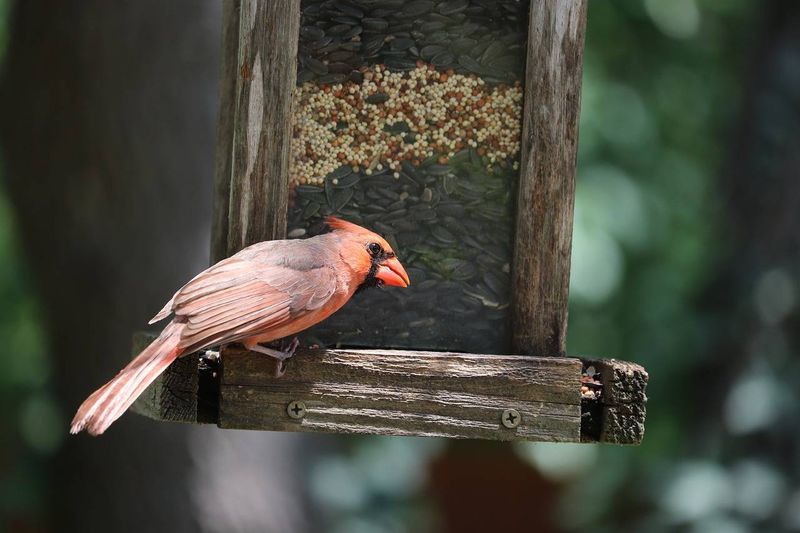
Food choices shift for cardinals as summer moves along. During the breeding season, insects make up a meaningful portion of the diet, especially for feeding nestlings.
Protein from insects supports fast growth in young birds.
As nesting winds down, seeds and fruits take on greater importance in the daily routine. Cardinals eat a wide variety of seeds, including sunflower and safflower, along with berries and other plant material.
Native plants like dogwood and elderberry can provide natural food sources that complement what a feeder offers.
A feeder stocked with black-oil sunflower seeds or safflower seeds can attract cardinals reliably. Safflower has the added benefit of being less appealing to some other species, which can reduce competition at the feeder.
Either option works well when fresh and kept dry.
Feeder hygiene matters more than many people realize. Wet or spoiled seed can carry mold and bacteria that harm birds.
Cleaning feeders every one to two weeks with a mild soap solution, followed by thorough rinsing and drying, keeps the feeding station safe.
Natural food sources in the yard reduce how dependent birds become on feeders alone. Planting native shrubs that produce late-summer fruit gives cardinals a reason to explore the whole yard.
A diverse yard supports healthier birds without requiring constant feeder maintenance.
6. Dense Shrubs Give Cardinals A Reason To Stay Close
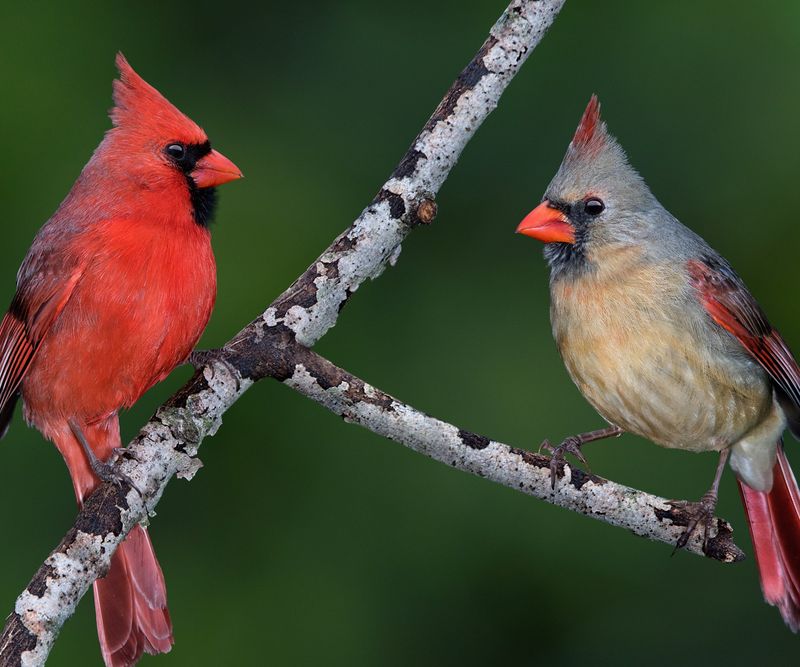
Structure in your yard matters as much as food when it comes to attracting cardinals. These birds gravitate toward dense shrubs, thickets, and layered vegetation that offer cover from weather and predators.
An open lawn with no shrubs gives them little reason to linger.
Cardinals typically build nests in shrubs or low trees, often placing them several feet off the ground in a spot with good concealment. Dense branching and leafy cover are more important than the exact plant species.
That said, native shrubs tend to support more insects and fruit than non-native ornamentals.
Shrubs like native viburnums and serviceberry are well-suited to Ohio yards and produce food alongside shelter. Avoid planting invasive species such as bush honeysuckle, which spreads aggressively and crowds out plants that benefit wildlife.
Removing invasive shrubs already present in your yard can actually improve habitat over time.
Cardinals also appreciate a reliable water source nearby. A birdbath placed close to cover, rather than in the open center of a lawn, tends to get more use.
Birds feel safer drinking and bathing when escape routes are close.
One practical habitat step that requires no feeding at all is leaving a brushy corner of the yard undisturbed. A loose pile of branches or a dense shrub cluster creates the kind of layered cover cardinals use throughout the year.
7. Quieter Mornings Can Signal Territorial Season Winding Down
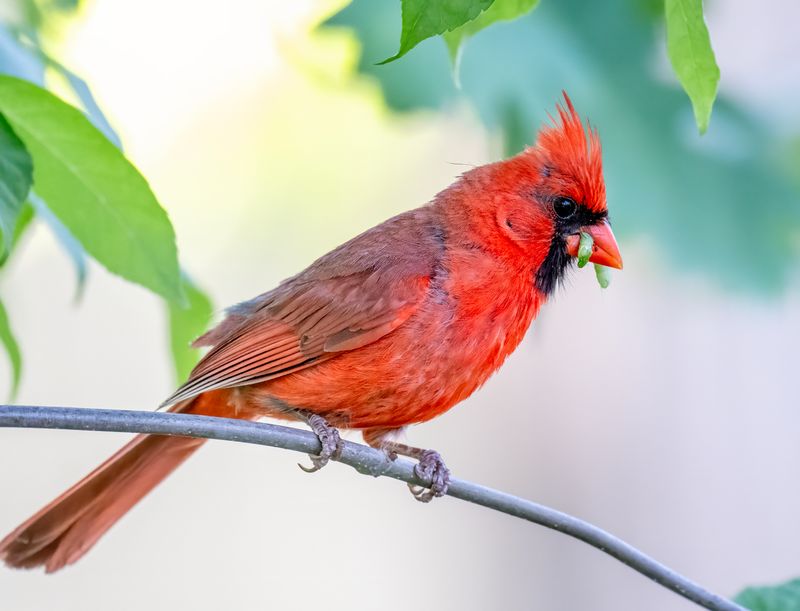
Fewer bird songs drifting through the yard on an August morning can feel like something has gone wrong. For cardinals, quieter mornings often reflect a natural shift rather than a departure.
Singing tied to territory defense and mate attraction tends to taper off once the main breeding period passes.
Both male and female Northern Cardinals sing, which surprises many people who assume only males do. Female cardinal song is not unusual or a sign of a problem.
It is simply less often noticed because most attention goes to the brighter male.
As breeding activity eases, the urgency behind full territorial songs lessens. Molt, summer heat, and changing day length all play a role in how active and vocal birds appear.
A quieter cardinal is not necessarily a stressed or absent one.
Calls continue even when full songs become infrequent. Short chips and contact notes keep cardinals connected to each other through late summer.
Tuning in to these quieter sounds can reveal that birds are still present even when singing seems sparse.
Try stepping outside during the cooler part of the morning, roughly within the first hour after sunrise. That window tends to bring out the most vocal activity.
Sitting still for ten or fifteen minutes with no distractions gives your ears a chance to pick up sounds that a quick glance outside would completely miss.
8. Small Groups Hint That Fall Flocking Is Getting Started
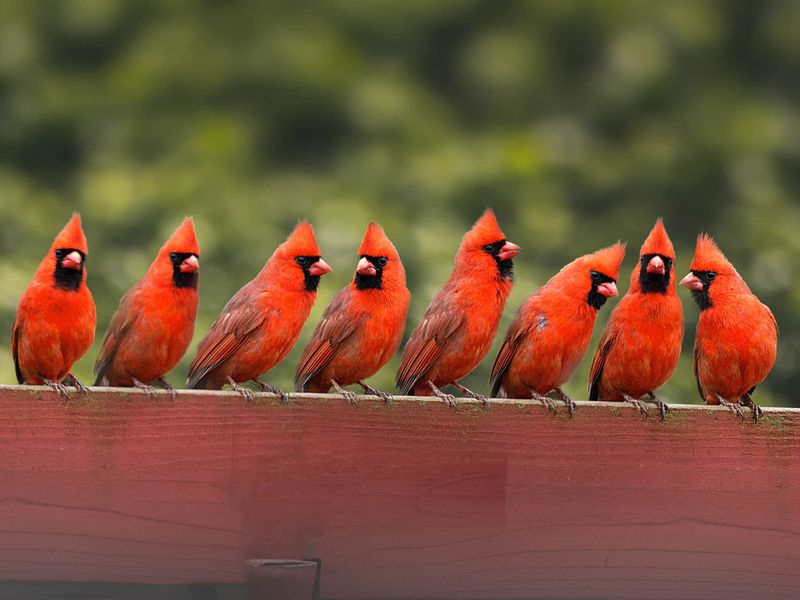
Seeing more than one cardinal in the yard at the same time can catch your attention in August. During the breeding season, males defend territories and keep other cardinals at a distance.
As that pressure eases toward late summer, social tolerance tends to loosen.
Northern Cardinals do not form large flocks the way some other species do. What you are more likely to observe is a loose gathering of a few birds.
This might include a pair, a family group, or several individuals drawn together by a shared food source. These groups are informal and shift from day to day.
A feeder with plenty of seed can temporarily bring several cardinals together in a way that does not happen during peak nesting. The birds are not necessarily bonded to each other.
Food concentration is often the main draw.
As fall approaches, cardinals across Ohio may spend more time in these relaxed groupings before winter patterns settle in. Winter groups tend to be loose and shift depending on food availability and weather.
They are a far cry from the tight flocks of starlings or blackbirds.
Watching your yard in late August with this transition in mind adds a new layer to what you see. Each cardinal visit connects to a larger seasonal story, one that moves from the intensity of breeding toward the quieter rhythms of fall and the months ahead.