The Thin Mud Lines Climbing Maryland Foundations Are A Warning Sign
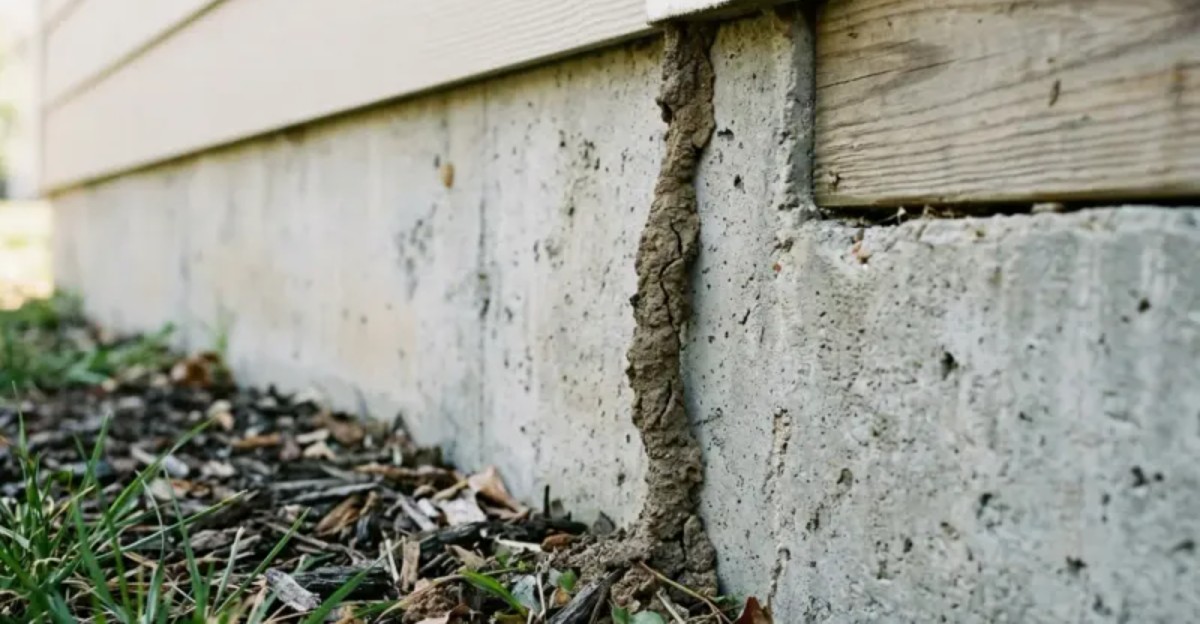
A worker termite is soft, pale, and mostly blind, and it can dry out within hours in open air. So it builds its own covered road out of dirt and spit.
I didn’t see this coming the first time I spotted one. A skinny brown line, about as wide as a pencil, ran straight up the concrete block under my back porch. I figured a garden hose had splashed some mud there.
Truth is, that little line was a tunnel, and something was walking inside it. Homes across Maryland get these strange streaks every year, often right behind the flower beds we fuss over.
Now, what are they carrying, where are they going, and how worried should you be when one shows up next to your hostas?
Those Pencil-Thin Mud Tubes On Your Foundation Are Hiding Traffic
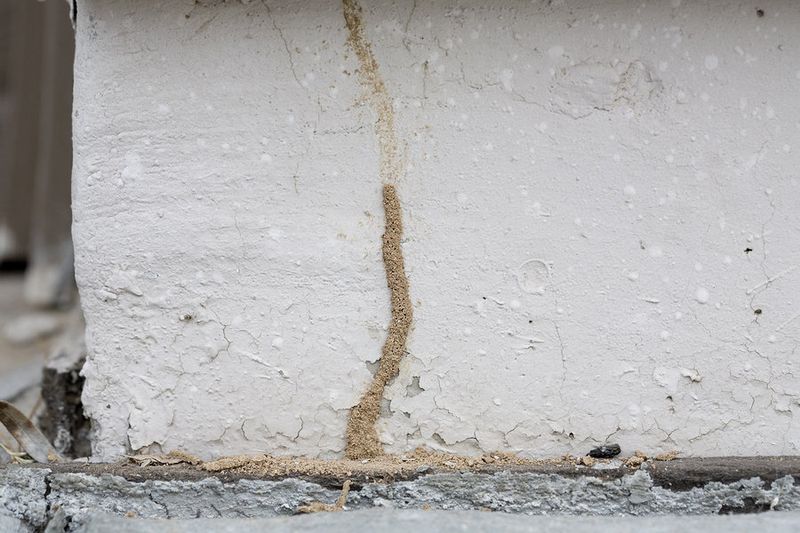
Run your fingernail along one of those dirt lines and you’ll notice it isn’t flat. It’s a hollow, crusty tube, a bit like a tiny clay drinking straw glued to the wall.
Pest experts call these mud tubes. They’re built by subterranean termites, and they’re one of the clearest outward signs that termites are working on or near a house. The tubes are made from soil, bits of chewed wood, and termite saliva that acts like glue.
Inside, worker termites shuffle back and forth between their colony in the soil and wood somewhere above. You won’t see them from outside, which is the whole point. The tube keeps them hidden while they travel.
I’ll say this much: once you know what these lines look like, you start checking every foundation you pass. They often show up near downspouts, under porches, behind shrubs, and anywhere mulch piles against the house.
A single tube doesn’t tell you how big a problem is. It does tell you termites found a route, and that deserves a closer look rather than a quick swipe with a garden glove.
Treat that skinny brown line as a message, not a mess.
Eastern Subterranean Termites Are The Usual Builders In Maryland
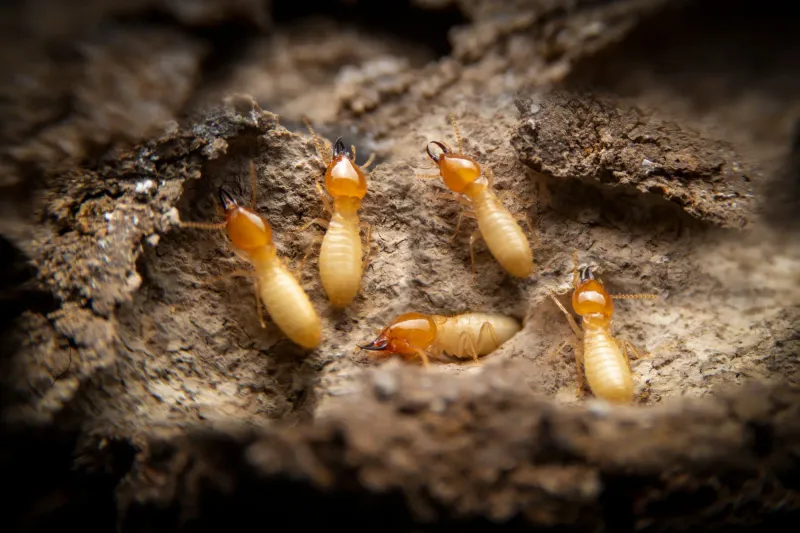
Meet the culprit behind most of these tunnels in our region: the Eastern subterranean termite. It’s the most widespread termite in the eastern United States, and it’s very much at home in Maryland soil.
Workers are creamy white and only about a quarter inch long. Soldiers have larger, darker, tan heads with strong jaws for guarding the colony. You’ll rarely see either unless you break open a tube or a piece of damaged wood.
Colonies live underground and can hold many thousands of termites. They feed on cellulose, the tough material in wood, cardboard, and paper. Fallen logs and old stumps are their natural menu, which is why they help break down forests.
The trouble starts when a house looks like one more log. Sill plates, floor joists, and wooden trim near the ground can all become food.
Fun fact: termites rely heavily on tiny microbes living in their guts, which do much of the heavy lifting, breaking cellulose into something the insect can use.
So the bug itself isn’t evil. It’s doing the same recycling job it does in the woods. It simply needs to be kept out of your framing.
A Quick Poke Test Tells You If The Termite Tube Is Active
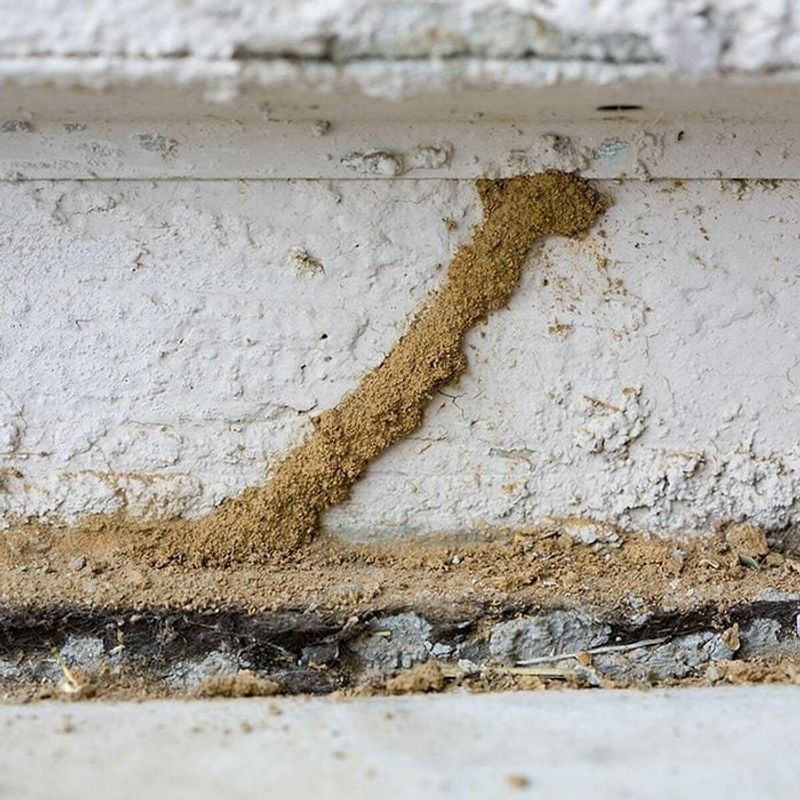
Here’s a trick I wish I’d learned sooner. You can find out if a tube is in use with nothing more than a screwdriver and a little patience.
Gently break open a small section, maybe an inch or two, near the middle. Peek inside. If you see small, pale insects scrambling around, the tube is active right now.
No bugs? Don’t relax just yet. Mark the spot with a bit of tape or snap a phone photo, then check again in a few days. Termites often patch broken sections quickly, so fresh mud filling the gap means the route is still busy.
A tube that stays broken and looks dry and crumbly may be old. Even so, an old tube means termites were there once, and the colony may have moved to another entry point you haven’t found.
Fair warning on one thing: don’t scrape off every tube you see before calling for an inspection. Inspectors use those tubes to judge where termites are entering and how active they are.
Leave a few intact, take clear pictures, and write down where they are. That simple record makes a professional visit faster and far more useful.
Bare Termites Can’t Handle Dry Air, So They Build Mud Highways
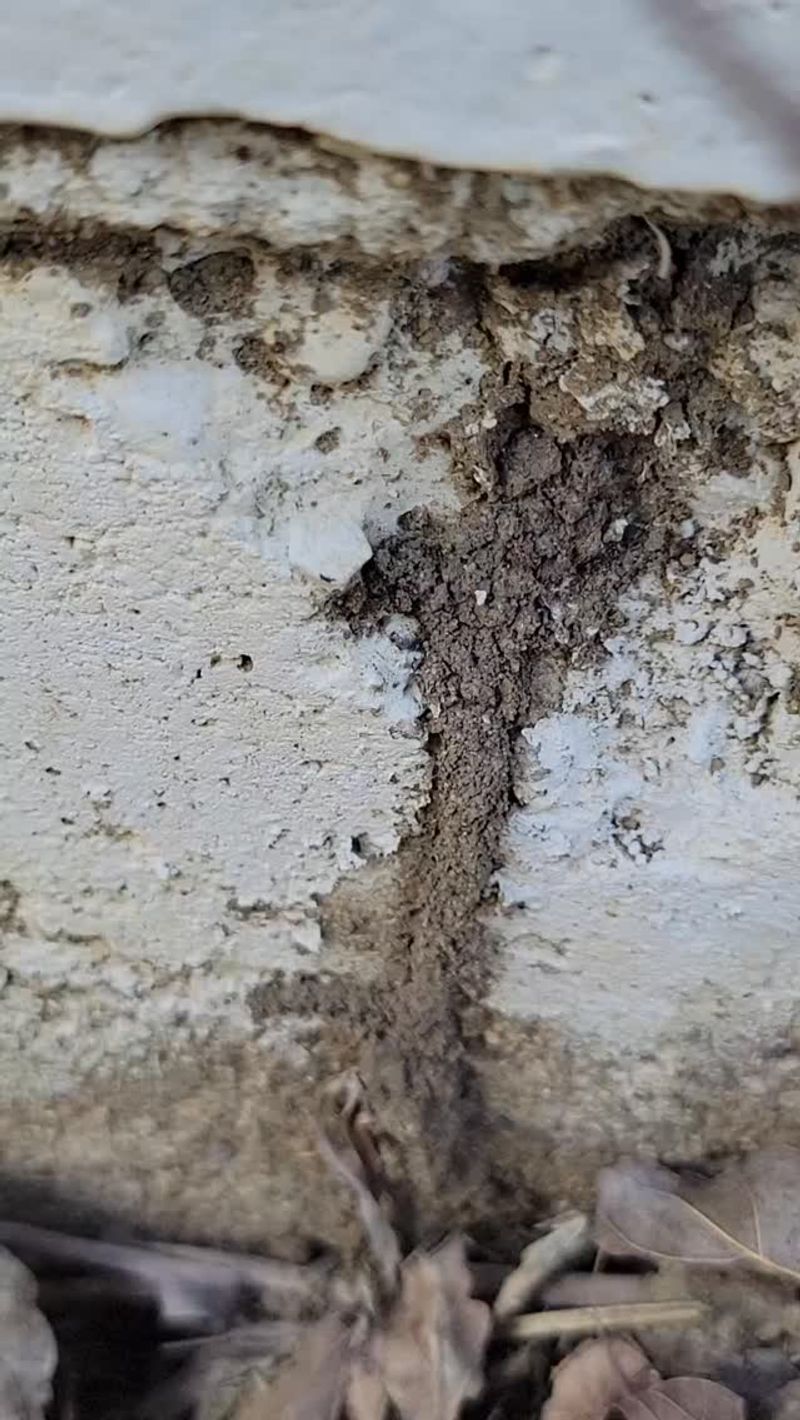
Ever wonder why termites bother with all that construction? It comes down to their thin, soft skin.
Subterranean termites lose moisture fast. Out in dry, open air, they dry out and struggle to survive. They’re also a favorite snack for ants, which are always patrolling around foundations.
The tube solves both problems. It traps humid air from the soil, keeping workers damp as they travel. It also forms a shield between them and hungry predators.
I think of it as a covered walkway with built-in air conditioning. Termites can’t hop across a concrete foundation the way a beetle might, so they carry their own soil up the wall, grain by grain.
Here’s what gets me: these insects can’t bore through solid concrete. They can, however, slip through cracks as thin as a business card, gaps around pipes, and seams where additions meet the original house. When there’s no hidden crack to use, they build a tube right over the surface.
That also explains why the tubes cluster in damp, shady spots. Moist soil, leaky spigots, and thick plantings make the trip easier. Dry, sunny walls are much less inviting for a termite on the move.
Spring Termite Swarmers And Discarded Wings Are Another Big Clue
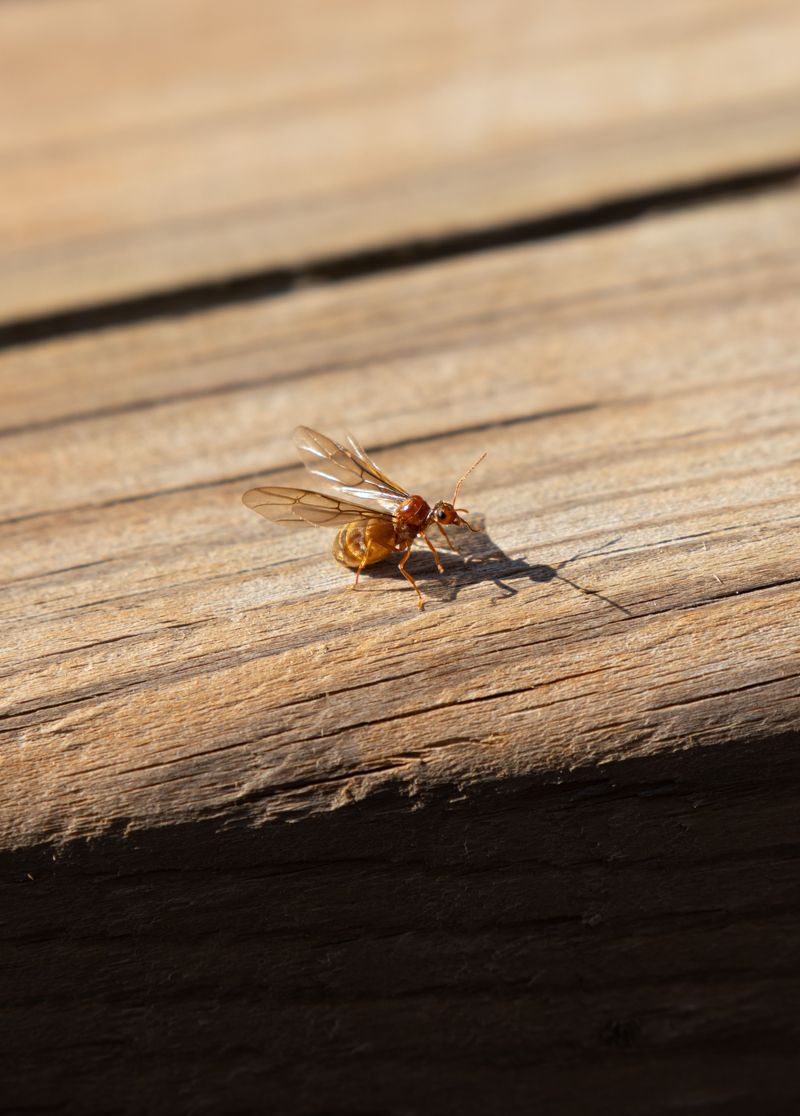
Every spring, I get at least one message from a friend asking about flying ants in the kitchen. Half the time, they’re termite swarmers.
Mature colonies send out winged termites, called alates, to start new colonies. In Maryland, Eastern subterranean termites mostly swarm from about March through May, often on a warm day after rain. Swarms indoors usually happen near windows, doors, and lights.
Swarmers are dark brown to black and about three eighths of an inch long. They drop their wings soon after landing. A little pile of shiny, see-through wings on a windowsill is a classic sign.
Telling them apart from flying ants is easier than you’d think. Termites have straight, thick waists and straight antennae. Their four wings are all about the same length. Ants have pinched waists, elbowed antennae, and front wings longer than back wings.
Swarmers don’t chew wood themselves, so they aren’t the damage you should panic about. They’re a sign that an established colony is close by.
Scoop a few into a sealed bag or jar and snap a photo of the wings. That sample helps an inspector confirm exactly what you’re dealing with.
Hollow Joists And Bubbling Paint Show The Hidden Wood Damage
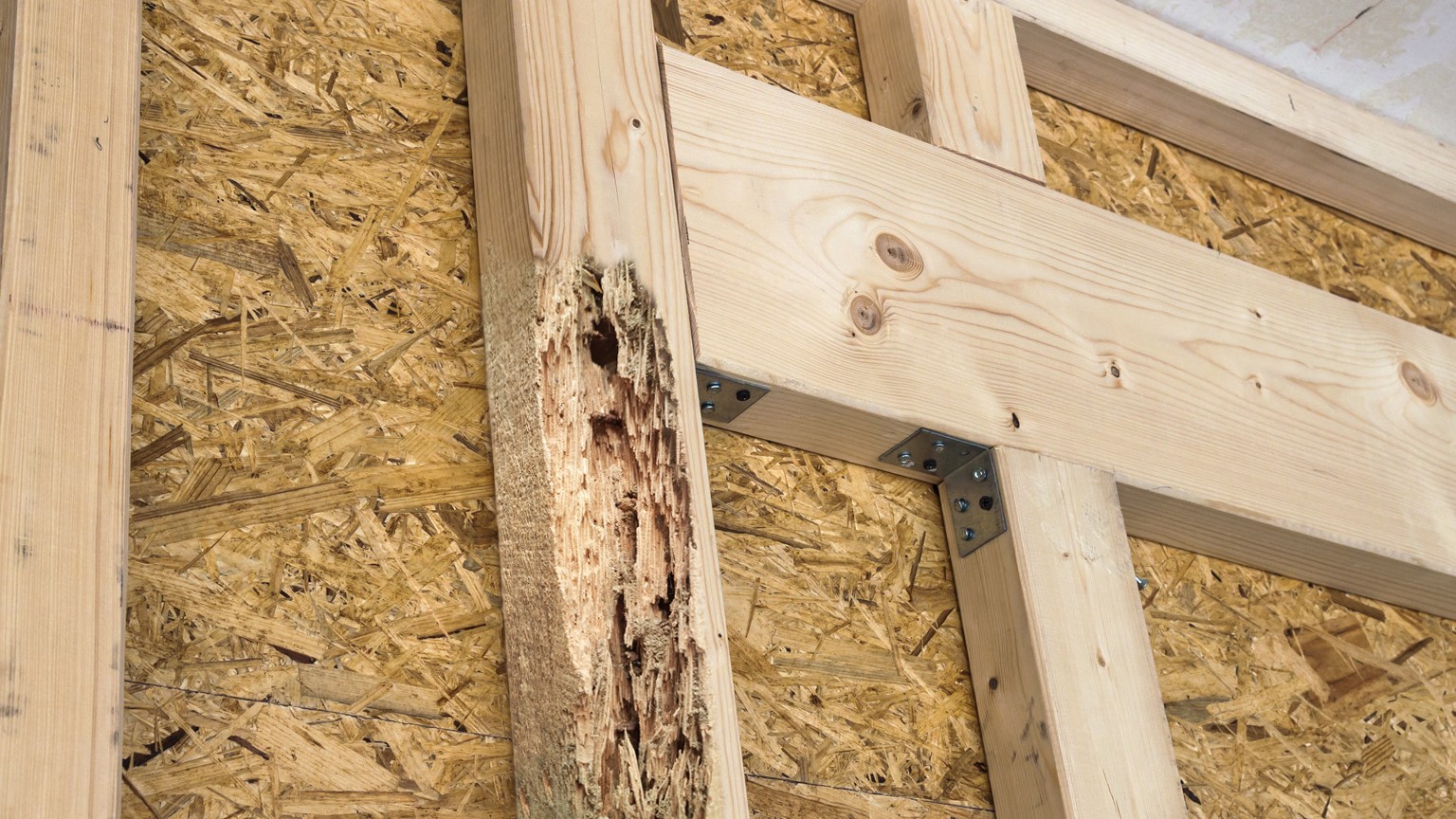
Not going to lie, termite damage is sneaky. It often hides for months or years before anyone notices.
Subterranean termites eat wood from the inside out. They usually follow the softer spring wood and leave the harder grain, so damaged boards end up with layered tunnels that look a bit like the pages of a book. Those galleries are often packed with soil.
From the outside, the wood can look almost normal. Some warning signs to watch for include:
Baseboards or trim that sound hollow when you tap them. Paint that bubbles or looks blistered, a bit like water damage. Floors that feel springy or sag in spots. Doors and windows that suddenly stick.
Head down to the basement or crawl space with a flashlight and an old screwdriver. Press gently on sill plates and joists near the foundation. Wood that feels soft or crumbles easily needs a closer look.
Nationally, termites cause billions of dollars in damage each year, and most homeowner insurance policies don’t cover it. That’s why finding trouble early matters so much.
Catching a problem while it’s small can mean a simple treatment and a minor repair instead of major structural work.
Your Mulch Beds And Gutters Can Roll Out A Welcome Mat For Termites

Guilty as charged: I used to heap mulch right up against my siding because it looked tidy. Turns out I was building a cozy termite lounge.
Subterranean termites love moisture and easy access to wood. As gardeners, we control a lot of both. A few changes along the foundation can make your home far less appealing.
Keep mulch pulled back at least several inches from the foundation, and keep the layer thin, around two to three inches. University extension specialists often suggest leaving a strip of bare soil or gravel right next to the house so tubes are easier to spot.
Clean gutters and add downspout extensions so roof water drains away from the walls. Fix dripping spigots and leaky AC lines. Grade soil so it slopes away from the house.
Move firewood piles, scrap lumber, and old landscape timbers away from the foundation, and raise firewood off the ground. Rotting stumps near the house are worth removing too.
Trim shrubs so they don’t hug the walls. Better airflow helps soil dry out between rains and gives you a clear view when you walk the perimeter.
None of this guarantees a termite-free home, but it tilts the odds your way.
Call A Licensed Termite Inspector Before Spraying Those Mud Tubes
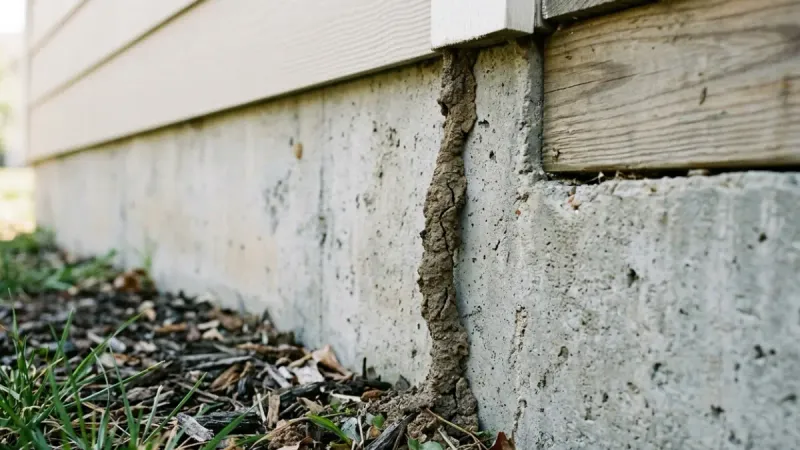
Trust me on this one: a can of bug spray won’t fix a termite problem. It might make you feel better for an afternoon, and that’s about it.
The colony lives underground, sometimes many feet from your house. Spraying the tubes only reaches the few termites inside them. Knocking tubes down can also push workers to build hidden routes inside walls, where you can’t see them at all.
A licensed pest professional can inspect the whole structure, including crawl spaces and spots you might skip. In Maryland, companies that apply pesticides for hire must be licensed by the Maryland Department of Agriculture, so ask to see that license.
Common treatments include liquid termiticides applied to the soil around and under the foundation, and baiting systems placed in the ground. Both target the colony, not only the workers you happen to see.
Get at least two estimates, ask what the warranty covers, and find out about follow-up inspections. Annual checkups are worth it in termite country.
The best takeaway? Walk your foundation every spring and fall with a flashlight. A thin mud line caught early is a small fix, and you’ll sleep better knowing what’s climbing your walls.