The Most Underrated Michigan Native That Helps Keep Stink Bugs Out Of Tomato Beds
Stink bugs have become a consistent late-summer frustration in Michigan tomato beds, leaving the kind of cloudy, discolored damage that makes otherwise perfect fruit unappealing right at peak harvest.
Most management advice focuses on traps and sprays applied after damage is already visible.
A native Michigan plant takes a different approach entirely, creating conditions around tomato beds that stink bugs consistently avoid in the first place.
It is not widely known or commonly planted for this purpose, despite handling Michigan’s soil and climate with no trouble and fitting easily into the border of an existing vegetable garden.
Gardeners who have added it report a clear drop in stink bug damage by the time tomatoes start ripening.
1. Common Boneset
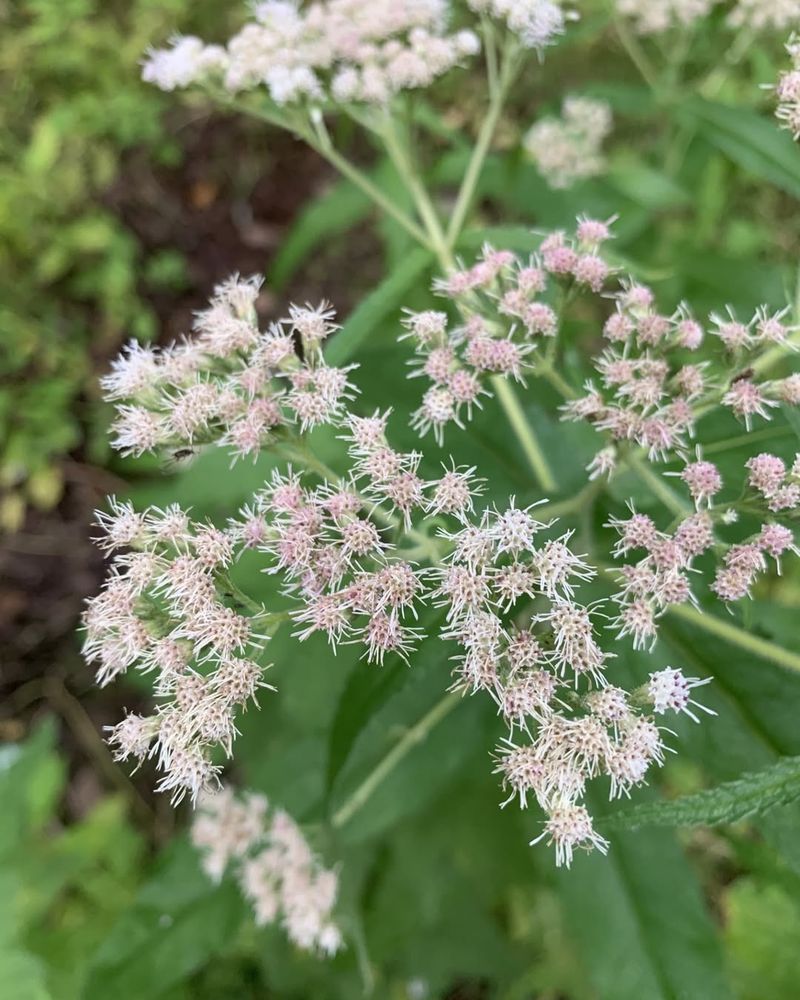
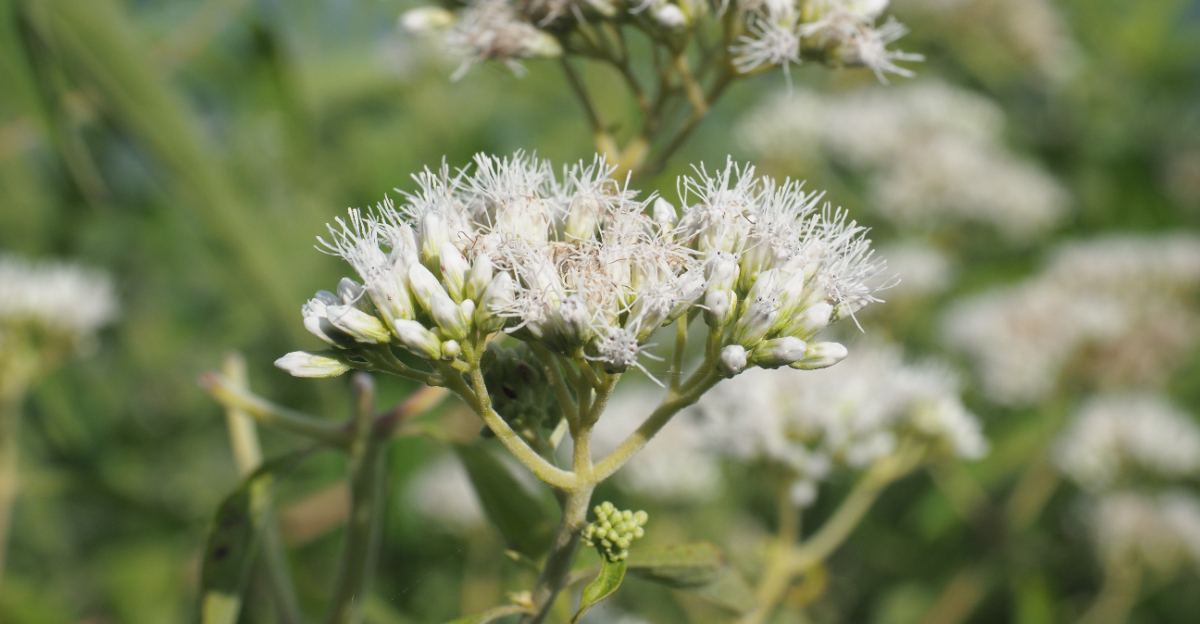
Not every garden hero looks impressive at first glance. Common boneset, known scientifically as Eupatorium perfoliatum, is a tall native wildflower that grows throughout Michigan in fields, roadsides, and moist lowland areas.
Most gardeners walk right past it without a second thought, but that is a missed opportunity.
What makes boneset worth noticing near tomato beds is not a magic spray or a chemical trick.
It works by supporting the broader ecosystem around your garden, drawing in beneficial insects that naturally keep pest populations like stink bugs from spiraling out of control.
Think of it less like a pest barrier and more like a habitat builder.
Stink bugs are one of the more frustrating pests in Michigan tomato gardens. They puncture fruit and leave behind scarring, cloudy spots, and soft patches that ruin a good harvest.
Managing them takes more than one approach, and that is exactly where boneset fits into the picture.
Planting native species near your vegetable garden is one of the smartest long-term strategies a gardener can use. Common boneset does not promise to solve every stink bug problem on its own, and gardeners should be clear about that.
It is a helper plant, a supporting character in a bigger garden story. Still, a helper plant that attracts wasps, flies, beetles, and other beneficial insects to the garden edge is genuinely valuable.
Boneset earns its place not through drama, but through steady, quiet usefulness across the late summer season when tomatoes need it most.
2. It Attracts Beneficial Insects Near Tomatoes
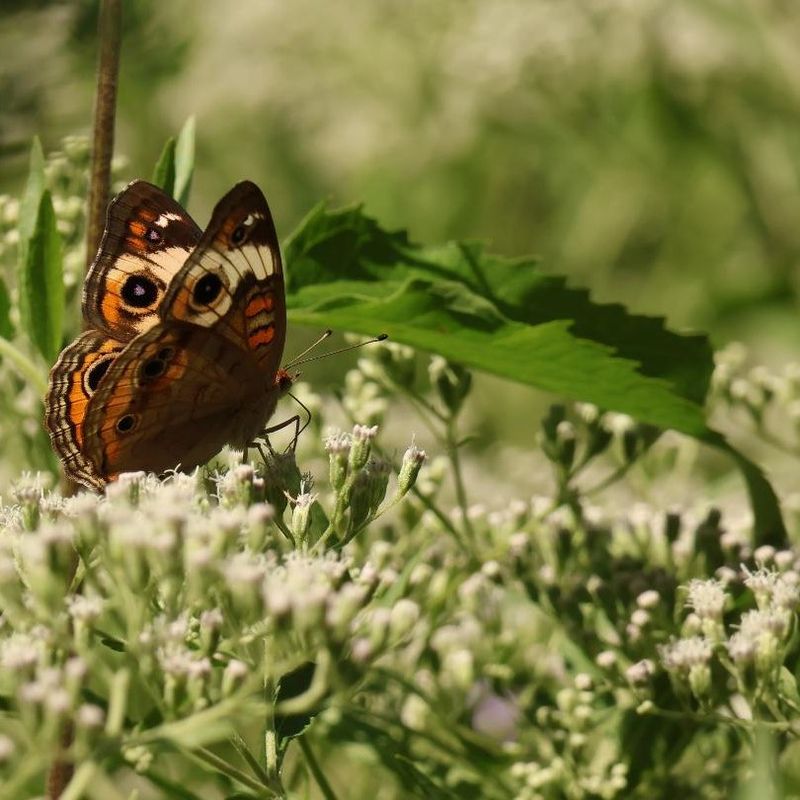
Stink bugs do not operate without natural checks in the environment. Several beneficial insects, including parasitic wasps, ground beetles, predatory flies, and true bugs, are known to target stink bug eggs and early life stages.
The challenge for most gardeners is that these helpful insects need food, shelter, and habitat to stick around.
Common boneset provides exactly that kind of support. Its small, clustered white flowers produce nectar and pollen that attract a wide variety of beneficial insects throughout late summer.
When these insects are well-fed and nearby, they are more likely to patrol the garden edge and interact with pest populations like stink bugs. It would be an overstatement to say boneset will eliminate stink bug pressure entirely.
The relationship between plants, beneficial insects, and garden pests is complex, and results vary based on location, weather, and how many other native plants are growing nearby.
Your Michigan Garden Changes Every Week. Your Plan Should Too.
Gardening in Michigan changes quickly throughout the season. Every Friday you’ll receive a simple weekly plan showing exactly what to plant, prune, fertilize, harvest, and protect so you never miss the right timing.
What boneset does is contribute to a more balanced garden environment.
Michigan State University Extension has noted that supporting beneficial insects through native plantings is a meaningful part of integrated pest management.
Boneset fits naturally into that approach because it blooms right when stink bug activity tends to peak in Michigan gardens.
Gardeners who add boneset to their landscape are essentially sending an open invitation to the insects that work hardest for the garden.
That kind of natural support may not show up on a spray bottle label, but it is real, practical, and worth building into any tomato garden plan.
3. Its Late Bloom Matches Stink Bug Timing
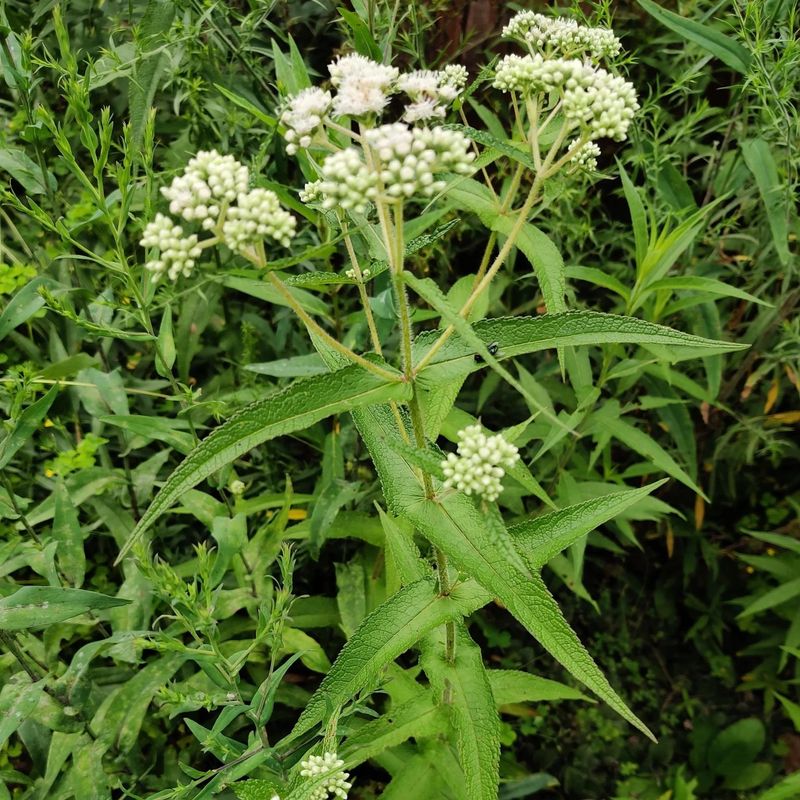
Timing matters more in the garden than most people realize. Common boneset blooms from July through September, which lines up almost perfectly with the period when Michigan tomato growers notice the most stink bug activity.
That overlap is not a coincidence, and it is one of the strongest reasons to consider this plant for your garden edge.
Brown marmorated stink bugs, the most problematic species for Michigan vegetable growers, tend to become more active and move toward ripening fruit during the warmest stretch of summer.
July and August are the months when tomatoes are sizing up and sweetening, and unfortunately, that is also when stink bugs are most interested in them.
Most flowering plants that attract beneficial insects bloom in spring or early summer, which is wonderful for pollinators but leaves a gap later in the season. Common boneset steps in to fill that gap.
When other flowers have already finished, boneset is just getting started.
For gardeners who are focused on ripening tomatoes and managing late-season pest pressure, having a plant that actively supports beneficial insects during those exact weeks is genuinely helpful.
It keeps the insect community around the garden active and engaged at the moment it matters most.
Adding late-blooming natives like boneset to your planting plan is a simple way to extend the season of natural support in your garden.
You get a plant that fits your schedule, matches your pest pressure window, and requires very little maintenance once it is established. That is a practical win on every level.
4. It Belongs Beside The Bed Instead Of Inside It
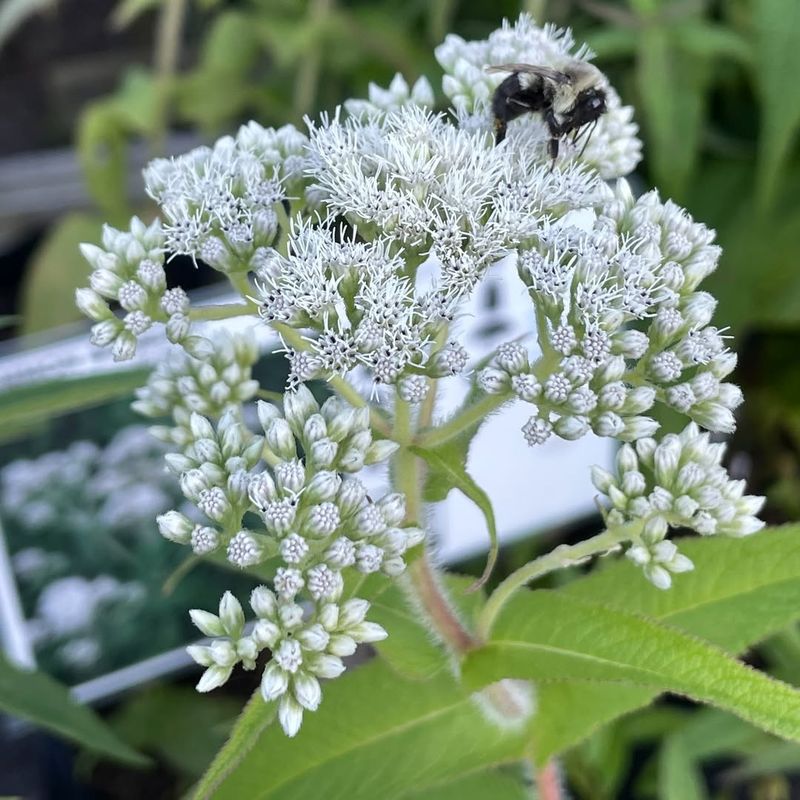
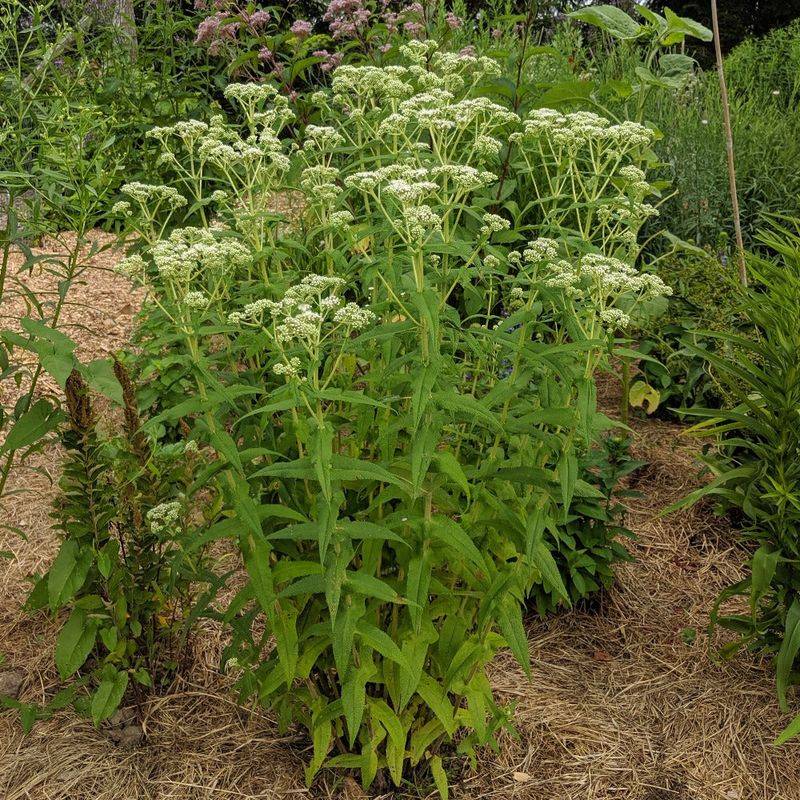
Placement is everything when it comes to using common boneset effectively near tomatoes. This plant can reach three to five feet tall at maturity, sometimes even taller in ideal conditions.
Tucking it directly between tomato plants would create a crowded mess that hurts both species.
Tomatoes need full sun, strong airflow, and plenty of room to grow outward and upward. Boneset planted too close would compete for light, restrict air circulation, and potentially increase the humidity that leads to fungal problems on tomato foliage.
That is the opposite of what any gardener wants during a hot, humid Michigan summer. The smarter approach is to give boneset its own space along the garden edge.
A pollinator strip, a rain garden border, a native plant bed along a fence line, or a dedicated habitat corner near the vegetable garden are all excellent locations.
Boneset thrives when it has room to spread slightly and grow to its full height without interference.
When planted at the edge, boneset does its job beautifully. Beneficial insects visit the flowers, then move through the surrounding area, which includes your tomato bed.
The proximity is close enough to matter without creating the problems that come from crowding.
Think of boneset as a neighbor rather than a roommate for your tomatoes. It contributes more when it has its own defined space and can grow naturally without being squeezed.
A well-placed border planting of boneset can genuinely transform the ecological value of your entire vegetable garden area over time.
5. It Supports More Than One Helpful Insect Group
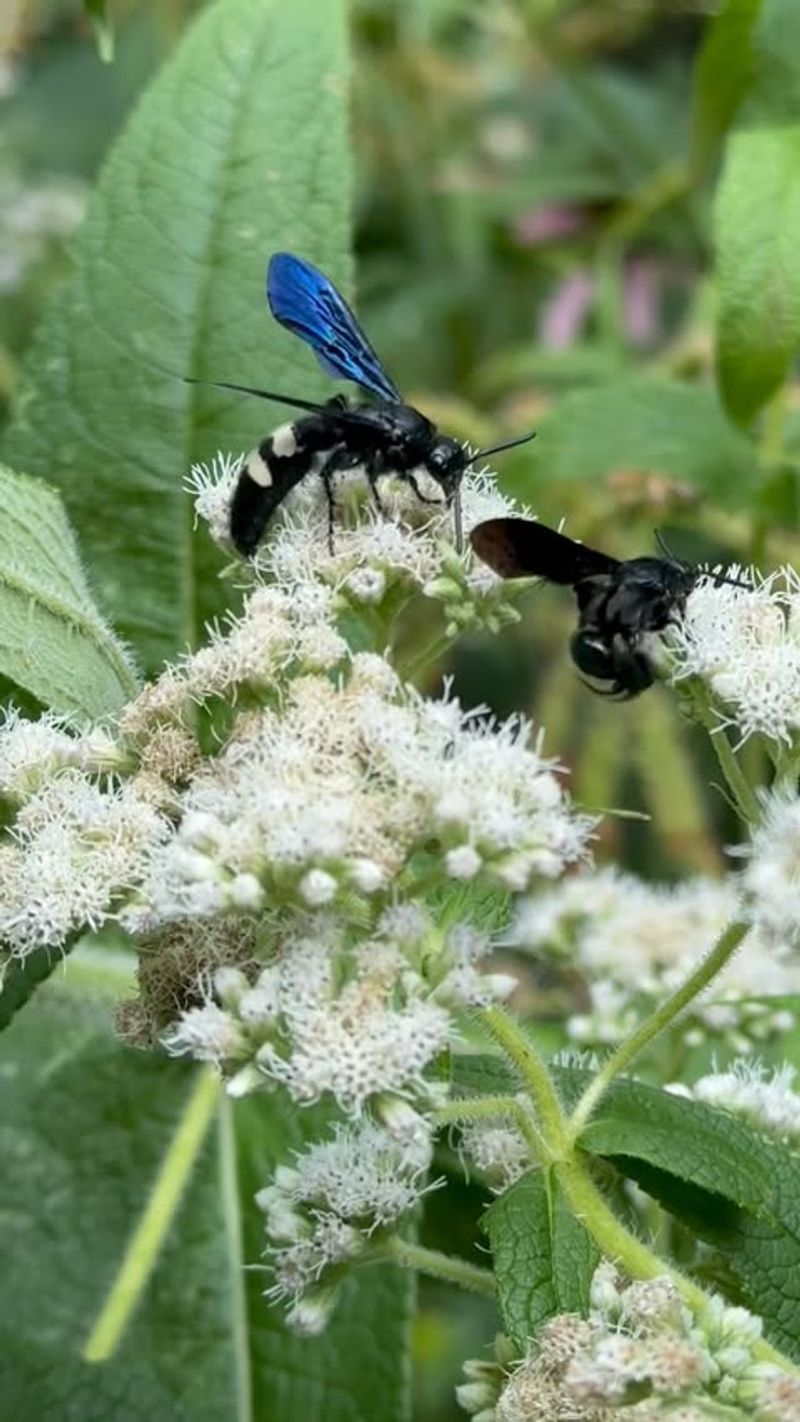
One of the most impressive things about common boneset is how many different types of insects it attracts. Michigan State University lists boneset as a valuable plant for beneficial insects and pollinators, and the diversity of visitors it draws is genuinely striking.
Small parasitic wasps, ground beetles, true bugs, predatory flies, native bees, and even spiders find boneset to be a reliable resource.
Each of those insect groups plays a different role in the garden. Parasitic wasps target pest eggs and larvae.
Predatory beetles patrol the soil and plant stems. True bugs and predatory flies intercept smaller soft-bodied pests.
Spiders set up webs near flowering plants and catch a wide range of insects that wander through. Together, these groups create a layered defense system that no spray can fully replicate.
A garden edge full of diverse insect life is far more resilient than a bare strip of mulch or lawn. When you reduce the habitat available to beneficial insects, you also reduce your garden’s natural ability to self-regulate pest populations.
Boneset helps reverse that trend by giving multiple insect groups a reason to stay close.
Bare soil around tomato beds might look tidy, but it offers nothing to the insects that could be working in your favor. Even a small planting of boneset along one edge of the garden can shift the balance meaningfully.
More insect diversity means more natural checks on the pests that cause the most frustration.
Supporting a wide range of beneficial insects is one of the most effective long-term strategies in sustainable vegetable gardening, and boneset makes that strategy accessible for almost any Michigan garden.
6. It Works Best With Fewer Broad Sprays
Here is something that surprises a lot of gardeners: the beneficial insects that boneset attracts are just as vulnerable to broad insecticide sprays as the pests you are trying to manage.
Spraying too quickly or too broadly can wipe out the very insects that boneset is working to bring in.
That creates a frustrating cycle where the garden never builds a stable, helpful insect community.
Common boneset works best in gardens where broad sprays are used carefully and only when truly necessary. When stink bug numbers are small, hand-picking is often the most practical response.
Check the undersides of leaves and the area around developing fruit regularly. Stink bugs are visible and slow-moving enough to remove by hand when populations are low.
Checking plants frequently is one of the most underrated habits in vegetable gardening. Early detection keeps small problems from becoming large ones, and it means you rarely reach the point where a broad spray feels necessary.
A quick walk through the tomato bed every few days takes only minutes and saves a lot of headaches later.
When management is needed, targeted approaches that focus on the pest rather than the whole garden are always the better choice.
Removing egg masses, using row covers during peak activity periods, or applying targeted treatments only to heavily affected plants preserves the beneficial insect community that boneset supports.
Gardeners who combine boneset plantings with careful, selective management tend to see better results over time. The plant creates the habitat, and thoughtful management keeps that habitat functioning.
Together, those two things build a garden that handles stink bug pressure more naturally and more effectively each season.
7. It Likes Sun And Flexible Soil Moisture
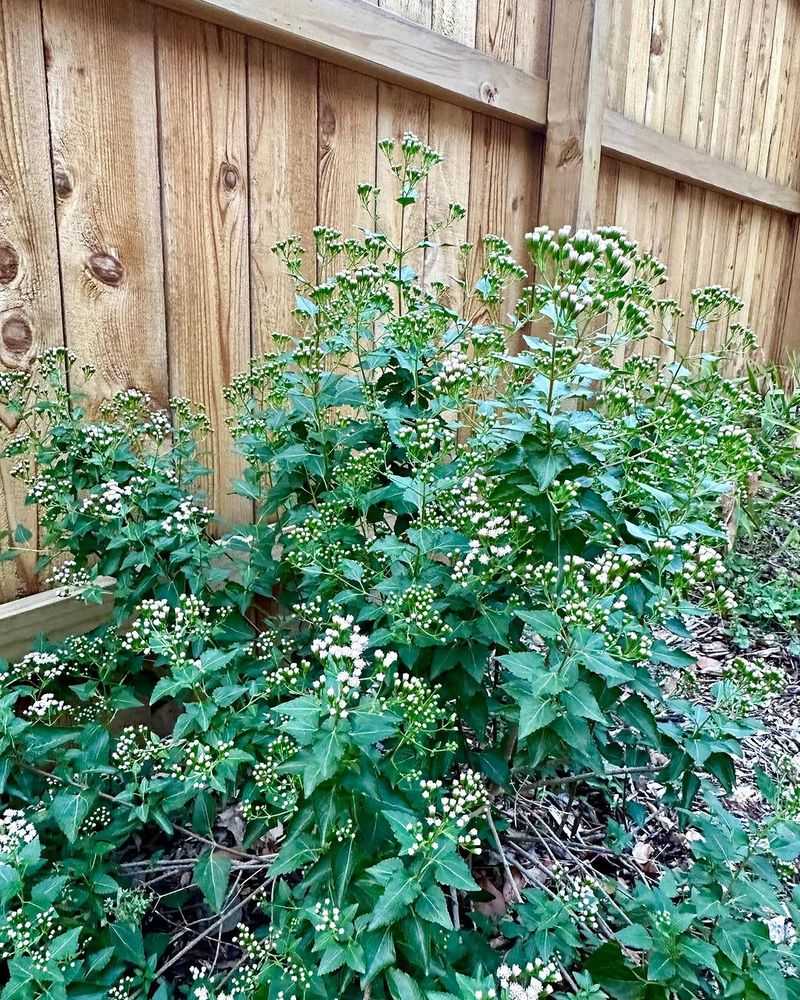
Finding the right spot for common boneset in your Michigan garden is easier than you might expect. This plant is genuinely adaptable, growing well in full sun to partial sun and tolerating a wide range of soil moisture levels.
Whether your garden edge is on the drier side or stays a bit damp after rain, boneset can usually find a way to thrive.
In the wild, boneset most often appears in moist habitats like streambanks, wet meadows, and floodplain edges. That history tells you it handles wet feet better than many garden plants.
However, it also grows successfully in medium moisture conditions, which covers most typical Michigan garden settings without any special soil preparation.
The most important thing to get right is sun exposure. Boneset performs best with at least four to six hours of direct sunlight each day.
In deep shade, it grows leggy and produces fewer flowers, which reduces its value for attracting beneficial insects. A sunny border, an open pollinator strip, or a rain garden edge with good light exposure are all strong choices.
Avoid placing boneset where it will cast shade over your tomato plants as it grows taller through the season.
Positioning it on the north or east side of the tomato bed, or along a fence line that does not block afternoon sun, keeps both plants happy and productive. Once established, boneset is remarkably low-maintenance.
It handles Michigan summers with minimal fuss, comes back reliably each year, and spreads gently over time to fill in the garden edge with useful, insect-friendly habitat. That kind of easy reliability is rare and worth appreciating.
8. It Is Better As Part Of A Garden Strategy
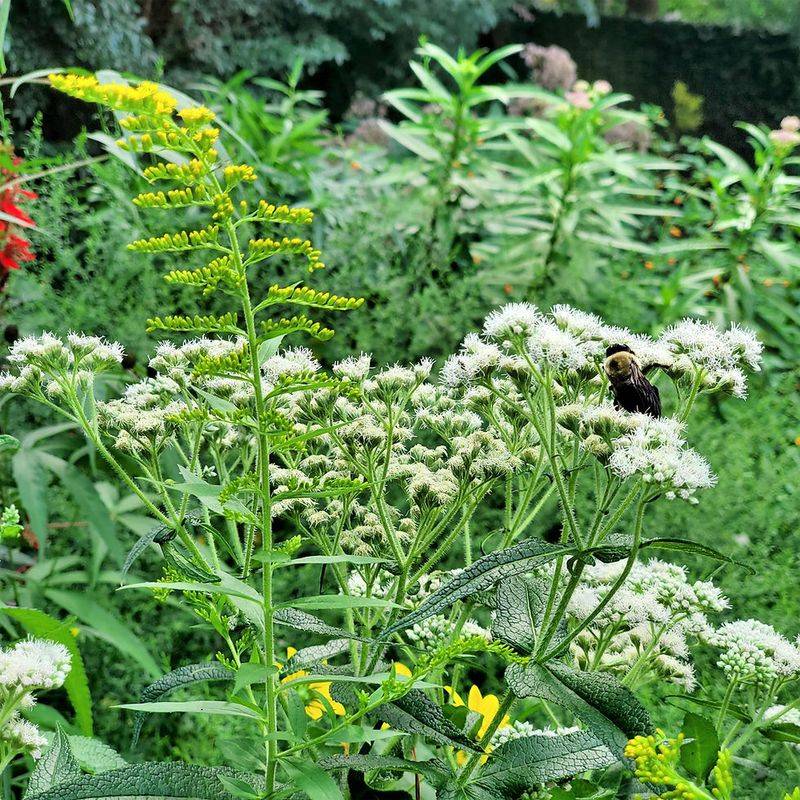
Common boneset is a genuinely useful plant, but it works best when it is part of a broader approach rather than the only tool in the garden. Relying on a single plant to solve a pest challenge like stink bugs sets up unrealistic expectations.
The gardeners who see the best results are the ones who combine multiple smart habits into one connected strategy.
Regular inspection is the foundation of good stink bug management. Walking through the tomato bed every few days and checking leaves, stems, and developing fruit gives you early warning before populations build up.
When you spot small groups, removing them by hand is fast, free, and effective without disturbing the beneficial insects boneset is working to attract.
Keeping tomato plants healthy through consistent watering, proper nutrition, and good airflow also matters. Healthy plants tolerate pest pressure better and recover more quickly from minor damage.
Stressed plants, on the other hand, become magnets for pests and struggle to bounce back even when insect pressure is low.
Adding other native flowers alongside boneset extends the season of support for beneficial insects.
Early-blooming natives like wild columbine, mid-season bloomers like coneflower, and late-season plants like goldenrod and boneset together create a continuous food source that keeps helpful insects present from spring through fall.
Common boneset earns its place in this strategy because it turns the garden edge into productive habitat. Instead of bare ground or grass that offers nothing, a boneset border brings in the insects that naturally help balance the garden.
That is not a small thing. It is exactly the kind of thoughtful, practical gardening that makes a real difference season after season.