How To Tell When Your California Orchid Needs Water This Winter
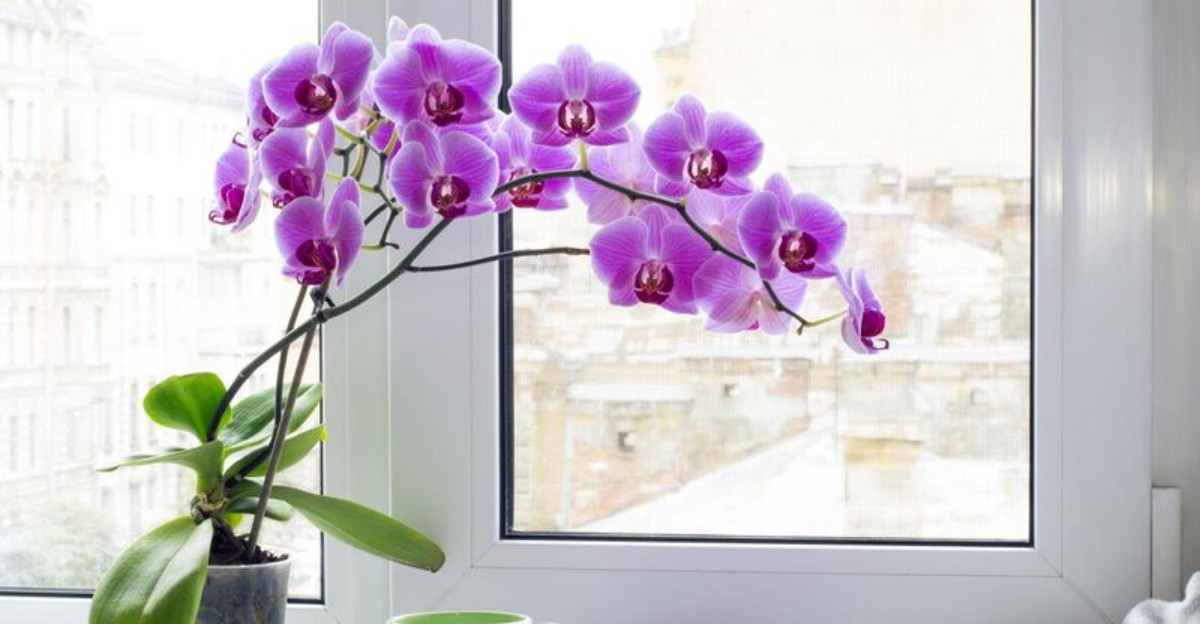
Some popular windowsill bloomers store water in swollen stems called pseudobulbs, which act like tiny canteens at the base of their leaves. When those canteens start to wrinkle, the plant is quietly drinking from its reserves.
Winter makes the clues trickier, since cool California rooms keep bark mix damp much longer than in July. Overwatered roots can’t carry water either, so a soggy plant may show the same limp, wrinkled leaves as a thirsty one.
Confession time: a plain wooden skewer now lives in each of my pots all winter. You might notice old bark breaking down into crumbly bits that hold water far longer than fresh chunks.
Plenty of growers water on a fixed schedule because it feels tidy and easy to remember. A few simple clues hiding in the leaves, the pot’s weight, and the bark itself could reveal when it’s truly time for a drink.
Those Silvery Orchid Roots Are Trying To Tell You Something
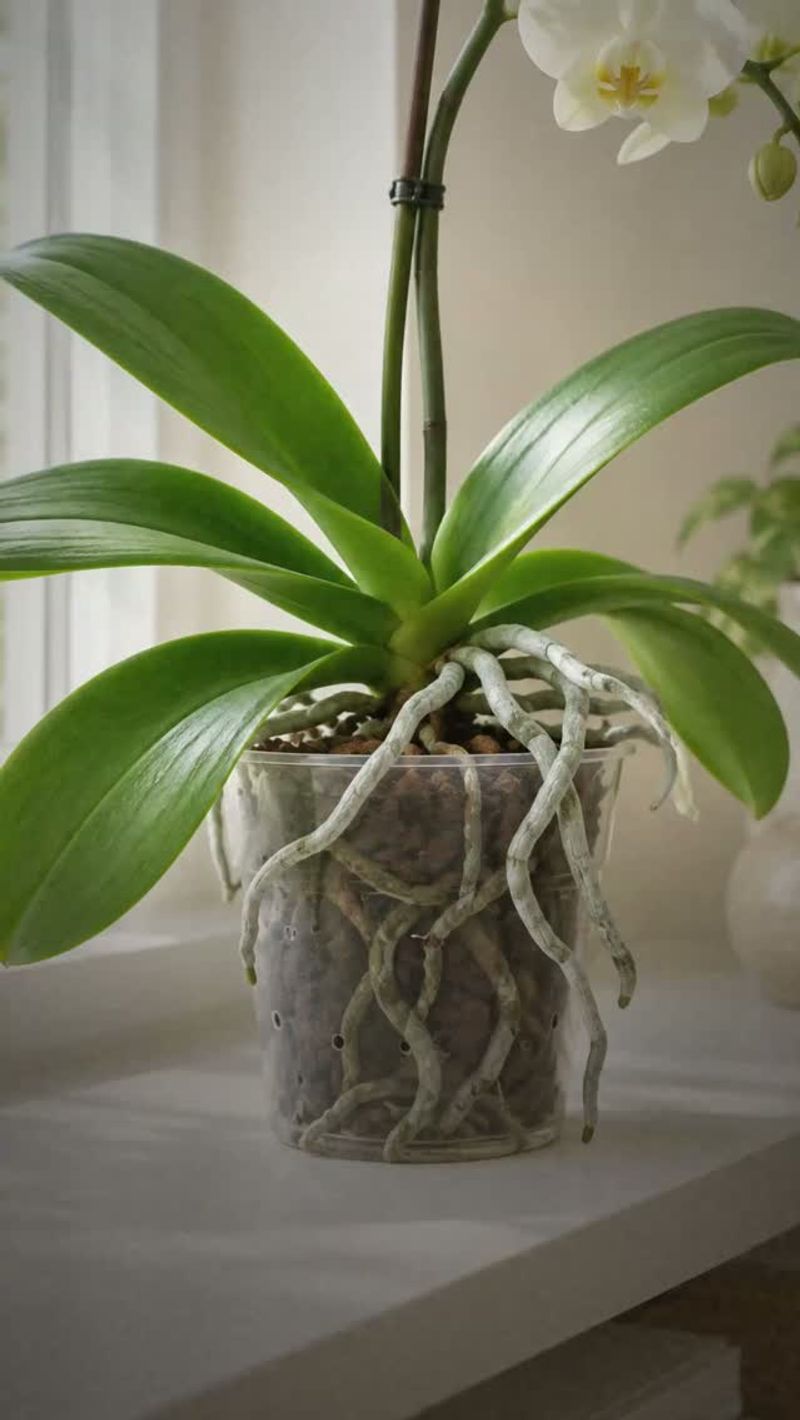
Clear pots are my favorite orchid gadget, and they cost about a dollar. They let you watch the roots like a built-in moisture meter.
Moth orchid roots are covered in velamen, a layer of tiny spongy cells. When those cells are full of water, the roots look green or greenish-silver and feel firm. When the layer dries out, the roots turn a pale silvery white or soft gray.
That color shift is the clearest signal most orchids give. Once the majority of visible roots look silvery, it is usually time to water. If they still look green, wait a few more days and check again.
Root tips matter too. Active, growing tips are often bright green or reddish and look shiny. In winter, many orchids grow slower, so you may see fewer fresh tips, and that is normal.
A quick tip from my own windowsill helps a lot. Check the roots in the same light each time, since a dim corner can make green roots look gray. Morning daylight near a window gives the truest read.
No clear pot? You can gently peek at roots near the drainage holes or slide the plant out for a quick look when repotting time comes around.
Lift The Orchid Pot And Feel The Difference
Weight is a surprisingly honest clue. Wet bark and moss hold a lot of water, so a freshly watered pot feels heavy in your hand.
Try this little training exercise. Lift the pot right after a thorough watering and remember how it feels. Then lift it every couple of days as it dries, and you will slowly learn what thirsty feels like.
A dry pot often feels oddly light, almost hollow. When it reaches that point and the roots look silvery, go ahead and water.
For a second opinion, poke a plain wooden skewer or chopstick a couple of inches into the mix. Leave it for ten minutes and pull it out. Dark, damp wood means wait, while dry wood means the mix is ready for a drink.
Your finger works too, but only near the top. The surface of bark dries much faster than the middle, which fools many growers into watering too soon.
I keep a skewer tucked in each pot during winter. It looks a little silly, but it has saved more roots than any fancy tool I own.
Wrinkled Orchid Leaves And Shriveled Pseudobulbs Mean Thirst
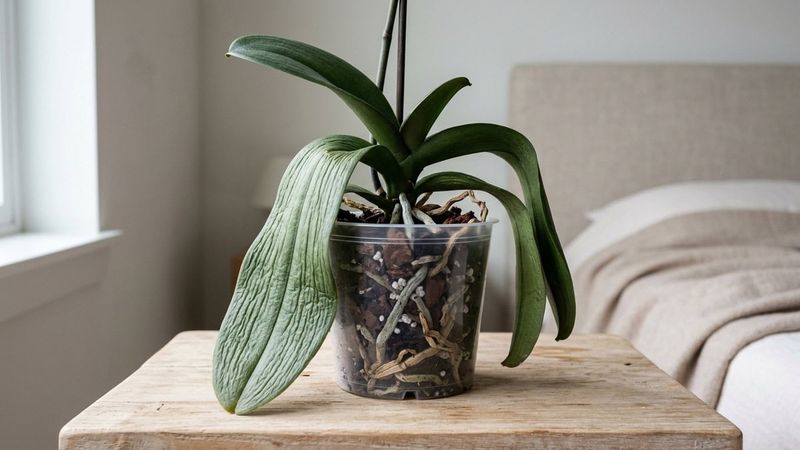
Leaves can wave a little flag when water runs low. Healthy moth orchid leaves feel thick, firm, and leathery, like a sturdy piece of plastic.
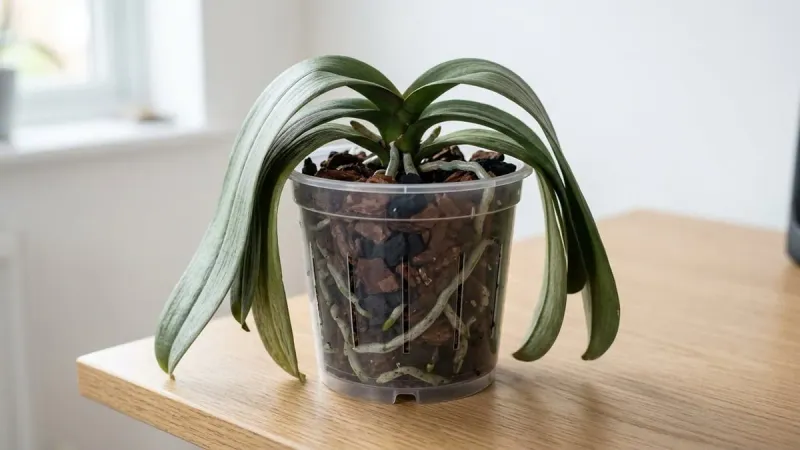
Thirsty leaves turn soft and limp. They may bend downward or show fine wrinkles running along their length. Thin-leaved types, like Oncidium and many Miltonia hybrids, show these pleats and crinkles even faster.
Orchids such as Cattleya, Oncidium, and Dendrobium also store water in pseudobulbs. These swollen stems sit at the base of the leaves like little canteens. When they start to look wrinkled or shrunken, the plant is drinking from its reserves.
Older back bulbs often wrinkle with age, so do not panic about those. Focus on the newest growths instead.
One catch trips up plenty of growers. Rotted roots cannot carry water, so a soggy, overwatered orchid can also show limp, wrinkled leaves. Before you grab the watering can, check the roots and the mix.
If the mix is dry and the roots look firm but silvery, thirst is the likely cause. Water well, and leaves often perk up over a week or two.
Mushy Brown Orchid Roots Signal Too Much Water
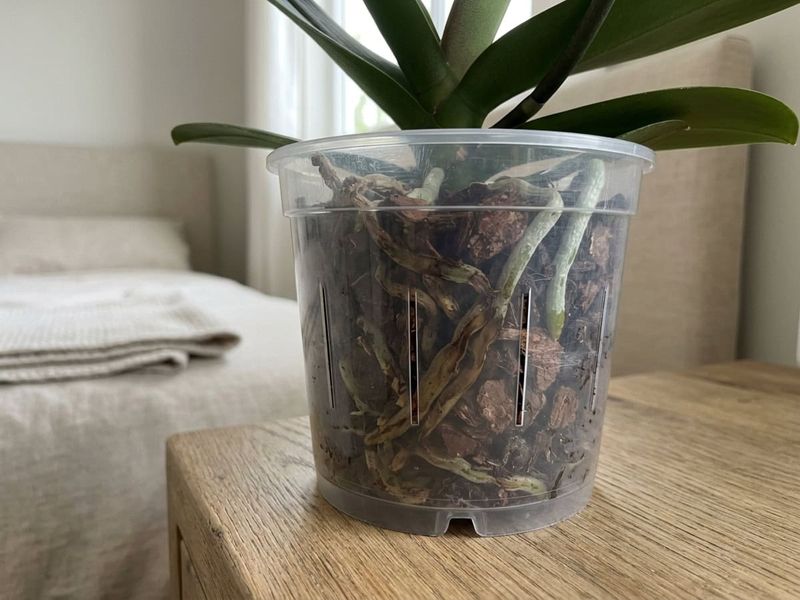
Honestly, winter overwatering causes more trouble than winter thirst. Cooler rooms and weaker sunlight mean the mix stays wet much longer than it did in July.
Healthy roots feel firm when you squeeze them gently. Overwatered roots turn brown or black and feel mushy. Some look flat and papery, with the outer layer sliding off a thin stringy core.
Other warning signs show up above the roots. The mix may stay soggy for many days or smell musty and sour. Lower leaves may yellow, and the whole plant can wobble loosely in the pot.
If you spot these clues, act sooner rather than later. Slide the plant out, trim soft roots with clean, sterilized scissors, and repot into fresh, chunky mix.
After repotting, water lightly and let the plant settle. Many orchids recover if a few healthy roots remain.
A soggy pot sitting in a decorative cachepot is a sneaky culprit. Water collects at the bottom, out of sight. I now dump out every outer pot after watering, and my winter root troubles dropped sharply.
California Winter Weather Changes Your Orchid Watering Rhythm
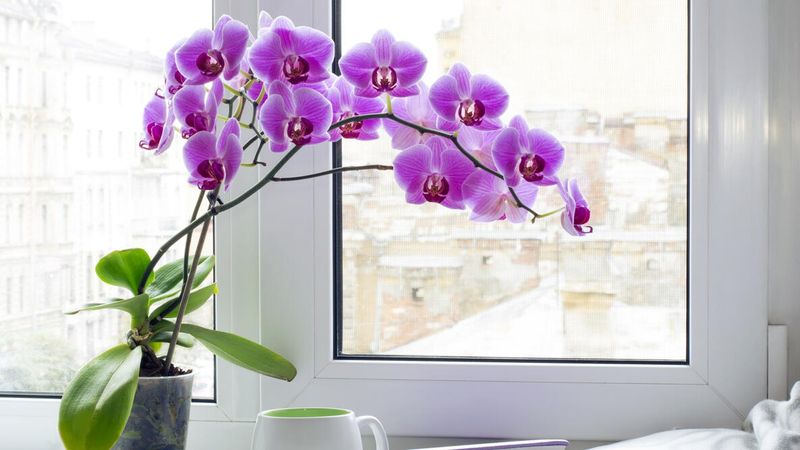
California winters vary a lot from place to place. A foggy San Francisco apartment, a sunny San Diego patio, and a chilly Sacramento living room all dry orchids at different speeds.
Indoors, shorter days and cooler air slow growth and evaporation. Many moth orchids that drank weekly in summer may need water every 10 to 14 days in winter. That number is a starting point, not a rule, so let the roots decide.
Heaters change the picture. Forced-air heat dries the room and can make the mix dry faster, especially near vents. Keep pots away from blowing air and consider a humidity tray filled with pebbles and water.
Winter rain matters for outdoor growers. Cymbidiums are popular in coastal and Southern California yards, and rainy weeks may mean you skip watering entirely. Just make sure pots drain freely after a storm.
Cold nights deserve attention too. Cymbidiums handle chilly nights fairly well but should be protected from frost, while moth orchids prefer staying indoors above roughly 60 degrees.
Watch the forecast as closely as the plant. Weather swings can shift watering needs within a single week.
Old Orchid Bark Mix Holds Water Longer Than You Expect
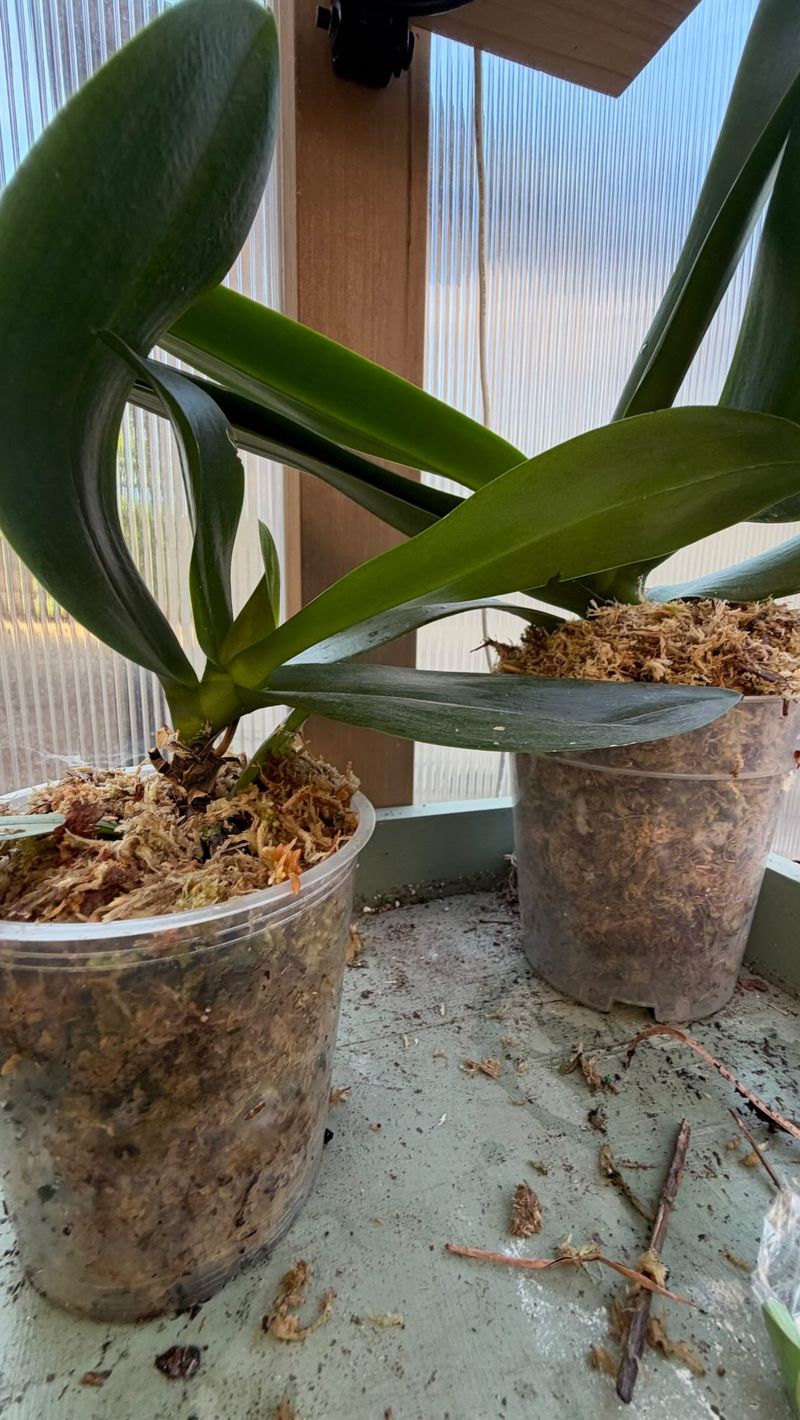
Orchid bark ages, kind of like mulch in a garden bed. After a year or two, those chunky pieces break down into fine, crumbly bits.
Most popular orchids are epiphytes, which means they grow on trees in nature. Their roots crave airflow as much as moisture. Fresh bark leaves air pockets, while decayed bark packs tight and stays wet.
Old mix throws off every clue we have discussed. Pots stay heavy, skewers stay damp, and roots may suffocate even when you water less. If the mix looks like coffee grounds or smells earthy and stale, it is past its prime.
Sphagnum moss works differently than bark. It holds much more water, so moss-potted orchids need water less often. Many grocery store moth orchids arrive tightly packed in moss, so check them carefully before watering.
Repotting is usually best right after blooming or when new roots appear. Many growers repot every one to two years.
If your orchid is flowering this winter, you can often wait until spring. Just water a bit more carefully until then, and plan fresh bark for the season ahead.
A Morning Sink Soak Keeps Winter Orchids Happy
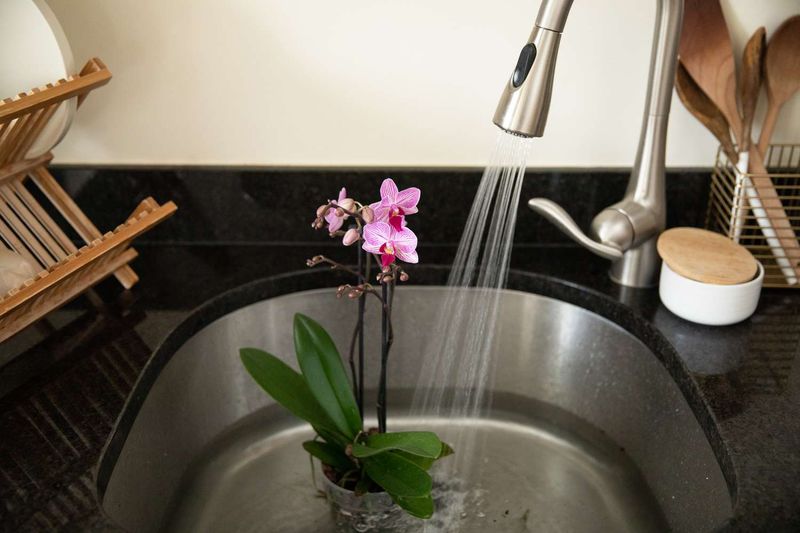
Watering day is my favorite little ritual. I carry each orchid to the sink in the morning, and it feels like a mini spa visit.
Use room-temperature water, since icy tap water can shock tropical roots. Run water through the mix for about a minute, or let the pot soak in a bowl for ten to fifteen minutes. Thorough watering helps dry bark absorb moisture evenly.
Drain the pot well afterward. Tip it slightly so trapped water escapes, and dab any water sitting in the leaf crowns with a paper towel. Water left in a moth orchid crown overnight can lead to crown rot.
Morning timing gives leaves and roots a full day to dry. Cool, damp nights invite fungal problems, especially in winter.
Skip the popular ice cube trick if you can. A thorough soak followed by good drainage tends to work better for most growers.
Finally, keep checking instead of counting days. Silvery roots, a light pot, and a dry skewer together make a reliable signal. Learn those three clues, and your orchid will likely reward you with sturdy leaves and spring blooms.