The Native Texas Bloom That Feeds Migrating Monarchs Every September
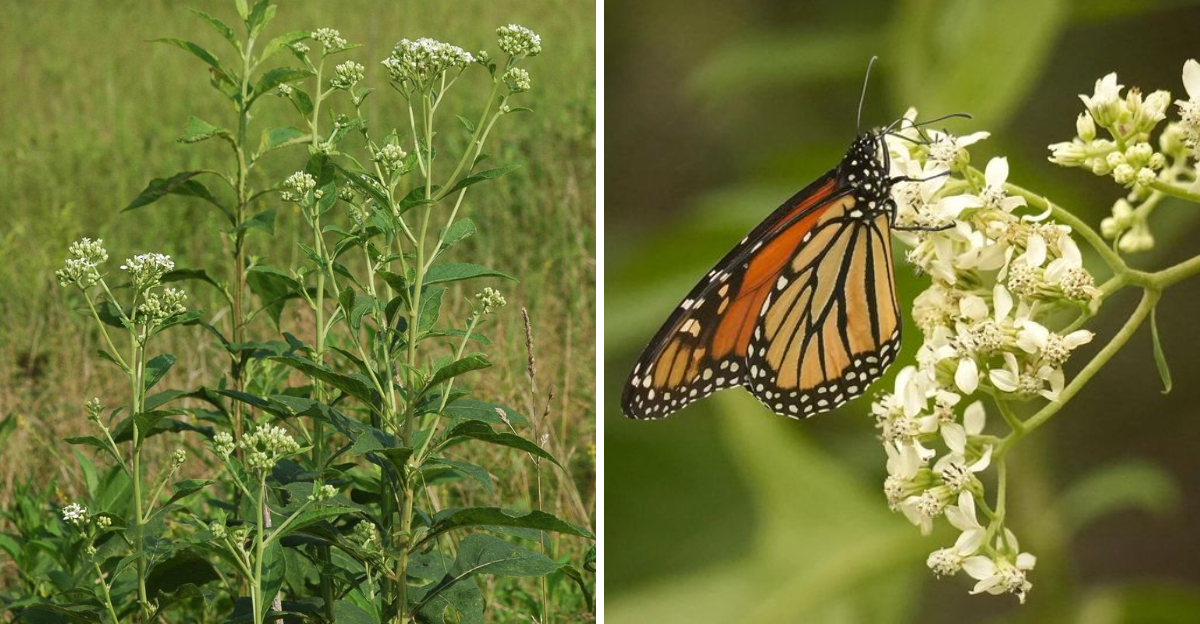
Every September, one of the most extraordinary natural events in North America moves through Texas.
Millions of monarch butterflies traveling from their summer breeding grounds toward their overwintering sites in central Mexico funnel through the state in a migration that has been happening for millions of years.
Texas is not just a waypoint in this journey. It’s one of the most critical refueling corridors the monarchs depend on. And they need food when they arrive.
Monarchs flying through Texas in September are burning enormous amounts of energy, and the flowers available to them along the route directly affect how well they survive the journey and arrive at their destination with enough reserves to make it through the winter.
The yards and gardens that have the right plants in bloom right now are doing something genuinely meaningful for one of the most iconic migrations on Earth.
One native Texas bloom in particular stands out as a monarch magnet every September, flowering at exactly the right time and providing exactly the fuel these butterflies need most. Here’s what it is and why your garden should have it.
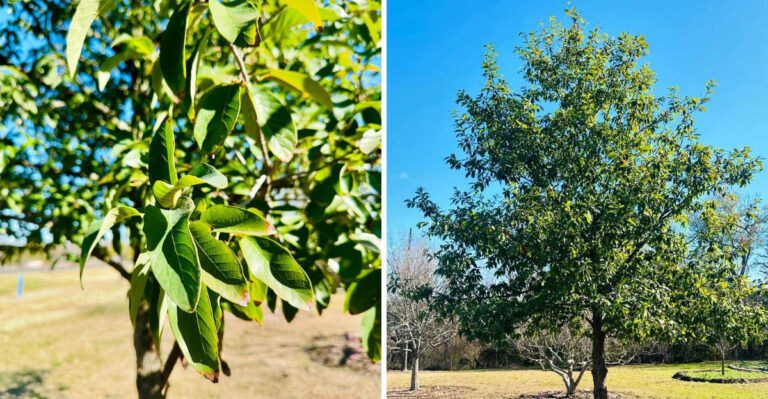
Frostweed Blooms Right As Monarch Migration Begins
Picture millions of orange-and-black wings drifting south through Texas skies every September. Monarch butterflies are on the move, and they are hungry.
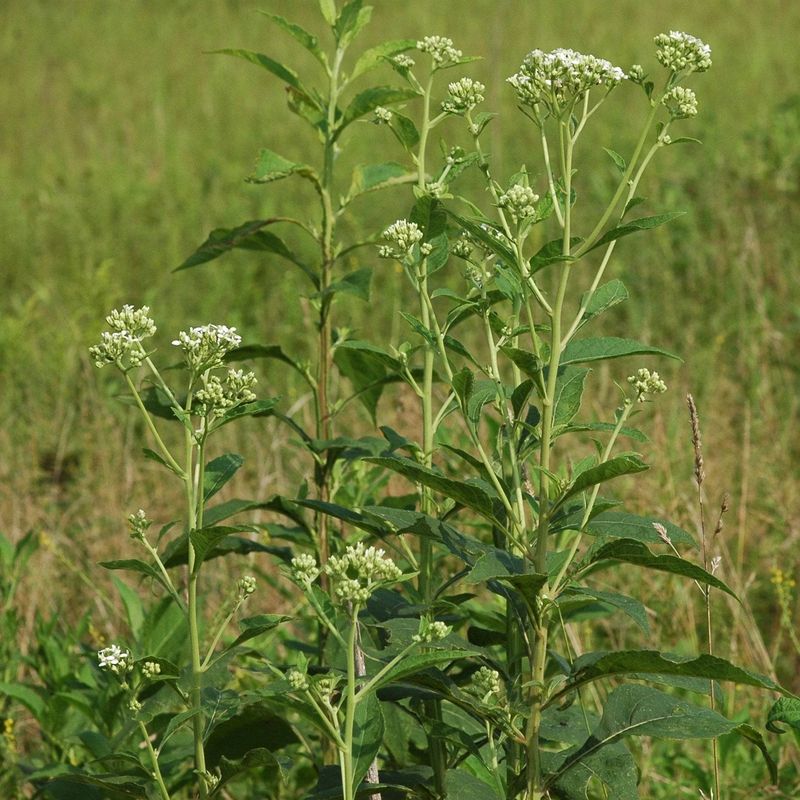
Frostweed, known scientifically as Verbesina virginica, flowers at almost exactly the same time these butterflies pass through. That timing is not a coincidence, but it is a lucky match that helps monarchs survive their long journey.
Frostweed begins blooming in late summer and keeps flowering well into fall. Most other wildflowers have already finished by this point.
That makes Frostweed one of the only reliable nectar sources still standing when the migration is in full swing. Monarchs flying through Central Texas, the Hill Country, and East Texas can count on finding these white blooms ready and waiting.
The plant grows naturally along roadsides, creek banks, and woodland edges all across the state. You do not have to look hard to spot it in the wild.
Gardeners who plant Frostweed at home are essentially creating a refueling station right in their own backyard. Every cluster of white flowers is a small but meaningful contribution to the monarch migration.
Scientists have tracked monarch migration patterns for decades, and Texas consistently shows up as a critical corridor. Plants like Frostweed that bloom during peak migration weeks give butterflies the energy they need to keep flying.
Without enough nectar stops, monarchs can struggle to complete their trip to the mountain forests of central Mexico. Planting Frostweed is one of the simplest ways any Texas gardener can help protect this remarkable annual journey.
Its White Flowers Provide Valuable Nectar
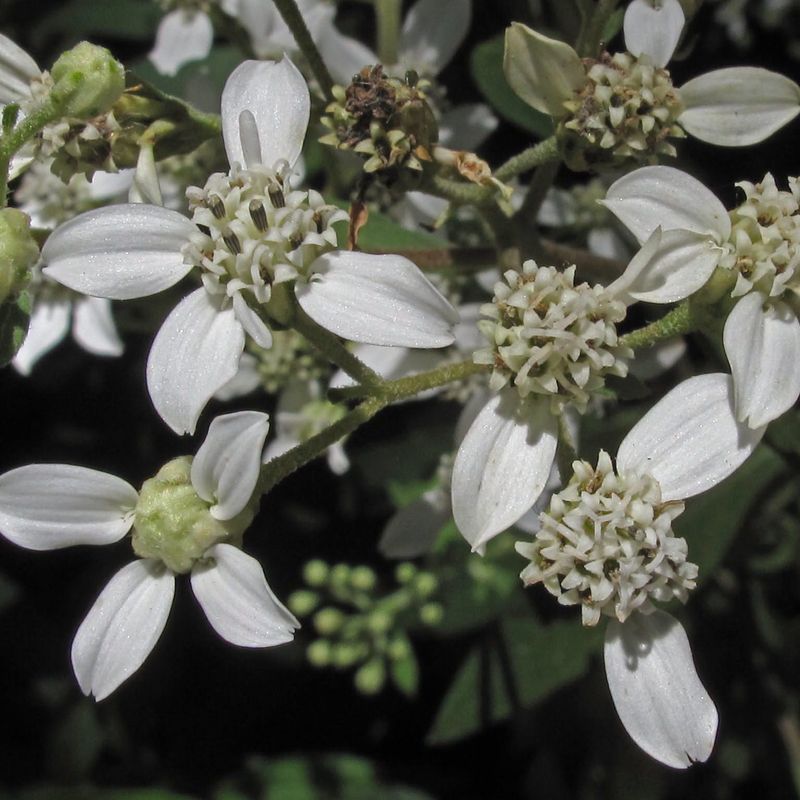
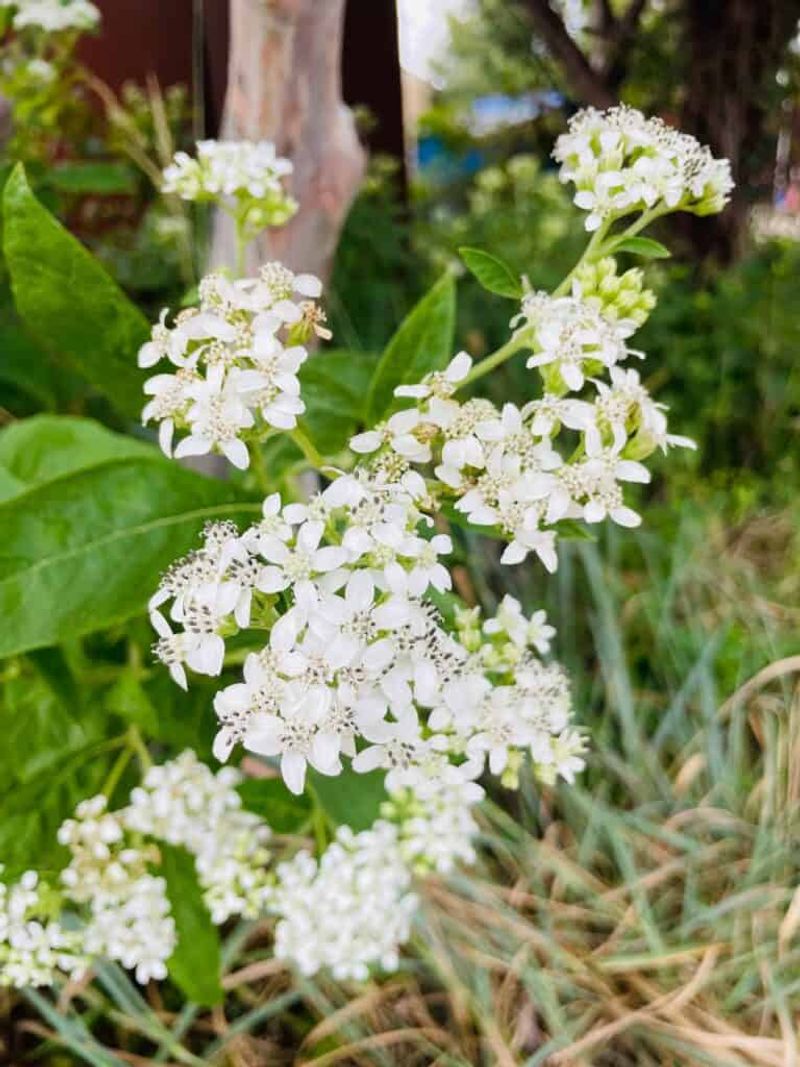
Frostweed does not dazzle you with flashy colors. Its flowers are small and white, arranged in large, flat-topped clusters called corymbs.
But do not let the modest look fool you. Those clusters are packed with nectar, and butterflies absolutely love them.
A monarch that lands on a Frostweed plant can feed from dozens of tiny flowers without even moving its feet.
Your Texas Garden Changes Every Week. Your Plan Should Too.
Gardening in Texas changes quickly throughout the season. Every Friday you’ll receive a simple weekly plan showing exactly what to plant, prune, fertilize, harvest, and protect so you never miss the right timing.
That easy access matters a lot during migration. Monarchs are burning energy constantly as they fly hundreds of miles.
They need to refuel quickly and efficiently. Frostweed’s wide, flat flower heads act almost like a landing pad, giving butterflies a stable surface to rest on while they feed.
The nectar inside is rich enough to give monarchs a solid energy boost before they continue south.
Researchers who study pollinator plants often rank late-season bloomers very highly because so few plants are available in fall. Frostweed fills that gap in a big way.
A single mature plant can carry hundreds of flower clusters at once, offering an almost buffet-style feeding experience for any butterfly that stops by.
Gardeners sometimes overlook white-flowered plants in favor of more colorful options. But if your goal is to support monarchs, color matters far less than nectar quality and bloom timing.
Frostweed delivers on both counts. Plant it near the edge of a path or patio so you can watch the action up close.
You might be surprised how quickly monarchs find it. Once word gets out in the butterfly world, your Frostweed plant can become one of the busiest spots in the whole neighborhood during September.
It Also Supports Other Pollinators
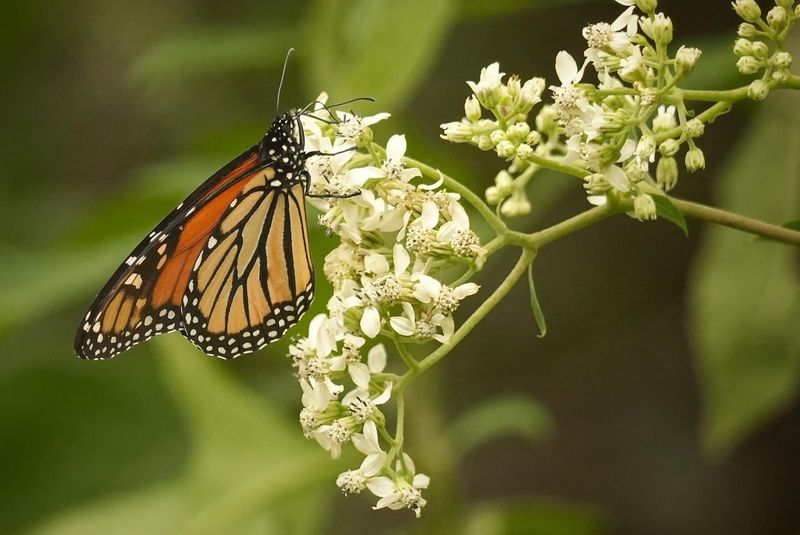
Monarchs get most of the attention, but Frostweed is a team player. Walk past a blooming plant on a warm September afternoon and you will hear it before you see it.
Buzzing, humming, and fluttering fill the air around every cluster. Honeybees, bumblebees, native sweat bees, and several species of small native butterflies all visit Frostweed regularly.
The plant is like a neighborhood gathering spot for insects.
Swallowtail butterflies, skippers, and sulphurs often show up alongside monarchs. Some gardeners have reported seeing ten or more pollinator species on a single Frostweed plant in one afternoon.
That kind of biodiversity is a sign of a healthy garden ecosystem. When one plant supports that many visitors, it becomes a cornerstone of the local food web.
Late-season blooms are rare and precious for pollinators. Many bees are still building up food stores before cold weather arrives.
Native bees especially rely on fall flowers to gather enough pollen and nectar to get through winter. Frostweed gives them a reliable, generous source right when they need it most.
Adding Frostweed to your yard does more than help monarchs pass through. It creates ongoing habitat and food for the insects that live in your area year-round.
Gardeners who care about pollinators often focus heavily on spring and summer plants, forgetting that fall coverage is just as important. Frostweed fills that seasonal gap beautifully.
You get the satisfaction of supporting an entire community of beneficial insects with a single, low-maintenance native plant. That is a pretty great return for the space it takes up.
It Handles Partly Shaded Texas Gardens
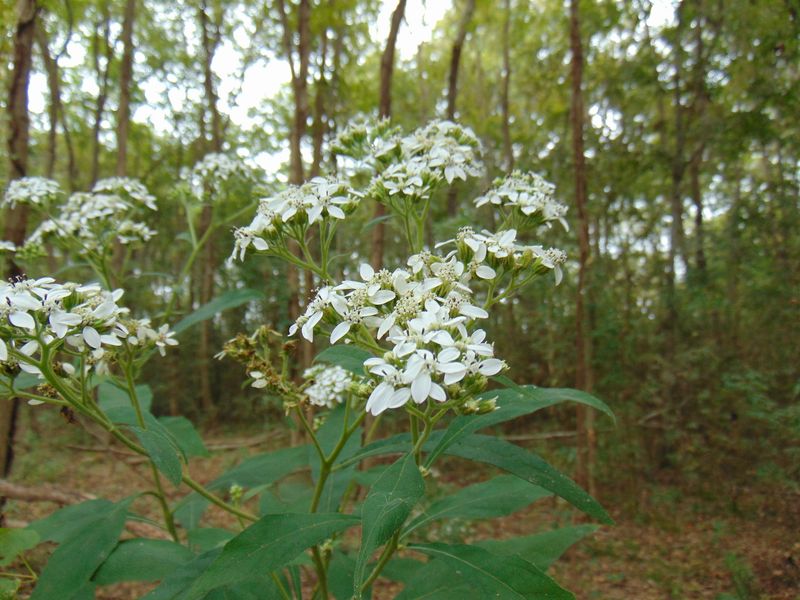
Most people think wildflowers need full sun to thrive, and many of them do. But Frostweed breaks that rule in a very welcome way.
It performs well in partial shade and even tolerates fairly dense woodland conditions. If you have a spot under a tree canopy where other plants struggle, Frostweed might be exactly what that space needs.
Texas gardens come in all shapes and sizes. Not every yard has an open, sunny meadow area.
Many gardeners deal with live oaks, cedar elms, or pecan trees casting shade across large sections of their property. Sun-loving plants like coneflowers and black-eyed Susans often fail in those spots.
Frostweed steps in where others give up.
Along creek banks and woodland edges, Frostweed grows naturally in the filtered light beneath tall trees. It has adapted over thousands of years to make the most of lower light conditions.
That adaptation makes it incredibly useful for Texas gardeners who want native plants but do not have ideal sun exposure.
Planting Frostweed in a shaded area does not mean settling for less. The plant still grows vigorously, blooms reliably, and attracts the same impressive array of pollinators.
You get all the ecological benefits without needing a sunny spot. For gardeners with challenging shady areas, this native plant can transform a dull, underused corner into a lively pollinator hotspot every fall.
Give it decent soil, reasonable moisture, and a little room to spread, and Frostweed will reward you season after season without asking for much in return.
Give It Room To Grow Tall
Frostweed is not a small, tidy little plant. Mature specimens regularly reach five to seven feet tall, and in rich, moist soil they can push even higher.
That height surprises some gardeners who are used to shorter wildflowers. But once you understand how to work with it, Frostweed’s tall stature becomes one of its greatest strengths.
Tall plants create vertical layers in a garden, and layers are good for wildlife. Birds perch on Frostweed stems.
Insects shelter among the leaves. The height makes the white flower clusters visible from a distance, helping migrating monarchs spot a feeding stop from the air.
A tall patch of Frostweed in your yard is basically a billboard that says “free food” to passing butterflies.
For garden design purposes, place Frostweed toward the back of a flower border or along a fence line. It works beautifully as a backdrop for shorter plants like salvia, aster, or goldenrod.
In a naturalized area or meadow garden, let it grow freely without worrying too much about tidiness. That relaxed approach suits the plant perfectly.
If you have a slope, a creek edge, or a wild corner of your yard that you have never quite known what to do with, Frostweed is an excellent candidate. It handles those informal spaces with ease and looks completely at home in a natural setting.
First-time native plant gardeners sometimes worry about tall plants taking over, but Frostweed spreads at a manageable pace. A little light editing each spring keeps it right where you want it without a lot of extra effort.
Leave The Stems Standing Into Winter
Here is something truly wild about Frostweed that most people have never seen. When the first hard freeze of winter hits Texas, the stems of Frostweed do something almost magical.
Water inside the plant expands and pushes through cracks in the lower stem, forming thin, curling ribbons of ice that wrap around the base of the plant. These formations are called frost flowers, and they are absolutely stunning.
Frost flowers can look like white ribbons, delicate petals, or small sculptures made of ice. They appear early in the morning after a hard freeze and melt away once the sun rises.
If you want to see them, you have to get outside early. Many Texans who have stumbled across frost flowers in the wild describe the experience as genuinely breathtaking.
Beyond the ice show, leaving Frostweed stems standing through winter has practical benefits for wildlife. Hollow and pithy stems provide shelter for small native bees that overwinter inside plant material.
Birds may also pick at the old seed heads. Standing stems add structure and texture to an otherwise bare winter garden.
Cutting everything back to the ground in fall has become a common garden habit, but native plant experts encourage gardeners to wait. Leaving stems up through winter and cutting them back in late February or early March gives wildlife a full season of shelter.
With Frostweed, you also get the bonus of those incredible ice formations as a reward for your patience. It is one of those rare cases where doing less work in the garden actually produces a more beautiful and ecologically valuable result.