The Drought-Proof Texas Native Shrubs That Replace Boxwood Along Driveways
Boxwood has been the default driveway shrub in Texas landscapes for a long time. Tidy, structured, evergreen, and reliably available at every garden center in the state.
But boxwood is showing its limitations in an increasingly water restricted Texas, and the combination of drought stress, disease pressure, and the ongoing cost of keeping these shrubs looking their best is pushing more Texas homeowners to reconsider the choice.
There are native Texas shrubs that do everything boxwood does and do it without demanding the water, the attention, or the intervention that boxwood increasingly requires in current conditions.
These drought proof natives hold their structure, stay evergreen or nearly so through the Texas seasons, and look sharp along a driveway without flinching when water restrictions tighten or the summer goes months without meaningful rain.
Once established, they essentially manage themselves. They’re also ecologically valuable in ways that boxwood, which supports almost no local wildlife, simply is not.
1. Dwarf Yaupon Holly
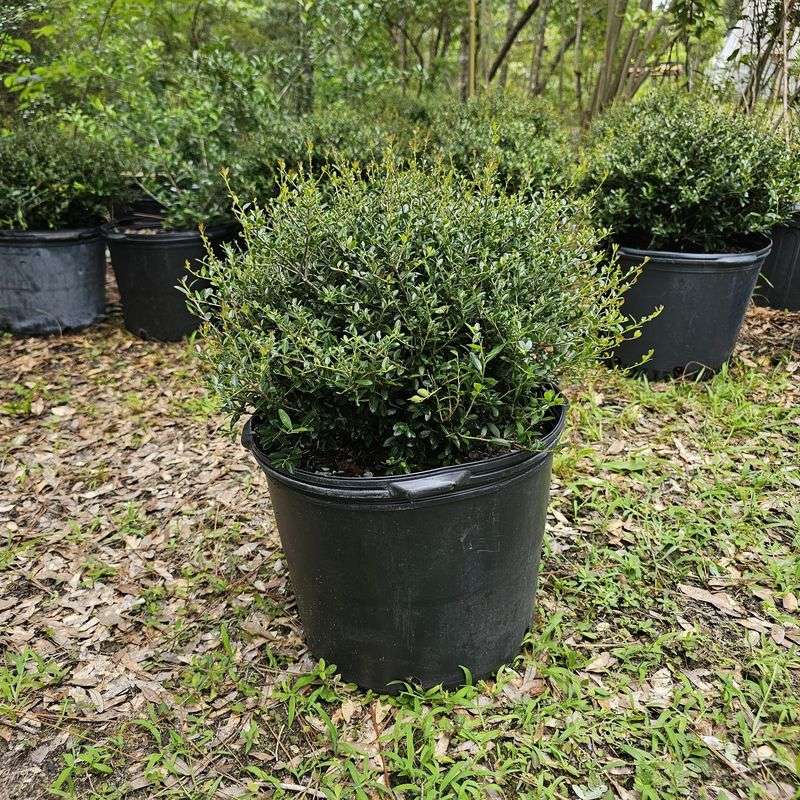
Few native shrubs can match the quiet reliability of Dwarf Yaupon Holly. Gardeners across Texas love it because it stays compact on its own, rarely needing heavy pruning to look tidy. It forms a dense, rounded shape that works perfectly as a low hedge lining a driveway.
Dwarf Yaupon Holly is a smaller version of the native Yaupon Holly tree, which has grown across Texas and the southeastern United States for thousands of years.
The full-size tree can reach 25 feet tall, but the dwarf form stays between 3 and 5 feet, making it ideal for borders and edges.
Its small, dark green leaves stay on the plant year-round, giving your driveway a neat, finished look even in January.
Once this shrub gets established in your yard, it handles heat and dry spells like a champ. It does not need much water after the first year, and it adapts well to a wide range of soil types, including the rocky, clay-heavy soils common across central and east Texas.
It even tolerates some shade, though it grows best in full sun. Planting Dwarf Yaupon Holly is straightforward. Space plants about 3 to 4 feet apart for a solid hedge effect, or give them more room if you want individual rounded forms.
Water regularly for the first season, then cut back as the roots settle in. Fertilizing is usually not necessary, which keeps maintenance low.
Birds also enjoy the small berries that female plants produce in fall, adding a little extra life to your driveway border without any extra effort on your part.
2. Texas Sage
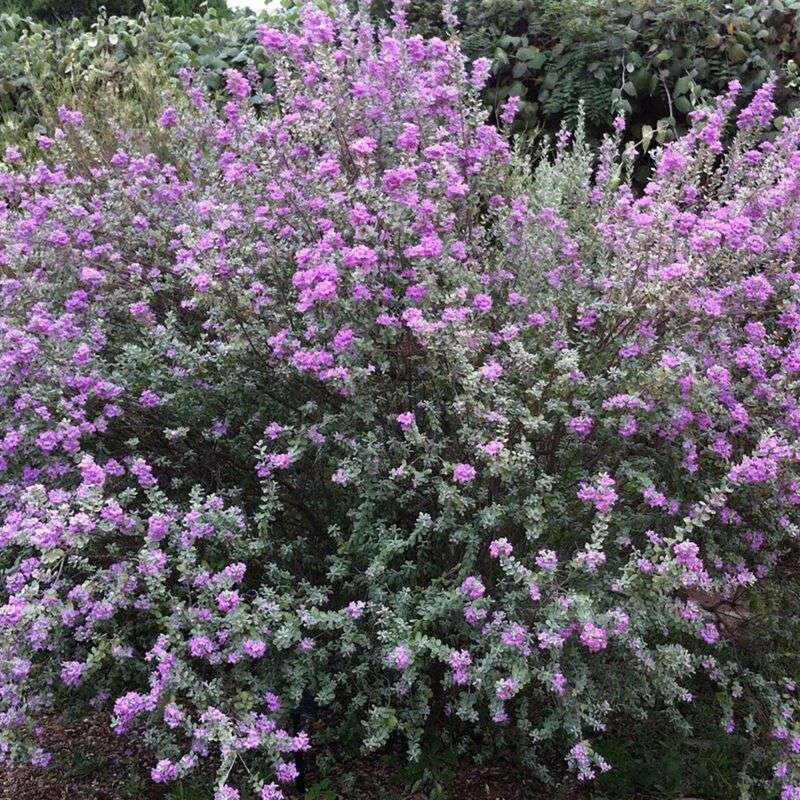
Walk past a Texas Sage in bloom after a summer rainstorm and you will understand why locals call it the “barometer bush.” It bursts into bright purple flowers right after rain, almost like it is celebrating.
That seasonal show is just one reason this shrub has become a favorite across the Lone Star State.
Texas Sage, also known as Leucophyllum frutescens, is native to the Chihuahuan Desert region and thrives in full sun and very dry conditions. Its silvery-gray leaves give it a soft, elegant look that boxwood simply cannot match.
Your Texas Garden Changes Every Week. Your Plan Should Too.
Gardening in Texas changes quickly throughout the season. Every Friday you’ll receive a simple weekly plan showing exactly what to plant, prune, fertilize, harvest, and protect so you never miss the right timing.
The foliage alone adds texture and interest to a driveway border, even when the plant is not in bloom. When it does flower, the purple blooms cover the entire shrub and create a stunning visual impact.
One of the best things about Texas Sage is how little water it needs once established. Overwatering is actually one of the few ways to harm this plant.
It prefers well-drained, alkaline soil and does not do well in heavy clay that stays wet after rain. If your driveway sits on slightly elevated, rocky ground, Texas Sage will feel right at home.
For a formal hedge look, you can prune it lightly once or twice a year. However, many gardeners prefer to let it grow naturally into a soft, rounded form.
Plants typically reach 4 to 6 feet tall and wide, so give them plenty of room. Spacing plants about 4 feet apart creates a full, lush hedge that lines a driveway beautifully while needing almost no irrigation during the hottest months of the year.
3. Agarita
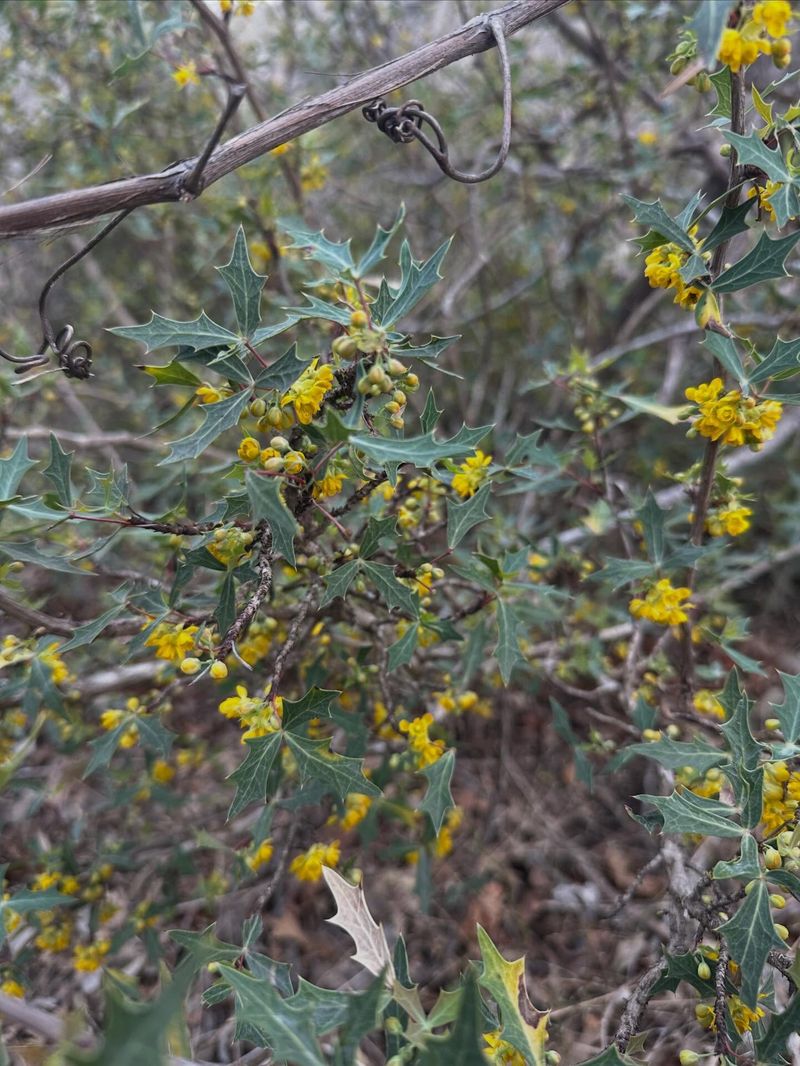
Tough, prickly, and surprisingly beautiful, Agarita is one of those plants that earns serious respect once you understand what it can handle.
Native to the Texas Hill Country and Trans-Pecos regions, this evergreen shrub has survived in rocky, dry soils for centuries without any help from humans. That kind of resilience is exactly what a driveway hedge needs.
Agarita, known scientifically as Mahonia trifoliolata, has stiff, holly-like leaves with sharp points that make it a natural barrier plant. If you have ever wanted a hedge that also keeps unwanted foot traffic away from your driveway edge, Agarita delivers on both fronts.
Small yellow flowers appear in late winter or early spring, filling the air with a sweet fragrance that surprises most first-time visitors. By summer, the plant produces small red berries that birds absolutely love.
Water needs for Agarita are extremely low. Once the plant settles into your landscape, it can go weeks or even months without rain and still look healthy.
It prefers full sun to partial shade and does best in rocky or sandy, well-drained soils. Heavy clay soil with poor drainage is the one condition it does not handle well, so amend your soil or choose a raised planting spot if needed.
Agarita grows slowly, reaching about 3 to 6 feet tall over several years. Because of that slow pace, it requires very little pruning to stay tidy.
It works best as an informal hedge rather than a clipped, formal one. Plant it along your driveway for a rugged, natural border that looks great, deters intruders, and supports local wildlife all at once.
4. Autumn Sage
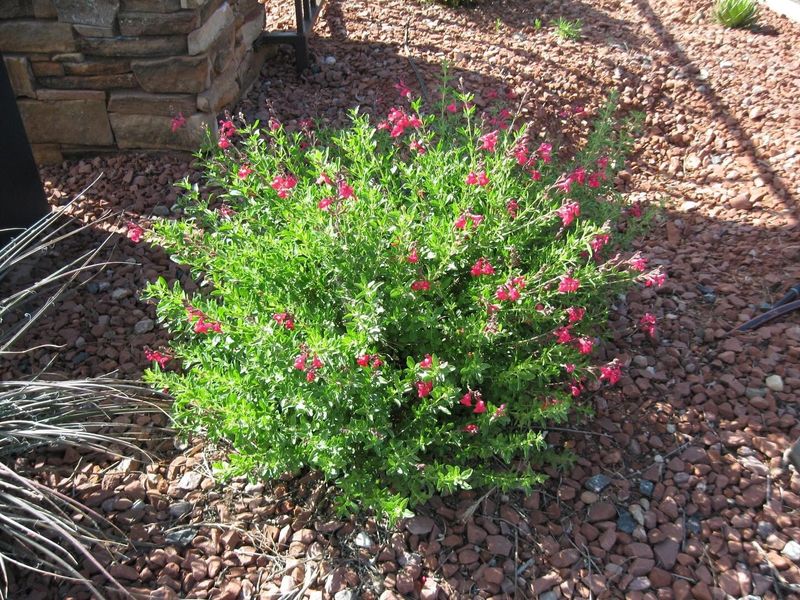
If color is what your driveway border is missing, Autumn Sage is ready to deliver. From spring all the way through fall, this cheerful little shrub pumps out tubular flowers in shades of red, pink, coral, and even deep purple.
Hummingbirds show up like clockwork once the blooms start, turning your driveway into a mini wildlife corridor.
Autumn Sage, or Salvia greggii, is native to the Chihuahuan Desert region of west Texas and northern Mexico. It has been growing in tough, sun-baked conditions for a very long time, which is why it handles intense Texas summers without skipping a beat.
The plant stays relatively compact, usually reaching 2 to 4 feet tall and wide, making it a perfect fit for driveway borders where you want color without bulk.
One of the most practical things about Autumn Sage is how little fuss it requires. Water it regularly during its first growing season to help the roots develop, then scale back dramatically once it is established.
It thrives in full sun and well-drained soil, and it even tolerates the rocky, shallow soils common in the Hill Country. Unlike boxwood, it does not need rich, amended soil to perform well.
Pruning is simple and rewarding. Cut the plant back by about one-third in late winter or early spring to encourage fresh growth and even more flowers.
Deadheading spent blooms during the growing season also keeps the plant looking tidy and encourages new flower production.
With so many flower color varieties available at Texas nurseries, you can mix and match shades to create a driveway border that feels truly personal and full of life.
5. Flame Acanthus
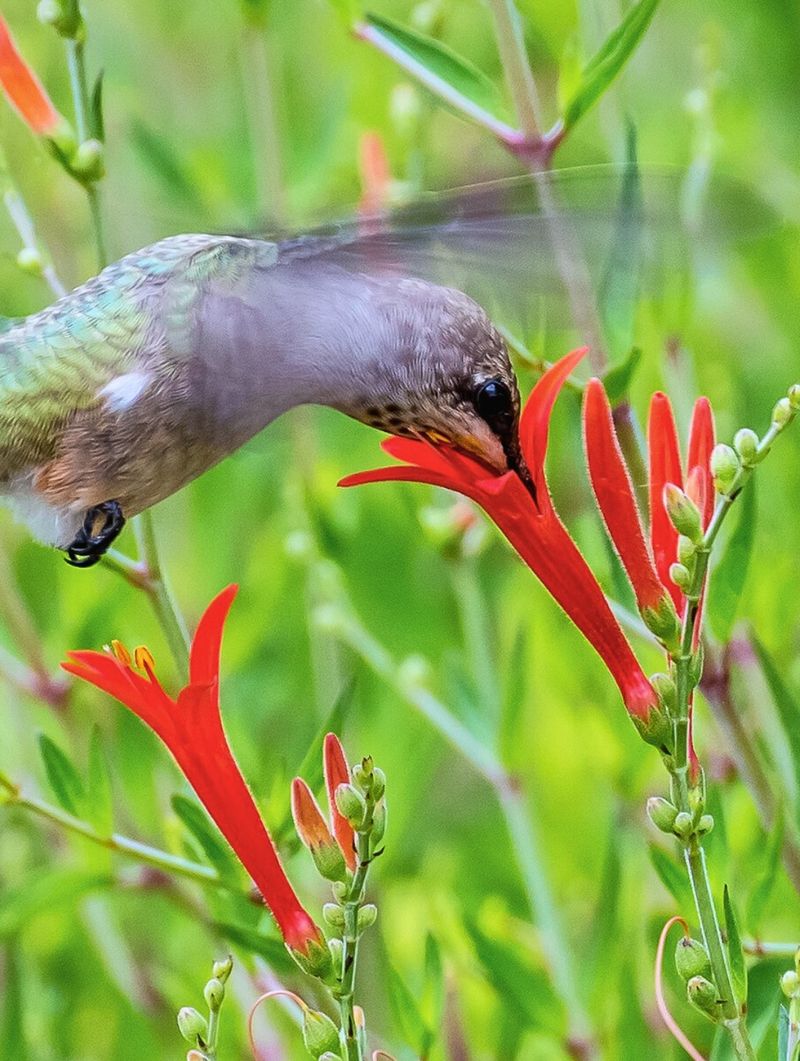
Picture a shrub that practically glows in the summer heat. Flame Acanthus, with its clusters of brilliant orange-red tubular flowers, does exactly that.
Even in the hottest, most exposed spots along a driveway, this plant keeps blooming while everything else around it looks worn out from the sun.
Flame Acanthus, known scientifically as Anisacanthus quadrifidus var. wrightii, is native to central and west Texas. It has evolved to handle blistering heat, rocky soil, and very little rainfall.
Those adaptations make it one of the most low-maintenance shrubs you can plant in a Texas landscape. Once established, it basically takes care of itself through the summer, which is exactly the kind of plant a busy homeowner wants lining the driveway.
The flowers are a major draw for hummingbirds and butterflies, which makes the plant feel alive and active during the long summer months. Blooming typically runs from summer through early fall, giving you months of color right when most other plants are struggling.
The shrub grows 3 to 5 feet tall and wide, forming a loose, airy mound rather than a stiff formal shape.
Flame Acanthus does best in full sun and well-drained soil. It handles alkaline and rocky soils with no complaints.
In winter, the plant goes dormant and the stems may look bare, but do not worry. Fresh growth returns reliably each spring.
Cut the old stems back to about 6 inches in late winter to encourage a full, bushy regrowth. Planting several in a row along a driveway creates a bold, colorful border that hummingbirds will visit all season long.
6. Evergreen Sumac
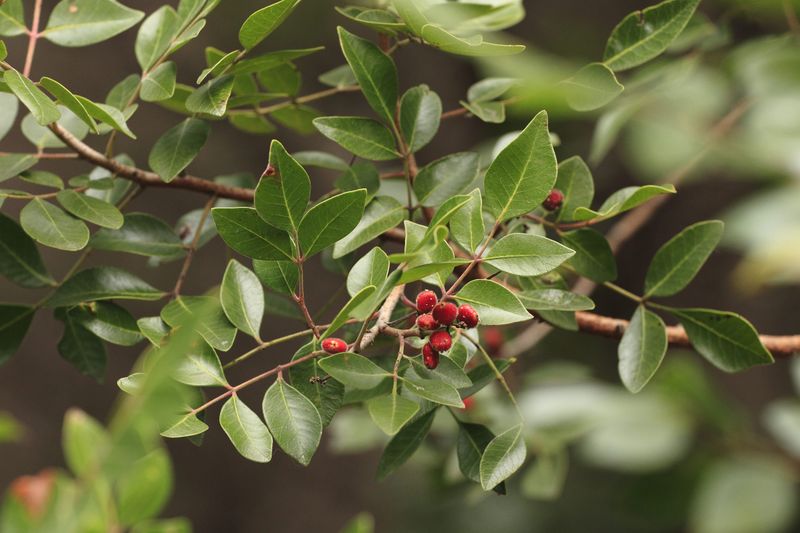
Not every driveway hedge needs to look like it was trimmed with a ruler. Sometimes a looser, more natural look actually fits a property better, and Evergreen Sumac delivers that relaxed style with real elegance.
Its glossy, dark green leaves stay on the plant through most winters in Texas, giving it a lush, full appearance that genuinely earns the name “evergreen.”
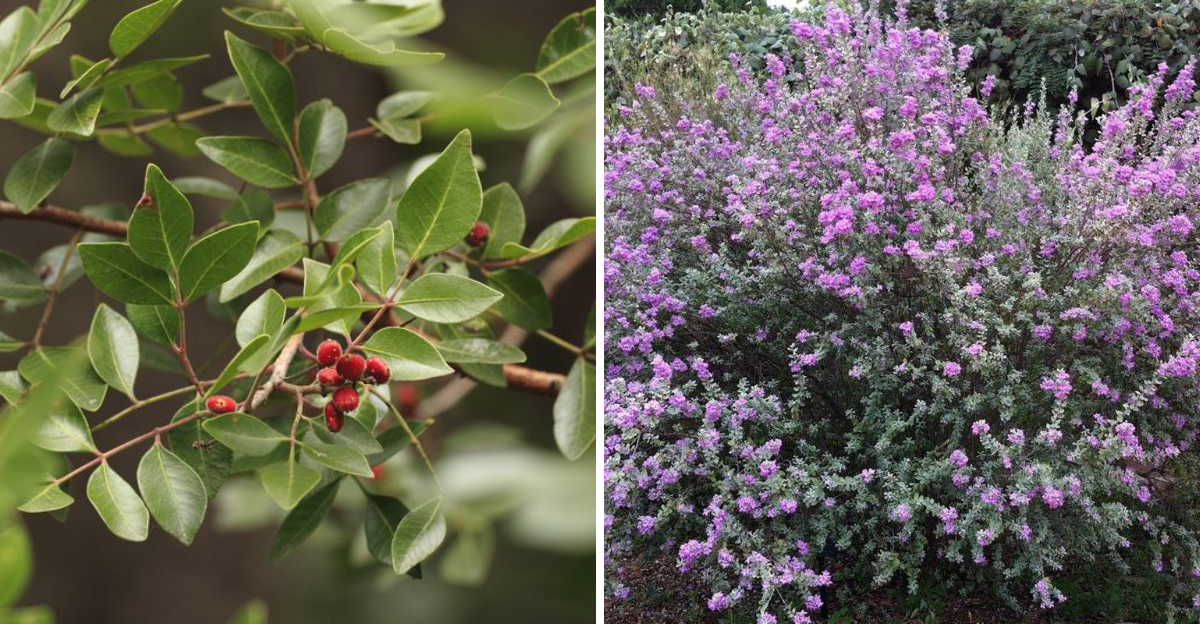
Evergreen Sumac, or Rhus virens, is native to the Edwards Plateau and Trans-Pecos regions of Texas. It grows naturally in rocky, limestone-based soils with very little water, making it a true survivor in the Texas landscape.
The plant can reach 6 to 12 feet tall if left unpruned, but regular light trimming keeps it at a more manageable height for driveway use. Small white flowers appear in late summer, followed by clusters of dark red berries that birds find irresistible.
One of the standout qualities of Evergreen Sumac is its adaptability. It handles full sun, partial shade, rocky soil, and dry conditions without complaint.
It also tolerates the kind of reflected heat that bounces off paved driveways in the middle of summer, which is a condition that causes many other shrubs to struggle. That heat tolerance makes it especially practical for driveway borders.
For a natural hedge effect, plant Evergreen Sumac about 5 to 6 feet apart and let the plants fill in over time. Water regularly during the first year, then reduce irrigation significantly once the roots are established.
The result is a durable, wildlife-friendly border that looks handsome year-round without demanding constant attention or heavy watering from you.
7. Texas Kidneywood
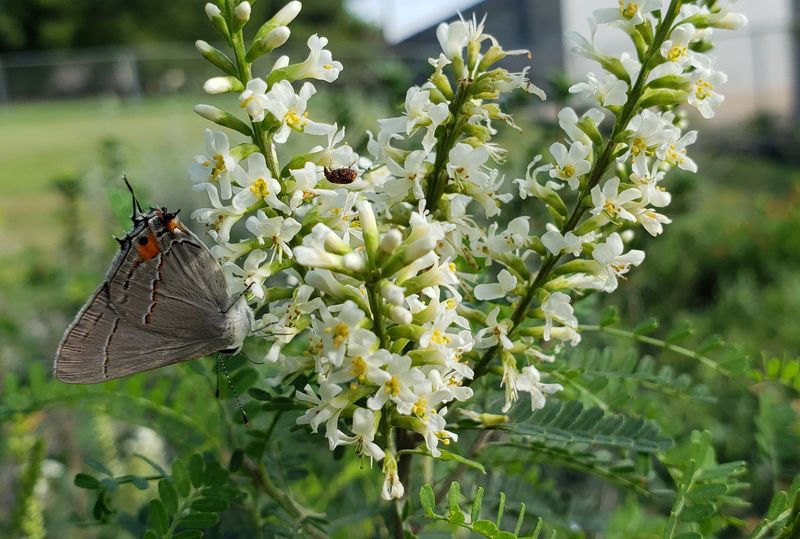
There is something special about a shrub that smells as good as it looks. Texas Kidneywood fills the air around your driveway with a sweet, honey-like fragrance when its clusters of small white flowers are in bloom.
Pollinators go absolutely wild for those blooms, and on a warm spring or summer afternoon, you might see dozens of bees and butterflies working the flowers at once.
Texas Kidneywood, known scientifically as Eysenhardtia texana, is native to central and south Texas as well as northern Mexico.
It grows naturally in rocky, calcareous soils in full sun, which makes it perfectly suited for the challenging conditions along a sun-baked driveway.
The plant has fine, feathery foliage that gives it a delicate, airy texture, a nice contrast to the bold, blocky look of traditional boxwood hedges.
Drought tolerance is one of Texas Kidneywood’s strongest qualities. Once the roots have had a full growing season to establish themselves, the plant handles dry summers with minimal irrigation.
It does not need rich soil or regular fertilizing to perform well. In fact, too much water or fertilizer can actually make it grow too fast and become floppy, so less really is more with this one.
Texas Kidneywood typically grows 4 to 8 feet tall, depending on conditions. Light pruning in late winter helps maintain a tidy shape and encourages fresh growth.
For a driveway border, spacing plants about 4 to 5 feet apart gives them room to develop without crowding.
The combination of fragrant flowers, pollinator activity, and low water needs makes Texas Kidneywood one of the most rewarding native shrubs you can plant along a Texas driveway.