The Most Underrated North Carolina Cover Crop To Plant In August For Perfect Spring Soil
An empty August bed is not really empty.
The tomatoes may be gone, the beans may be fading, and the peppers may be slowing down, but the soil is still busy.
Weeds are waiting for light. Rain is ready to pack the surface. Heat is still pulling moisture away. Leave that bed bare, and it will find plenty of trouble before spring.
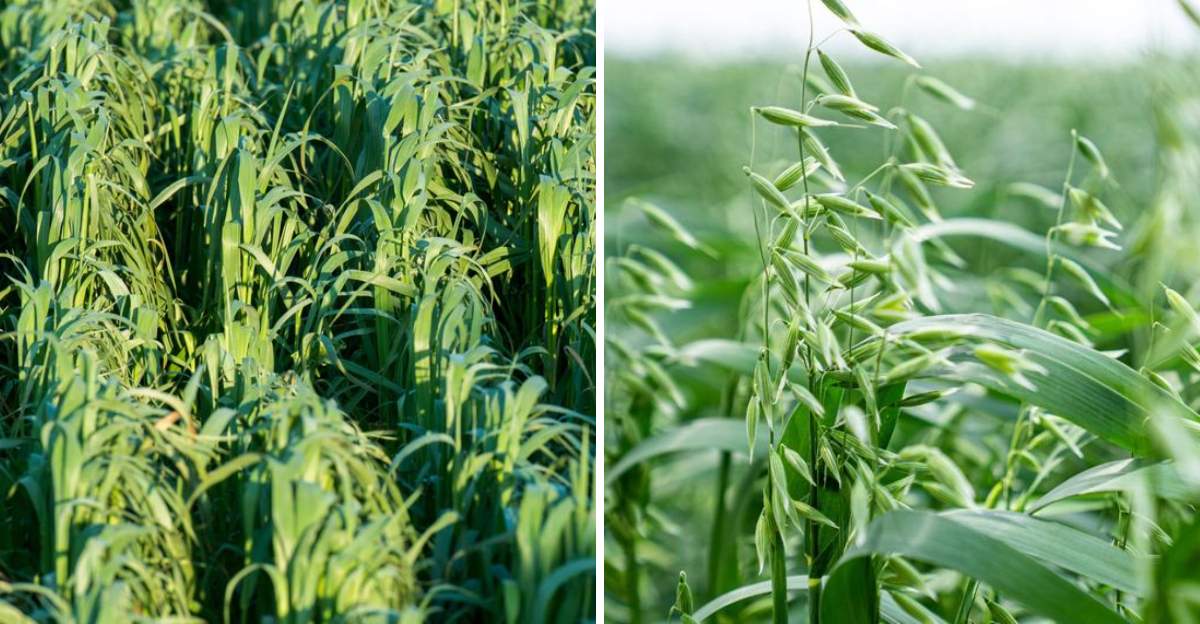
Oats offer a better ending to the summer garden.
They sprout fast in warm soil, cover bare ground quickly, protect beds through fall, and leave behind a soft blanket of residue that makes spring prep far easier than many heavier cover crops.
They are simple, affordable, beginner-friendly, and surprisingly useful in North Carolina vegetable gardens.
Unlike some cover crops that become a spring wrestling match, oats usually stop growing after hard winter cold and settle into the bed as an easy-to-handle mulch.
So why are oats such a smart August cover crop for North Carolina gardeners?
They give tired summer soil a job right away, then step aside before spring planting gets complicated.
Plant Oats As The Cover Crop
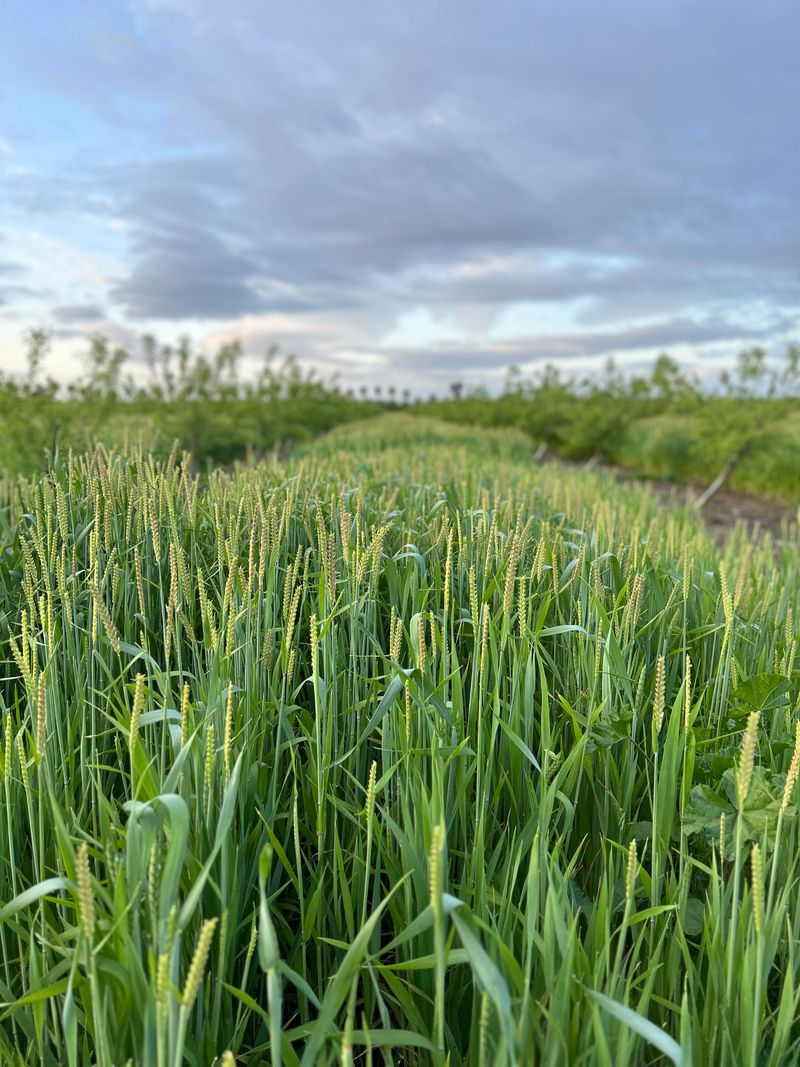
Bare soil in August needs coverage fast.
Oats fill that role beautifully. They are a cool-season annual grain, but warm late-summer soil helps them germinate quickly and build a green canopy before fall slows the garden down.
That speed is the appeal.
After heavy summer crops, vegetable beds often have exposed soil, fading mulch, and open space where weeds can move in. Oats cover that surface before weed seedlings get comfortable.
They are also easy to manage.
Compared with rye, oats are usually much less aggressive in spring. Cold winter weather naturally checks their growth in many North Carolina gardens, leaving soft residue behind rather than a tough living stand that must be cut down at planting time.
The residue is useful.
As oat leaves and roots break down, they add organic matter to the top layer of soil. That helps improve texture, supports soil life, and makes spring beds feel looser and easier to work.
Oats also protect against erosion.
Late-summer thunderstorms and fall rains can pound bare beds flat. A living oat cover softens that impact and helps hold soil in place.
They are a great first cover crop.
No complicated mix, no fussy timing, no heavy equipment. Just seed, moisture, and a little patience.
For tired August beds, oats are the quiet worker that shows up fast and leaves the soil better than it found it.
Sow Into Moist August Soil
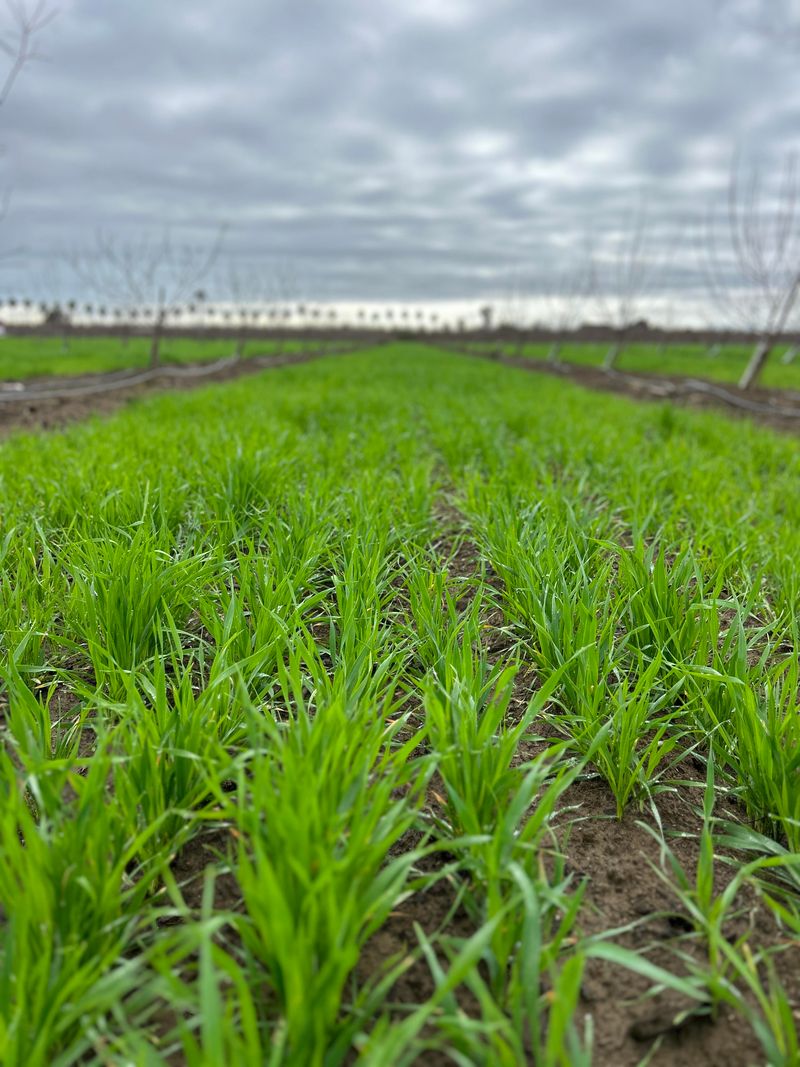
Warm soil helps oat seed wake up quickly.
The best start comes when the bed is already slightly damp, not dusty and hard. Moist soil helps seed make good contact, absorb water evenly, and push roots down before the next hot spell arrives.
Prepare the bed first.
Pull spent vegetable plants, remove large weeds, and clear old debris that could block seed from touching soil. Roots from healthy crops can stay in the ground to break down, but thick stems and diseased foliage should come out.
Your North Carolina Garden Changes Every Week. Your Plan Should Too.
Gardening in North Carolina changes quickly throughout the season. Every Friday you’ll receive a simple weekly plan showing exactly what to plant, prune, fertilize, harvest, and protect so you never miss the right timing.
Loosen the top layer.
A garden fork, rake, or hand cultivator can open the upper inch or two without turning the bed upside down. Oats do not need a perfectly fluffy seedbed, but they do need enough loosened soil to settle in.
Water before sowing during dry weather.
A slow soak the day before planting gives seed a better landing zone. Dry soil can delay germination and leave the seed exposed to birds or heat.
Broadcast generously.
Sprinkle oat seed evenly across the bed, aiming for full coverage rather than neat rows. A dense planting creates faster shade, stronger weed suppression, and better soil protection.
Do not leave big gaps.
Open patches become weed invitations. Overlap passes as you scatter seed, especially along bed edges where weeds often sneak in first.
August planting works because the soil still has warmth.
Give the seed moisture at the start, and oats can turn a tired bed green before weeds get the chance.
Rake Seed In Lightly
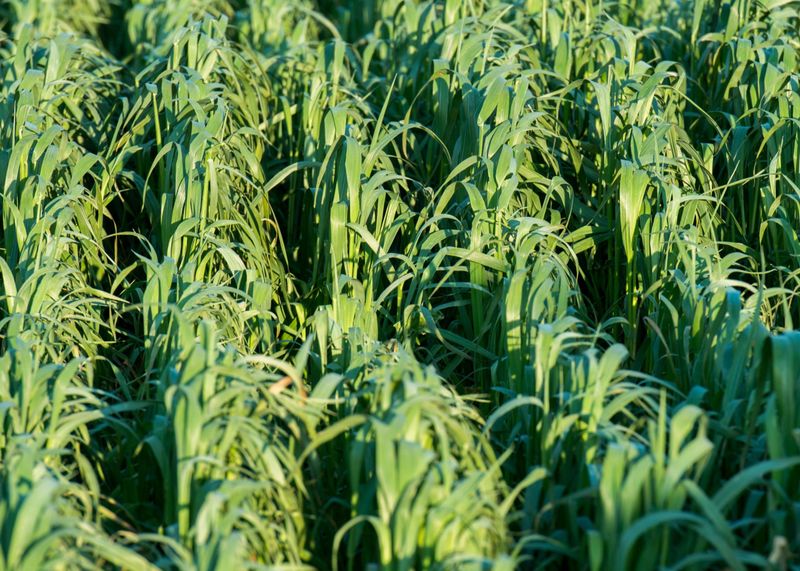
Oat seed needs cover, but not burial.
After broadcasting, rake the bed lightly so seed settles into the top half inch of soil. That shallow coverage protects it from birds, sun, and drying wind while still letting seedlings emerge easily.
Gentle contact matters most.
Seeds left sitting on top of the soil may dry out or wash away during a storm. Seeds buried too deeply may sprout unevenly or struggle to reach the surface.
Use the back of a rake to finish.
After lightly raking, press the soil surface gently with the flat side of the rake. This firms the seedbed just enough to improve contact between seed and soil.
Avoid compacting the bed.
The goal is a snug seedbed, not a hard crust. Oat roots need air and space as they begin to grow.
Pay attention to slopes.
On sloped beds, rake across the slope rather than straight downhill. That helps seed stay in place during late-summer rain.
A thin straw layer can help.
Use only a light scatter over newly seeded beds, especially during hot dry weather. Too much mulch can block light and make emergence patchy.
Watch for birds.
Fresh oat seed can attract hungry visitors. Light raking is usually enough to hide most of it, but exposed seed along edges may need another gentle pass.
This step takes only a few minutes.
It often decides the difference between an even green cover and a patchy bed full of missed spots.
Water Until Roots Grab

New oat seed needs steady moisture at first.
Once roots take hold, oats become much easier. The first week or two is the important stretch, especially in North Carolina August weather when hot afternoons can dry the soil surface fast.
Keep the top layer damp.
Light watering once a day may be enough during mild weather. Hot, dry spells may need a second gentle watering. The seedbed should stay moist, not puddled.
Use a soft spray.
A hard hose blast can move seed, create bare streaks, or wash seed into low corners. A watering wand, sprinkler on a gentle setting, or drip setup works better.
Germination can happen quickly.
In warm late-summer soil, oats often sprout within days. Once the bed shows a green haze, keep watering long enough for seedlings to root firmly.
Then shift to deeper watering.
After seedlings stand a few inches tall, water less often but more thoroughly during dry spells. That encourages roots to move down instead of staying near the surface.
Rain may not be enough.
A quick storm can wet the top and still leave the bed dry underneath. Check the soil with a finger before assuming the oats have what they need.
Do not overdo it.
Soggy soil can slow growth and create weak seedlings. Oats want moisture and oxygen together.
Once the roots grab, the cover crop starts helping itself.
That is when the bed begins moving from vulnerable summer leftovers to protected fall soil.
Let Growth Shield Bare Beds

A green oat stand protects soil better than bare mulch alone.
As the plants grow, their leaves shade the surface, slow evaporation, and block sunlight from reaching weed seeds. That living canopy is the reason oats are so useful after summer vegetables finish.
Fast coverage matters in August.
Weeds are still active, and warm soil gives them a strong start. Oats compete quickly, especially when seeded thickly across the whole bed.
The roots work below ground too.
Oat roots hold soil in place, improve structure, and create channels that help water move into the bed rather than run across the surface. That is especially helpful after heavy summer crops have left the soil tired.
Rain hits differently.
Instead of pounding exposed soil into a crust, rain lands on leaves first. That softens the impact and helps reduce erosion during late-summer storms and fall rain.
The bed also stays cooler.
Covered soil does not heat as harshly as bare ground. Soil organisms benefit from that steadier environment, and organic matter breaks down more gently.
Leave the oats alone while they build.
Resist the urge to thin or tidy them too much. A dense stand is the point. The more evenly the bed is covered, the better it suppresses weeds.
Watch the edges.
Weeds often appear along bed borders where oat coverage is thinner. Pull them early before they seed.
Oats turn an idle bed into a working bed.
That green growth is not decoration. It is soil protection in progress.
Leave Winter Residue In Place
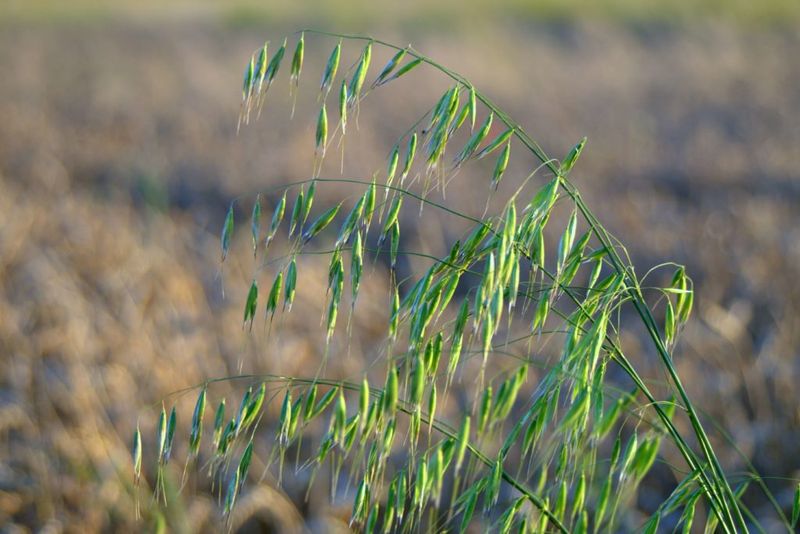
Winter cold turns oats into an easy mulch.
In many North Carolina gardens, hard freezes stop oat growth and leave the plants flattened over the bed. That soft residue becomes a protective layer over the soil during the cold months.
Do not rush to remove it.
The fallen stems and leaves help shield the bed from winter rain, reduce crusting, and slow weed germination during mild spells. Bare winter soil loses structure faster than covered soil.
The residue breaks down gently.
Oats leave softer material than many tougher cover crops. By spring, much of it may be partially decomposed and easy to move aside or work into the top layer.
Soil life benefits.
Worms, fungi, and beneficial microbes use that residue as food. Their activity helps turn the cover crop into organic matter that improves the bed over time.
The roots keep helping after growth stops.
Underground oat roots break down in place, leaving small channels through the soil. Those channels improve texture and make spring digging easier.
Wind matters too.
A residue layer helps keep light soil from blowing or washing away during winter weather. This is especially helpful in raised beds and exposed garden plots.
Leave the bed covered until spring prep begins.
That patience keeps the soil protected through the months when many gardeners forget how much damage rain and weeds can do.
Oats may be finished growing.
Their soil work is still going.