The Most Dangerous Mushroom In Texas Could Be Growing Under Your Oak Tree
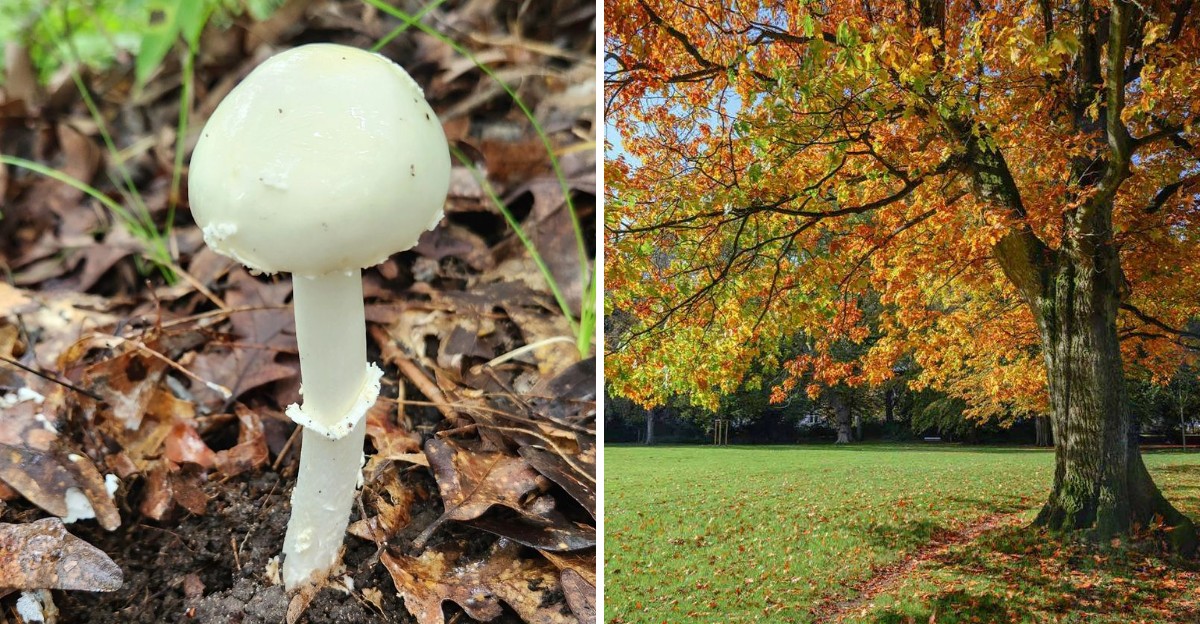
It’s pure white from top to bottom. Smooth cap, delicate ring, slender stem. Growing in the shade of an oak after a good rain, it looks almost elegant, like something out of a fairy tale.
That innocent look is exactly what makes it so dangerous. This mushroom is one of the most toxic in North America, and it grows in Texas yards, parks, and woodlands.
It forms a partnership with tree roots, especially oaks, which is why it often pops up in lawns under large shade trees. To an untrained eye, it can resemble a harmless button mushroom from the grocery store.
Even worse, symptoms don’t show up right away. By the time someone feels sick, the toxins may already be causing serious, life-threatening liver damage.
Recognizing this mushroom could protect your family, your pets, and anyone who’s tempted to pick wild mushrooms.
Texas’s Most Dangerous Mushroom
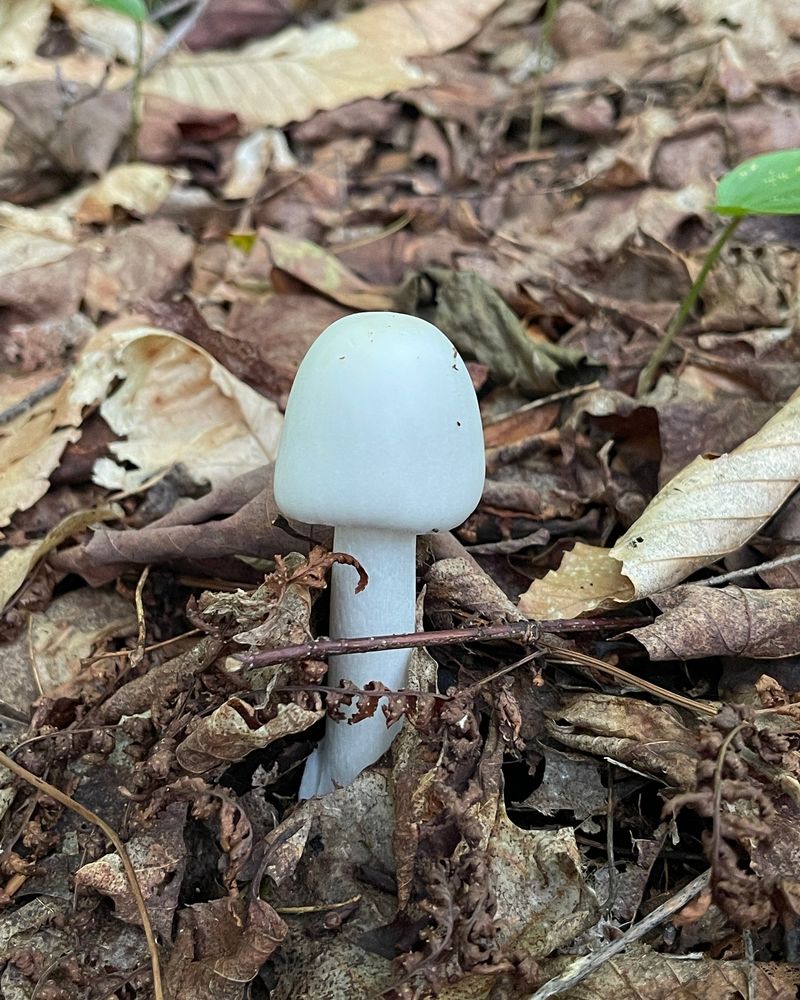
Few things in nature look as calm and harmless as a clean white mushroom. The destroying angel takes full advantage of that innocent look. It belongs to the Amanita family, a group of mushrooms known for some of the strongest natural poisons on Earth.
In Texas, destroying angels show up most often in the eastern part of the state. The Piney Woods, with its tall trees and moist soil, gives them a perfect home.
Still, they can appear in shady yards, city parks, and neighborhoods in many other areas too.
Several closely related species share the destroying angel name. They all look very similar, and they are all poisonous. Scientists group them together because the danger is the same no matter which one you find.
The poison inside is called amatoxin. Even one single mushroom can cause life-threatening poisoning in an adult. For a small child or a family dog, the risk is even greater because their bodies are smaller.
Here is a fun but chilling fact. Amanita mushrooms are responsible for most serious mushroom poisonings around the world.
Some historians even believe a Roman emperor named Claudius was poisoned with a close cousin of the destroying angel almost 2,000 years ago.
So why do so few people know about it? Part of the reason is that it blends in so well. It does not have bright warning colors like some poisonous animals do. It simply looks like an ordinary white mushroom.
The best first step is simple awareness. Once you know this mushroom exists in Texas, you will start paying closer attention to what grows in your yard. That small habit can make a big difference for your whole household.
Why Oak Trees Make The Perfect Home
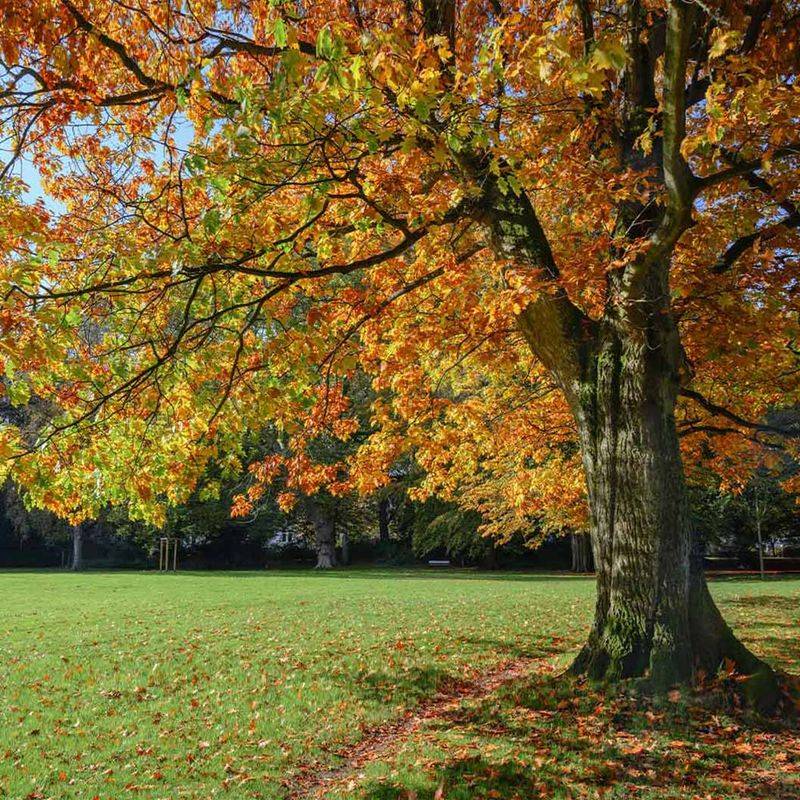
Believe it or not, the destroying angel has a best friend, and it is your oak tree. The two live in a kind of underground teamwork.
Scientists call this kind of partnership mycorrhizal, which is a fancy word for fungus and roots working together.
Underground, the mushroom grows long, thin threads that wrap around tiny tree roots. Those threads help the tree soak up water and minerals from the soil. In return, the tree shares sugars that it makes from sunlight.
Your Texas Garden Changes Every Week. Your Plan Should Too.
Gardening in Texas changes quickly throughout the season. Every Friday you’ll receive a simple weekly plan showing exactly what to plant, prune, fertilize, harvest, and protect so you never miss the right timing.
Both sides win in this trade. The tree gets extra nutrients, and the fungus gets food it cannot make on its own. The part you see above the ground is only a small piece of a much bigger living network.
Because of this bond, destroying angels usually pop up close to the base of trees or under their wide branches.
Oaks are a favorite, but they may also grow near hickories, beeches, and other hardwoods. Texas has plenty of these trees in yards and parks.
Timing matters too. These mushrooms often appear after warm rains in late summer and fall. A heavy storm followed by a few humid days can bring a sudden crop overnight.
Here is a practical tip you can use right away. After a rainy spell, take a quick walk around your oak trees and check the ground. It only takes a minute or two.
Removing the tree is not the answer. Oaks give shade, homes for birds, and beauty to your property. A little regular checking during mushroom season is all you really need to stay safe.
Spotting The Telltale Features
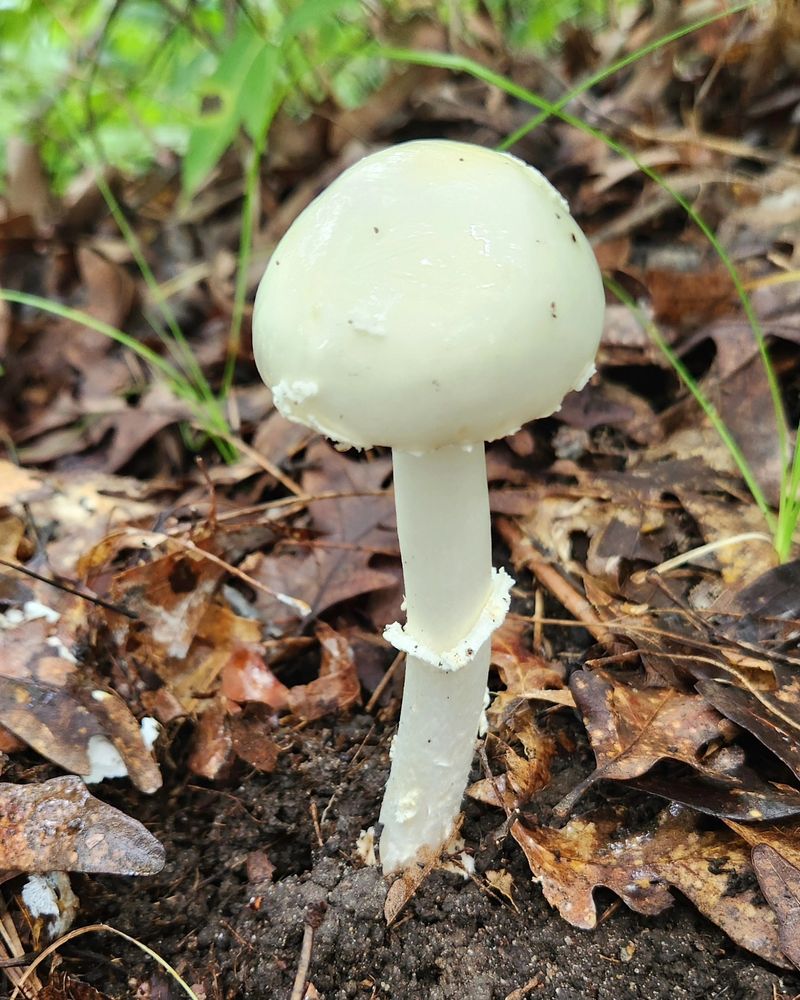
Think of yourself as a mushroom detective for a moment. Every suspect has clues, and the destroying angel has some very clear ones. Learning them can help you know when to stay away.
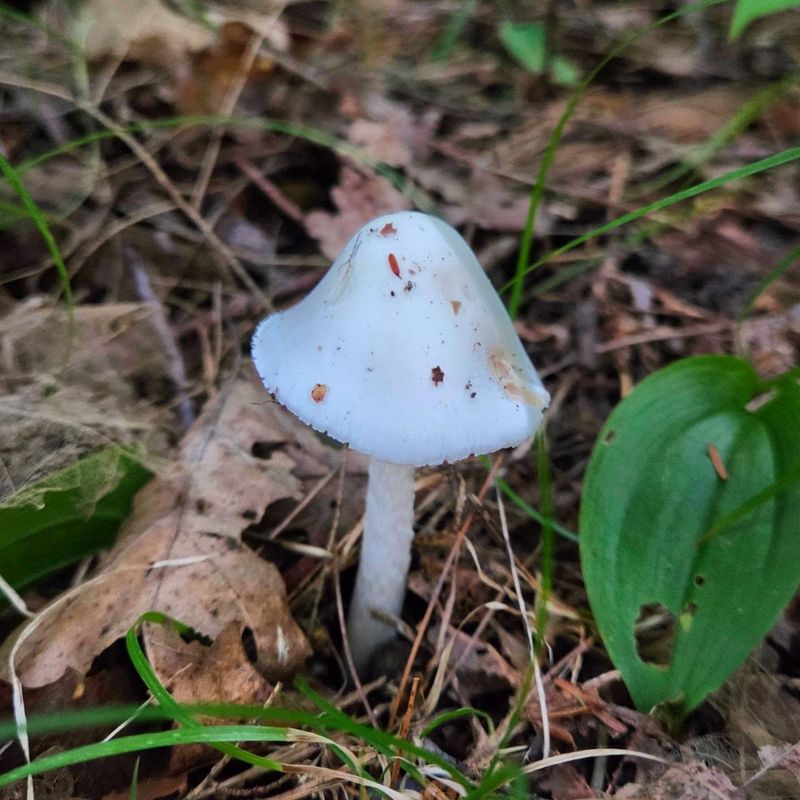
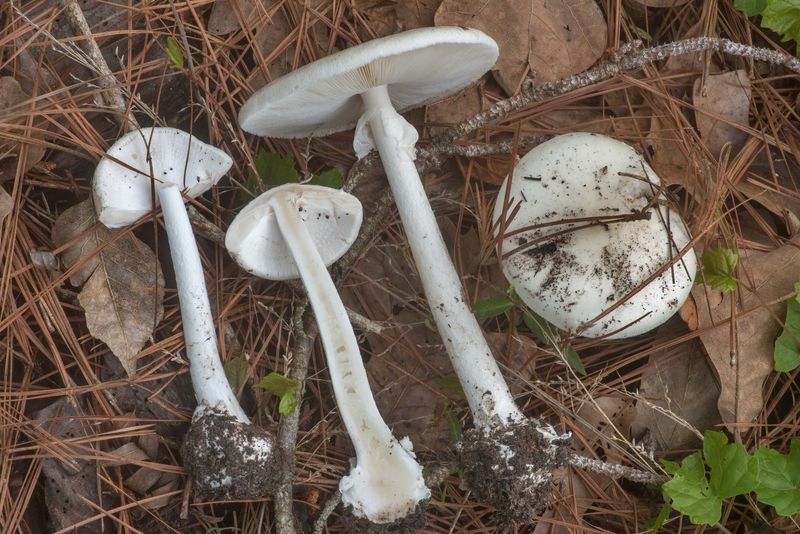
Start at the top. The cap is smooth and white, sometimes with a slight cream tint in the center. On young mushrooms it looks like an egg or a dome, and it flattens out as it gets older.
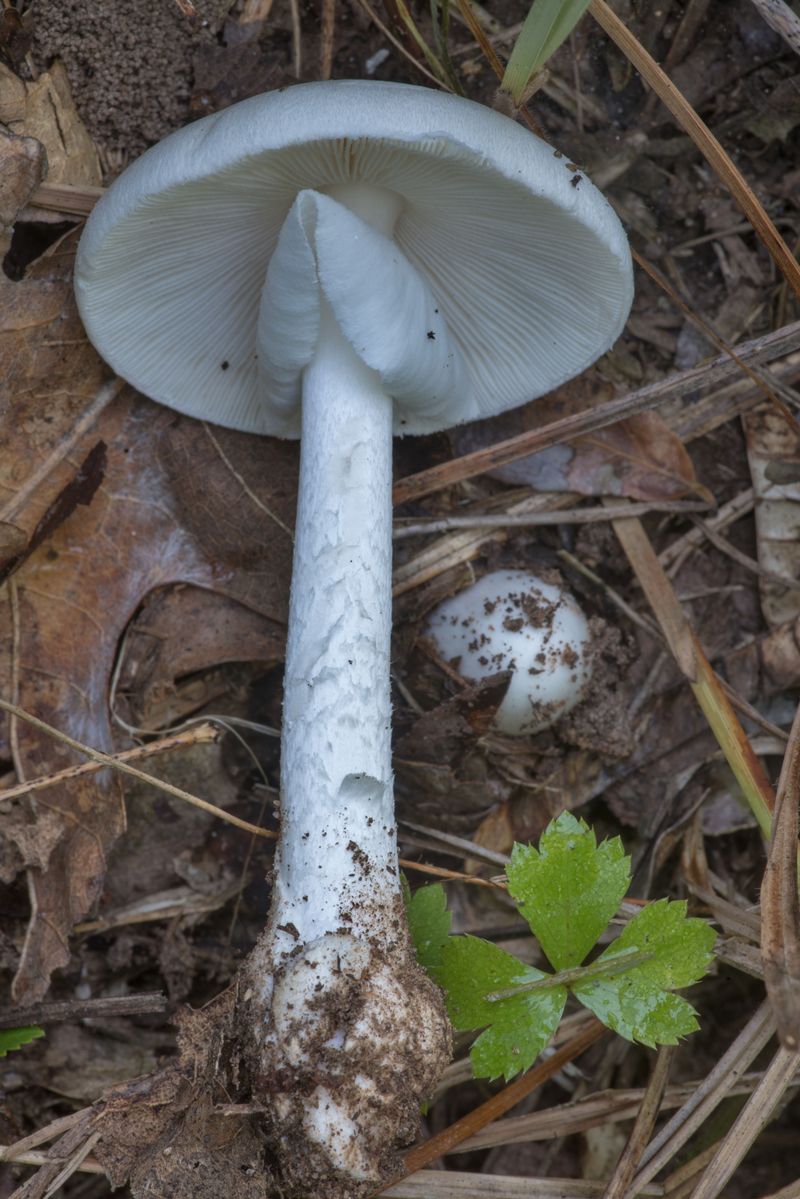
Now look underneath the cap. The gills, which are the thin lines that look like pages in a book, are also white. Many safe grocery store mushrooms have pink or brown gills, so pure white gills are a warning sign.
Next comes the stem. It is tall, white, and often a little shaggy. Near the top you may see a thin ring that hangs down like a small skirt.
The most important clue hides at the very bottom. The base of the stem sits inside a cup-like sac called a volva. It looks a bit like an eggshell that the mushroom broke out of.
Here is the tricky part. That cup is often buried under the soil. If you just snap the mushroom off at ground level, you will miss it completely.
That is why experts carefully dig around the base when they want to identify one. Use a small trowel and wear gloves if you try this.
Also remember that rain or animals can knock the ring off, so a missing ring does not mean the mushroom is safe. When in doubt, treat every white mushroom with white gills as a possible destroying angel.
What Makes Its Poison So Harmful
Six to 24 hours. That is how long the poison can stay quiet before a person feels anything at all. By then, the harm inside the body has already started.
The toxins in destroying angels attack the liver and kidneys. These organs clean your blood and keep your body running smoothly. When they are damaged, the whole body struggles.
Many people think cooking makes wild food safe. Sadly, that is not true here. Boiling, frying, freezing, or drying the mushroom does nothing to weaken the poison.
The illness often follows a sneaky pattern. First comes a rough stretch of strong vomiting, stomach cramps, and diarrhea. This part can last a day or so.
Then something strange happens. The person may start to feel better and think the worst is over. Doctors sometimes call this the false recovery stage.
Meanwhile, the liver and kidneys keep getting worse. A few days later, organ failure can set in. Some patients need a liver transplant, and the poisoning can be fatal without fast hospital care.
That is why waiting to see how someone feels is a bad plan. Fast medical help gives the best chance for a full recovery. Hospitals have treatments that work better the earlier they begin.
Here is a key lesson to share with your family. If anyone eats a wild mushroom and you are not sure what it was, treat it as an emergency. Feeling fine for a few hours does not mean everything is okay, so call for help right away.
Sneaky Look-Alikes That Fool People
Ever bought white button mushrooms at the store? Then you already know the shape that tricks so many people. Young destroying angels can look a lot like those familiar kitchen mushrooms.
Puffballs are another common mix-up. A puffball is a round white mushroom that some foragers enjoy eating. When a destroying angel is very young, it is still wrapped in its egg-like sac, so it looks round and white too.
Luckily, there is a helpful test that experts use. Cut the round mushroom in half from top to bottom. A true puffball is solid and smooth inside, almost like a marshmallow.
A baby Amanita looks very different. Inside, you can see the outline of a tiny mushroom with a cap and stem. If you spot that shape, you are looking at a possible destroying angel, so throw it away safely.
Even so, this test is not a free pass. Puffballs can also be mixed up with other risky mushrooms. Wild food experts follow one golden rule: never eat a wild mushroom unless a trained expert has confirmed what it is.
Phone apps and online photos can help you learn, but they make mistakes. Lighting, age, and weather can change how a mushroom looks. One wrong guess is not worth the risk.
If you love the idea of foraging, join a local mycological society. Texas has groups that lead walks and teach beginners in person.
Learning side by side with experienced members is the safest and most fun way to explore the world of mushrooms.
Your Safety Plan If One Shows Up
So you just found a pure white mushroom under your oak tree. Take a deep breath, because you can handle it calmly. A simple plan keeps everyone safe.
First, keep kids and pets away from the area. Dogs especially love to sniff and nibble strange things in the yard. Bring them inside or put them on a leash until you finish.
Next, put on gloves or use a plastic bag over your hand. Touching the mushroom is not dangerous, since the poison only harms you if it is eaten. Still, gloves make cleanup easier and keep spores off your skin.
Pull up the whole mushroom, including the base if you can. Seal it in a bag and toss it in the outdoor trash. Do not add it to compost where pets might dig.
Then wash your hands well with soap and water. Check the rest of the yard too, because these mushrooms often grow in groups. Another quick look the next morning is a smart idea.
Now for the most important part. If anyone may have eaten one, call Poison Control at 1-800-222-1222 right away. The line is free and open 24 hours a day.
For pets, call your veterinarian or an animal poison hotline immediately. Do not wait for signs of sickness to appear. If possible, save a piece of the mushroom in a bag so experts can identify it.
Consider saving that Poison Control number in your phone today. You can also post it on the fridge. Being ready ahead of time turns a scary moment into a quick, confident response.