8 Texas Plants Ready To Propagate In August
August can make a Texas garden look far too hot for new plants.
Yet some of the best propagation material is already right in front of you.
Tomato suckers stretch between stems. Basil pushes fresh tips. Coleus seems determined to double in size, and indoor plants such as pothos practically advertise where the next new plant could come from.
The trick: decide what deserves a second life now.
Texas does not offer one identical August everywhere. North Texas gardeners already watch the fall clock.
Gulf Coast gardeners have more warm weeks ahead. West Texas heat can make outdoor propagation much harder than the calendar suggests.
Shade, moisture, plant type, and local timing all matter.
Some stem pieces root easily in water. Others prefer a light propagation mix. Fruit trees need a completely different technique.
Handled at the right stage, summer clippings can become fall vegetables, backup houseplants, or next year’s garden stock.
In August, the compost pile should not get every healthy piece you trim. Some deserve another pot entirely.
1. Root Tomato Suckers For Fall Plants
A vigorous tomato plant can hand you its replacement without producing a single seed.
Those shoots growing between the main stem and a leaf branch are suckers, and healthy ones can become useful fall plants.
In many Texas regions, August still offers enough growing season for a rooted cutting to establish and produce before cold weather arrives.
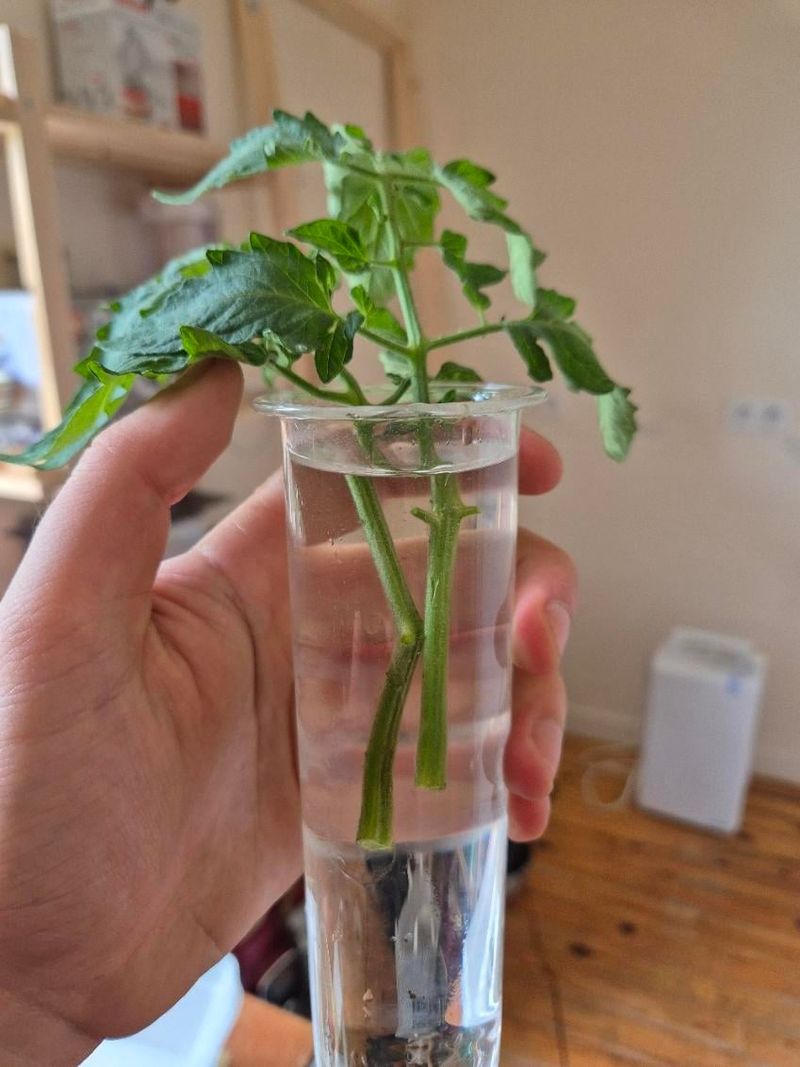
Choose a sucker about four to six inches long from a plant showing strong growth and no obvious disease. Cut it with clean snips, remove the lowest leaves, and leave two or three leaf sets near the top.
Water rooting is easy. Set the stem in a clean glass where the lower nodes stay submerged, then place it in bright light away from brutal afternoon sun. Roots often begin showing within a week or two.
Once they reach roughly an inch long, move the cutting into potting mix or prepared garden soil. Give the young plant temporary shade and steady moisture while it adjusts.
Regional timing matters more than enthusiasm.
North Texas gardeners have a shorter runway before fall temperatures drop, while South Texas and Gulf Coast gardens usually have more time. West Texas growers also need to account for intense heat and local frost timing.
A sucker headed for the compost pile can become another tomato plant instead.
That is one pruning cut with a very productive second career.
2. Take Basil Cuttings Before Cool Weather
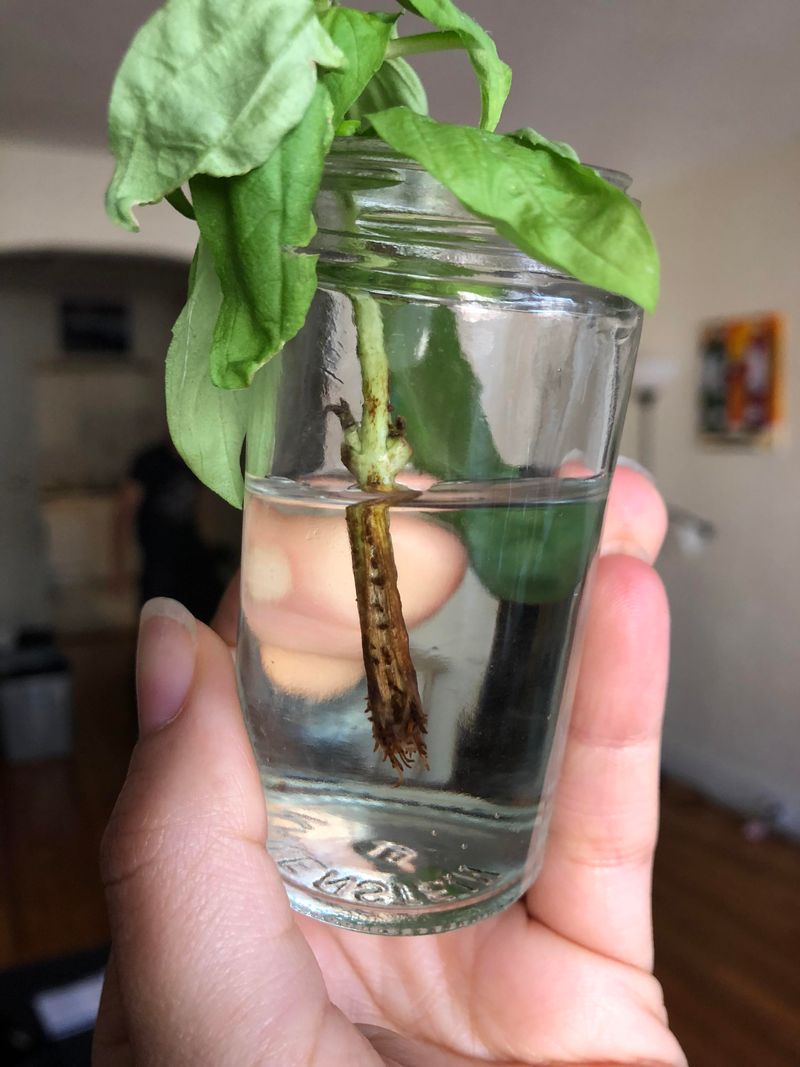
Fresh basil tips are almost too easy to waste in August.
Before flowering takes over the plant, snip a healthy green stem about four inches long just below a leaf node.
Skip woody growth and remove any flower buds, since actively blooming stems are putting more energy into reproduction than root formation.
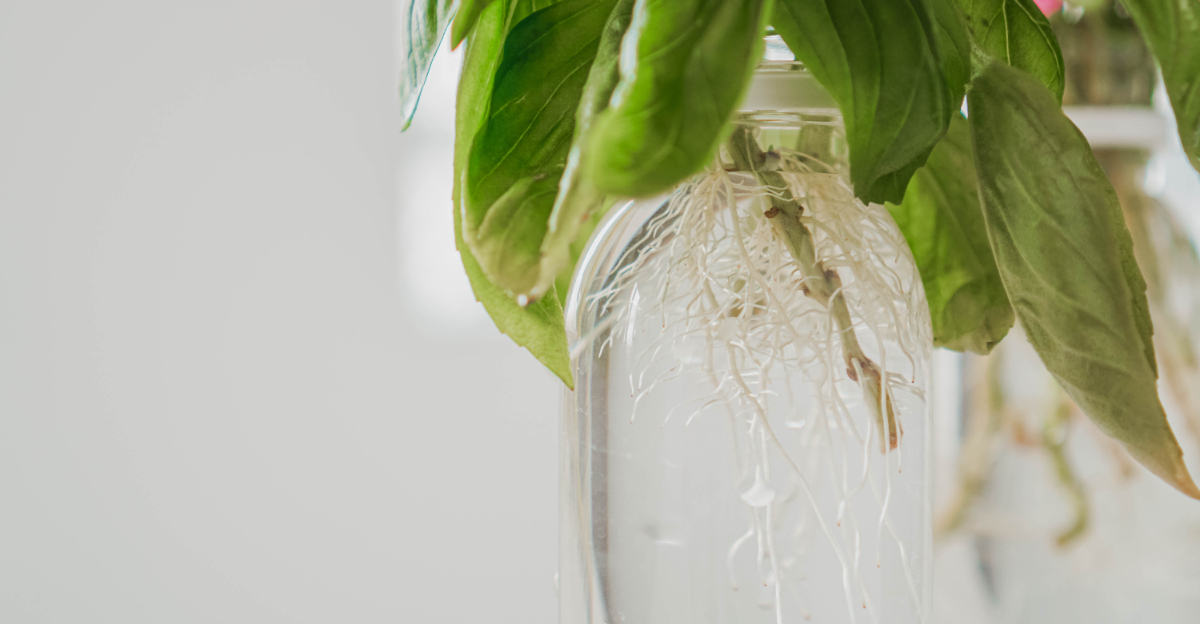
Strip off the lower leaves and place the cutting in room-temperature water. Keep the upper foliage above the waterline and set the glass in bright indirect light.
That last part matters in Texas.
Direct afternoon sun through a window can heat the glass quickly and wilt an unrooted cutting before it gets started. A bright kitchen counter or east-facing window usually gives you a gentler setup.
Your Texas Garden Changes Every Week. Your Plan Should Too.
Gardening in Texas changes quickly throughout the season. Every Friday you’ll receive a simple weekly plan showing exactly what to plant, prune, fertilize, harvest, and protect so you never miss the right timing.
Change the water every couple of days. New roots often appear within a week, although individual stems move at their own pace. Once the roots reach around one to two inches, transfer the cutting into a well-draining potting mix.
Keep that mix lightly moist during the transition.
North Texas and Panhandle gardeners may get the most value from keeping new plants in containers that can move indoors before frost. Farther south, rooted basil can continue growing outside much longer.
August propagation does more than multiply the herb patch.
It gives you a younger basil plant just as the original one starts looking tired and determined to flower.
3. Start Coleus From Fresh Tips
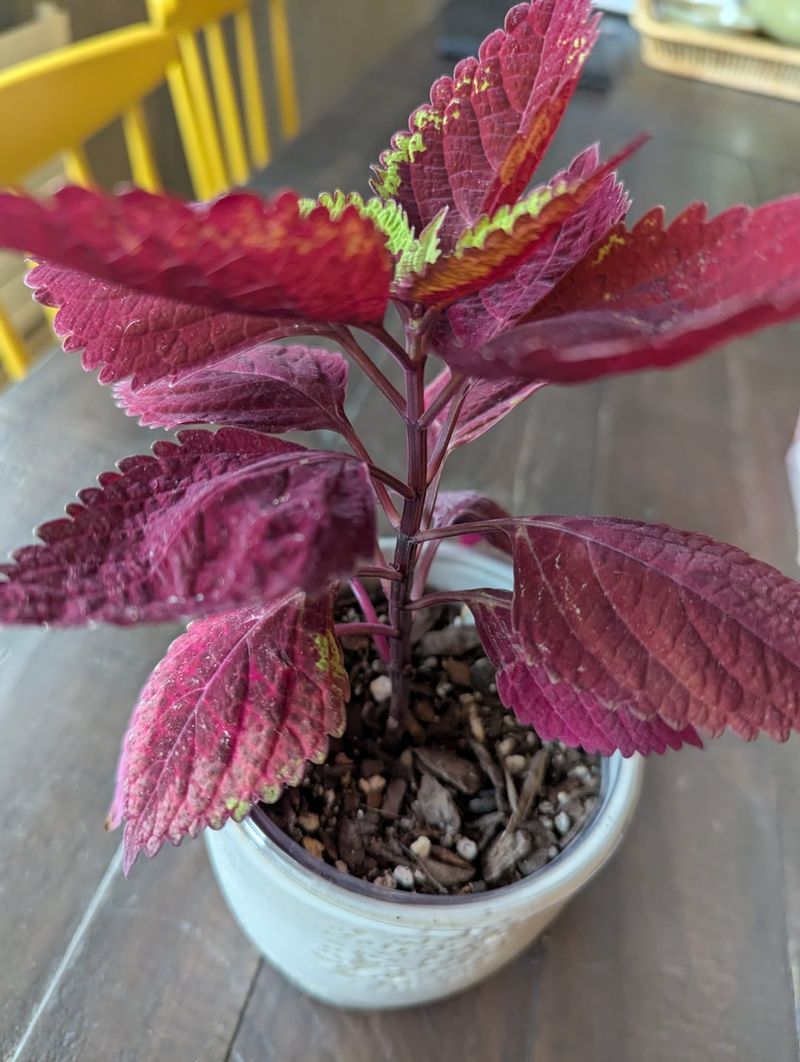
One healthy coleus tip can turn into a whole new pot before summer is finished.
Choose fresh growth that has not started flowering. Stems around three to four inches long are easy to handle and usually provide enough nodes for rooting.
Cut just below a node, remove the lowest leaves, and pinch off any flower spike that tries to steal attention from root development.
You have two easy rooting options.
Water makes the process visible, which is satisfying when you want to watch roots form. A light propagation mix made with ingredients such as perlite and peat keeps the cutting in the medium where it will continue growing.
Either way, protect it from August sun.
Bright indirect light on a shaded porch or near a bright window is far safer than direct afternoon exposure. Unrooted cuttings lose moisture quickly because they do not yet have a working root system to replace it.
Keep the medium damp, not saturated. High humidity can help the leaves stay firm, but constantly soggy mix invites stem problems.
Roots commonly develop within one to three weeks. Fresh growth at the tip is a good sign that the cutting has settled in and can move to a regular container.
Coleus makes propagation look suspiciously easy.
Texas August may be rough on gardeners, but this plant treats the cutting tray like a promotion.
4. Root Geranium Tips For New Pots
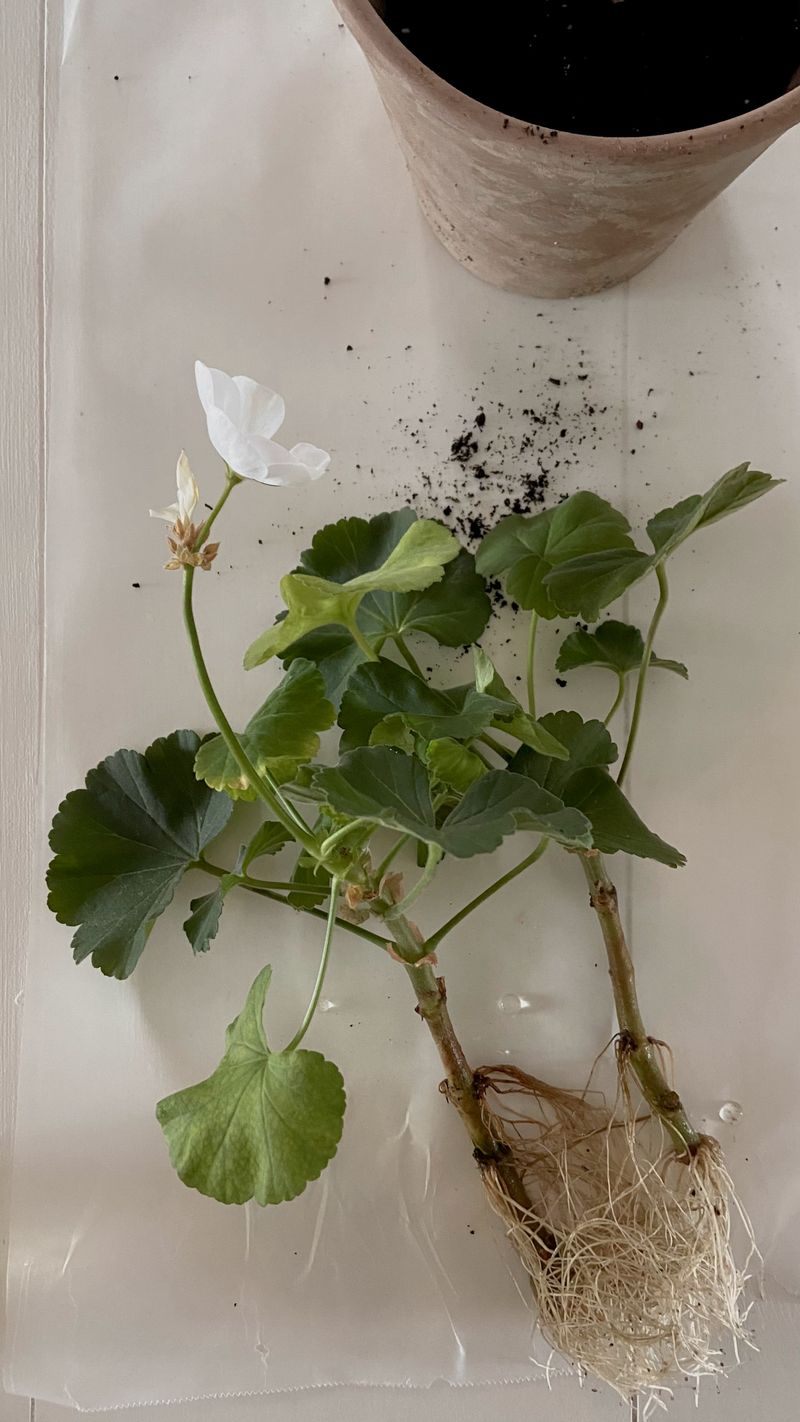
A fading summer container does not have to mean buying another geranium next spring.
August tip cuttings can give you smaller plants that are easier to carry through fall and protect once cold weather arrives. Start with a healthy, non-flowering stem about three to four inches long.
Remove any buds or blooms and strip the lower leaves.
Let the cut end rest briefly in a shaded spot before planting so the surface can dry slightly. Then insert it into a loose, well-draining propagation medium.
A mix containing potting soil and extra perlite works better than dense garden soil, which can hold too much moisture around an unrooted stem.
Water lightly and resist the urge to keep the pot constantly wet.
Geranium cuttings are much more likely to struggle from soggy conditions than from missing one unnecessary watering. Keep them in bright indirect light while roots begin forming.
Rooting hormone is optional rather than essential.
Once the cutting resists a gentle tug or starts producing fresh growth, move it into a regular container and gradually increase the light.
This technique is especially handy in colder parts of Texas, where an outdoor geranium may not make it through a hard freeze. A rooted cutting takes up far less indoor space.
Instead of hauling one enormous summer pot inside, you can save the plant in travel size.
5. Take Begonia Cuttings From Healthy Growth
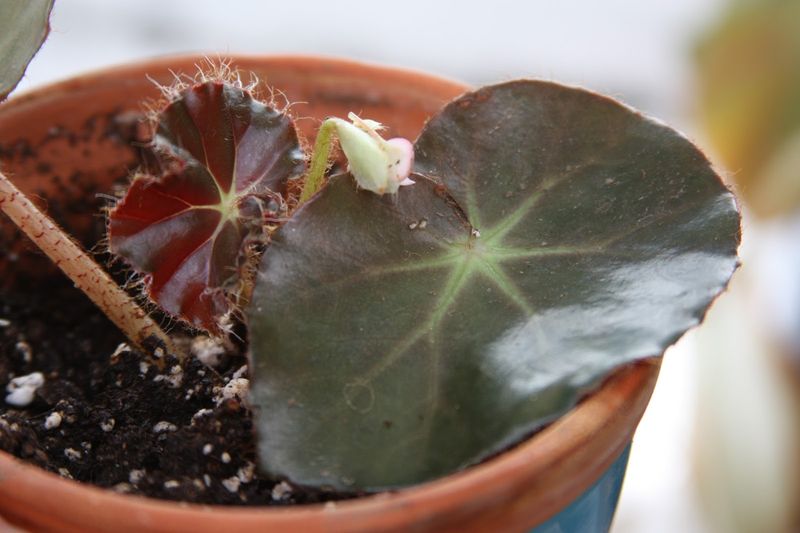
A healthy begonia leaf or stem can become much more than another clipping on the potting bench.
The right method depends on the type.
Wax begonias, commonly grown in Texas beds and containers, root readily from short stem cuttings. Take a three-to-four-inch piece just below a node, remove the lower leaves, and place it in moist propagation mix or clean water.
Rex begonias offer a different trick.
A mature leaf can produce new plantlets when sections containing strong veins are placed against moist propagation medium. That makes them perfect for gardeners who want several new plants without sacrificing much of the parent.
Tuberous begonias are different again, so identify the plant before reaching for scissors. They are commonly propagated through tuber division or other methods rather than treated exactly like a wax begonia.
Whatever type you have, start with healthy material.
Water the parent plant normally beforehand, use clean tools, and avoid taking cuttings from stems showing disease, rot, or severe heat stress.
Bright indirect light is ideal while new roots form. Keep cuttings away from hot windows and strong air-conditioning vents, both of which can dry tender tissue surprisingly fast.
Begonias reward a little homework.
Once you know which one is sitting in the pot, propagation stops feeling mysterious and starts feeling almost unfairly generous.
6. Root Pothos For Indoor Containers
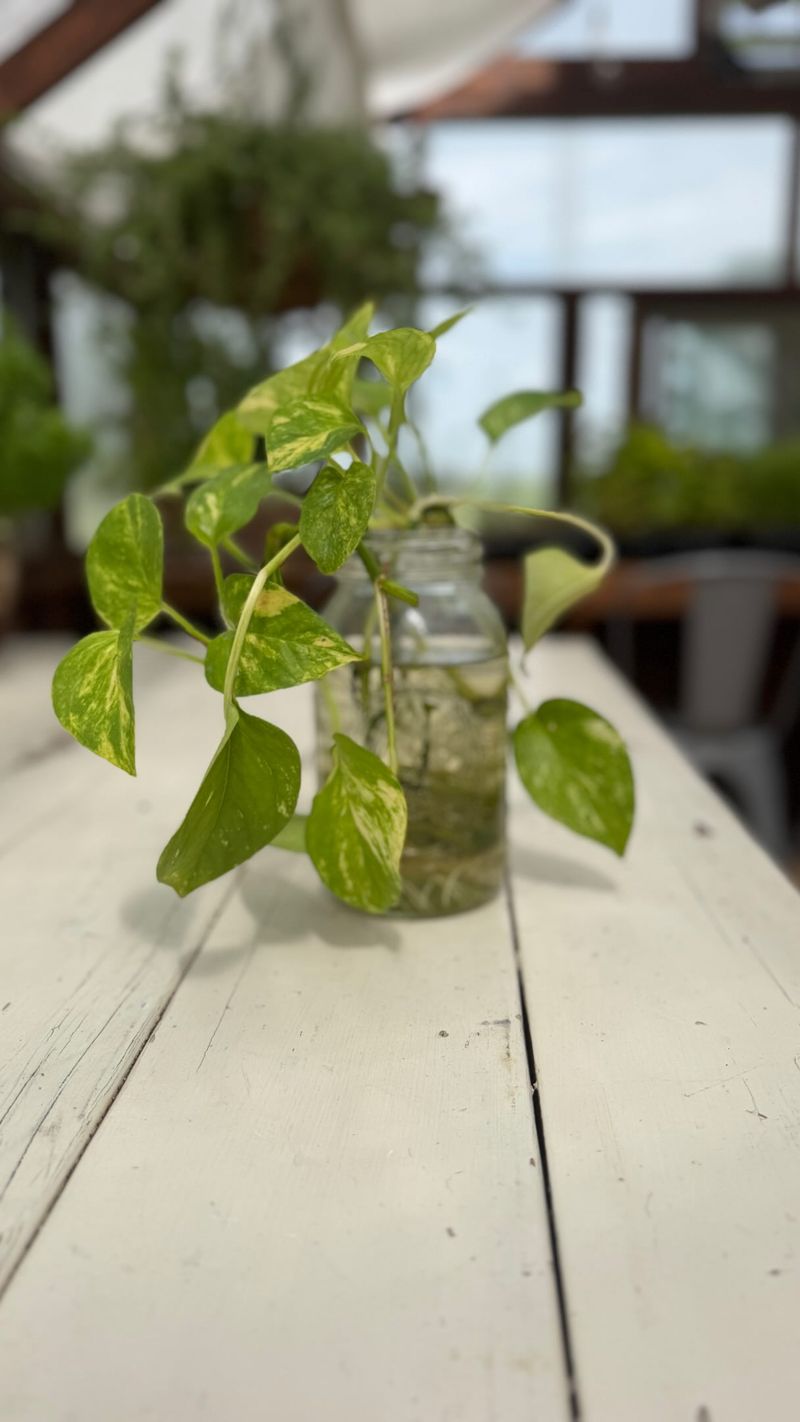
Few houseplants make August propagation feel as immediate as pothos.
A trailing vine already shows you exactly where the next plant can begin. Look for a node, the small joint where a leaf and often an aerial root emerge from the stem. Every cutting needs at least one viable node or it will never produce a new root system.
Cut a section with one to three nodes.
Remove any leaf that would sit below the waterline, then place the stem in a clean jar of room-temperature water.
Bright indirect light works best. An east-facing window is usually safer than a hot west window where Texas afternoon sun can overheat the glass.
Refresh the water every few days.
Roots commonly begin appearing within one to three weeks. Once they reach around one to two inches, move the cutting into a well-draining potting mix and water thoroughly.
Keep the soil lightly moist for the first week while water-grown roots adjust.
After that, treat the new plant like an established pothos rather than keeping it permanently soggy.
August is useful because warm indoor conditions encourage steady rooting, and the finished plants can stay indoors as fall approaches.
One long vine can easily become several pots.
Pothos is basically the friend who shows up with enough material to furnish everyone else’s apartment too.
7. Peach And Plum Buds Offer A Late-Summer Fruit Tree Project
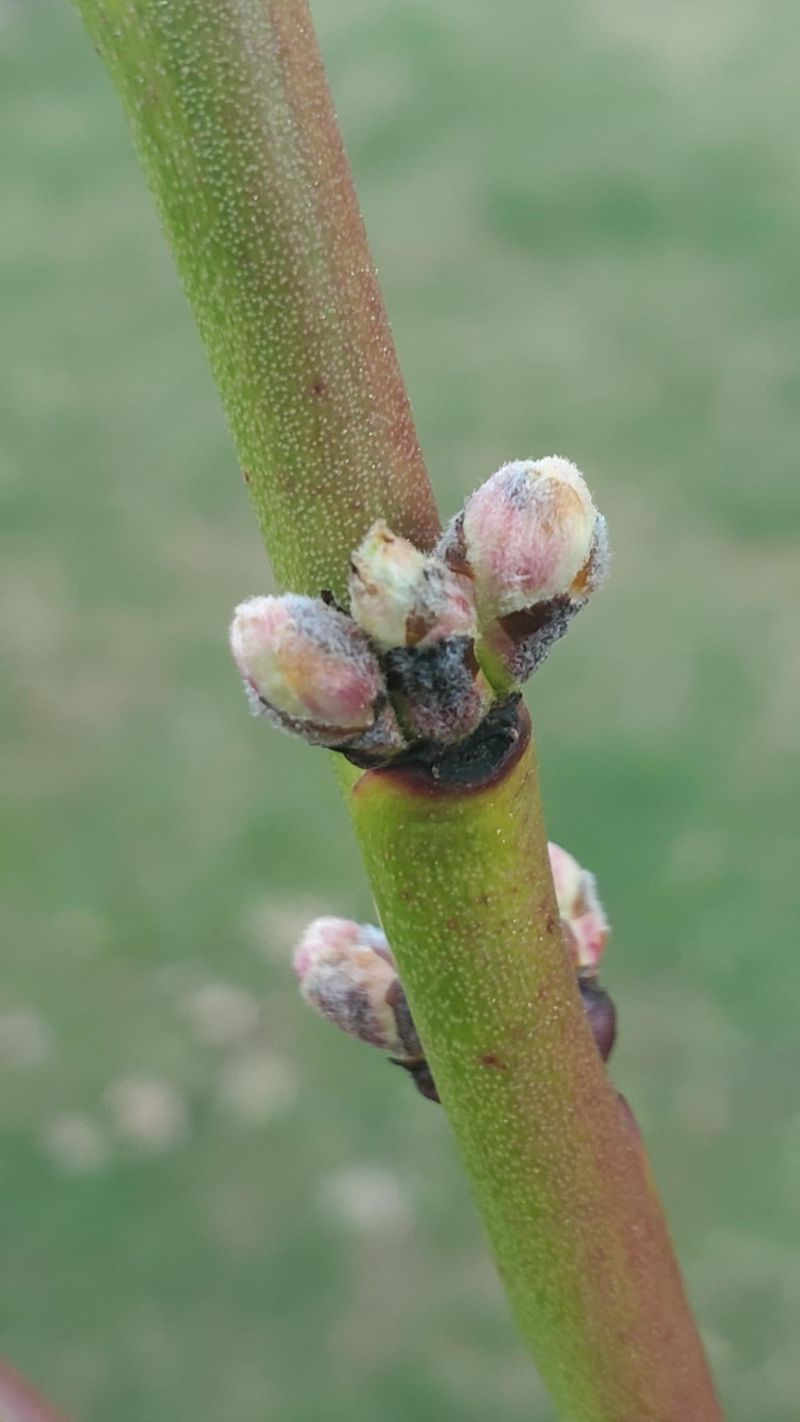
Peach and plum trees offer an August propagation project for gardeners ready to move beyond cuttings.
Late-summer T-budding uses a single mature bud from the current season’s healthy growth and joins it to a compatible rootstock.
The technique is especially useful with stone fruits because a successful bud can grow into the desired cultivar while keeping the root system of the established stock.
Timing comes down to the bark.
The rootstock should be actively growing enough for the bark to lift cleanly from the wood. Make a T-shaped incision, gently open the bark flaps, and slide in a shield-shaped piece carrying the selected bud.
Cambium contact is essential.
Wrap the union snugly with budding tape or rubber while leaving the bud itself exposed. The goal is close contact without crushing the tissue or trapping excessive moisture.
Use clean, sharp tools and fresh budwood. A dull knife turns a precision job into bark confetti very quickly.
August timing varies across Texas. Northern gardeners generally have less growing season left, while southern areas may retain suitable conditions longer.
The species, rootstock, irrigation, and current growth all matter more than one statewide date.
This is not as foolproof as rooting basil in a glass.
But for gardeners with compatible peach or plum rootstock, one tiny bud can eventually become an entirely new fruiting top.
That is a lot of ambition packed into something smaller than your thumbnail.
8. Pecans And Persimmons Give Skilled Grafters One More August Shot
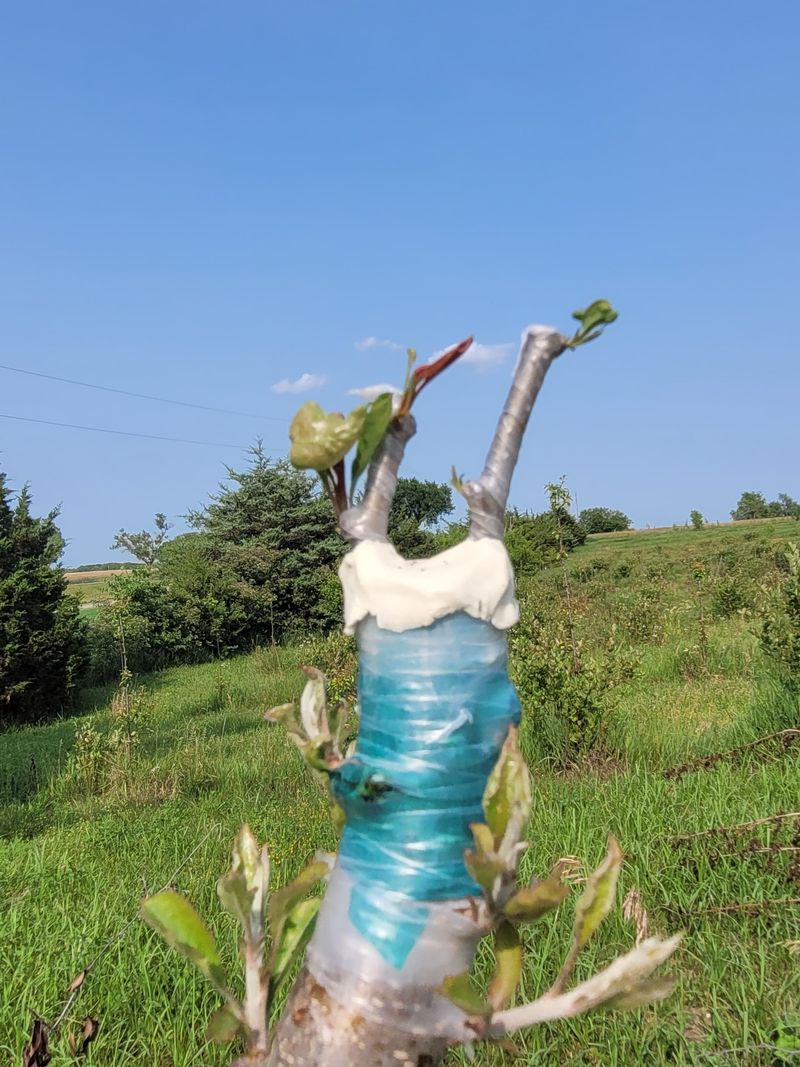
Pecans and persimmons give experienced propagators one more warm-season challenge before growth begins slowing.
Greenwood grafting uses actively growing shoots that have not fully hardened into mature wood. That tissue can form a union quickly under favorable conditions, but it also loses moisture much faster than dormant scion wood.
Preparation matters.
Choose compatible rootstock and healthy scion material, then keep the scion shaded and wrapped in a damp cloth until the moment you make the graft. Work quickly so exposed surfaces do not dry before the pieces are joined.
Cambium alignment decides the outcome.
The thin living layer beneath the bark needs firm contact on at least one side of the union.
Depending on stem size and species, a cleft or similar graft can work, followed by a tight wrap with grafting tape to hold everything steady and reduce moisture loss.
August is already late for some Texas locations and species, so local conditions matter. Vigorous growth, suitable stem maturity, and enough warm weather remaining are more important than simply seeing August on the calendar.
Beginners should practice cuts on spare shoots before working on valuable stock.
This technique asks for more precision than the earlier plants on the list, but that is part of the appeal.
Basil gives you instant confidence.
A successful fruit-tree graft gives you bragging rights.