These Oregon Flowers Need Spent Blooms Removed In July To Keep Blooming Until Fall
July in Oregon is peak garden season, which also means it is peak spent bloom season.
All those gorgeous flowers that made June so satisfying are starting to look a little tired, and if you have not already made friends with the practice of deadheading, now is a genuinely great time to start.
Snipping off faded blooms sounds like a minor cosmetic fix, but for a solid range of plants it actually triggers something useful.
The plant stops putting energy into seed production and redirects it toward making more flowers instead.
Smart. Oregon’s warm dry July afternoons are honestly perfect for this kind of focused garden tidying, and the payoff through late summer can be significant.
A little cleanup now keeps beds looking intentional rather than exhausted, and your plants will have a lot more to show for it.
1. Dahlias Keep Producing When Spent Blooms Come Off
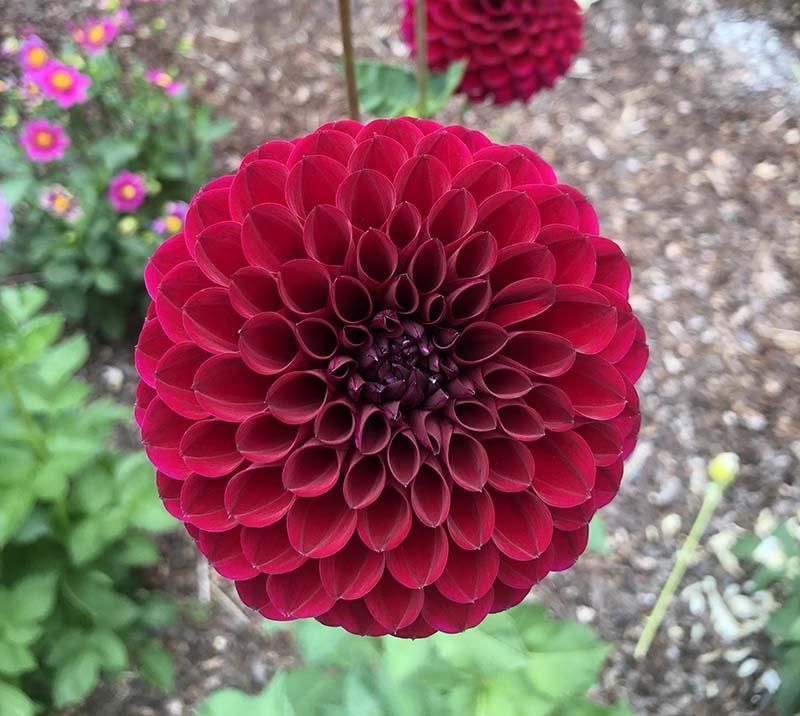
Few flowers in an Oregon summer garden are as rewarding as dahlias, and keeping them tidy in July can support continued flower production through late summer.
Once a dahlia bloom fades and the petals start to curl and drop, that flower head is pulling energy away from the buds waiting to open.
Removing it gives the plant a better chance to direct resources toward new growth.
When cutting off a spent dahlia bloom, trace the stem back to the next set of leaves, a visible side bud, or a natural branching point. Making a clean cut there, rather than just snapping off the flower head, tends to give better results.
A sharp pair of garden scissors or pruners makes the job easier and cleaner.
Dahlia growers often notice that plants left uncleaned start to look tired by mid-July, while plants that get regular attention stay more productive.
Results can vary depending on the dahlia variety, how much water the plant receives, and whether it is growing in a container or a garden bed.
Consistent deadheading, combined with steady watering during dry Oregon stretches, gives dahlias the best chance to keep producing into early fall.
2. Repeat-Blooming Roses Need July Flower Cleanup
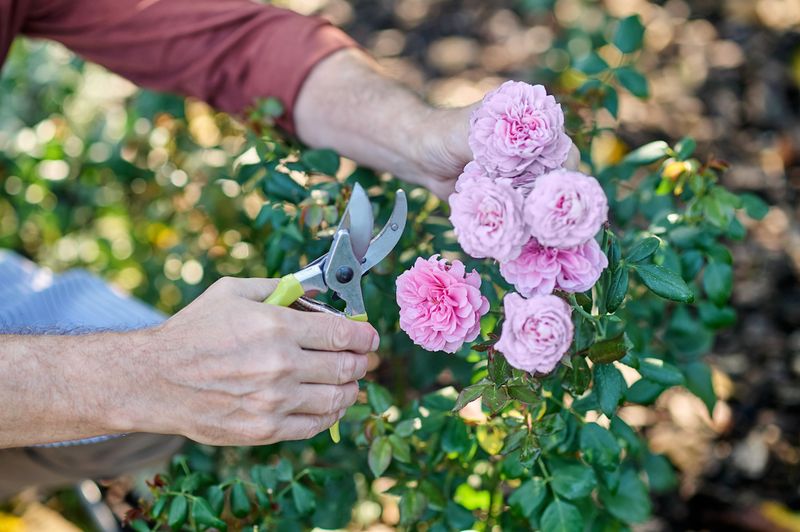
Walking past a rose bed in mid-July and noticing clusters of brown, papery blooms hanging on the canes is a familiar sight for many Oregon gardeners. Those faded flowers are a signal that cleanup time has arrived, especially for repeat-blooming rose varieties.
Unlike roses that bloom only once in spring, repeat bloomers have the ability to produce new flower cycles when old blooms are removed at the right point on the stem.
For most repeat-blooming roses, cutting the spent flower back to just above a set of five leaflets encourages the plant to push out a new flowering stem. Cutting too shallowly or just pinching off the petals tends to slow that process.
A clean cut with sanitized pruners reduces the chance of spreading disease between plants, which matters in Oregon’s sometimes humid summer conditions.
Once-blooming roses, such as certain old garden varieties, should not be treated the same way, since their bloom cycle works differently. Focusing July cleanup on confirmed repeat bloomers gives the best results.
Your Oregon Garden Changes Every Week. Your Plan Should Too.
Gardening in Oregon changes quickly throughout the season. Every Friday you’ll receive a simple weekly plan showing exactly what to plant, prune, fertilize, harvest, and protect so you never miss the right timing.
Some gardeners find that a light application of fertilizer after deadheading, combined with consistent watering, helps their roses push out another round of blooms before the season winds down in fall.
3. Perennial Salvia Can Bloom Again After Trimming
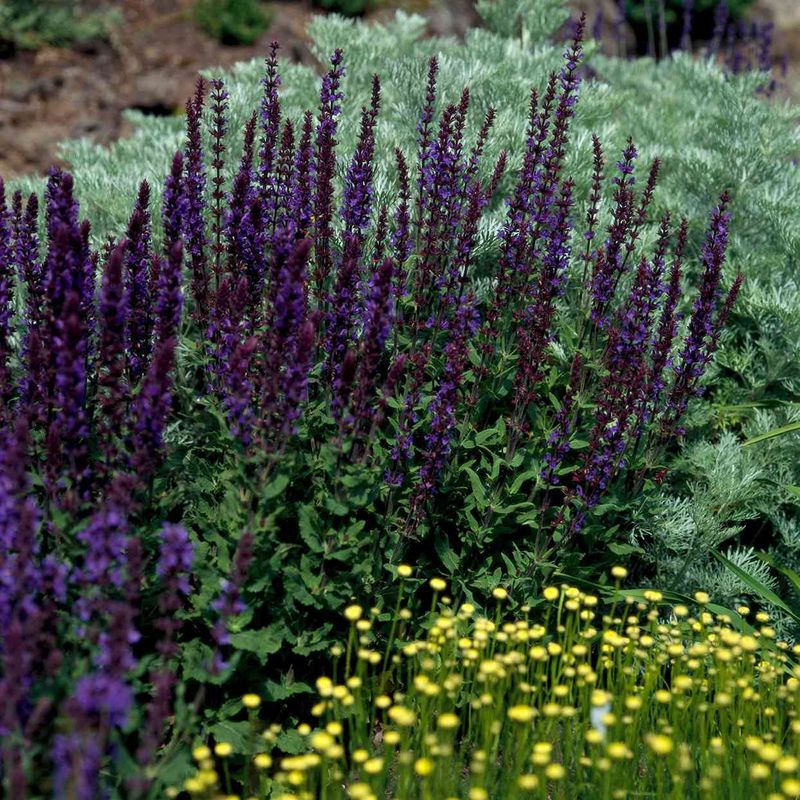
Perennial salvia is one of those plants that earns its place in an Oregon flower border by putting on a strong early summer show, and with a little trimming in July, some varieties may reward gardeners with another round of color before fall.
The spent flower spikes, which turn brown and dry after blooming, are easy to spot against the plant’s green foliage.
Removing them is a straightforward task that can take just a few minutes per plant.
Cutting spent salvia spikes back to a set of healthy leaves or to a point where new side growth is visible gives the plant a cleaner look and may encourage another flush of blooms on suitable varieties.
Not every perennial salvia will rebloom reliably, and results depend on the cultivar, the plant’s overall health, and how much heat the summer delivers.
Some gardeners in hotter inland Oregon regions find that salvia responds more slowly to trimming during peak heat.
Watering consistently after trimming helps the plant recover and push out new growth. Perennial salvia is generally drought-tolerant once established, but a dry spell right after a hard trim can slow its response.
Pairing July cleanup with a deep watering gives these plants the best conditions to bounce back and add late-season color to Oregon borders and pollinator beds.
4. Petunias Stay Fresher With Regular Bloom Removal
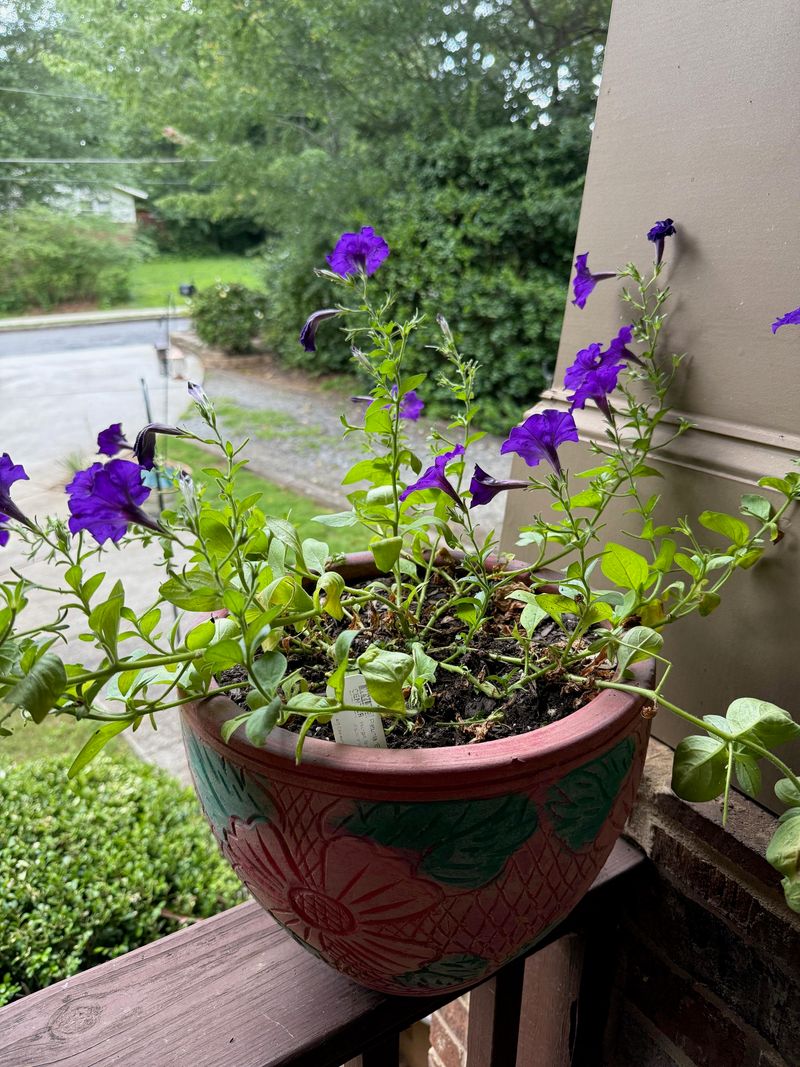
Container petunia displays on Oregon patios and porches can start to look a little ragged by July if spent blooms are left to pile up. Petunias produce flowers quickly, and the old blooms tend to turn sticky and brown before collapsing on the plant.
Pulling them off regularly, along with the small seed capsule that forms behind the flower, keeps the plant looking fresher and may encourage more blooms to open.
The process is simple enough to do by hand for most petunia varieties, though some gardeners prefer small scissors for precision.
Removing spent flowers is helpful, but if a petunia container starts looking very leggy or sparse, cutting the stems back by about a third can help the plant fill out again.
This is sometimes called a mid-summer shear, and it works well for wave and spreading petunia types.
Oregon summers can be warm and dry in July, which means container petunias may need more frequent watering than garden-bed plants. Keeping up with both watering and bloom removal together tends to produce the best results.
A light liquid fertilizer applied every few weeks gives container petunias the nutrients they need to keep pushing out new flowers rather than putting energy into seed production through late summer.
5. Zinnias Keep Going With Spent Flowers Removed
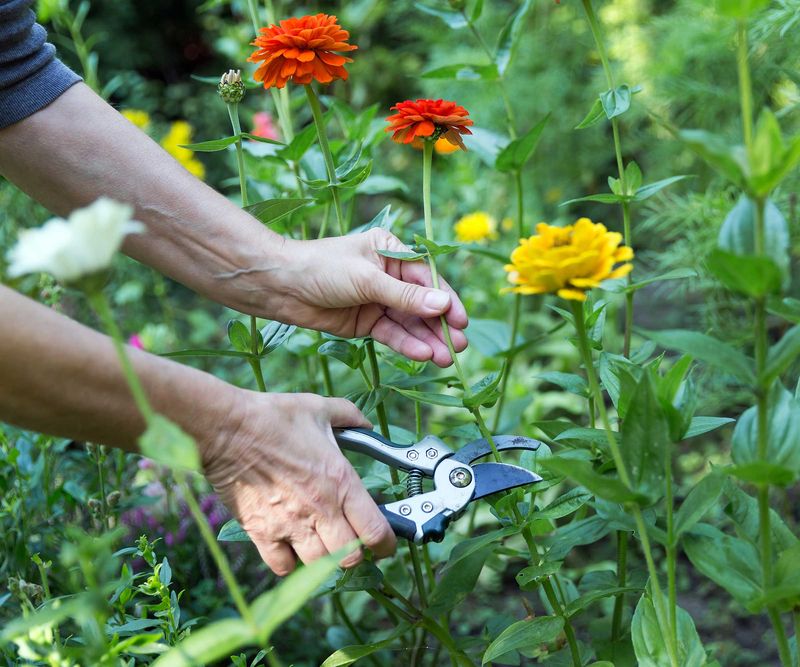
Zinnias are one of the hardest-working summer annuals in Oregon gardens, producing bold blooms in almost every color from early summer onward. By July, the earliest flowers are fading, and leaving them on the plant can slow down flower production.
Removing spent zinnia blooms encourages the plant to keep producing rather than shifting energy toward seed development.
To deadhead a zinnia cleanly, cut the stem back to just above a set of leaves or to a side bud that is already forming. This keeps the plant looking tidy and gives each new stem room to develop into a flowering shoot.
Zinnias in sunny, warm garden spots tend to respond well to regular deadheading, putting out new buds fairly quickly after the old ones are removed.
One thing to keep in mind is that zinnias can be prone to powdery mildew in humid conditions, which can show up in some Oregon regions during summer.
Removing spent flowers while also thinning crowded growth slightly can improve airflow and reduce that risk.
Zinnias grown in full sun with good air circulation tend to stay healthier through the season.
Consistent deadheading, combined with morning watering rather than evening, helps keep these cheerful flowers going strong into late summer in Oregon gardens.
6. Marigolds Benefit From Simple July Cleanup
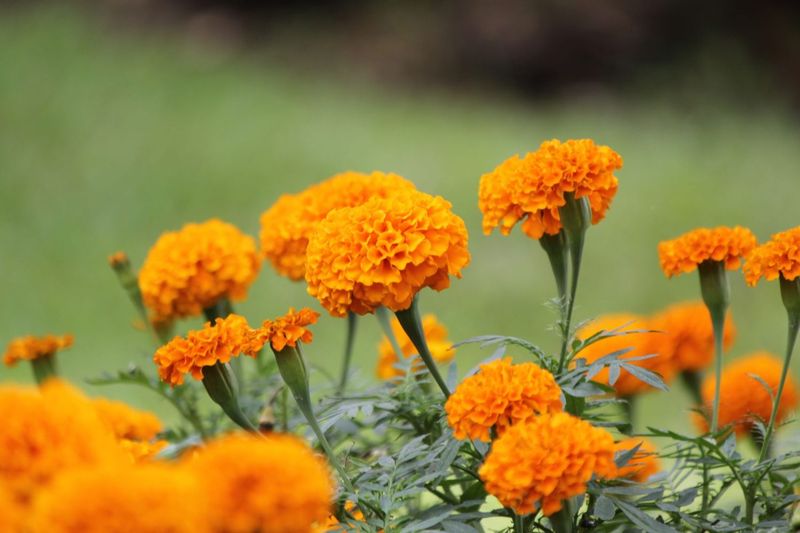
Marigolds are a familiar sight in Oregon vegetable gardens and flower borders, valued for their cheerful color and their reputation for deterring certain garden pests.
By July, the earliest marigold blooms are starting to fade, turning from bright orange or yellow to a papery brown.
Pinching or snipping those spent heads off is one of the easiest maintenance tasks in the garden and can help keep plants blooming and looking tidy through the rest of summer.
Marigold deadheading does not require special tools for most varieties. Simply pinching the old flower head off at the base of the bloom, or cutting it back to the next set of leaves, is enough to keep the plant tidy.
For larger African marigold types, a small pair of scissors or pruners makes the job quicker and cleaner than pinching by hand.
Gardeners growing marigolds in containers or raised beds may notice that plants left uncleaned start to look cluttered and produce fewer new blooms as summer progresses.
Regular cleanup every week or two during July and August tends to keep marigold plants more productive and visually appealing.
Marigolds are not heavy feeders, but a light fertilizer application after a cleanup session can give them a small boost heading into the later weeks of the Oregon growing season.
7. Calendulas Need Careful Summer Bloom Cleanup
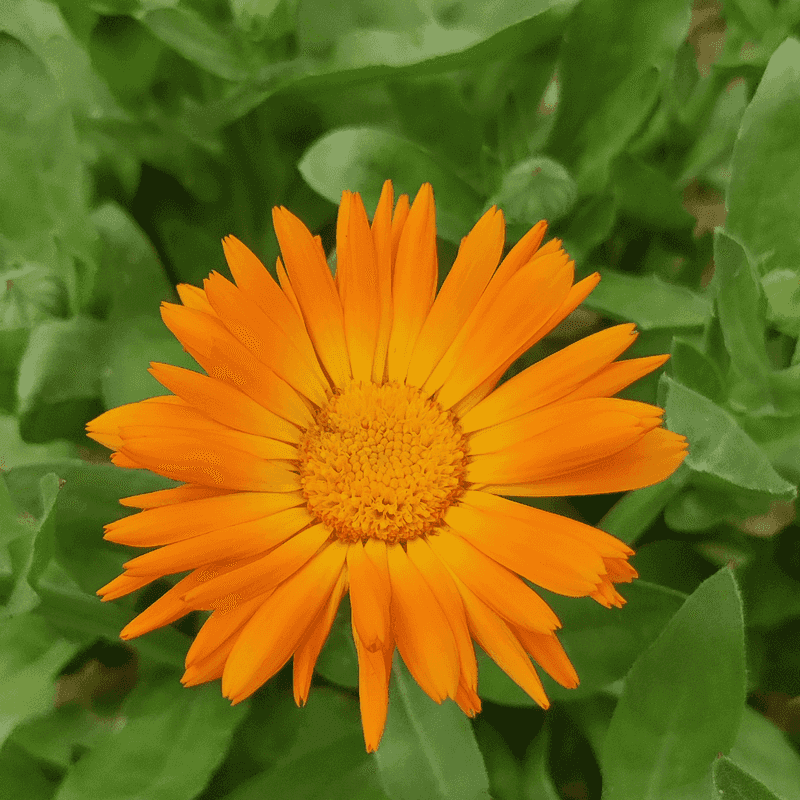
Calendulas are cool-season favorites that often push through spring beautifully in Oregon, but they can slow down or struggle once July heat settles in, especially in warmer inland areas.
That makes summer bloom cleanup a bit different for calendulas than for heat-loving annuals.
Removing spent flowers is still helpful for keeping the plant tidy and reducing seed formation, but expecting a heavy flush of new blooms during the hottest weeks may not be realistic.
In coastal Oregon and other regions where summers stay cooler, calendulas may continue blooming more reliably through summer with regular deadheading.
In hotter valley locations, the plants may go partially dormant or look stressed during peak heat regardless of how carefully they are tended.
Removing old flowers when they appear and keeping the soil consistently moist can help the plant hold on until temperatures ease in late summer.
Some gardeners find that calendulas pick up again in August or early September as heat eases, particularly if the plants were kept alive and reasonably healthy through the hottest weeks.
Deadheading throughout July, even when new blooms are slow to appear, keeps the plant from putting all its energy into seed production.
This approach gives calendulas the best chance of offering some late-season color in Oregon gardens where conditions allow.
8. Verbena Looks Better With Faded Blooms Removed
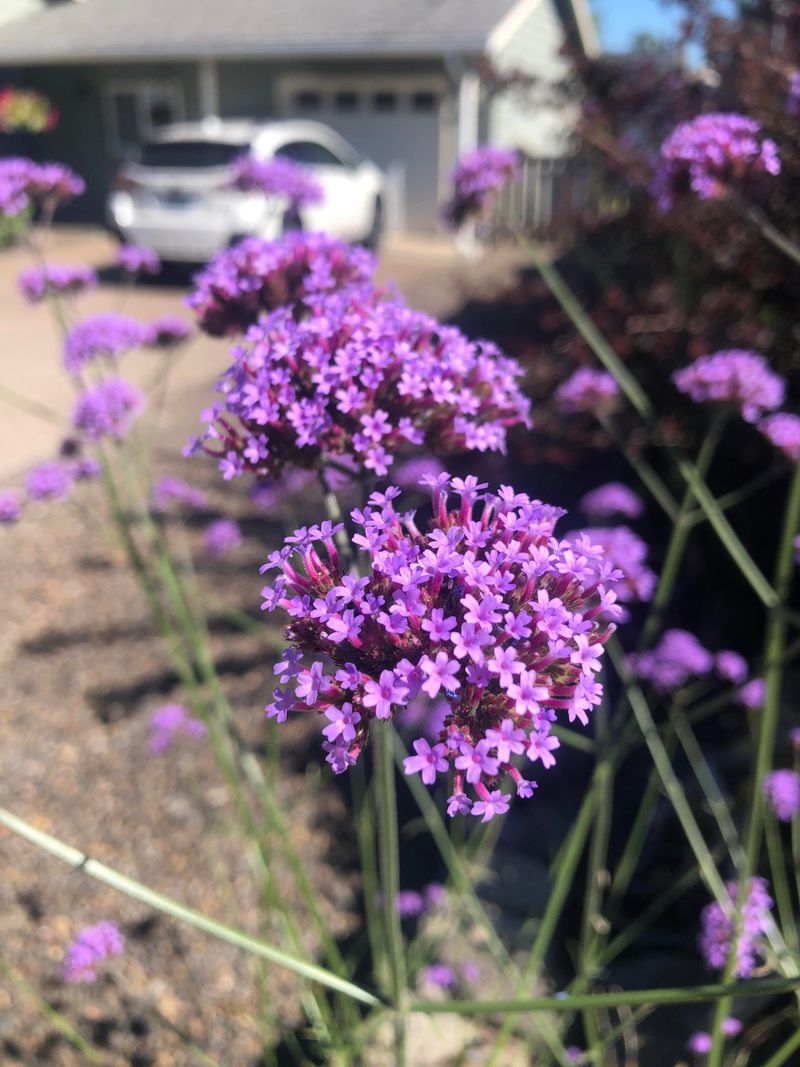
Verbena is a popular choice for Oregon containers, hanging baskets, and sunny garden borders because of its trailing habit and long season of color.
By July, the first wave of flower clusters is starting to fade, and those spent blooms can make an otherwise lively plant look tired and patchy.
Removing faded verbena clusters regularly can help the plant look neater and may support more flowering as the season continues.
Deadheading verbena is straightforward once you know what to look for. The small flower clusters turn dull and brownish as they age, and they can be pinched or cut off at the base of the cluster stem.
Some gardeners give trailing verbena a light overall trim in mid-summer to encourage fresh growth from the base, which can be especially helpful if the stems are getting long and sparse at the tips.
Verbena in containers dries out quickly during hot July afternoons, so pairing bloom removal with consistent watering is important. A plant that is stressed from lack of water will not respond as well to deadheading.
Verbena also appreciates a balanced liquid fertilizer every two to three weeks during summer to support continued growth and flowering.
With regular attention, verbena can remain one of the more colorful plants on an Oregon patio well into late summer.
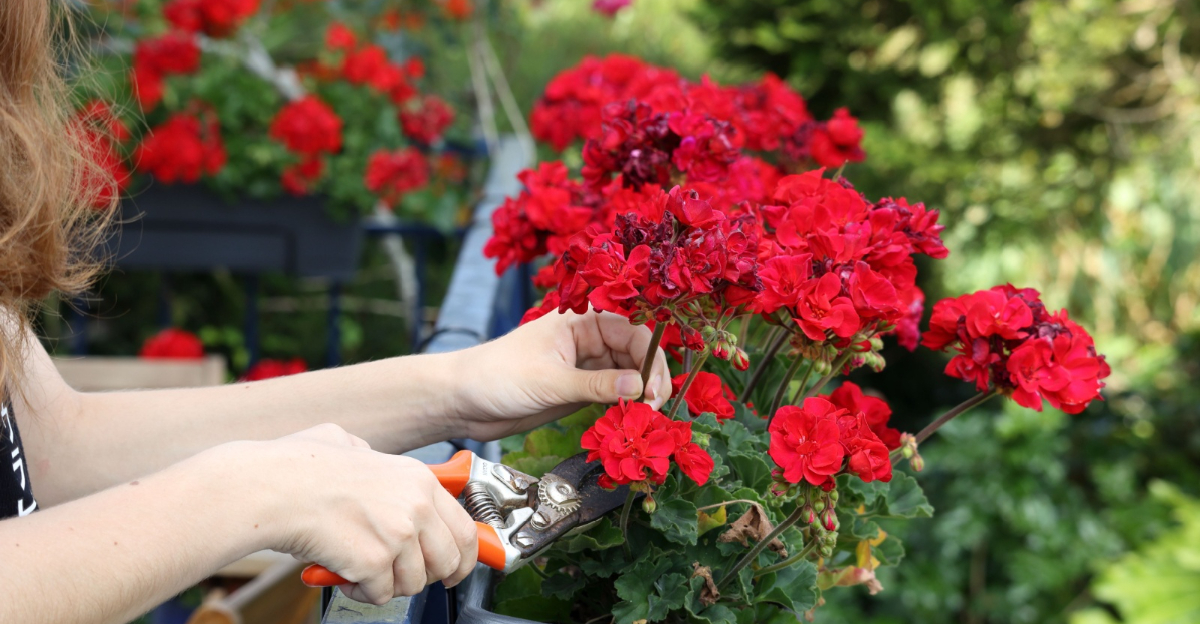
9. Geraniums Bloom Longer With Regular Tidying
Geraniums are a classic choice for Oregon porch containers, window boxes, and sunny patios, and they can look beautiful well into fall with a little regular attention.
By July, the earliest flower clusters are browning and drying on the stems, and leaving them in place tends to make the whole plant look unkempt.
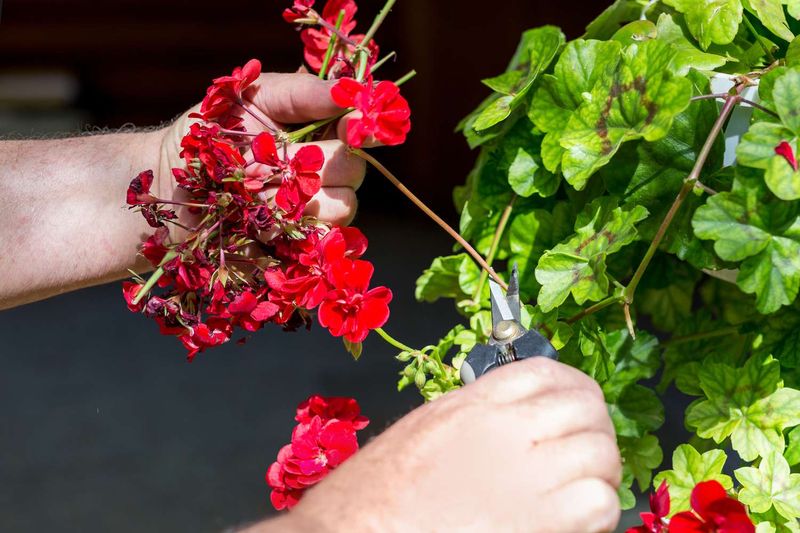
Removing those faded clusters is one of the simplest ways to keep container geraniums looking sharp through the rest of the season.
To remove a spent geranium flower cluster, trace the stem holding the old bloom back to where it meets the main stem and pull or cut it off cleanly at that point.
Leaving a stub can lead to rot or disease, so a clean removal at the base of the flower stem is the better approach.
Yellowing leaves near the base of the plant can also be removed at the same time to improve the plant’s overall appearance.
Oregon geranium containers can dry out quickly during warm July afternoons, so checking soil moisture regularly is important alongside bloom cleanup. Geraniums prefer to dry out slightly between waterings rather than sitting in constantly wet soil.
A balanced fertilizer applied every few weeks during summer helps support new flower development. With consistent deadheading and proper care, geraniums can remain one of the tidier and more reliable container flowers in an Oregon summer garden.
10. Cosmos Can Extend Its Show With Bloom Removal
Cosmos is one of those easy-going summer annuals that fills Oregon cottage gardens and cutting beds with feathery foliage and cheerful flowers from early summer onward.
The blooms open quickly and fade just as fast, and by July the plants are producing a steady mix of open flowers, spent heads, and developing seed pods all at once.
Removing the spent flowers regularly can help the plant keep producing new blooms rather than shifting focus to seed development.
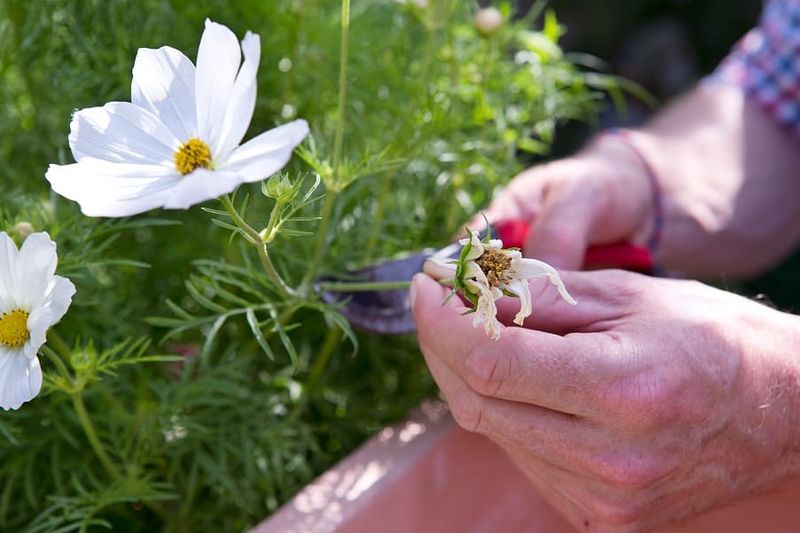
Cutting off faded cosmos flowers just above a leaf node or a visible side bud is the most effective approach. The plants grow quickly, so a weekly pass through the bed to remove old flowers keeps things looking fresh without taking much time.
Cosmos left entirely to seed too early in the season tends to slow its flower production noticeably, so July is a good time to stay on top of cleanup.
If reseeding is something you welcome in your garden, allowing a few of the later seed heads to mature and drop in August or September can be a practical choice.
Cosmos reseeds readily in many Oregon conditions, and volunteers often appear the following spring.
For gardeners who want maximum bloom display through late summer rather than reseeding, consistent deadheading from July onward gives cosmos the best chance to keep the show going until Oregon’s first fall frost arrives.