The Florida Tricks For Growing Lush Mexican Tarragon
Some herbs sulk the moment Florida turns into a steam room. Others shrug, stretch out, and act like the heat is a spa day.
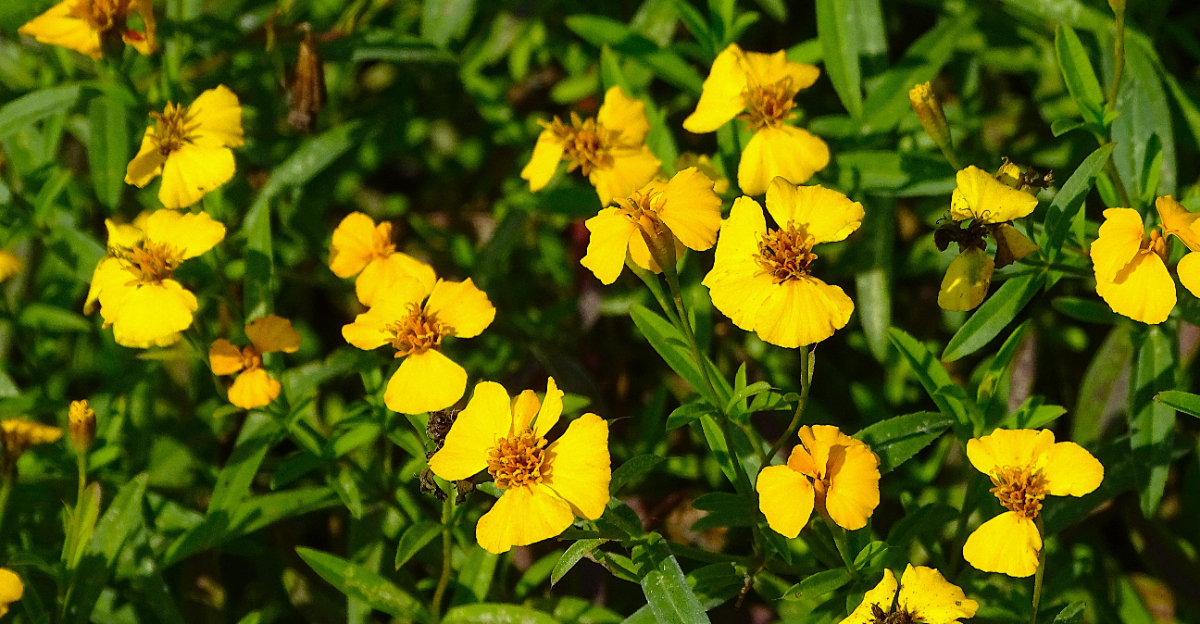
Picture a low mound of glossy green leaves that smells faintly of licorice when you brush past it. Then imagine it topped with tiny golden blooms right when the rest of the garden looks tired.
That combination of flavor, flowers, and toughness is rare in the Sunshine State. Most gardeners meet this plant by accident and then refuse to garden without it.
Grab your gloves and a sunny spot, because this one earns its space fast.
1. The Heat-Loving Herb Floridians Reach For Instead Of French Tarragon
French tarragon and Florida have a complicated relationship, and by complicated I mean it usually ends badly by July. Humidity, sandy soil, and long warm nights simply are not what that European herb signed up for.
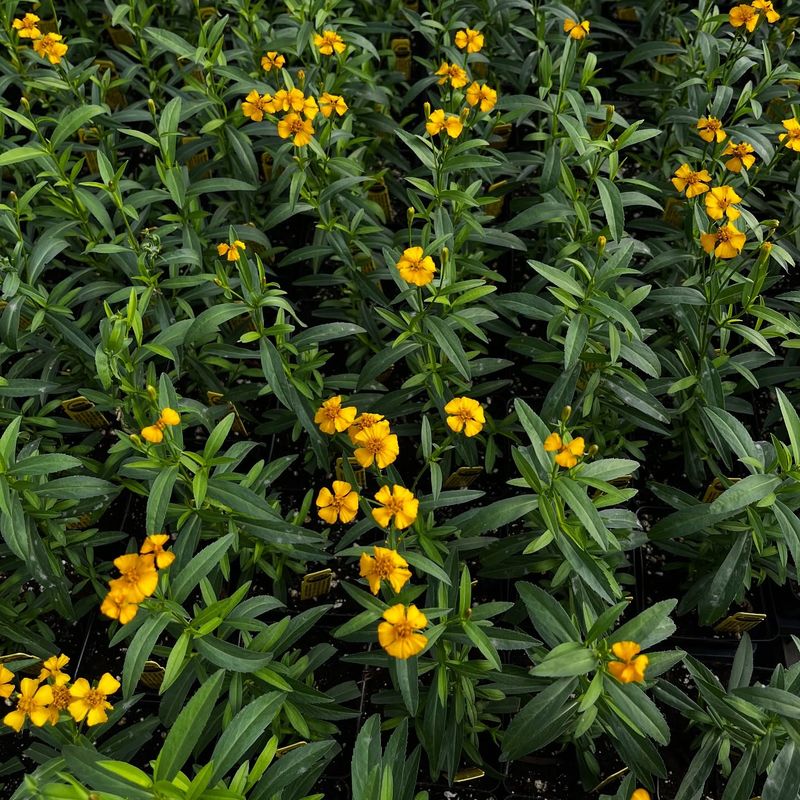
Mexican tarragon, known botanically as Tagetes lucida, solves the problem with style. It belongs to the marigold family, yet its narrow leaves carry a sweet anise flavor close enough to French tarragon that cooks rarely notice a swap.
Gardeners also call it Mexican mint marigold, Texas tarragon, or yerba anis. The Aztecs used it in ceremonial drinks and traditional remedies long before it landed in American herb gardens.
What makes it a standout here is stamina. While basil bolts and cilantro throws a fit, this plant keeps producing tender leaves through the muggiest stretch of summer.
Plants form a tidy upright clump roughly eighteen to thirty inches tall and about a foot and a half wide. The stems are sturdy, so they rarely flop unless they are stuck in deep shade.
Come autumn, small golden flowers appear in clusters, adding color when many herbs look worn out. Bees and small butterflies treat those blooms like a neighborhood diner.
For cooks, the payoff is a steady supply of licorice-scented leaves for chicken, fish, vinegars, and tea. And for gardeners, the payoff is an herb that thrives on conditions that leave other plants struggling.
2. The Best Planting Windows For Florida Growing Zones
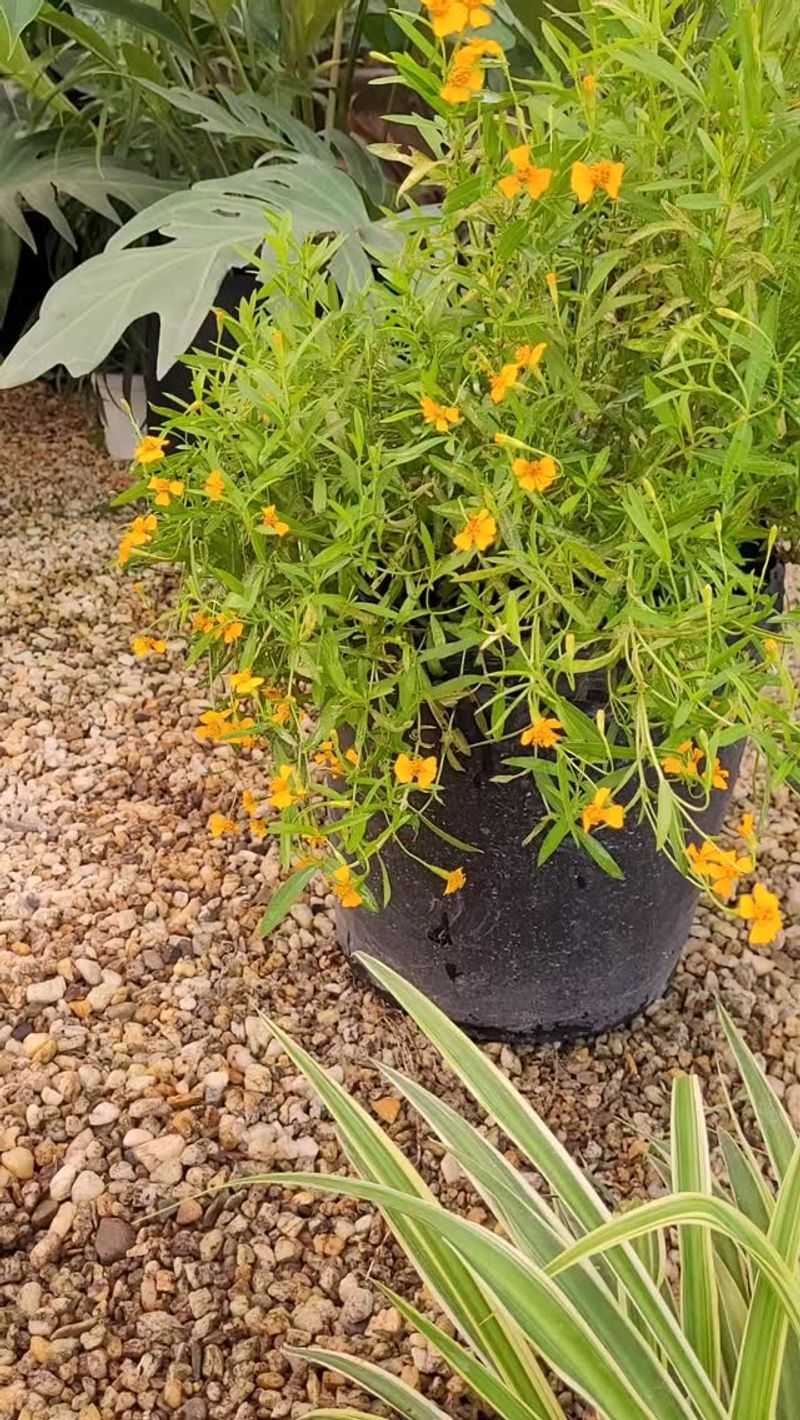
Timing matters more than fancy fertilizer with this herb. Set it out at the right moment and it practically raises itself.
North Florida gardeners in zones 8a and 8b do best planting after the last frost date, usually mid March into early April. Central Florida, sitting in zones 9a and 9b, can plant from February through April without much worry.
South Florida, covering zones 10a through 11, has the widest window of all. Fall planting from October through December works beautifully there because young plants settle in during mild weather.
Nursery transplants give the fastest results. Seeds germinate slowly and unevenly, so most gardeners start with a four inch pot or a rooted cutting from a friend.
Space plants about eighteen inches apart to allow airflow between the clumps. Crowding traps moisture against the stems, and humidity already supplies plenty of that.
A quick tip for northern counties: plants may fade back after a hard freeze, then resprout from the roots in spring. Mulch the base with two inches of pine straw before winter and your odds improve a lot.
Your Florida Garden Changes Every Week. Your Plan Should Too.
Gardening in Florida changes quickly throughout the season. Every Friday you’ll receive a simple weekly plan showing exactly what to plant, prune, fertilize, harvest, and protect so you never miss the right timing.
In frost free southern areas, the plant behaves like a short lived perennial and keeps going year after year. Refresh it every three years by dividing the clump or rooting fresh cuttings.
Avoid planting during the peak of August heat unless you can water daily. New roots simply cannot keep up with that kind of evaporation.
3. The Sunlight And Placement Rules That Drive Strong Growth
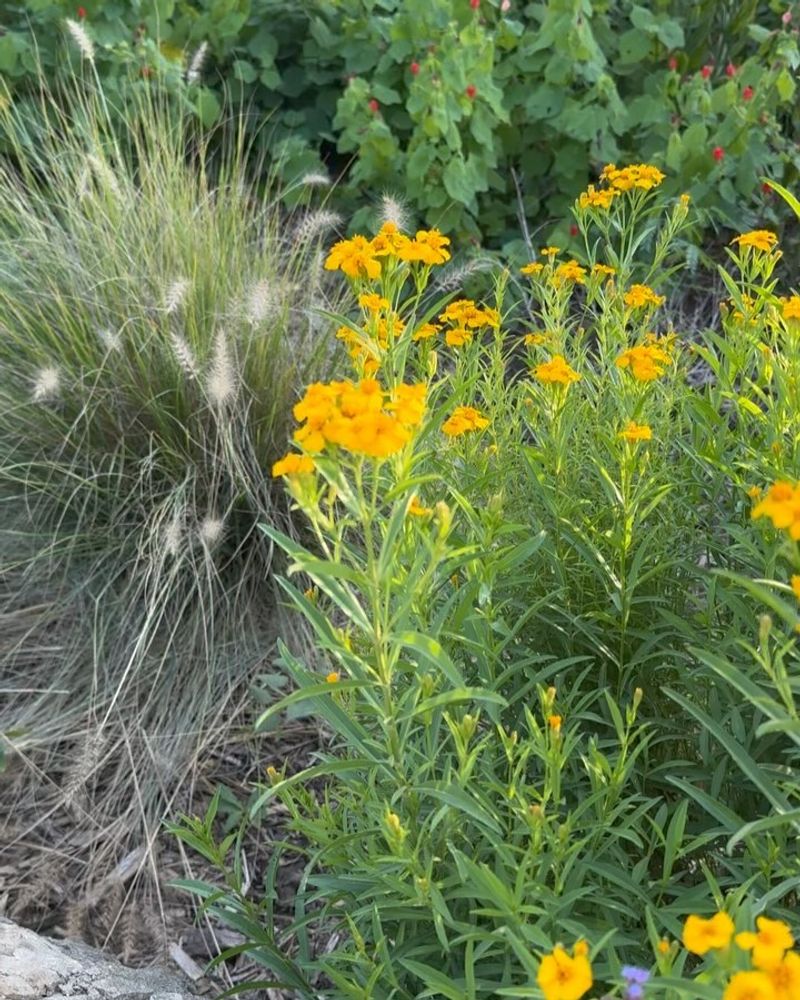
Sunshine is the fuel behind every ounce of flavor in these leaves. Skimp on it and you get lanky stems with a weak anise scent.
Six to eight hours of direct sun keeps growth compact and productive. Morning sun with a touch of afternoon relief works especially well in Central and South Florida, where midsummer afternoons feel like an oven door swinging open.
Full shade is where things go sideways. Plants stretch toward light, stems flop over, and flower production drops to almost nothing by autumn.
Placement near a walkway or patio edge pays off in unexpected ways. Brushing against the foliage releases that sweet licorice smell, which turns a simple trip to the mailbox into something pleasant.
Consider planting near tomatoes, peppers, or eggplant. As a marigold relative, it may help distract certain pests, and the fall flowers pull in pollinators that benefit nearby vegetables.
Coastal gardeners have a small advantage since the plant handles breezy, bright sites without complaint. Just keep it out of direct salt spray, which can scorch the leaf edges.
Container growers should choose a spot that gets consistent light rather than shifting shade from a shifting patio umbrella. Uneven light leads to lopsided plants that lean like they are listening for gossip.
Rotate pots a quarter turn weekly to keep growth even. It takes five seconds and makes a noticeable difference by midseason.
4. The Soil Prep And Drainage Fixes For Sandy Florida Ground
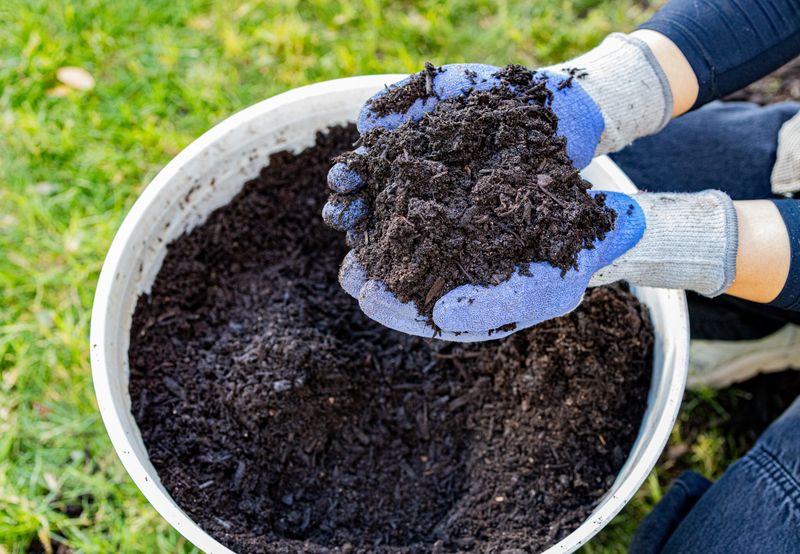
Sandy soil drains like a colander, and clay pockets in parts of the state hold water like a soup bowl. Mexican tarragon handles the first situation far better than the second.
Aim for well drained soil with a pH between 6.0 and 7.5, which covers most Florida garden beds. A cheap soil test kit removes the guesswork and costs less than a bag of mulch.
Mixing in two or three inches of compost before planting solves several problems at once. Compost helps sand hold moisture and nutrients while loosening heavy spots so roots can breathe.
Raised beds are a smart move in flatwoods areas or anywhere the yard puddles after a summer storm. Even six inches of extra height keeps roots above soggy trouble.
Skip rich manure or heavy nitrogen amendments. Too much nitrogen produces floppy green growth with muted flavor, which defeats the whole point of growing a culinary herb.
A two inch layer of pine bark or pine straw mulch protects the root zone from Florida’s brutal afternoon soil temperatures. Keep the mulch pulled back an inch from the stems to prevent rot at the base.
Container growers should use a quality potting mix with perlite or coarse sand added. Straight garden soil in a pot compacts fast and suffocates roots.
Every couple of years, top dress beds with fresh compost in early spring. Roots respond quickly and growth picks up within weeks.
5. The Watering Rhythm That Prevents Root Rot And Wilting
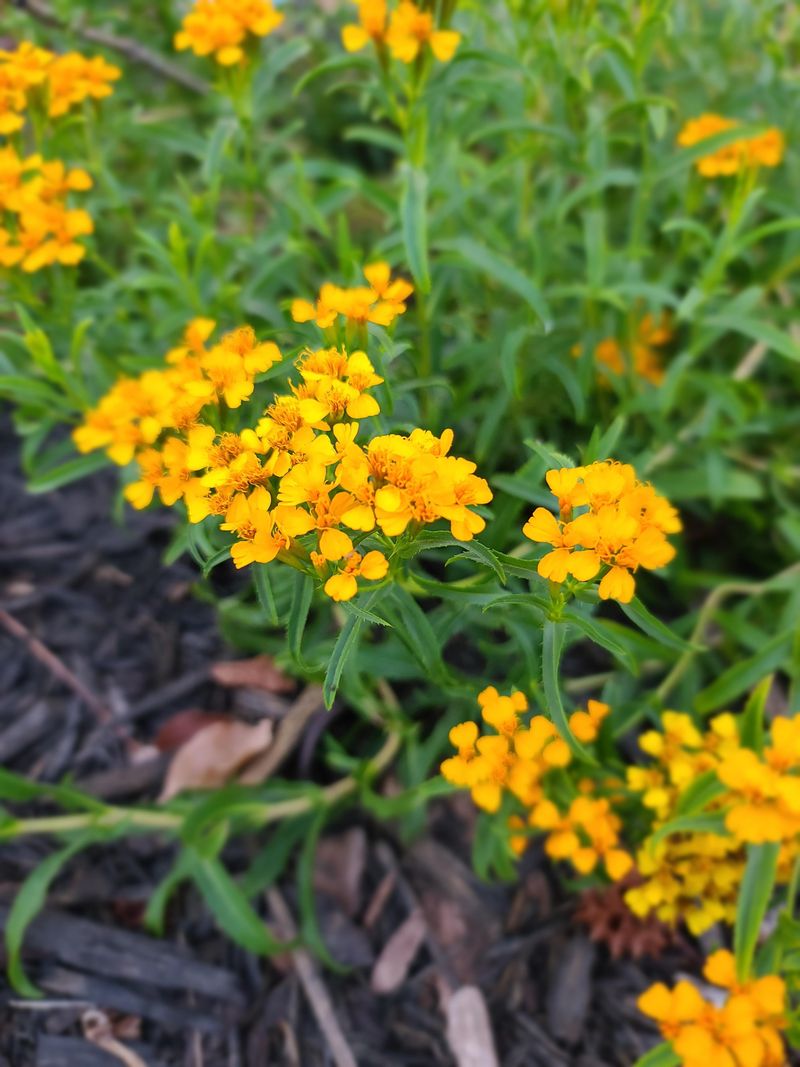
Overwatering causes more losses in this plant than any bug ever will. Established clumps are surprisingly drought tolerant once their roots reach out.
During the first three or four weeks after planting, water deeply two or three times a week. That encourages roots to travel downward instead of loitering near the surface.
After that, back off to once a week during dry stretches. Stick a finger two inches into the soil, and if it feels dry at that depth, it is time to water.
Florida’s summer rainy season changes everything. Between June and September, daily downpours often supply all the moisture needed, so turn off the irrigation timer and let nature handle it.
Watering at the base rather than overhead keeps foliage dry. Wet leaves plus humid nights create a welcome mat for fungal problems.
Early morning is the ideal time. Any splash that lands on foliage dries quickly once the sun climbs.
Container plants need a different rhythm entirely. Pots in full Florida sun can dry out in a single afternoon, so check them daily during May and June.
Yellowing lower leaves with soggy soil point to too much water. Crispy tips with dusty dry soil point to not enough.
Learning to read those two signals turns watering from a chore into a quick daily glance. Your plant will tell you exactly what it needs.
6. The Pruning And Pinching Habits That Keep Plants Bushy
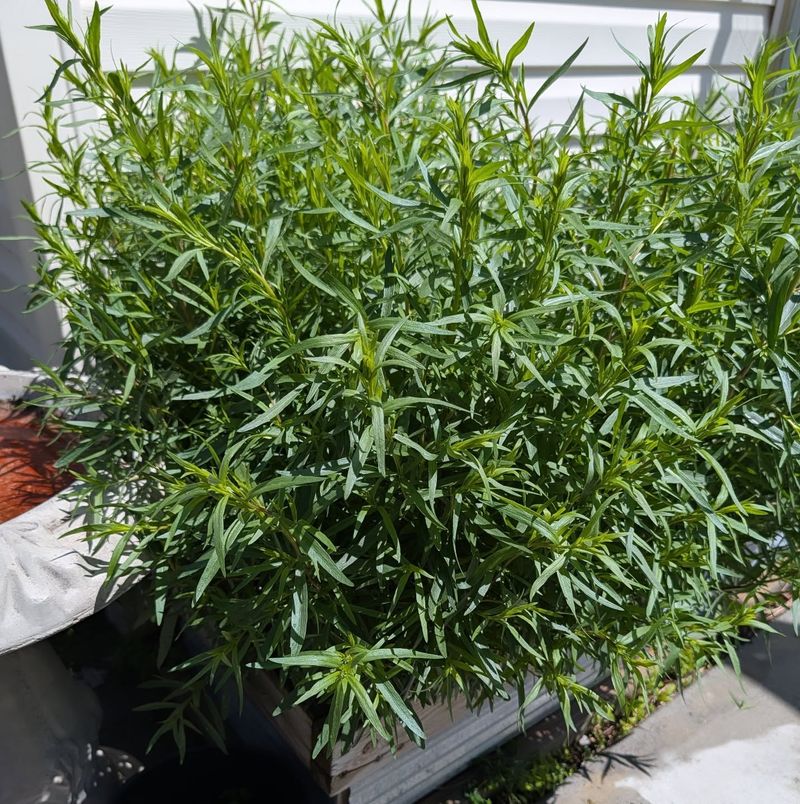
A pair of scissors is the best growth tonic this herb will ever receive. Regular trimming keeps it dense instead of leggy and sad.
Start pinching when young plants reach about six inches tall. Remove the top inch of each stem, and the plant responds by pushing out two new branches from below the cut.
Repeat that pinch every three or four weeks through spring and early summer. The result is a rounded, full mound rather than a handful of bare stalks with foliage at the tips.
Mid summer is a good moment for a harder cut. Trimming plants back by roughly one third in July refreshes tired growth and sets up a strong flush of fall foliage and flowers.
Cut just above a set of leaves each time. Stubs left between leaf nodes tend to brown and invite problems.
Clean snips matter more than most people think. A quick wipe with a disinfecting solution between plants prevents spreading anything unwanted.
North Florida gardeners should hold off on heavy pruning after mid October. Fresh tender growth going into a cold snap gets damaged easily.
Let the autumn flowers stay put once they open. Beyond looking cheerful, they feed bees and butterflies during a season when nectar sources thin out.
Once blooms fade, shear the spent flower heads off. The plant tidies up immediately and puts energy back into leaves.
7. The Common Pest And Fungal Troubles Worth Watching For
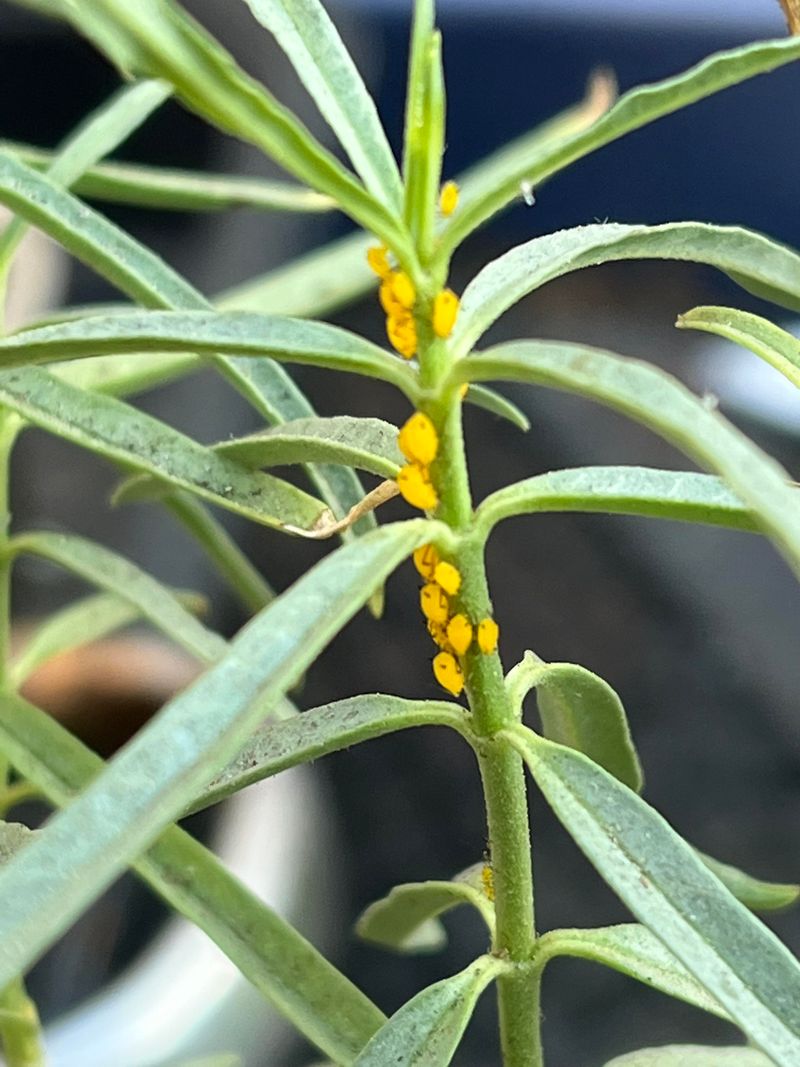
Here’s a small relief: Mexican tarragon carries natural compounds that make it far less appetizing to insects than most garden herbs.
Spider mites still show up during hot dry spells, especially on container plants near a warm wall. Look for fine webbing and speckled, dull looking leaves on the undersides.
A strong spray of water knocks most mites off. Repeat every few days for a week, and insecticidal soap handles stubborn populations.
Aphids occasionally cluster on tender new tips in spring. Squishing them by hand or blasting them with the hose usually ends the visit.
Root rot is the bigger threat in Florida. Constantly wet feet cause stems to blacken at the soil line and the whole clump to collapse.
Prevention beats treatment here. Raised beds, chunky soil mixes, and restraint with the watering can solve nearly every case before it starts.
Powdery mildew sometimes appears as a grayish film during humid, still weather. Improve air movement by thinning crowded stems and avoid crowding plants closer than eighteen inches.
Nematodes trouble many Florida gardens, though this herb tends to shrug them off better than tomatoes or okra. Rotating planting spots every couple of seasons keeps soil populations low.
Inspect plants once a week while you water. Catching trouble early turns a potential setback into a two minute fix.
8. The Harvest Timing And Kitchen Uses That Reward Your Effort
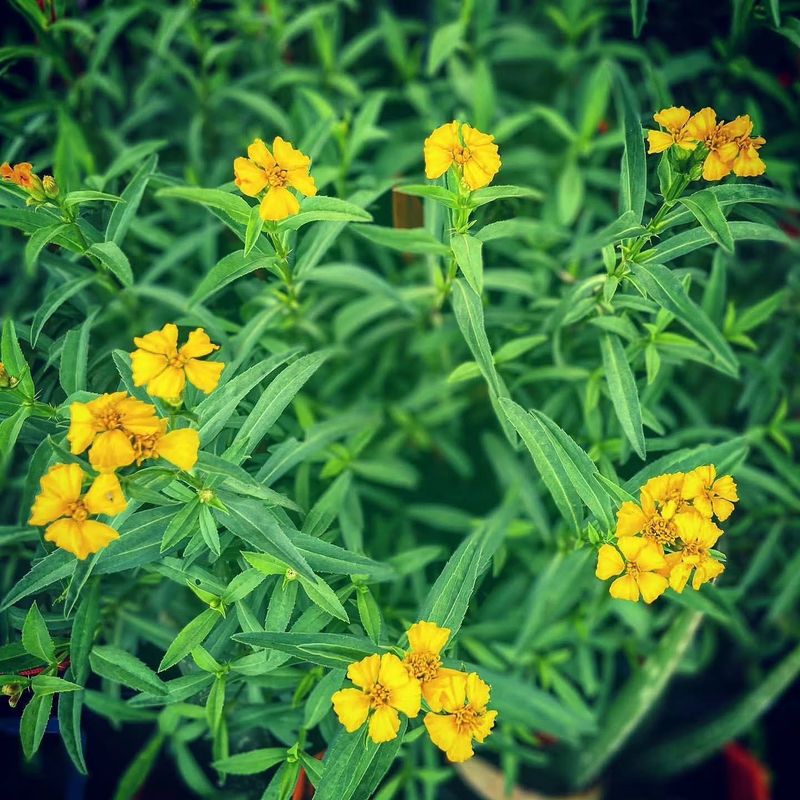
All that garden work leads to one delicious moment: the first snip that fills your hands with a sweet licorice scent. Flavor peaks in the morning, before the sun burns off the essential oils.
Begin harvesting once plants reach about a foot tall and look bushy. Cut stems just above a leaf pair and take no more than a third of the plant at one time.
Leaves taste best just before flowering. Once the golden blooms open in fall, flavor mellows slightly, though the leaves remain perfectly usable.
In the kitchen, use it anywhere French tarragon is called for. Roast chicken, grilled fish, egg dishes, and creamy dressings all benefit from a chopped tablespoon or two.
Mexican cooks brew the dried leaves into a soothing tea sometimes called yerbanis. A few fresh sprigs steeped in hot water make a light, sweet drink with no sugar needed.
Herb vinegars are another easy win. Slip four or five sprigs into a bottle of distilled white vinegar and wait two weeks for the flavor to bloom.
Drying works well because the flavor holds up better than most tender herbs. Bundle stems, hang them in a dark airy spot, then strip and store the leaves in a sealed jar.
Freezing chopped leaves in olive oil cubes gives you summer flavor in January. One cube dropped into a pan is a small taste of the garden.