This Tough Native Grass Is Becoming A Low-Maintenance Miscanthus Alternative In Michigan Borders
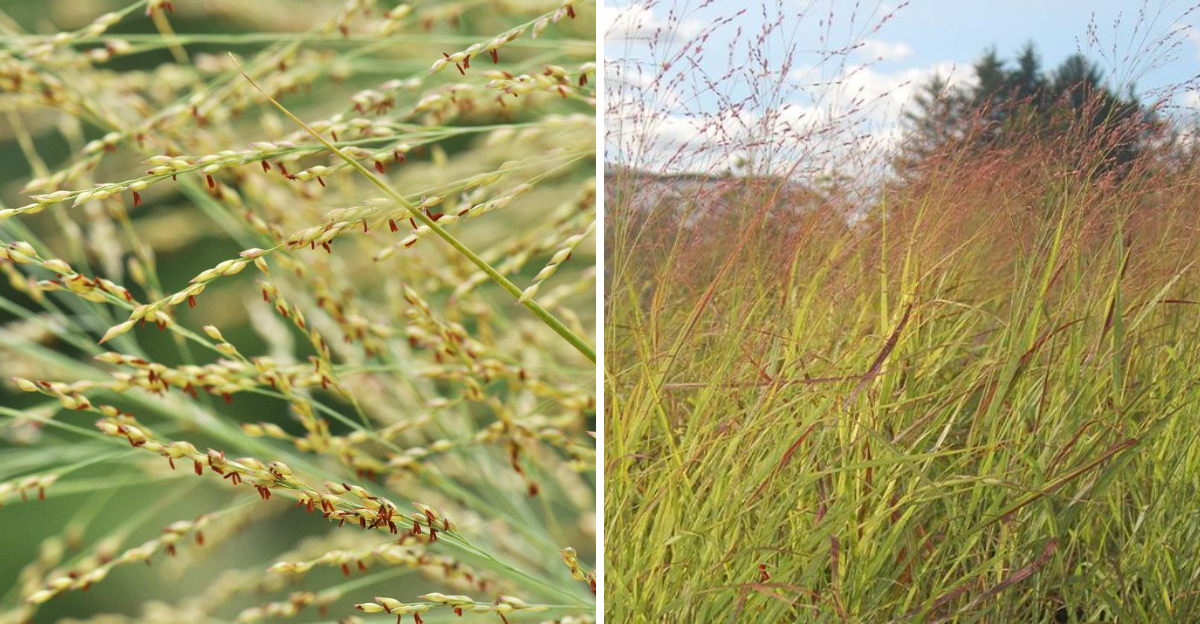
Michigan borders have fallen hard for ornamental grasses, and the appeal is easy to understand.
Tall stems catch winter light. Seedheads move with every breeze. One clump can add more structure than a whole row of summer annuals.
The problem starts when beauty comes with baggage.
Some popular grasses need more attention than expected. Others can seed beyond the garden, especially near open ground or natural areas.
A plant that looked elegant beside the patio can become a much bigger commitment several seasons later.
So what belongs in that same tall, flowing role without feeling imported into the landscape?
One native keeps coming up.
Switchgrass, Panicum virgatum, already knows Michigan weather, clay, summer dry spells, and winter snow. It can hold a border together without demanding constant fertilizer or irrigation once established.
The trick is giving it the right start.
Good sun, patient watering, restrained feeding, and one late-winter cutback are usually enough to keep this prairie grass looking intentional instead of unruly for many seasons with very little fuss.
Choose Switchgrass For A Native Border Backbone
A border can look busy without having anything that truly holds it together.
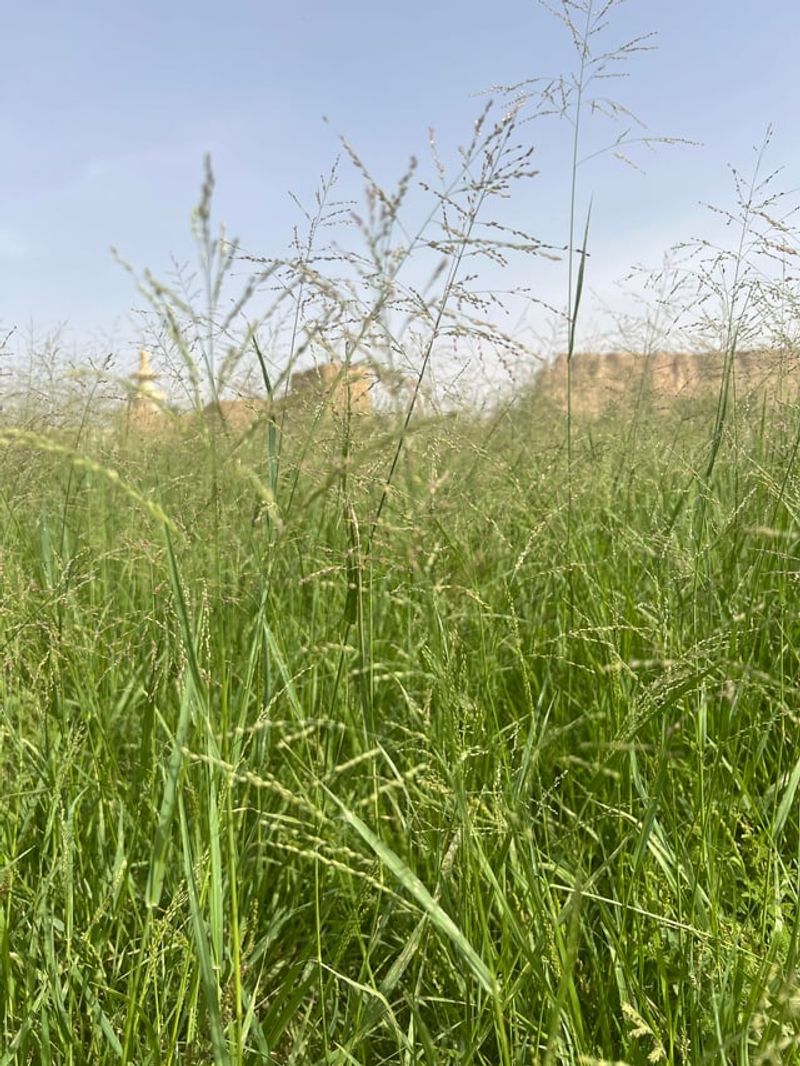
Switchgrass fixes that with upright stems, fine leaves, and a shape that stays useful long after nearby flowers finish.
Panicum virgatum is native across Michigan, so it fits the landscape in a way an imported ornamental grass never quite can.
Most garden selections reach about 3 to 6 feet tall.
That height gives you a strong vertical line without the bulky spread of a large shrub. The clump stays fairly narrow at the base, then softens near the top once airy seedheads appear later in summer.
Wind adds movement without flattening the whole plant.
Strong stems usually stay upright through storms and can remain standing into winter, which gives the border structure after frost clears out softer perennials.
Pair switchgrass with rounded plants for contrast.
Coneflowers, black-eyed Susans, asters, and other mounded perennials look especially good beside its narrow form. The mix feels layered instead of crowded.
Cultivar choice changes the mood too.
Some selections stay blue-green through summer. Others pick up burgundy or red tones before fall arrives.
Switchgrass earns its space by doing several jobs at once. It adds height, movement, seasonal color, and winter structure without turning the border into a maintenance project with its own calendar.
Plant It In Full Sun For Stronger Stems
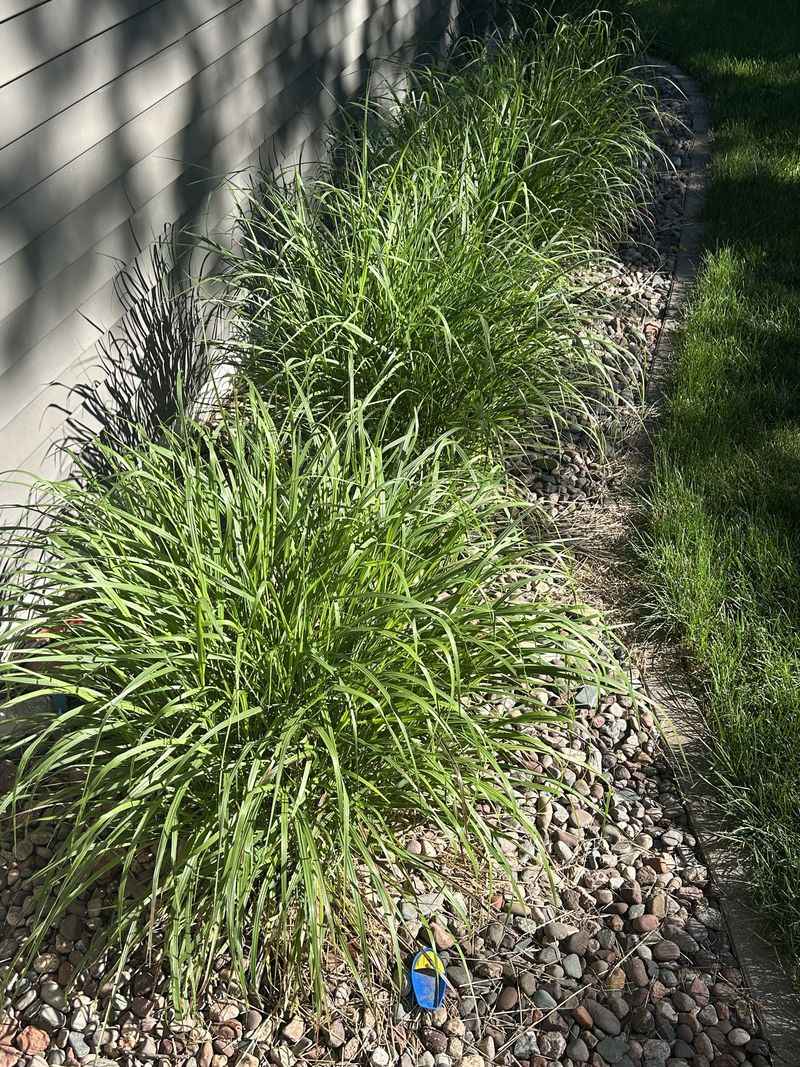
A floppy grass often has a lighting problem before it has a pruning problem.
Switchgrass performs best with at least six hours of direct sun. Bright exposure encourages thicker stems, tighter clumps, and stronger foliage color through the growing season.
Partial shade is possible, but the form usually loosens.
Stems can lean outward as they reach for more light, and cultivars chosen for red or burgundy color may look noticeably greener in a dimmer spot.
That difference matters in a border.
A plant meant to provide vertical structure loses much of its effect once the whole clump starts resting on its neighbors.
Your Michigan Garden Changes Every Week. Your Plan Should Too.
Gardening in Michigan changes quickly throughout the season. Every Friday you’ll receive a simple weekly plan showing exactly what to plant, prune, fertilize, harvest, and protect so you never miss the right timing.
Use the sunniest open section you have.
South- and west-facing beds can work well, provided the soil does not stay waterlogged. Avoid spots where a building, fence, or mature tree removes most of the afternoon light.
Different cultivars still have their own personalities.
‘Heavy Metal’ is known for a rigid, upright look. ‘Northwind’ also holds a strong vertical form. Red-toned selections such as ‘Shenandoah’ and ‘Prairie Fire’ show their best color with generous sun.
Do not crowd the clump behind taller shrubs either.
The grass may technically receive daylight and still lose the direct exposure it needs.
Switchgrass likes to stand in the open. Give it that stage, and the stems usually remember they were hired to stand up, not lounge across the border.
Give New Plants Time To Establish
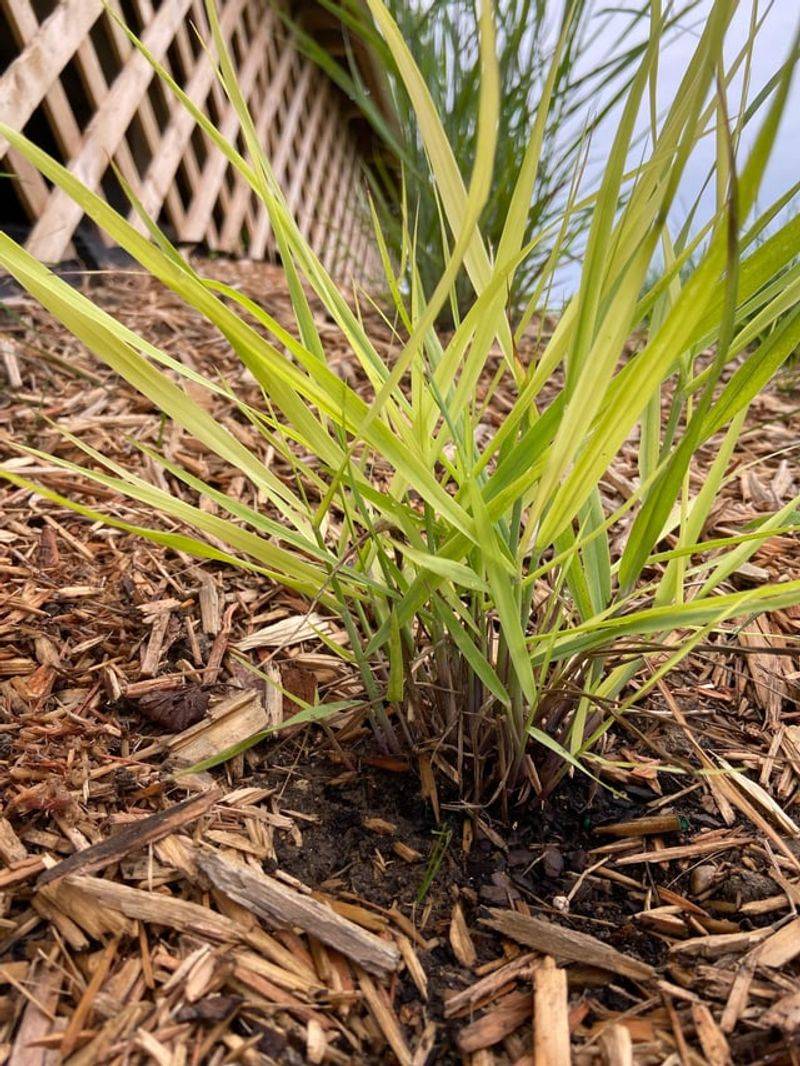
The first year can make switchgrass look far less impressive than the nursery tag promised.
That is normal.
A new clump spends much of its early energy below ground, where a dense fibrous root system begins to spread into the surrounding soil. Above-ground growth can stay modest while that foundation develops.
Keep the root zone consistently moist during establishment.
The soil should not stay soggy, but a newly planted switchgrass should not bounce between bone dry and soaked either. Check moisture once or twice a week during hot stretches and water deeply when the upper soil begins to dry.
Mulch can help.
A light layer around the plant slows moisture loss and keeps weeds from competing with a still-small root system. Leave a little open space around the crown rather than piling mulch directly against the stems.
Skip the urge to force faster growth.
Heavy fertilizer can produce soft stems before the roots are ready to support them. Constant shallow watering can also keep roots near the surface instead of encouraging them to reach deeper.
The second season usually looks more convincing.
By the third, many cultivars reach the size and density gardeners expected from the start.
Switchgrass is not slow because it is struggling. It is building the part you cannot see first.
That patience pays off later, when the clump needs far less help and starts behaving like it has lived in that Michigan border forever.
Ease Back On Water Once Roots Settle
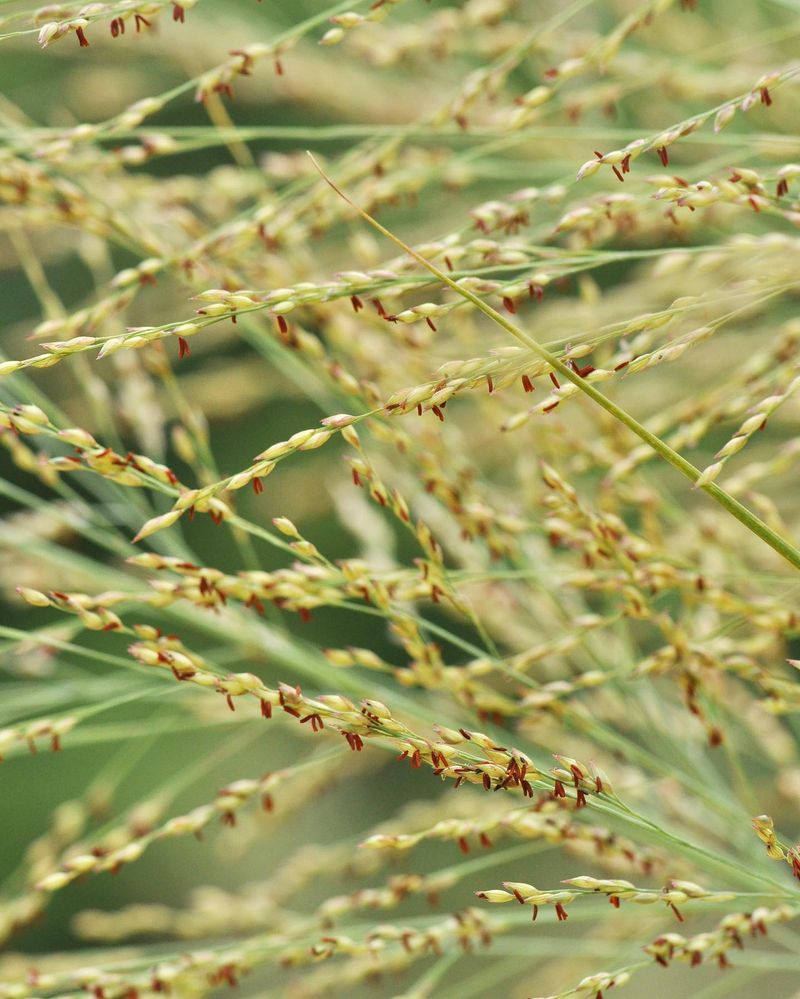
Established switchgrass does not need the same attention it received in year one.
Once the root system spreads, the plant can handle dry stretches much better than many ornamental border plants. Deep roots give it access to moisture that disappears from the upper few inches during July and August.
That does not make it completely drought-proof.
Long dry spells can still leave foliage stressed, especially in sandy western Michigan soils that drain quickly. An occasional deep soak can keep the clump looking better without turning irrigation into a weekly habit.
Clay changes the equation.
Heavier Michigan soils hold moisture longer, so established plants there may need far less supplemental water. Check the soil before you add more.
Frequent shallow watering is the habit to avoid.
It encourages roots to stay close to the surface and leaves the plant more dependent on the hose later. A slower, deeper drink supports the root system switchgrass is naturally built to develop.
Wet springs usually cause little trouble in a well-drained site.
Standing water for long periods is different. A border that stays saturated can stress the crown and reduce vigor.
Once the plant settles, restraint becomes part of the low-maintenance appeal.
You water because the soil needs it, not because Tuesday arrived.
That is a pleasant upgrade from thirstier ornamentals. Switchgrass can handle a Michigan summer without turning the hose into a permanent garden accessory.
Skip Heavy Fertilizer That Encourages Flopping
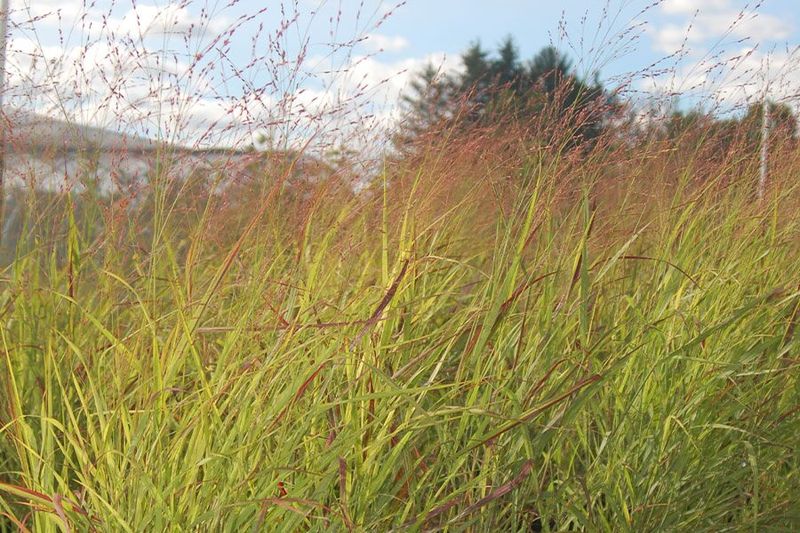
Lush growth sounds like a compliment until the whole clump falls sideways.
Switchgrass evolved in prairie soils where nutrients were not delivered by the scoop every few weeks. That background makes heavy feeding unnecessary in most Michigan borders.
Too much nitrogen can create fast, soft growth.
The stems stretch, the clump opens, and the strong vertical form that made the grass appealing in the first place can start to disappear.
Average garden soil is often enough.
A new planting in genuinely poor ground may benefit from a modest amount of balanced fertilizer or compost, but established switchgrass rarely needs an annual feeding schedule.
Use appearance as your guide.
A healthy clump with good color and steady growth does not need extra fertilizer simply because spring arrived.
A thin layer of compost can be a gentler option.
Spread it around the root zone rather than burying the crown. That adds organic matter gradually without pushing the plant into a sudden growth spurt.
Rich flower beds can create another issue.
Switchgrass planted beside heavily fed annuals may receive more nitrogen than you intended. Keep that in mind before adding fertilizer across the whole border.
Low maintenance often comes from knowing what to skip.
Switchgrass does not need to be spoiled into looking good. Give it sun, reasonable soil, and enough moisture to establish, then let the prairie genetics handle the rest without a buffet line beside the mulch.
Leave Seedheads Standing For Winter Texture
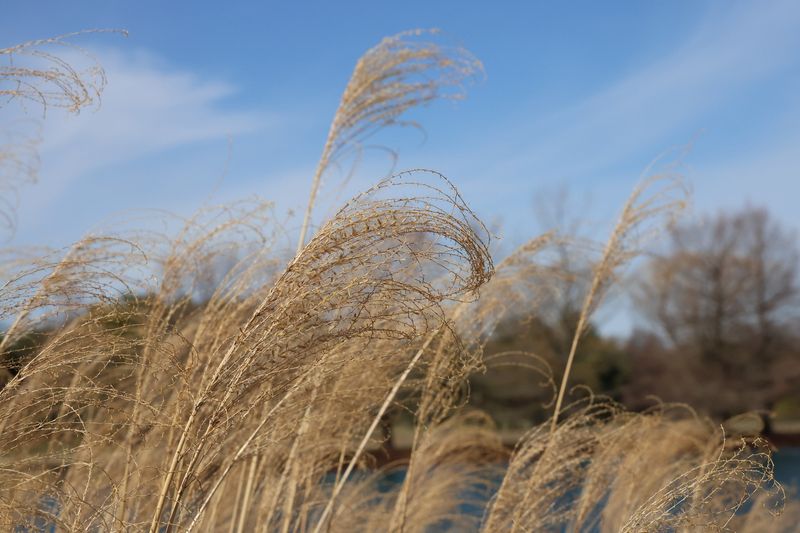
Fall cleanup can wait when switchgrass still has work to do.
By late summer, airy seedheads rise above the foliage and catch light with a soft, almost smoky look. As temperatures drop, the stems shift into tan, amber, and warm brown tones.
That structure can stay attractive for months.
Snow collects on the seedheads. Frost outlines the stems. Low winter sun turns an ordinary clump into one of the few moving parts left in the border.
Birds can use the planting too.
Seeds may provide food for small birds, while the standing stems and dense base offer extra shelter around the garden during colder weather.
There is no need to cut everything down in October.
Leaving the clump intact also keeps the border from turning into a flat stretch of mulch as soon as perennials fade.
Place switchgrass where winter light can reach it.
A clump viewed from a kitchen window or beside an evergreen can look especially good once snow arrives. The contrast makes both plants more noticeable.
By late winter, the stems may start to look tired.
That is your signal that cleanup season is approaching, not a reason to remove them months earlier.
Switchgrass earns year-round interest partly because gardeners allow it to finish the whole performance.
Let the stems stand. Michigan winter will decorate them for free, and that is a much better return than an empty patch of mulch until April.