The Harmless Bug That Looks Like A Pest And Seeks Warmth In Michigan Homes
Each fall, something long and leggy strolls across your ceiling like it pays the rent here. You freeze, tissue in hand, wondering if your Michigan house just became a buggy hotel overnight.
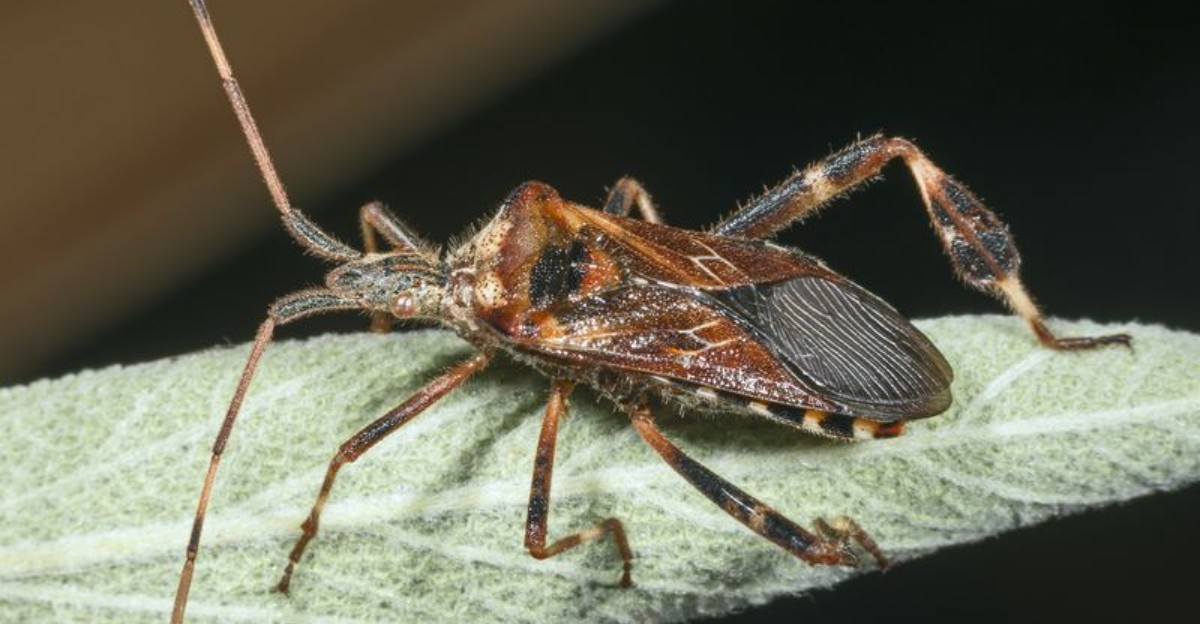
The visitor is brown, about three quarters of an inch long, and moves with the confidence of a retired mailman. Its back legs have flat flaps that look like tiny leaves glued on by a craft student.
When it flies, the wings buzz loudly, like a cheap toy helicopter with a low battery. Most people assume the worst, picturing chewed furniture, bitten ankles, or a house full of crawling guests.
Yet this guest has a surprising secret, and it involves cozy heat far more than chaos. As Michigan nights turn crisp and maple leaves blush red, your warm walls look like paradise.
Your kitchen smells of cinnamon and fresh apples, which feels like a welcome mat for travelers. One even parked itself on a bathroom mirror and stared back like it owned the soap.
The Western Conifer Seed Bug Explained
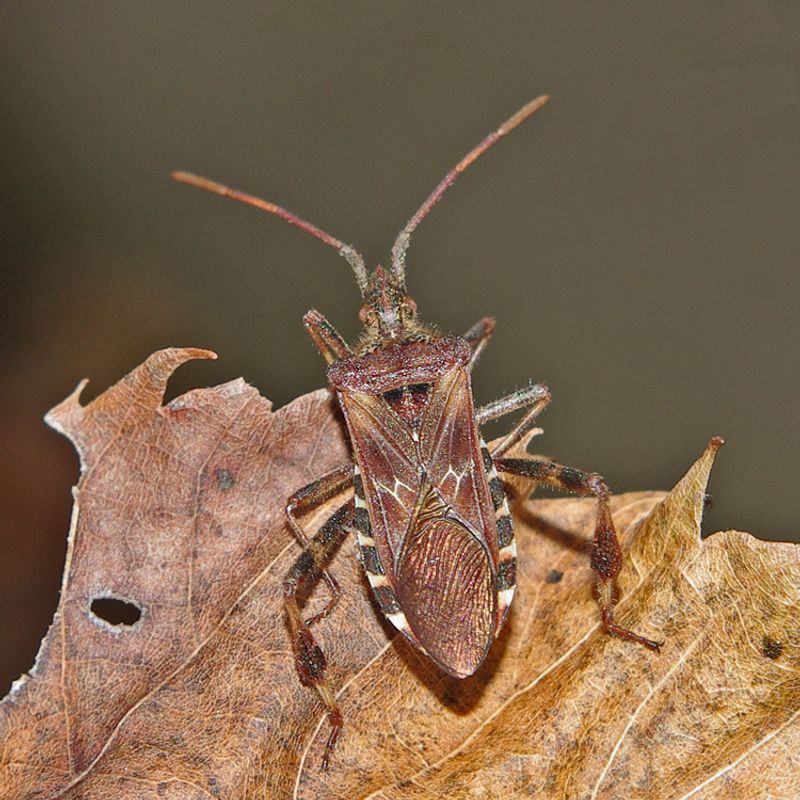
Picture a pinecone with legs, and you have a decent mental sketch of the western conifer seed bug. This brownish insect is the mystery guest showing up on Michigan window frames, curtains, and ceilings each fall.
Adults grow to roughly three quarters of an inch long, with a narrow body and long antennae. Look closely at the back legs, and you will spot flattened sections shaped like little leaves.
Those leafy legs earned the bug its place in a group nicknamed leaf-footed bugs by scientists. Fun fact, the species once lived mostly in the western states before spreading east during the 1990s.
Many people confuse it with a stink bug, an assassin bug, or even a kissing bug from online stories. The resemblance is only skin deep, since this bug is not known to bite people or pets in your house.
It also skips your pantry, leaving cereal, flour, and sugar alone because it wants nothing from them. Furniture, carpets, wiring, and wood beams are not on the menu either, since the bug has no chewing mouthparts.
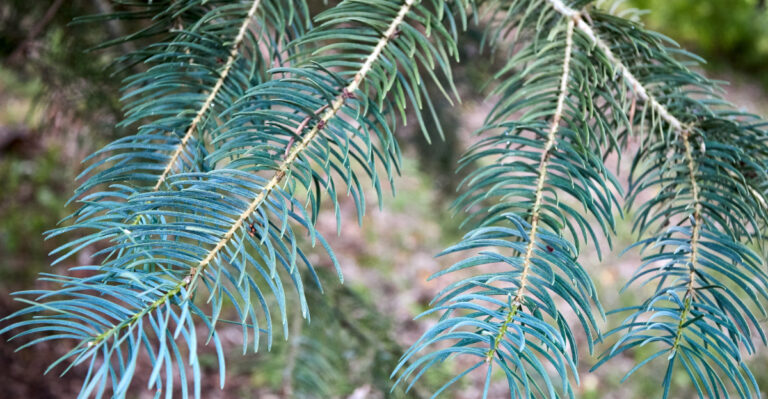
Outdoors, it uses a straw-like mouth to sip sap from pine cones and developing seeds on conifers. Michigan has plenty of white pines, red pines, and spruces, so the bug feels right at home here.
Calling it a pest indoors is a bit unfair, because it mostly wants a quiet corner to rest. Think of it as a sleepy houseguest who snores loudly when flying but rarely causes real trouble.
The Pull Of Warm Walls In Autumn
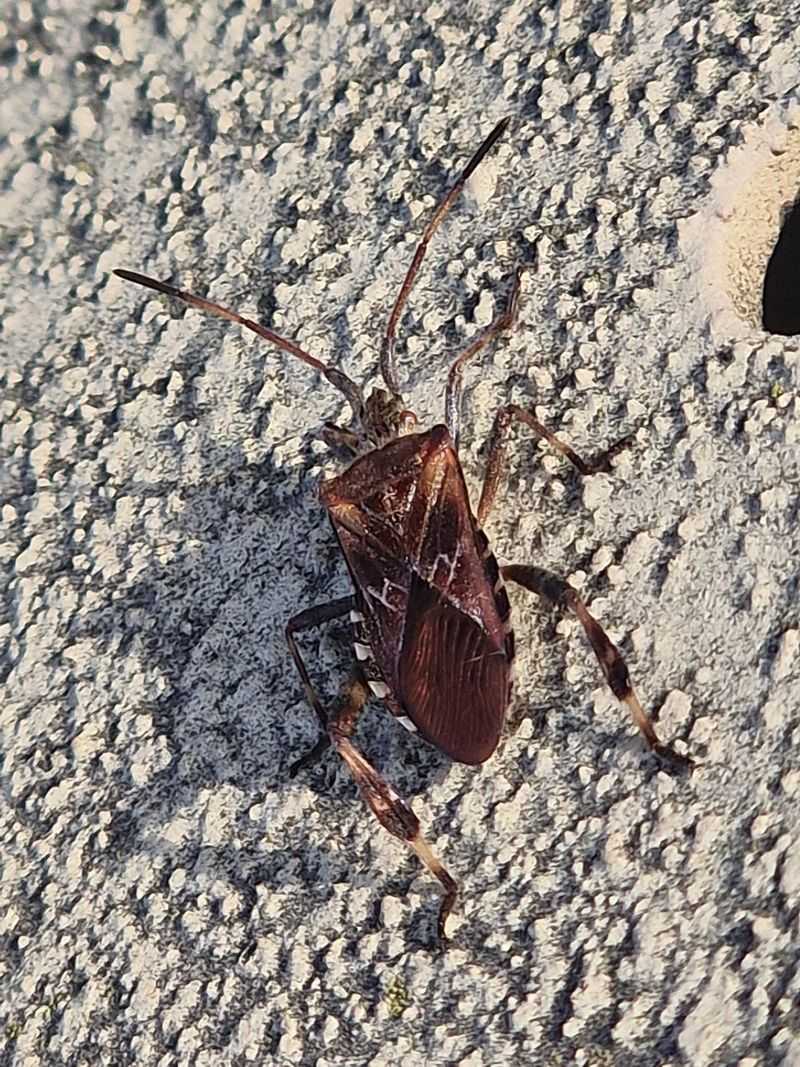
Imagine sleeping outside in a thin jacket while frost settles on the grass around your tired feet. That chilly feeling is exactly what drives seed bugs to search for shelter as autumn rolls into Michigan.
Adult bugs spend the winter in a resting state, a bit like a bear taking a long nap. In the wild, they tuck themselves under loose tree bark, inside bird nests, or beneath thick leaf piles.
Your Michigan Garden Changes Every Week. Your Plan Should Too.
Gardening in Michigan changes quickly throughout the season. Every Friday you’ll receive a simple weekly plan showing exactly what to plant, prune, fertilize, harvest, and protect so you never miss the right timing.
Your house, sadly for you, makes a far better hiding spot than any rotten log in the woods. Sunny siding soaks up afternoon heat, and that warmth draws the bugs in.
That pull toward warm, sunlit surfaces is the same one that leads them to pine cones outdoors. Sadly, it can also lead them straight to your home.
South and west facing walls get the most sun, so expect the biggest crowds gathering on those sides. Once they land, tiny cracks around windows, vents, and siding become open doors into your cozy rooms.
Inside the walls and attic, temperatures stay steady, which suits a sleepy bug waiting for spring sunshine. Trouble starts when your furnace kicks on, warming those hidden spaces and tricking the bugs into waking.
Confused by the sudden heat, they wander out into living rooms, kitchens, and bedrooms looking for sunlight. So the bug on your lamp is not an intruder, it is simply lost and a little groggy.
Peak Season For Uninvited Houseguests
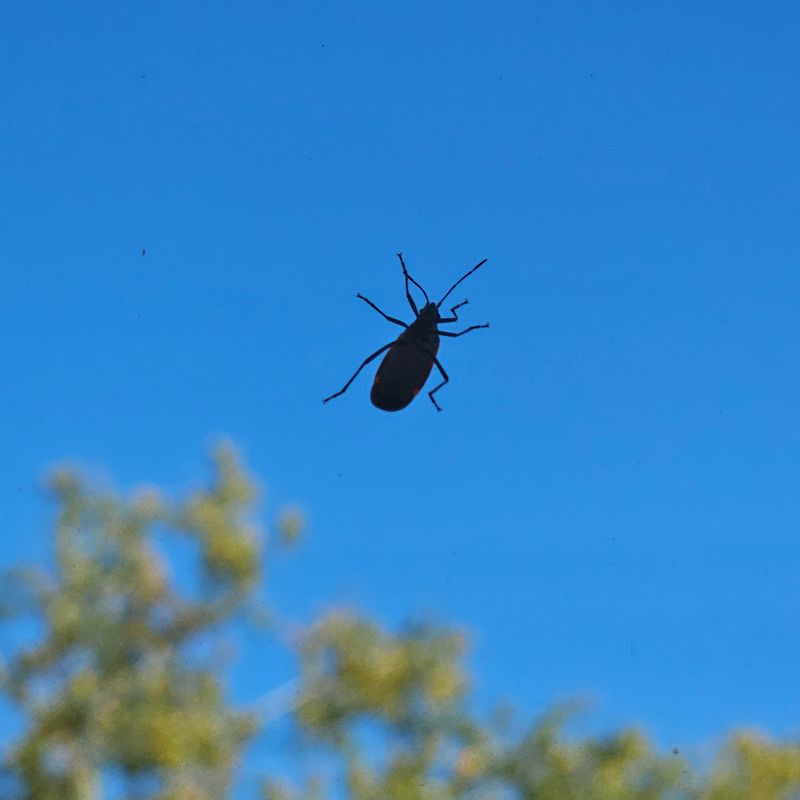
Mark your calendar for late September through October, because that window brings the busiest bug traffic of the year. Early October in Michigan is often the high point, especially after the first truly cold night arrives.
Warm, sunny afternoons following a frosty morning are prime time for the bugs to start moving around. You might notice a dozen of them sunbathing on your garage door or porch railing by midafternoon.
Homes near pine forests, Christmas tree farms, or wooded lots usually see bigger numbers than city apartments. Northern Michigan cabins surrounded by evergreens often see the biggest numbers during peak weeks.
A second wave often shows up in the middle of winter, which surprises plenty of homeowners every year. Those are not new arrivals, just bugs that slipped inside in fall and woke up from furnace heat.
Another round appears in late March or April, when the bugs try to head back outside again. You may find them clustered near windows then, tapping against the glass like impatient kids at recess.
Knowing this rhythm helps you plan, since the best time for prevention is right before peak season. If you are reading this in early October, quick action this week can still make a real difference.
Keep a small jar or cup near the window where they gather most, ready for easy catch and release. A little planning now means fewer surprise encounters with buzzing guests during holiday dinners later this year.
The Smelly Mistake Many Homeowners Make
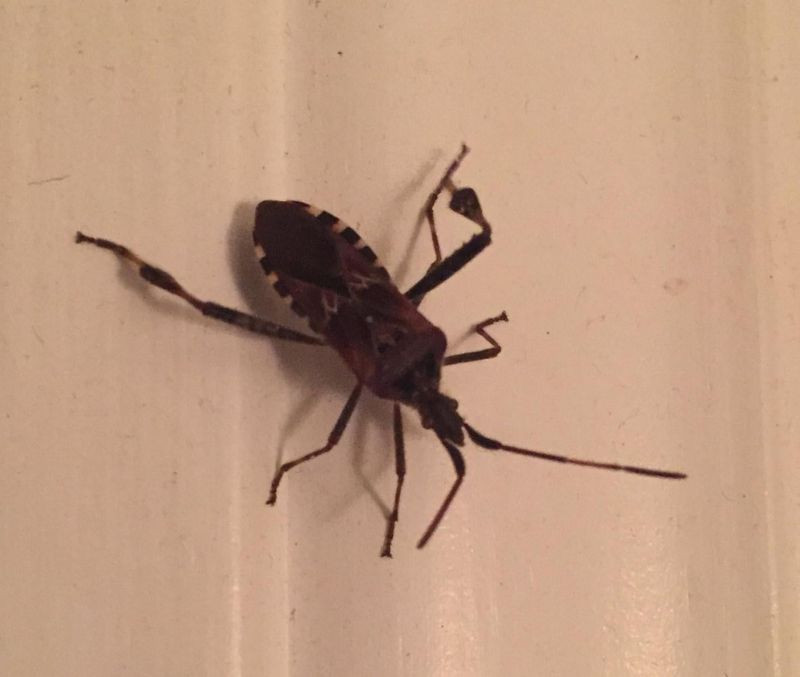
Grab, press, regret, that is the usual three-step story when someone pinches a seed bug in a tissue. Like stink bugs, this insect releases a strong odor when it feels threatened or gets crushed.
People describe the scent in wildly different ways, from sharp pine sap to overripe green apples. Some folks even compare it to cilantro, which makes the smell a matter of personal taste.
Pressing one can also leave a brownish smear on walls, curtains, or light-colored furniture that resists scrubbing. Pressing too hard on a white couch cushion turns a tiny problem into a weekend cleaning project.
Another common slip is reaching for a bug spray can and fogging the whole room in a panic. Indoor sprays rarely help much, since new bugs keep wandering out of walls long after the spraying ends.
Those chemicals can also bother kids, pets, and anyone with sensitive lungs, which is a poor trade. Chasing flying bugs around the room is another risky move, especially near lamps, glass vases, or a full coffee mug.
A simple cup carried outdoors is the easier fix, and it saves water too. Remember that these bugs are harmless to people and pets, so a calm reaction usually works best.
Take a breath, grab a container, and let the slow-moving guest walk right in on its own. Your nose, your curtains, and your weekend plans will thank you for choosing patience over a quick grab.
Gentle Removal Without Harsh Chemicals
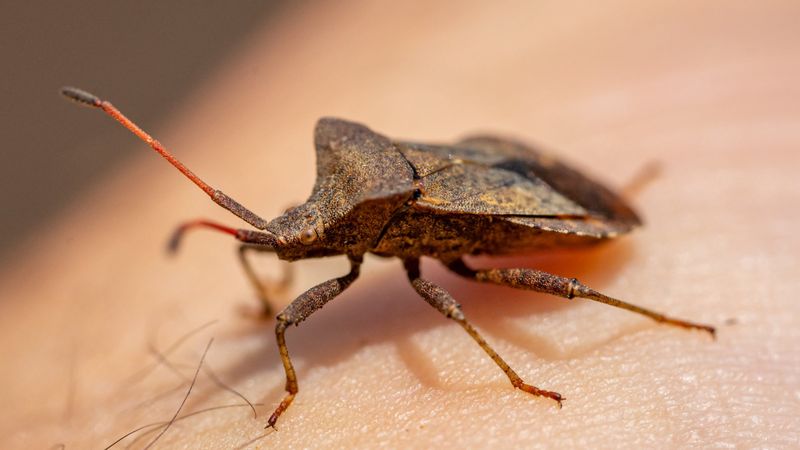
Grandma had the right idea with her trusty jelly jar, and it still works wonders on seed bugs today. Slide the open jar beneath the bug, tap the wall lightly, and watch it drop right inside.
Seed bugs move slowly and rarely fly when disturbed gently, so this method takes only a few seconds. Pop a lid or index card on top, then carry your passenger outside to a shrub or woodpile.
For high ceilings, a vacuum with a long hose attachment saves your back and your ladder skills. Empty the canister or bag outdoors right away, or the smell may linger in your hallway closet.
A clever trick involves slipping a knee-high nylon stocking over the hose and securing it with a rubber band. The bugs get caught in the stocking instead of the vacuum, making release outside quick and odor free.
Kids often enjoy helping with this job, and it turns a creepy moment into a fun nature lesson. Let them count the leafy leg flaps or watch the bug clean its antennae before letting it go.
If you find several bugs at once, the stocking trick lets you clear a whole window in one pass. Skip the indoor foggers, since they leave sticky residue behind and do little to stop future visitors.
Patience is a good tool here, because many stray bugs will head back outside by spring. Until then, a jar on the windowsill makes a handy, low-cost bug taxi service for the whole family.
A Sealed Home Before The Next Cold Snap
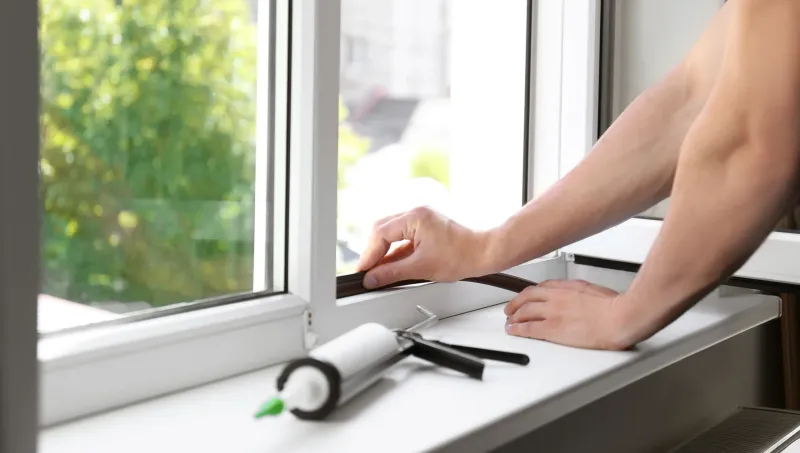
Think of your house as a sweater, because even tiny holes let cold air and curious bugs slip through. Sealing those gaps is one of the most effective ways to keep seed bugs outside where they belong.
Start by walking around your home on a bright afternoon and looking for cracks around windows and doors. A tube of silicone caulk costs only a few dollars and fills small openings in about a minute.
Check window screens for tears, since one small rip can let several bugs slip in during a sunny week. Screen patch kits from the hardware store are cheap, easy to use, and blend in nicely.
Door sweeps help block the gap under exterior doors, which is a favorite entry point for crawling insects. Attic vents and dryer vents also deserve fine mesh covers, especially in homes surrounded by tall pine trees.
Michigan weather in early October usually stays mild enough for caulk to cure properly, so act soon. Most products need temperatures above forty degrees, and November nights up north can drop well below that.
Gaps where cables, pipes, or outdoor faucets enter the house need attention too, since bugs will test any opening they can find. Expanding foam works well for larger holes, while copper mesh stuffing handles odd shapes without much fuss.
A few hours of sealing this month can mean a calmer, quieter winter with far fewer buzzing surprises. Bonus points, your heating bill may shrink too, which makes those leafy-legged visitors accidental money-saving coaches.