Why Massachusetts Cranberry Growers Are Facing A Difficult Season
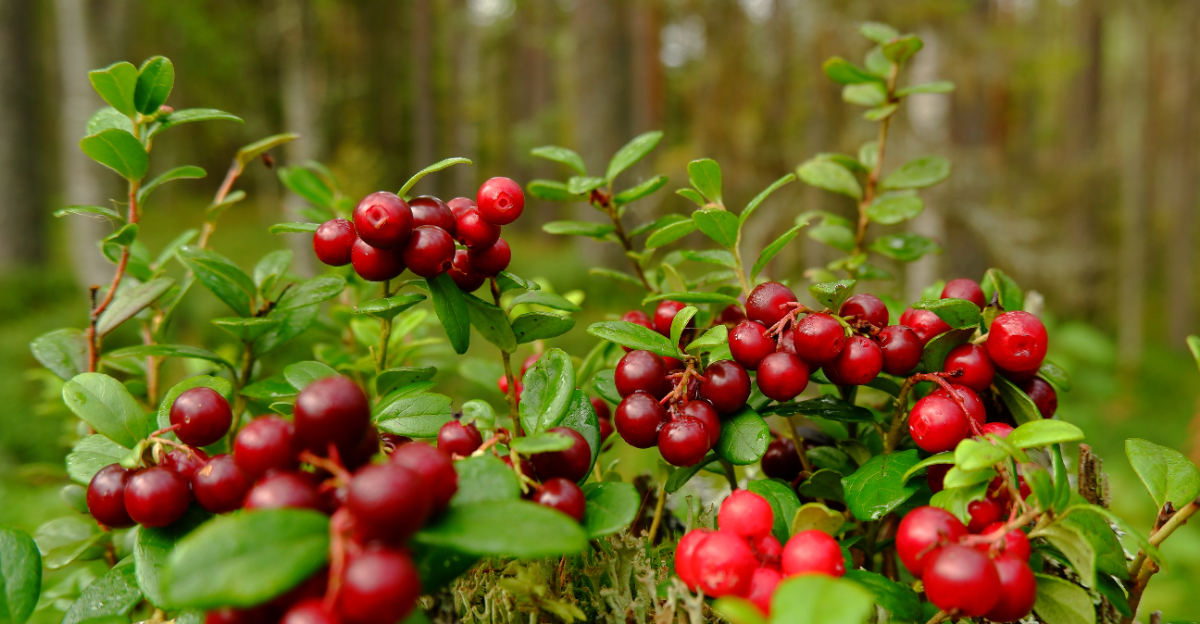
Massachusetts cranberry bogs are telling a rough story this year. Growers who have tended these fields for decades are watching drought, late frost, and fruit rot hit all at once.
Some bogs look thinner than usual, with berries smaller and softer than the deep red clusters growers expect by fall. Water levels that normally protect the crop during flooding season have dropped low enough to worry even the most experienced farmers.
Frost snuck in at the wrong moment this spring, catching tender buds before they had a chance to harden. Add fungal rot creeping through damp patches, and the pressure on this year’s harvest keeps building.
For an industry rooted in family farms and small local economies, every setback carries weight beyond the bog itself. If cranberries are part of your Thanksgiving table, this year’s harvest carries a story worth paying attention to.
A Poor Keeping Quality Forecast Signals Trouble Ahead
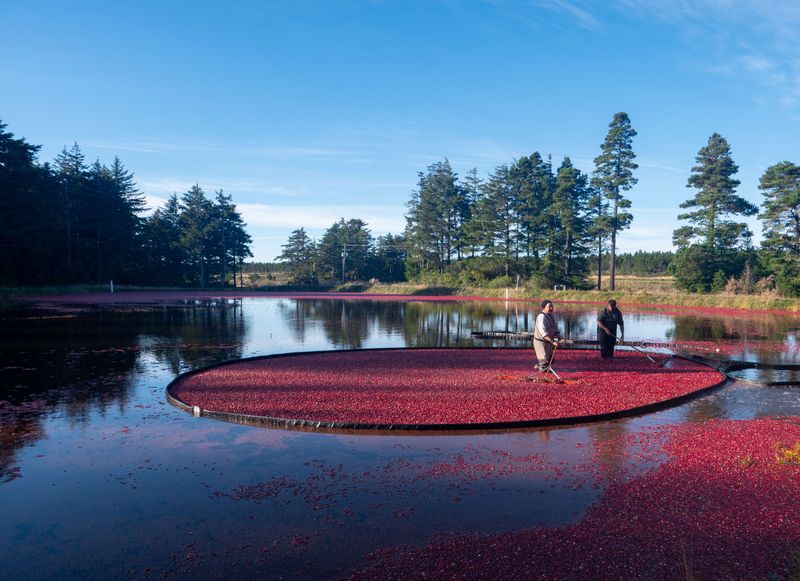
Numbers do not lie, and this season’s forecast is telling a grim story. Massachusetts cranberry growers are watching keeping quality scores drop below acceptable thresholds across many bogs.
Keeping quality measures how well harvested fruit holds up during storage and transport. When scores fall short, retailers reject shipments and growers lose income fast.
Poor keeping quality often starts before harvest even begins. Stress events during the growing season weaken the fruit’s internal structure, making it soft and prone to breakdown.
Growers who depend on processing contracts feel this pressure most sharply. A rejected load means lost revenue with no quick way to recover those losses.
Juice processors and sauce manufacturers set strict standards for the fruit they accept. Soft or damaged berries cannot meet those benchmarks, no matter how many were grown.
Some growers are adjusting harvest timing to catch fruit at its firmest possible window. Earlier picking can help, but it also risks lower sugar content and color development.
The forecast has prompted conversations between growers and extension agents across Cape Cod. Everyone is searching for strategies to salvage as much marketable fruit as possible.
Crop consultants are urging growers to prioritize their strongest-performing bogs this season. Focusing resources where quality is highest gives the best shot at a profitable return.
This season is a wake-up call about how fragile fruit quality can be. The road ahead will test every grower’s patience and planning skills.
Multiple Years Of Drought Are Compounding Stress On The Vines
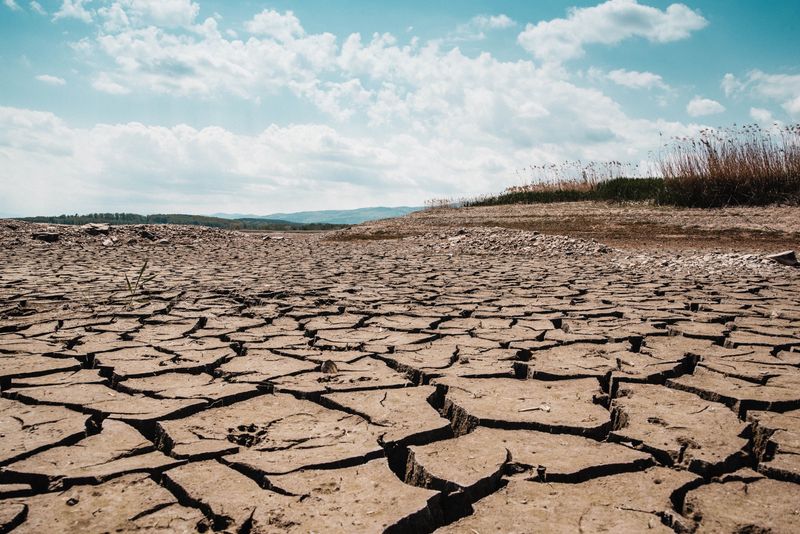
Cranberry vines are tough, but even they have a breaking point. Several consecutive dry seasons have pushed the root systems of many bogs to a serious breaking point.
Water is everything in cranberry production. Growers use it for frost protection, harvest flooding, and keeping vines hydrated through the growing season.
When rainfall totals fall short year after year, the stress accumulates inside the plant tissue itself. Vines that are already weakened cannot produce the firm, high-quality fruit buyers demand.
Reservoir levels on many cranberry properties have dropped to concerning lows. Some growers are rationing water carefully just to get through the summer without losing entire sections of bog.
Your Massachusetts Garden Changes Every Week. Your Plan Should Too.
Gardening in Massachusetts changes quickly throughout the season. Every Friday you’ll receive a simple weekly plan showing exactly what to plant, prune, fertilize, harvest, and protect so you never miss the right timing.
Drought also affects the soil ecosystem beneath the vines. Beneficial microbes that help roots absorb nutrients become less active when moisture is scarce for extended stretches.
Irrigation systems help, but they are expensive to run and cannot fully replace natural rainfall. The cost of pumping water adds up quickly across large bog acreages.
Vine stress from drought also makes plants more vulnerable to pest and disease pressure. A weakened plant simply cannot fight off threats the way a healthy one can.
Extension researchers are tracking soil moisture data across the region to better understand the cumulative damage. Their findings are shaping new recommendations for water management on stressed bogs.
Growers who survive this stretch will likely invest in better water storage infrastructure. Resilience starts with planning before the next dry cycle arrives.
Cold Spring Nights And Frost Risk During Bloom
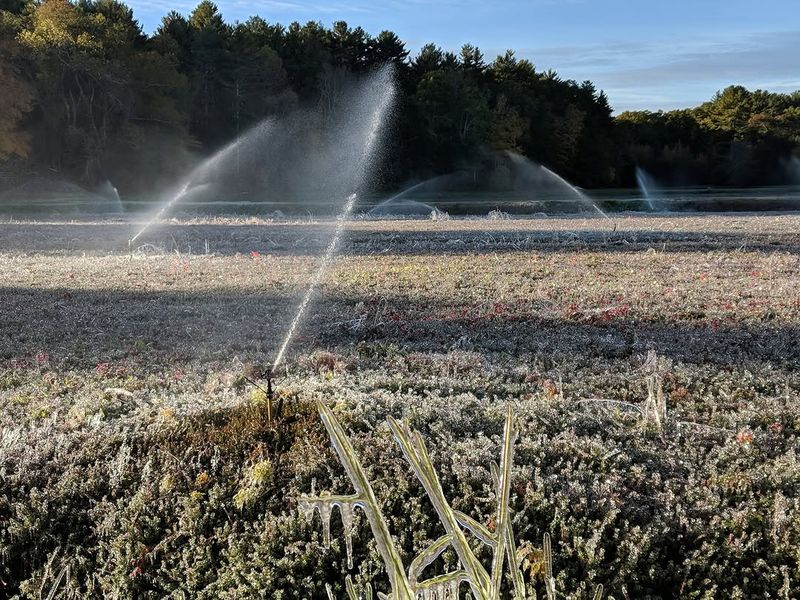
Spring frost is a cranberry grower’s worst nightmare, and this year delivered plenty of sleepless nights. Bloom time is the most vulnerable window in the entire growing cycle.
When blossoms are open and temperatures drop below freezing, the delicate flower tissue goes dormant. Fewer blossoms mean fewer berries, and fewer berries mean less income at harvest time.
Growers rely on flooding or overhead sprinklers to protect blooms from frost damage. Both methods work, but they require constant monitoring and quick action when temperatures plunge.
This spring brought an unusual string of cold nights right during peak bloom across many bogs. Growers were out at all hours checking thermometers and activating their protection systems.
Even with protection in place, partial frost damage can occur when temperatures drop sharply. Bogs with uneven terrain or poor water coverage are especially hard to defend on cold nights.
A frost event during bloom does not always affect the entire crop in one shot. Sometimes the damage is subtle, showing up weeks later as reduced fruit set across sections of bog.
Growers who kept detailed records of frost events this spring are now mapping where fruit set looks thin. Those maps will guide harvest decisions and help explain yield gaps to buyers.
Climate patterns that bring late cold snaps are becoming harder to predict with confidence. Growers are increasingly investing in better weather monitoring equipment to stay one step ahead.
Frost risk during bloom is a reminder that farming carries real uncertainty. Preparation and quick response remain growers’ best defenses.
Lingering Effects Of Winter Injury From The Previous Year
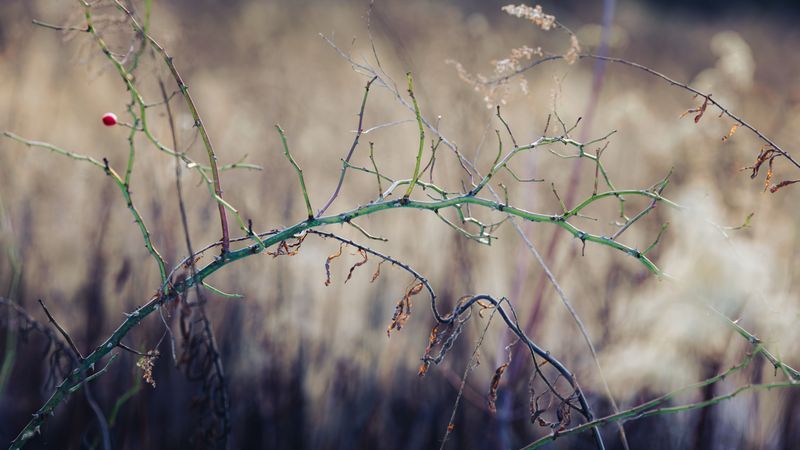
Winter weather has left a mark that does not always fade when the snow melts. Growers across the region have noticed winter injury on their vines in recent seasons, and its effects can carry into the following year.
Winter injury happens when cold temperatures damage the crowns and uprights of cranberry plants. The damage is not always obvious until new growth fails to appear where it should.
Vines that suffered injury in a rough winter can enter the growing season already behind schedule. They spend energy on recovery rather than channeling everything into fruit production.
Injured uprights often produce fewer flowers even when they do survive. Fewer flowers translate directly into lower fruit set, which means lighter yields at harvest time.
Some sections of bog can look noticeably patchy in the seasons following winter damage. Growers deal with uneven production across bogs that used to perform consistently well.
The recovery timeline for winter-injured vines can stretch across multiple seasons. One bad winter can affect productivity for two or three years if the damage is severe enough.
Growers work with crop consultants to assess which sections are worth investing in each season. Areas with heavy injury may need renovation rather than standard crop management inputs.
Sand applications after harvest can help injured vines recover by encouraging new root development. That practice requires time and resources, but it pays off over several growing seasons.
Winter injury is a quiet, slow-moving problem that does not make headlines. Its impact on yields is real and significant for many operations across the region.
Fruit Rot Pressure Requires Closer Fungicide Management
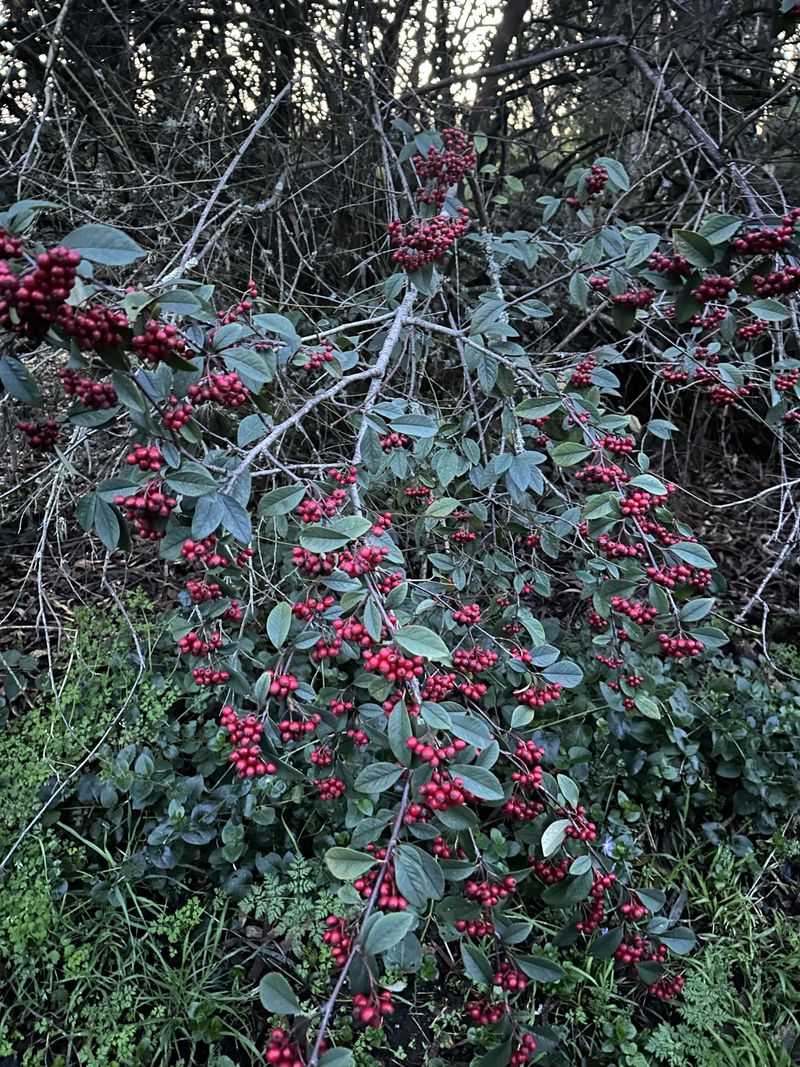
Fruit rot is one of the most frustrating enemies a cranberry grower faces each season. This year, conditions have been unusually favorable for the fungi that cause it.
Warm, wet periods during the growing season create perfect windows for rot spores to spread. When those conditions hit during bloom or early fruit development, the risk escalates fast.
Several fungal pathogens cause fruit rot in cranberries, including Botrytis and Coleophoma. Each one behaves slightly differently, which makes timing fungicide applications a real challenge.
Growers who missed key spray windows earlier in the season are now seeing higher rot levels in their bogs. Catching up on fungicide applications late in the season is difficult and expensive.
Resistance to certain fungicide chemistries is also a growing concern among crop consultants. Rotating between different modes of action is essential to keep programs effective over time.
Scouting bogs regularly helps growers catch early signs of rot before it spreads widely. Early detection gives applicators the best chance to slow the disease with targeted treatments.
Weather forecasting tools are now part of many growers’ rot management strategies. Predictive models help identify high-risk windows so fungicide timing can be tightened precisely.
The cost of a strong fungicide program adds up quickly across large acreages. Growers are balancing input costs against the risk of losing fruit they have worked all season to grow.
Fruit rot pressure this season is a reminder that disease management requires constant attention. Staying sharp through the final stretch can still make a meaningful difference in final yield quality.
What This Season Means For Growers Moving Forward
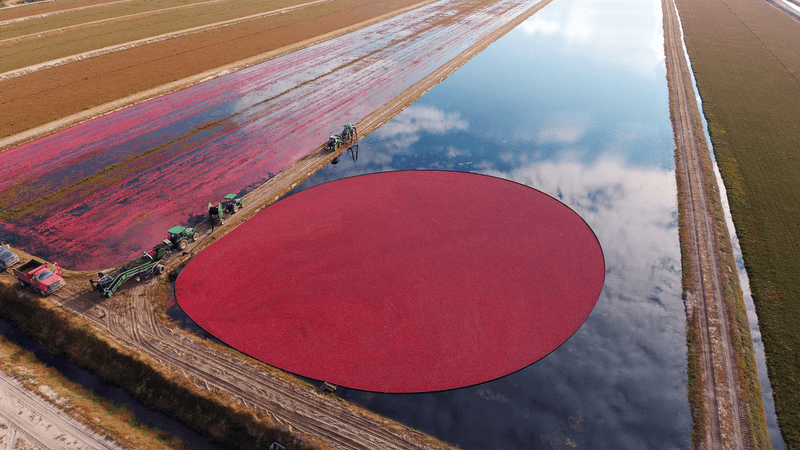
Tough seasons have a way of reshaping how growers think about the future. This year’s difficulties are pushing many Massachusetts cranberry operations to rethink their long-term strategies.
Some growers are accelerating plans to upgrade water storage and irrigation infrastructure. Better systems mean more flexibility when drought or frost events hit without warning.
Others are exploring variety trials to identify cranberry cultivars that handle stress better. Newer varieties bred for disease resistance and climate adaptability are gaining serious attention.
Financial pressure is also prompting conversations about crop insurance coverage and risk management tools. Growers who were underinsured this season are learning that lesson the hard way.
Industry organizations are stepping up support through workshops, cost-share programs, and research funding. The cranberry community has long been tight-knit, and that strength matters during hard times.
Consumer demand for cranberry products remains strong, which gives growers a reason to stay committed. The market is there; the challenge is surviving the seasons that test every resource a farm has.
Younger growers entering the industry are watching closely to see how established operations adapt. The decisions made now will shape what cranberry farming looks like in the next decade.
Extension services are documenting this season’s challenges in detail to build better response playbooks. That institutional knowledge will help the next generation of growers handle similar pressures more confidently.
Massachusetts cranberry growers have faced hard seasons before and found ways to push through. This season is difficult, but the roots of this industry run deep enough to hold.