The One Thing Oregon Gardeners Should Do To Lavender After The First Big Summer Bloom
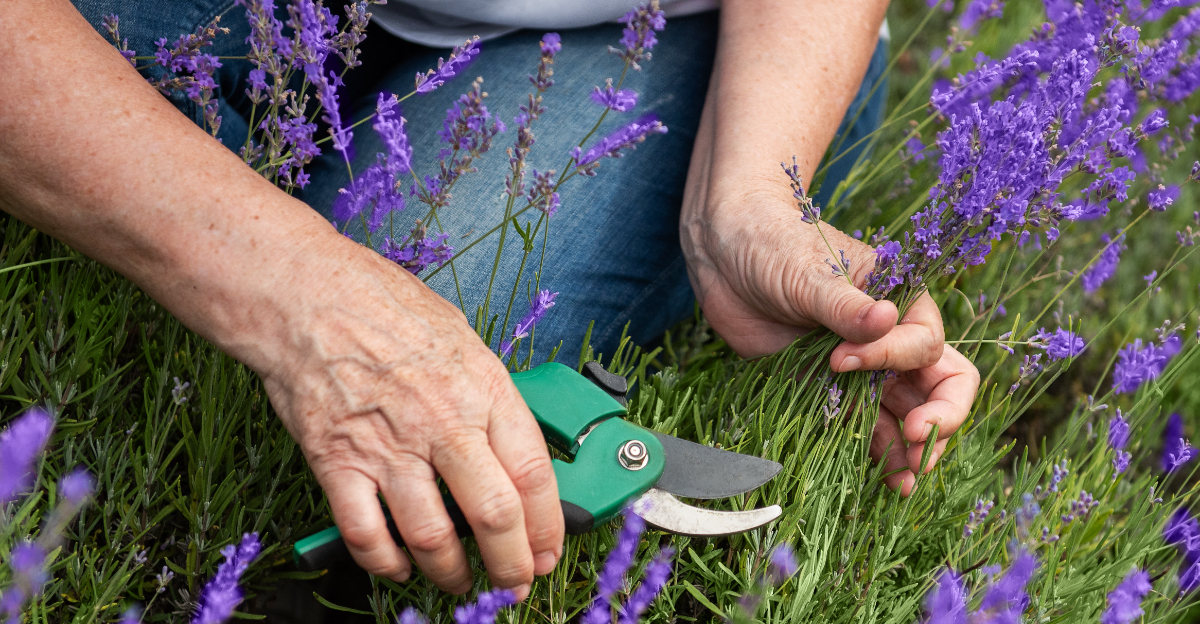
Lavender is at its most impressive when that first big flush of purple takes over the garden. The bees are thrilled, the air smells incredible, and every stem looks ready for a postcard.
Then the flowers begin to fade, and the plant suddenly seems unsure of its next move.
This is the moment when many people either ignore it completely or get a little too enthusiastic with the garden shears. Both reactions can affect how lavender looks for the rest of summer. Apparently, even a famously low-maintenance plant has opinions.
What happens after that first bloom can shape the plant’s appearance and influence how it grows as the season continues.
A small task done at the right time may help keep it from becoming tired or unruly.
The good news is that lavender does not need a complicated makeover. One simple step can help it stay neat and encourage a stronger encore.
1. The Cut That Keeps Lavender From Looking Tired
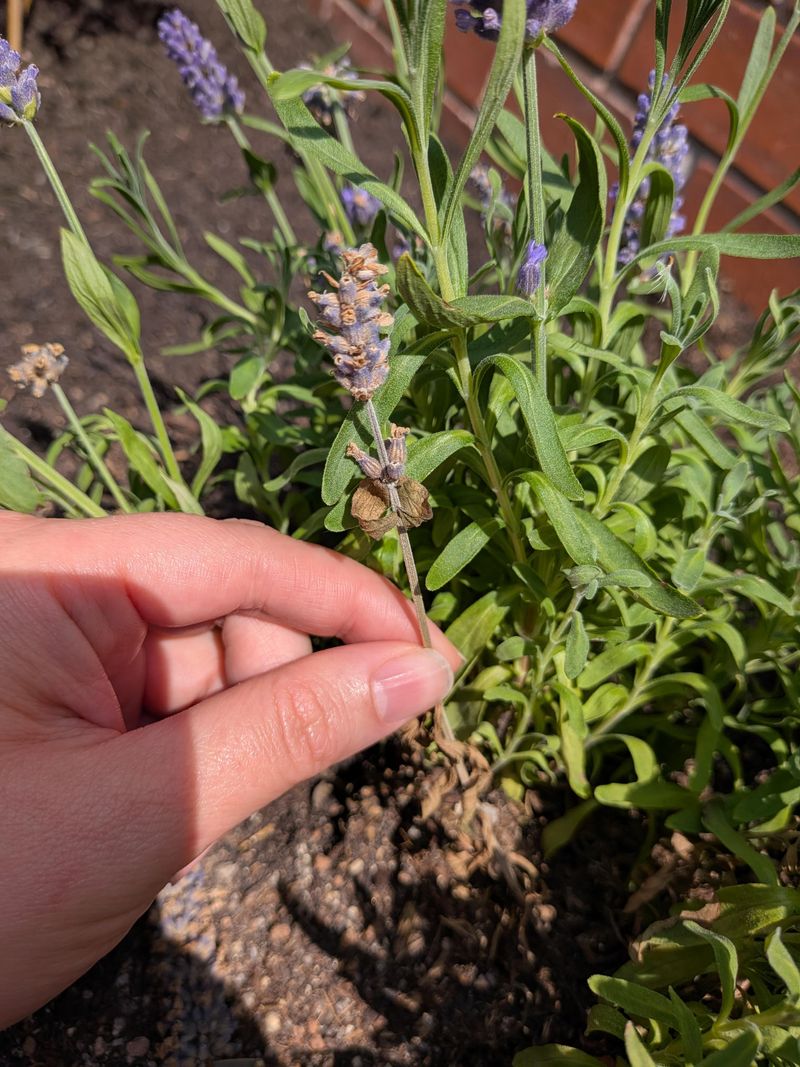
Most gardeners wait too long before touching their lavender after the first bloom. By the time the flowers look completely brown and dry, the plant has already started putting energy into seeds instead of new growth.
That is the opposite of what you want. The right move is to shear off the spent flower stems as soon as the blooms start to fade. You do not need to wait until every single flower is gone.
Once most of the color has dropped and the stems look tired, grab your shears and get to work.
Use a clean, sharp pair of garden shears or hedge trimmers for larger plants. Dull blades can crush the stems instead of cutting them cleanly, which slows healing and opens the door to disease.
A clean cut is always better for the plant. In Oregon, the first big bloom usually peaks in late June or early July.
Timing your shear around this window gives the plant enough warm weeks left in the season to push out new growth.
That new growth is what sets up a possible second bloom later in summer or early fall.
Shearing spent stems also keeps the garden looking tidy. Faded flower heads can make even a healthy plant look ragged and overgrown.
A quick cleanup after the first bloom is one of the easiest ways to keep your garden looking sharp all summer long.
2. Cut After The First Bloom Fades
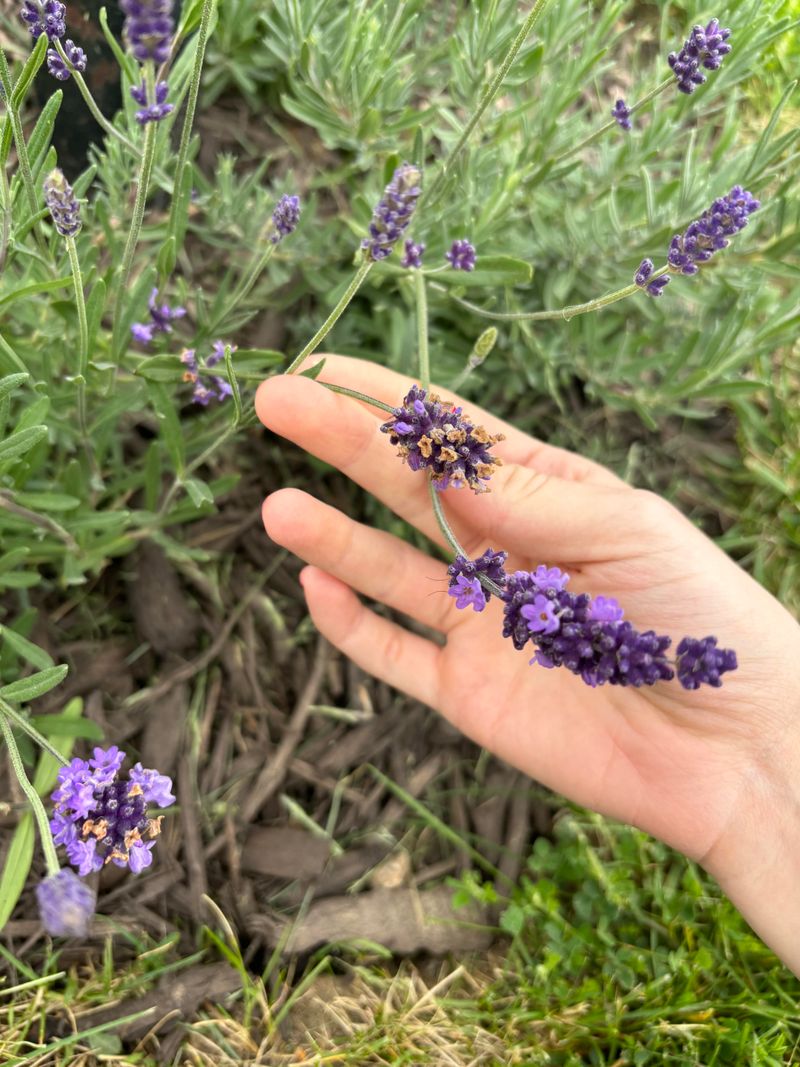
Timing is everything when it comes to trimming lavender. Cut too early and you interrupt the bloom.
Wait too long and the plant shifts its focus to seed production, which drains its energy fast. The sweet spot is right after the first flush of flowers begins to fade.
You will notice the blooms going from bright purple to a duller, grayish-purple color. The petals start to drop and the stems look less vibrant. That is your signal to grab the shears.
Some gardeners in cooler coastal areas of Oregon find that the first bloom lasts a little longer because of milder temperatures.
Your Oregon Garden Changes Every Week. Your Plan Should Too.
Gardening in Oregon changes quickly throughout the season. Every Friday you’ll receive a simple weekly plan showing exactly what to plant, prune, fertilize, harvest, and protect so you never miss the right timing.
Inland gardeners in the Willamette Valley or southern regions may see the bloom fade faster due to summer heat.
Either way, the rule stays the same: cut when the color fades.
Do not wait for the stems to turn straw-colored or fully dry. By that point, you have missed the best window for encouraging a rebloom.
The plant responds much better to pruning when there is still some life and green in the upper stems.
Think of it like giving the plant a fresh start. Removing the tired flower stems tells the plant to redirect its energy into new shoots.
Those new shoots are what give you a second round of blooms before the season ends. It is one simple cut that pays off in a big way.
3. Trim The Green Growth, Not Old Wood
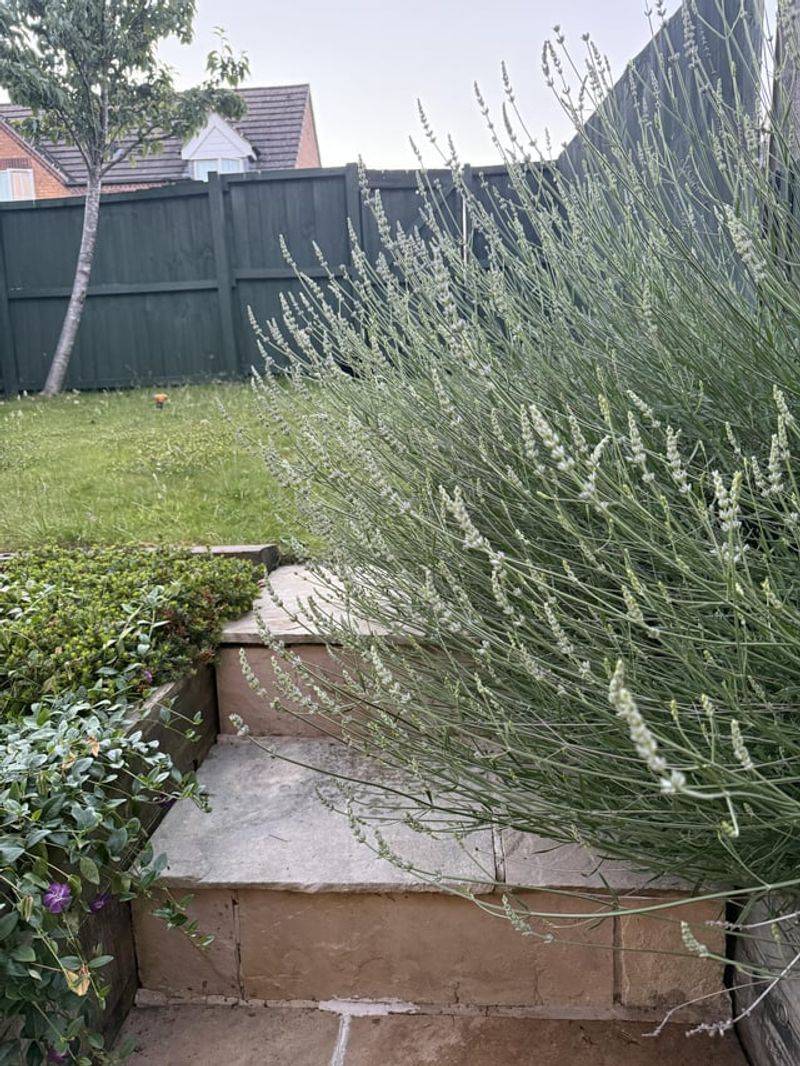
One of the most common mistakes lavender growers make is cutting too far down into the old, woody part of the plant. Lavender does not bounce back from heavy cuts into wood the way some shrubs do.
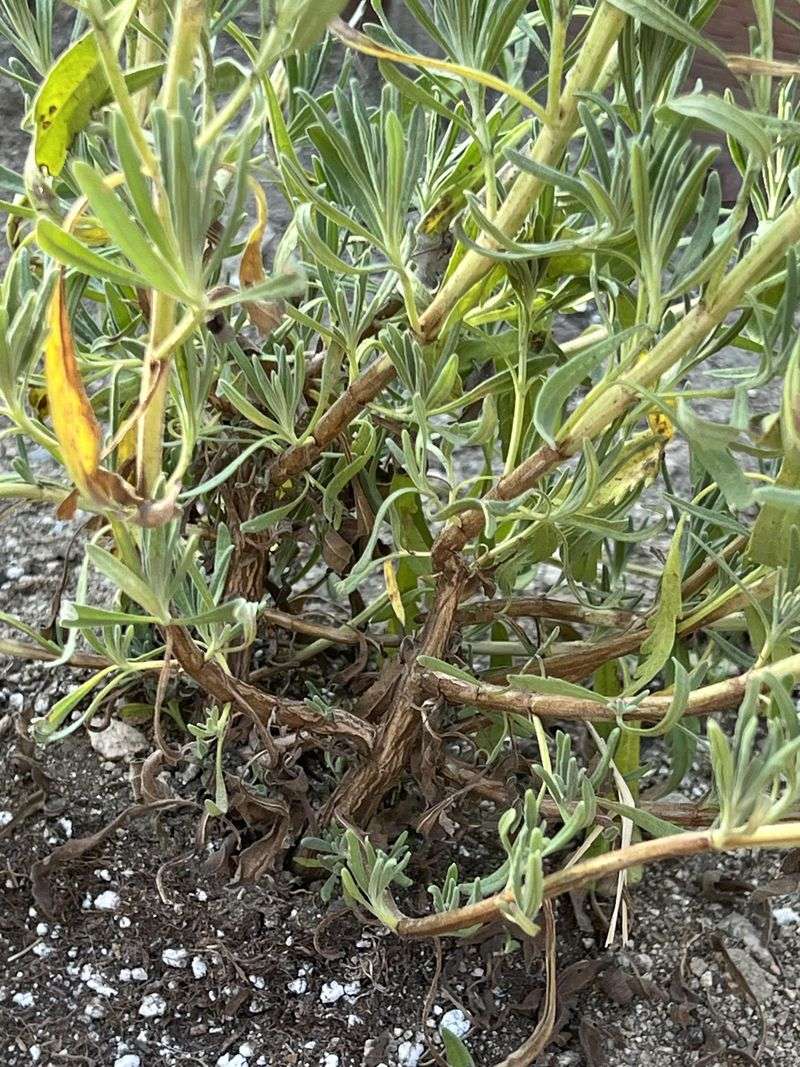
If you cut into the brown, woody base, you risk losing whole branches or even the entire plant.
The safe zone is the green, leafy growth above the woody stems. When you shear after the first bloom, aim to cut back into this green area only.
Leave at least a few inches of green growth on every stem you touch.
A good rule of thumb is to cut just below where the flower stems attach to the leafy part of the plant. This removes the spent blooms while leaving plenty of healthy green growth behind.
That green growth is where new buds will form for the next bloom cycle.
Gardeners in northern parts of Oregon should be especially careful with this rule. In cooler climates, lavender grows a little more slowly and has less time to recover from aggressive cuts before winter sets in.
Keeping cuts in the green zone gives the plant the best chance to bounce back quickly.
If you are ever unsure where to stop cutting, err on the side of caution and cut less. You can always take a little more off later.
But once you cut into old wood, you cannot undo it. Staying in the green keeps your plant safe and healthy.
4. Leave A Soft Mounded Shape Behind
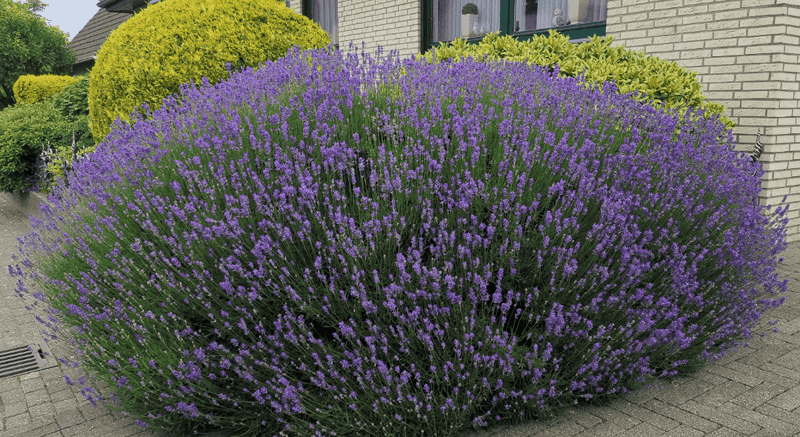
After you finish trimming, step back and take a look at the overall shape of your plant. A well-trimmed lavender should look like a soft, rounded mound, not a flat-topped hedge or a jagged mess of uneven stems.
Shape matters more than most people think. A mounded form is not just about looks. It actually helps the plant in practical ways.
The rounded shape allows rain and irrigation water to run off evenly instead of pooling in the center, which can cause rot in wet Pacific Northwest winters.
To get that mounded shape, start by trimming the outside edges first and then work your way toward the top. Think of it like sculpting a dome.
The outer edges should be slightly lower than the crown of the plant. This creates a natural, flowing silhouette that looks great in any garden style.
English lavender varieties, which are among the most popular in Oregon, naturally want to grow in this mounded shape.
A little guidance from your shears after the first bloom helps them stay true to that form as the season goes on.
Keeping a consistent mounded shape year after year also makes future pruning easier. When the plant stays compact and rounded, you spend less time correcting overgrowth and more time enjoying the blooms.
It is a small effort that adds up to a much healthier and better-looking plant over time.
5. Don’t Wait Until Stems Turn Fully Brown
Waiting too long to trim lavender is one of the most common problems home gardeners run into.
It feels natural to wait until the plant looks completely finished before cutting it back. But with lavender, that wait works against you.
Once the stems turn fully brown and dry, the plant has already moved past the point where a post-bloom trim does the most good. The window for encouraging a second bloom has closed.
The plant is now focused on going dormant rather than pushing out new growth.
Brown stems are also harder to cut cleanly. They tend to be more brittle, and they give you less visual guidance about where the green growth ends and the old wood begins.
Cutting into dry, brown stems raises the risk of accidentally going too deep and damaging the woody base.
Oregon summer moves fast once July hits. Inland valleys can get hot stretches that dry out spent blooms quickly.
Keeping a close eye on your lavender during July is key to catching that trimming window before it closes.
Set a reminder on your phone if you have to. Check your plants every few days once the first bloom peaks.
As soon as you see the color fading and the petals dropping, that is your cue to act. Prompt action after the first bloom is one of the simplest ways to keep lavender performing well all season.
6. A Light Shear Keeps Lavender Compact
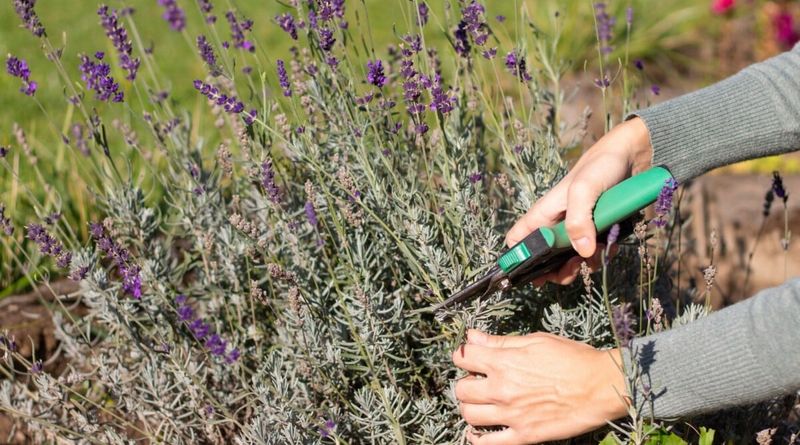
There is something really satisfying about a tight, compact lavender plant. It looks intentional, healthy, and full of life.
The secret behind that look is consistent, light shearing after each bloom cycle, starting with the very first big bloom of summer.
A light shear means removing roughly one-third of the plant’s top growth. You are not hacking it down to the ground or doing a major renovation prune.
You are just tidying it up and encouraging it to stay dense and bushy rather than spreading out and flopping over.
Lavender that never gets trimmed tends to get leggy over time. The stems stretch out, the center of the plant opens up, and the whole thing starts to look messy and unmanaged.
Regular light shearing prevents all of that by keeping new growth coming in from all sides of the plant.
Compact plants also handle Oregon’s wet winters better. A dense, tight mound sheds water more effectively than a sprawling, open plant.
Less moisture sitting in the center of the plant means less chance of crown rot during those long, rainy months.
Think of light shearing as a form of plant maintenance, just like watering or weeding. It only takes a few minutes per plant, and the payoff lasts all season.
Gardeners who make this a habit year after year end up with lavender plants that look better and last longer than those that never get trimmed.
7. Removing Spent Blooms Prevents Floppy Growth
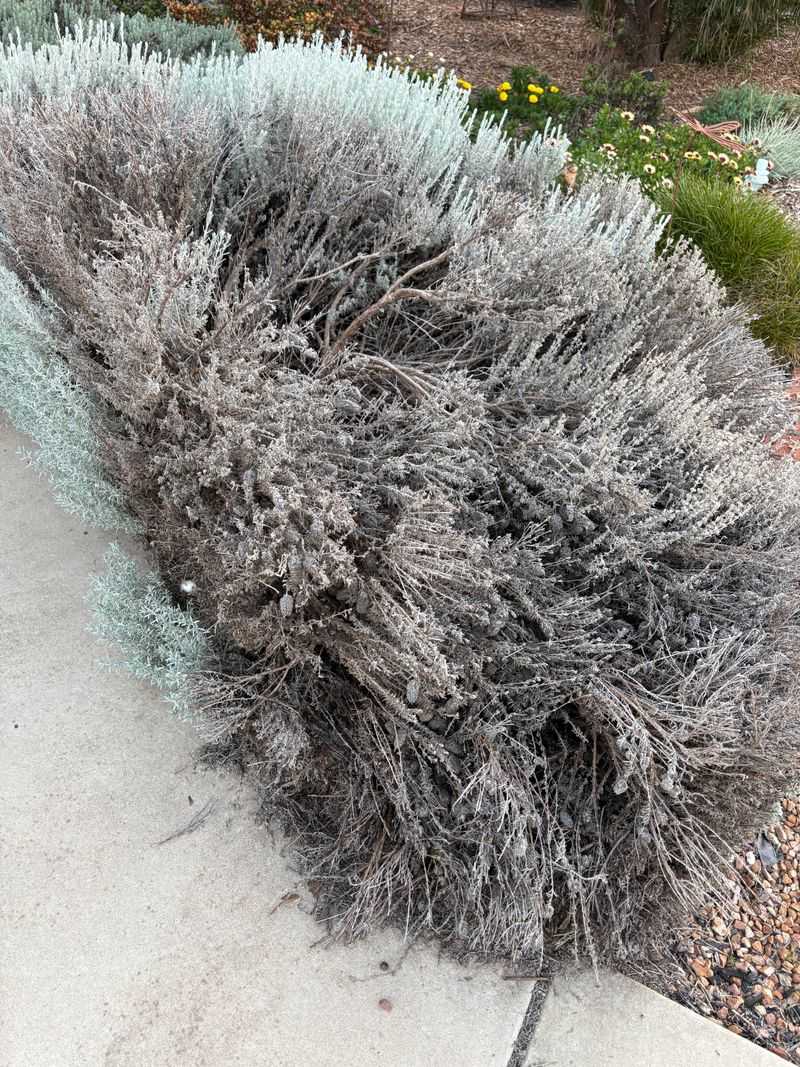
Floppy lavender is a real problem, and it happens more often than most gardeners expect. When spent flower stems are left on the plant too long, they get heavy and start to pull the branches outward.
Over time, the whole plant spreads apart in the middle and loses its shape.
That floppy growth is not just an eyesore. It also makes the plant more vulnerable to disease and pest damage.
Open, spreading branches allow more moisture to sit in the center of the plant, which creates the kind of damp conditions that fungal problems love.
Removing spent blooms shortly after the first big flush of flowers solves this problem before it starts.
When the old flower stems are gone, the plant does not have that extra weight pulling it apart.
The remaining stems stay upright and the plant holds its shape much better through the rest of the season.
Lavender varieties with longer flower stems, like some of the Spanish types, are especially prone to flopping if left untrimmed.
Gardeners growing these varieties in Oregon should be especially prompt about post-bloom trimming to keep the plants looking their best.
A compact, upright lavender plant is also much easier to manage in future seasons. When you prevent floppy growth early, you avoid having to do more aggressive corrective pruning later.
Staying ahead of the problem with a timely trim after the first bloom is always the smarter and easier path.
8. This Trim Can Encourage A Smaller Rebloom
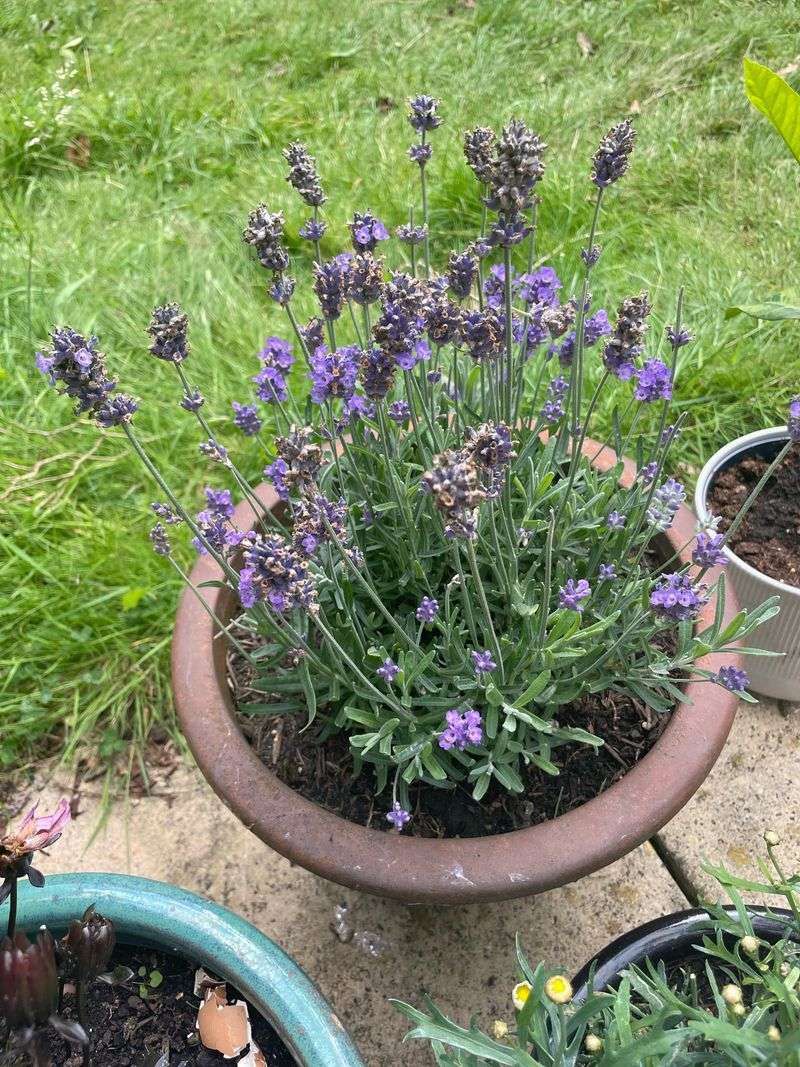
Here is something that surprises a lot of first-time lavender growers: trimming the plant after the first bloom can actually lead to a second round of flowers later in the season.
It is not guaranteed, but it happens often enough that it is worth doing every single time.
When you remove the spent flower stems, the plant responds by pushing out new growth. In many cases, that new growth includes fresh flower buds.
The rebloom is usually smaller and less dramatic than the first flush, but it adds weeks of color and fragrance to your garden.
English lavender varieties like Hidcote and Munstead are known for their ability to rebloom when given a post-bloom trim.
These are two of the most popular varieties grown in Oregon, and both respond really well to timely shearing.
For the best chance at a rebloom, time your trim for late June or early July. That leaves enough warm weather in the season for new buds to form and open before cooler fall temperatures arrive.
Waiting until August to trim greatly reduces the chances of seeing a second bloom.
Even if a full rebloom does not happen, the trim still benefits the plant. New leafy growth fills in the gaps left by the spent stems, keeping the plant looking full and healthy through the end of summer.
Either way, you win. A post-bloom trim is always worth the few minutes it takes to do.