The Indiana Yard Job In September That Decides How Many Weeds You Get In April
September quietly decides how thick your weed problem will be by the time spring arrives, long before anyone thinks to check. Indiana soil starts locking in conditions right now that will shape everything your yard deals with next April.
Timing separates the yards that stay clean from the ones overrun by weeds later on. Missing this stretch by even a few days changes root development in ways you won’t notice for months.
Your neighbors might already be falling behind without realizing what’s happening beneath the surface. One overlooked task this month can swing the entire outcome in either direction, and there’s little warning before it does.
Indiana’s unpredictable fall weather narrows this window faster than most people expect, leaving less room for delay than it seems. What you do this week decides what April brings, and you still have time to change it.
Fall Broadleaf Weed Treatment And Its Spring Payoff
September is sneaky. Your lawn looks decent, the weeds seem quiet, and skipping the yard work feels totally reasonable.
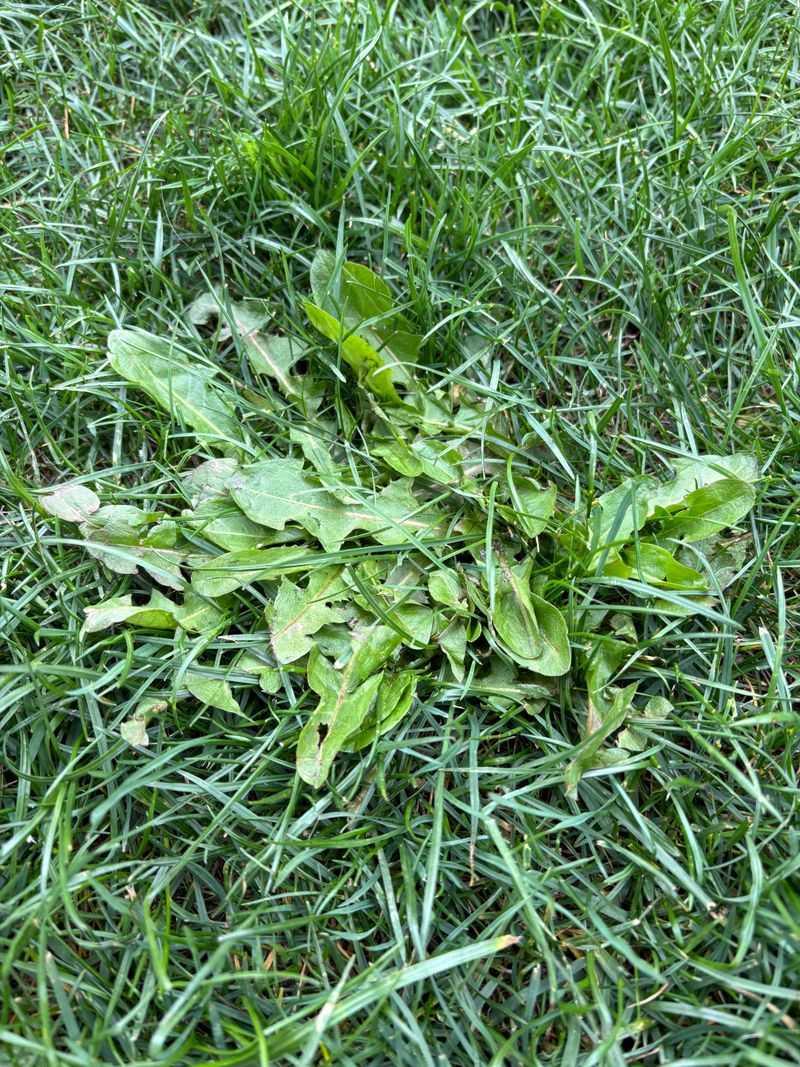
But here is the thing: broadleaf weeds are not resting in fall. They are pulling nutrients down into their roots, storing energy for a massive spring comeback.
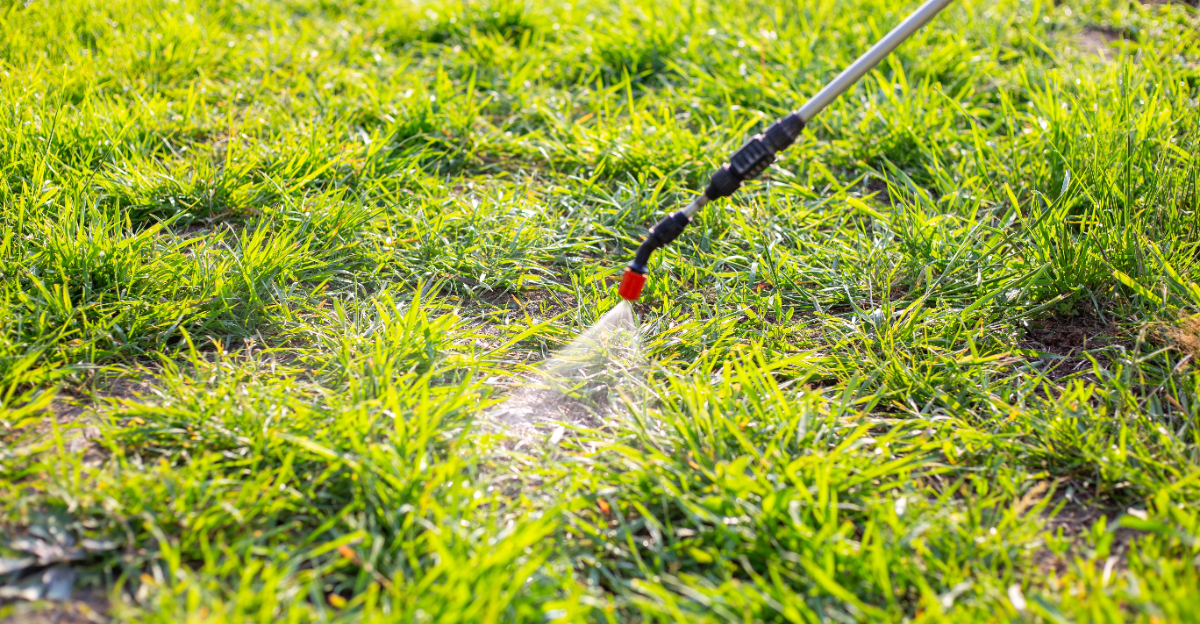
Fall broadleaf weed treatment targets that exact moment. Herbicides applied in September travel through the plant and reach the root system much more effectively than spring applications.
That root-level hit is what actually stops the weed from coming back. Spring treatments mostly burn the top growth, leaving the root alive and ready to regrow.
Indiana yards face a heavy weed load because of the climate. Warm summers followed by wet falls create ideal conditions for dandelions, clover, and ground ivy to thrive.
Treating in September interrupts that cycle before it locks in. Multiple Midwest extension studies confirm fall treatment consistently outperforms spring applications for perennial broadleaf control.
Skipping September means spending April on your knees with a hand weeder. One afternoon of fall yard work saves you several painful spring weekends.
The Indiana yard job in September that decides how many weeds you get in April is not complicated. It just requires showing up at the right time with the right product.
Which Perennial Weeds Are Worth Treating In September
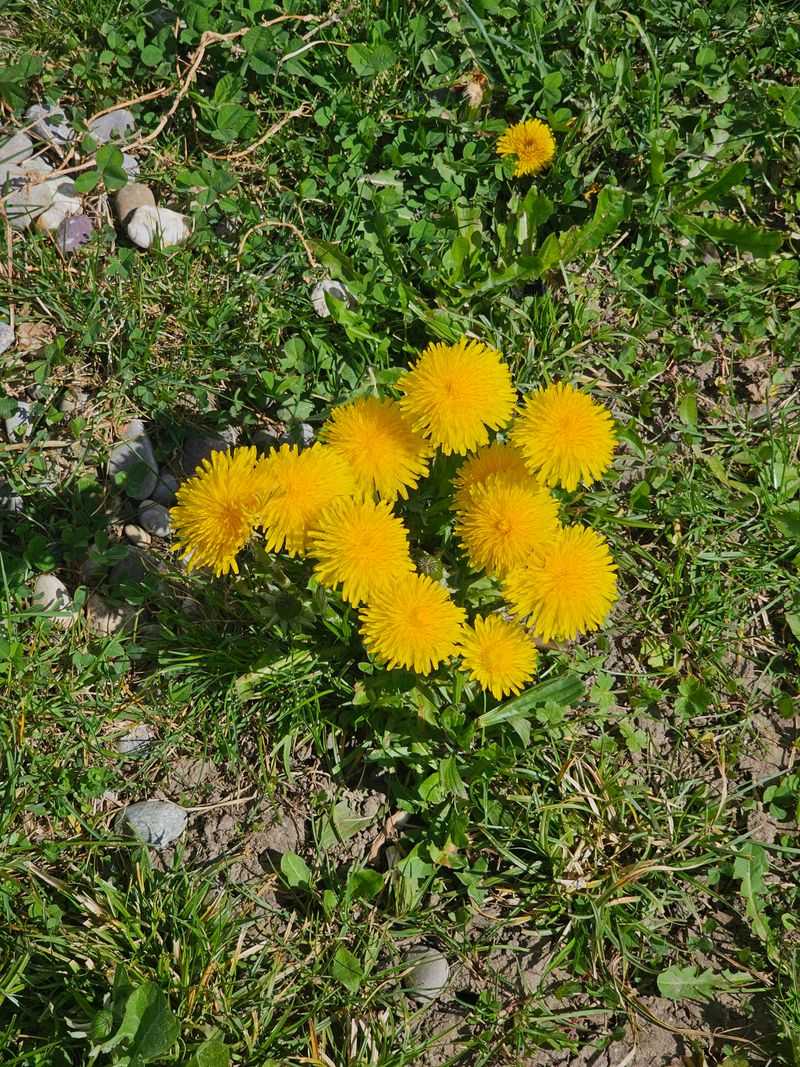
Not every weed deserves your attention in fall. Annual weeds like crabgrass have already dropped their seeds and are finished for the season by September.
Perennial weeds are the real targets. These are the plants that come back year after year from the same root system, getting stronger each cycle.
Dandelions top the list for most Indiana homeowners. Their taproots can reach twelve inches deep, making hand-pulling a frustrating and largely pointless exercise.
Clover is another heavy hitter. White clover spreads aggressively through both seeds and stolons, forming dense patches that crowd out turf grass quickly.
Ground ivy, also called creeping Charlie, is a nightmare for shaded yards. It spreads along the soil surface and roots at every node, making chemical control essential.
Wild violet is tough because its waxy leaf surface resists many herbicides. Fall applications work better because the plant is actively moving nutrients inward, pulling the product with them.
Your Indiana Garden Changes Every Week. Your Plan Should Too.
Gardening in Indiana changes quickly throughout the season. Every Friday you’ll receive a simple weekly plan showing exactly what to plant, prune, fertilize, harvest, and protect so you never miss the right timing.
Plantain, both broadleaf and narrow-leaf varieties, responds well to September treatment. Both types anchor deeply and spread seeds prolifically if left untreated through winter.
Thistle is worth targeting in fall too. Young thistle rosettes are far more vulnerable to herbicide than the mature plants you see bolting in spring.
Focusing your September effort on perennials gives you the biggest return. Knocking out the deep-rooted repeaters now means far less work when April arrives.
Temperature Range That Determines Whether The Application Works
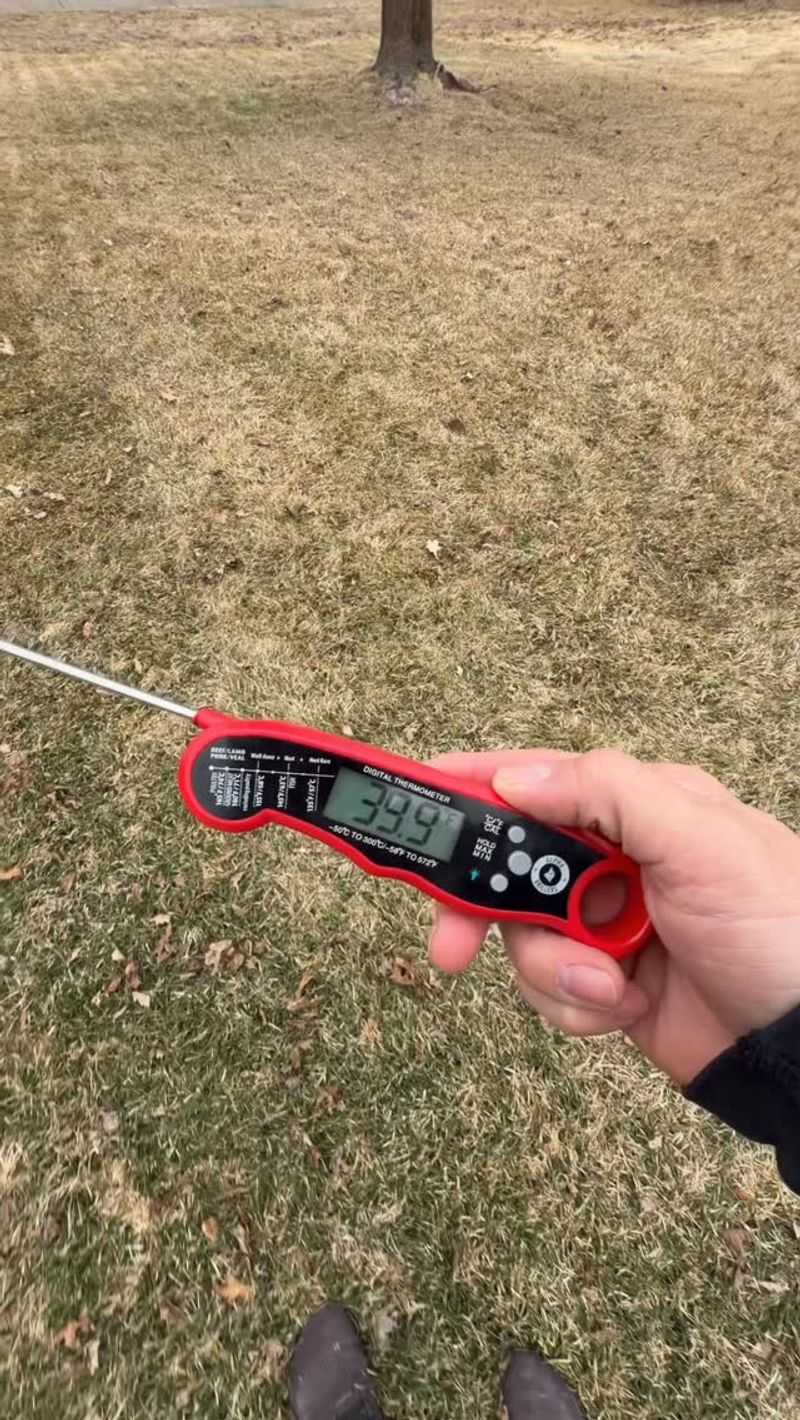
Timing a fall herbicide application is not just about the calendar. Soil and air temperature matter more than most people realize.
Most labels put the effective window for broadleaf herbicides somewhere between fifty and eighty-five degrees Fahrenheit. Outside that range, plant metabolism slows and the product does not move through the tissue properly.
In Indiana, that sweet spot typically falls between mid-September and late October. After that, nights get cold fast and daytime highs drop below the effective threshold.
Applying herbicide when temperatures are below fifty degrees is largely wasted product. The weed is not actively transporting nutrients, so the chemical sits on the surface and breaks down without reaching the roots.
Hot temperatures above eighty-five degrees cause a different problem. The herbicide volatilizes too quickly, and you risk drift damage to nearby flowers, shrubs, and garden beds.
Morning applications on calm days work best for accuracy and effectiveness. Wind speeds above ten miles per hour increase drift risk significantly, so check your forecast before spraying.
Soil temperature is also worth checking. Many extension services recommend treating when soil temps are still above fifty degrees, which roughly aligns with air temperature patterns in fall.
A simple soil thermometer costs under fifteen dollars and takes the guesswork out of timing. Checking it once a week in September keeps you ready to act at the right moment.
Getting the temperature window right is what separates a successful fall treatment from an expensive waste of time.
Mowing Timing Around The Treatment
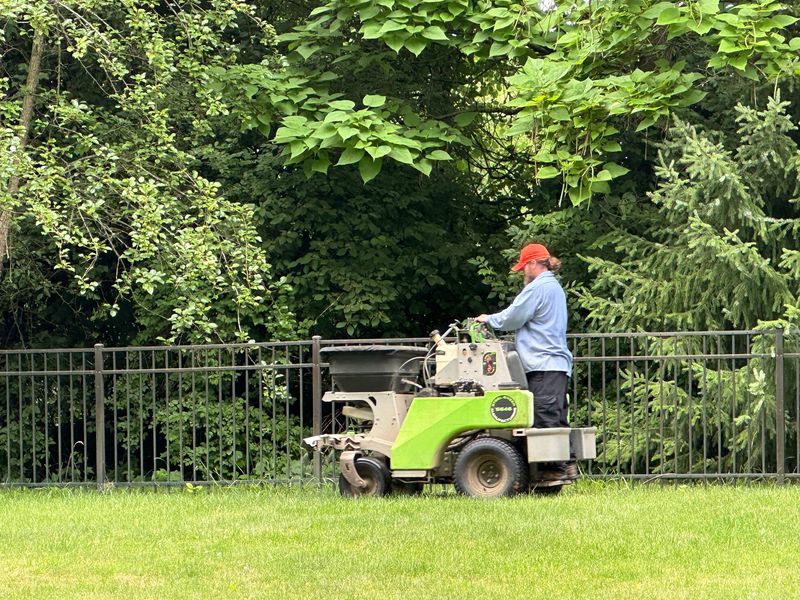
Mowing at the wrong time around a herbicide application can undo most of your effort. The timing relationship between mowing and spraying matters a lot.
Before applying any broadleaf herbicide, wait at least two to three days after your last mow. Freshly cut grass has reduced leaf surface, which means less area for the product to absorb.
Weeds need enough leaf material to take in the herbicide effectively. A freshly mowed dandelion rosette has far less surface area than one with full leaf growth.
After applying the herbicide, hold off on mowing for at least forty-eight hours. Cutting too soon removes the treated tissue before the product has time to move into the root system.
Some labels recommend waiting seventy-two hours or even longer for best results. Read your specific product label closely, since formulations vary and some require extended waiting periods.
When you do mow after treatment, bag your clippings for the first cut. Treated clippings left on the lawn can expose pets, kids, and bare soil to residual chemical.
Mowing height also plays a role in fall weed management. Keeping turf at three to three-and-a-half inches through fall helps the grass shade out weed seedlings naturally.
A taller canopy going into winter creates a physical barrier against new weed establishment. Combine smart mowing habits with your September treatment for the best spring results.
Mowing strategy is one of those quiet details that can make or break your spring results.
Product Choice For Indiana Grass Types
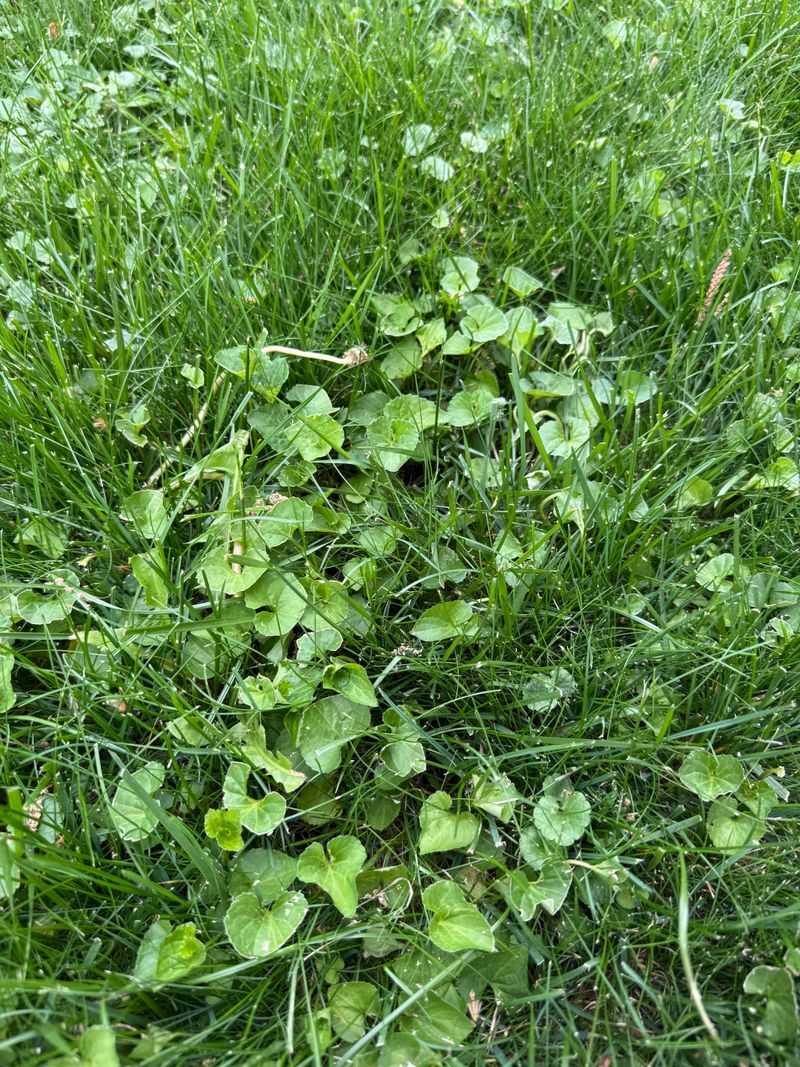
Choosing the right herbicide is not one-size-fits-all. Indiana lawns are mostly cool-season grasses, and that matters when selecting a product.
Kentucky bluegrass, tall fescue, and perennial ryegrass are the three most common turf types across the state. All three are generally tolerant of the major broadleaf herbicide families when applied correctly.
The most widely used active ingredients for fall broadleaf control are 2,4-D, MCPP, and dicamba. Most consumer products combine two or three of these ingredients for broader spectrum control.
Triclopyr is another effective ingredient, especially for tough weeds like ground ivy and wild violet. Look for products that include triclopyr if those weeds dominate your yard.
Liquid formulations tend to work faster than granular options in fall. Liquids absorb into leaf tissue quickly, which is important when your temperature window is narrowing.
Granular weed-and-feed products are a popular choice but come with a catch. They require wet grass to stick to the weed leaves, and the fertilizer component can push late-season growth that weakens turf before frost.
Avoid granular weed-and-feed options after mid-September for that reason. The fertilizer timing is off even if the herbicide timing is right.
Concentrate formulas mixed with water in a pump sprayer give you the most control over application rate. Spot-treating heavy weed patches with a concentrate saves product and reduces turf exposure.
Matching your product to your grass type and weed pressure is the step most homeowners skip, and it shows by spring.
The Waiting Period Before Overseeding
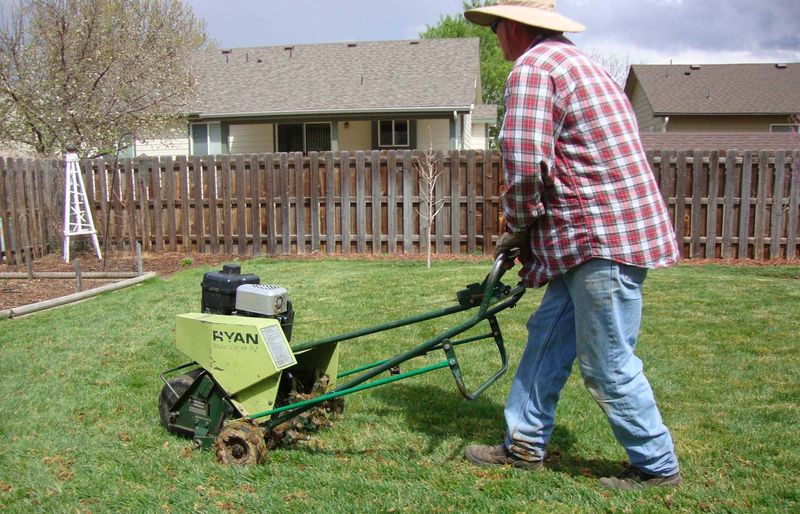
Fall is also the best time to overseed thin or bare spots in Indiana lawns. But herbicide applications and overseeding do not mix well without a proper waiting period.
Most broadleaf herbicides require a waiting period of four to six weeks before you can safely overseed treated areas. Applying seed too soon means the herbicide residue prevents germination.
That timing creates a real planning challenge. September is ideal for both treatments, but you cannot do them at the same time.
The general rule is to overseed first if your lawn has significant bare patches. Bare soil invites weed seeds, so getting grass established takes priority over weed treatment in those areas.
If your turf coverage is reasonably solid and weeds are the bigger problem, treat for weeds first. Wait the full label-recommended period before spreading seed over treated zones.
Some newer herbicide formulations claim shorter waiting periods of as little as two weeks. Always verify that claim on the specific product label before assuming the shorter window applies.
Mixing overseed timing with weed treatment timing requires a bit of a calendar strategy. Map out your yard in early September and decide which areas need seed versus which areas need chemical treatment.
Treating one section while seeding another is a smart approach for lawns with mixed problems. You handle both needs without compromising either result.
Getting this sequence right is what separates a patchy spring lawn from one that looks intentional and full.