The Best Time Of Day To Water Cucumbers In Michigan For The Healthiest Vines
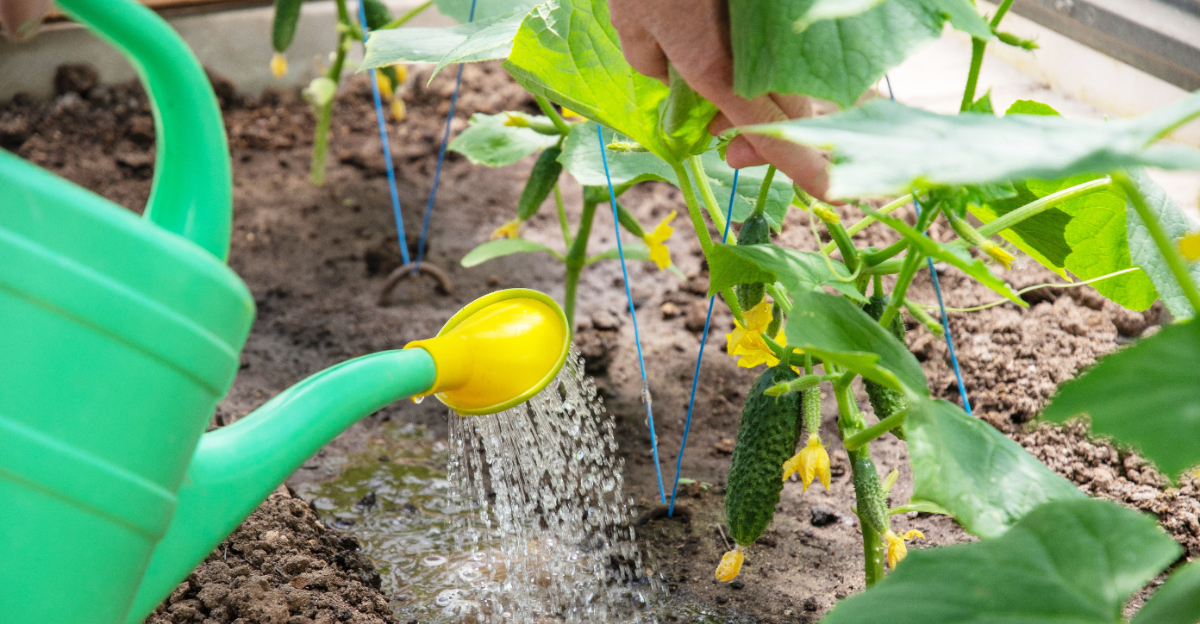
Cucumbers are thirstier than almost anything else in a Michigan vegetable garden, and that high water demand makes the timing of delivery more consequential than it is for less demanding crops.
Watering at the wrong time does not just waste moisture through evaporation.
It creates the kind of prolonged surface wetness and inconsistent root zone hydration that fuels the powdery mildew and vine stress that end Michigan cucumber seasons earlier than they should end.
Watering at the right time keeps the soil moist at the roots and prevents wet leaves that breed disease. This supports steady vine growth, giving you crisp, clean cucumbers all through the hot Michigan summer.
1. Mid Day Is Better Than Evening When Leaves Need Time To Dry
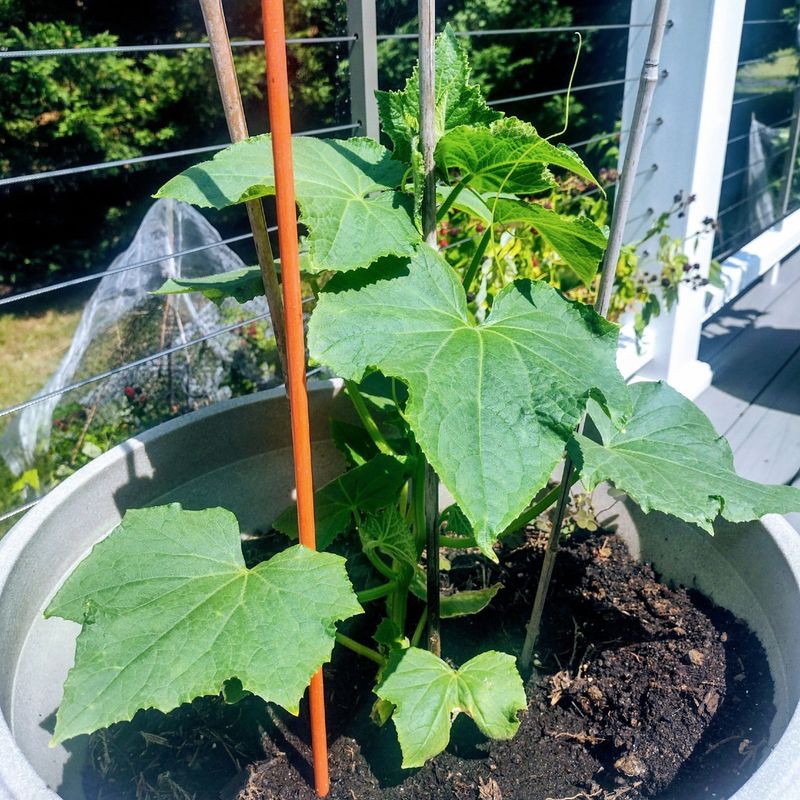
Most gardeners treat midday watering like a gardening sin, but the truth is a little more flexible than that.
When your cucumber vines are clearly running low on moisture and you missed the morning window, watering at midday is actually a smarter choice than waiting until evening.
Dry, stressed vines do far more harm to your harvest than a midday watering session ever could.
Yes, some water will evaporate faster under a hot afternoon sun, but that trade-off is worth it compared to letting cucumbers go thirsty for hours. Cucumber plants are heavy water users, especially when they are actively growing fruit.
A vine that wilts and stays dry through a hot Michigan afternoon can drop blossoms, produce bitter cucumbers, or slow fruit development in ways that are hard to recover from later in the season.
The real reason midday beats evening comes down to leaf drying time. When you water around noon or early afternoon, any moisture that lands on the foliage still has several hours of sunlight and warm air to evaporate before nightfall.
That window of drying time matters a lot in Michigan, where summer humidity can already make conditions favorable for leaf issues even without added moisture sitting overnight.
Aim your water at the base of the plant during midday sessions rather than spraying leaves from above.
A gentle, focused stream at soil level reduces evaporation and keeps foliage dry at the same time.
Early morning is still the gold standard for routine watering, but midday is a perfectly reasonable backup when your vines are telling you they need a drink right now.
2. Evening Watering Should Be A Backup Not A Habit

Picture this: the sun has gone down, the garden is quiet, and you finally have a moment to water your cucumbers after a busy day.
It feels like the perfect time, but for cucumber vines in Michigan, evening watering comes with a catch worth knowing about.
Wet leaves heading into a humid Michigan night can create exactly the kind of environment where fungal problems like powdery mildew and downy mildew thrive. Evening watering is not something to avoid completely.
There will be days when morning and midday both slip by, the heat was intense, and your cucumber vines are showing clear signs of thirst. In those moments, watering in the evening is absolutely the right call.
Your Michigan Garden Changes Every Week. Your Plan Should Too.
Gardening in Michigan changes quickly throughout the season. Every Friday you’ll receive a simple weekly plan showing exactly what to plant, prune, fertilize, harvest, and protect so you never miss the right timing.
Letting vines go without water overnight is worse than the small risk that comes with a careful evening session. The key word there is careful.
When you water in the evening, focus every drop at the soil level rather than spraying the foliage.
Soaker hoses and drip lines are ideal for evening use because they deliver moisture directly to the root zone without touching the leaves at all.
If you only have a hose or watering can, angle it low and slow so the water goes where the roots actually are.
Cucumber vines in Michigan already face humidity challenges throughout the summer, so reducing unnecessary leaf wetness whenever possible keeps them healthier through the whole season.
Use evening watering as a safety net when you truly need it, but work toward making early morning your regular routine so your vines get the best possible conditions to grow strong and produce well.
3. Early Morning Is The Best Routine Time
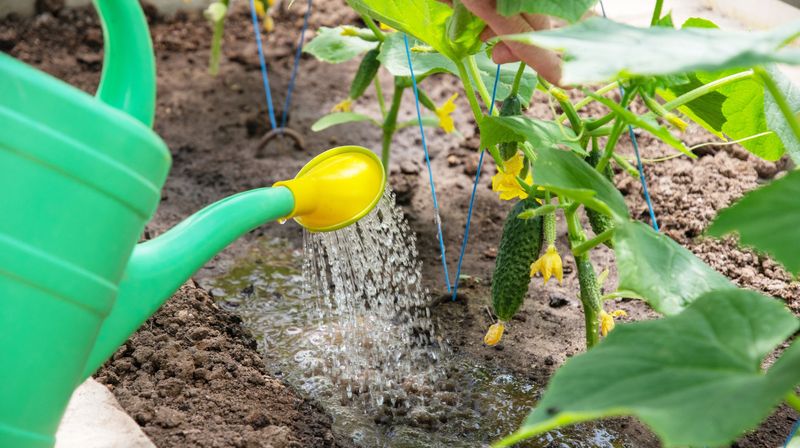
Something almost magical happens in a garden at sunrise. The air is cool, the soil is still holding overnight moisture, and cucumber vines are perfectly primed to soak up a good, deep drink before the Michigan summer heat kicks in.
Early morning, usually between 6 and 10 a.m., is widely considered the best time to water cucumbers, and there are solid reasons why gardeners keep coming back to this routine.
Watering in the morning gives roots time to absorb moisture before the hottest part of the day arrives.
When water soaks into the soil early, the plant can use it efficiently rather than losing much of it to evaporation under a blazing afternoon sun.
Michigan summers can get genuinely hot, especially in July and August, so giving your cucumbers a head start with morning hydration helps them stay strong throughout the day.
Another big advantage of morning watering is leaf dryness. If water splashes onto the foliage, those leaves have hours of sunlight and airflow ahead to dry off completely.
Wet foliage sitting in warm, humid Michigan air for too long can invite fungal problems that slow down vine growth and reduce your harvest.
Morning watering keeps that risk low without you having to worry much. Consistency matters just as much as timing.
Cucumbers are not fans of uneven watering, and vines that receive moisture at roughly the same time each morning tend to produce better fruit with fewer stress-related issues.
Build the morning watering habit early in the season and your cucumber patch will thank you generously all summer long.
4. Water The Soil Instead Of Spraying The Leaves

Here is one of the most practical upgrades any Michigan cucumber grower can make: stop watering from above and start watering from below.
Overhead sprinklers and watering cans aimed at the foliage might feel thorough, but they are actually one of the least efficient ways to hydrate cucumber plants.
The roots live in the soil, not on the leaves, so that is exactly where your water needs to go.
Drip irrigation systems and soaker hoses are the top choices for cucumber beds because they release water slowly and directly at the root zone.
Water soaks deep into the soil rather than running off the surface, which means roots get a longer, more satisfying drink.
Deep moisture encourages roots to grow further down into the soil, which makes vines more resilient during hot and dry stretches that Michigan summers sometimes bring in late July and August.
Keeping leaves dry is about more than just disease prevention. Wet foliage under intense summer sun can also cause minor leaf scorch in some cases, and it attracts certain pests that prefer moist plant surfaces.
Dry leaves combined with well-hydrated roots give cucumber plants the best of both worlds, and that balance shows up clearly in the quality and quantity of fruit you pick.
Even if drip irrigation is not in your budget right now, you can still water at soil level with a regular garden hose by simply pointing the nozzle low and letting it run slowly at the base of each plant.
A little adjustment in technique goes a long way toward healthier, more productive cucumber vines all season long.
5. Check Soil Moisture Before The Afternoon Heat

Your fingers are actually one of the best gardening tools you own.
Before the afternoon heat arrives and makes accurate soil reading tricky, take a quick walk through your cucumber patch in the morning and press a finger about an inch or two into the soil near the base of your plants.
That simple check tells you more than any fancy gadget about whether your cucumbers need water today.
Cucumber vines are thirsty plants by nature, and that thirst grows even stronger once fruits start forming on the vine.
During peak growing season in Michigan, a cucumber plant can pull a surprising amount of moisture from the soil in just twenty-four hours.
Relying only on how the leaves look during a hot afternoon is not always reliable because heat causes temporary wilting even in plants that have plenty of soil moisture, and that can lead to unnecessary overwatering.
Morning is the ideal time for a soil check because the temperatures are still cool, evaporation is minimal, and the soil reading reflects what the roots actually experienced overnight.
If the top inch or two of soil feels dry, that is a clear signal to water. If it still feels damp and cool, you can likely wait until the next morning check before adding more moisture.
Building this quick morning check into your routine takes less than five minutes and saves your cucumber plants from both underwatering and overwatering. Both extremes stress the vines and affect fruit quality.
A cucumber that gets consistent, well-timed moisture from root to tip will reward you with straight, crisp fruit and vigorous vines that keep producing well into the Michigan summer season.
6. Water Deeply Instead Of Giving Small Daily Sips

Cucumbers have a reputation for being water-hungry, and that reputation is well-earned. But the way you deliver that water matters just as much as how much you give.
Light, frequent surface watering might seem like a generous approach, but it actually trains roots to stay shallow near the surface rather than growing deep where soil moisture stays more stable and consistent throughout the day.
A general guideline for cucumbers is about one inch of water per week from rain or irrigation during the growing season.
That sounds straightforward, but Michigan weather adds layers of complexity. Sandy soils drain faster and may need more frequent watering, while heavier clay-based soils hold moisture longer.
Hot, windy days speed up evaporation dramatically, which means a week that starts with adequate moisture can turn dry faster than expected if temperatures climb and winds pick up.
Deep watering means letting water soak slowly into the soil until it reaches six to eight inches down where the main root system lives.
A slow, steady stream at the base of the plant for several minutes is far more effective than a quick splash that barely wets the top inch.
Roots that grow deep are naturally more resilient during dry spells because they can access stored soil moisture that surface roots never reach.
One practical way to check if you are watering deeply enough is to dig a small test hole about six inches down after watering and feel whether the soil is moist at that depth.
Once you see that your routine reaches the roots consistently, you can adjust frequency based on weather, soil type, and how actively your vines are producing fruit throughout the season.
7. Adjust Timing After Rain Heat And Fruit Growth

No two weeks in a Michigan summer feel exactly the same, and your cucumber watering schedule should reflect that reality.
A fixed watering calendar might work fine during a mild, steady stretch of weather, but the moment temperatures spike, a dry wind rolls through, or your plants shift into heavy fruit production mode, that calendar stops being accurate.
Flexibility is one of the most underrated skills in vegetable gardening. Rain is the most obvious reason to skip or delay a watering session, but not all rain is created equal.
A quick five-minute shower might wet the surface without delivering meaningful moisture to the root zone.
After any rain event, do your usual finger test in the morning to check whether the soil actually received enough water or whether your plants still need a supplemental drink before the day heats up.
Fruit sizing is another factor that changes water demand significantly. When cucumber fruits are actively swelling and filling out, the plant pulls moisture at a higher rate than during early vine growth.
Watch your plants closely during peak fruit production and be ready to increase watering frequency if your morning soil checks consistently show dry conditions even after recent rain.
Cool nights, cloudy days, and high humidity all slow down how quickly the soil dries out, while hot sunny days and strong winds speed things up considerably.
Sandy soils in parts of Michigan can go from moist to dry within a day during a heat wave. Use your morning check as the anchor of your routine and let the actual soil conditions guide your decisions rather than the calendar.
That approach keeps your cucumber vines healthy, productive, and thriving no matter what Michigan weather brings your way.