The Festive Holiday Plant In Minnesota Homes That Isn’t As Dangerous As You Think
A rumor that started in Hawaii in 1919 still decides where some families set their holiday decorations.
A two-year-old’s passing that year got pinned on a houseplant, and nobody ever proved the link. The story spread anyway, through books, magazines, and worried relatives.
I grew up in Minnesota hearing that warning every December. My aunt moved one red-leaved pot to the top of the fridge each year, far from the cats and the grandkids. She meant well, and plenty of folks in Minnesota still do the same thing.
Then I started reading poison center reports and university studies. A little evidence gave me a very different picture, one with far more upset tummies than emergencies.
Some of the numbers made me laugh out loud. The poinsettia has carried a heavy rumor for over a century, and the evidence says it never earned the weight.
That Red Poinsettia Has Been Wearing a Bad Rap Since 1919

One old story did a lot of damage. Back in 1919, a young child of an Army officer in Hawaii passed away, and someone blamed poinsettia leaves. No investigation ever confirmed that the plant was the cause.
Still, the tale stuck like glitter after a craft project. It showed up in textbooks, newspaper columns, and even some medical references for decades. By the time most of us were kids, the warning felt like common knowledge.
I find it funny how a single unproven claim can outlast so many real facts. Poinsettias, known to botanists as Euphorbia pulcherrima, come from Mexico, where they grow into tall shrubs.
Joel Poinsett, the first U.S. minister to Mexico, brought them north in the 1820s, and the plant took his name.
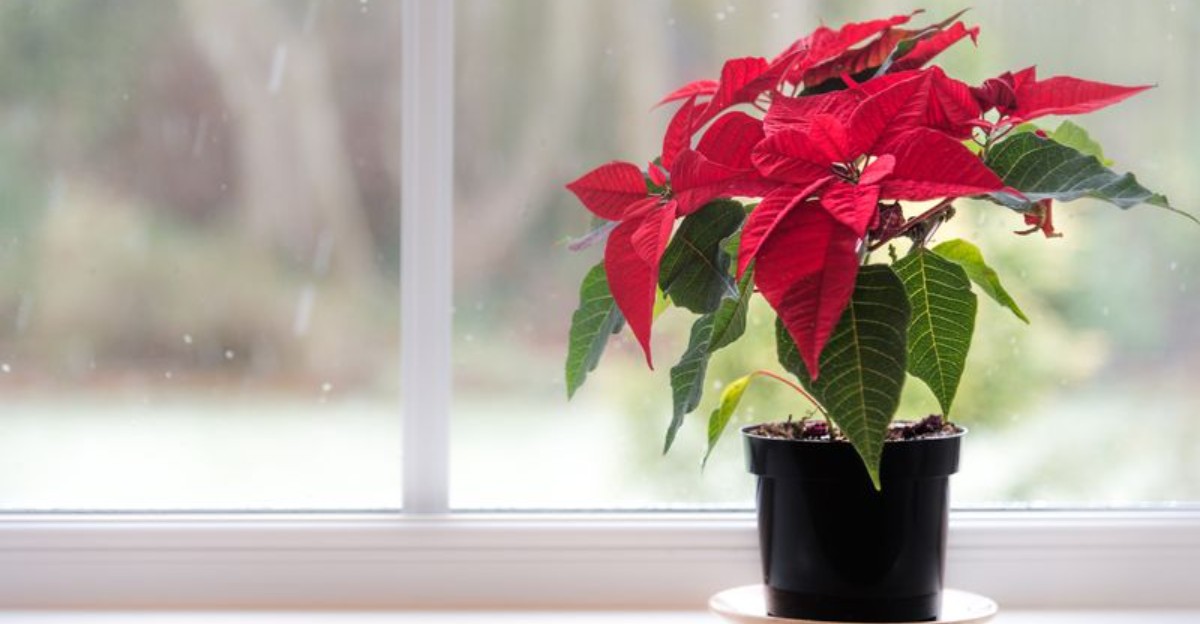
Here is the twist that surprises people most. Those bright red parts are not petals at all. They are colorful leaves called bracts, and the real flowers are the tiny yellow buttons in the center.
So the plant has been misunderstood twice. Folks mistake its leaves for flowers, and they mistake a mild irritant for something far worse. Once you know the history, that holiday panic starts to look a bit silly.
Poison Center Data on Poinsettia Leaves Tells a Calmer Story
Numbers settle arguments better than family legends do. In the 1970s, researchers at Ohio State University fed rats huge amounts of poinsettia parts.
The animals showed no harmful effects, even at doses far beyond what any person would eat.
Later came an even bigger look at real people. A study published in 1996 reviewed more than 22,000 poinsettia exposures reported to U.S. poison centers. About 92 percent of those cases had no symptoms at all, and none were serious.
Poison control experts often share one memorable estimate. A child weighing around 50 pounds would need to eat roughly 500 or more leaves to reach a level that worried scientists.
Most kids spit out the first bite because the leaves taste bitter and unpleasant. That does not make poinsettias a snack. S
wallowing a leaf or two can bring mild stomach upset, nausea, or vomiting in some people. Those symptoms usually pass on their own without treatment.
I like to think of the plant as more grumpy than dangerous. It might give a curious nibbler a sour tummy, but the research simply does not support the scary reputation. You can relax and let it brighten your table this season.
Cats and Dogs Chewing Poinsettias Usually Get a Tummy Ache
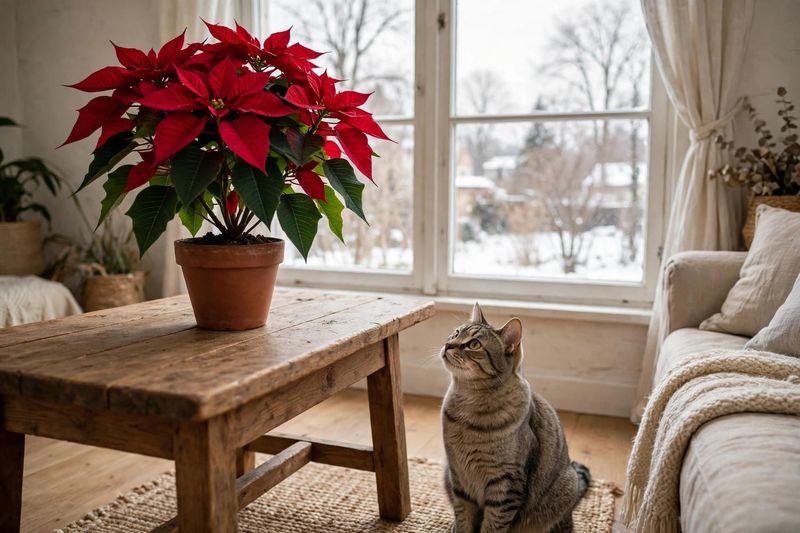
My cat treats every new plant like a salad bar opening. If your pets act the same way, you will be glad to know poinsettias sit on the mild end of the trouble scale.
The ASPCA lists them as only mildly toxic to cats and dogs. A pet that chews the leaves might drool, lick its lips, or vomit. Some get a little diarrhea too.
The milky sap can also irritate the mouth, which is often enough to make a pet back away fast.
Most animals bounce back quickly with no special care. Keep fresh water nearby and watch your furry friend for a few hours. If vomiting keeps going or your pet seems weak, call your veterinarian.
A few simple habits help a lot: Set the pot on a high shelf or a plant stand your pet cannot reach. Sweep up fallen leaves so they do not become chew toys. Try a little cat grass as a tasty, safe distraction.
Remember that size matters. A tiny puppy will feel a few leaves more than a big Labrador. Still, the poinsettia is far from the scariest plant your pet could find this winter.
That Milky Poinsettia Sap Deserves a Little Respect
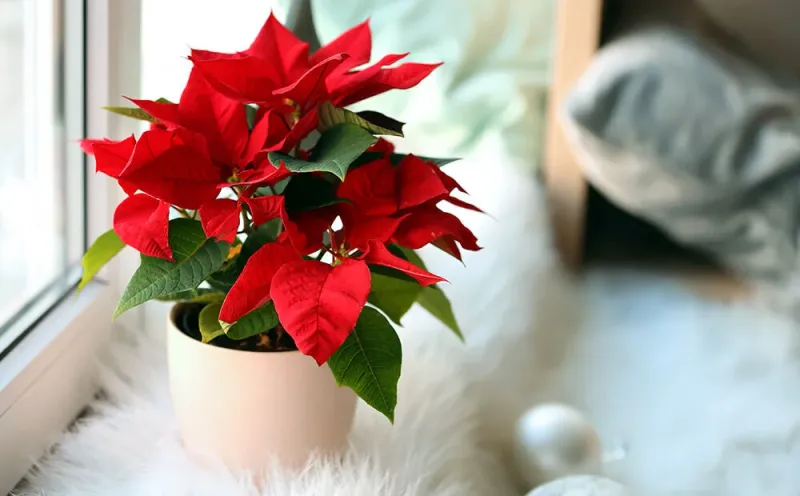
Snap a poinsettia stem and a white, sticky liquid oozes out. That sap is a type of latex, and it explains most of the real complaints about this plant.
Poinsettias belong to the spurge family, a group famous for milky sap. For most of us, touching it causes nothing at all. Sensitive skin, though, can turn red, itchy, or bumpy after contact.
Getting sap in your eyes can sting and cause irritation, so avoid rubbing your face while trimming.
People with latex allergies should take extra care. Researchers have found that poinsettia sap shares some proteins with natural rubber latex. If you react to latex gloves or balloons, let someone else handle the pruning.
I keep a pair of cheap garden gloves next to my holiday plants for this reason. They make trimming or repotting a no-worry job. A quick wash with soap and water takes care of any sap that sneaks onto your hands.
Should sap reach your eyes, rinse them gently with clean water for several minutes. Call a doctor if the stinging hangs around. This little bit of caution is the one part of the poinsettia legend with real truth behind it.
Holly Berries, Mistletoe, and Amaryllis Bulbs Need More Caution
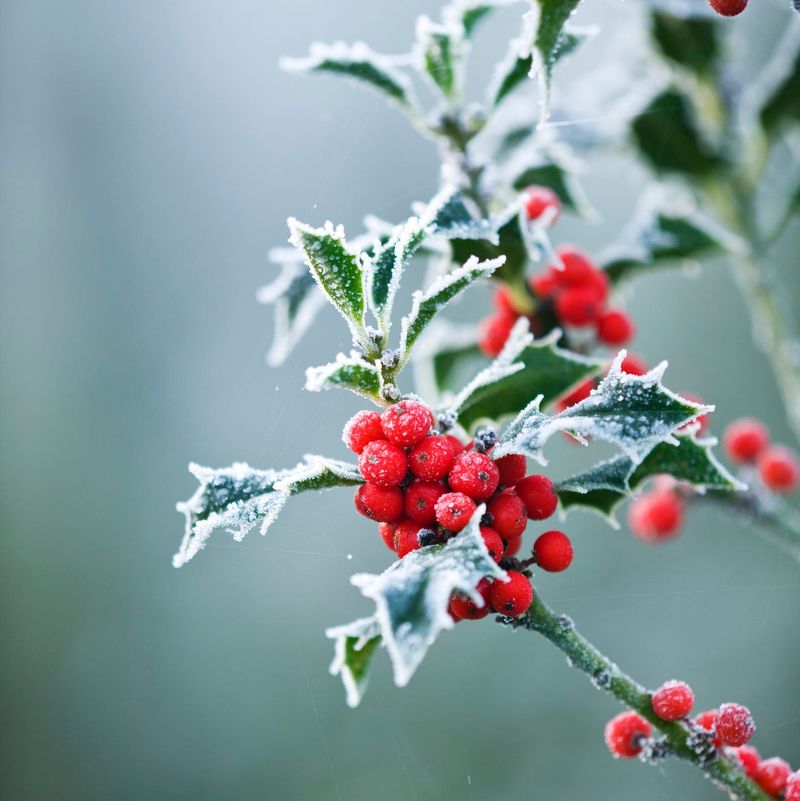
Ironically, the plant everyone fears is not the one to worry about most. Several other holiday favorites deserve a higher shelf than the poinsettia. I learned this the year I proudly hung mistletoe right at toddler height.
Holly berries look like shiny candy to little kids. Swallowing several can cause vomiting, diarrhea, and drowsiness, and pets can get sick too. Keep holly sprigs out of reach and pick up any fallen berries.
Mistletoe brings its own concerns. Both American and European types contain compounds that can upset the stomach, and European mistletoe is considered more serious. Many people choose plastic versions for doorways, which is a smart and easy swap.
Amaryllis is another popular December gift. The bulb holds most of the troublesome compounds, which can cause vomiting and drooling in pets and people. Pot it up where curious dogs cannot dig.
Cat owners should watch out for true lilies in holiday bouquets. Even small amounts of pollen or leaves can cause serious kidney problems in cats.
Ask your florist to leave lilies out if you share your home with a kitty, and save your caution for the plants that earn it.
Frigid Air Is the Real Threat to a Minnesota Poinsettia
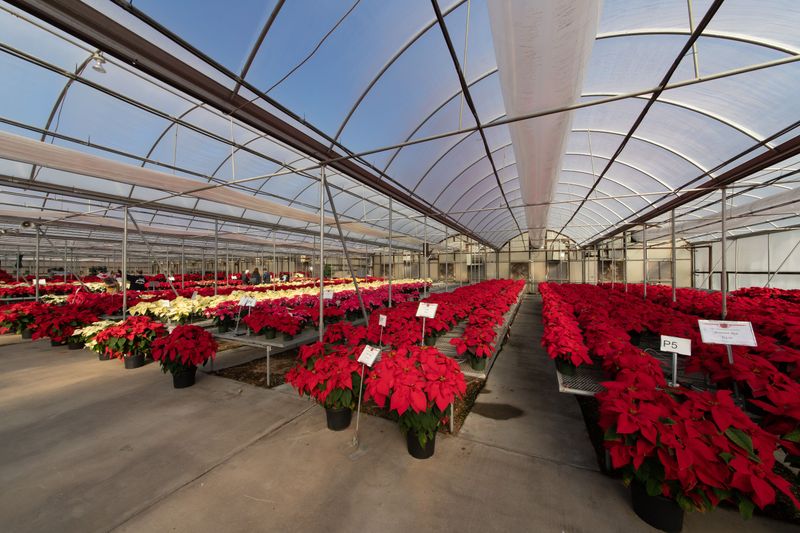
Here in Minnesota, the poinsettia is the one in danger, not you. These tropical plants struggle with cold air. Just a few minutes below 50 degrees can cause leaves to wilt, curl, or drop days later.
Shopping smart makes a huge difference. Ask the store to wrap your plant in a paper or plastic sleeve before heading outside. Warm up the car first, and drive straight home instead of running errands with it.
Once inside, pick a bright spot that gets indirect sunlight for several hours. Keep the room between about 60 and 70 degrees. Move the pot away from cold windowpanes, drafty doors, heat vents, and fireplaces.
Watering trips up a lot of folks. Check the soil with your finger and water only when the top feels dry.
Poke holes in that shiny foil wrapper or remove it, so extra water can drain instead of rotting the roots.
Our furnaces dry the air a lot in January. Grouping houseplants together or setting the pot on a tray of pebbles and water adds a little humidity. With this care, your poinsettia can stay colorful well into late winter.
Long Dark Nights Can Turn Poinsettia Bracts Red Again
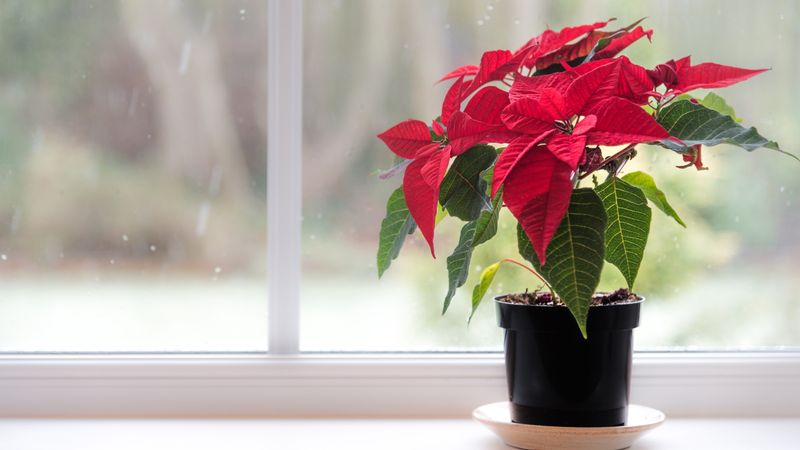
Getting a poinsettia to color up a second year feels like winning a small prize. Most people toss theirs after New Year’s, but you can keep it going. It just takes patience and a good calendar.
In spring, cut stems back to about 6 inches and keep watering. Once nights stay above 55 degrees, usually late May or early June in our state, you can set the pot outside in partial sun.
Feed it with a balanced houseplant fertilizer every few weeks and pinch the tips through midsummer for a bushier shape.
Bring it back indoors before fall nights turn chilly. Starting around October 1, the plant needs about 14 hours of total darkness every night. A closet or a big cardboard box works well.
Even a quick flash of lamplight can confuse the plant, so be strict. During the day, give it plenty of bright light. Keep this routine up for 8 to 10 weeks.
By early December, those leaves should begin to blush red, pink, or white. I will admit mine came out a little lopsided the first time. It still felt like my own homegrown holiday miracle.
Keep the Poison Help Number Taped Near Your Poinsettia Pot
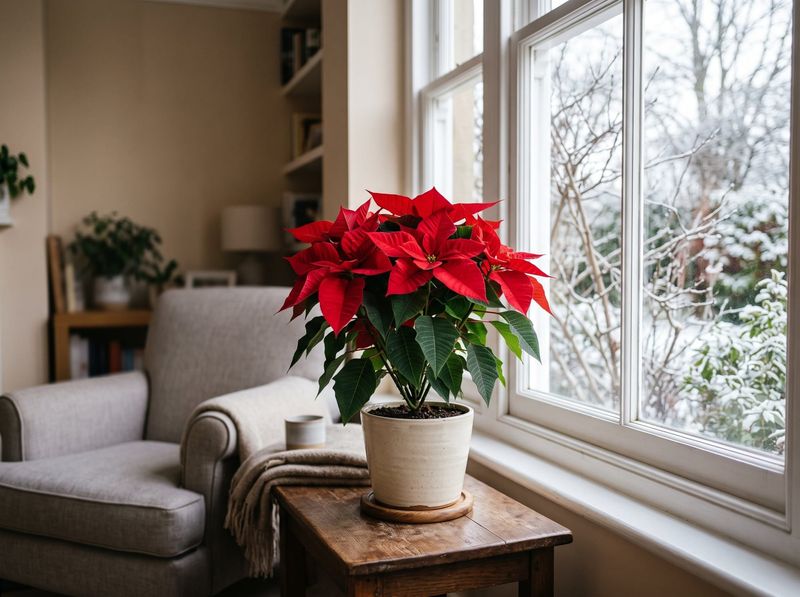
A calm plan beats a frantic internet search every time. If someone in your family nibbles a holiday plant, call Poison Help at 1-800-222-1222. Experts answer around the clock, the call is free, and they can tell you exactly what to do.
Minnesota families reach the Minnesota Poison Control System through that same national number. Those specialists handle plant questions all winter long. Many calls end with simple advice to offer water and watch for symptoms.
Before you call, gather a few details. Know the plant’s name, about how much was eaten, and the age and weight of the person or pet. Wipe out any leaf pieces from the mouth and offer a drink of water.
For pets, the ASPCA Animal Poison Control Center and the Pet Poison Helpline both offer phone support. Those services may charge a fee, so keep your vet’s number handy too.
My favorite takeaway is simple. Enjoy your poinsettia without guilt, respect the sap, and save the extra caution for holly, mistletoe, amaryllis, and lilies.
Write those numbers on a sticky note, and you can spend your holidays admiring that red glow instead of fretting over it.