A Gambel’s Quail Covey In Your Arizona Yard Is a Promising Sign of Useful Habitat Nearby
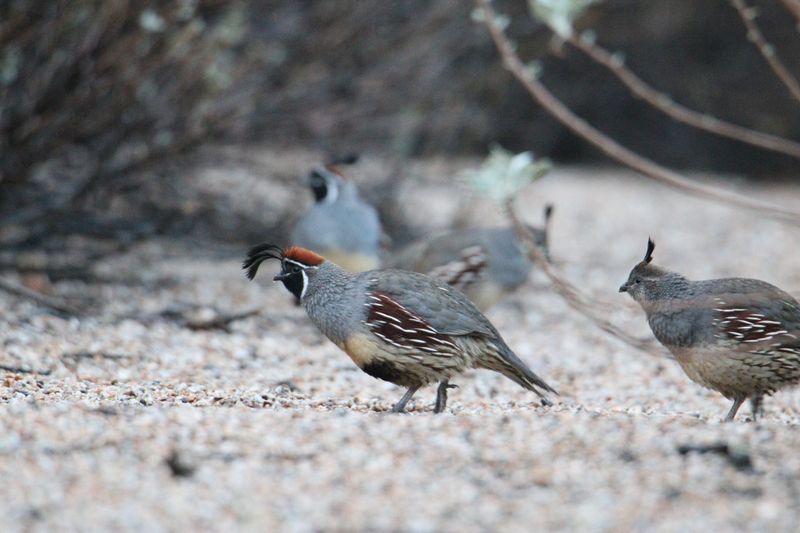
Few sights make an Arizona homeowner smile like a line of Gambel’s quail bobbing across the yard, topknots nodding. It is tempting to hand your landscape an A-plus on the spot.
A covey does tell you something, but it tells a smaller story than a grade. Here is how to read the sighting like a friendly note on a report card, not a final score.
A covey is a promising sign, not a grade
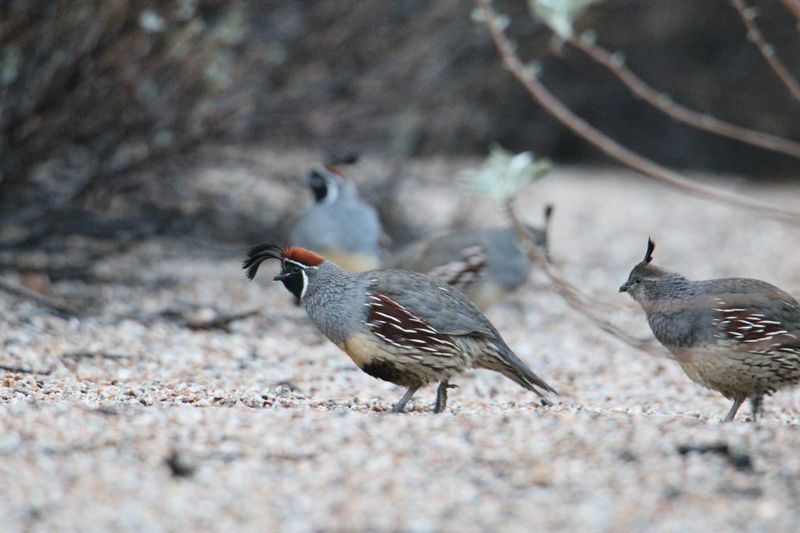
Spotting a covey is a real treat, and you should enjoy it. Quail walking through your yard suggest they can find something useful there or close by, like cover, seeds, or a safe path between spots.
What the sighting cannot do is prove your yard supplies everything these birds need. Gambel’s quail travel and forage in groups, so the birds may be using your property as one stop in a bigger area.
They may also have been drawn by a neighbor’s wash, a vacant lot, or a stretch of open desert, not by anything you planted.
Think of the covey as a cheerful sticky note on the fridge, not a final grade. Cornell’s species profile describes birds that live in desert and suburban settings with a mix of open ground and brushy cover.
Quail numbers also swing with the seasons and rain, as Arizona Game and Fish explains, so one sighting is a hello, not a score.
Gambel’s quail often use open ground near cover
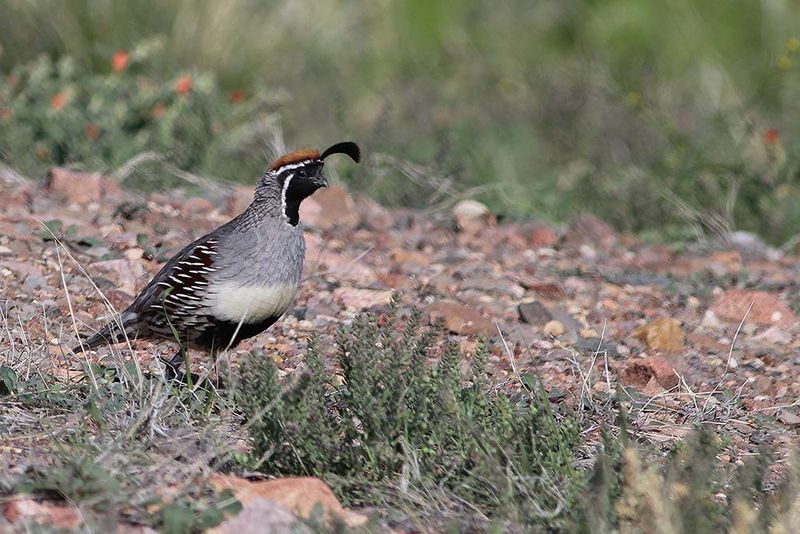
Gambel’s quail often use open ground near protective cover. Picture bare soil or gravel where they can scratch and walk, sitting beside shrubs, low trees, or cactus where they can duck out of sight fast.
In Arizona, Cornell lists western honey mesquite as a particularly relevant habitat plant, along with desert hackberry, catclaw acacia, yuccas, saguaro, and prickly pear. Those are habitat associations from a species profile, not a recipe.
Planting any one of them will not guarantee a visit.
Here is an easy way to read your own space. Walk the yard at dawn or dusk and look for spots where a bird could step into the open, then retreat into thick cover within a few hops.
A tidy, fully bare yard or a wall-to-wall thicket is a very different picture than a mix of both.
This is a common pattern, not a rule every quail follows. Treat it as a lens for noticing, not a checklist to pass.
Native plants can supply food without a feeder
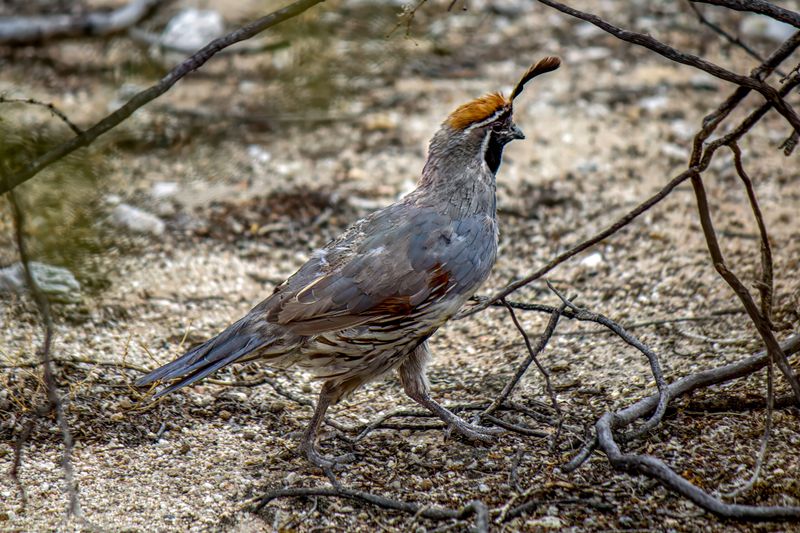
Quail menus are mostly plant based. According to Cornell’s life history notes, Gambel’s quail eat seeds and other plant material, including cactus fruit.
Insects join the menu in spring and during nesting season, and chicks eat insects in their first days. That makes a yard with leaf litter and natural ground-level cover more than just messy.
It can be a source of the small foods young birds use.
For a water-wise Arizona yard, this points toward keeping native seed-producing plants where they fit, rather than scraping everything to bare dirt. Letting some low growth and fallen debris stay under shrubs is a simple, low-effort move.
Your Arizona Garden Changes Every Week. Your Plan Should Too.
Gardening in Arizona changes quickly throughout the season. Every Friday you’ll receive a simple weekly plan showing exactly what to plant, prune, fertilize, harvest, and protect so you never miss the right timing.
You do not need to put out feed. Nothing here shows homeowners must feed wild quail, and no plant list can promise a visit.
Native plants are simply potential sources of food within the larger landscape around you.
Ground nests make undisturbed cover valuable
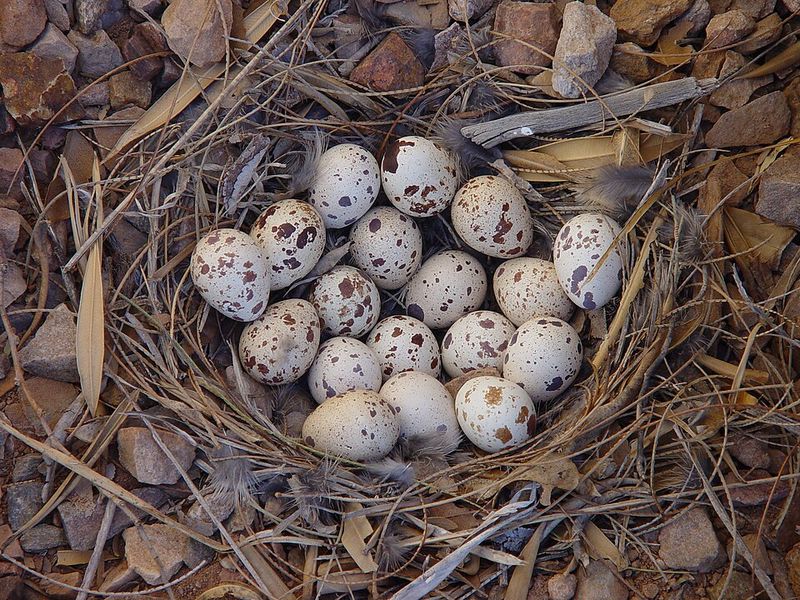
Quail nests are easy to miss for a reason. Gambel’s quail usually nest on the ground, hidden beneath a shrub or in other protective vegetation, as Cornell describes.
That is why a shaggy corner of the yard can matter during nesting season. Cover that looks overgrown to us may be exactly the hiding place a hen picked.
If you come across a nest, leave it alone and keep your distance. Hold off on trimming, raking, or other work nearby that could damage it.
Bird-friendly guidance such as Yuma Audubon’s tips points the same direction: avoid disturbing active-looking nests.
If a job truly cannot wait, check with wildlife authorities before starting. Spring is a good time to plan pruning around what is quietly happening underneath your shrubs.
If you offer water, keep it clean
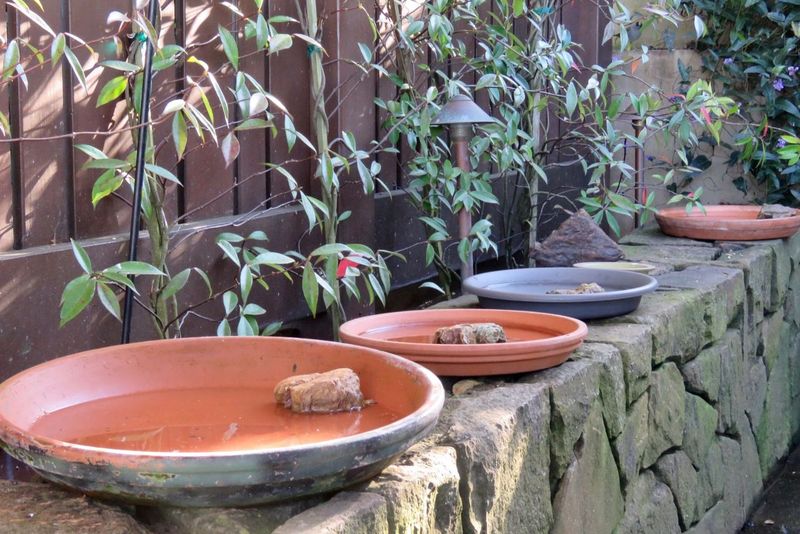
A water feature is optional, and adding one is not a trick for drawing in Gambel’s quail. If you decide to offer water for birds anyway, upkeep is the whole job.
Change the water regularly and scrub the dish or feature on a schedule. Arizona bird guidance recommends frequent water changes and cleaning, and Yuma Audubon covers the basics.
In summer heat, water can turn grimy fast.
Stagnant water also invites mosquitoes. The Arizona Wildlife Conservation Strategy notes that concentrated food or water needs careful sanitation, so a neglected dish can cause more trouble than it solves.
If you know you will forget, skip it. A clean, small dish beats a fancy fountain nobody maintains.
One visit cannot score a whole yard
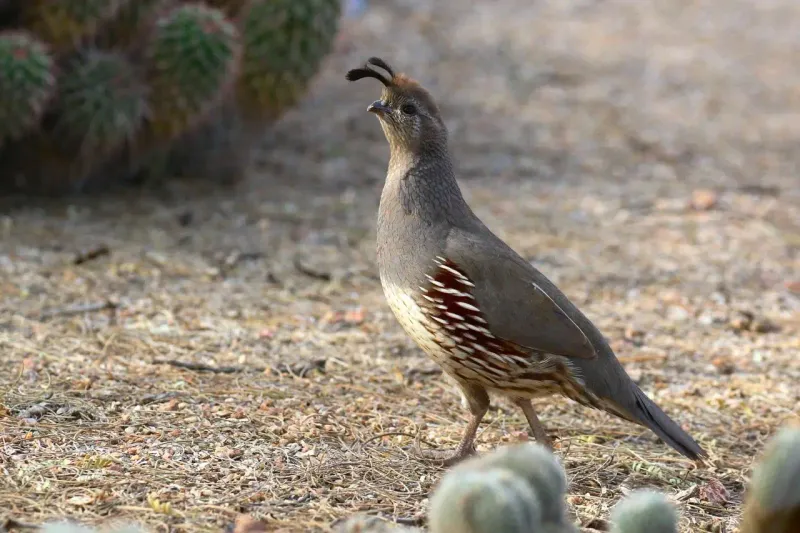
Quail rarely stay put. Gambel’s quail form coveys in fall and winter, and Arizona Game and Fish notes that group makeup shifts with the seasons.
A covey is not a permanent crew, and its size is not a reliable measure of habitat quality.
Birds on your property may also roam widely. A recent USGS-listed Arizona study reported home ranges from 3 to 100 hectares.
Its authors cautioned that the small sample limited what could be concluded about habitat choice, so it is no precise yard-level measure.
Rain adds another twist. Quail populations depend on seasonal rainfall and can swing greatly from year to year, so a quiet season may say more about the weather than about your landscaping.
Grade a yard on one visit, and you might be marking a pop quiz as a final exam. Watching over several seasons gives a fairer picture.
Treat the sighting as an invitation, not a verdict
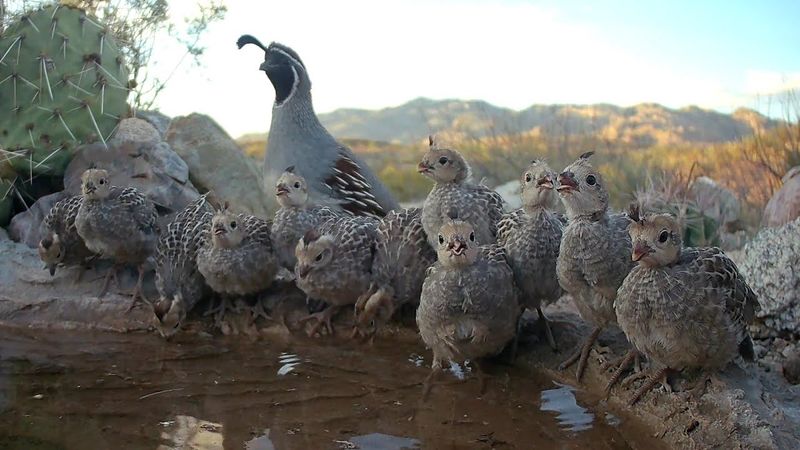
Enjoy the covey, then get curious. Does your yard offer some open ground, nearby cover, native plants, and quiet corners, as Cornell’s habitat notes describe for this bird?
Small, water-wise choices can support local wildlife, but they cannot guarantee a return visit or a pass-or-fail grade.
The quail will keep making their own rounds, and your job is simply to be a pleasant stop along the way.