The Meaning Behind Seeing A Cardinal In Your Florida Yard As The Holidays Approach
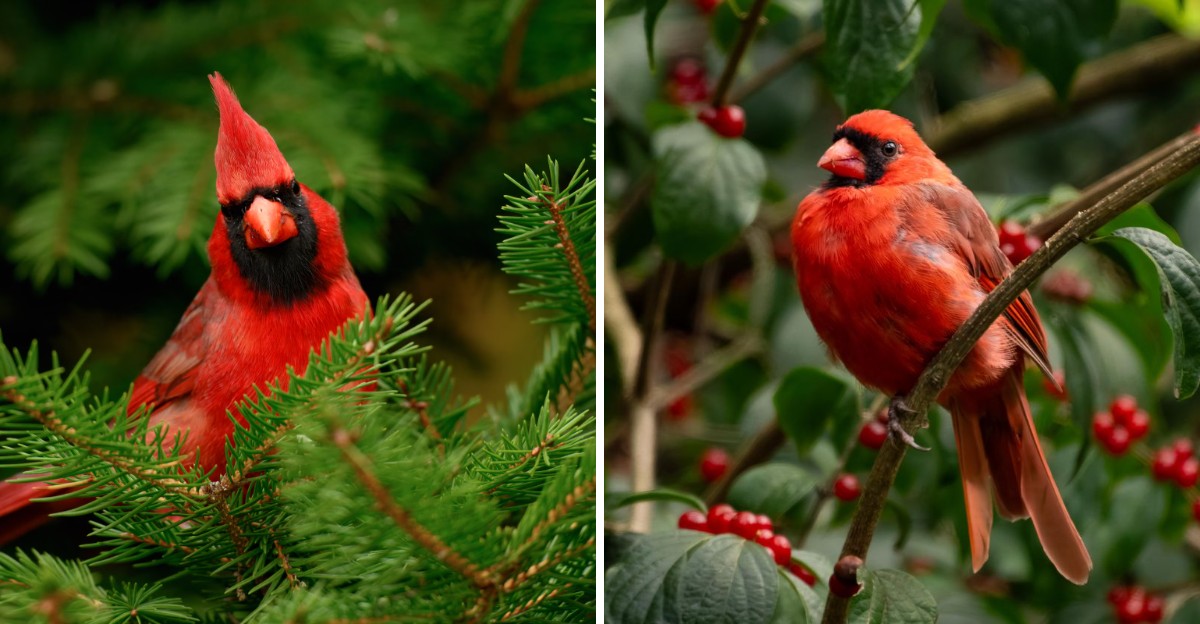
A male bird can spend a whole afternoon picking a fight with his own reflection in your car mirror. He thinks the handsome stranger in the glass is a rival.
That same bold little character shows up in Florida yards all winter long. His bright red feathers pop against green palms and gray December skies, and I can’t help stopping whatever I’m doing to watch.
People have tied this flash of color to love, faith, memory, and hope for generations. You’ve probably heard a friend say a visit means someone special is near. I like how one small backyard moment can carry so much feeling.
So is there a real message in that red visitor, or just a hungry bird?
Science and tradition both have something to say, and the answer might change how you look out your kitchen window this season.
1. That Red Cardinal On Your Fence Carries A Message Many People Treasure
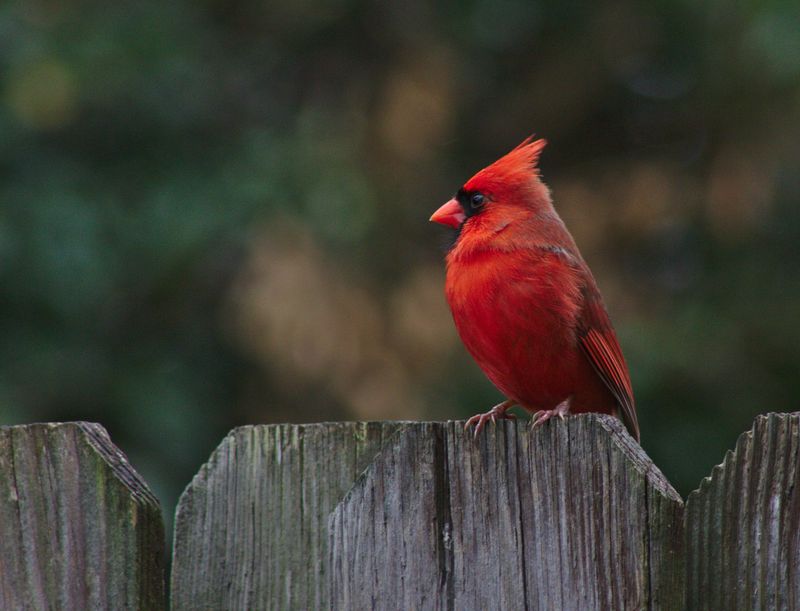
Ask ten friends what a cardinal means, and at least a few will mention someone they miss. The best-known belief says a cardinal visit is a sign that a loved one who has passed on is close by.
You’ve likely seen the saying on mugs and ornaments: “When cardinals appear, angels are near.” Nobody knows exactly who first said it, but it spread widely through sympathy cards, memorial gifts, and social media.
Science can’t prove a bird carries messages. What science does show is that cardinals stay put and visit the same yards again and again.
That steady habit gives people a familiar face to watch for, and the meaning grows from there.
The holidays make this feeling stronger. Empty chairs at the table stand out more in December, so a red bird at the feeder can feel like a warm hug from the past.
I think both views can live side by side. You can enjoy the comfort and still know you’re watching a real, living bird with its own busy life.
Try keeping a little notebook by the window. Jot down when the cardinal shows up and who you were thinking about.
Many families find it becomes a sweet tradition.
2. A Bright Red Bird Has Long Stood For Hope And Faith At Christmas
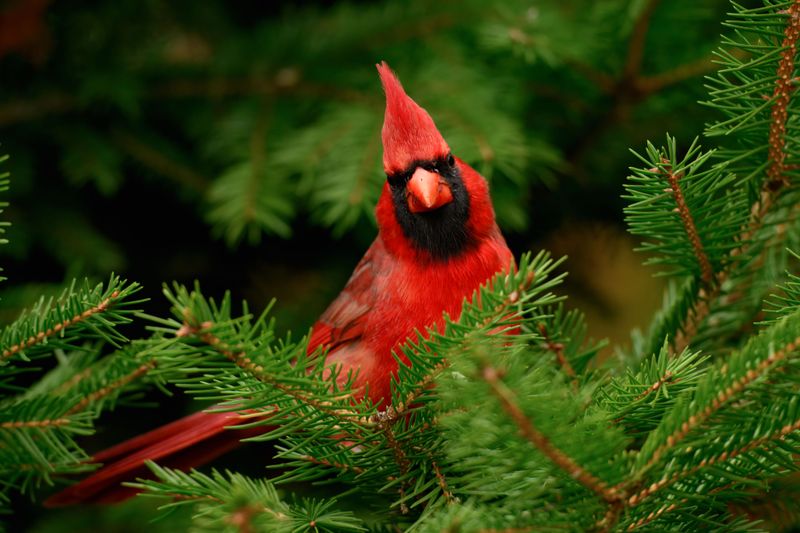
Red and green feel like Christmas for a reason, and the cardinal wears one of those colors better than almost anything in nature. Long before holiday cards were mass printed, red stood for warmth, life, and celebration.
In many Christian homes, the bird’s color is linked to the blood of Christ and the promise of new life. Some folks see a cardinal as a reminder of God’s love or a sign of an angel nearby.
These are faith beliefs, not scientific claims, but they mean a great deal to many people.
Fun fact: the bird’s name comes from Catholic cardinals, church leaders who wear bright red robes. Early European settlers thought the birds looked just like them.
Hope is another common theme. A cheerful red bird singing on a gloomy winter morning feels like a promise that brighter days are coming.
That’s why cardinals show up on so many ornaments, wreaths, and greeting cards. Victorian-era Christmas cards often featured them too.
If this symbol speaks to you, bring it indoors. A cardinal ornament placed on the tree in memory of someone, or a small figurine near a family photo, can turn a backyard sighting into a lasting holiday tradition.
3. Florida Cardinals Stick Around All Winter Instead Of Flying South
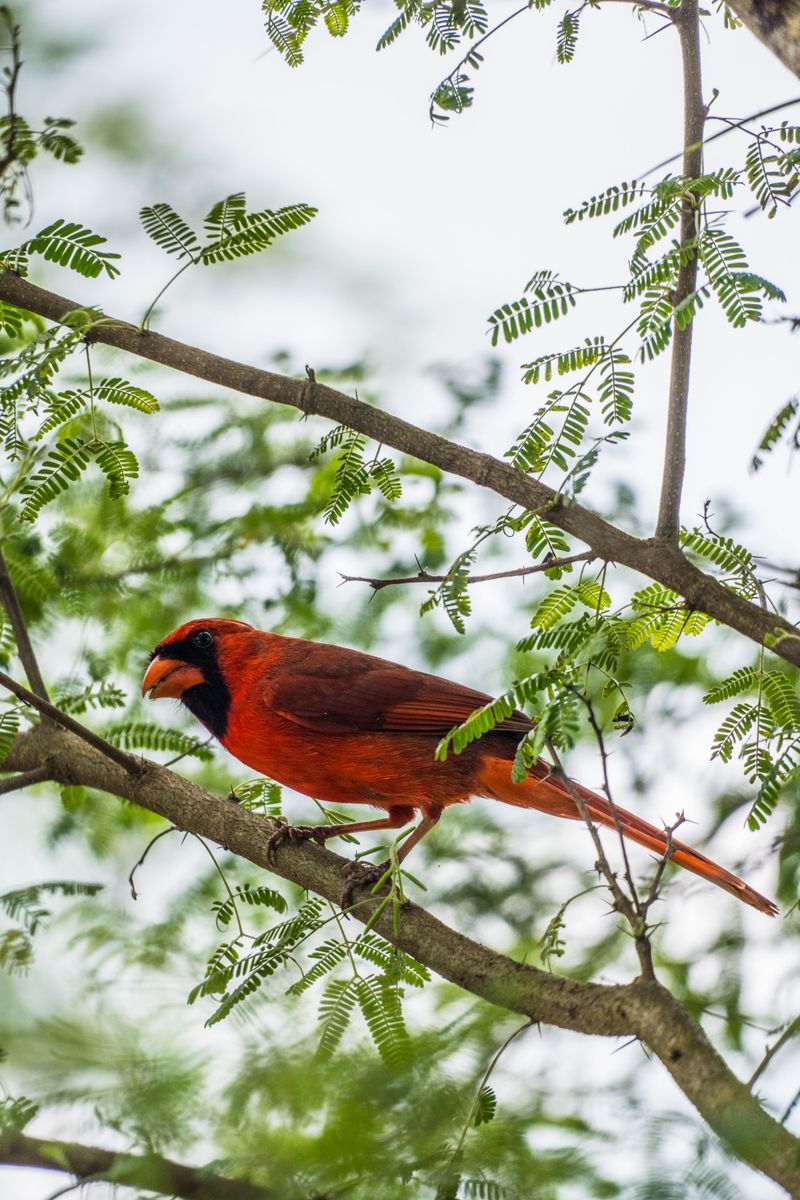
Here’s a fun surprise for newer residents: cardinals don’t migrate. The bird in your yard in July is likely the same one you’ll see on Christmas morning.
Northern cardinals hold onto their home territory year-round. That loyalty is a big part of why a holiday sighting feels so personal, since you’re often seeing a familiar neighbor rather than a passing stranger.
Florida’s mild winters make life easier for them. Food stays fairly easy to find from the Panhandle down to the Keys, so they don’t need to travel to survive the cold months.
Look closely and you might notice the birds here appear a bit smaller and darker than ones up north.
Florida cardinals belong to the Northern Cardinal species (Cardinalis cardinalis). Claims that they are consistently smaller and darker than northern populations need reliable supporting evidence.
Winter does change their habits, though. Instead of guarding territory loudly, cardinals often gather in small loose flocks to feed.
Seeing six or eight red birds at once is pretty normal this time of year.
Males stay bright red all year, while females wear warm tan with red accents. Both have that orange-red cone-shaped beak.
So when you spot one in December, give it a nod. You may be greeting a bird that’s been part of your yard for years.
4. Why That Cardinal Keeps Tapping On Your Window
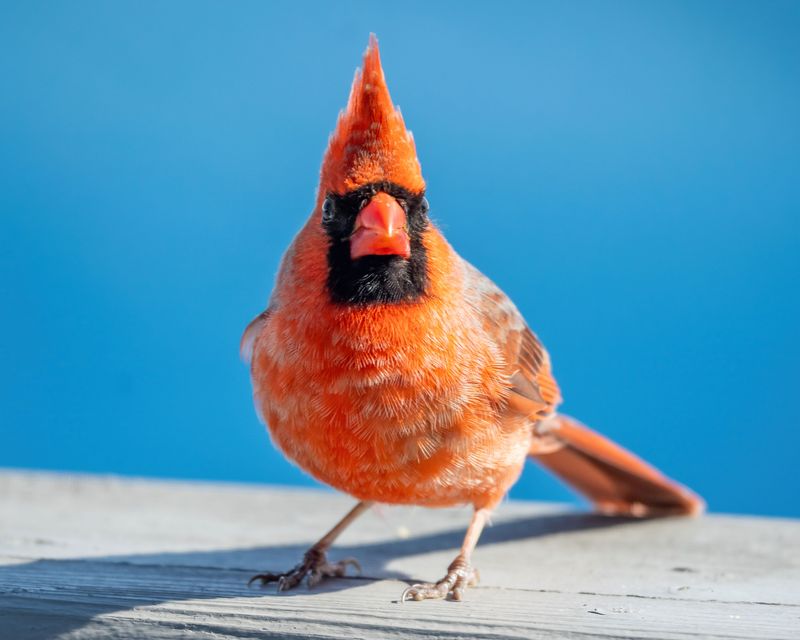
Tap, tap, tap. If a cardinal is knocking on your window or car mirror, plenty of people wonder if it’s trying to tell them something.
The real reason is a bit funnier. The bird sees its reflection and thinks a rival has moved in.
It keeps “fighting” the intruder to protect its turf.
Both males and females do this. n Florida, this behavior is most common during the breeding season, especially in spring, and it can continue for weeks.
I’ll admit it’s hard not to read meaning into it when it happens near the holidays. Feel free to enjoy the sentimental side.
Just know the bird is acting on instinct, not delivering a note.
The behavior rarely harms the bird, but it can tire it out. You can help by breaking up the reflection.
- Hang a cloth or screen on the outside of the glass.
- Add window decals or soap smudges.
- Cover side mirrors with a bag when parked.
Most birds give up once the “rival” disappears. Usually the tapping fades on its own as the season moves along, and your feathered visitor goes back to snacking and singing.
5. Black Oil Sunflower Seeds Bring Cardinals Right To Your Feeder
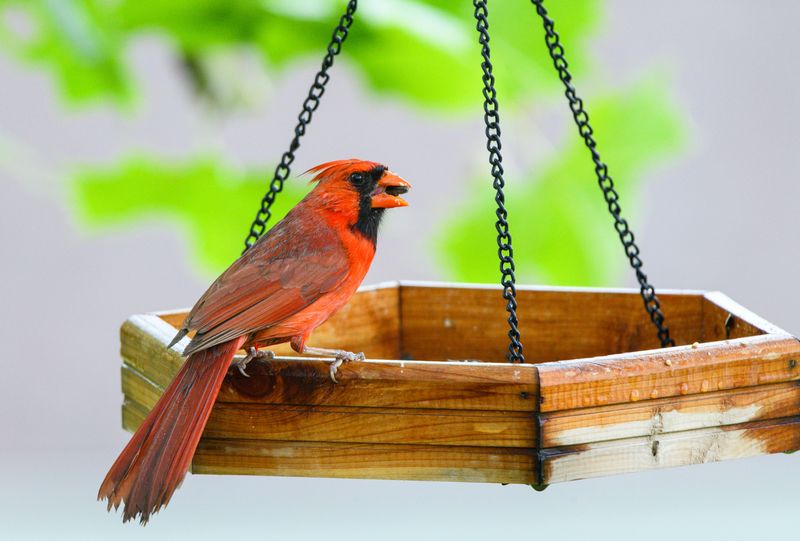
Want more of those red visits during the holidays? Your best tool is a scoop of the right seed.
Cardinals have thick, strong beaks built for cracking shells. Black oil sunflower seeds are a top pick because the shells are thin and the inside is rich in energy.
Safflower is another favorite, and squirrels and many grackles tend to skip it.
Feeder style matters too. These birds aren’t great at clinging to tiny perches, so they prefer platform feeders, hopper feeders with a wide ledge, or seed scattered on the ground.
Watch the clock and you’ll notice a pattern. Cardinals often show up early in the morning and again near dusk, sometimes when other birds have already left.
Keep things clean to protect your flock. Florida’s humidity can cause birdseed to develop mold quickly, so offer smaller amounts at a time.
Clean feeders regularly with a diluted bleach solution, following recommended cleaning and rinsing instructions to reduce the risk of disease transmission.
Place your feeder near shrubs, around 10 feet away. That gives birds a quick escape from hawks while keeping cats from hiding too close.
Before long, you might have a regular holiday guest who expects breakfast on time.
6. Native Beautyberry And Yaupon Holly Turn Your Yard Into A Winter Buffet
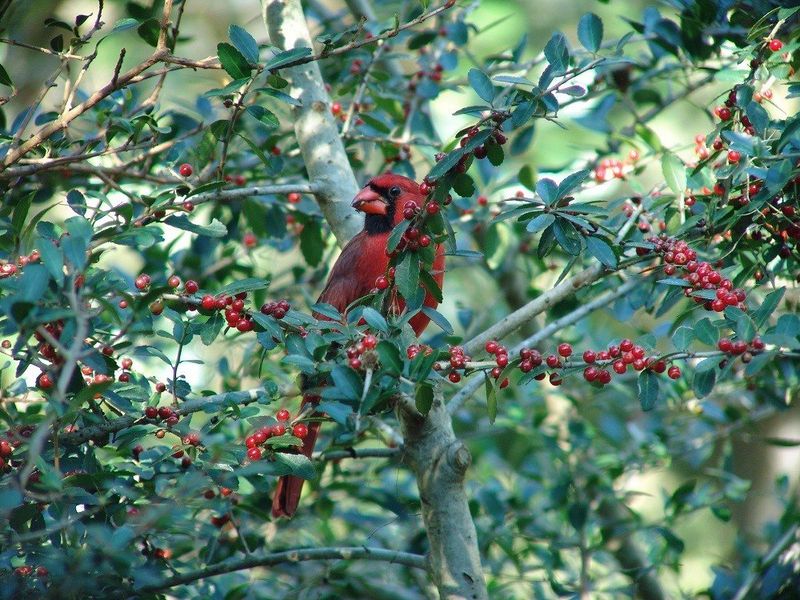
Feeders are nice, but native plants are the real gift. They feed cardinals naturally and look gorgeous doing it.
Yaupon holly is a star for winter. Female plants hold glossy red berries right through the holidays, and it grows across most of Florida.
It’s basically a living Christmas decoration.
American beautyberry gives you clusters of bright purple fruit in fall. Birds snack on them into early winter, though the berries are often gone by late December.
Other good native choices include:
- Firebush, popular in central and south Florida
- Wax myrtle, with waxy gray berries
- Simpson’s stopper for southern yards
- Coontie and sunflowers for seeds
UF/IFAS encourages native plantings because they support local birds and insects. Insects matter too, since cardinals feed them to their babies in spring.
Skip invasive plants like Brazilian pepper, even though birds eat the berries. They spread fast and crowd out native habitat.
Fall and winter are actually a great planting time in much of Florida. Cooler days mean less stress for new shrubs.
Plant now, and next December your cardinals might have their own berry buffet waiting.
7. Thick Shrubs And A Shallow Birdbath Keep Cardinals Coming Back
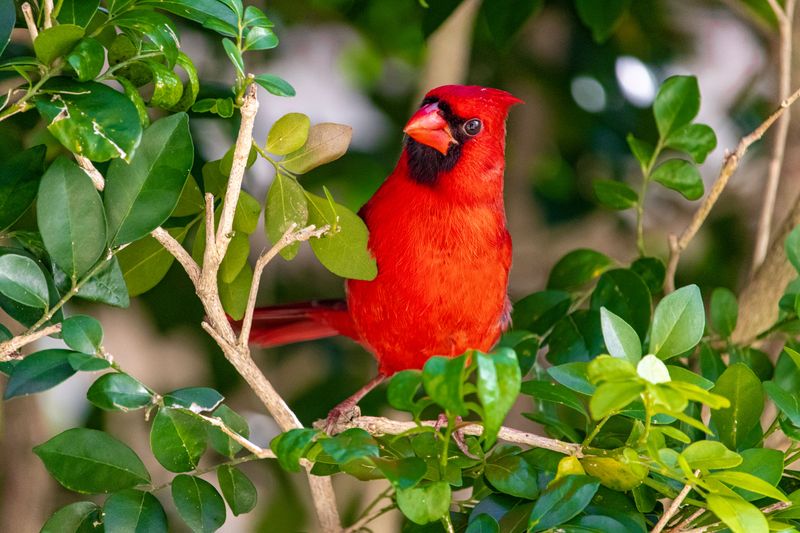
A pretty yard isn’t enough to keep cardinals around. They want a place to hide, rest, and sip.
Cardinals won’t use birdhouses. They build cup-shaped nests tucked in thick shrubs, vines, and small trees.
Dense cover also helps them dodge hawks, cats, and chilly winds on cold Florida nights.
Try leaving one corner of your yard a little wild. A tangle of native muscadine grape, a clump of wax myrtle, or a brush pile can become their favorite hangout.
Go easy on pruning, too. Heavy trimming of hedges in winter removes shelter just when birds use it most.
Late winter is a better time for light shaping, before nesting begins.
Water is the final piece. A birdbath about 2 to 3 inches deep works well for drinking and splashing.
Add a few flat stones so smaller birds can stand safely.
Change the water every few days to stop mosquitoes and keep it fresh. A small dripper adds movement that birds notice from far away.
Whatever meaning you find in that red flash, you’ll see it more often in a yard built for comfort. Your cardinals will thank you all season long, one cheerful whistle at a time.
8. Why a Pair of Cardinals Is Often Seen as a Symbol of Lasting Love
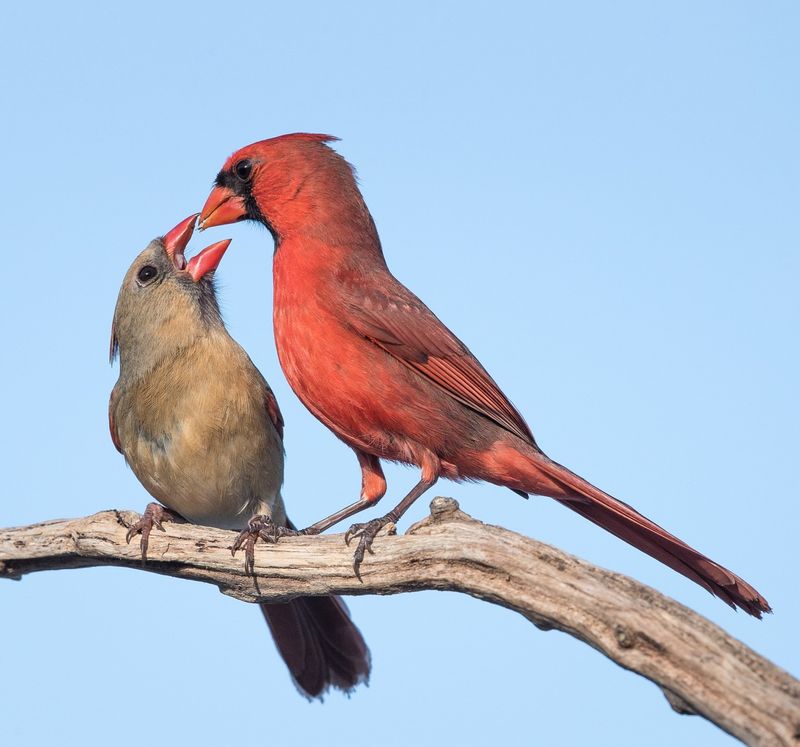
Seeing two cardinals together can be a lovely reminder of love, companionship, and family, especially during the holidays.
Northern Cardinals often form pairs during the breeding season, and some mates remain together across multiple breeding seasons.
One charming behavior to watch for is courtship feeding. A male cardinal may pass a seed directly to his mate’s beak, a behavior that helps reinforce their pair bond.
Watching this exchange can be a sweet reminder of the connections we share with others.
Although cardinals do not guarantee lasting love, many people see a pair as a symbol of commitment, loyalty, and family unity. Their presence has also become meaningful to people who associate these bright red birds with hope and happy memories.
If two cardinals visit your Florida yard while relatives are gathering for the holidays, take it as a gentle reminder to reconnect with someone you care about.
You might call a family member you have not spoken to recently, share a photo with a friend, or simply pause to enjoy the moment.
Whether you see the birds as a symbol or appreciate them for their natural behavior, a pair of cardinals can add a special touch to the holiday season.
9. How to Capture the Perfect Holiday Cardinal Photo
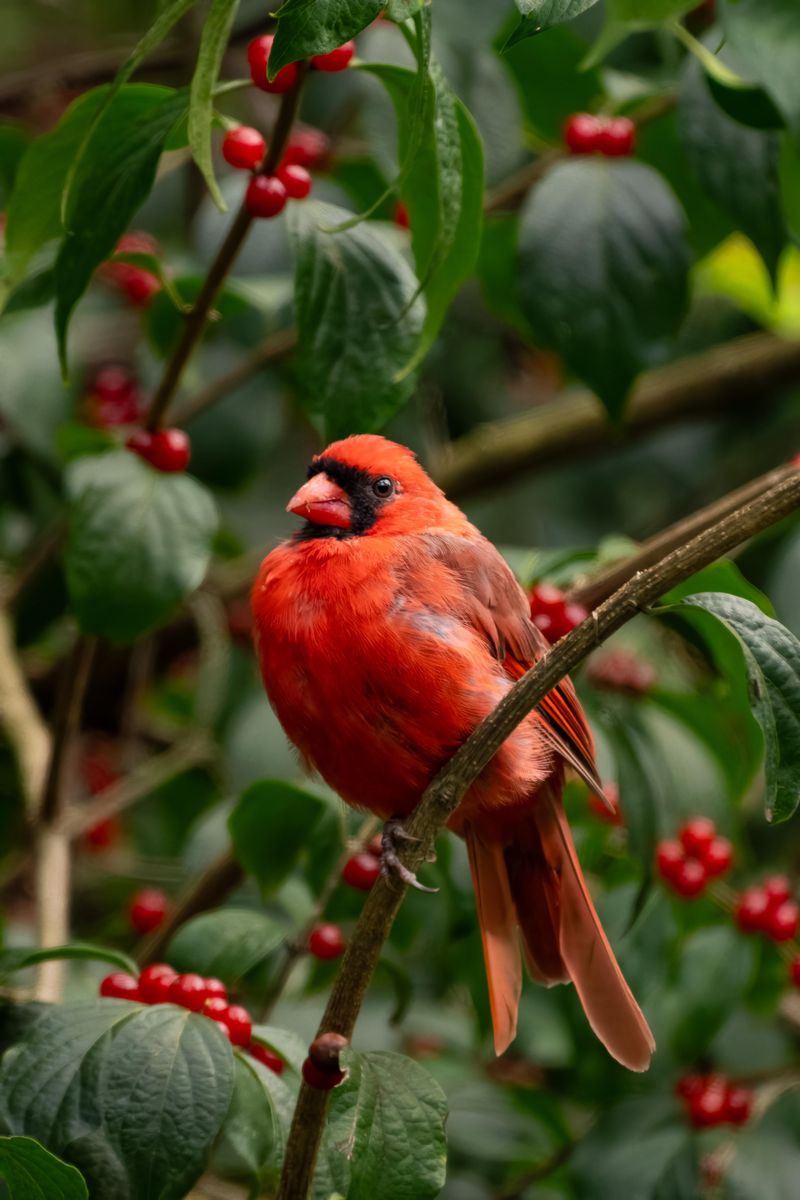
Capturing a Northern Cardinal on camera takes patience, but you do not need expensive equipment to get a beautiful picture.
A smartphone or basic camera can work well when you choose a good viewing spot and make use of natural light.
Early morning can be a productive time to watch birds at feeders, although their activity varies with weather and food availability.
Observe your yard for a few days to learn when cardinals tend to visit, and keep your camera ready.
Photographing from a window or a comfortable distance outdoors can help you avoid startling the birds. For a striking image, focus on the cardinal’s bright red feathers against green foliage.
Try to keep the background simple so the bird remains the main subject.
You can also include seasonal greenery or a festive wreath in the background for a holiday feel. Avoid placing decorations near the bird or disturbing its normal behavior just to get a photograph.
Turn off the flash when possible, and hold your camera steady to reduce blur.
With a little patience, you might capture a memorable image to share with family or use in a holiday greeting card. The best photographs often come when you allow the bird to behave naturally and wait for the right moment.