The Native Florida Plants Mockingbirds Actually Prefer Over Store-Bought Bird Feeders
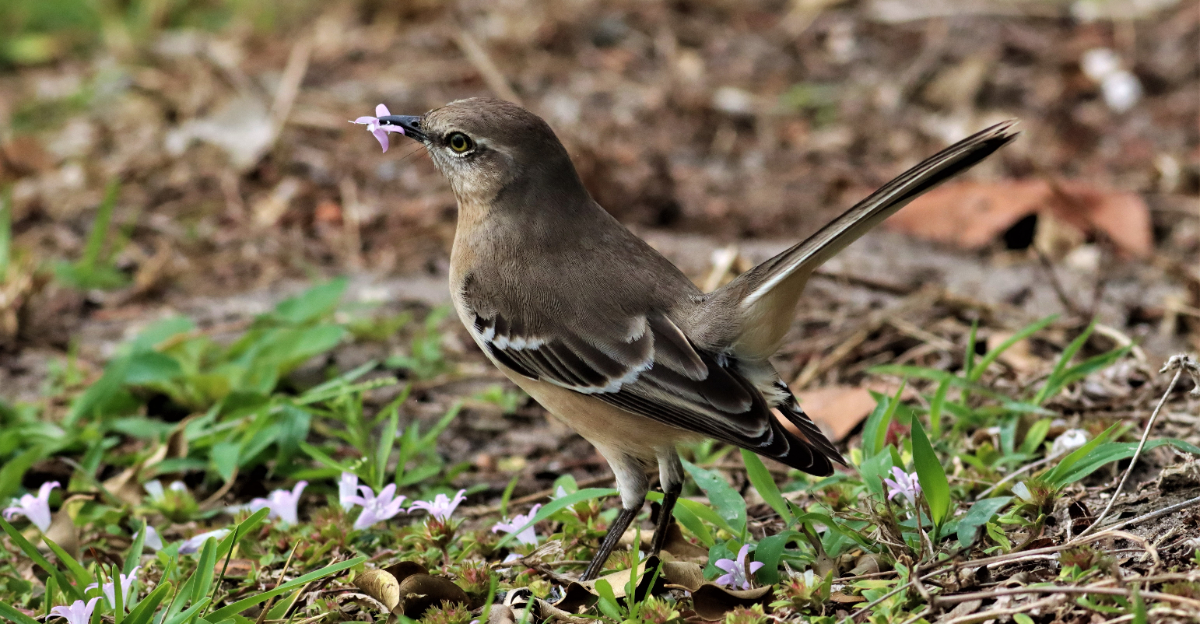
Mockingbirds do not use bird feeders. Put one out, fill it with the best seed mix available, and a mockingbird will watch from the fence with complete indifference.
They operate on different terms than most backyard birds, and those terms have everything to do with what grows in the yard rather than what gets hung from a shepherd’s hook.
A yard that attracts mockingbirds consistently is a yard that has figured something out about native plants that a feeder never could replicate.
Food sources embedded in the landscape itself. Insects drawn by the right flowers.
Berries that ripen on a schedule mockingbirds have been tracking for generations. Florida native plants sit at the center of that equation.
Several of them pull mockingbird attention with a reliability that surprises people who have been trying feeders for years without a single visit. The feeder is optional.
The right plants are not.
1. Simpson’s Stopper Serves Berries With Shelter
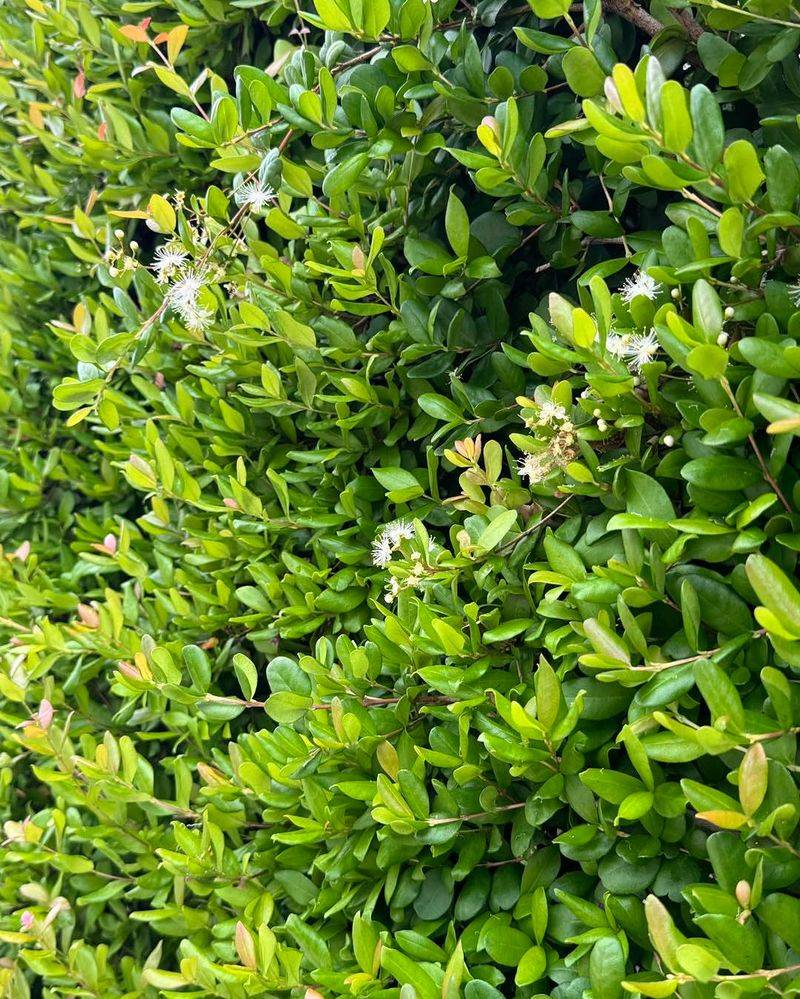
Tucked along a property edge or used as a natural privacy screen, Simpson’s stopper brings a lot to a bird-friendly yard. This native shrub or small tree is known botanically as Myrcianthes fragrans.
It produces small orange-red berries that ripen in clusters and attract fruit-eating birds, including mockingbirds.
According to the University of Florida IFAS Extension, it is a reliable native plant for wildlife-friendly landscapes in warm-weather regions of the state.
The branching structure of Simpson’s stopper offers more than just food. Dense foliage gives birds a place to perch, watch for rivals, and retreat quickly from open areas.
Mockingbirds are highly territorial, and having a shrub with both fruit and cover nearby can make a yard feel worth defending.
The plant typically reaches eight to fifteen feet at maturity, though it can be kept smaller with careful pruning outside active nesting seasons.
It grows best in full sun to part shade and handles a range of soil types found in local yards. Fruit production is not constant throughout the year.
Pairing it with other native shrubs that fruit at different times creates a more complete seasonal food source.
Avoid heavy pesticide use nearby, since insects around the foliage are part of what draws insect-eating birds like mockingbirds to any fruiting plant in the first place.
2. Beautyberry Turns Fall Stems Into A Feast
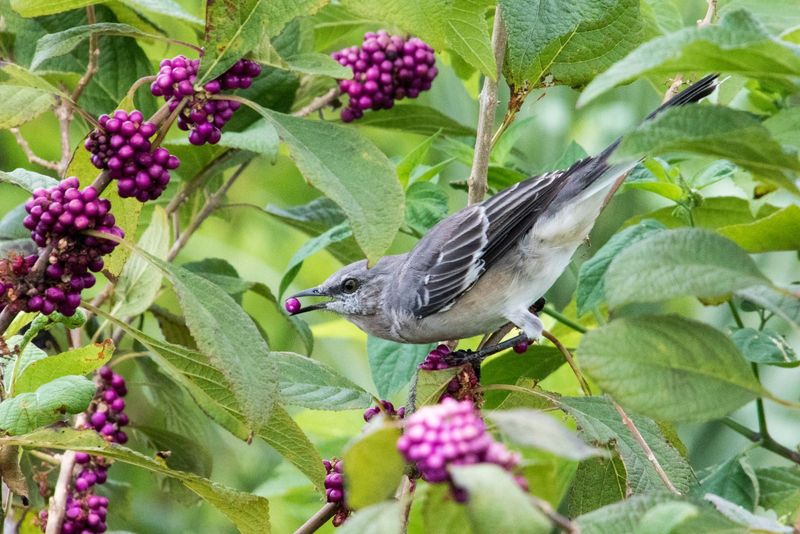
Few native shrubs put on a fall display quite like American beautyberry. The clusters of vivid magenta-purple berries wrap tightly around arching stems, creating a color show that is hard to miss from across the yard.
Callicarpa americana is native to the southeastern United States. The Florida Native Plant Society recognizes it as a valuable wildlife plant whose fruit feeds many birds, including mockingbirds in fall.
Beautyberry grows in a loose, open form that fits naturally along sunny or partly shaded garden edges, woodland borders, and naturalistic plantings. It can reach six to eight feet in height and spread, so giving it room to arch outward lets it fruit more freely.
The berries do not last all season, which is why timing matters. Planting beautyberry alongside other natives that fruit earlier or later helps fill gaps in the food calendar.
Your Florida Garden Changes Every Week. Your Plan Should Too.
Gardening in Florida changes quickly throughout the season. Every Friday you’ll receive a simple weekly plan showing exactly what to plant, prune, fertilize, harvest, and protect so you never miss the right timing.
Pruning this shrub hard in late winter or very early spring, before new growth begins, can encourage vigorous fruiting stems. However, if you notice active nesting activity in or near the plant, hold off and observe carefully before cutting anything back.
Mockingbirds and other birds sometimes nest in dense shrubs close to fruiting plants. Reducing unnecessary pesticide use around beautyberry also protects the insects that birds forage for alongside the berries throughout summer.
3. Wax Myrtle Gives Mockingbirds Winter Fruit
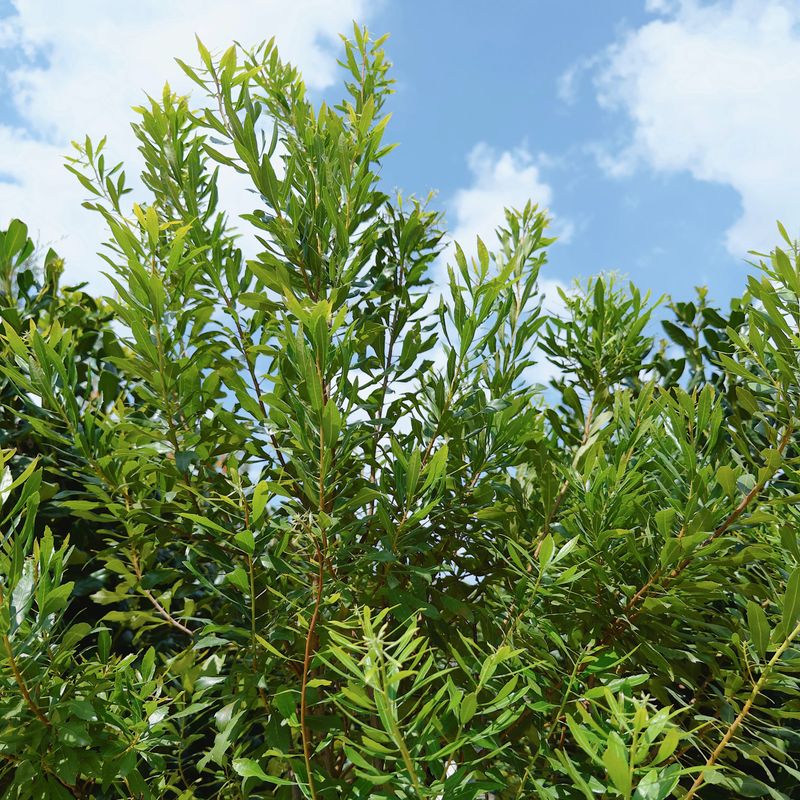
When most fruiting shrubs have already finished their season, wax myrtle steps in with something useful. This fast-growing native shrub or small tree produces clusters of small, waxy, blue-gray berries.
They cling to the branches into winter, giving birds food when other options are limited. The Cornell Lab of Ornithology notes that yellow-rumped warblers are famous for eating wax myrtle berries.
Mockingbirds can also feed on them when available.
Morella cerifera, as it is known botanically, grows quickly and can reach fifteen to twenty feet if left unpruned. Many homeowners use it as a dense living screen along property lines or back borders.
That screening habit also gives birds both food and layered cover. Wax myrtle produces male and female plants separately.
Fruit production depends on having female plants present, ideally near a male for pollination.
Spacing plants a few feet apart when used as a screen allows them to grow together into a solid hedge over time. Avoid shearing wax myrtle into a tight formal shape.
That pruning reduces fruiting stems and removes the natural branching structure birds use for perching and cover. Keeping pesticide applications away from this plant helps preserve insects in and around its foliage.
Mockingbirds and other birds actively hunt those insects through warm months.
4. Sabal Palm Feeds Birds Above The Lawn
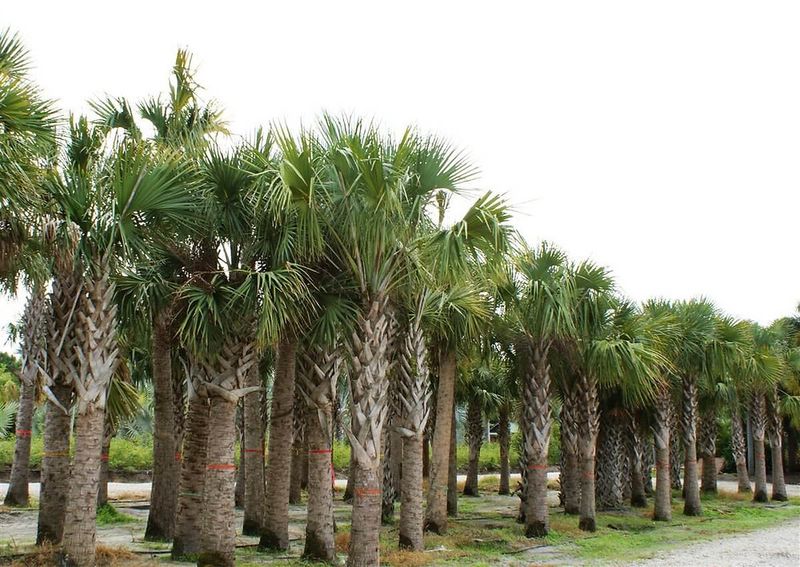
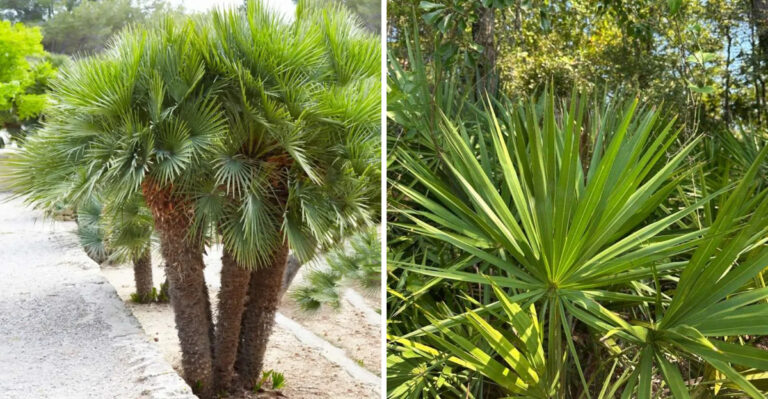
Standing tall in open yards, along streets, and at natural edges, the sabal palm is Florida’s state tree. It is also one of the most wildlife-valuable trees a homeowner can have.
Mature sabal palms, known botanically as Sabal palmetto, produce large drooping clusters of small, dark, round fruit that ripen in late summer and fall. The Audubon Society lists fruit-bearing palms among the plants that support many bird species.
Mockingbirds can feed on the fruit when it is accessible and available.
Beyond food, sabal palms offer vertical structure that a yard full of low shrubs cannot replace. Birds use the fronds for perching, the trunk for insects hiding in rough bark, and the canopy for cover and singing posts.
Mockingbirds are known to use high, exposed perches for territorial singing, and a mature palm gives them exactly that kind of elevated stage.
One important note for homeowners: avoid overpruning sabal palms by removing green, healthy fronds for a tidy look. Green fronds support the tree and its wildlife value.
Removing too many at once stresses the palm and reduces habitat. Small, newly planted palms take years to mature and fruit, so the wildlife value of a sabal palm grows significantly with age.
Planting one now means investing in habitat that will pay off for decades.
5. Wild Coffee Offers Berries In Shady Spots
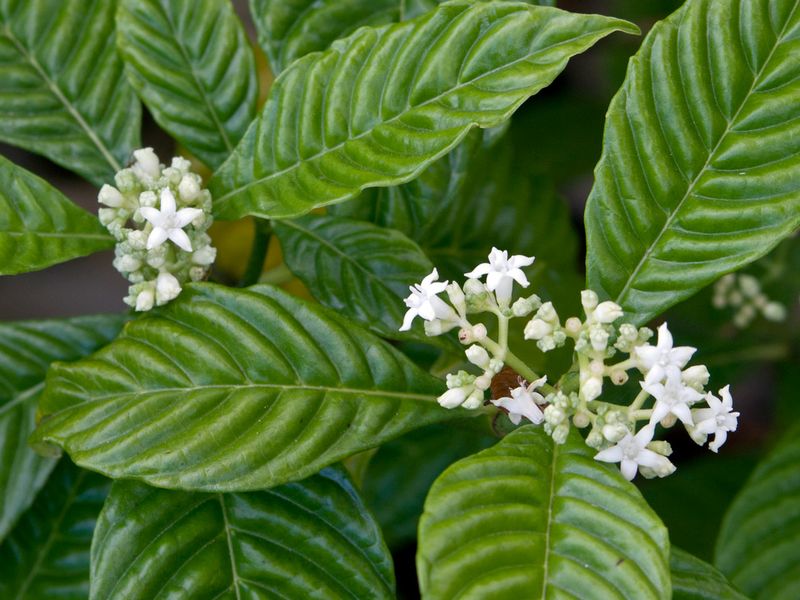
Not every yard is full sun, and not every bird-friendly plant needs to be. Wild coffee, or Psychotria nervosa, is a native understory shrub.
It thrives beneath larger trees, along shaded borders, and in protected garden edges where full-sun plants struggle. It produces clusters of small, bright red berries that attract fruit-eating birds.
The Florida Native Plant Society recognizes it as valuable wildlife habitat in warmer parts of the state.
The name can cause some confusion, but wild coffee has nothing to do with the coffee people drink. It earned its common name from the berry’s appearance, not its chemistry.
For birds, the red berries are a seasonal food source. Mockingbirds may visit fruiting plants near open foraging areas where they can move in and out quickly.
Wild coffee works well planted beneath oak trees, along the north or east side of a structure, or in naturally shaded corners of the yard.
It is not well-suited for full hot sun or poorly drained soggy areas, so matching the plant to the right spot matters for long-term success.
Mature plants can reach four to eight feet in height and develop a tidy, glossy look that fits naturally into a layered native garden.
Keeping the area around wild coffee free from unnecessary pesticide applications helps preserve the insects and small invertebrates that share its shaded habitat.
6. Firebush Brings Insects Before Fruit Appears
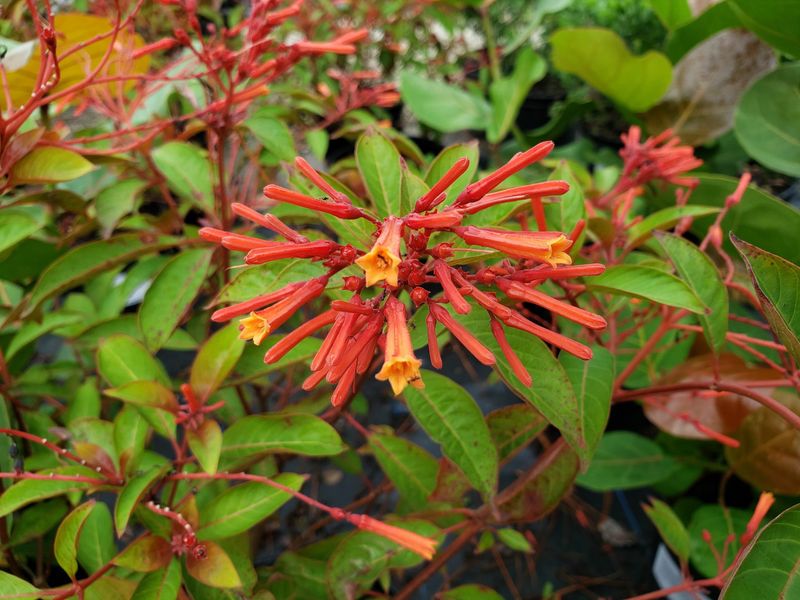
Long before the berries appear, firebush is already doing something valuable for birds. The tubular orange-red flowers attract a steady stream of butterflies, bees, and other pollinators, and that insect activity draws insect-eating birds into the yard.
Mockingbirds are omnivores that eat both fruit and animal prey, including insects, beetles, grasshoppers, and small invertebrates. A plant that pulls in pollinators is indirectly feeding the birds that hunt them.
Native firebush, Hamelia patens var. patens, is the Florida-native variety, and it is worth seeking out specifically from a reputable native plant nursery. Some garden centers sell a non-native or cultivated variety that looks similar but offers reduced wildlife value.
The Florida Wildflower Foundation and UF/IFAS Extension resources can help homeowners identify which variety they are purchasing before planting.
Firebush grows vigorously in full sun and can reach six to ten feet or more in warm southern regions. In areas that experience occasional cold snaps, it may freeze back to the roots but often regrows from the base in spring.
The small dark berries that follow the flowers provide additional food value for birds later in the season. Pruning can be done in late winter or early spring, but check for any bird activity in the shrub before cutting back hard.
Reducing pesticide use around firebush protects both the pollinators visiting the flowers and the birds that come looking for them.
7. Cocoplum Creates Cover With Edible Fruit
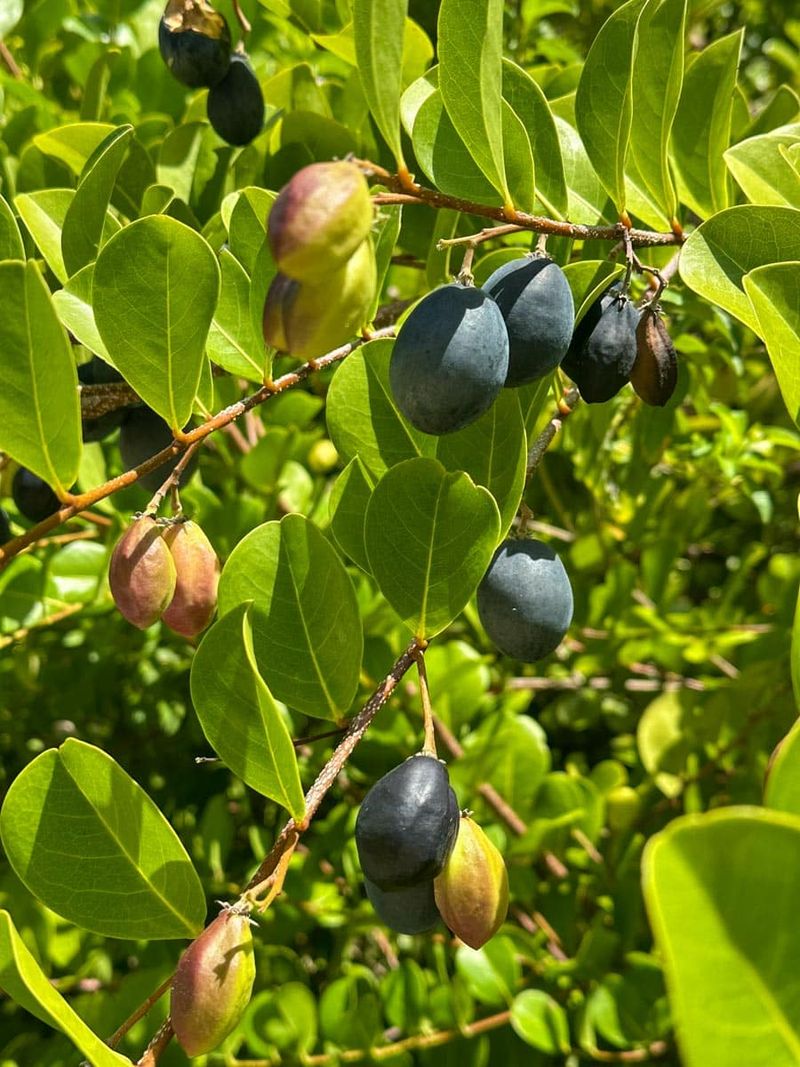
Along coastal yards, southern neighborhoods, and warm inland borders, cocoplum earns its place as one of the most versatile native shrubs available to Florida homeowners.
Chrysobalanus icaco produces fleshy fruit in shades of white, pink, and deep purple, depending on the variety.
That fruit can attract wildlife, including birds that eat soft fruit.
The dense, rounded growth habit of cocoplum makes it especially useful for creating layered cover near open areas where mockingbirds like to forage.
A thick shrub border gives birds a safe retreat after feeding on open ground, and the branching structure provides natural perching spots close to the fruit itself.
Mature plants can reach eight to fifteen feet, making cocoplum effective as a privacy screen, hedge, or naturalistic border planting.
Cocoplum handles salt spray reasonably well, which makes it a practical choice for coastal properties where other shrubs struggle.
It is best suited to warmer, frost-light parts of the state, and it may not perform well in colder inland or northern regions where hard freezes occur regularly.
Spacing plants correctly from the start, based on the mature size of the variety you choose, reduces the need for heavy pruning later. When pruning is necessary, do it outside of active nesting seasons and check the shrub carefully before cutting.
Avoiding pesticides near cocoplum helps protect the insects that share its habitat.
8. Native Plants Feed More Than One Meal
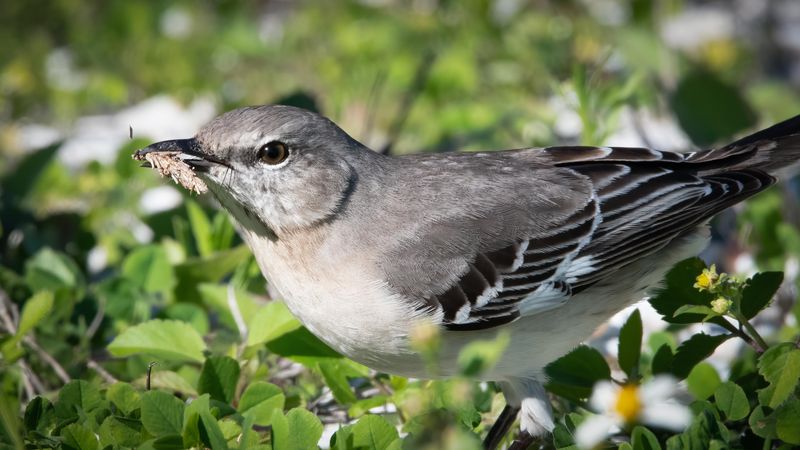
A store-bought feeder can offer one thing: seed or sugar water for a narrow group of birds. A yard planted with native shrubs and trees offers something far more complete.
Fruit, insects, cover, nesting structure, perches, and seasonal variety all come from living plants. That combination helps mockingbirds and many native birds thrive in residential landscapes.
The key to making a native planting work across the full year is layering. Low groundcovers, mid-height shrubs, and taller trees planted together create a habitat structure that mimics natural edges and understories.
Staggering plants that fruit at different times helps keep food available across more of the calendar. Use beautyberry in fall, wax myrtle into winter, and Simpson’s stopper in warmer months.
A few practical habits make a real difference for bird activity in any yard. Reducing unnecessary pesticide applications protects the insects that mockingbirds and other birds hunt alongside fruit.
Keeping cats indoors or away from active foraging areas reduces one of the most significant threats to ground-feeding birds. Avoiding heavy pruning when nests are present protects birds that are protected under federal law.
Planting for the long term, choosing the right plant for the right spot, and giving plants time to mature can transform an ordinary yard. Over time, it can become a place a mockingbird will actually defend.