The Meaning Behind Seeing A Velvet Ant In Your Texas Garden
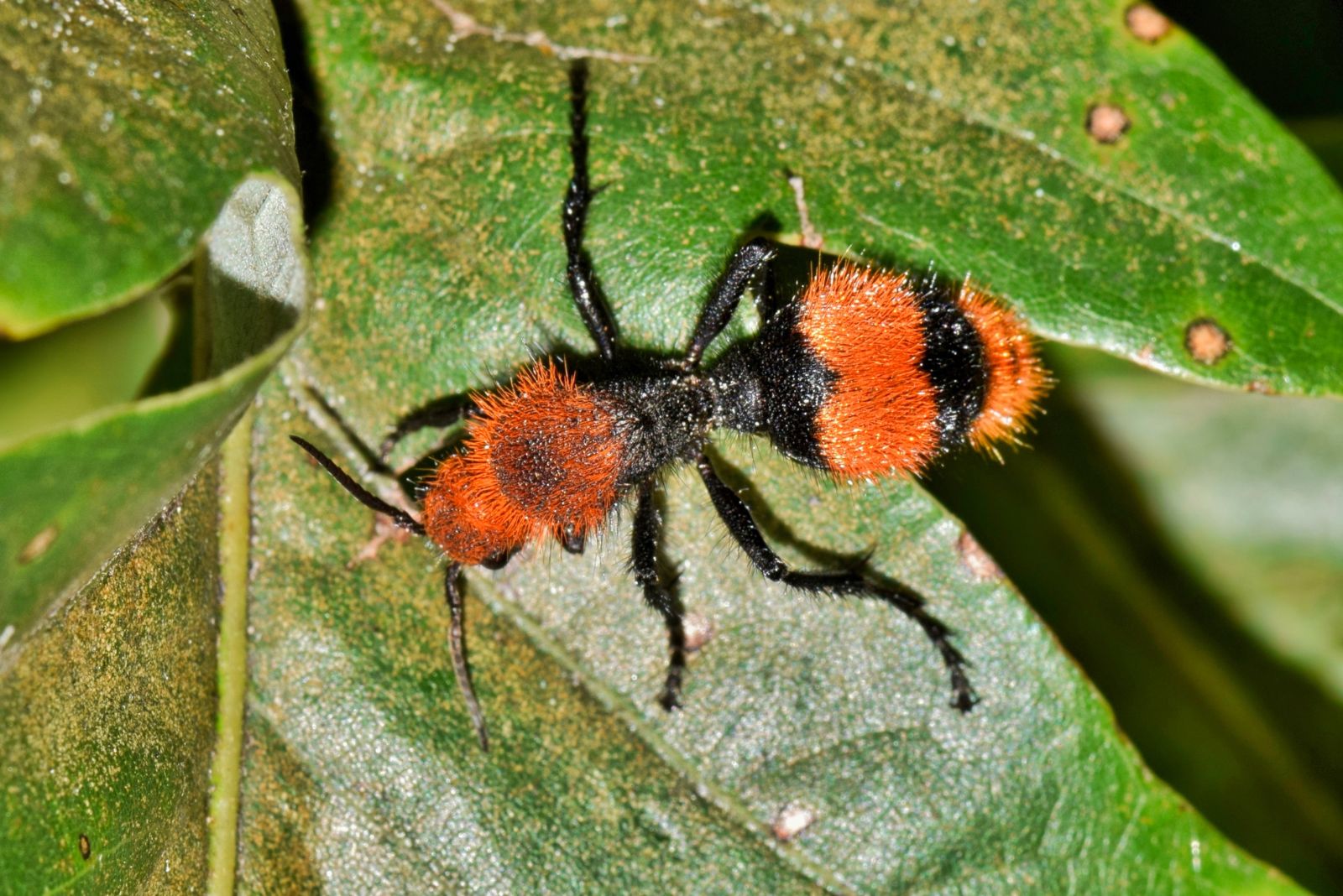
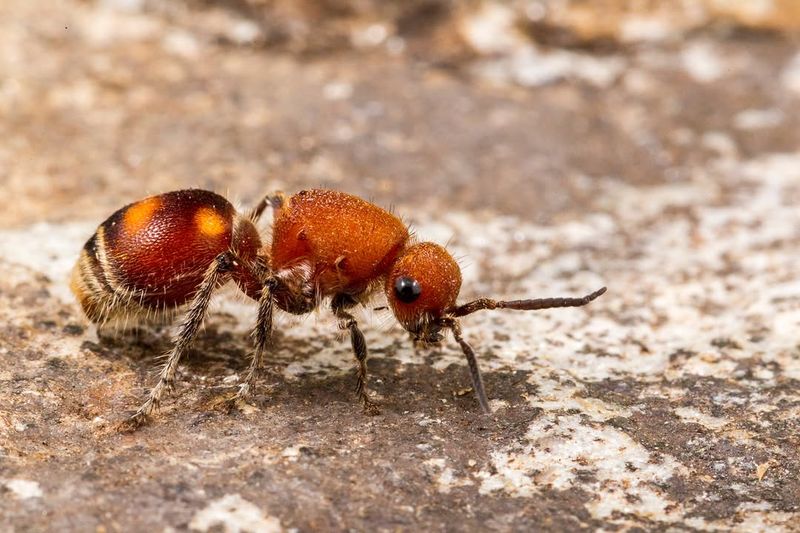
If you’ve ever spotted what looks like a large, fuzzy, bright red ant crawling through your Texas garden, you’ve probably stopped and stared. Maybe you pulled out your phone for a photo.
Maybe you kept your distance. Either reaction makes complete sense, because this is one of the most striking and unusual creatures you’ll come across in a Texas yard. But here’s the first thing you should know. It’s not actually an ant.
The velvet ant goes by many names in Texas, and the most famous one tells you everything about why you should treat it with respect. Still, beyond the practical warnings, people have long attached meaning and folklore to this vivid little creature.
Its bold coloring, its solitary nature, and its seemingly fearless presence in the garden have made it the subject of curiosity and symbolism for generations. Here’s what the velvet ant actually is, what it means for your garden, and what people believe about spotting one.
1. Indicator Of A Healthy Garden Ecosystem
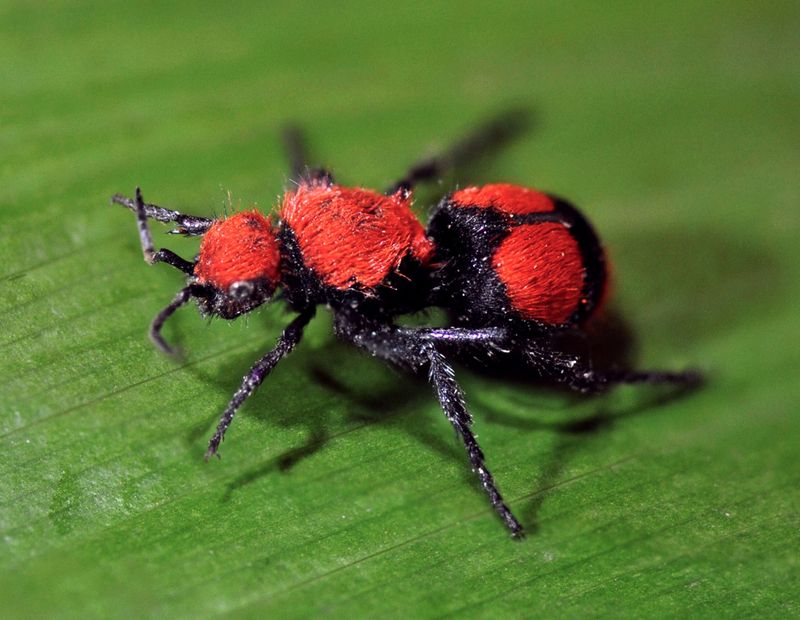
Finding a velvet ant in your garden is like getting a gold star for good gardening. Despite the name, velvet ants are not actually ants at all.
They are solitary wasps, and the females are the fuzzy, wingless ones you are most likely to spot crawling around your yard.
Their presence is a strong signal that your garden has a rich and balanced ecosystem. Velvet ants need a variety of other insects to survive, so if they are showing up, it means your yard is home to a healthy mix of bugs, plants, and natural activity.
A garden that supports velvet ants is doing something right. Many gardeners spend a lot of time trying to create the perfect environment for beneficial insects. Seeing a velvet ant tells you that you are already succeeding.
It means your garden has enough diversity to support multiple layers of the food web, which is exactly what a thriving outdoor space needs.
Healthy ecosystems are built over time through good choices like planting native plants, reducing chemical use, and leaving parts of your yard a little wild. Velvet ants reward those efforts by showing up and thriving.
Think of them as nature’s way of giving you a thumbs up. So the next time you spot one of these fuzzy wanderers, take a moment to feel proud. Your garden is alive, balanced, and buzzing with life in the best possible way.
That little red creature is proof that your outdoor space is doing exactly what a healthy Texas garden should do.
2. Natural Pest Control At Work
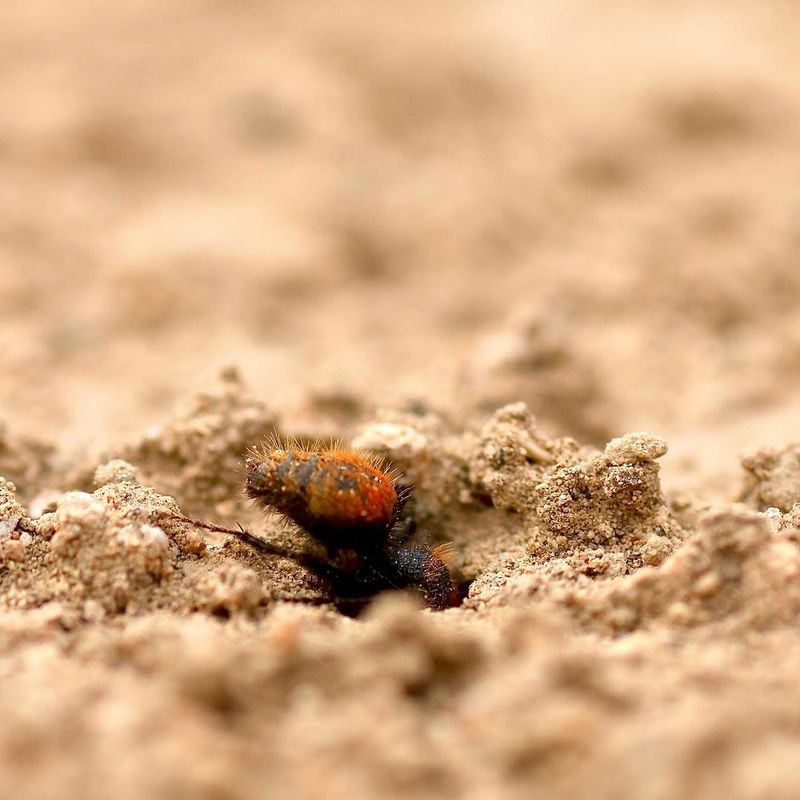
Here is something that might surprise you: velvet ants are actually doing some serious pest control work right in your backyard. Female velvet ants lay their eggs inside the nests of beetles and other ground-nesting insects.
When the eggs hatch, the larvae feed on those host insects, which naturally reduces pest populations in your soil.
This is a completely chemical-free way to manage unwanted bugs. No sprays, no traps, just nature handling business the way it has for millions of years.
Your Texas Garden Changes Every Week. Your Plan Should Too.
Gardening in Texas changes quickly throughout the season. Every Friday you’ll receive a simple weekly plan showing exactly what to plant, prune, fertilize, harvest, and protect so you never miss the right timing.
For Texas gardeners who want to keep things organic, a velvet ant is basically a free pest management service living right in your yard.
Soil-dwelling pests like beetle grubs can cause real damage to plant roots and garden beds. When velvet ants target those larvae, they help protect your plants from underground threats you might not even notice until it is too late.
Spotting a velvet ant could mean your garden is already being protected from below the surface.
Gardeners often spend money on pest control products that can harm other beneficial insects. Having natural predators like velvet ants in your yard means you can rely less on those products and more on the natural balance of your garden’s ecosystem.
That is a win for your plants, your wallet, and the environment. Encouraging a space where velvet ants can thrive is simple. Avoid using broad pesticides that wipe out all insects indiscriminately.
Let your soil stay loose and undisturbed in some areas. These small choices make a big difference and keep your natural pest control crew right where you need them.
3. Sign Of Undisturbed, Healthy Soil
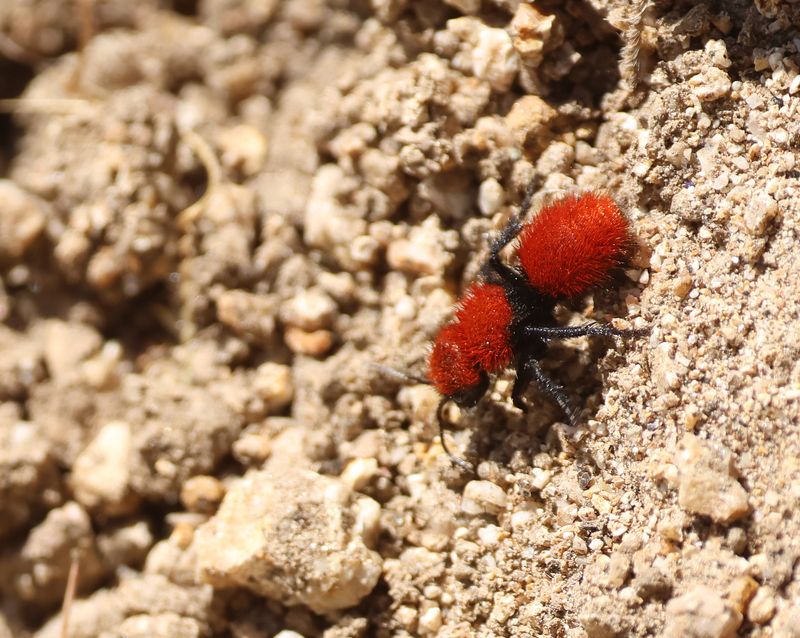
Loose, sandy soil is prime real estate for velvet ants, and spotting one in your garden is a clue about what is happening underground.
Velvet ants prefer areas where the soil has not been heavily compacted or disturbed. If one shows up in a corner of your yard, that patch of earth is likely in great shape.
Compacted soil is actually a common garden problem. When soil gets packed too tightly, water cannot drain properly, plant roots struggle to grow, and beneficial insects cannot burrow or nest.
Velvet ants naturally avoid those areas, so their presence points you toward the spots in your garden where the soil is still loose, airy, and full of life.
Good soil structure supports everything above it. Plants grow stronger roots, water soaks in more efficiently, and the whole garden performs better when the ground beneath it is healthy.
A velvet ant sighting can help you identify which areas of your yard are thriving underground, even before you see the results above ground.
Gardeners can protect healthy soil by avoiding heavy foot traffic in planting areas, using mulch to keep the ground loose, and limiting the use of heavy machinery or tools that compress the earth.
These simple habits preserve the kind of soil environment that supports creatures like velvet ants and countless other beneficial organisms.
Think of a velvet ant as a tiny soil inspector giving your garden a passing grade. When you see one crawling across a patch of ground, you can feel confident that the soil in that spot is doing its job well.
Healthy soil is the foundation of every great garden, and velvet ants know exactly where to find it.
4. A Reminder To Garden Safely
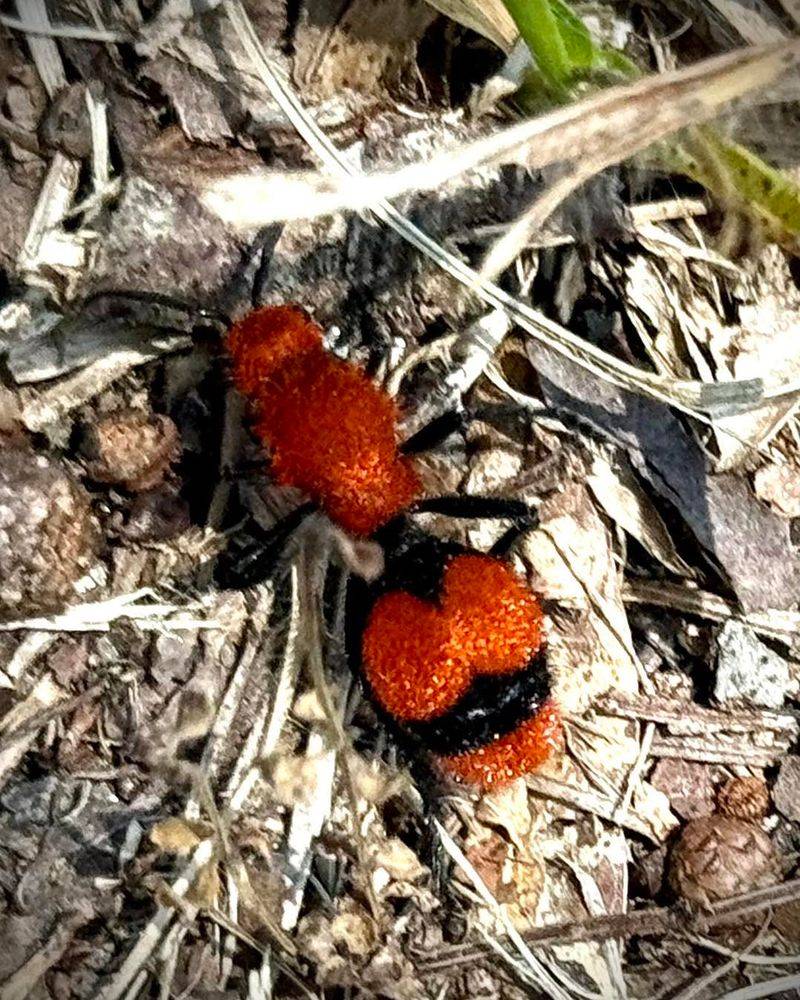
Velvet ants might look like fluffy little jewels crawling through your garden, but do not let their cute appearance fool you. These insects are famous for packing an incredibly painful sting.
In fact, they have earned the memorable nickname “cow killer” because of just how intense that sting can feel. It is one of the most talked-about stings in the insect world.
Spotting a velvet ant is a friendly reminder from nature to be careful while you work in your garden. Wearing gloves every time you dig, weed, or handle soil is a smart habit.
Closed-toe shoes are also a must, especially during the warmer months when velvet ants are most active. A little preparation goes a long way toward keeping your gardening experience enjoyable.
Children and pets are especially vulnerable because they are more likely to touch or step on things without thinking.
If you have young kids or curious animals who spend time in the yard, take a few minutes to teach them about velvet ants and why it is important to look before touching anything on the ground.
The good news is that velvet ants are not aggressive by nature. They will not chase you or seek out trouble.
They only sting when they feel directly threatened or are accidentally touched. Simply watching where you step and keeping your hands protected is usually all it takes to coexist peacefully with them.
Treating a velvet ant sighting as a safety check is a great mindset. Use it as your cue to gear up properly before heading out to the garden. Safe gardening is smart gardening, and a little awareness makes all the difference.
5. Surprising Pollinator In Your Garden
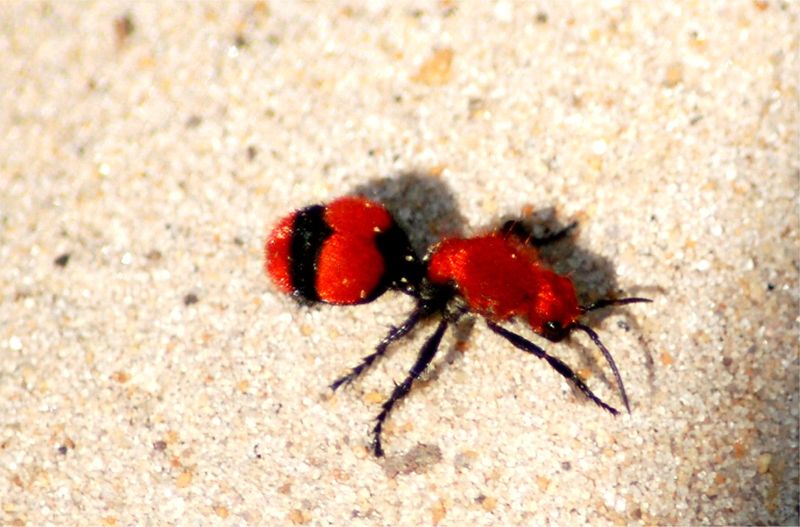
Most people think of bees and butterflies when they hear the word pollinator, but velvet ants deserve a spot on that list too. Adult velvet ants feed on nectar from flowers, and in doing so, they help move pollen from one bloom to the next.
It is a quiet contribution that often goes unnoticed, but it matters more than most gardeners realize.
Pollination is what allows flowering plants to produce seeds and fruit. Without pollinators visiting flowers regularly, many plants would struggle to reproduce.
Velvet ants add to the mix of pollinators working your garden, which means more diversity in the pollination process and better outcomes for your plants overall.
Texas is home to a wide variety of native wildflowers and garden plants that benefit from multiple types of pollinators. The more species visiting your flowers, the more thorough the pollination tends to be.
A velvet ant cruising through your flower beds is actively supporting the plants you have worked hard to grow.
Supporting pollinators of all kinds is something every gardener can do with a few simple choices.
Planting native Texas flowers like black-eyed Susans, coneflowers, and lantana gives velvet ants and other pollinators plenty of nectar sources throughout the season. Avoiding pesticides during bloom time also keeps these helpful visitors coming back.
It is kind of wonderful when you think about it. That fuzzy red creature you were startled by is actually helping your garden bloom more beautifully.
Velvet ants are proof that pollinators come in all shapes, sizes, and colors, and that a healthy garden welcomes them all with open arms and open flowers.
6. A Clue About Garden Seasonality
Velvet ants are most commonly spotted during the hot summer months in Texas, and that timing is not random.
Their appearance lines up with the peak activity period for many beneficial insects, including the ground-nesting bees and beetles that velvet ants depend on for their life cycle. Seeing one is basically a seasonal signal straight from nature.
For gardeners, this kind of timing information is genuinely useful. When velvet ants show up, it is a sign that summer insect populations are in full swing.
That means it is a great time to focus on supporting pollinators, checking on soil health, and making sure your garden is set up to handle the heat and activity of peak season.
Summer in Texas can be tough on gardens, but it is also when the most insect activity happens. Velvet ants appearing in your yard is a reminder to take stock of what is going on around you.
Are your flowers blooming and attracting visitors? Is your soil staying loose and healthy despite the heat? These are questions worth asking when you spot one.
Gardeners who pay attention to seasonal cues tend to make better decisions about when to plant, when to water, and when to step back and let nature do its thing.
Using insect sightings like velvet ant appearances as part of your seasonal rhythm helps you stay in tune with your garden’s natural cycles. Nature has its own calendar, and velvet ants are one of the pages in that calendar.
When they show up in your Texas garden each summer, take it as an invitation to observe, appreciate, and respond to the season with thoughtful, nature-friendly gardening choices that keep your yard thriving all year long.