The One Thing Michigan Forsythia Needs In September For Better Blooms Next Spring
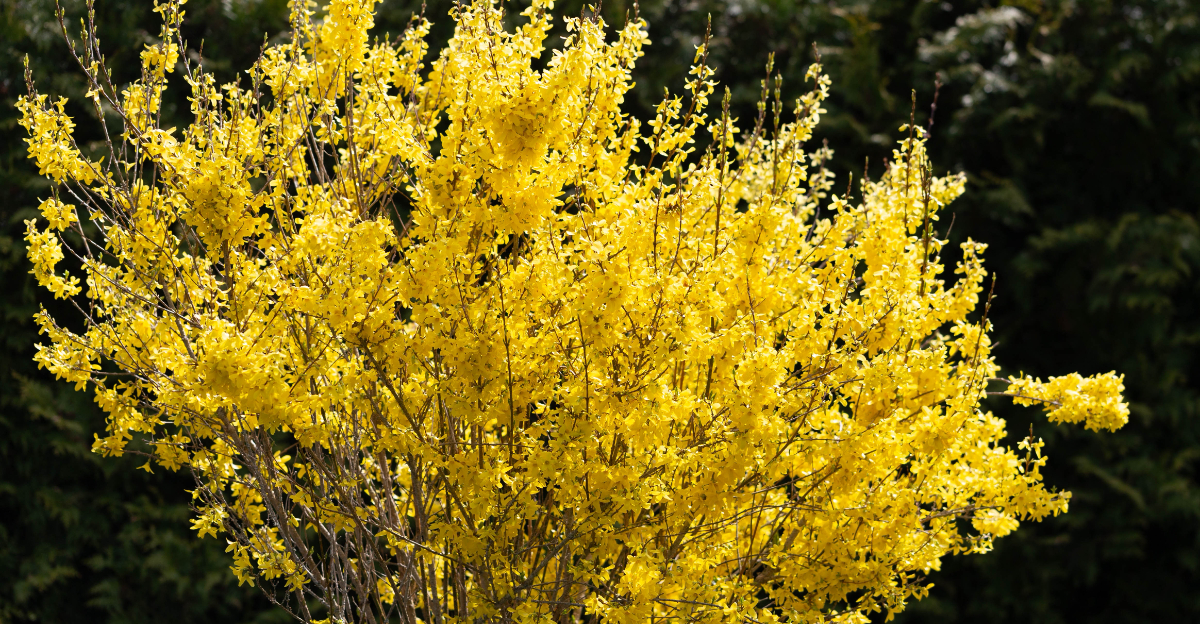
Forsythia is one of the first shrubs to light up Michigan yards each spring, but the quality of that bloom actually depends on what happens the previous fall.
September is a key window, since forsythia sets its flower buds on old wood well before winter arrives, meaning next year’s show is already being shaped right now.
Skip the right care during this stretch, and gardeners often end up with a shrub that grows plenty of green but disappoints when it comes to flowers.
Since forsythia doesn’t rebloom or correct itself quickly, a missed step in September can mean a full year of waiting before the next chance at a better display.
For Michigan gardeners hoping for a fuller, more colorful forsythia next spring, this is the moment that matters most. Here’s the one thing forsythia needs right now to set up stronger blooms ahead.
1. Stop Pruning The Flower Buds Away
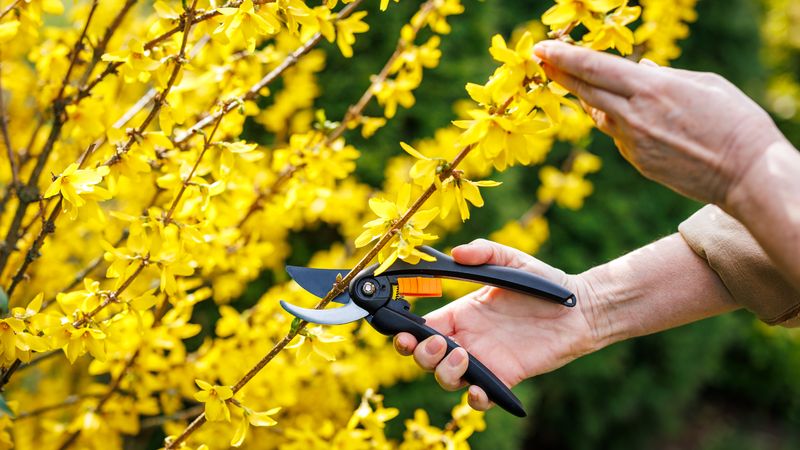
Here is a mistake that surprises a lot of Michigan gardeners. By the time September rolls around, your forsythia has already set the buds that will open next spring.
Those tiny bumps along the branches are not just leaves waiting to grow. They are the flower buds packed and ready for their big moment in April.
When you grab the shears in fall and start trimming, you are often cutting off next year’s show. Each snip removes buds that took the whole summer to form.
It feels productive to tidy things up before winter. The shrub looks neater, and you feel like a responsible gardener.
The problem is that neatness now trades away color later. A forsythia pruned heavily in September may greet spring with plenty of green leaves but very few golden flowers.
In Michigan, where winters can be long and gray, that early yellow bloom is a treat worth protecting. Skipping the fall haircut is one of the easiest ways to guarantee it.
If your shrub looks a little wild, try to resist the urge for now. Remind yourself that those messy branches are holding the promise of spring.
Instead of shaping, just observe and plan. Note which areas you might want to adjust once the flowers finish next year.
Leaving the buds alone costs you nothing but a bit of patience. The reward is a fuller, brighter display when you need cheer the most.
2. Forsythia Blooms On Old Wood
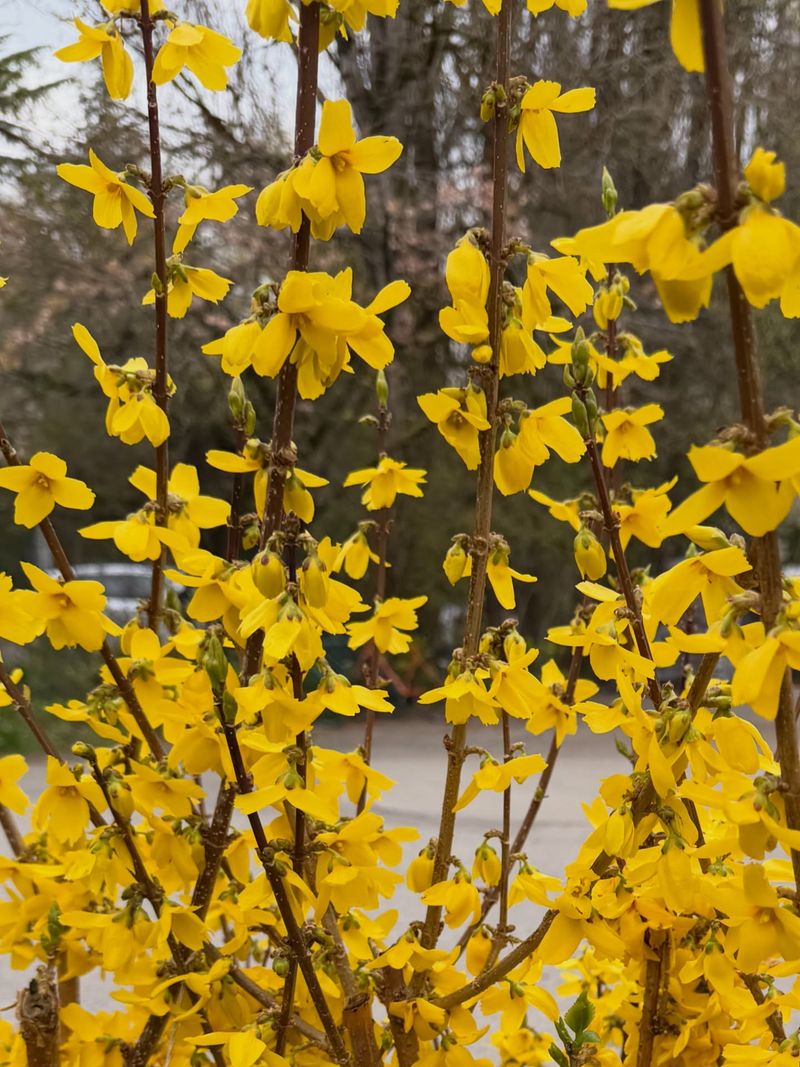
Think of forsythia as a plant that plans ahead. The branches you see growing this summer become the flower stage for next spring.
Gardeners call this blooming on old wood. It simply means the flowers appear on stems that grew during the previous season, not on fresh new shoots.
Once summer growth slows, the plant tucks flower buds along those established branches. They rest through the cold months and wake up when the days warm.
That single fact changes how you should treat your shrub. If you remove old wood in fall, you also remove the flowers that were counting on it.
Your Michigan Garden Changes Every Week. Your Plan Should Too.
Gardening in Michigan changes quickly throughout the season. Every Friday you’ll receive a simple weekly plan showing exactly what to plant, prune, fertilize, harvest, and protect so you never miss the right timing.
Some shrubs bloom on new wood, meaning they flower on growth from the current year. Forsythia is not one of those, so the rules are different.
Understanding this helps you time your care with confidence. You stop guessing and start working with the plant’s natural rhythm.
In Michigan gardens, this timing really matters. A short growing season means the plant needs its full summer to build strong branches and set buds.
When you know the buds live on last year’s wood, patience becomes easy. You can appreciate those branches instead of viewing them as clutter.
The takeaway is friendly and simple. Respect the old wood in September, and it rewards you with a river of yellow later.
Learning how your plant grows turns you into a smarter gardener. It also makes each spring bloom feel like a small victory you helped create.
3. Wait Until After Spring Flowers Fade
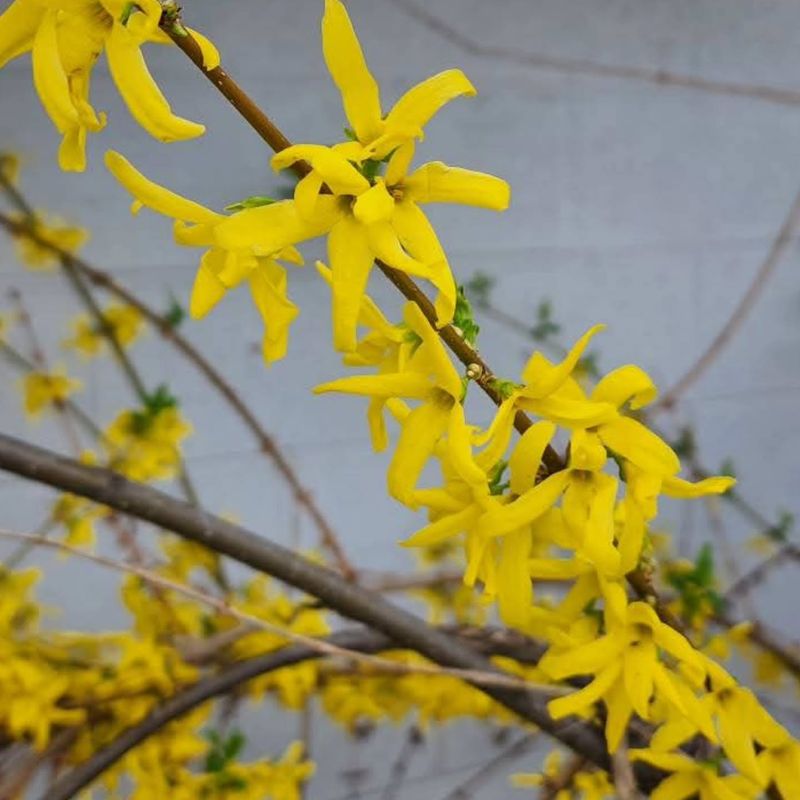
Timing is the quiet hero of good forsythia care. The best window for shaping this shrub is right after the flowers fade in spring.
Once the yellow display finishes, the plant has already given its gift. That short period is your green light to trim and shape.
Pruning then gives the shrub the whole summer to grow fresh branches. Those new branches will set buds for the following spring’s show.
Wait too long, and you risk cutting into freshly formed buds again. The sweet spot is soon after the petals drop, usually in late April or May in Michigan.
By choosing this moment, you get the best of both worlds. You enjoy the full bloom first, then reshape without losing anything.
It also makes the job easier to see. With flowers gone and new growth starting, you can spot which branches need attention.
Think of it like getting a haircut after a big event, not before. The plant looks its best when it matters, then gets tidied for next time.
This approach keeps your shrub healthy and generous year after year. It builds a steady cycle of bloom, trim, grow, and repeat.
So when September comes, put the pruners away and mark your calendar for spring. Your future self will thank you when the branches glow gold.
Patience with timing turns an average forsythia into a showstopper. A few weeks of waiting protects months of beauty.
4. Remove Only Real Problems Now
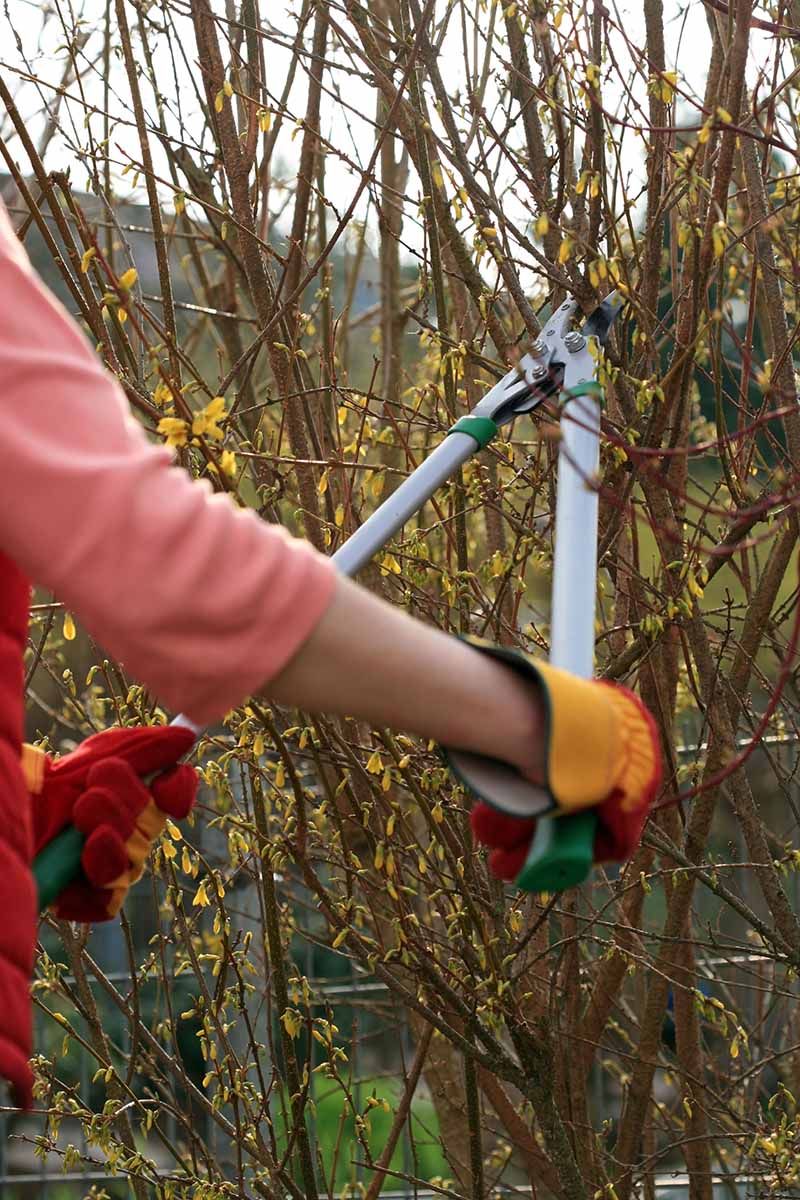
There is one fair exception to the leave-it-alone rule. If a branch is broken, cracked, or clearly unhealthy, you can remove it in September.
Storms and heavy summer growth sometimes leave stems hanging or split. Those damaged pieces are not helping the plant and can invite trouble.
Taking out a broken branch is different from routine shaping. You are cleaning up a problem, not trimming for looks.
Look for stems that snap easily, show odd discoloration, or rub against each other. These are the ones worth your attention right now.
Removing a truly damaged branch helps the shrub focus its energy. It also lowers the chance of pests settling into weak spots.
Be careful to make small, thoughtful cuts. The goal is to fix issues without turning it into a full haircut session.
If you are unsure whether a branch is fine, err on the side of leaving it. Most healthy-looking wood is carrying next spring’s flower buds.
A good habit is to walk around the shrub slowly. Check for anything that looks out of place before you reach for the tools.
In Michigan, doing this cleanup before winter can prevent extra damage from snow and ice. A weak branch may break further under a heavy load.
Keep your fall pruning limited and purposeful. Fix the real problems, and let the rest of the plant do its quiet winter work.
This small bit of care keeps the shrub tidy enough while protecting its blooming power. It is the balanced middle ground every gardener can follow.
5. Skip The Fall Fertilizer Push
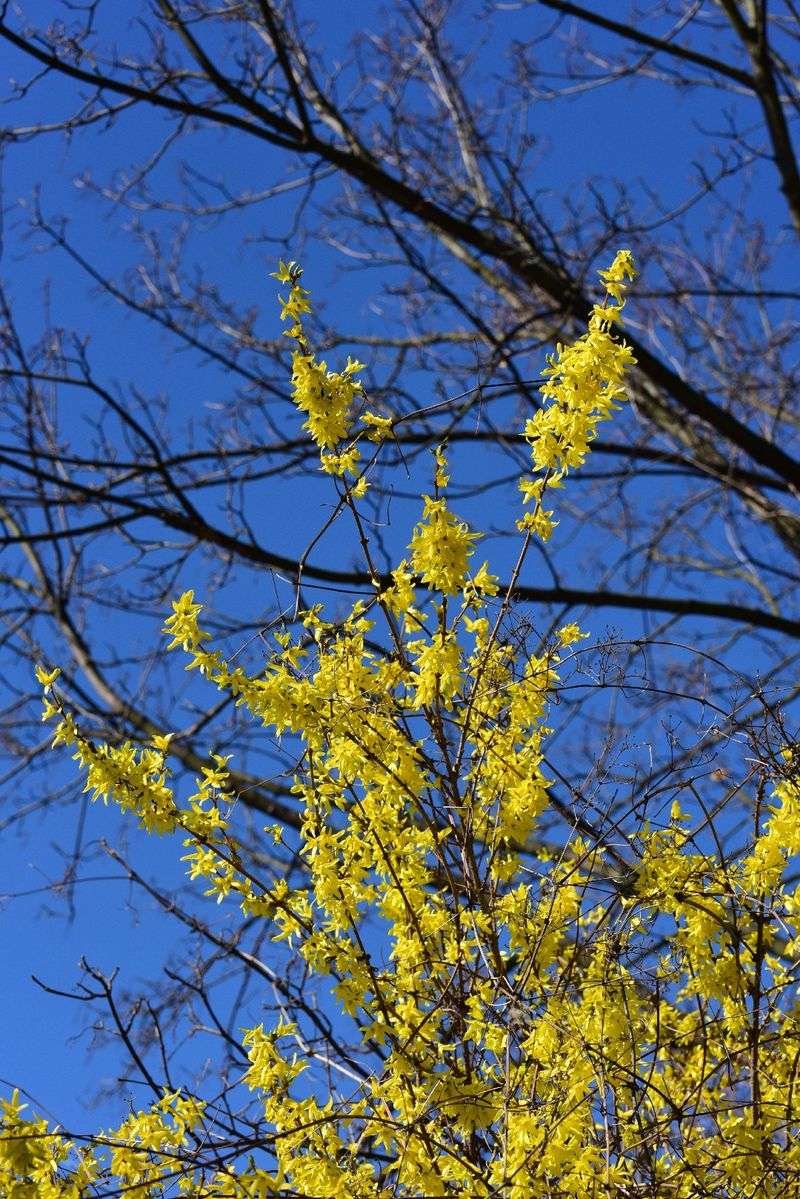
It can be tempting to give your shrub a boost before winter. But feeding forsythia heavily in fall usually does more harm than good.
Fertilizer encourages fresh, tender growth. Late in the season, that new growth does not have time to toughen up before the cold arrives.
Soft new shoots can be harmed by early frosts and freezing Michigan nights. The plant ends up wasting energy on growth it cannot keep.
An established forsythia is a pretty easygoing plant. In most healthy garden soils, it does not need an extra fall feeding at all.
Rather than pushing growth, let the shrub slow down naturally. Fall is its time to shift focus toward rest and root storage.
If you feel your plant truly needs nutrients, spring is the smarter season. A light feeding after blooming supports the fresh growth that carries next year’s buds. Overfeeding can also create weak, leggy branches.
Those floppy stems are less able to hold up under snow and wind. Think of fall as a wind-down period, not a growth spurt. Your shrub is preparing for dormancy, and it appreciates a calm approach.
Saving your fertilizer for the right moment saves you money too. There is no reason to spend on feeding that the plant cannot use well.
Trust that a well-placed shrub knows how to prepare itself. Sometimes the best care is stepping back and letting nature lead the way through the colder months ahead.
6. Check Soil Moisture Before Winter
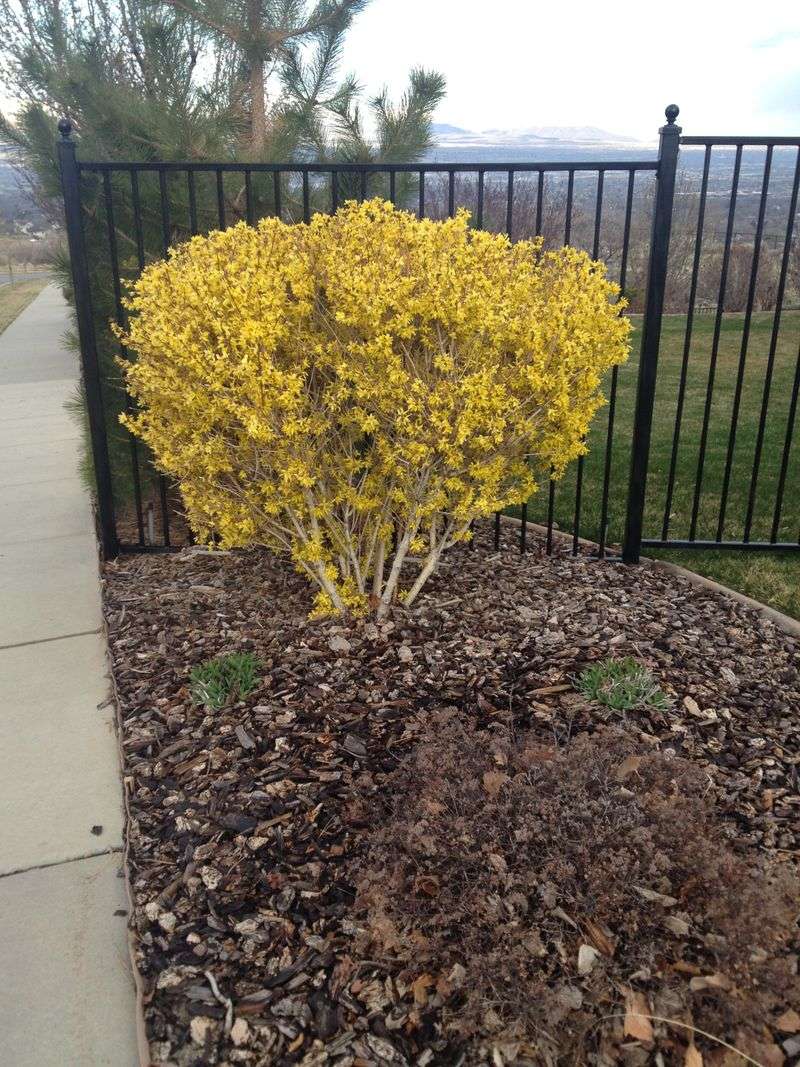
Water plays a quiet but important role in fall. Before the ground freezes, your forsythia benefits from having enough moisture at its roots.
This matters most for newly planted shrubs. Young roots are still spreading out and cannot reach far for water on their own.
It also helps plants that struggled through a dry summer. A drought-stressed forsythia enters winter in a weaker state if the soil is too dry.
Well-watered roots handle the cold better than parched ones. Moisture in the soil acts like a buffer against harsh temperature swings.
You do not need to soak it every day. A deep drink now and then, when rain is scarce, keeps the root zone comfortable.
To check, push a finger a few inches into the soil near the base. If it feels dry down there, it is time to water.
In Michigan, fall rains often do part of the job for you. Pay closer attention during dry stretches when the plant may need help.
Aim to finish watering before the ground truly freezes. Once winter locks the soil, the roots can no longer take up moisture.
Morning is a good time to water so leaves and soil settle before night. This small routine builds a stronger plant heading into dormancy.
Giving your shrub a proper drink now sets it up for a confident wake-up in spring. Hydrated roots mean healthier branches and a better shot at full bloom.
7. Give The Roots A Better Winter Setup
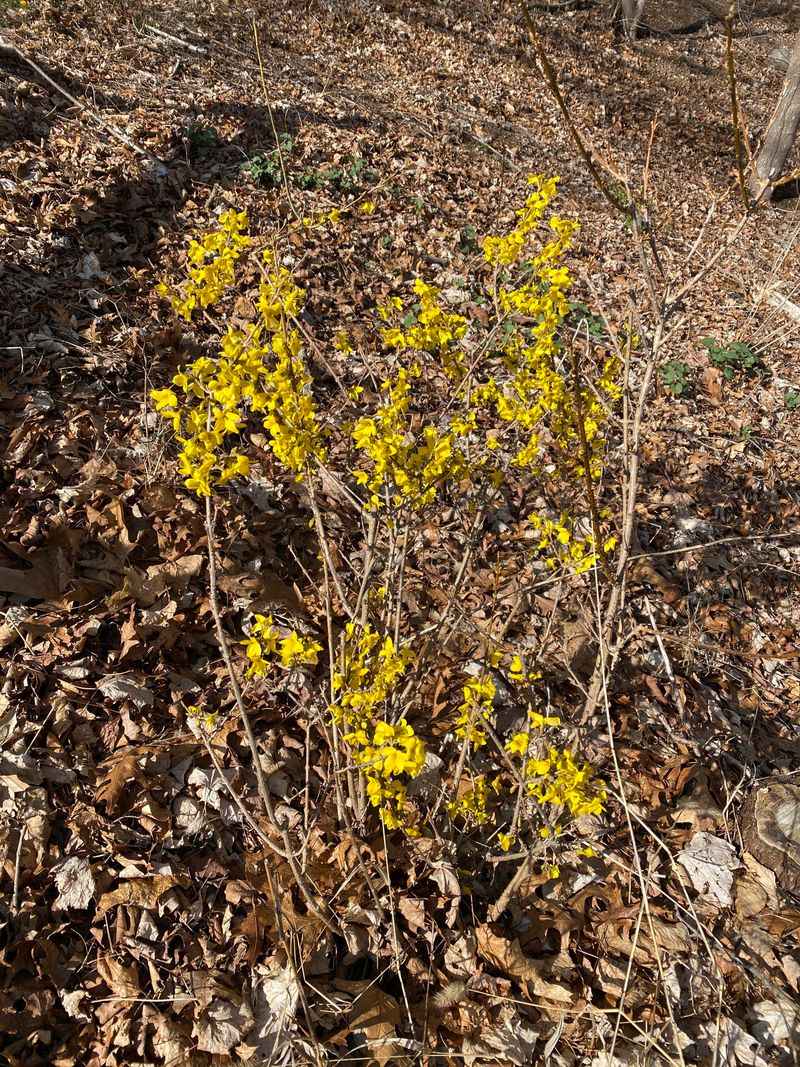
A cozy blanket for the roots makes a real difference. A proper layer of mulch around your forsythia helps it settle into winter smoothly.
Mulch works by holding moisture in the soil. It slows down evaporation and keeps the root zone from drying out too fast.
It also softens temperature swings in the ground. Michigan winters can bring freezing and thawing cycles that stress roots, and mulch calms those shifts.
Aim for a layer a few inches thick spread over the root area. Materials like shredded bark or leaves work nicely for this job.
Here is the key detail many people miss. Keep the mulch a few inches away from the stems rather than piling it against them.
Mulch heaped on the base can trap too much moisture near the wood. That can invite rot and give pests a hidden place to hide.
Think of it like a donut shape, not a volcano. Leave a little breathing room around the center where the stems rise.
Spreading mulch in fall gives it time to settle before deep cold. The shrub heads into dormancy with steady conditions underground.
Refreshing mulch each year is a simple, low-effort habit. It keeps the soil healthy and reduces weeds at the same time.
With a well-placed mulch ring, your forsythia rests easier through the cold months. Protected roots translate into stronger growth and a fuller bloom when spring finally returns.
8. Plan Spring Renewal Pruning
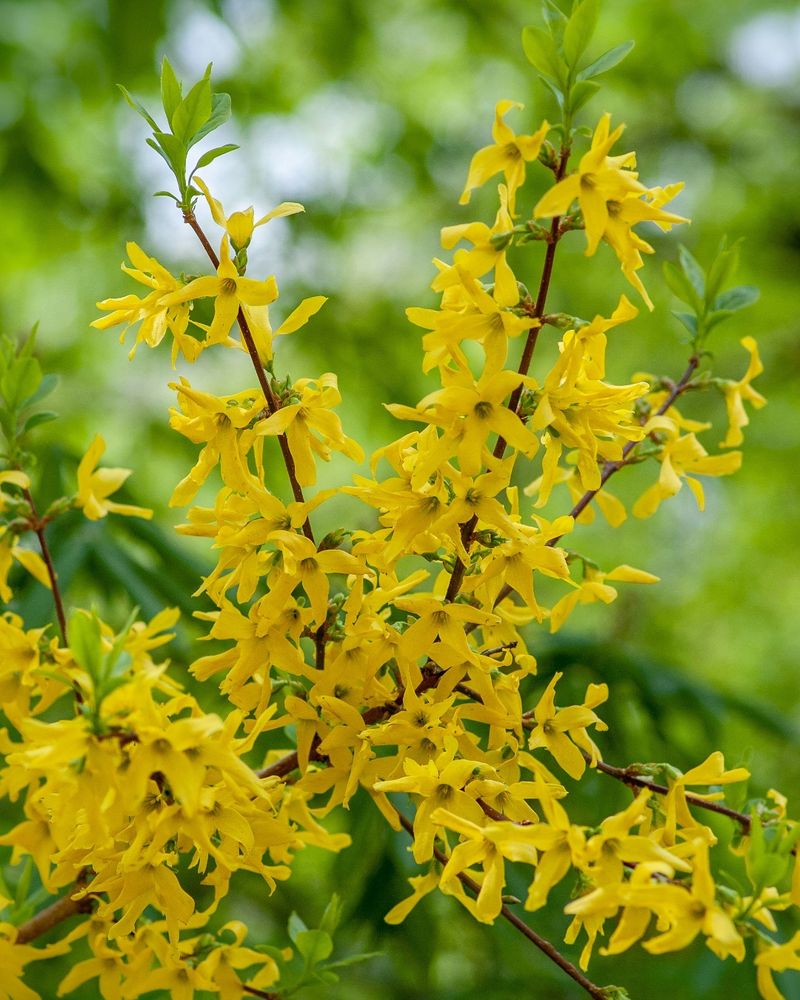
If your forsythia has grown into a giant tangle, do not panic. There is a friendly fix called renewal pruning, and fall is the perfect time to plan it.
Older shrubs often become woody and thick in the middle. All that crowding can lead to fewer flowers and a shrub that looks tired.
Renewal pruning refreshes the plant by removing some of the oldest canes. Cutting those thick stems near the base makes room for younger, more productive growth.
The trick is to do the actual cutting after the spring flowers fade. September is when you scout and make your plan, not when you cut.
Walk around the shrub and note the thickest, grayest stems. Those veterans are usually the ones producing the fewest blooms now.
A common approach is removing about a third of the oldest canes each year. Over a few seasons, the whole shrub gradually renews itself.
This gentle, step-by-step method avoids shocking the plant. You keep some flowers each year while steadily improving the shape.
Fresh canes that grow after cutting will bloom in the seasons ahead. That is how a shaggy old shrub becomes a bright, tidy showpiece again.
In Michigan gardens, this slow renewal keeps forsythia thriving for many years. It is a smart way to enjoy an old plant without starting over.
So use these fall days to dream and plan. Come spring, you will know exactly which canes to remove for a shrub that shines.