The Midnight Hunter Slipping Through Illinois Walls This November Is The Smallest Carnivore On Earth
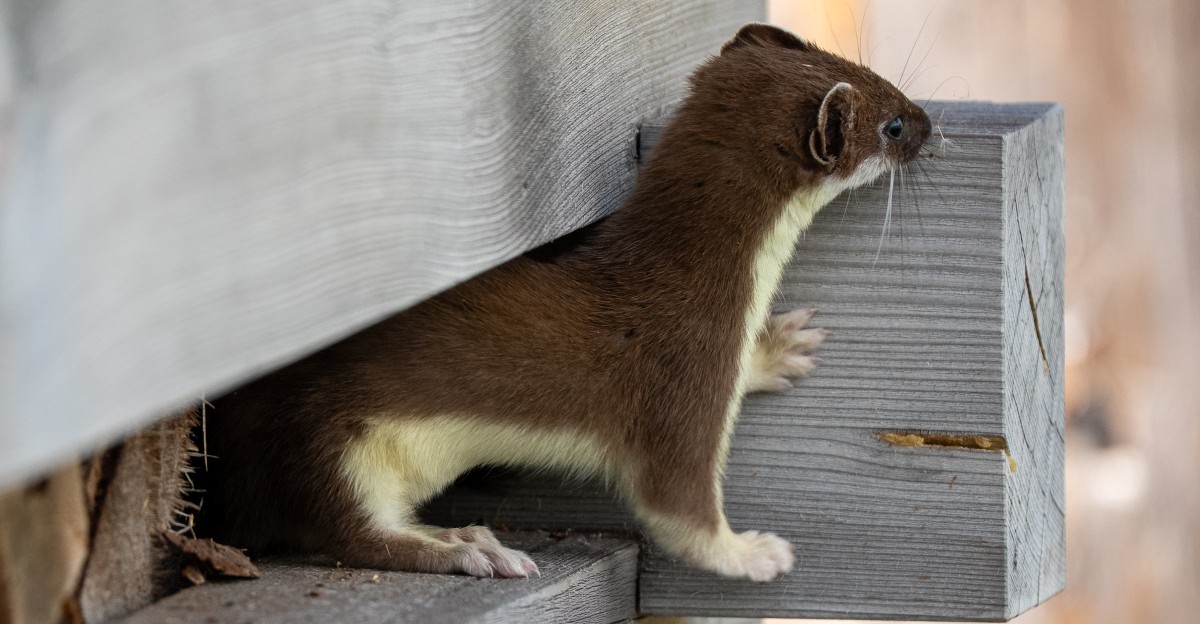
The fiercest hunter in my backyard weighs about as much as two AA batteries. It can squeeze through a gap the size of a quarter and chase a vole down its own tunnel.
I am still amazed it lives here in Illinois. Few people ever see one, even folks who have gardened for decades across Illinois. It moves fast, stays low, and hunts by day or by night whenever hunger calls.
You might notice the clues before the animal itself. Busy mouse runways in the grass suddenly go quiet. Tiny paired tracks cross fresh snow beside the shed, then disappear into a hole.
In November, some of these hunters even swap brown fur for white. That change says a lot about how they survive a Midwest winter.
The stealthy predator patrolling your foundation after dark is a least weasel, and you should be thrilled it showed up.
A Hunter Smaller Than a Chipmunk Is Prowling Your Fence Line
Most people expect a backyard predator to be big enough to notice. A fox, a hawk, maybe a stray cat.
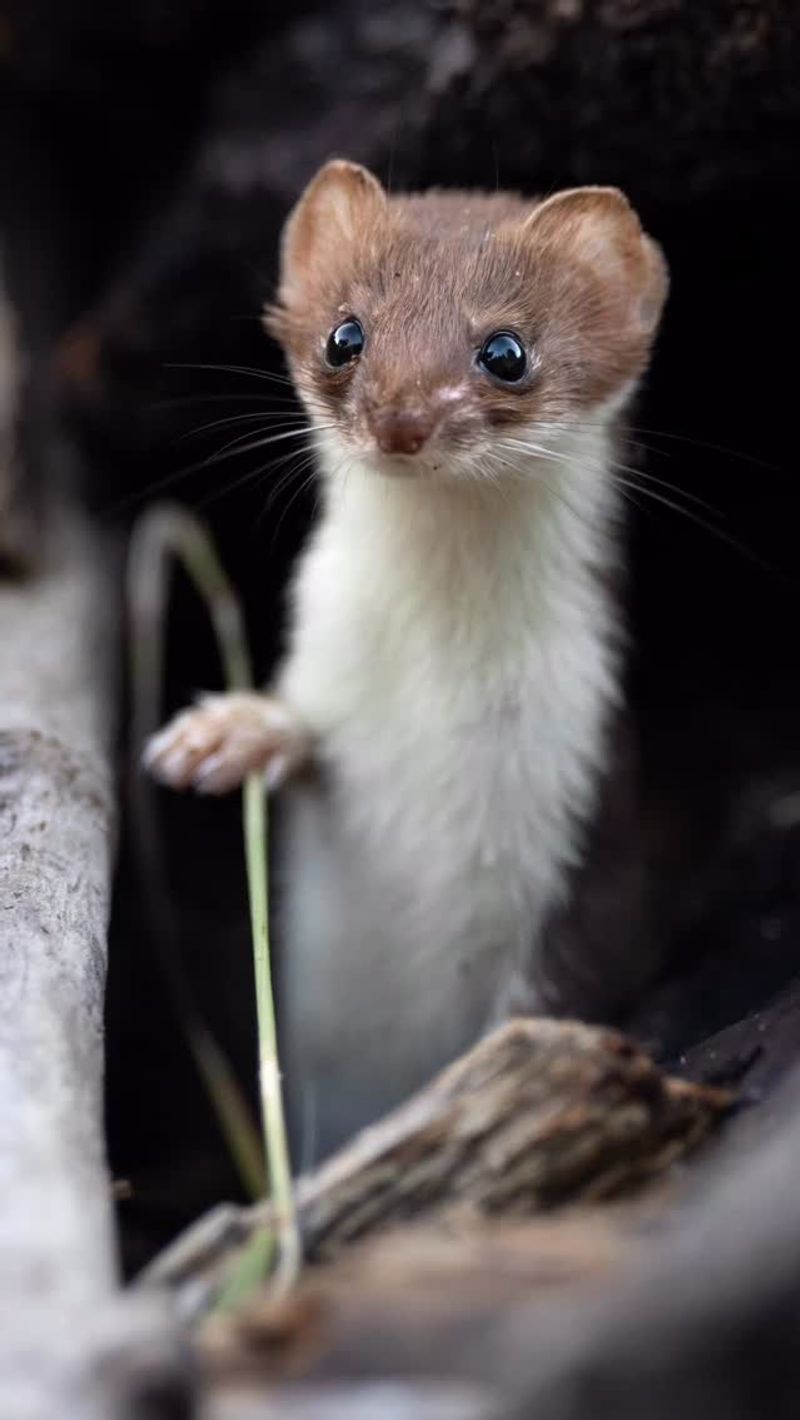
The real champion of tiny hunting is often shorter than a chipmunk and slim enough to slip through a quarter-sized gap.
I first learned about it from a set of tracks, not a sighting. The prints were paired, close together, and bounding in neat little hops along a fence line. Small weasels move that way, stretching and bunching like a furry spring.
The animal behind those marks is the least weasel. It is real, it is native, and it has lived in Midwest fields and woodland edges for thousands of years. Most of the time it stays hidden in grass, under boards, and inside rodent tunnels.
November is a smart time to watch for clues. Plants are cut back, leaves are down, and the first snow can reveal trails that summer growth hid. Look along fences, stone walls, woodpiles, and the base of sheds.
You probably will not see the hunter itself. It moves in quick bursts and rarely pauses in the open. Still, finding its tracks feels like discovering a secret neighbor who has been helping out all year.
The Least Weasel Holds a World Record for Tiny Carnivores
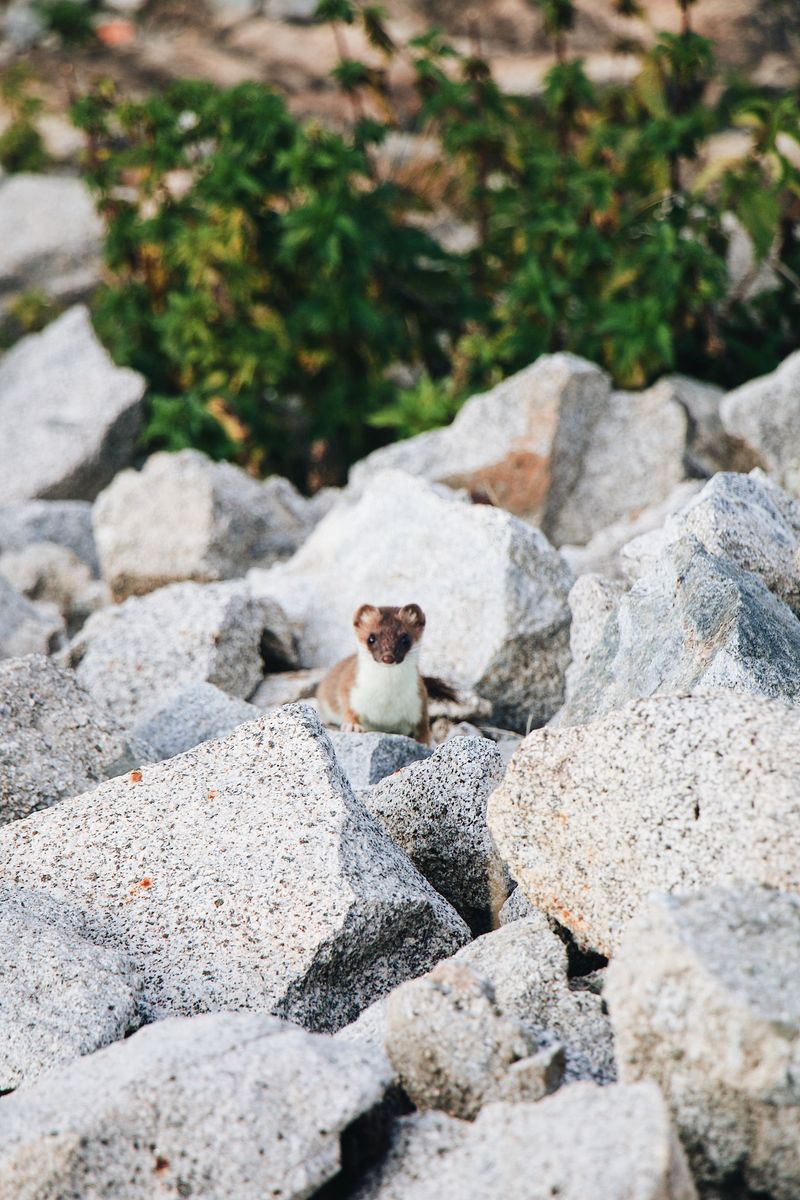
Bragging rights belong to this weasel. Scientists recognize the least weasel as the smallest member of the order Carnivora, the group that includes bears, wolves, and lions. That puts it on the same family tree as some very big names.
Adults in North America usually measure about 6 to 8 inches long, tail included. Most weigh between 1 and 2 ounces, so a large one barely outweighs a few AA batteries. Females are noticeably smaller than males.
The body is long and tube-shaped, with short legs and a small, flat head. Summer fur is chocolate brown on top and creamy white underneath. The tail is short and stubby, often with only a few dark hairs at the tip.
That tail detail helps with identification. Illinois is also home to the long-tailed weasel, which is bigger and has a longer tail with a clear black tip. If the animal you spot is barely longer than your hand, you likely found the least weasel.
Range matters too. Wildlife experts consider least weasels uncommon in the state, with most records coming from northern and central counties. A sighting is special, so snap a photo if you can and share it with local naturalists.
Voles and Mice Are the Main Menu for This Little Weasel

Ask any vegetable gardener about voles and you will probably get a groan. These chubby rodents chew bulbs, girdle young fruit trees, and tunnel under mulch all winter. They happen to be the least weasel’s favorite food.
Studies of its diet show meadow voles and mice make up most meals. The weasel’s narrow body fits right into vole runways and burrows, so it hunts prey inside their own hiding spots. Few other predators can follow a rodent that far.
It also eats shrews, insects, bird eggs, and the occasional small bird. When it catches a meal, it bites quickly at the back of the head or neck. Extra food is sometimes stored in a hidden cache for later.
For gardeners, that hunting style adds up. One weasel working a meadow edge can take a good number of voles over a season.
It will not erase a rodent problem, but it adds steady pressure that traps and cats cannot match underground.
A fair warning belongs here too. Backyard chicken keepers should know that weasels may go after chicks and eggs if coops have gaps. Adult hens are usually too big, yet sturdy hardware cloth keeps everyone safer.
A Racing Heartbeat Keeps the Weasel Hunting Day and Night
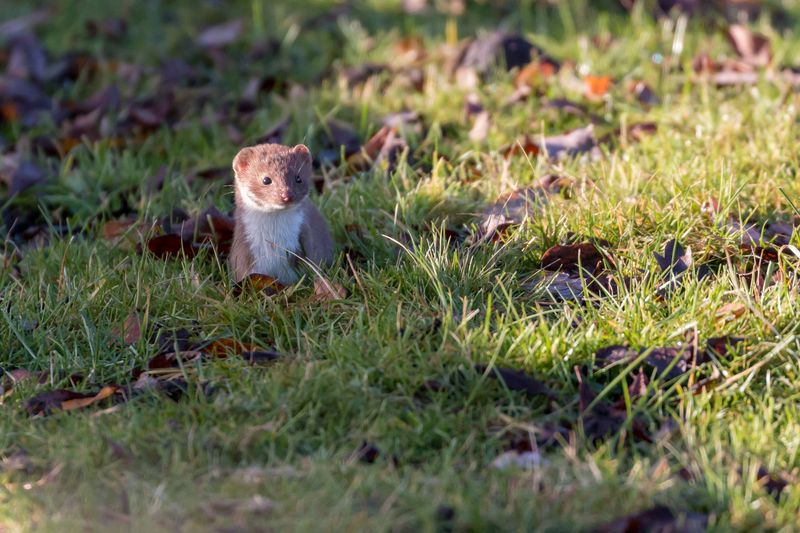
Small bodies lose heat fast, and this weasel pays a steep energy bill for its size. Its metabolism runs so hot that it needs to eat roughly 40 to 50 percent of its body weight every day.
For a person, that would mean plates and plates of food from morning till night. Because of that, the least weasel cannot take long breaks. It hunts in short bursts, rests, and heads out again, both day and night.
Many sightings happen at dusk or after dark, which fits the midnight hunter nickname. The weasel also does not hibernate. When the ground freezes, it keeps working under the snow, where voles build runways between the soil and the snowpack.
Researchers call that hidden layer the subnivean zone. Living there has perks. Snow acts like a blanket, so the space stays warmer than the open air above. The weasel can travel, hunt, and rest without facing biting wind.
You can see signs of this winter work after a melt. Look for winding vole trails in flattened grass and small holes along their edges. A weasel may have used them as a hallway on its nightly rounds.
Some Weasels Trade Brown Fur for a White Winter Coat
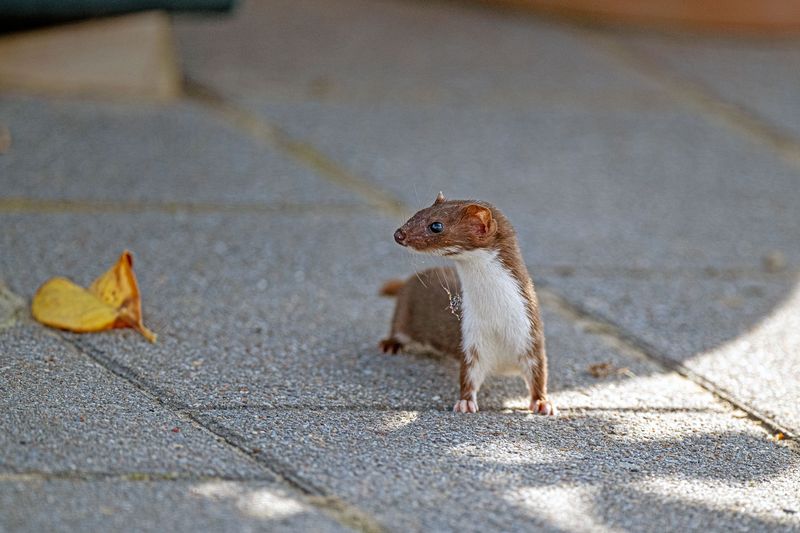
Some least weasels pull off a wardrobe change every fall. Shorter days trigger a molt, and in many northern populations the brown summer fur grows back pure white. The shift usually happens across October and November.
Not every weasel makes the switch, though. In the southern parts of the range, many keep a brown coat or turn only partly white.
Animals in northern Illinois are more likely to go white than those farther south, though researchers see a lot of variation.
Unlike its larger cousins, the least weasel’s winter tail does not carry a bold black tip. A white ermine or long-tailed weasel shows that dark spot clearly. A plain, short white tail points to the least weasel.
The white coat works as camouflage on snowy ground. It helps the weasel stay hidden from owls, hawks, and foxes while it stalks prey.
On a brown November lawn before snow, however, a white weasel can stand out surprisingly well.
Keep your phone handy if you garden near tall grass or brushy edges this month. Early-season white coats against fallen leaves give watchers one of the best chances to spot this tiny animal.
Quarter-Sized Gaps Let Weasels Slip Into Sheds and Walls
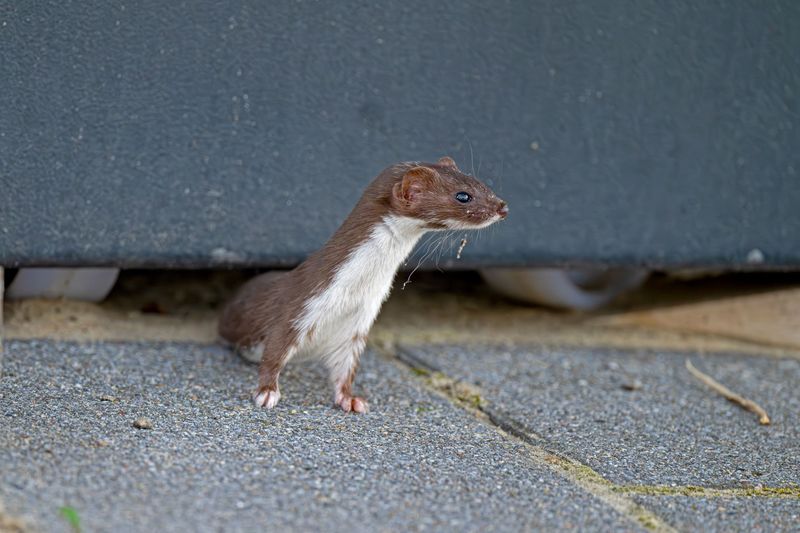
Mice find their way into buildings through tiny cracks, and their hunter sometimes follows right behind. A least weasel can squeeze through an opening about an inch wide, roughly the size of a quarter.
If its head fits, the rest of that slim body usually follows. That is the real story behind the walls part of the title. Weasels do not chew through siding or drywall.
They use gaps that already exist, such as loose foundation vents, holes around pipes, and spaces under shed doors.
Most of the time they are chasing rodents. A barn, garage, or crawl space with a mouse problem is like a buffet sign for a hungry weasel. The predator may stay briefly, clear out some prey, then move on.
You might hear faint scratching or squeaking at night, but mice cause most of those sounds. Weasel visits are short and rare.
Droppings that are thin, twisted, and full of fur suggest a weasel rather than a mouse. Rather than panic, treat the visit as a message. Something inside your structure is feeding rodents.
Store birdseed, pet food, and grass seed in metal bins with tight lids, and the attraction fades quickly.
Brush Piles and Rock Walls Make Weasels Feel at Home
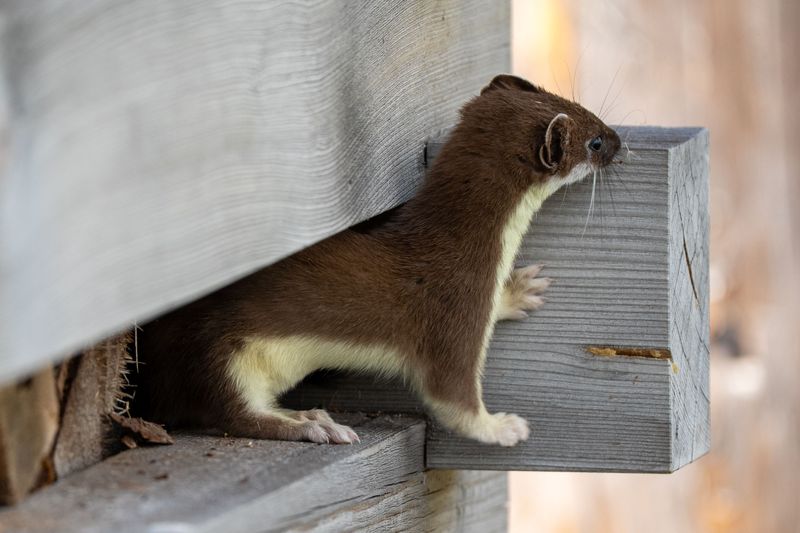
Weasels are picky about cover. Open lawns feel risky because hawks and owls hunt from above. Tall grass, brush, and rock piles give them safe paths to travel and plenty of rodents to chase.
Least weasels do not usually dig their own dens. They take over burrows left by voles, mice, or chipmunks, often lining a nest with fur from past meals. Spaces under logs, stone walls, and old boards work too.
If you want to welcome this helper, look at the wild edges of your yard. A loose brush pile at the back of the property, a strip of unmowed native grasses, or a stacked stone border can all offer shelter. Keep those features away from the house and outbuildings.
Native plants like little bluestem, switchgrass, and prairie dropseed create good cover and support the food web. Leave some stems standing through winter instead of cutting everything back in November.
Skip rodent poisons whenever possible. Predators that eat poisoned mice can be harmed, and that includes weasels, owls, and hawks.
Snap traps inside buildings and natural predators outside make a smarter combination. Brushy edges also feed songbirds and pollinators, so the payoff reaches far beyond one tiny hunter.
Sealing Your Foundation Keeps the Weasel Outside Where It Helps
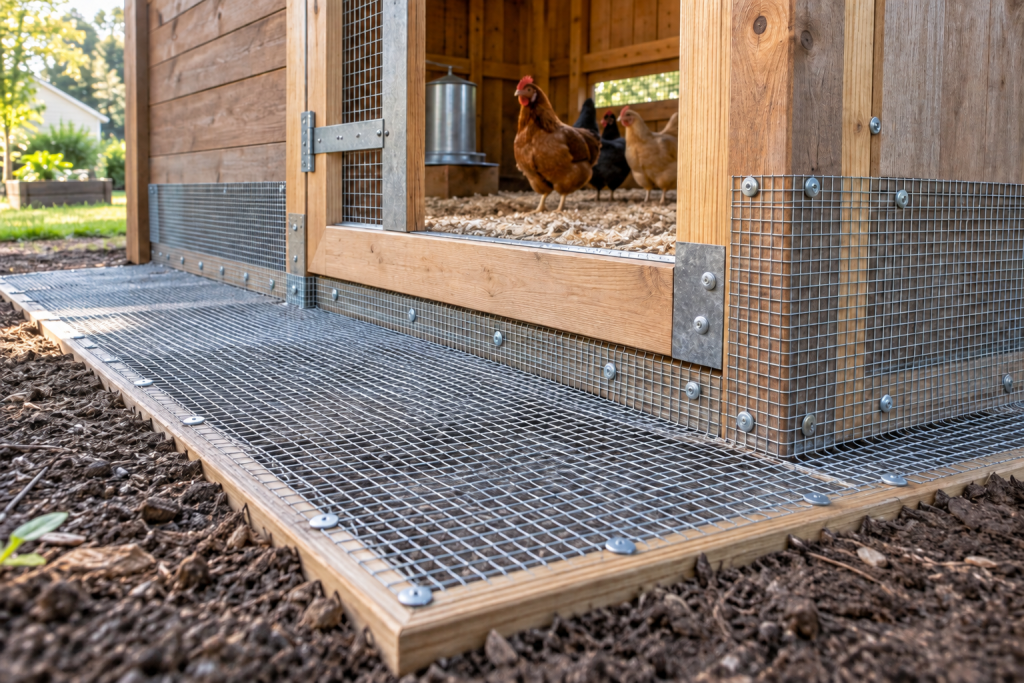
The best approach treats the weasel as a garden partner, not a houseguest. Outside, it controls rodents. Inside your walls, it is a wild animal in the wrong place, and nobody wins.
Start with a slow walk around the foundation this month. Look for gaps near utility lines, dryer vents, and crawl space openings.
Cover them with quarter-inch hardware cloth or seal smaller cracks with caulk and steel wool, since those fixes also stop mice.
Check sheds and coops the same way. Doors should close snugly, and ventilation openings need sturdy mesh.
Finish these repairs before deep cold arrives, when rodents push hardest to get indoors. If a weasel does end up inside, open a door to the outside and give it a quiet exit route. It usually leaves once it can.
Do not try to grab it, since even a tiny weasel will bite when cornered. Weasels may be protected under Illinois wildlife regulations.
Check Illinois rules before trapping or relocating one, and contact the Illinois Department of Natural Resources or a licensed nuisance wildlife operator for help.
Mostly, though, the right move is appreciation. A yard with hidden helpers is a sign your little patch of land is working.