These Texas Fruits Are At Absolute Peak Harvest In September
September marks one of the most rewarding harvest moments of the entire Texas growing year, and fruit is a big part of what makes it worth paying attention to.
After the long, demanding stretch of summer, certain fruits arrive at their absolute peak right now, delivering flavors and quality that no other point in the season replicates.
For Texas gardeners and foragers who know what to look for, September is one of the best weeks of the year to be outdoors with a basket.
The window for catching these fruits at their best is real and it closes quickly. What’s perfect one week can be overripe, fallen, or stripped by wildlife the next.
Knowing which Texas fruits peak in September and what to look for at exactly the right moment makes all the difference between a memorable harvest and a missed one.
1. Figs
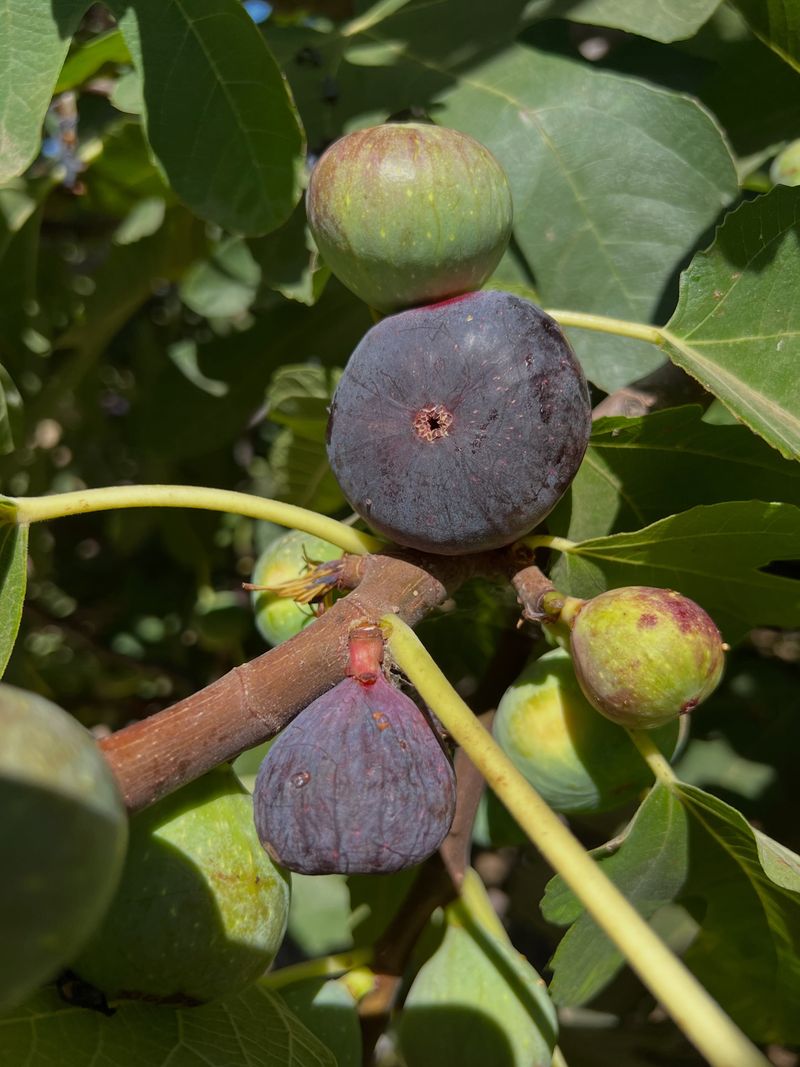
Few things in a Texas garden feel as rewarding as a heavy fig harvest in September. Brown Turkey and Celeste figs are two of the most popular varieties grown across the state, and both tend to hit their second and strongest flush of the season right around this time.
Gardeners who planted their trees years ago often say September is the moment they have been waiting for all year.
Knowing when to pick is everything with figs. A ripe fig will feel noticeably soft when you gently squeeze it.
It may also begin to droop slightly from the stem, almost like it is bowing under its own sweetness. If the fruit is still firm and pointing straight up, give it a few more days. Figs do not continue to ripen after they are picked, so patience really pays off here.
Once harvested, fresh figs are best eaten within a day or two because they do not keep long. You can slice them over yogurt, pair them with cheese, or simply eat them straight from the tree.
Drying or making fig preserves are great options if you have a large harvest. Wear gloves when picking because the sap from fig stems and leaves can irritate sensitive skin.
Birds and squirrels love ripe figs just as much as people do, so check your trees daily once the fruit starts to soften. Netting your trees can help protect the harvest.
Growing figs in Texas is relatively easy since the trees are heat-tolerant and do not need much water once established.
2. Pomegranates
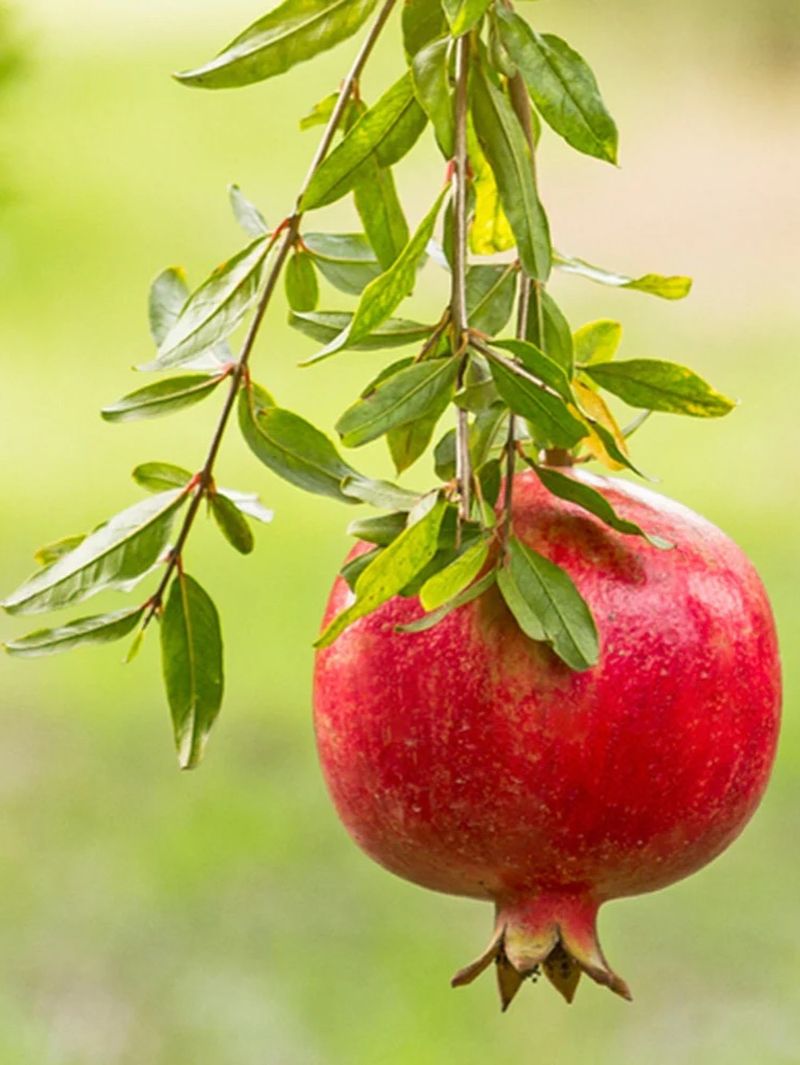
Pomegranates have a long and fascinating history. They have been cultivated for thousands of years across the Middle East and Mediterranean, and Texas gardeners have found that the fruit thrives beautifully in the state’s hot, dry climate.
September marks the very beginning of pomegranate harvest season in Texas, and the timing could not be more exciting for home growers and orchard visitors alike.
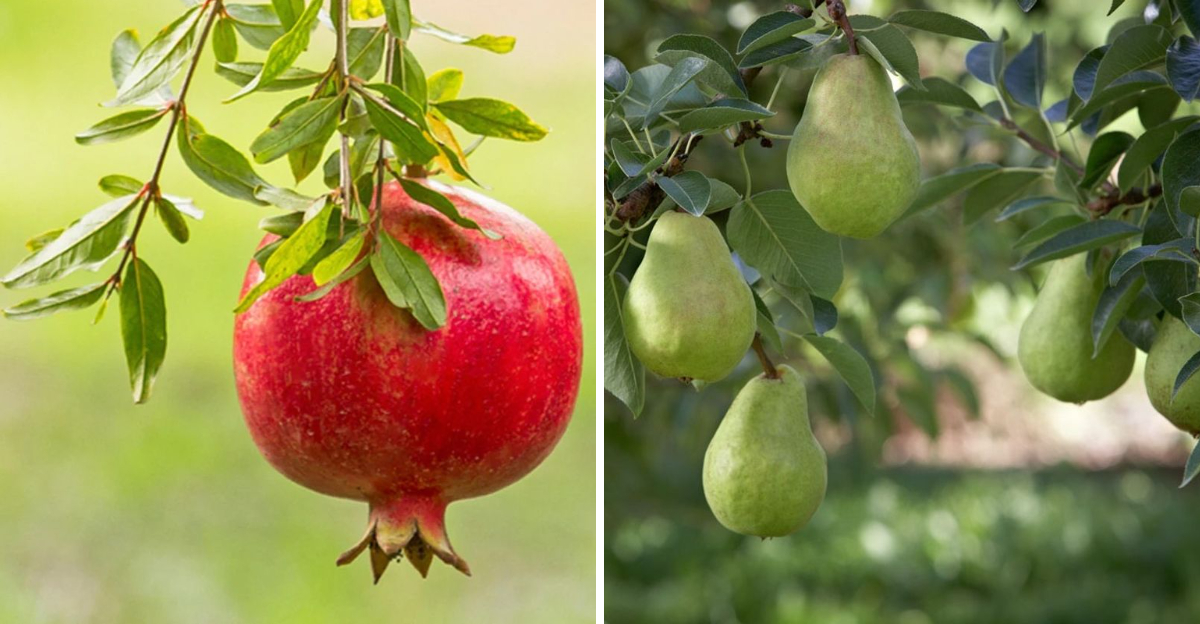
Telling when a pomegranate is ready takes a little know-how. The skin shifts from a bright, almost shiny red to a deeper, more matte crimson.
The fruit also becomes noticeably heavy in your hand because the seeds inside are full of juice. You might even notice the sides of the fruit beginning to flatten slightly, which is a classic sign of full ripeness.
Your Texas Garden Changes Every Week. Your Plan Should Too.
Gardening in Texas changes quickly throughout the season. Every Friday you’ll receive a simple weekly plan showing exactly what to plant, prune, fertilize, harvest, and protect so you never miss the right timing.
Gently tap the skin with your knuckle and listen for a metallic sound, similar to tapping a hollow surface.
Do not wait too long to harvest, though. Overripe pomegranates will split open on the tree, which invites insects and can lead to mold.
Once picked, pomegranates store surprisingly well. They can sit at room temperature for a couple of weeks or in the refrigerator for up to two months.
The seeds, called arils, are packed with antioxidants and have a sweet-tart flavor that works wonderfully in salads, juices, and desserts. Texas varieties like Wonderful and Salavatski perform especially well in the Hill Country and South Texas regions.
If you have been considering adding a pomegranate tree to your yard, the fall harvest season is the perfect reminder of why it is worth every bit of effort.
3. Pawpaw
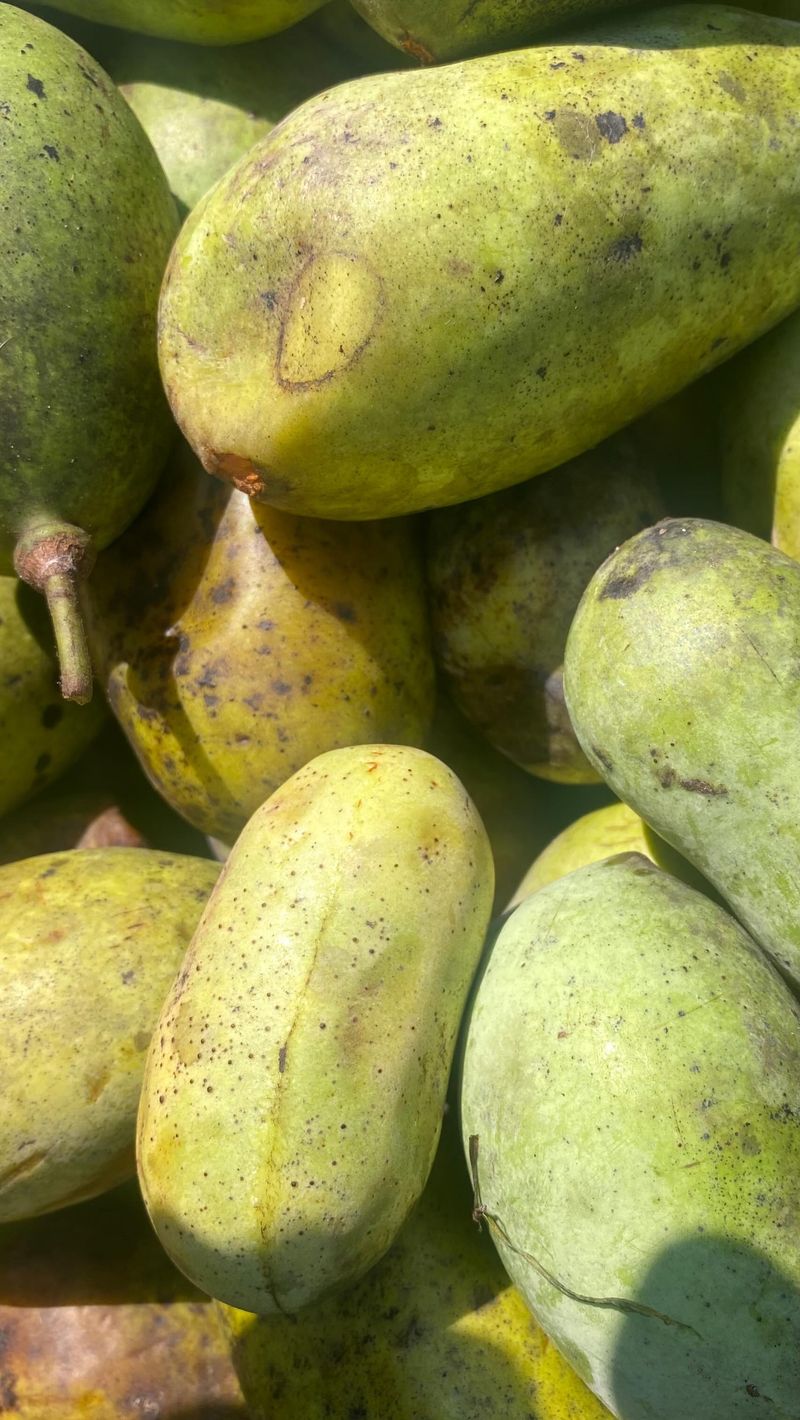
Not many people outside of Texas know about the native pawpaw, and that is honestly part of its charm. The Texas pawpaw, also known as Asimina triloba in some related species, is a small native tree that produces a fruit unlike anything else in the state.
Think of it as a tropical treat hiding in plain sight. The flesh is soft and custard-like, with a flavor that blends banana, mango, and vanilla all into one bite.
Late summer into early fall is when native Texas pawpaw species begin to ripen, and the harvest window is very short. The best way to know the fruit is ready is surprisingly simple: the pawpaw will begin to fall from the tree on its own.
You can also gently press the skin, and if it gives like a ripe avocado, it is ready to eat. The skin turns from green to a yellowish-green as it matures, and the fruit gives off a sweet, tropical aroma that is hard to miss once you know what to look for.
Because pawpaws bruise easily and have a very short shelf life, they are rarely found in grocery stores. This makes them a true seasonal treasure for foragers and local growers.
Eat them fresh, blend them into smoothies, or use the pulp in baked goods for a uniquely Texan twist on flavor. If you are foraging for wild pawpaws, look along creek banks and shaded woodland edges.
Always make sure you have permission to forage on any land you visit. The pawpaw is a hidden gem well worth seeking out this September.
4. Blackberries – Late Varieties
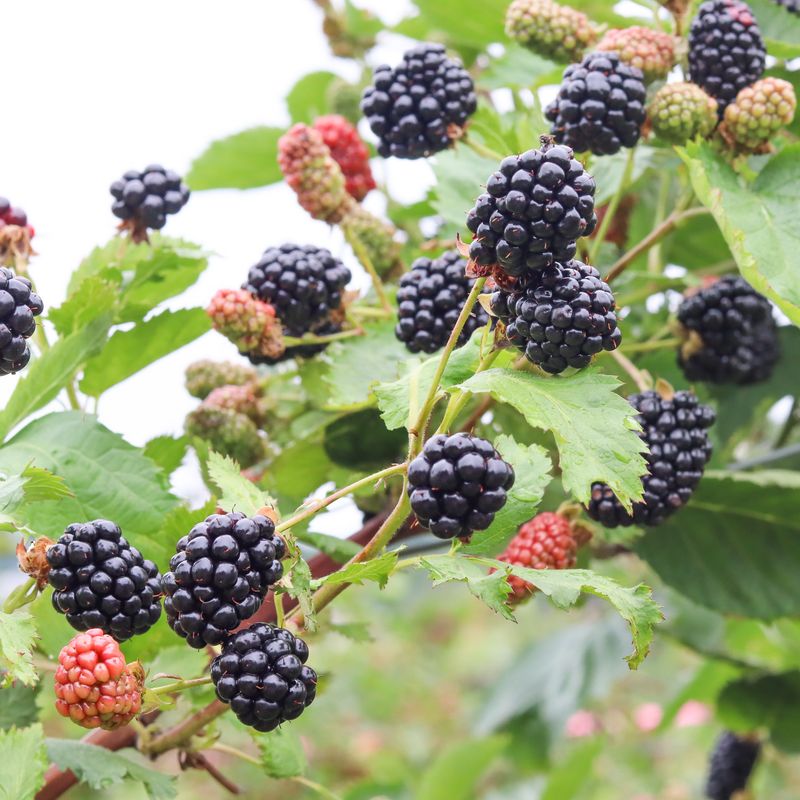
Most people think of blackberries as a late spring and early summer fruit, and for the most part, that is true in Texas. But some late-season varieties keep producing well into early fall, making September a pleasant surprise for blackberry fans.
Apache and Arapaho are two thornless varieties that Texas gardeners have found to be especially productive, sometimes offering a second smaller flush of berries as temperatures begin to drop just slightly from their summer peak.
Picking blackberries at exactly the right moment makes a huge difference in flavor. A berry that is fully ripe will be deep black, not dark purple or reddish.
When you touch it, it should pull away from the stem with almost no effort at all. If you have to tug, wait another day.
Fully ripe blackberries have a rich sweetness with just a hint of tartness, and they are noticeably softer than unripe ones. Taste-testing as you go is one of the best parts of the picking experience.
Once harvested, blackberries are best used quickly. They can be refrigerated for a few days or frozen for longer storage.
Rinse them gently just before eating to avoid early spoilage. These berries are loaded with vitamin C and fiber, making them as nutritious as they are delicious.
Use them in cobblers, jams, smoothies, or simply toss them over cereal in the morning. If you are growing blackberries in Texas, make sure your plants get full sun and well-drained soil.
Mulching around the base of the canes helps retain moisture during dry spells and keeps the roots cool through the lingering heat.
5. Pears
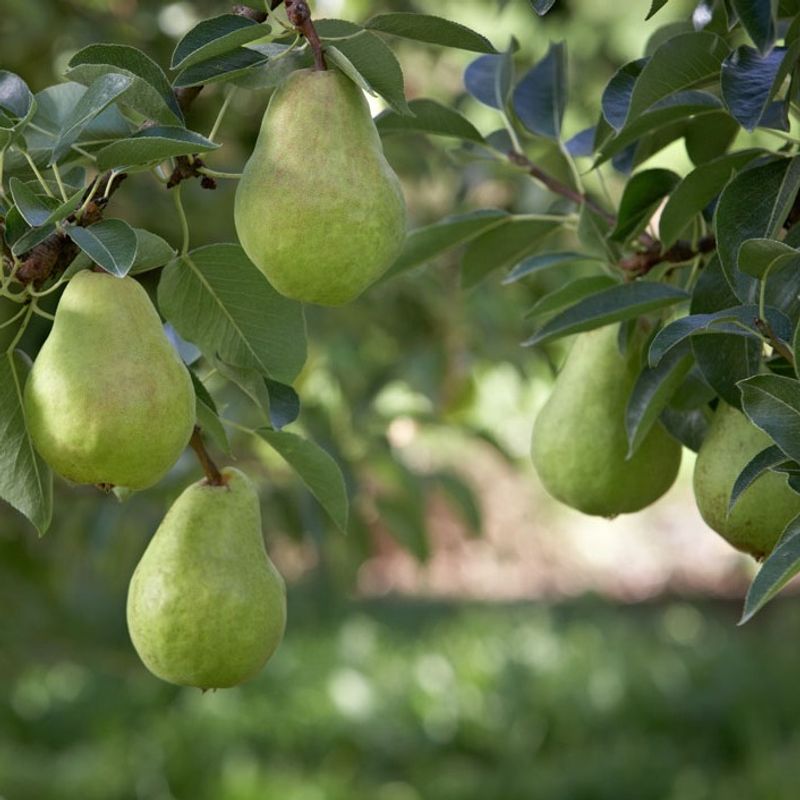
Pears have been a staple of Texas homesteads for generations. The Kieffer pear, one of the most widely grown varieties in the state, is famously tough and well-suited to Texas heat and humidity.
Many Texas pear trees begin ripening in late August, and the harvest often carries right into September depending on location and weather patterns. Orchards in Central and East Texas tend to see some of the most reliable pear yields during this period.
Here is something that surprises a lot of first-time pear growers: pears should not be left to ripen fully on the tree. Unlike many other fruits, pears actually develop better texture and flavor when they are picked while still firm and allowed to ripen off the tree.
If you wait until a pear feels soft on the branch, the inside will often be grainy or mushy. The trick is to pick when the fruit has reached its full size and color begins to shift, then let it finish ripening on your kitchen counter for a few days.
Kieffer pears are especially popular for canning and making pear preserves because they hold their shape well during cooking. Fresh Kieffer pears can be a bit gritty when eaten raw, but when cooked or preserved, the texture smooths out beautifully.
Other Texas-friendly varieties like Ayers and Moonglow tend to be sweeter and better for fresh eating. Pear trees in Texas are relatively low-maintenance once established, though they do need some cross-pollination to produce well.
Planting two compatible varieties near each other will usually result in a much more generous harvest every September.
6. Muscadine Grapes
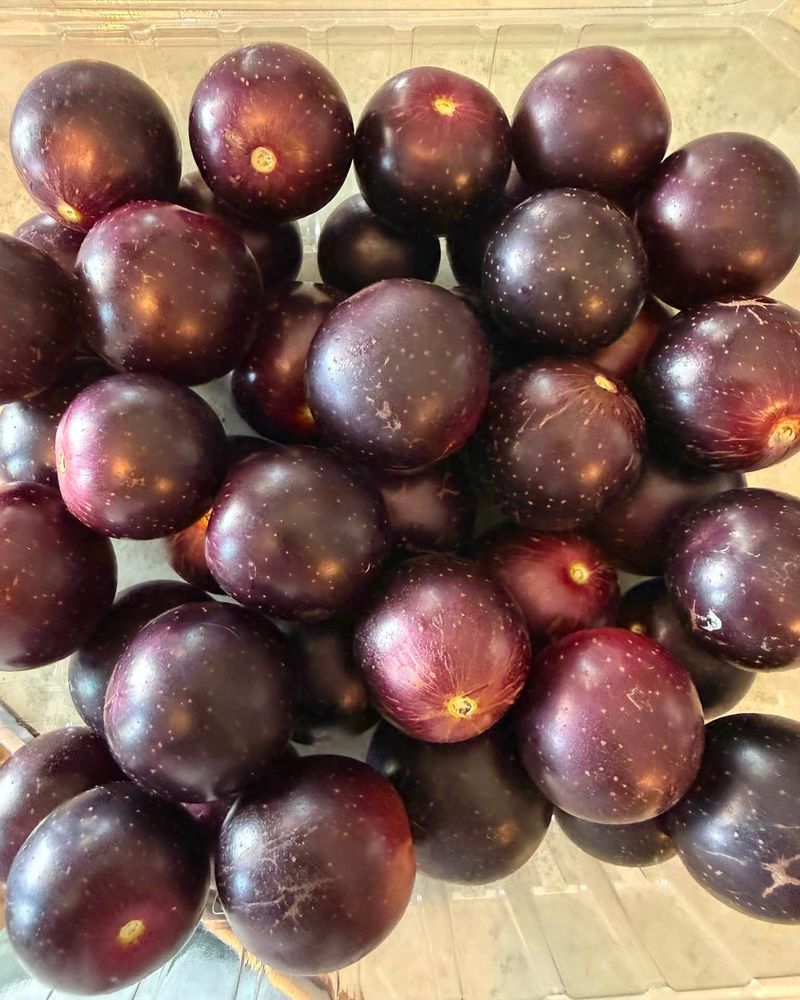
Muscadine grapes are practically royalty in the world of Southern fruit growing. Native to the southeastern United States, they thrive in Texas’s hot and humid conditions in ways that traditional wine grapes simply cannot match.
September is the prime harvest month for Texas muscadines, and vineyards across East Texas and the Gulf Coast region are buzzing with activity as growers race to pick clusters at their peak sweetness.
Muscadines are larger and rounder than typical table grapes, and they have a thick, chewy skin with a wonderfully intense, musky-sweet flavor inside.
As they fully ripen in September, the sugar content climbs noticeably, making the grapes taste almost like concentrated grape candy.
The color ranges from deep bronze to dark purple or nearly black depending on the variety. Popular Texas varieties include Fry, Cowart, and Noble, each with slightly different flavor profiles and best uses.
One unique thing about muscadines is that they do not ripen all at once on a cluster. Individual grapes within a bunch mature at different times, so checking and picking every few days gives you the best results.
Ripe grapes will detach easily when you give them a gentle twist. Muscadines are not just for eating fresh.
They make outstanding jelly, juice, and wine, and their skins are packed with resveratrol, a powerful antioxidant. If you visit a Texas muscadine vineyard in September, many offer pick-your-own experiences that are genuinely fun for families.
Growing your own muscadine vine is also very manageable since the plants are tough, drought-tolerant once established, and produce heavily for many years.
7. Apples – High-Elevation Texas Areas
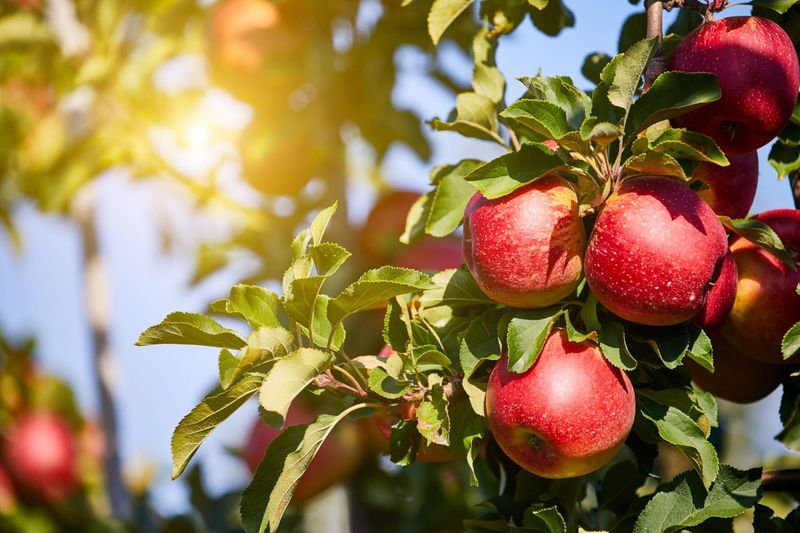
Most people do not picture apple orchards when they think of Texas, but the state has a quiet and growing apple-growing community in its cooler, higher-elevation regions.
Areas like the Davis Mountains in West Texas and parts of the Texas Hill Country have the chilly winter temperatures that apple trees need to rest and reset each year.
Come September, certain apple varieties in these regions are ready for harvest, and the results are genuinely impressive.
Timing the harvest depends heavily on which variety you are growing. Early-season varieties like Gala and Honeycrisp may already be done by late August, while mid-season types like Jonathan and Fuji often peak in September.
The best way to check ripeness is the simple twist test. Hold the apple in your palm, give it a gentle upward twist, and if it comes away from the branch cleanly, it is ready.
The seeds inside a ripe apple should also appear dark brown rather than white or cream-colored.
Growing apples in Texas requires choosing the right low-chill varieties bred for warmer climates, since most of the state does not get enough cold winter hours for traditional apple cultivars.
Extension offices through Texas A&M AgriLife provide excellent guidance on which varieties work best in specific Texas regions.
Visiting an apple orchard in the Hill Country or far West Texas in September is a genuinely unique experience. The cooler mornings, the smell of ripe fruit, and the chance to pick straight from the tree make it a memorable fall outing.
Many of these orchards also sell fresh cider, homemade pies, and other apple products that make the trip even more worthwhile.