The Most Underrated Ohio Shrub That Keeps Deer Out Better Than Any Fence
Deer fencing works until it does not. Posts loosen, panels gap, and a determined deer finds the weak point with a patience that most homeowners cannot match.
The maintenance never really ends, and the yard ends up looking like a fortified perimeter rather than a place anyone wants to spend time in. There is a native Ohio plant that deer avoid with a consistency that few fences can match.
Not because it is exotic or unfamiliar to them. Because something about it makes deer change direction before they get close enough to cause damage.
It has been growing in Ohio landscapes for centuries. Birds rely on it heavily.
It handles drought, poor soil, and full sun without complaint. And it provides the kind of year-round structure that makes a yard look intentional rather than defended.
The most effective deer barrier in Ohio might already be available at a native plant nursery near you.
1. Choose Eastern Red Cedar Where Deer Pressure Is Constant
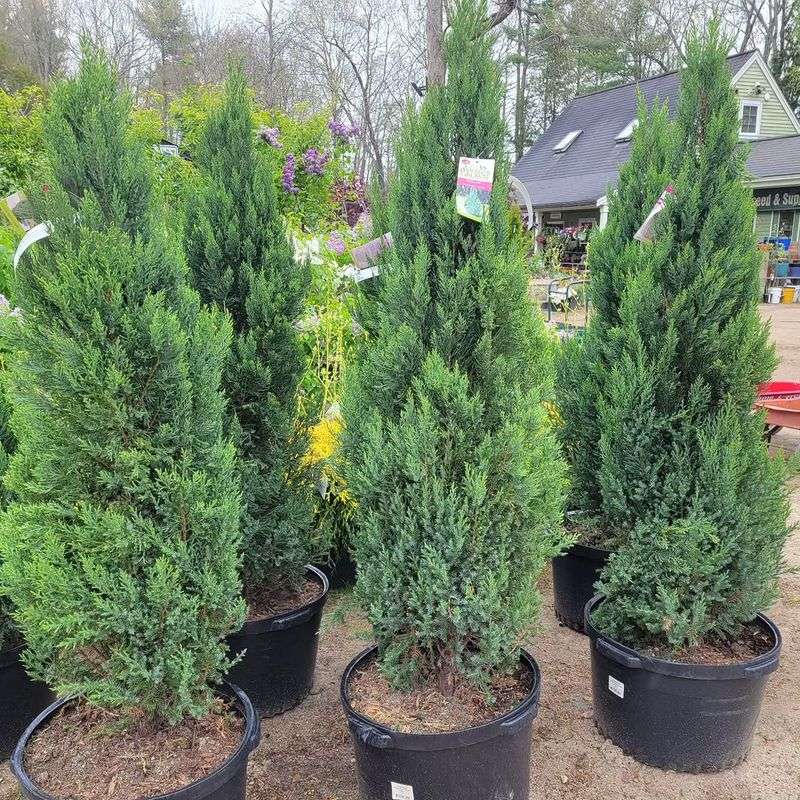
A line of soft shrubs can look like an open invitation when deer use the same path every evening. Eastern red cedar, Juniperus virginiana, is an Ohio native evergreen that grows naturally across this state.
It handles frequent deer movement better than many popular landscape plants.
Its dense branching and prickly scale-like foliage make it far less appealing to deer than softer alternatives like arborvitae or yew. Deer tend to browse what is easiest and most palatable.
A prickly, resinous evergreen ranks low on that list for most casual browsers.
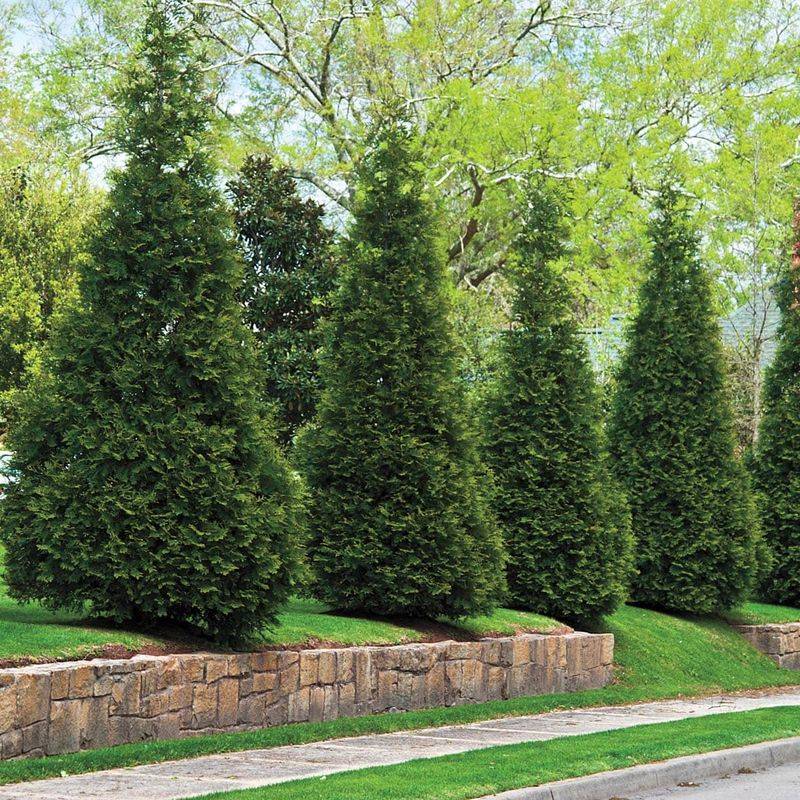
The plant can reach tree-like proportions at maturity, sometimes growing 40 to 50 feet tall in open conditions. In home landscapes, it functions well as a large screening shrub along property lines, open edges, or sunny field borders.
It is genuinely native, meaning it evolved here and supports local wildlife in ways that non-native evergreens simply cannot.
For yards where deer pressure feels constant and replanting gets exhausting, this is one of the more honest and practical native solutions available in the region.
2. Use Prickly Evergreen Growth To Slow Browsing
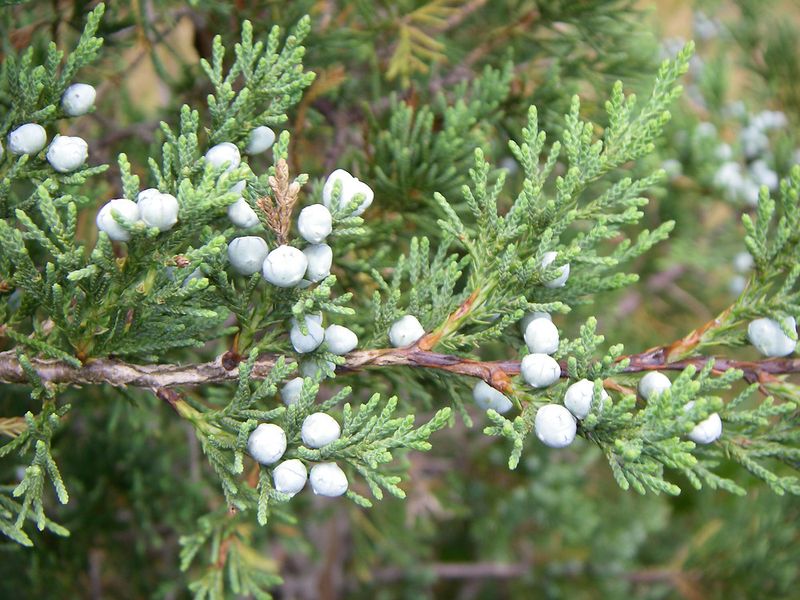
Reaching into a juniper branch is not something most animals do twice. The prickly, scale-like foliage of eastern red cedar has a texture and resinous scent that discourages casual browsing from deer that have softer options nearby.
That said, this plant is not deer-proof. No shrub earns that label honestly.
During late winter, when food is scarce and hunger overrides preference, deer may browse plants they would normally avoid. Eastern red cedar holds up better than many alternatives, but it does have limits under heavy pressure.
What makes the prickly growth valuable is not absolute protection. It is the fact that deer tend to move toward easier meals first.
A dense cedar screen along a yard edge makes your space less attractive compared to a neighbor’s soft ornamentals. That shift in preference can make a real difference over a full growing season.
Pair eastern red cedar with other less-palatable natives for the strongest effect. Using it as part of a layered planting strategy gives you more consistent results than relying on any single species alone.
Your Ohio Garden Changes Every Week. Your Plan Should Too.
Gardening in Ohio changes quickly throughout the season. Every Friday you’ll receive a simple weekly plan showing exactly what to plant, prune, fertilize, harvest, and protect so you never miss the right timing.
3. Plant A Dense Row Where A Fence Feels Too Harsh
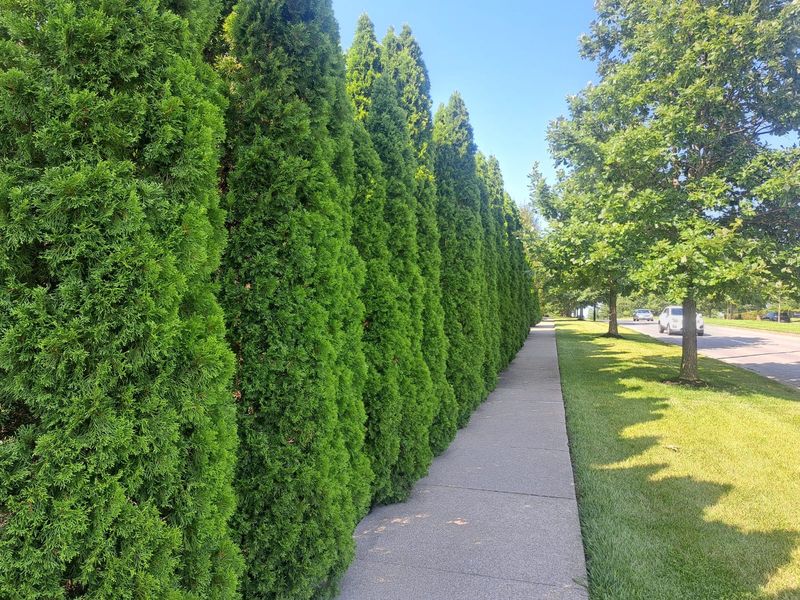
A wooden privacy fence along an Ohio property line can feel heavy, expensive, and out of place in a naturalistic yard. A row of eastern red cedar offers a living alternative that fits more comfortably into a landscape that values a softer, more organic look.
Planted in a staggered row, these trees gradually fill in to create a year-round screen with real visual depth. Birds use the interior branches for shelter.
The foliage holds its color through winter when most other plants go bare. That combination of structure and habitat value is something no fence can replicate.
Be realistic about timing. Eastern red cedar does not create instant privacy.
Young plants need several years to develop the dense canopy that makes them useful as a screen. Plan for a five to ten year establishment window before the row truly fills in.
For homeowners who want a screen that improves with age rather than weathering and rotting like a fence, the wait is worth it. Start with healthy, container-grown plants from a reputable native plant nursery to give the row the strongest possible start.
4. Give It Full Sun For The Thickest Screen
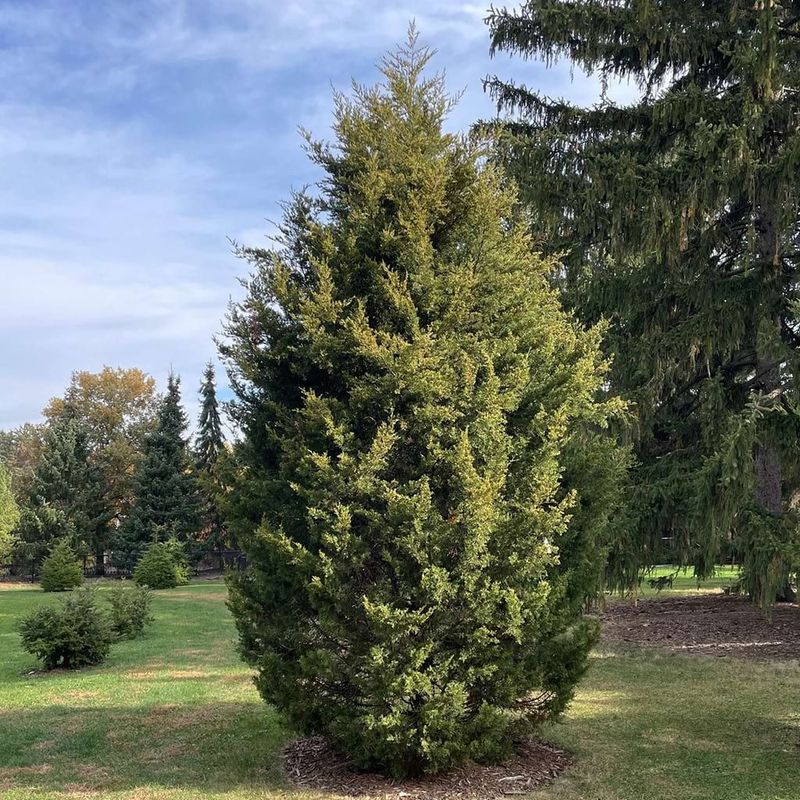
Sunlight is not optional for eastern red cedar if you want a thick, useful screen. This native evergreen performs best in full sun, meaning at least six hours of direct light per day.
In shadier spots, the interior branches thin out and the overall density drops noticeably.
A thinner canopy means less visual screening, less wind protection, and a less convincing barrier for deer looking for an easy path through.
Shaded cedars also tend to have more open branching near the base, which creates gaps that undermine the whole point of a living screen.
For property-line plantings, open field edges, and sunny south or west-facing borders, eastern red cedar is genuinely hard to beat among native evergreens.
It tolerates heat, handles dry spells once established, and keeps its color through the coldest winters this state throws at it.
Avoid placing it on the north side of a building or tucked behind taller trees where light is limited. Match this plant to the right site and it rewards you with dense, year-round structure that only improves as the years go by.
5. Space Trees So The Living Barrier Can Fill In
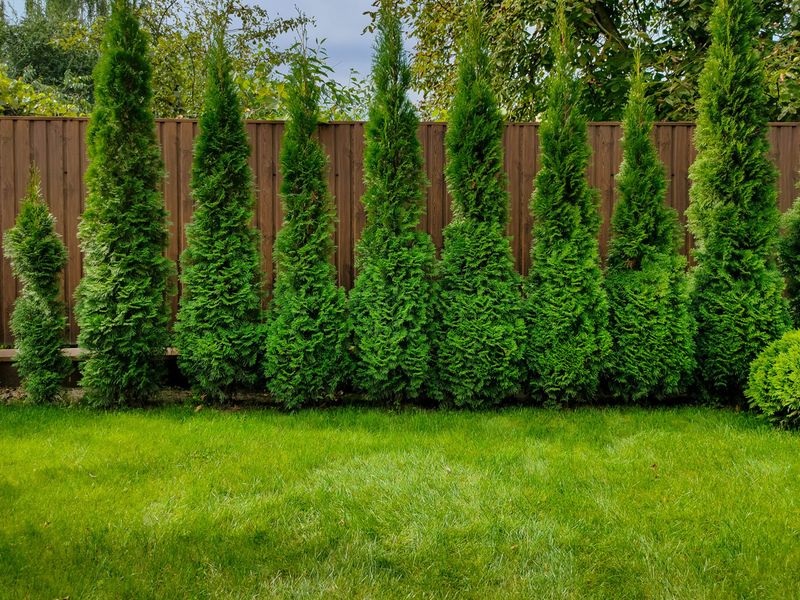
Spacing matters more than most gardeners expect when planting a living screen. Eastern red cedar can spread six to twelve feet wide at maturity, depending on the cultivar and growing conditions.
Cramming plants too close together might seem like a shortcut to faster coverage, but it creates problems down the road.
Tight spacing reduces airflow between plants, which can encourage fungal issues and weak interior growth. It also means plants compete for the same root space and nutrients, which slows establishment rather than speeding it up.
A struggling row of crowded cedars fills in more slowly than a properly spaced one.
For a solid screening row, space plants eight to ten feet apart on center. That gives each tree room to develop its natural shape while still allowing the canopy edges to meet over time.
If you need faster coverage in the short term, consider planting a temporary fast-growing annual screen while the cedars establish. Think of the cedar row as a long-term investment.
Proper spacing from the start means a healthier, fuller screen in year ten than you would ever get from an overcrowded planting that struggles from the beginning.
6. Expect Blue Berries That Feed Backyard Birds
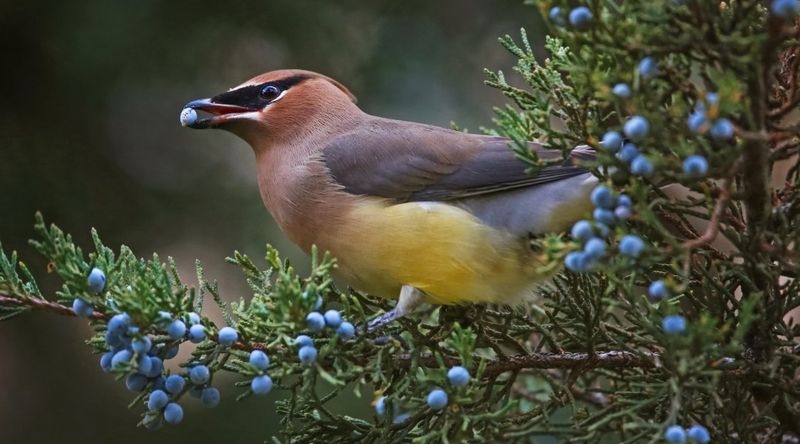
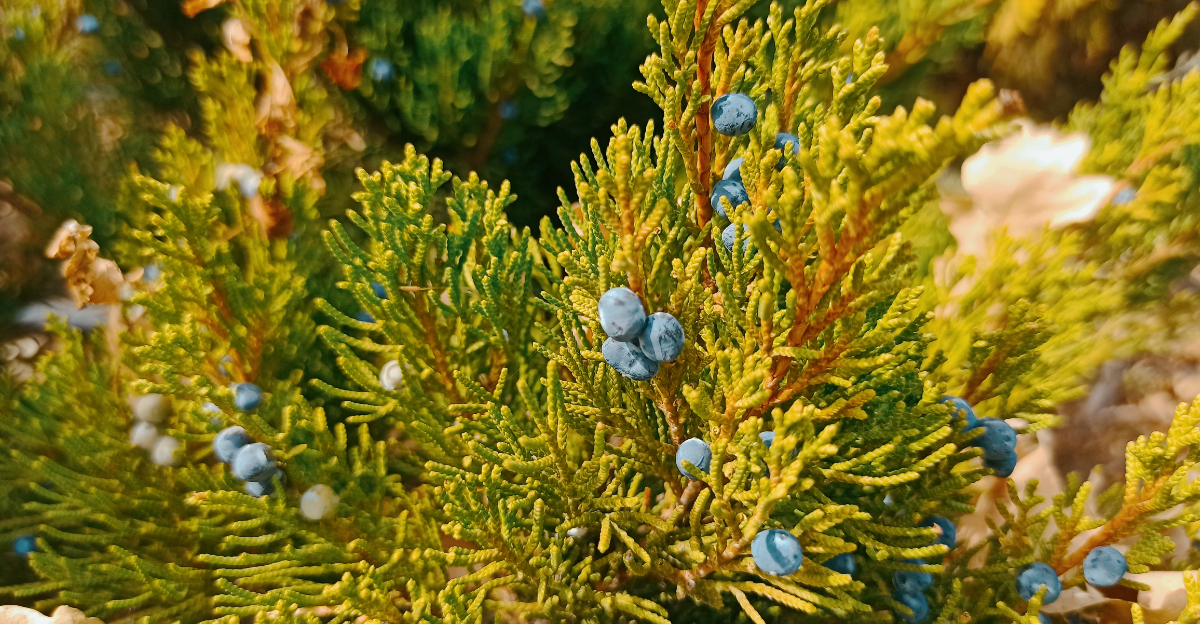
Cedar waxwings earned their name for a reason. These striking birds flock to eastern red cedar in winter and early spring, drawn by the small, blue-gray, berry-like cones that female plants produce.
Watching a flock work through a cedar screen is one of the better surprises a native planting can offer.
Female eastern red cedars produce these fleshy cones, which look like small berries, when male plants are nearby for pollination. Not every plant in a row will be female, and not every female will produce a heavy crop every year.
Fruit production varies with weather, plant age, and site conditions. Younger plants tend to produce less than mature ones.
Beyond cedar waxwings, other birds including bluebirds, robins, and mockingbirds may also use the fruit. The dense evergreen interior provides winter shelter and nesting cover that benefits many local species.
If wildlife value matters to you as much as deer resistance, eastern red cedar delivers on both fronts. For maximum bird activity, plant a mix of male and female trees and let the screen mature without heavy pruning that removes fruiting branches.
7. Avoid Wet Soil Where Cedars Struggle
A soggy low spot in the yard might look like unused planting space, but it is the wrong home for eastern red cedar.
This Ohio native evergreen is built for well-drained soil and can struggle badly in areas where water pools after rain or where the water table sits close to the surface.
Roots in poorly drained soil are more vulnerable to rot and stress. Plants in wet spots tend to grow slowly, develop thin canopies, and often decline over time instead of filling in as a useful screen.
The deer-resistance and screening benefits you planted for simply do not show up when the site is wrong.
Eastern red cedar excels on drier, sunnier edges. Rocky hillsides, sandy borders, and open field margins where drainage is natural are ideal.
This plant is often one of the first natives to colonize disturbed, dry ground in the region, which tells you a lot about its preferences. Before planting a row for screening, walk the site after a heavy rain and watch where water moves.
If an area stays wet for more than a day, choose a different location or a different species entirely.
8. Treat It As A Deer-Resistant Screen, Not A Magic Wall
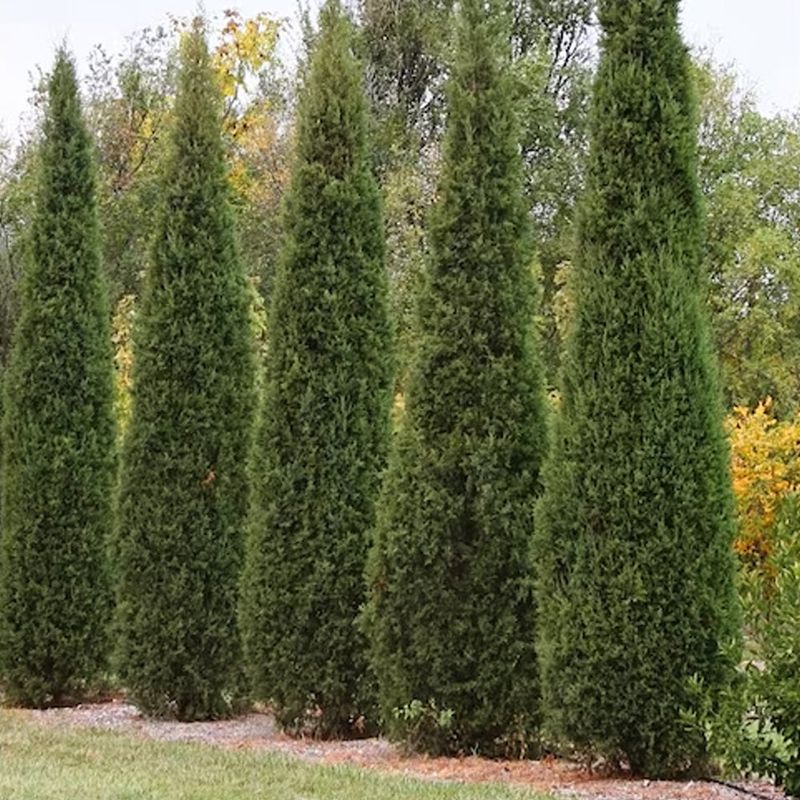
Honesty matters when you are planning a planting to handle deer pressure. Eastern red cedar is a genuinely useful deer-resistant screen in the right setting, but it is not a substitute for a proper deer fence where full exclusion is the goal.
Vegetable gardens, orchards, and high-value plantings near heavy deer traffic still need physical fencing.
Eastern red cedar earns its place along property lines, open borders, and yard edges. It works where the goal is to make your space less inviting rather than completely sealed off.
A dense, prickly, year-round evergreen screen shifts deer behavior over time. It does not eliminate pressure.
It redirects it.
Growers with apple or crabapple trees nearby should note one issue. Eastern red cedar is an alternate host for cedar-apple rust, a fungal disease that cycles between junipers and members of the rose family.
Plant cedars well away from those trees to avoid creating a disease cycle in your own yard. With the right site, proper spacing, and realistic expectations, eastern red cedar is a strong native choice.
It is one of the most honest and underused plants for home landscapes in this region. It earns its ground without needing to be oversold.