Why Your Georgia Cyclamen Keeps Wilting Even When The Soil Is Moist
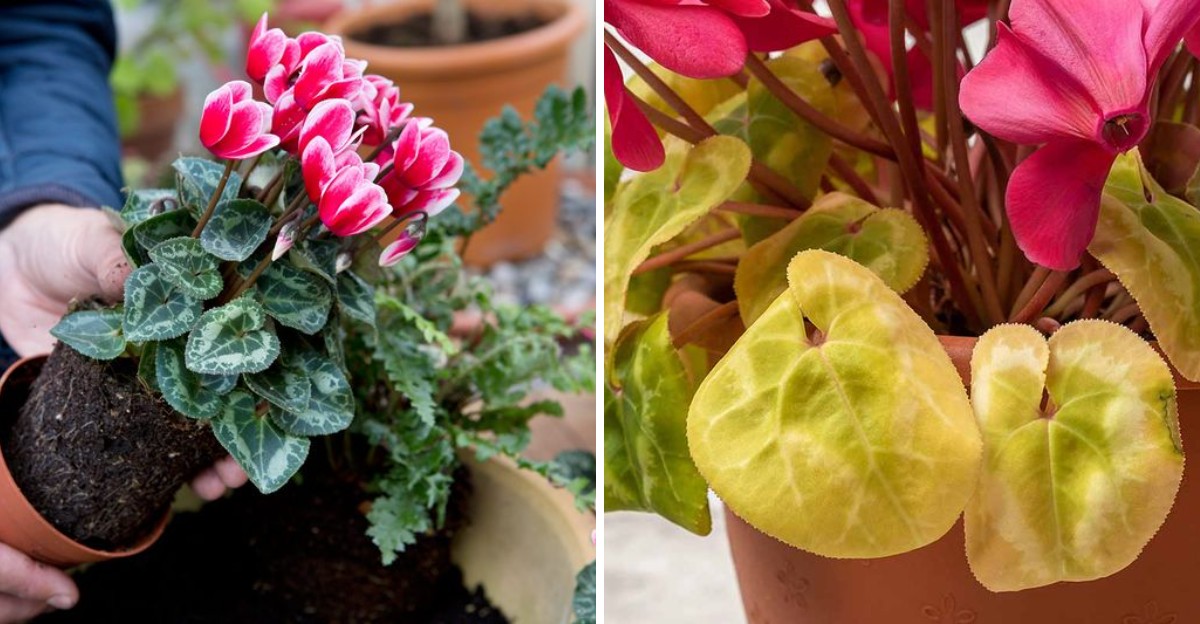
Cyclamen leaves drooping over the edge of a pot can be frustrating when the soil still feels moist beneath your fingers.
Adding more water might seem helpful, but moisture alone does not tell you whether the roots are healthy. Sometimes the problem starts below the surface.
Cyclamen prefer cooler growing conditions and can struggle when temperatures rise or their roots remain too wet.
That makes placement especially important inside Georgia homes, where indoor heating can create warmer conditions than these plants prefer.
Feel the potting mix before watering again, and make sure excess water can drain away. Avoid assuming every wilted leaf means the plant is thirsty.
The way your cyclamen responds to its surroundings can offer clues about what is happening. Understanding those clues helps you adjust its care without making the wilting worse.
1. Wilting Does Not Always Mean Your Cyclamen Needs More Water
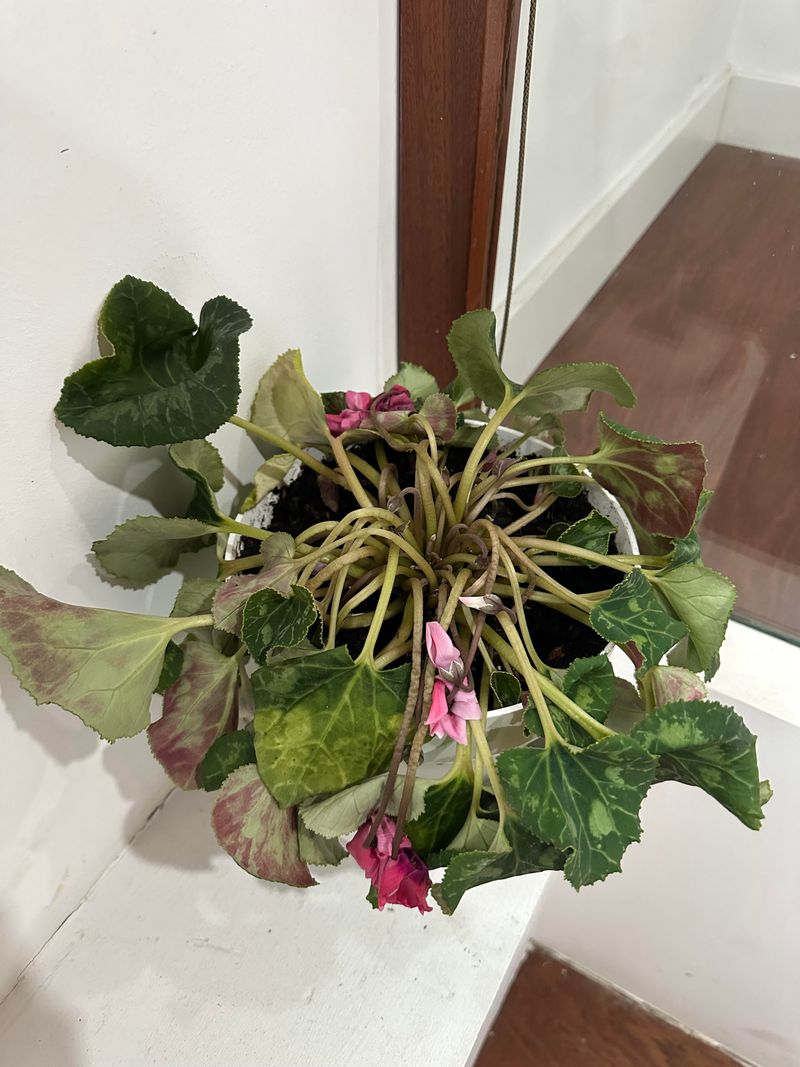
Droopy leaves trick almost everyone. Your first instinct says the plant is thirsty, but damp soil tells a different story.
Cyclamen can wilt for several reasons, and only one of them is dryness.
Roots that sit in soggy soil may stop taking up water well. When that happens, the leaves can sag even though moisture is all around them.
Heat can cause a similar slump, especially in heated Georgia homes during winter.
So before you pour more water in, push a finger about an inch into the soil. If it feels moist, hold off and look for other clues instead.
Lifting the pot is another easy test that takes only a second.
A heavy pot usually means plenty of water is still inside. A light pot points more toward real dryness, and a drink may help the plant perk up within hours.
Check the base of the stems too, right where they meet the tuber.
Soft, mushy, or dark stems near the soil line can signal rot rather than thirst. Firm stems are a better sign, even when the leaves look tired.
Taking a minute to check first can save your plant from extra water it simply cannot use right now.
2. Wet Soil Can Leave The Roots Struggling
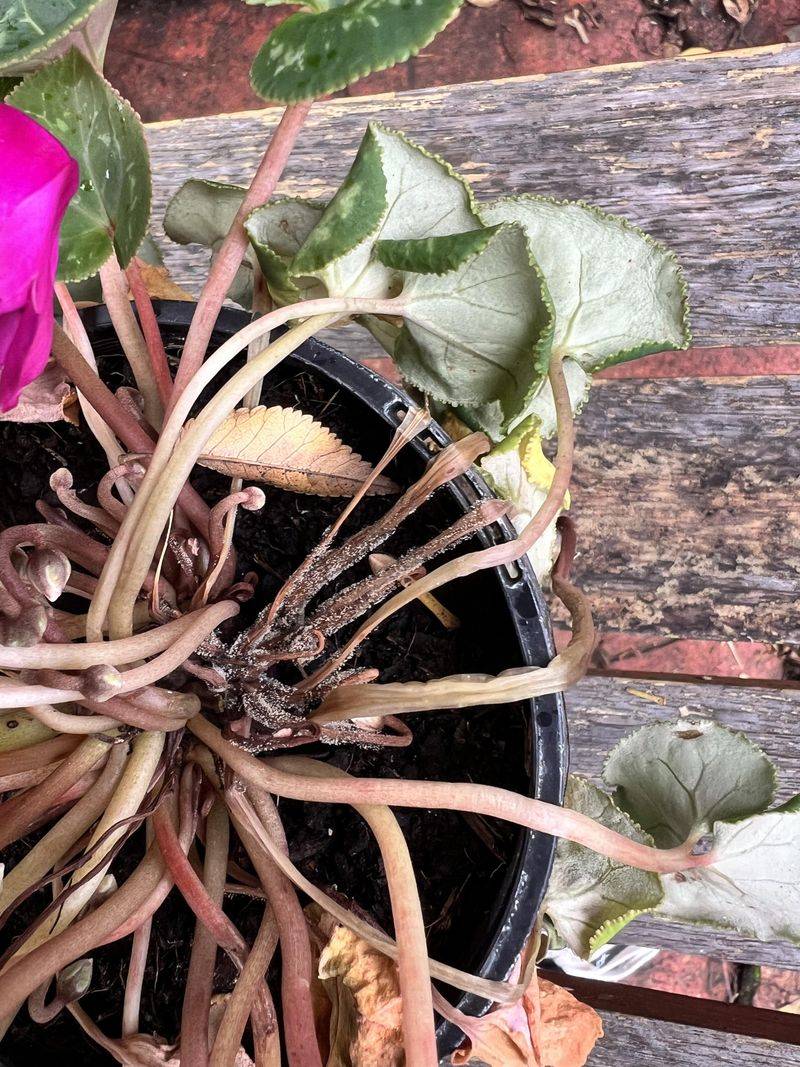
Soggy soil is a quiet troublemaker. Roots need air as much as they need water, and constant wetness crowds that air out.
Without enough oxygen, roots weaken and can start to rot.
Fungal problems such as root and tuber rot are a known issue with cyclamen kept too wet. Once roots are damaged, they cannot move water up to the leaves, so the plant wilts in moist soil.
Watering from below can help reduce the risk.
Set the pot in a saucer of water for about 15 to 20 minutes, then pour off whatever is left. This approach keeps water away from the crown, where the stems join the tuber.
Wait until the top of the soil feels dry before watering again.
During cloudy, humid stretches in Georgia, soil may stay damp longer than you expect. Checking by touch works better than following a fixed schedule.
Suspect rot already? Slide the plant out of its pot and take a look.
Your Georgia Garden Changes Every Week. Your Plan Should Too.
Gardening in Georgia changes quickly throughout the season. Every Friday you’ll receive a simple weekly plan showing exactly what to plant, prune, fertilize, harvest, and protect so you never miss the right timing.
Healthy roots are usually light colored and firm. Brown, slimy roots or a soft tuber suggest serious damage, and recovery may not be possible, but a firm tuber with some good roots can sometimes bounce back in fresh, drier mix.
3. Warm Rooms Can Make Cyclamen Droop Quickly
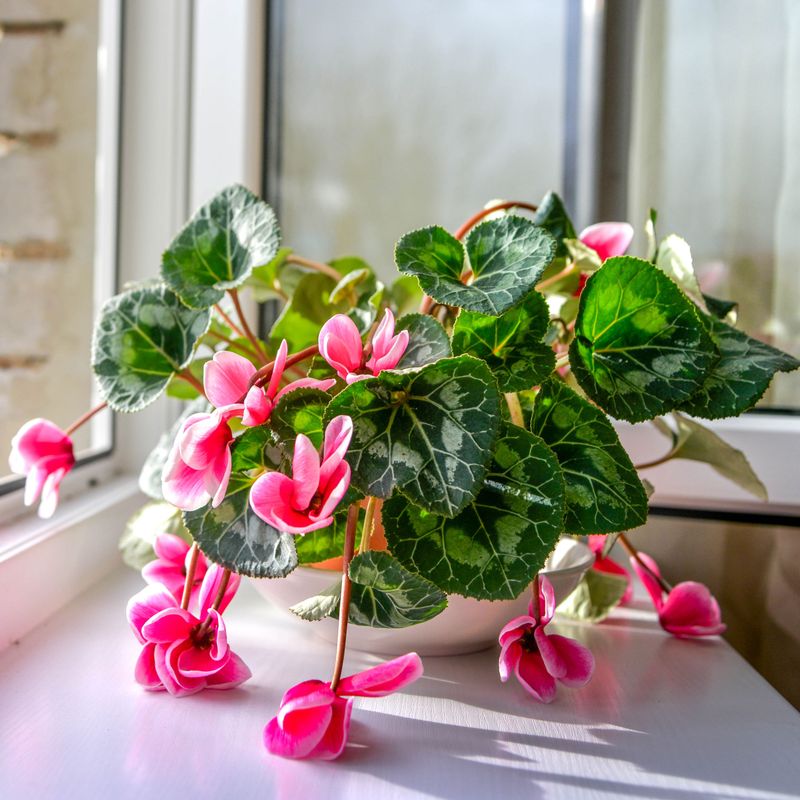
Heat hits cyclamen harder than most houseplants. A cozy living room that feels perfect to you may feel stressful to this plant.
Cyclamen grow naturally through cool, mild winters and tend to rest when summer heat arrives.
Keep a plant in a warm spot and it may act as if summer has started early. Leaves can yellow and droop, and flowers often fade faster than they should.
Heating vents, radiators, and sunny spots near warm appliances are common culprits.
Think about where your plant sits during the day and at night. Moving it even a few feet away from a heat source can make a noticeable difference.
Georgia winters swing a lot, with mild afternoons followed by chilly nights.
Furnaces tend to kick on and off during those swings, and warm, dry air can blow right across nearby plants. A cooler room, like a spare bedroom or bright entryway, often suits cyclamen better.
Spring brings its own challenge as indoor temperatures creep upward.
Some drooping in late spring may simply be the plant responding to warmth. Cooler placement can stretch the bloom season a bit, though every home and plant will respond a little differently.
4. Temperatures Around 50 To 60 Degrees Suit Them Best
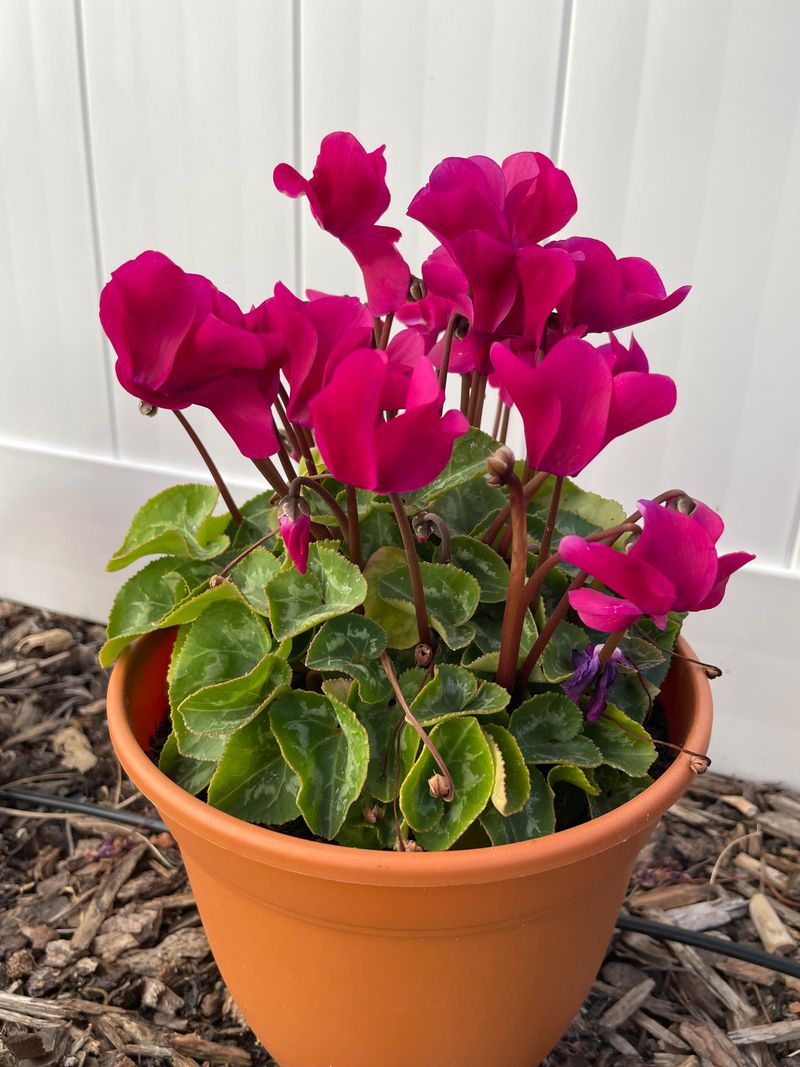
Cool is the magic word here. Extension guidance commonly suggests daytime temperatures around 60 to 70 degrees and nights near 50 to 60 degrees for blooming cyclamen.
Nights in that cooler range seem to matter most for keeping flowers going.
Most homes run warmer than that, which explains why plants often fade soon after the holidays. You do not need perfect numbers, but leaning cooler usually helps.
Got a cheap indoor thermometer? Put it beside your plant for a few days.
You might find that one windowsill runs chilly while another stays warm. Small differences like that can guide you toward the best spot in the house.
Freezing is a different story, so do not swing too far the other way.
Florist cyclamen can be damaged by frost, so leaving it on a cold porch overnight is risky. In Georgia, some winter nights dip below freezing even in the southern part of the state, so bring outdoor pots inside when frost is forecast.
A cool but protected room is the sweet spot for most growers.
Unheated sunrooms, enclosed porches, or rooms with the vents partly closed can work well. Keep an eye on the plant, since every space holds temperature a little differently.
5. Bright Indirect Light Helps Flowers Last Longer
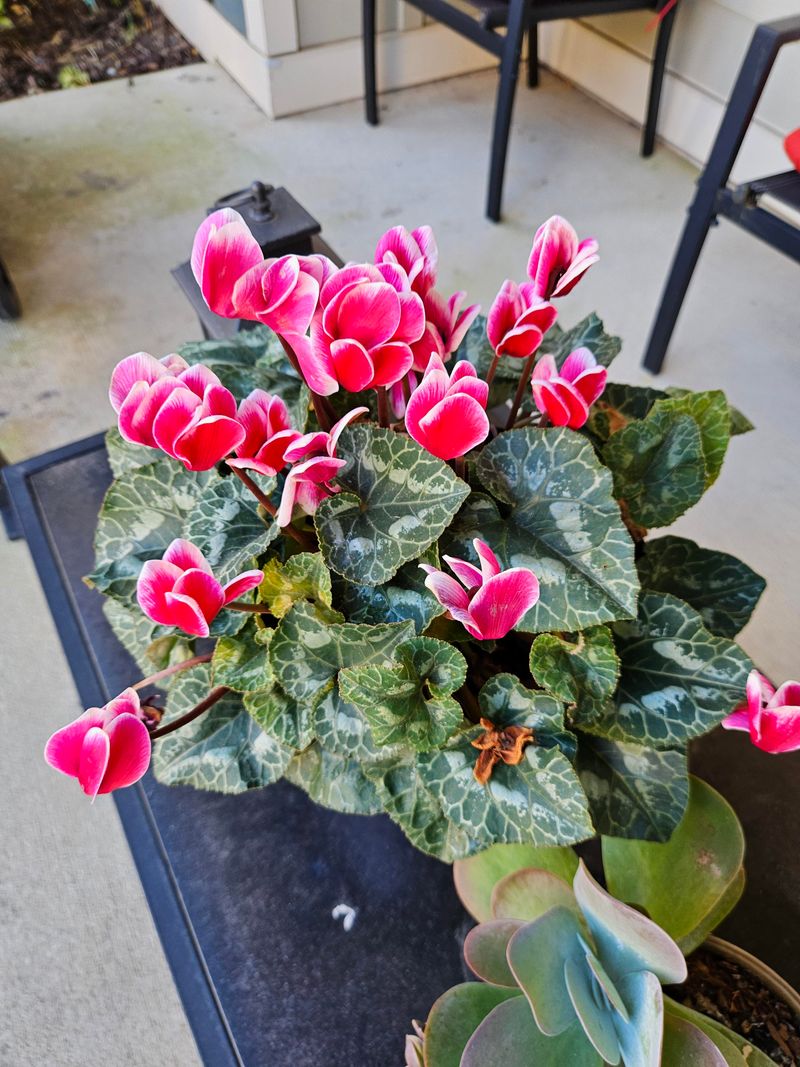
Light can make or break a bloom season. Too little leaves stems stretched and weak, while harsh sun can scorch tender leaves.
Bright, indirect light tends to keep cyclamen sturdy and flowering longer.
An east-facing window is often a good choice because morning sun is gentle. A sheer curtain on a south or west window can soften stronger light nicely.
Watch for clues in the leaves themselves.
Long, floppy stems reaching toward the glass usually mean the plant wants more light. Pale or crispy patches can mean it is getting too much direct sun.
Window glass can also heat up fast on sunny afternoons.
Even in winter, a pot pressed against a sunny window in Georgia can warm up more than you might think. Pull it back a little so it gets brightness without the extra heat.
Turning the pot every few days helps too.
Rotation keeps growth even and stops the plant from leaning to one side. Pair good light with cool temperatures and careful watering for the best results, since light alone will not fix wilting caused by wet roots or heat.
6. Good Drainage Keeps Excess Water Away From The Roots
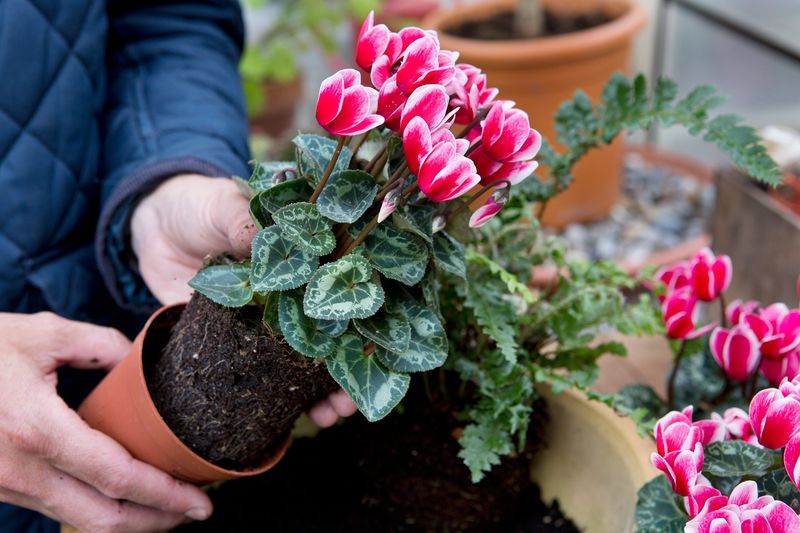
Pretty pots hide a common problem. Lots of gift cyclamen come wrapped in foil or set inside decorative containers with no drainage hole.
Water collects at the bottom, and the roots end up sitting in a puddle.
Remove foil sleeves right away, or poke holes in them so water can escape. If you love a decorative pot, place the plant inside in its plastic nursery pot and empty any standing water.
Soil mix matters as much as the container.
A light, well-draining potting mix lets extra water move through quickly. Heavy garden soil or dense mixes hold too much moisture and are best avoided in pots.
Terracotta pots can help in a humid climate.
Clay breathes and dries a bit faster than plastic, which some Georgia growers find helpful during damp stretches. Plastic still works fine if you water carefully and check the soil first.
When repotting, keep the top of the tuber at or slightly above the soil line.
Burying it deeply can hold moisture around the crown and raise the risk of rot. Repotting a stressed plant mid-bloom carries some risk, so do it only when drainage is clearly the problem.
7. Natural Dormancy Can Begin After The Flowers Fade
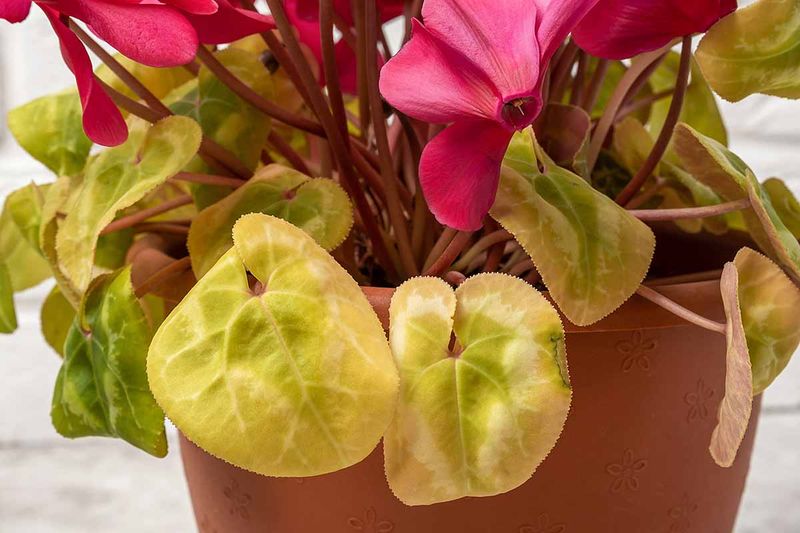
Sometimes nothing is wrong at all. After blooming, cyclamen often go into a natural rest as warmer weather arrives in late spring.
Leaves turn yellow and wither gradually, which can look a lot like trouble.
Dormancy usually happens slowly over a few weeks. Sudden collapse with a mushy tuber points more toward rot than rest.
Once leaves start yellowing, cut back on water little by little.
Let the soil stay mostly dry while the plant rests through summer. Store the pot in a cool, shaded, dry spot, keeping in mind that Georgia summers make cool spots hard to find outdoors.
Wondering if it will grow back? Maybe, though results vary.
Some people get new leaves in late summer or fall when they resume light watering. Others find florist cyclamen hard to rebloom, especially in hot climates, so many treat them as seasonal plants.
Look for small new leaves poking up from the tuber.
When they appear, move the pot into bright, indirect light and water lightly as growth picks up. Feeding with a diluted houseplant fertilizer during active growth can support the plant, but skip feeding while it rests.