The Native Shade Tree Texans Are Planting Now That Survives Current Water Restrictions
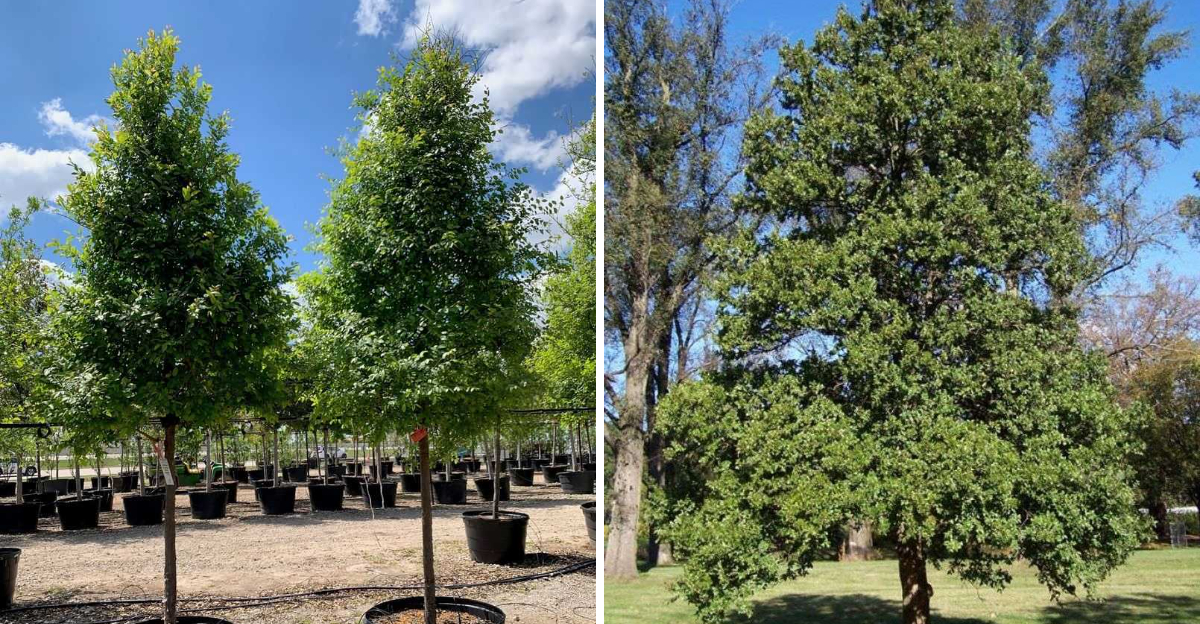
Water restrictions across Texas are reshaping how homeowners think about landscaping, and nowhere is that shift more apparent than in tree selection.
A shade tree is a long term investment, and planting one that depends on regular irrigation in a state where water restrictions are becoming more common and more strict is a gamble that more Texans are no longer willing to take.
There’s a native Texas shade tree that takes that concern completely off the table. Once established, this tree handles current water restriction schedules without flinching.
It was growing in Texas long before irrigation existed, adapted over thousands of years to the state’s natural rainfall patterns, drought cycles, and extreme summer heat.
It doesn’t need supplemental water to survive. It needs time in the ground, and after that, it largely takes care of itself.
It also provides the kind of dense, meaningful shade that genuinely changes how a Texas outdoor space feels during the hottest months of the year.
Cedar Elm Handles Texas Heat And Water Limits
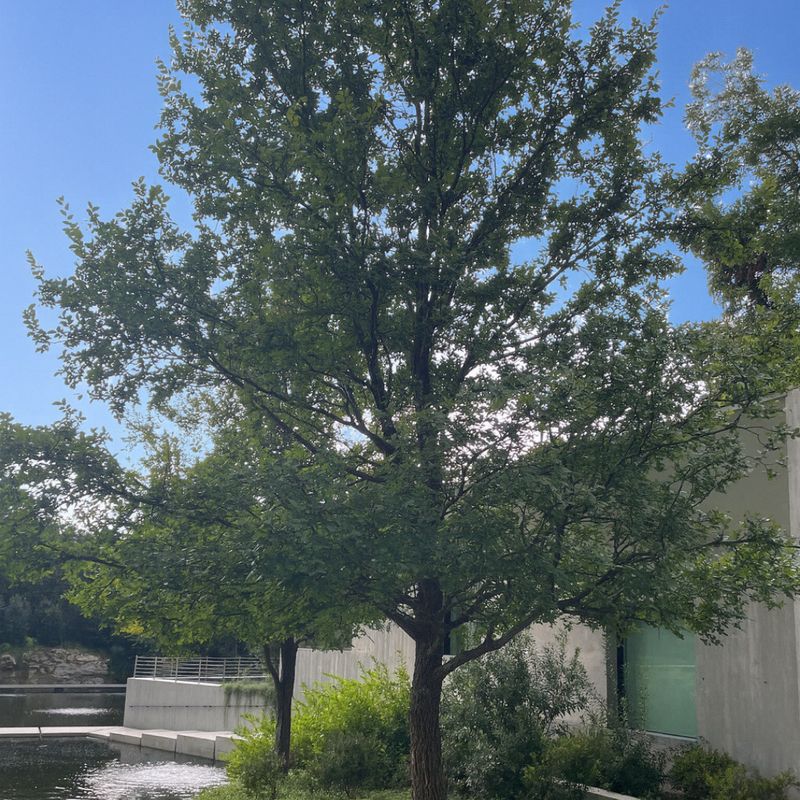
Few trees in Texas have earned their reputation the hard way quite like the cedar elm. Ulmus crassifolia has been growing across the state for centuries, long before anyone thought about irrigation systems or water bills.
It is one of the most drought-adapted native trees in the region, and that is not an accident. Cedar elm naturally grows in areas with rocky, shallow soils and unpredictable rainfall. Because of this, it has developed the ability to slow down its water needs when moisture is scarce.
Once the tree is fully established, it can handle extended dry periods far better than many popular landscaping trees that were not bred for Texas conditions.
Water restrictions in Texas cities have become more common in recent years. Stage 2 and Stage 3 restrictions in many areas limit how often you can run sprinklers or water outdoor plants.
A cedar elm fits perfectly into this reality because it does not demand constant watering to stay healthy after its roots settle in.
Planting a tree that matches your local climate just makes sense. You spend less money on water, spend less time worrying, and end up with a stronger, longer-lasting tree. Cedar elm is not just surviving in Texas conditions. It is built for them.
That is a huge advantage for any homeowner trying to keep their yard looking good while following local water rules.
Choosing a native tree is one of the smartest landscaping moves you can make in a state where the weather can be unpredictable and water is a precious resource.
It Provides Reliable Shade For Texas Landscapes
Walk outside on a Texas afternoon in July and you will instantly understand why shade matters. The sun beats down hard, surfaces get scorching hot, and even a few minutes outside without cover can feel brutal.
A good shade tree is not just a nice addition to your yard. For many Texans, it is practically a necessity.
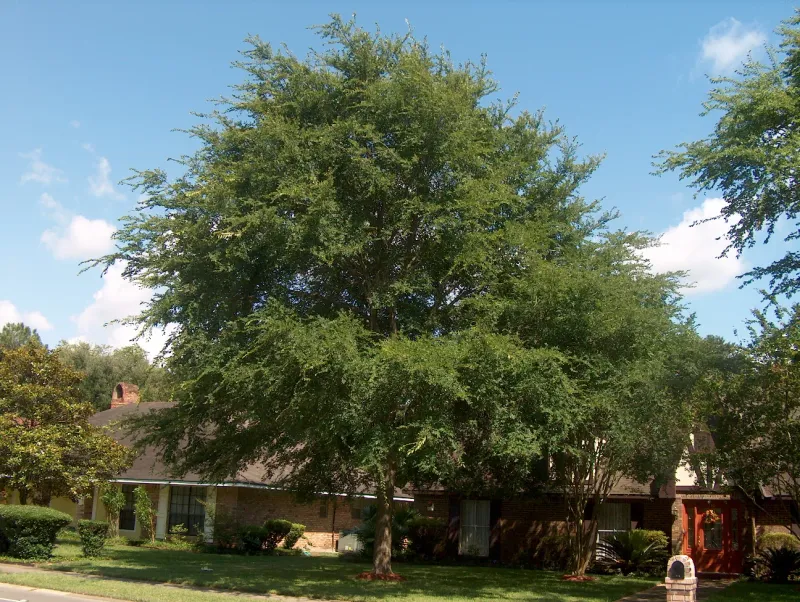
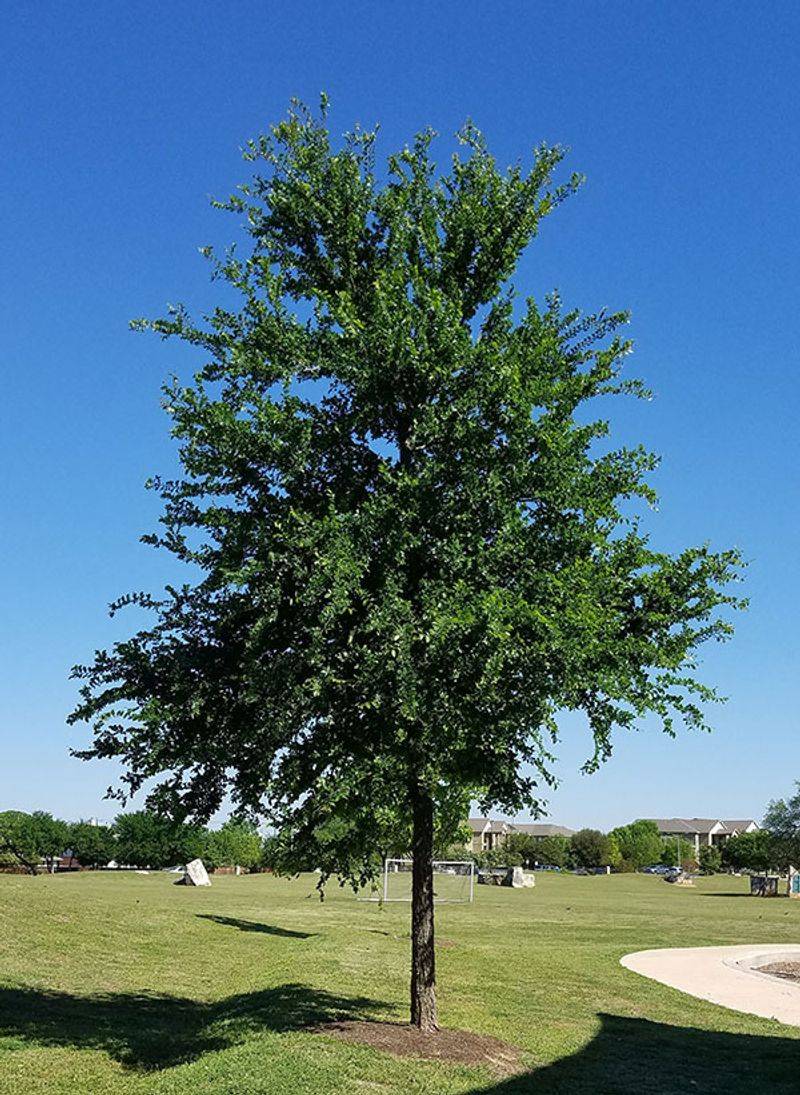
Cedar elm grows into a rounded, spreading canopy that can stretch 40 to 60 feet wide at full maturity. That is a lot of shade coverage.
Your Texas Garden Changes Every Week. Your Plan Should Too.
Gardening in Texas changes quickly throughout the season. Every Friday you’ll receive a simple weekly plan showing exactly what to plant, prune, fertilize, harvest, and protect so you never miss the right timing.
Positioned correctly, a single cedar elm can cool down an entire section of your yard, lower the temperature near your home, and even reduce your energy bills by blocking direct sunlight from hitting your windows and walls during the hottest parts of the day.
The tree’s canopy fills in nicely during spring and stays leafy through summer, which is exactly when you need shade the most. In fall, the small leaves turn a lovely yellow before dropping, giving you a seasonal color show without a lot of mess to clean up.
The leaves are small enough that they break down quickly and can even be left on the lawn to decompose naturally.
Cedar elm works well in many different landscape settings. It looks great in front yards, backyards, and along property lines.
It also does well in parks, school grounds, and commercial properties across Texas. If your goal is to create a comfortable outdoor space where your family can actually enjoy being outside during summer, planting a cedar elm is one of the most practical and rewarding investments you can make for your property.
Strong Roots Help It Survive Tough Conditions
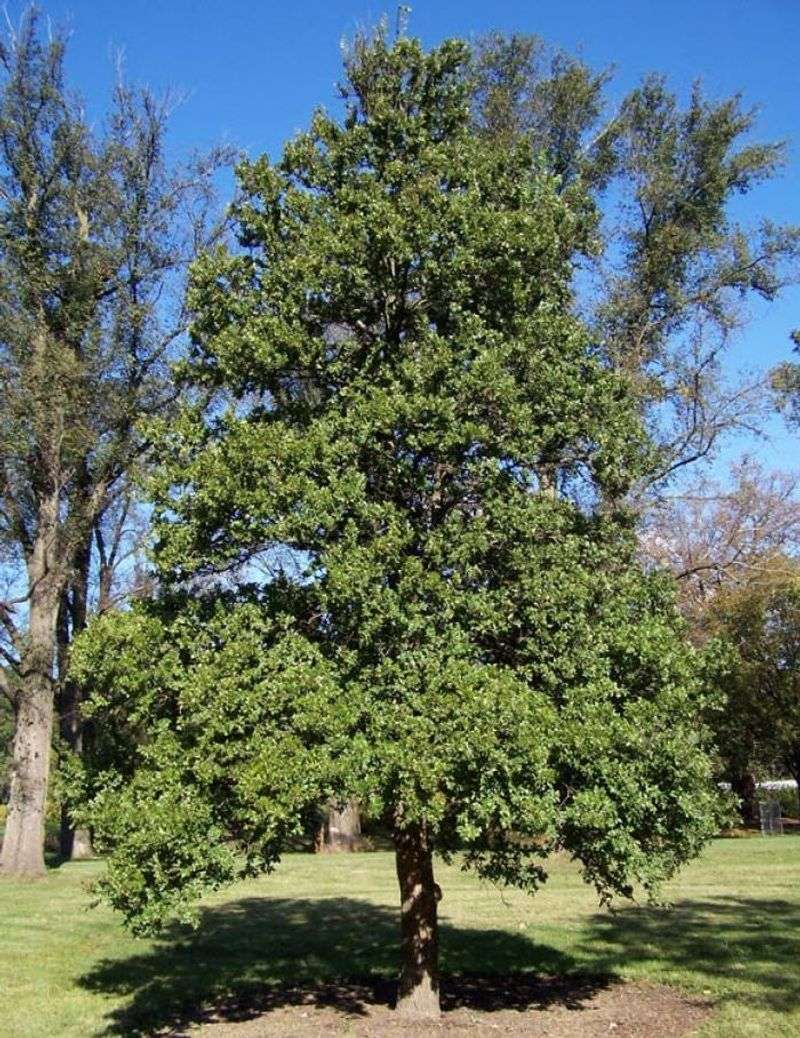
Here is something fascinating about cedar elm that most people do not realize right away. The secret to this tree’s toughness is mostly underground.
Its root system is what makes it so capable of handling heat, poor soils, and limited water. While you are admiring the canopy, the roots are quietly doing all the heavy lifting.
Cedar elm roots spread wide and go deep over time. They are designed to seek out moisture from a large area of soil, which means the tree can tap into water sources that shallower-rooted plants simply cannot reach.
In rocky Hill Country soils, caliche-heavy clay, or sandy loam, cedar elm finds a way to anchor itself and access what it needs to stay healthy.
Once those roots are fully established, usually after two to three growing seasons, the tree becomes remarkably self-sufficient. It no longer relies on you to water it through every dry spell.
That independence is a game-changer for busy homeowners and anyone dealing with water restrictions that limit outdoor irrigation.
That said, the root establishment phase is critical. Young cedar elms need support while their roots are still developing.
Skipping proper care during the first couple of years can weaken the tree’s long-term performance. Think of it like building a strong foundation for a house.
The early work pays off for decades to come. Give the tree what it needs in the beginning, and it will reward you with strength and stability for years.
The investment of time and water early on is absolutely worth it for the payoff you get later.
Choose The Right Location Before Planting
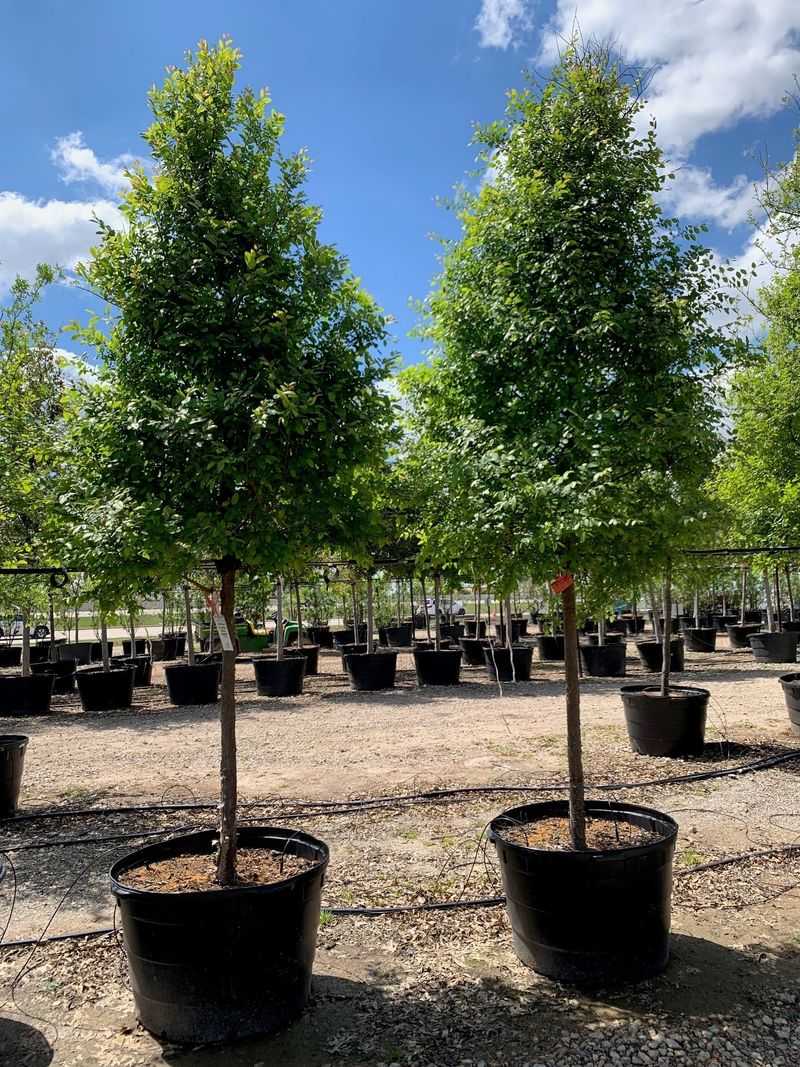
Location is everything when it comes to planting a tree that will last for decades. Many homeowners make the mistake of picking a spot based on how it looks right now, without thinking about what that tree will look like in 20 or 30 years.
Cedar elm can grow 50 to 70 feet tall and spread quite wide, so planning ahead is essential before you ever put a shovel in the ground.
Give the tree plenty of room to grow in all directions. Keep it at least 15 to 20 feet away from your home’s foundation, walls, and roof lines.
Stay even farther away from driveways and sidewalks, since large roots can eventually crack pavement if the tree is planted too close.
Underground utility lines are another concern, so always call 811 before digging to make sure you are not planting over buried pipes or cables.
Sun exposure matters too. Cedar elm thrives in full sun and does best when it gets at least six hours of direct sunlight each day.
Avoid planting it in a spot that is heavily shaded by other large trees or structures. Good air circulation around the tree also helps keep it healthy and reduces the chance of fungal issues during wet seasons.
Take a walk around your yard and look up, not just at ground level. Check for power lines, roof overhangs, and nearby structures.
Think about how the tree will shade your home, which direction it will grow toward, and whether it has enough open space to spread naturally. A few minutes of planning now can save you from expensive problems down the road and set your tree up for a long, healthy life.
Water New Trees Differently Than Established Trees
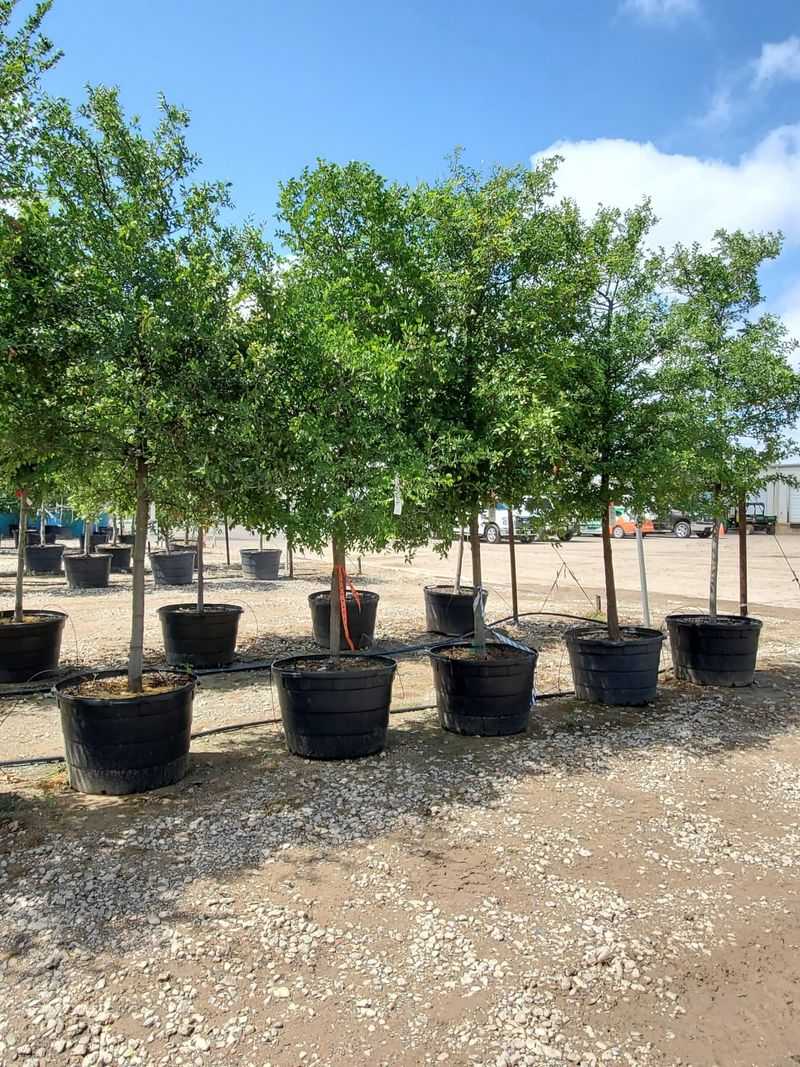
Watering a brand-new cedar elm is completely different from watering one that has been in the ground for several years. A lot of new tree owners do not realize this, and they end up either overwatering or underwatering their young tree.
Both mistakes can seriously set back the tree’s development, especially during a hot Texas summer.
Young cedar elms need deep, infrequent watering during their first two to three years. Deep watering means soaking the soil slowly so moisture reaches far down into the root zone, not just the top inch or two.
Shallow, frequent watering actually encourages roots to stay near the surface, which makes the tree less able to handle dry spells on its own later on. Water slowly at the base of the tree for 20 to 30 minutes at a time, and let the soil dry out slightly between waterings.
A good rule of thumb for new trees is to water once or twice a week during summer heat, depending on rainfall. During cooler months or after rain, pull back on watering.
Always check the soil before adding more water. If the top two inches of soil still feel moist, wait another day or two before watering again.
Once your cedar elm has been in the ground for two to three full growing seasons, you can dramatically reduce supplemental watering. Established trees usually only need extra water during unusually long dry stretches.
At that point, the tree is doing most of the work on its own. Getting through those early years with proper watering habits is what sets the stage for a strong, independent tree that barely needs your help to thrive.
Protect Your Investment With Basic Care
Planting a cedar elm is an investment in your property, your comfort, and the environment around you. Like any investment, it grows more valuable when you take care of it.
The good news is that cedar elm does not demand a lot of fuss. A few basic care habits in the early years can make a big difference in how well your tree performs for decades.
Mulching is one of the single best things you can do for a young tree. Spread a layer of wood chip mulch two to four inches deep around the base of the tree, keeping it a few inches away from the trunk itself.
Mulch holds moisture in the soil, keeps roots cooler during hot weather, reduces competition from grass and weeds, and slowly adds nutrients back into the ground as it breaks down. It is a simple step with a huge payoff.
Pruning should be done carefully and sparingly. Young cedar elms may need light shaping to encourage a strong central leader and good branch structure.
Avoid heavy pruning during summer or during periods of drought stress. If you are unsure about pruning, consider hiring a certified arborist who knows Texas native trees.
Bad pruning cuts can create entry points for pests and disease, which weakens the tree over time.
Keep an eye out for common issues like aphids, elm leaf beetles, or signs of fungal problems after wet weather. Catching issues early makes them much easier to manage.
With consistent mulching, smart watering, and careful pruning, your cedar elm will reward you with decades of shade, beauty, and resilience that adds real value to your Texas home and landscape.