Purple Berries Dangling From Tall Magenta Stems In Missouri Yards Deserve A Closer Look
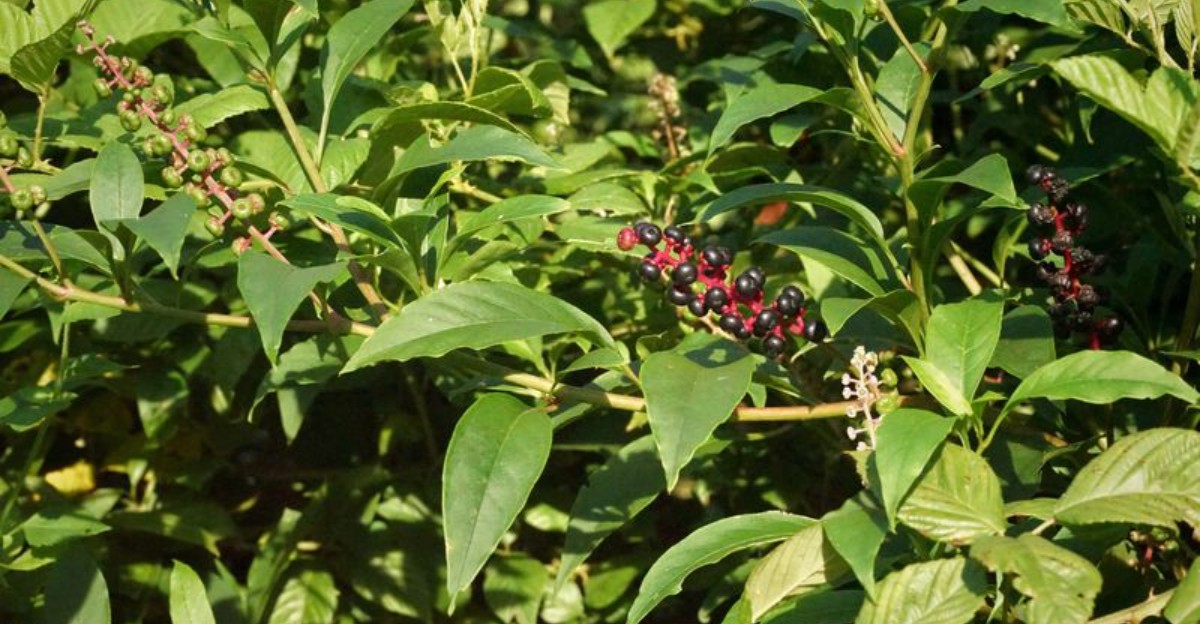
Something in backyards across Missouri is showing off like it bought a ticket to prom. Hot pink stems tower over the tomatoes, and purple berries dangle like fancy earrings.
Squeeze one, and your fingers turn the color of grape soda. The juice smells earthy and sweet, like a secret the garden forgot to keep.
Birds seem thrilled about it, swooping in for breakfast every single morning. Meanwhile, the family dog sniffs around with the focus of a tiny detective.
Your neighbor swears it is a harmless wildflower, while your grandmother gives it a suspicious squint. Somebody here is right, and the plant is not telling anyone.
It just keeps growing taller, as if it has big plans for the whole neighborhood. Honestly, it looks like it has big growing plans for the rest of the season.
A Native Weed With A Toxic Side
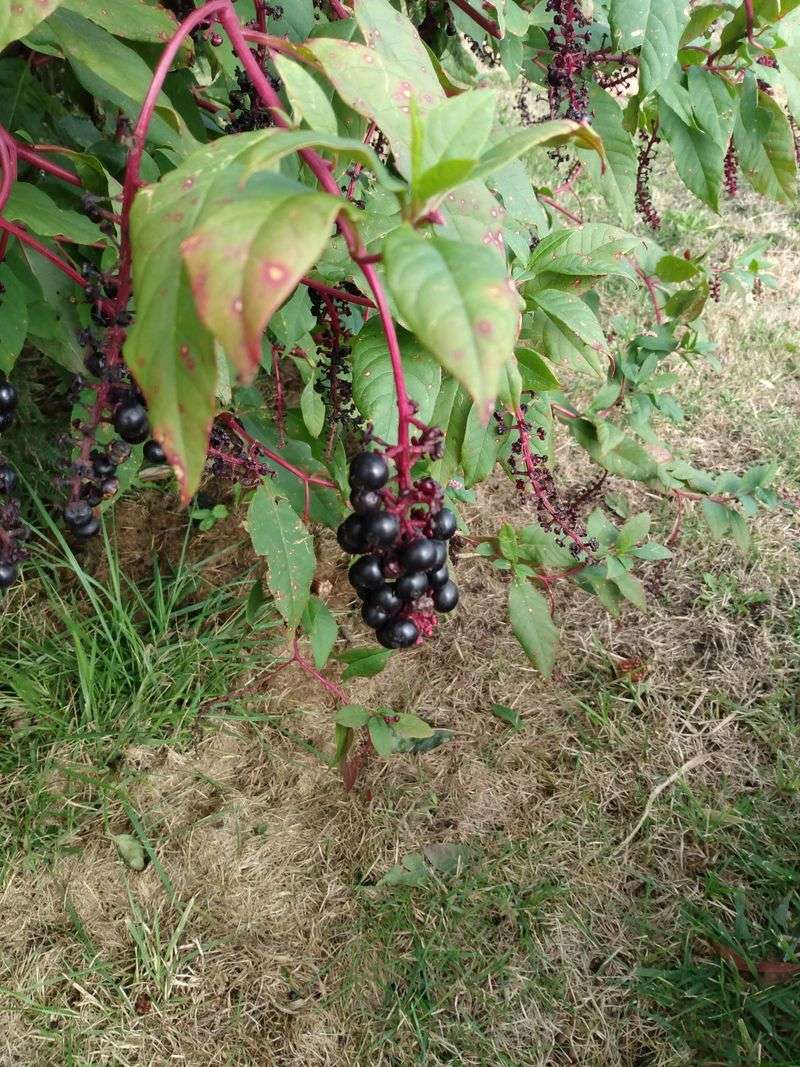
Few Missouri weeds put on a louder show in September than pokeweed does along fences and garden edges. Its stems glow hot magenta, and its dark berries hang like tiny bunches of grapes.
Scientists call this plant Phytolacca americana, and it grows wild across most of the eastern United States. A single plant can shoot up eight to ten feet tall in one summer.
Because it is native, pokeweed was growing here long before anyone planted lawns or built fences. Birds drop the seeds, so new plants often pop up in surprising spots overnight.
Here is a fun history bit that surprises many people. Early Americans crushed the berries to make purple ink, and some old letters were reportedly written with it.
Still, this colorful plant has a serious downside that every homeowner should know about. Nearly every part contains natural toxins that can make people and animals quite sick.
The leaves, stems, roots, and seeds all carry these compounds, though the amounts vary by part and age. Older, taller plants are generally much stronger than tender spring shoots.
Some folks in the South cook young leaves using special methods, but experts warn that mistakes happen easily. For most families, simply leaving it off the menu is the smartest move.
Admire those bright colors from a safe distance while you decide what to do next. Knowing both the beauty and the risk helps you make a wise choice for your yard.
Toxins Concentrated In The Taproot
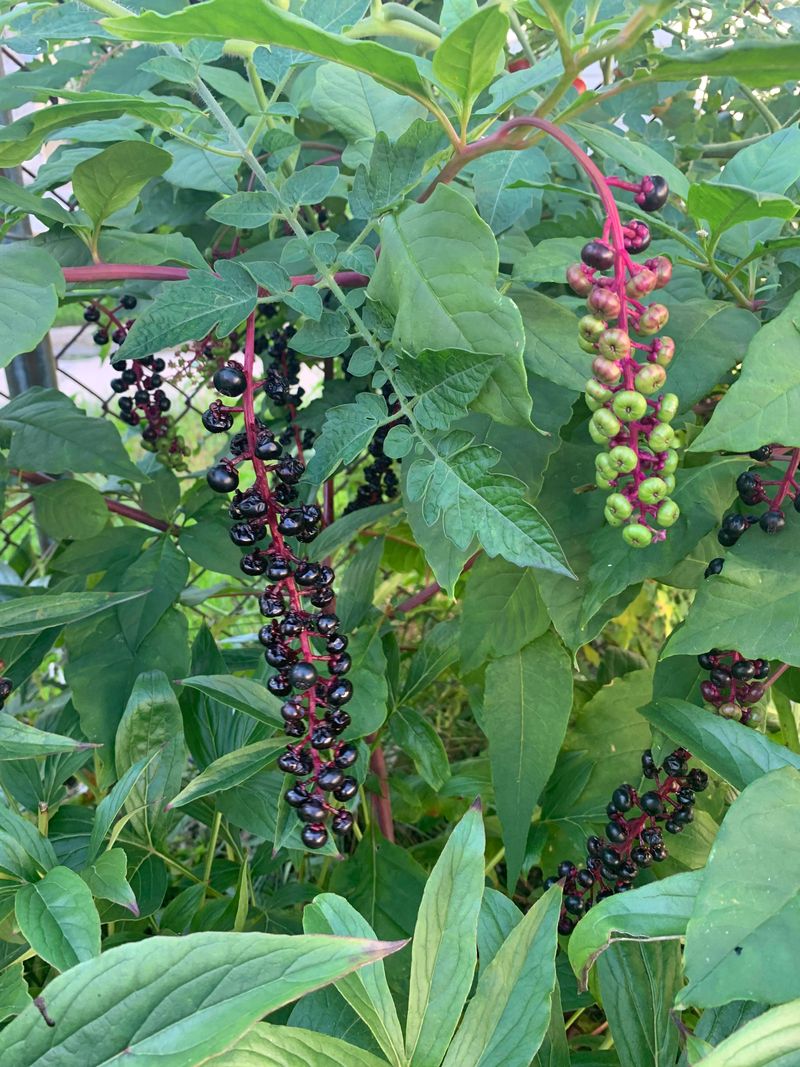
Picture a giant white carrot buried under your Missouri flower bed, and you are close to imagining a pokeweed root. Some older taproots grow as thick as a grown man’s arm.
That huge root is where the plant stores most of its poison. Triterpene saponins are packed most heavily inside that underground storage tank, alongside other toxic compounds found throughout the plant.
Why would a plant load its root with toxins? The root holds energy for next spring, so protecting it from hungry animals makes good survival sense.
Trouble comes when people mistake the root for something edible, like horseradish, parsnip, or wild ginseng. Poison control centers report cases like this every few years.
Your Missouri Garden Changes Every Week. Your Plan Should Too.
Gardening in Missouri changes quickly throughout the season. Every Friday you’ll receive a simple weekly plan showing exactly what to plant, prune, fertilize, harvest, and protect so you never miss the right timing.
Eating even a small piece can cause stomach cramps, heavy vomiting, and diarrhea within a few hours. Severe cases may affect breathing or heart rhythm and need emergency care.
The skin can react too, since sap from a cut root sometimes causes itching or a rash. Scientists also found a plant protein that can affect blood cells through broken skin.
So treat that root with the same respect you would give a sharp tool or cleaning chemical. Wear gloves, long sleeves, and eye protection whenever you dig near one.
Afterward, wash your hands and tools well, even if you wore gloves the whole time. Keep any root pieces away from the compost pile, kitchen, and places where pets roam.
A little caution goes a long way with this sneaky underground storehouse. Think of it as the plant’s secret vault, packed tight with protective toxins.
Risks For Curious Children Or Pets
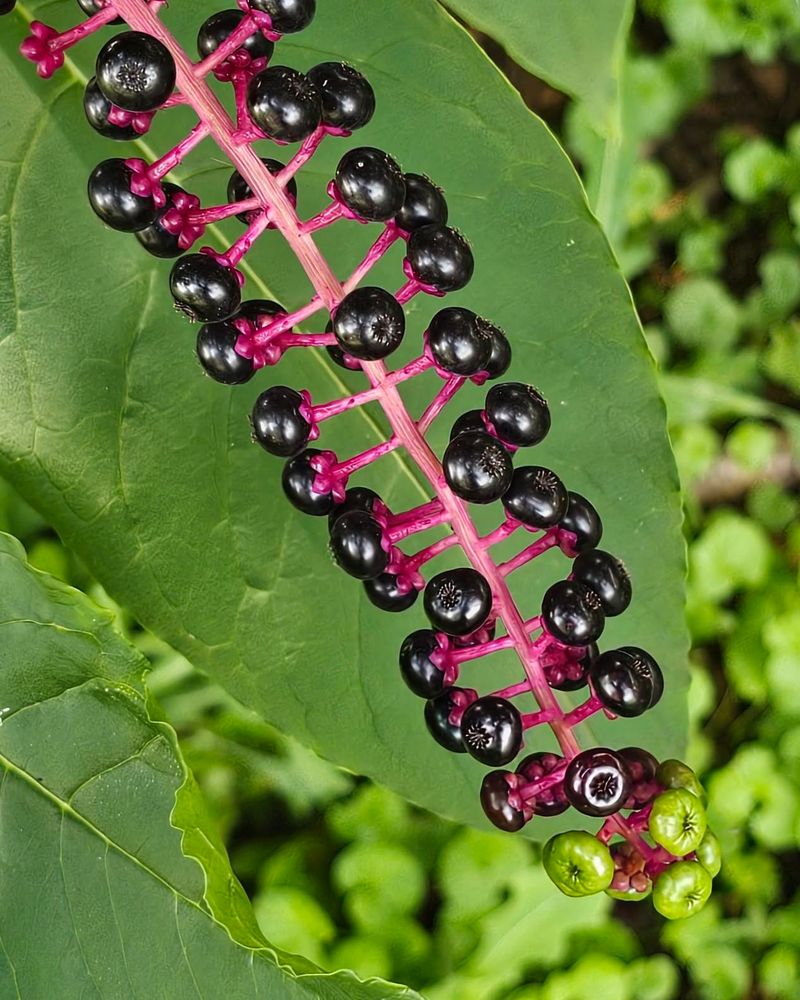
Missouri kids see shiny purple berries and think of grapes, blueberries, or maybe a fancy snack. That innocent curiosity is exactly why pokeweed deserves a spot on your yard safety checklist.
Most berry poisonings in children happen when a toddler grabs a handful during outdoor play. A few berries usually cause an upset stomach, but larger amounts can be much more serious.
Signs to watch for include vomiting, drooling, belly pain, and unusual sleepiness. If you suspect your child ate any part, call Poison Control at 1-800-222-1222 right away.
Dogs are another worry, especially young pups that chew on anything they find interesting. Chewing on the root or stems can lead to drooling, vomiting, and diarrhea.
Cats are less likely to snack on it, yet they sometimes nibble on leaves out of boredom. Horses, cows, and pigs can also get sick if the plant grows in their pasture.
Here is a practical tip that works well in September. Walk your yard once a week and snip off berry clusters before little hands or paws find them.
Teaching kids a simple rule helps too, such as only eating berries a grown-up has checked. Turn it into a game by letting them point out plants for you to identify.
Purple juice stains on fingers or mouths are a clue worth noticing. Stay calm, take a photo of the plant, and share it with your doctor or vet.
Quick action and a clear picture make it much easier for professionals to help. A little planning today can save you from a scary evening later this fall.
Birds That Feed On The Fruit Safely
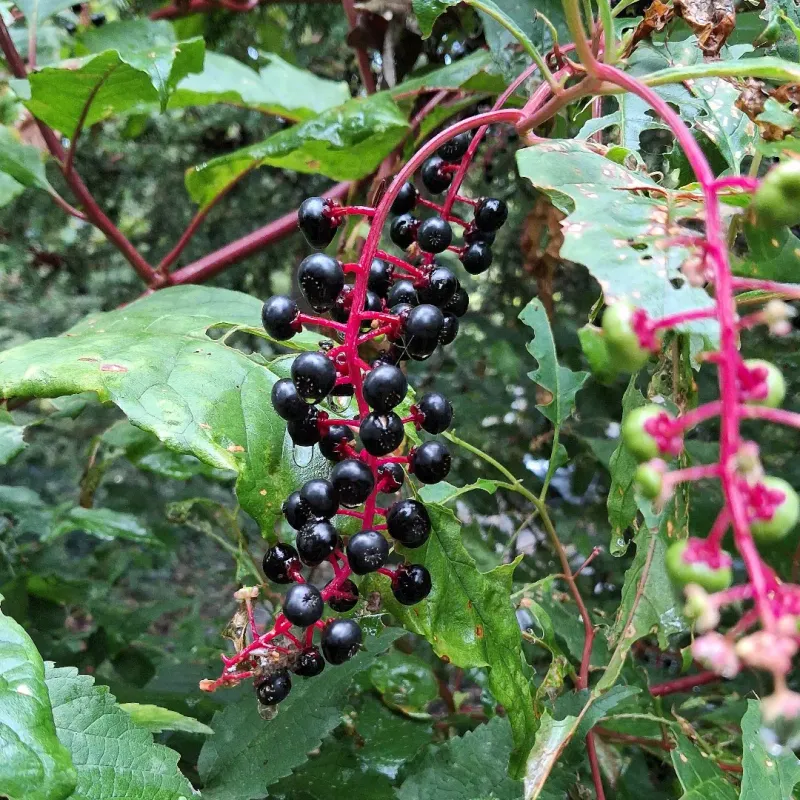
Step outside on a crisp September morning, and you might catch a catbird gulping pokeberries like candy. Somehow, the fruit that troubles people barely bothers many of our feathered neighbors.
Mockingbirds, robins, cedar waxwings, brown thrashers, and eastern bluebirds all enjoy the juicy berries. More than a dozen bird species across the state are known to feed on them.
Scientists think birds handle the toxins well because their digestion works so fast. The seeds pass through quickly, often with the tough coat still unharmed.
That speedy trip is great news for the plant, since birds spread seeds far and wide. It also explains why pokeweed shows up under fences, power lines, and favorite perches.
Migrating birds especially value this fruit because it arrives just as they fuel up for long journeys south. A single plant can feed a whole flock for several days.
You may notice purple splatters on your car or patio furniture during berry season. Blame the birds, since that bright juice comes out the other end looking about the same.
If you love birdwatching, consider leaving one plant in a far corner away from play areas. Just be ready to pull the extra seedlings that birds plant for you next spring.
Raccoons, opossums, and foxes sometimes eat the berries too without obvious harm. Still, do not assume your dog or cat can handle them the same way.
Wildlife and pets have very different bodies and very different limits. Enjoy the bird show, but keep your furry friends on the safe side of the fence.
Safe Removal Of The Deep Root
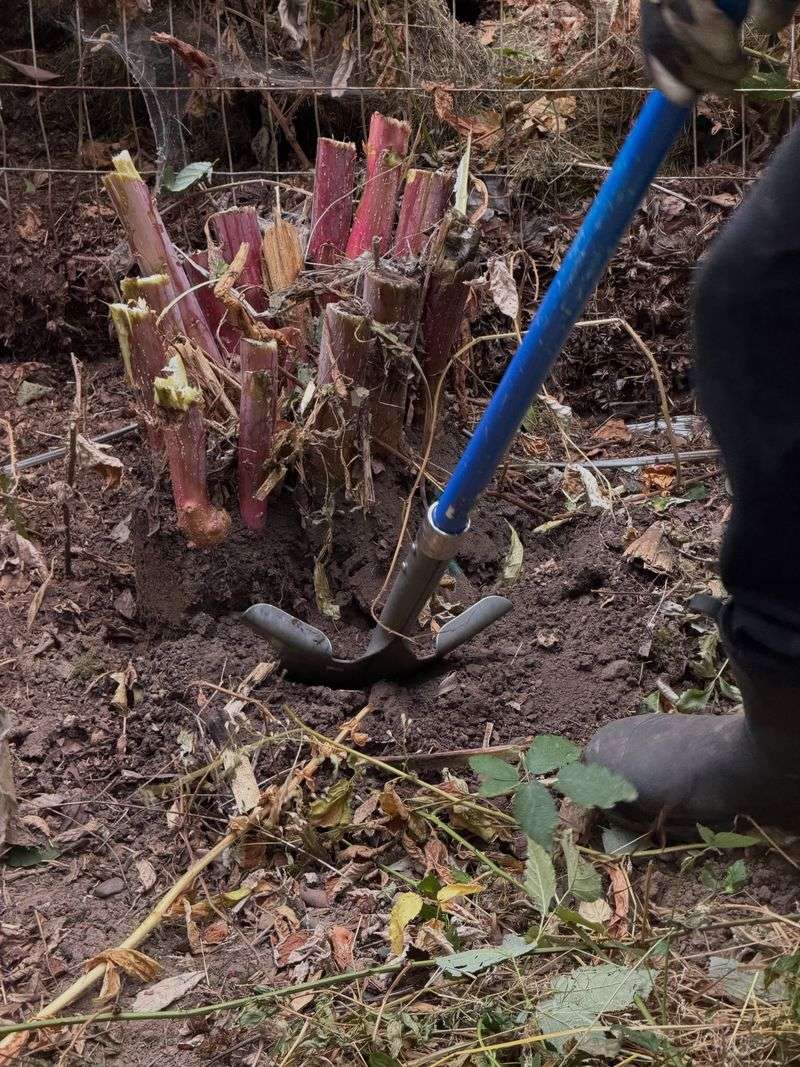
Pulling pokeweed from Missouri soil by its stem is a bit like trying to yank a fence post out with a shoelace. The top snaps off, and the stubborn root simply sprouts again next year.
Timing matters a lot with this plant. Young plants under a foot tall come out easily, especially after a soaking rain softens the soil.
For bigger plants, grab a sharp shovel or a long garden spade. Dig in a wide circle around the base, then work deep to loosen the thick taproot.
Try to remove as much of the root as possible, including the top few inches. Leftover chunks near the crown are the parts most likely to regrow.
Before digging in September, snip off every berry cluster and bag it first. This keeps ripe seeds from falling into the soil while you work.
Protect yourself with thick gloves, long sleeves, and safety glasses the whole time. Sap can irritate skin, and splashes near the eyes are no fun at all.
Bag the roots, stems, and berries in heavy trash bags instead of composting them. Home compost piles rarely get hot enough to break down the seeds and toxins.
If a root is too big to dig, cut the stem low and watch for new sprouts. Clipping those sprouts again and again will slowly drain the root’s stored energy.
Some people choose herbicides, but spot treatments should follow the label carefully. Hand digging is often the safest choice near vegetable gardens, pets, and kids.
Seeds That Stay Viable In Soil For Decades
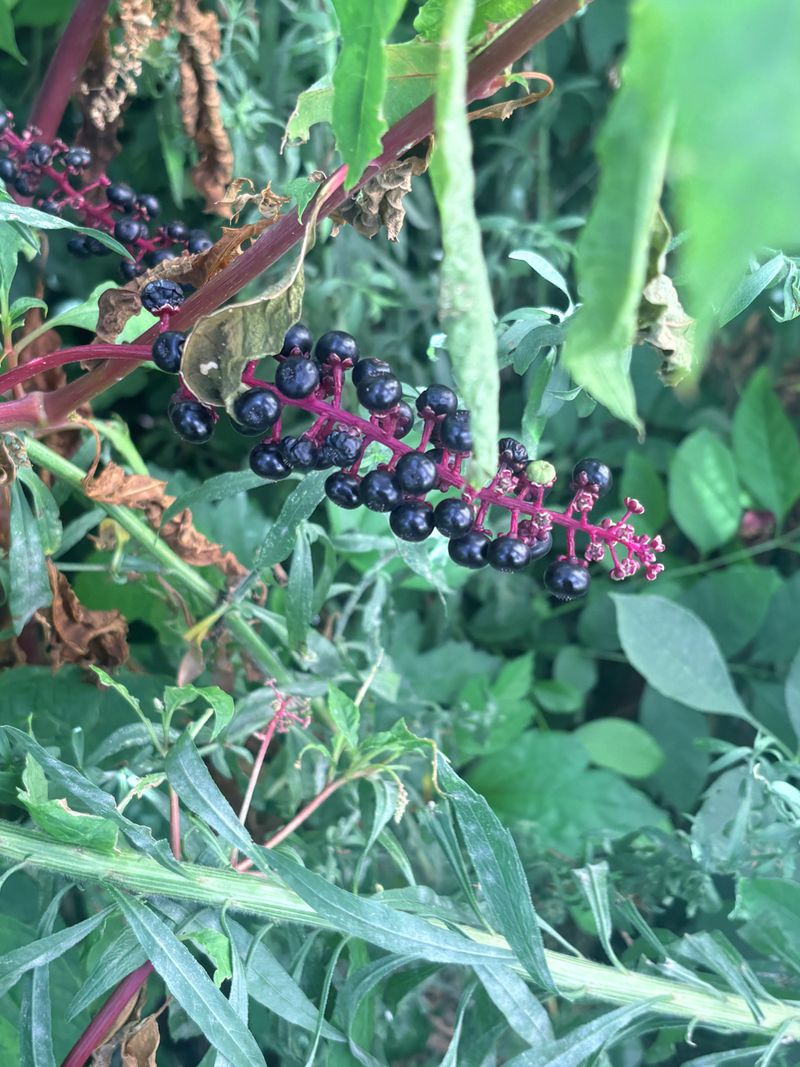
Pokeweed seeds can stay alive in soil for forty years or more. Some researchers believe they may last even longer under the right conditions.
Each plant can make thousands of berries, and every berry holds about ten small black seeds. That adds up to a huge seed bank hiding quietly under your yard.
The hard, shiny seed coat works like a tiny suit of armor. It shields the seed from moisture, cold winters, and hungry insects year after year.
Those seeds wait patiently until something disturbs the soil and lets sunlight reach them. Digging a new garden bed or removing a tree can wake up a surprise crop.
Many homeowners get frustrated when pokeweed returns after they cleared it years ago. Old seeds, not a failed removal job, are usually the real reason.
The best way to stay ahead of it is stopping new berries from ripening on your property. Cutting flower stalks in midsummer prevents a fresh batch of seeds from joining the bank.
Mulch helps too, since a thick layer blocks light from reaching the seeds below. Spread two to three inches of wood chips over bare spots after you dig.
Keep an eye out each spring for seedlings with smooth, oval leaves and reddish stems. Pulling them while tiny takes seconds and saves you hours of digging later.
Patience is your best tool in this long game. Over time, fewer seedlings will appear, and your yard will slowly win the battle.