The Nighttime Visitor Raiding Indiana Bird Feeders After Dark
A raccoon can open a latch with its front paws, and some have figured out spring-loaded feeder lids. That still amazes me. My empty feeder each morning suddenly made a lot more sense.
I used to blame the wind, or maybe a greedy flock of grackles. Truth is, the backyard gets busier after sunset than most of us realize here in Indiana. Several furry diners clock in once the porch light goes off.
Not going to lie, the clues felt like a detective show. Seed was scattered across the patio, a suet cage hung open, and muddy little prints dotted the deck rail. One morning the whole feeder sat upside down in the mulch.
Here’s what gets me most. One of these night visitors is tiny, rarely seen, and far more common than anyone on my street would guess. Who exactly, then, is eating your birdseed at midnight?
That Empty Bird Feeder Has a Story to Tell
Your feeder rarely empties itself overnight without a reason. Birds mostly go quiet after sunset, so seed that vanishes between dusk and dawn points to a mammal working the late shift.
The clues tell you a lot about who stopped by. A feeder lying on the ground, a bent hanger, or a lid pried open usually means something heavy and handy paid a visit. A neat pile of sunflower shells with the feeder still hanging suggests a smaller, nimbler guest.
Muddy prints on a deck rail are worth a close look. Tracks that look like tiny human hands often belong to a raccoon. Prints with a thumb-like toe on the back foot that points sideways often signal an opossum.
Droppings, chewed suet cages, and seed hulls scattered in a wide circle all add pieces to the puzzle. Even the time of year matters, since hungry wildlife roams more when natural food runs low or babies need feeding.
I started treating my feeder like a crime scene, and it paid off. A cheap trail camera aimed at the pole can settle the mystery in a night or two. Once you know the culprit, picking the right fix gets a whole lot easier.
Raccoons With Clever Paws Top the Suspect List
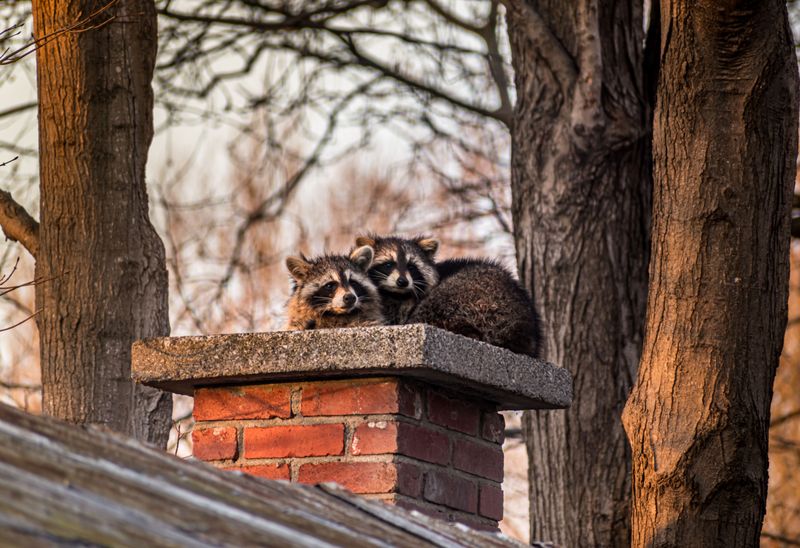
Ask most Indiana wildlife folks about a trashed feeder, and the raccoon gets named first. These masked mammals live in every county of the state, from cornfield edges to downtown neighborhoods.
Their front paws are the secret weapon. Raccoons have sensitive, finger-like toes packed with nerve endings, which let them twist lids, pull hooks, and hug a pole while climbing. A flimsy latch is more of a suggestion than a lock.
Raccoons are omnivores, so sunflower seed, suet, peanuts, and even sweet nectar all look like dinner. They also have a strong sense of smell that leads them right to your yard. Once they find an easy meal, they come back night after night.
Spring and summer often bring the heaviest raids. Mother raccoons need extra calories while raising young, and you may spot a whole family lined up under the feeder.
Fair warning, these guests can carry diseases like raccoon roundworm, so avoid handling droppings with bare hands. Use gloves and a shovel when cleaning up.
The Indiana DNR also advises against feeding raccoons on purpose. A yard that feels like a buffet can make them bolder around homes, pets, and garbage cans.
Bringing Feeders Inside at Dusk Stops Most Night Raids
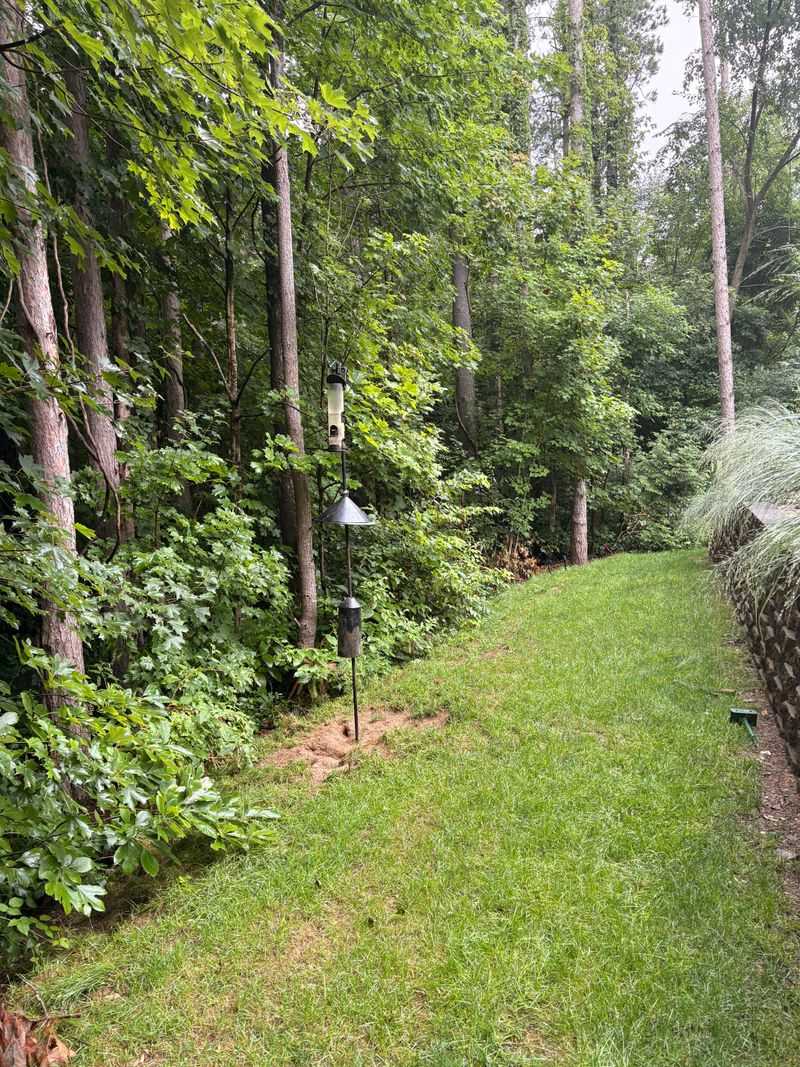
Trust me on this one, the simplest fix is also the strongest. Take your feeders inside at dusk and hang them back up at sunrise.
Raccoons, opossums, and flying squirrels do most of their eating after dark. Pull the food away during those hours, and there is nothing left to raid. Your birds lose almost nothing, since most songbirds feed heavily in the morning and late afternoon.
I keep a hook by the back door, which makes the nightly swap take about thirty seconds. A small bin with a tight lid works well if you have several feeders or suet cakes.
Wildlife biologists often suggest this step for another reason too. Black bears are only rare wanderers in Indiana, but raccoons that learn your schedule can become pushy. Taking food in breaks that habit fast.
Give it a week or two before judging the results. Animals often check back a few times before they decide your yard is no longer worth the trip.
If bringing feeders in feels like a chore, try offering only as much seed as birds can finish by evening. An empty feeder at sunset sends the same message without the extra walking.
Spilled Seed Under the Feeder Invites Opossums and Mice
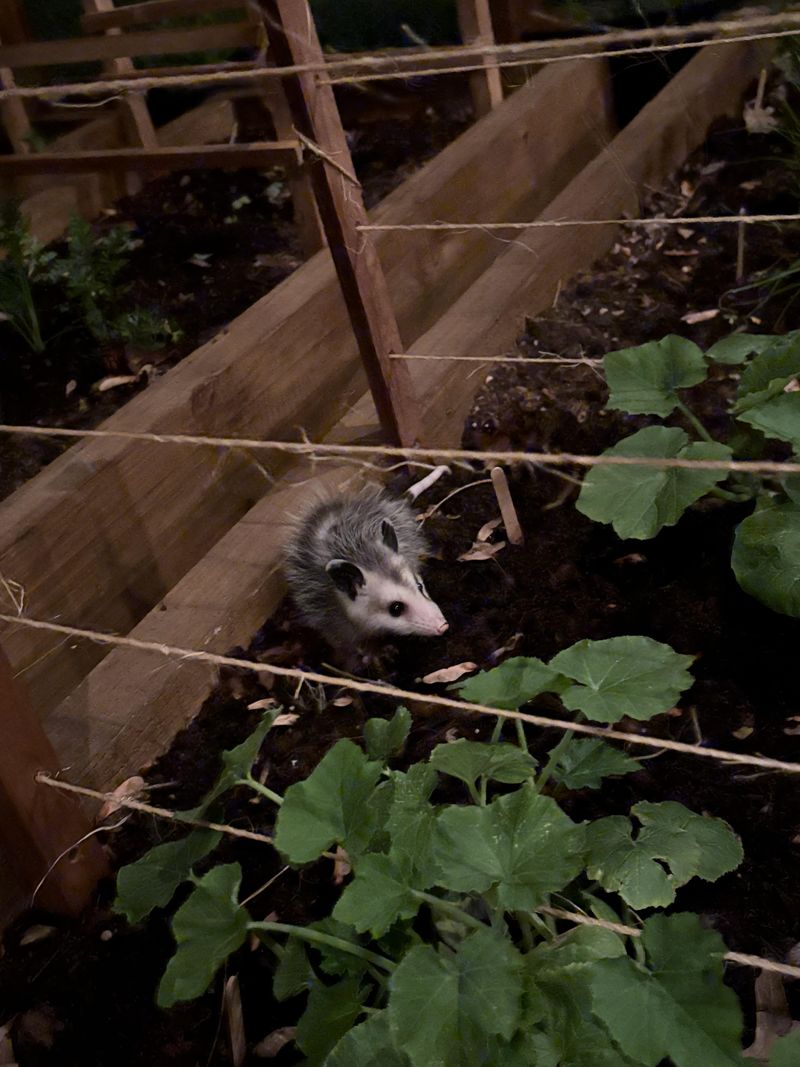
Guilty as charged, I used to let seed pile up under my feeders for weeks. That messy little carpet turned out to be an open invitation.
Virginia opossums are the usual night shoppers at ground level. They can climb, but they would much rather stroll up and eat what the birds dropped. Spilled seed also attracts mice, rats, and skunks, which brings its own set of headaches.
Opossums are the only marsupial found north of Mexico, and they carry their young in a pouch. They eat seeds, fruit, insects, and even ticks, so they are useful neighbors. The goal is simply to stop feeding them by accident.
A daily sweep or rake under the feeder makes a big difference. A seed tray attached below the feeder catches a lot of the mess before it hits the ground.
Switching seed types helps too. Hulled sunflower hearts and no-waste blends leave fewer shells and less dropped food, since birds eat nearly all of it.
While you are tidying up, check other easy meals around the house. Pet food on the porch and loose trash lids draw night visitors as quickly as birdseed does, so close those doors as well.
Southern Flying Squirrels Might Be Your Tiny Midnight Thief
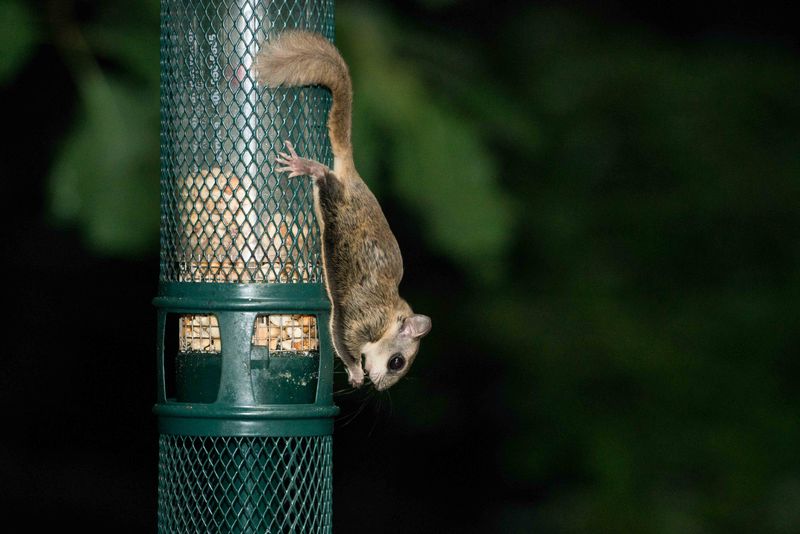
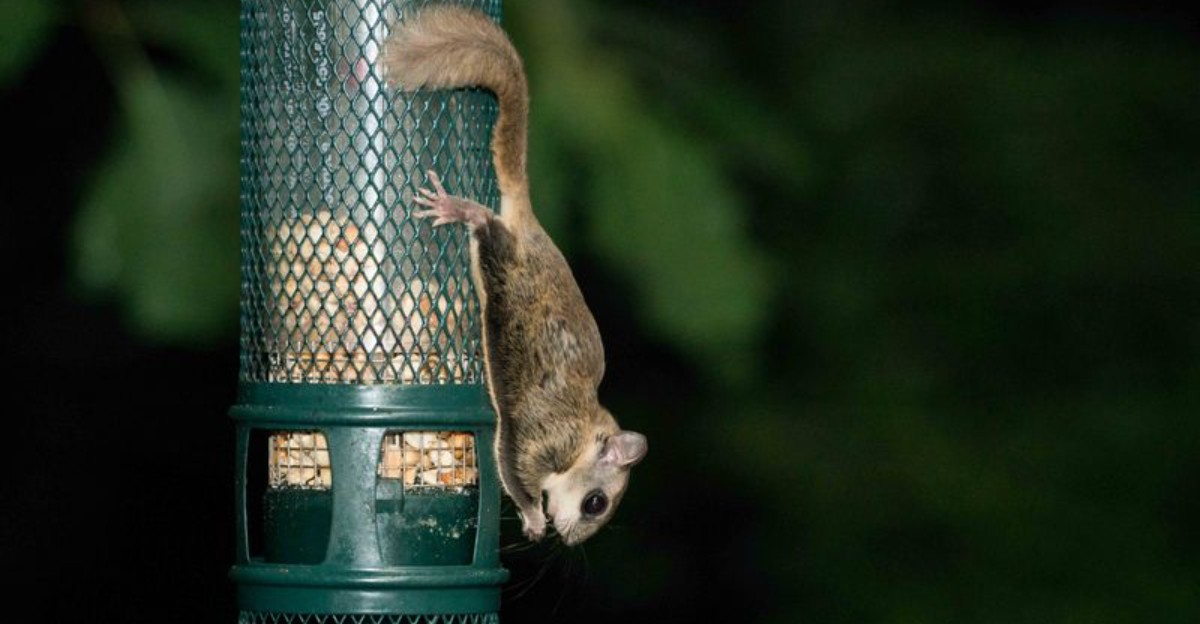
I didn’t see this one coming. The sneakiest feeder visitor in many Indiana yards weighs about as much as a dozen quarters.
Southern flying squirrels live across the state, especially near mature hardwood trees. They are strictly nocturnal, so most people go years without spotting one. Their huge dark eyes help them see in very low light.
Despite the name, they do not truly fly. A furry flap of skin stretches between their wrists and ankles, letting them glide from tree to tree. Their flat tail works like a rudder for steering and braking.
Sunflower seeds and suet are favorites, and they often show up shortly after dark or before dawn. Several may arrive together, since they are surprisingly social and sometimes share nest cavities in winter.
Want to catch a glimpse? Try a dim red flashlight, which bothers many night animals less than a white beam. A trail camera works even better.
Honestly, many bird lovers decide these little gliders are a treat rather than a problem. If you want to keep them away, the same tactics that work for raccoons, like bringing feeders in at night, solve this visitor too.
A Wide Baffle on Your Feeder Pole Changes Everything
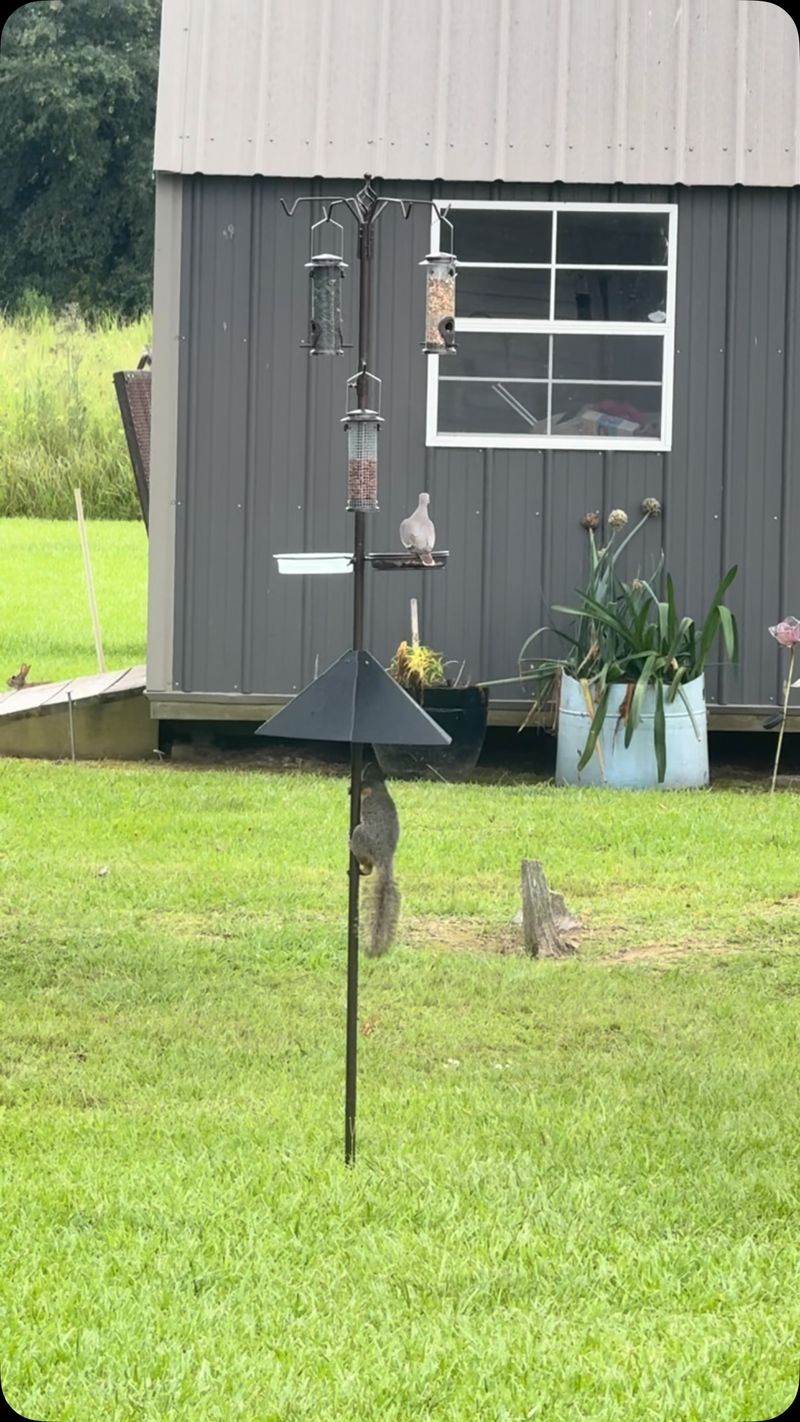
Raccoons are strong climbers, but a well-placed baffle can turn your feeder pole into a dead end for them. Okay, a frustrating end at least.
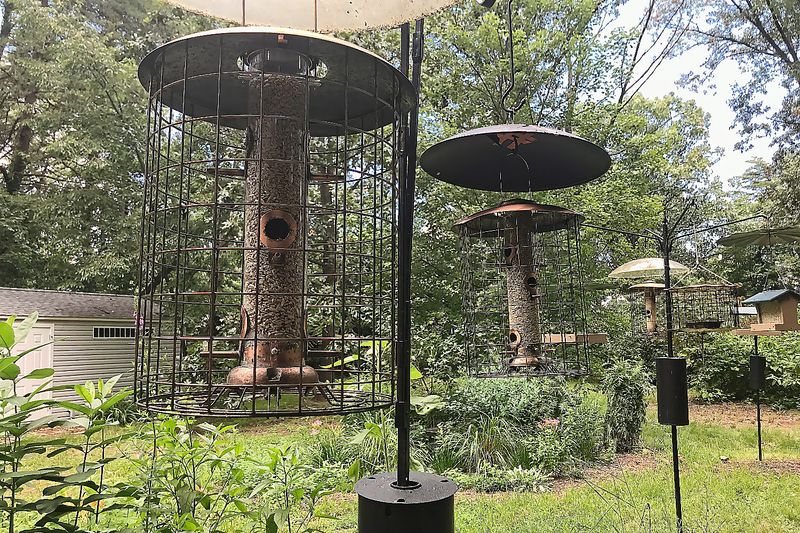
Look for a large stovepipe or torpedo-style baffle made for raccoons. These are longer and wider than basic squirrel cones, which a raccoon can often reach around. Mount it so the bottom edge sits about four to five feet above the ground.
Placement matters just as much as the hardware. Set the pole at least ten feet from trees, fences, decks, and roofs. Raccoons and squirrels happily jump or drop down from nearby perches and skip the pole entirely.
Hanging feeders from tree branches is the toughest setup to defend. Pole systems in open lawn give you far more control.
Weight-activated feeders are another smart option. A heavy animal pushes a perch or shroud down, closing the seed ports, while small birds keep eating.
Caged feeders with small openings can block larger mammals, though flying squirrels may still slip through. Combine a baffle, good spacing, and a sturdy feeder, and most overnight raiders give up and move on to an easier target.
Hot Pepper Birdseed Sends Furry Raiders Packing

Talk about a clever trick from nature. Birds and mammals experience chili peppers in very different ways.
Capsaicin is the compound that gives hot peppers their burn. Mammals like raccoons, opossums, and squirrels have receptors that react strongly to it. Birds have a different version of that receptor, so they eat spicy seed without noticing the heat.
You can buy seed and suet already treated with hot pepper. Pre-made blends are the easiest choice because the pepper sticks evenly to every seed. Loose powder sprinkled on top tends to fall off or blow away.
Wear gloves when you refill, and avoid touching your eyes afterward. That burn works on you too, trust me.
Results vary from yard to yard. Some hungry raccoons keep eating anyway, especially when other food is scarce. Pepper works best as one layer in a bigger plan, not a single solution.
Cardinals, chickadees, finches, and woodpeckers all accept treated seed readily. In my yard, the birds never even blinked when I switched over. The squirrels, on the other hand, sat on the fence looking deeply offended.
A Few Nightly Habits Keep Your Backyard Birds Fed
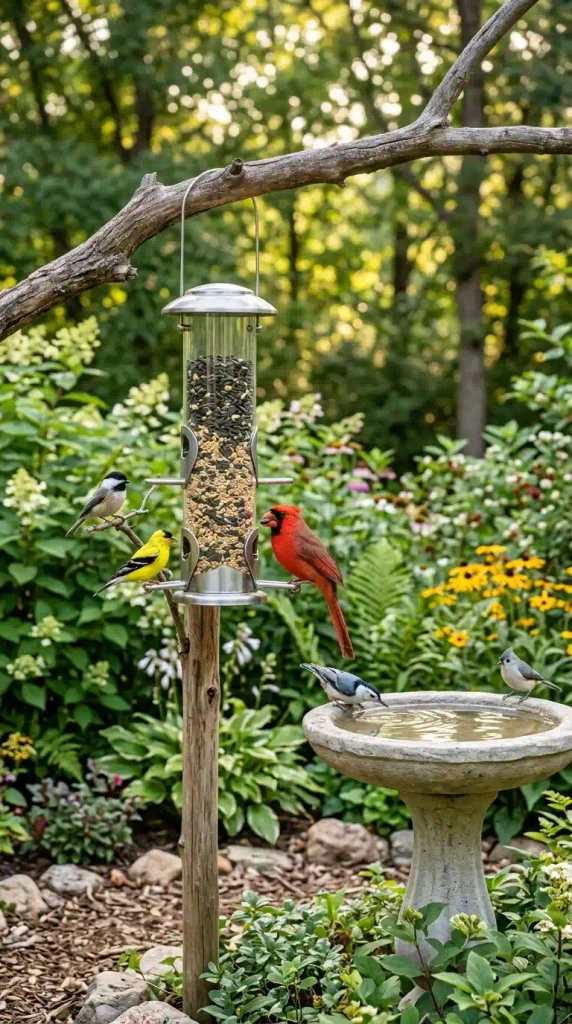
Every fall, I set up my feeders with a simple routine, and the midnight drama mostly faded away. A few steady habits beat any single fancy gadget.
Start with what you learned from your clues or trail camera. A raccoon problem calls for baffles and nightly removal. A flying squirrel guest might just be a fun visitor you choose to welcome.
Keep the ground clean, offer low-mess seed, and fill feeders with just enough for the day. Secure trash cans, compost bins, and pet food so your yard stops feeling like a late-night diner.
Clean feeders every couple of weeks with hot soapy water or a mild bleach rinse. Healthy birds and fewer spills go hand in hand.
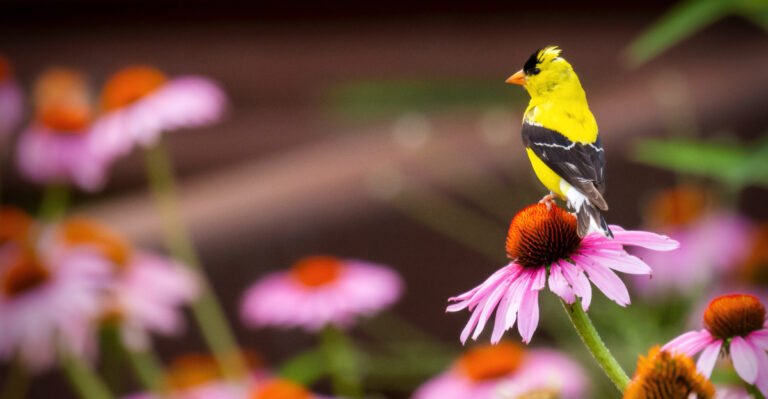
Native plants add another layer of support. Coneflowers, black-eyed Susans, and native oaks and serviceberries feed birds with seeds, berries, and insects, even when feeders are empty.
Wildlife that keeps causing trouble may need help from a licensed Indiana nuisance wildlife control operator. Relocating raccoons yourself is restricted under state rules. With patience and a smart setup, your birdseed ends up where it belongs, in the beaks of your favorite backyard birds.