Does An Early Dusting Of Snow Hurt New York Plants Or Help Them?
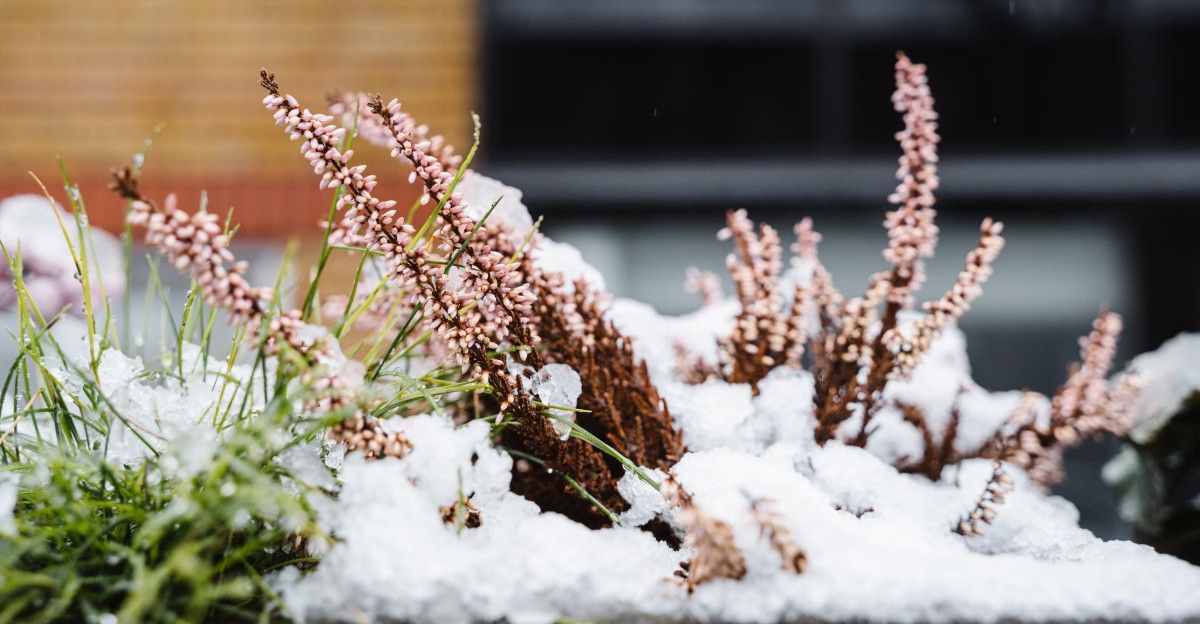
Fresh snow can be up to 90 percent trapped air. That fluffy stuff works more like a quilt than an ice pack.
I used to groan at the first flakes of the season in New York. My mums were still blooming, and my kale looked shocked. A little research changed my mood fast.
You might notice the snow melts first on your driveway and lingers in the flower beds. Soil holds heat, and a white layer helps keep it there. Across New York gardens, roots below often stay far warmer than the air above.
Still, a light dusting is not the same as a heavy, wet October dump. Branches, leaves, and tender late growth react very differently. Some plants welcome the blanket. Others need your help, and fast.
That First Thin Layer of Snow on Garden Beds Is Doing Quiet Work
My first reaction to early snow used to be panic. Then I learned what that white layer actually does for the ground beneath it.
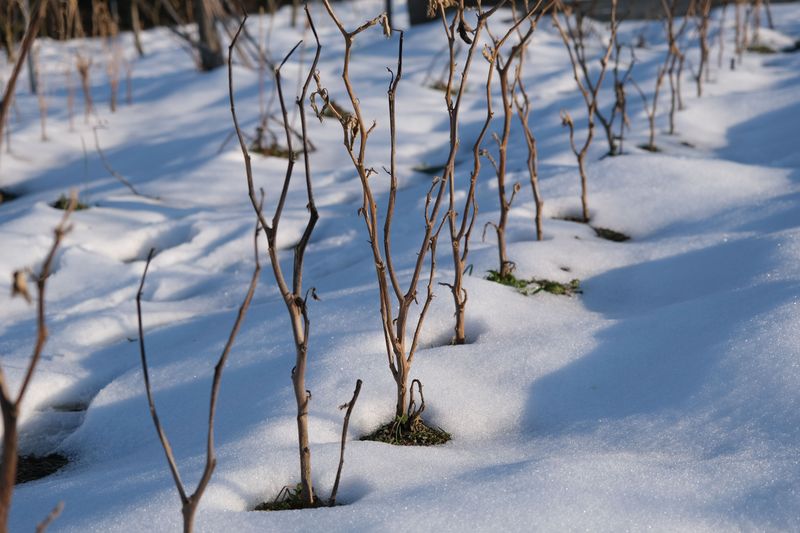
Snow is mostly air trapped between ice crystals. That air slows heat loss from the soil, so roots, bulbs, and crowns stay steadier than the freezing air above.
Cornell and other northeastern extension experts describe snow cover as one of the best natural insulators a garden can get.
A light dusting of an inch or less offers only a small amount of protection. Still, it rarely causes harm on its own.
Most perennials, shrubs, and trees in New York are already slowing down for winter by the time flakes fly. So the short answer is simple. An early dusting mostly helps or does nothing at all.
Real trouble usually comes from heavy wet snow, a hard freeze right after warm weather, or tender plants that were never meant to handle cold.
Your garlic bed, tulip bulbs, and native perennials are likely just fine. Hardy kale and Brussels sprouts often taste sweeter after cold weather, too. The rest of this list covers when to relax and when to grab a broom.
Snow Cover Shields Roots From the Freeze-Thaw Rollercoaster
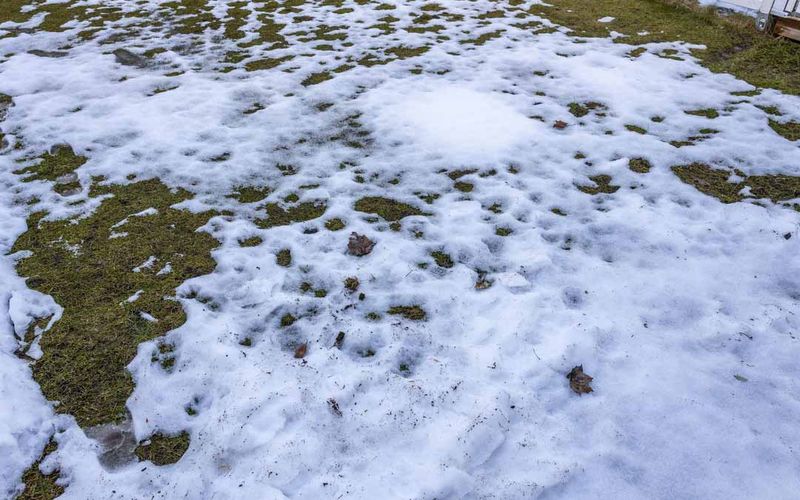
Bare soil in late fall goes through a wild ride. It freezes at night, thaws by afternoon, and repeats the cycle over and over.
Each freeze makes water in the soil expand. That movement can push shallow-rooted plants right out of the ground, a problem called frost heaving. Newly planted perennials, strawberries, and fall-planted mums are especially prone to it.
A layer of snow softens those swings. The ground under it stays warmer and steadier, which is exactly what dormant roots prefer.
Researchers studying northern forests have found that thin or missing snow cover can lead to more root injury than deep, lasting snow.
An early dusting may melt within a day, so its shielding effect is brief. That is why mulch matters so much in New York gardens.
Once the ground starts to freeze, spread two to four inches of shredded leaves or straw around perennials and fall plantings.
Think of mulch as backup insulation for weeks with no snow at all. Walk the beds after a thaw, too.
If you spot crowns lifted above the soil, gently press them back down with your hands rather than your boots.
Melting Snowflakes Give Thirsty Shrubs a Slow Drink
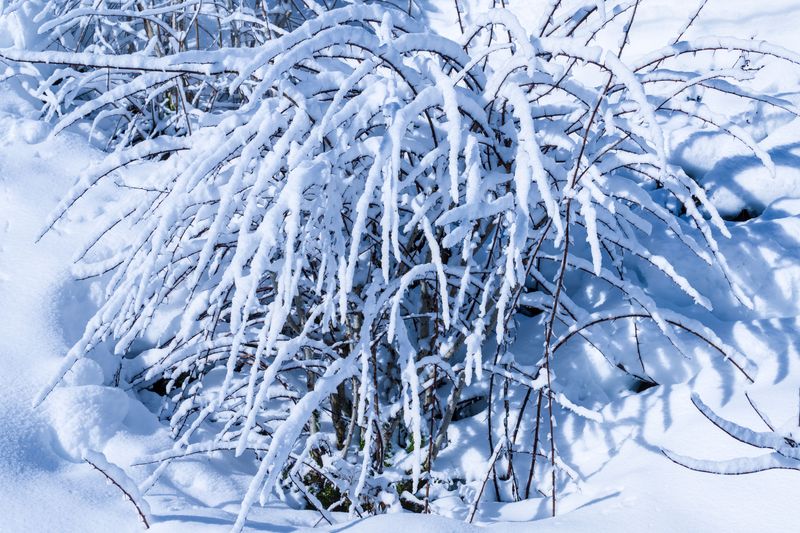
Here is a fun one from my own yard. After a dry October, the beds under my arborvitae were powdery dust until a light snow melted over two quiet days.
Melting snow releases water slowly. Instead of rushing off like a summer downpour, it seeps into the soil where roots can reach it. Evergreens benefit most because their needles keep losing moisture all winter long.
A dusting only adds a little water, though. Ten inches of fluffy snow often equals about one inch of rain, so a half-inch coating barely counts. It helps, but it will not fix a drought on its own.
Fall watering still matters in New York. Give evergreens, new trees, and recently planted shrubs a deep soak before the ground freezes solid.
Well-watered plants are much better at resisting winter burn, those brown needle tips you see in March.
If the soil is not frozen and the weather turns dry again, it is fine to water on a mild day. Just aim for midday so the moisture soaks in before nighttime temperatures drop. Your yews and rhododendrons will thank you come spring.
Heavy Wet Snow on Leafy Tree Branches Spells Trouble
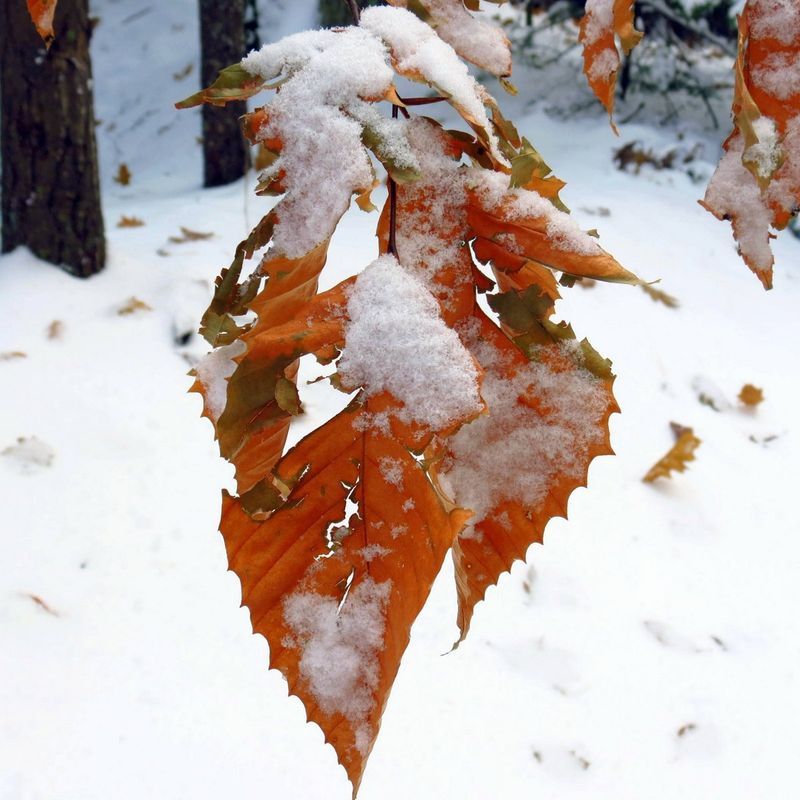
October 2006 still makes Buffalo residents wince. A surprise lake-effect storm dumped heavy snow on trees still holding their leaves, and limbs snapped all over the city.
Leaves are the real problem in early storms. Each one catches snow, multiplying the weight on every branch.
Maples, ornamental pears, and birches often take the worst of it when leaves cling late into fall.
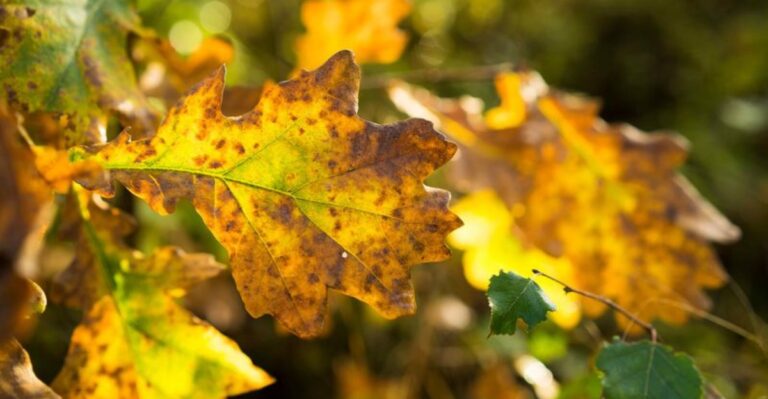
A light dusting rarely causes this kind of harm. The danger rises when snow is wet, heavy, and several inches deep. Watch the forecast closely if leaves are still green or golden on your trees.
After a storm, take a slow walk around your yard. Look for cracked limbs, split trunks, or branches hanging over your house, driveway, or power lines.
Never try to remove limbs near electrical wires yourself; call your utility company or a certified arborist instead.
Smaller broken branches can be pruned cleanly back to a healthy joint once conditions are safe. Ragged tears heal poorly and invite decay.
Healthy pruning in late winter can also help reduce weak, crowded branches before the next big snow arrives.
Brushing Snow Off Arborvitae the Right Way Saves Their Shape
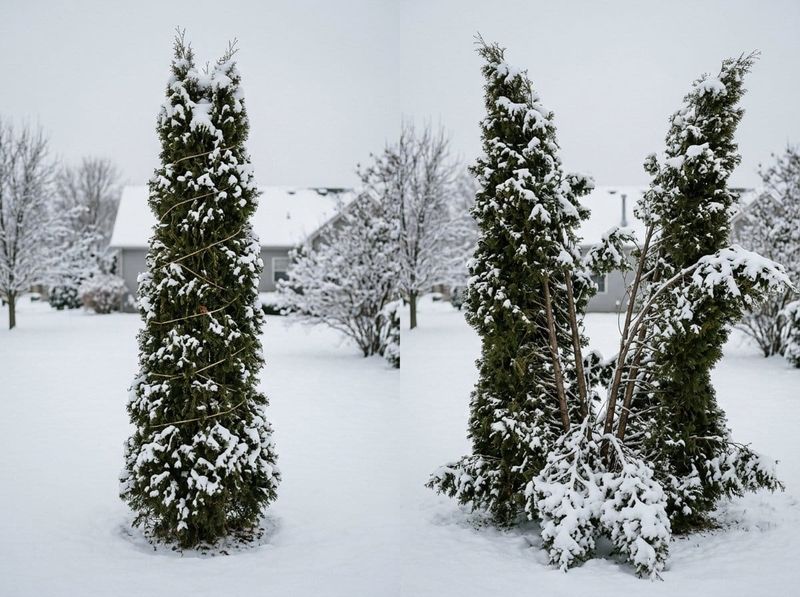
Grab a broom, not a shovel. That simple swap has saved more of my evergreens than any fancy product ever has.
Upright shrubs like arborvitae and junipers can splay open when snow piles into their centers. Once branches bend too far, they may not spring back. A quick sweep keeps them standing tall.
Use gentle upward strokes from below, lifting snow off the branches rather than pressing down. Start while the snow is fresh and fluffy. Work from the bottom up so falling snow does not pile onto lower limbs.
Ice is a different story. If branches are coated in a glaze, leave them alone and let the ice melt naturally. Frozen wood is brittle, and shaking it can cause snapping and cracking.
For future winters, try loosely wrapping tall, multi-stemmed shrubs with soft twine or burlap strips in late fall. That light support keeps stems together under weight.
Remove the ties in spring so they do not rub or girdle the bark. Boxwoods, hollies, and young conifers benefit from the same gentle care. A few minutes after each storm keeps them looking neat all year.
Tender Annuals and Tomato Plants Feel the Cold First
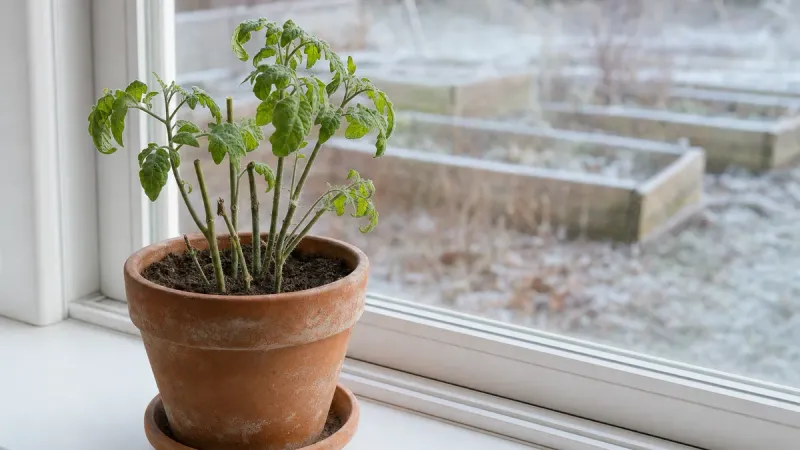
Not every plant shrugs off a cold blast. My basil learned that lesson the hard way one late October morning.
Snow itself is not the main issue for tender plants. The freezing temperatures that come with it are.
Tomatoes, peppers, basil, impatiens, and dahlias turn black and mushy after a hard frost, usually below 28 degrees.
Leafy greens are tougher than they look. Kale, collards, spinach, and parsnips handle frost well, and many get sweeter as plants convert starches to sugars. A light dusting on these crops is mostly harmless.
Planning helps a lot. In much of New York, the average first frost falls from late September in the Adirondacks to as late as November around New York City and Long Island. Check your local date through Cornell Cooperative Extension.
When an early snow is forecast, harvest tender crops first. Lift dahlia tubers and canna rhizomes after frost blackens the foliage, then store them somewhere cool and dry.
Cover cold-hardy greens with floating row cover for a few extra weeks of harvest. Potted tropical plants belong indoors before the first flakes. Bring them in early and check for hitchhiking insects.
Voles and Rabbits Love Hiding Under a Snowy Blanket
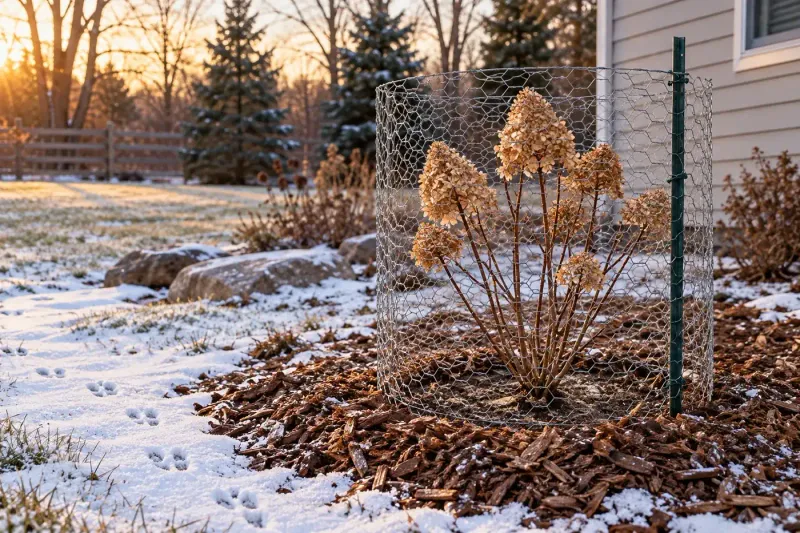
Snow has a sneaky downside. The same layer that protects roots also gives voles a cozy hallway to travel unseen.
Voles are small, chubby rodents that tunnel beneath snow all winter. They chew bark at the base of young fruit trees, shrubs, and perennials, and you may not notice until spring melt reveals winding trails across the lawn.
Rabbits nibble higher, reaching stems that poke above the snowline. Bark chewed all the way around a trunk, called girdling, can seriously harm a young tree. Cornell experts suggest protecting trunks before snow settles in for the season.
Wrap young trees with hardware cloth cylinders about a quarter-inch mesh. Sink the bottom a couple of inches into the soil and make the top at least 18 to 24 inches high.
In deep-snow areas like the Tug Hill region, go taller since rabbits stand on snowbanks. Pull mulch a few inches back from trunks, too. Thick mulch against bark makes a perfect vole home.
Keeping grass trimmed short near garden beds in late fall also gives these little chewers fewer places to hide.
Keep Road Salt Away From Snowy Flower Beds and Lawn Edges
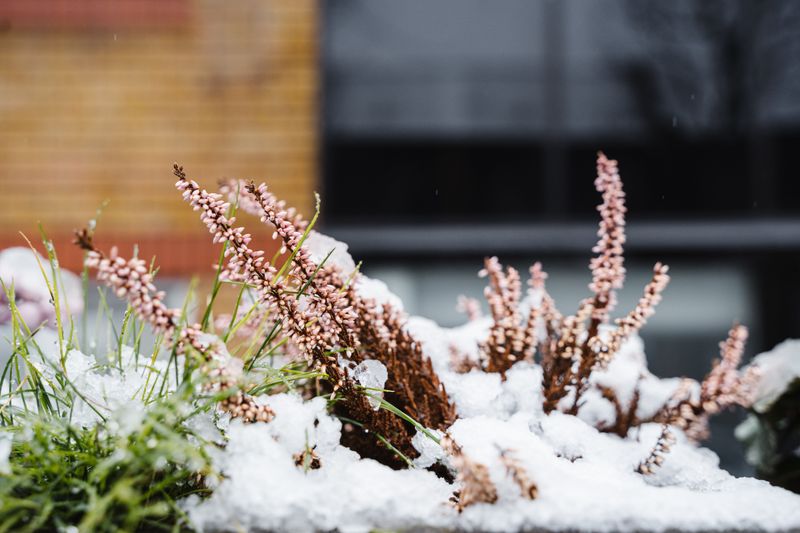
Early snow brings out the salt spreaders fast. Plants near driveways and sidewalks often pay the price months later.
Sodium chloride, common rock salt, pulls moisture away from roots and builds up in soil. Splash from plows can also coat evergreen needles, causing browning on the side facing the road.
Boxwoods, white pines, and lawn edges near walkways often show the worst damage by spring. Try a few gentler habits this winter. Shovel early so less ice forms.
Use sand, unscented kitty litter, or calcium magnesium acetate for traction near garden beds.
Avoid piling salty snow from the driveway onto your shrubs or perennials. Choose a spot on the lawn or away from roots instead. Burlap screens can also block road spray for roadside evergreens.
When spring arrives, give salt-exposed beds a deep, thorough watering to flush the soil. Repeat a few times if the area took heavy exposure.
For tough roadside spots, consider salt-tolerant natives like bayberry or switchgrass. One more tip worth remembering: stay off snowy beds when you can. Foot traffic packs wet soil and squeezes out the air roots need.