The Fall-Color Tree North Texas Gardeners Plant Before Halloween
Anyone who has survived a North Texas summer knows the feeling of stepping outside and instantly regretting it. Then one October morning, something magical happens.
The air turns crisp, it smells faintly of rain and pumpkin bread, and suddenly gardening sounds fun again. That is exactly when savvy gardeners start eyeing their shovels.
They are in on a little secret about one native tree that can turn an ordinary yard into a glowing postcard of red and russet every fall.
This tree handles heavy clay without complaint, holds its own through brutal August heat, grows faster than most oaks, and can stick around for generations.
The best part? Its ideal planting window lands right before trick-or-treaters hit the sidewalks.
Let us meet this neighborhood showstopper and get it in the ground the right way.
1. Meet The Texas Native Called Shumard Oak
Some trees just look like they belong, and the Shumard oak is one of them. Its full name is Quercus shumardii, and it grows wild along creeks across North Texas.
The tree was named after Benjamin Shumard, a geologist who worked in the state in the 1800s. Fun fact, he studied rocks more than plants, yet his name now lives on in one of our showiest shade trees.
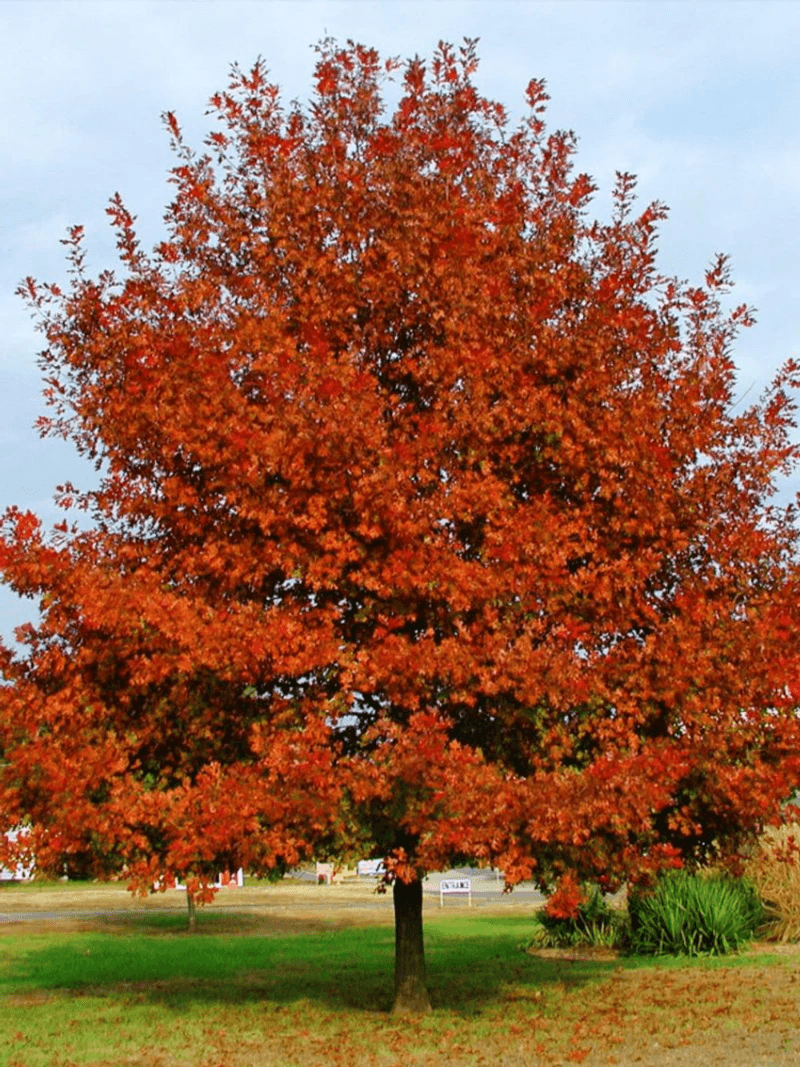
Shumard oaks belong to the red oak group. You can spot them by their deep, pointy lobes with tiny bristles on the tips, almost like little cat whiskers.
In the wild, these trees can reach 60 to 90 feet tall. In a home yard, most top out around 50 feet with a wide, rounded crown that throws cool shade.
Because they are native, they already know how to handle our weather swings. Ice storms, hot winds, and surprise cold snaps are just part of normal life for them.
Local birds, squirrels, and insects depend on them too. A single mature oak can support hundreds of kinds of caterpillars, which feed baby songbirds each spring.
So when you plant one, you are not just adding a pretty tree. You are bringing back a piece of the original landscape that once lined the rivers and prairies here.
That kind of history makes every red leaf in November feel a little more special.
2. Why Gardeners Plant In October
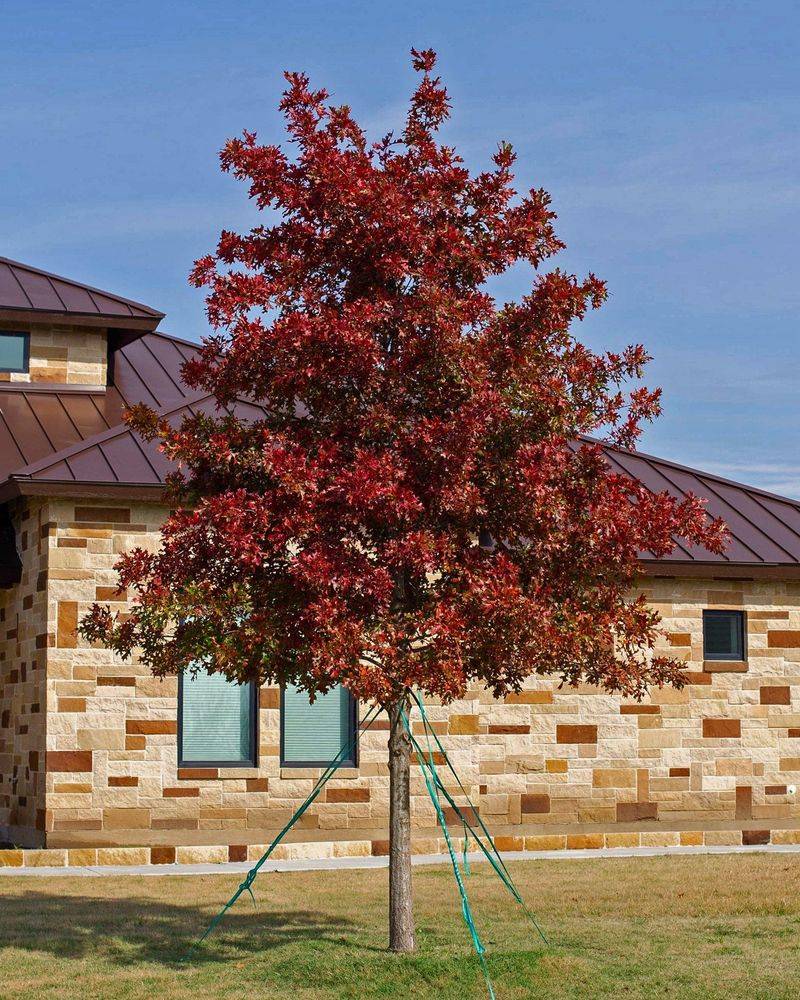
Ask any old-timer at a Dallas garden center, and you will hear the same advice. Fall is for planting, especially when it comes to trees.
Here is why that works so well. In October, the air cools down, but the soil stays warm for weeks.
Warm soil helps roots stretch out while the leaves above take it easy.
A tree planted in spring has a rough first year. It has to grow roots and battle a blazing North Texas summer at the same time, which is a lot to ask of a youngster.
A fall-planted oak gets about six or seven months to settle in before the heat arrives. By June, it has a stronger root system ready to pull water from deeper soil.
Your Texas Garden Changes Every Week. Your Plan Should Too.
Gardening in Texas changes quickly throughout the season. Every Friday you’ll receive a simple weekly plan showing exactly what to plant, prune, fertilize, harvest, and protect so you never miss the right timing.
Winter rains also help. Most of our gentle soaking rain shows up between October and May, so nature does some of the watering for you.
Aiming for the weeks before Halloween gives you the sweet spot. The worst heat is gone, but hard freezes are still a ways off.
Many local nurseries also run fall tree sales around this time. You might score a healthy Shumard oak for less money than you would pay in April.
Think of it like giving your tree a head start in a long race. Those extra months underground make a huge difference later on.
3. The Fiery Fall Show Neighbors Notice
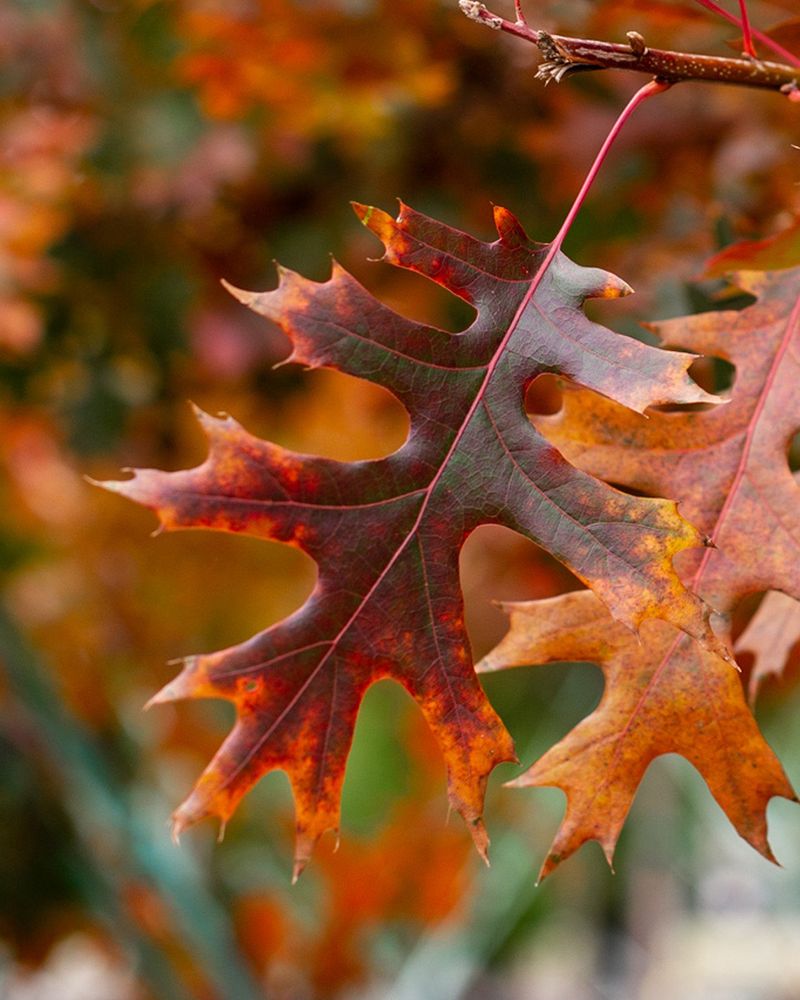
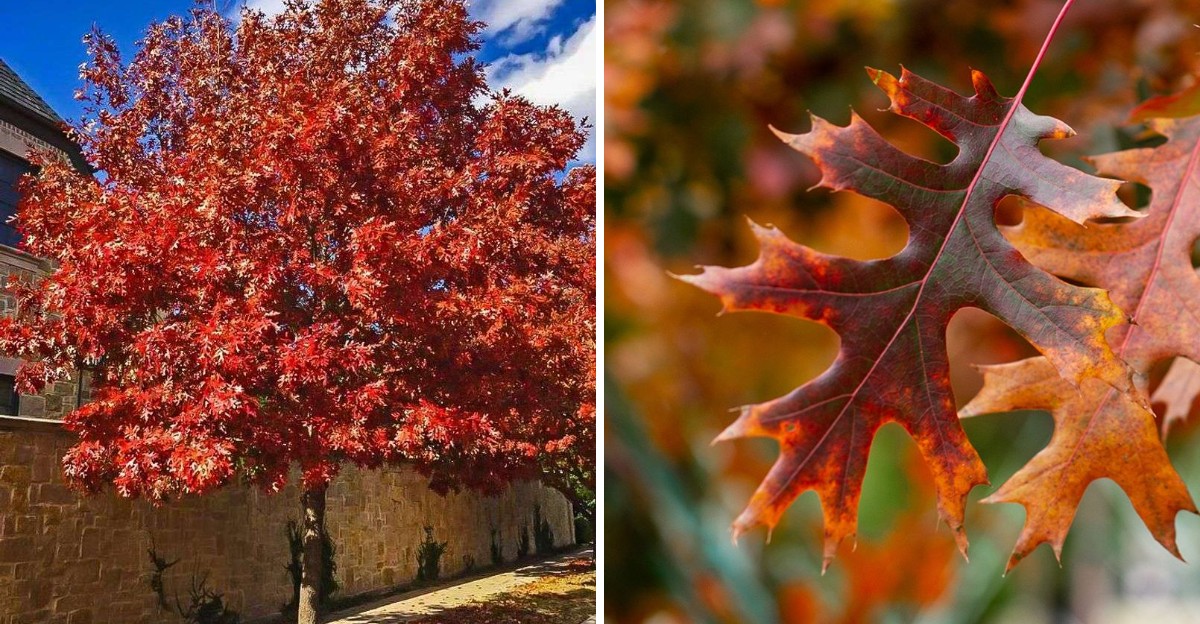
Red, orange, and deep wine colors, all on one tree. That is what a happy Shumard oak can look like in late November.
Lots of trees here just turn a tired brown and drop. The Shumard oak is different, and it is one of the large shade trees in North Texas that often colors up beautifully.
Color can vary from tree to tree, with some leaning toward bright red and others toward rich russet, which is part of the fun of watching your own oak develop its personality.
The show usually starts in mid-November and can last into early December. Cool nights and sunny days bring out the brightest reds, so a crisp fall means a brighter tree.
Leaf color comes from natural pigments. As green chlorophyll fades, red pigments called anthocyanins build up, giving the leaves that glowing, candy-apple shine.
Want the best color? Plant your oak where it gets full sun for at least six hours a day.
Trees tucked in shade often look duller and drop their leaves sooner.
Neighbors will notice, trust me. People slow their cars and snap photos when a mature Shumard oak lights up a street corner.
Pair it with evergreen shrubs like yaupon holly underneath. The dark green makes the red canopy pop even more, like a frame around a painting.
Young trees may color a bit less at first. Give them two or three years, and each fall show tends to get bolder as the tree grows.
4. Picking A Healthy Oak At A Nursery
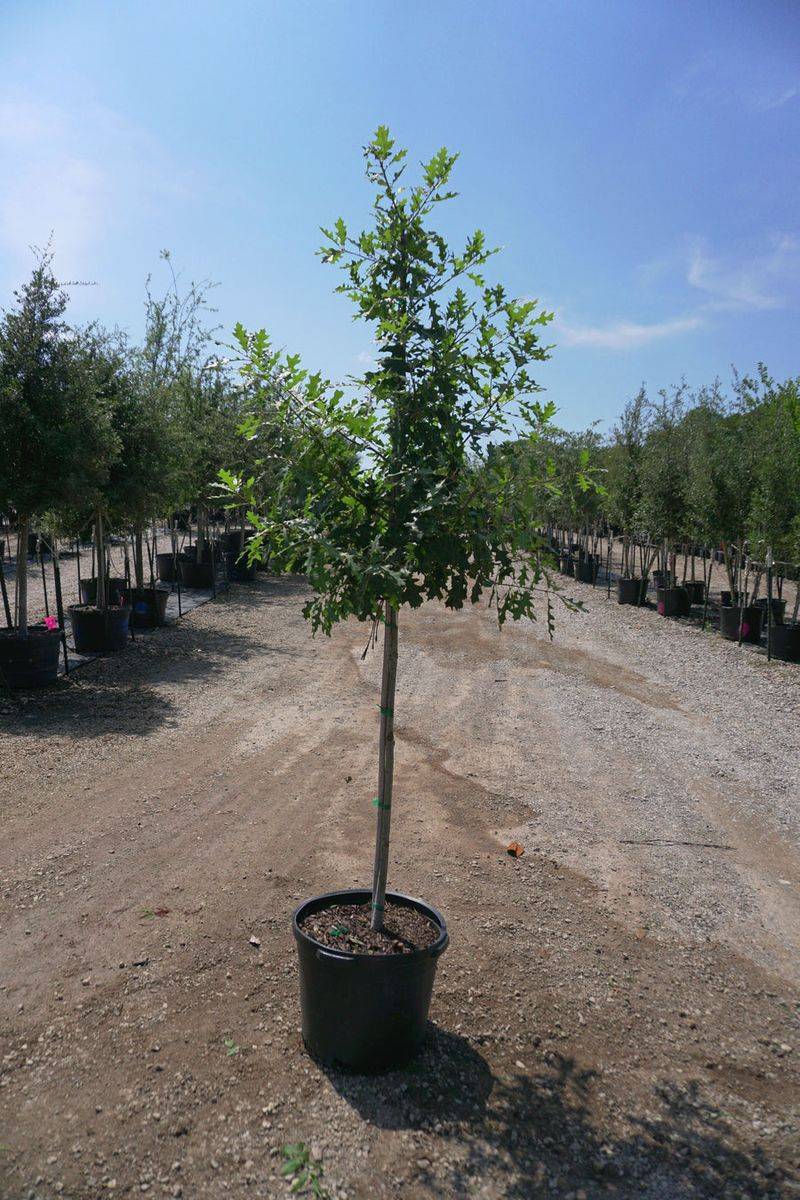
Not every tree on the lot deserves a ride home in your truck. A little shopping know-how saves you years of trouble.
Start by looking at the trunk. You want one straight, central leader, not two trunks fighting for the top.
Skip trees with cracks, scrapes, or oozing spots on the bark.
Next, check the roots. Gently tip the pot and peek at the edges.
Thick roots circling round and round mean the tree has sat in that pot too long.
Size matters, but bigger is not better here. A 15 or 30 gallon tree often catches up to a huge one within a few years because it settles in faster.
Look closely at the leaves too. Healthy oaks have glossy, evenly colored leaves without lots of holes or crusty spots.
A few chewed edges are normal for this time of year.
Ask the staff where the tree was grown. Oaks grown locally in North Texas are usually tougher against our heat and soil than ones shipped from far away.
One more tip is to check the label. Some sellers mix up Shumard, Texas red oak, and Nuttall oak, and they all have different needs.
Bring a friend if you can. A second set of eyes and a helping hand make loading a heavy tree much easier.
5. Choosing The Right Spot In Your Yard
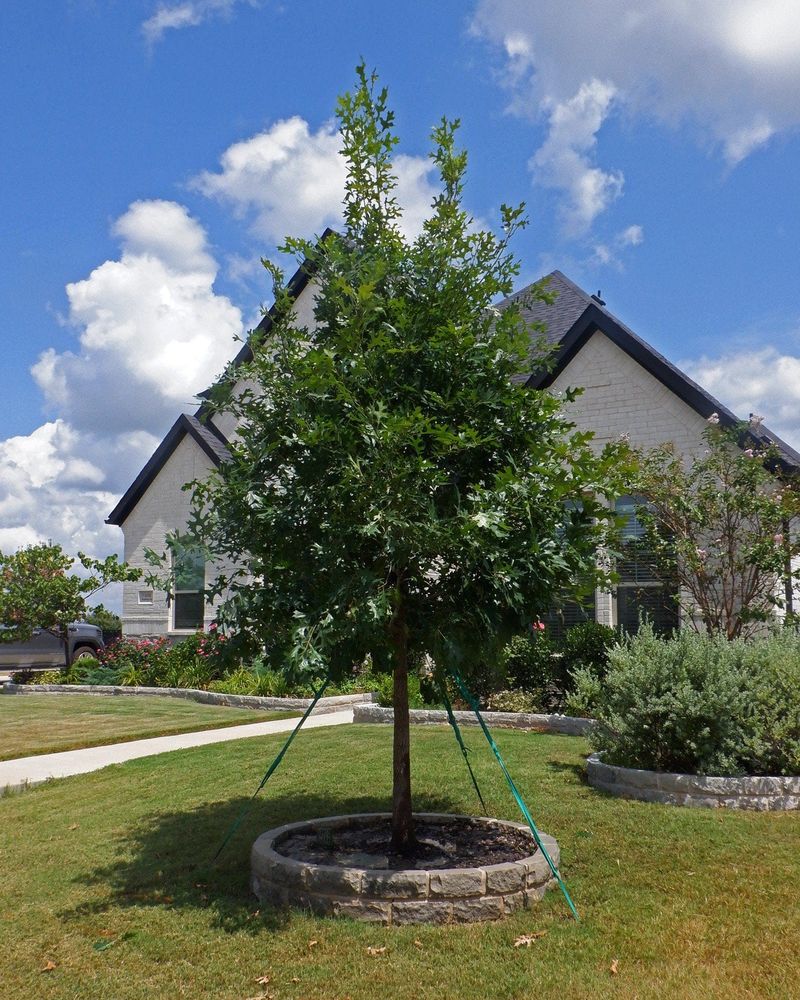
Here is a mistake many folks make. They plant a cute little oak right next to the house, then panic twenty years later.
Shumard oaks get big. Plan for a canopy that may stretch 40 to 50 feet wide, so place the tree at least 20 feet from your home, driveway, and pool.
Look up before you dig. Power lines and big oak branches do not mix, and utility crews may trim your tree into an odd shape.
Look down too. Call 811 a few days before digging so crews can mark gas, water, and cable lines for free.
Sun is a must. A spot with full sun gives you faster growth and brighter fall color, while heavy shade slows everything down.
Think about summer cooling as well. A large oak on the west or south side of a Texas home can shade walls and windows during hot afternoons.
Some families notice lower electric bills once the tree matures.
Drainage plays a role. Shumard oaks handle short wet spells well, but avoid low spots where water sits for days after a storm.
Grab a hose or rope and lay it on the ground in a big circle. Seeing the future size helps you choose the best place for your oak.
6. Planting Steps Texas Clay Soil Loves
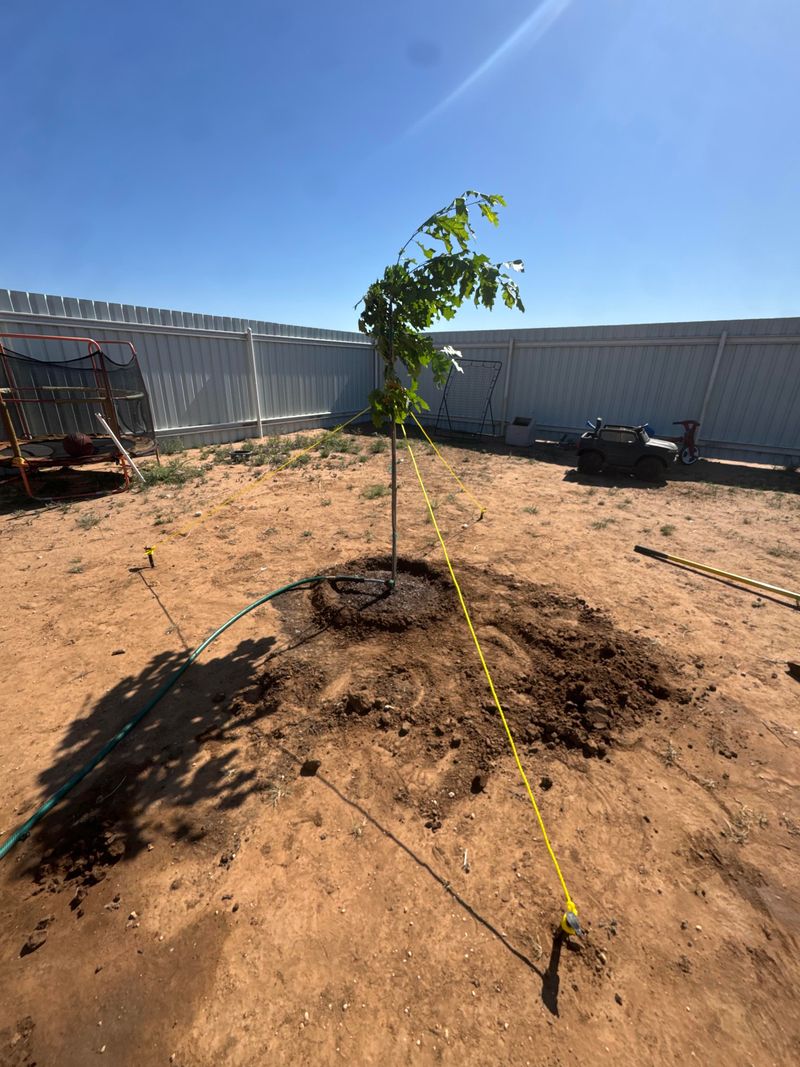
Clay soil can feel like digging through cold modeling dough. Good news, Shumard oaks handle the heavy black clay of North Texas better than most trees.
The trick is digging wide, not deep. Make your hole two to three times wider than the pot, but only as deep as the root ball.
Set the tree so the top of the root ball sits about an inch above the ground. Clay holds water, and a tree planted too low can sit in soggy soil.
Find the root flare first. That is where the trunk widens at the base, and it should be visible above the soil, not buried.
Loosen any circling roots with your fingers. If they are tight, make a few shallow cuts down the sides so new roots grow outward.
Fill the hole with the same soil you dug out. Skip adding lots of compost or potting mix, because roots may stay in that soft pocket instead of spreading.
Water slowly as you backfill to settle the soil and remove air pockets. Then build a small ring of soil around the edge to hold water.
Spread three inches of shredded mulch in a wide circle. Keep it a few inches away from the trunk, like a donut instead of a volcano.
7. Watering Tips For A Thirsty Tree
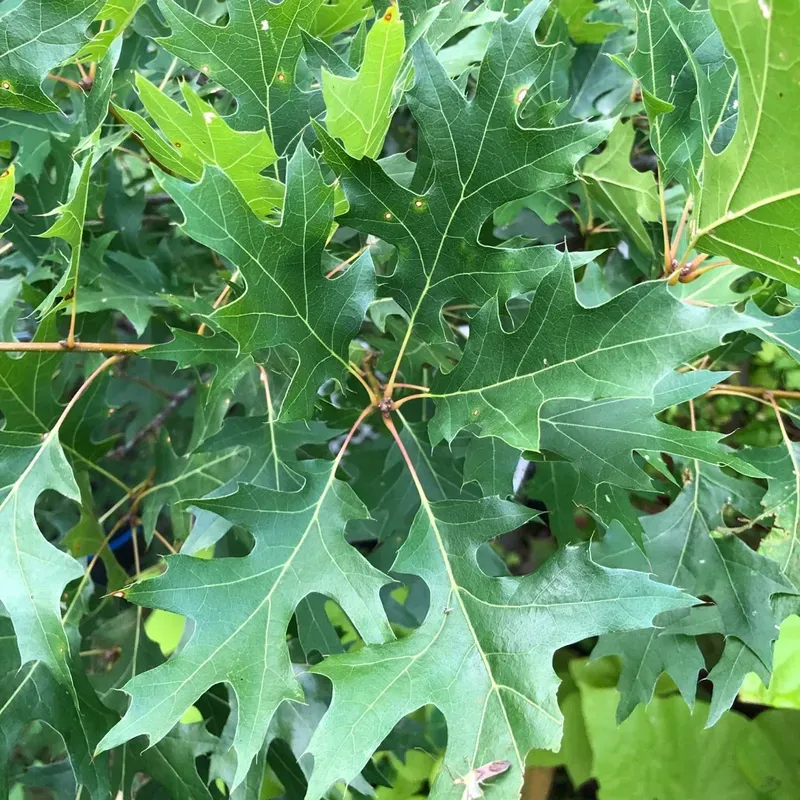
Water is the number one thing a new tree needs. Get this part right, and your oak will thank you with years of strong growth.
For the first few weeks, water deeply two or three times a week. Aim for about 10 to 15 gallons each time for a 15 gallon tree.
After that, slow down to once a week during fall and winter if it does not rain. Push a screwdriver into the soil, and if it slides in easily, the ground is still moist.
Summer is the real test. During the first two Texas summers, plan on deep watering once or twice a week when temperatures climb past 95 degrees.
Slow and deep beats quick and shallow every time. A trickling hose for 30 minutes sends water down to the roots instead of running off the clay.
Tree watering bags make life easier. You fill them up, and they leak water out slowly over several hours, which is handy for busy families.
Lawn sprinklers usually are not enough. They wet the top inch or two, which helps grass but leaves deep oak roots thirsty.
Watch the leaves for clues. Droopy or crispy edges in summer often mean the tree needs more water, while yellow leaves in soggy soil may mean too much.
8. Keeping Your Oak Strong And Healthy
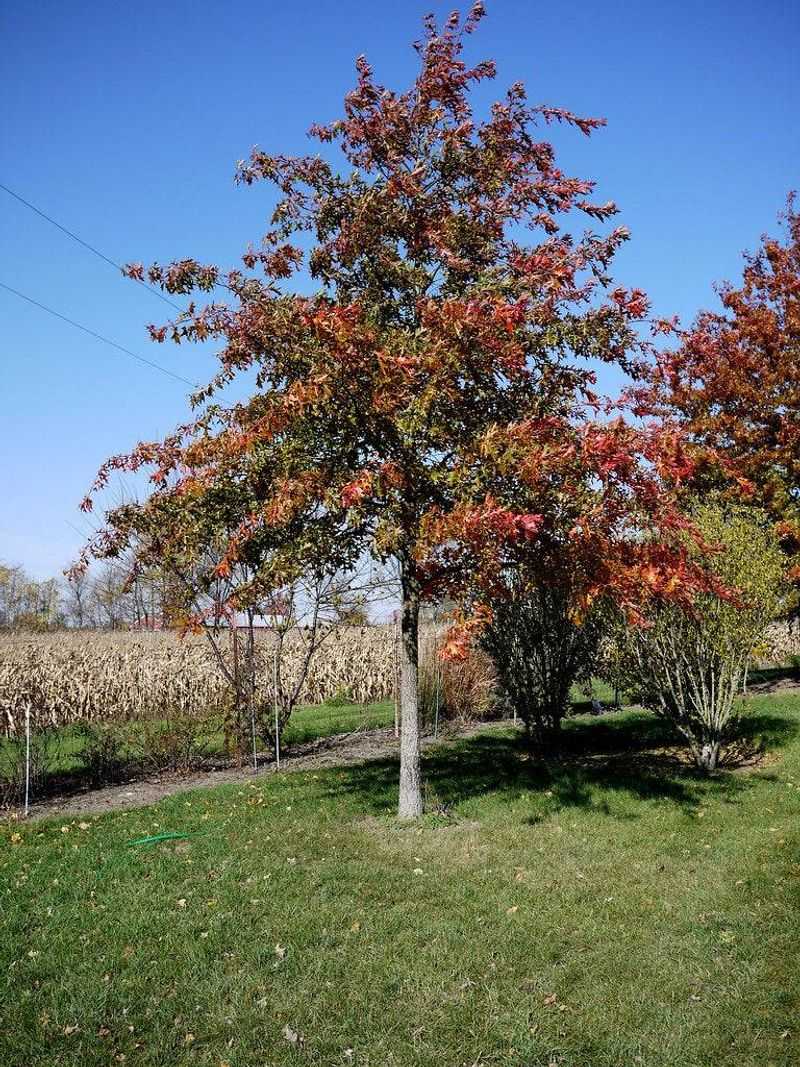
Good news first. Shumard oaks are known as one of the tougher shade trees you can grow, handling heat, clay, and weather swings better than many others.
There is one serious threat worth taking seriously, though. Shumard oak belongs to the red oak group, and red oaks are the most susceptible oaks to oak wilt in Texas.
Infected red oaks can decline very quickly and may even help spread the disease to nearby trees, so prevention matters a lot.
To lower risk, avoid pruning between February and June, when the beetles that carry the fungus are most active. Check with the Texas A&M Forest Service or your local AgriLife Extension office to learn how active oak wilt is in your area before planting.
If you must trim during that window, paint fresh cuts right away with regular latex paint. It acts like a bandage that helps keep those beetles away from open wounds.
Iron chlorosis can show up in very alkaline soil. You will see yellow leaves with green veins, and an iron chelate product is usually the most reliable fix for North Texas soils.
Skip heavy fertilizer the first year. Your tree needs to grow roots, not lots of soft new leaves that thirsty summer days will stress.
Keep the mower and string trimmer away from the trunk. Bark wounds give pests and fungus an easy door to sneak inside.
Light pruning helps shape young trees. Remove broken branches and any that cross or rub, and keep one strong central trunk.
Every few years, a certified arborist can give your oak a checkup. Think of it like a doctor visit, catching small issues before they grow into big ones.
9. Watching Your Oak Grow Through The Years
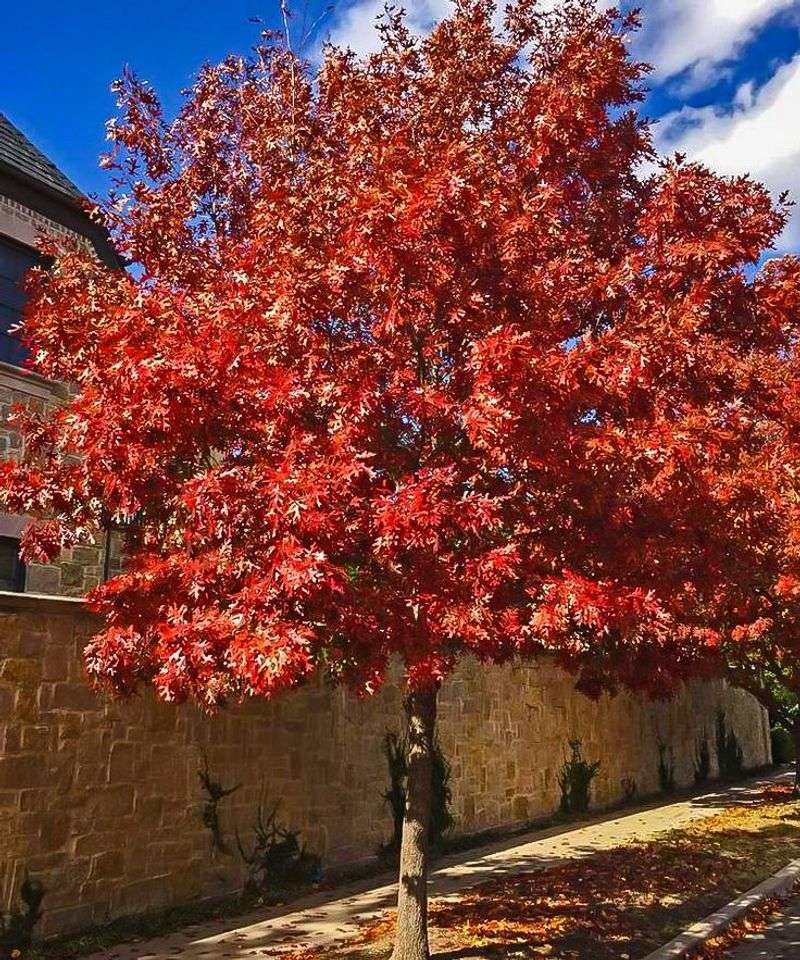
My grandfather used to say the best time to plant a tree was twenty years ago. The second best time, he would add with a wink, is this October.
Shumard oaks grow faster than most oaks, often two to three feet a year once settled. In about ten years, your skinny sapling can become a real shade tree.
Acorns usually show up after the tree reaches around 20 to 25 years old. Blue jays and squirrels will gladly help themselves and even plant a few new oaks around town.
These trees can live well over 100 years. That means the oak you plant this fall could shade your grandkids and maybe their kids too.
Start a fun family tradition. Take a photo of your tree each Halloween with the kids beside it, and watch both grow taller over time.
Many North Texas cities also offer free or cheap tree programs. Check with your city around fall to see if you can add even more oaks.
A mature oak raises home value, cools the yard, and cleans the air. Few garden projects give back so much for a little digging.
So grab that shovel before the costumes come out. Your future self, sitting in cool shade with a glass of iced tea, will be glad you did.