Why Camel Crickets Move Into Ohio Basements Every Fall
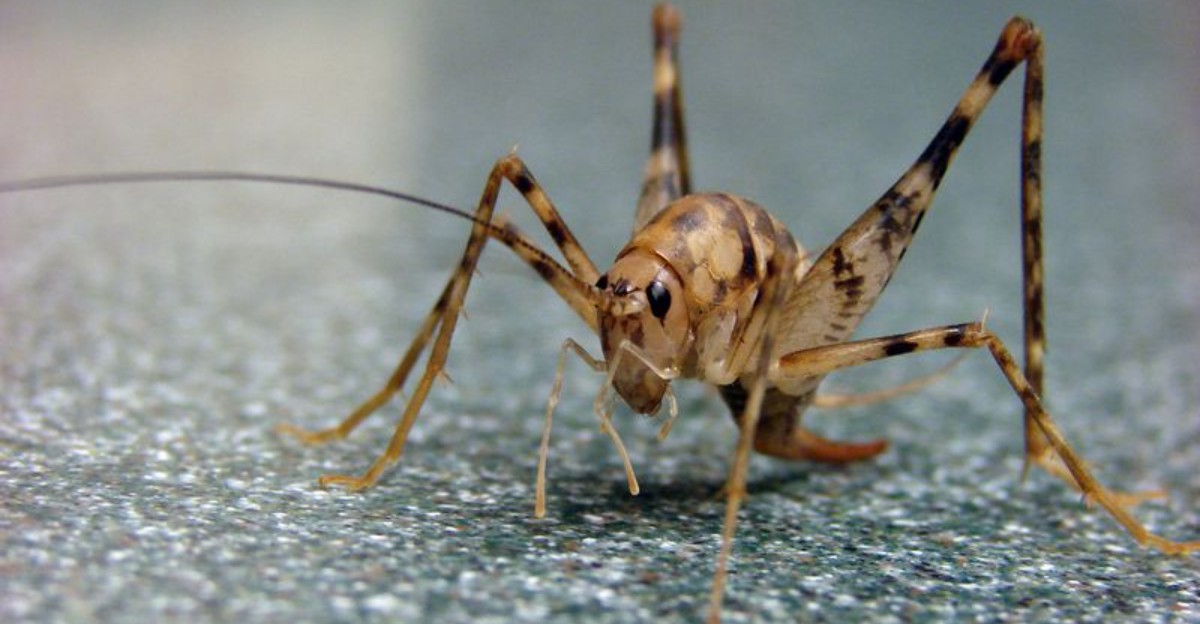
Flip on the basement light, and something the size of a spider launches itself at your ankle, then vanishes before you can scream.
Ohio basements fill up with these jumpy, humpbacked visitors every October. They don’t bite, and they don’t build webs, yet they still manage to rattle even the toughest homeowners.
One shows up, then a dozen, and soon the whole room feels like a stage for a bad horror movie.
They aren’t invading for fun. Something about your house, and about the season, pulls them in with surprising precision.
Once you know the lure, the pattern makes perfect sense.
A few small changes can turn your basement into a place they skip.
Dig into the reason before you reach for the spray can. The fix is simpler than the panic suggests.
1. Camel Crickets Seek Out Cool, Damp Hideouts
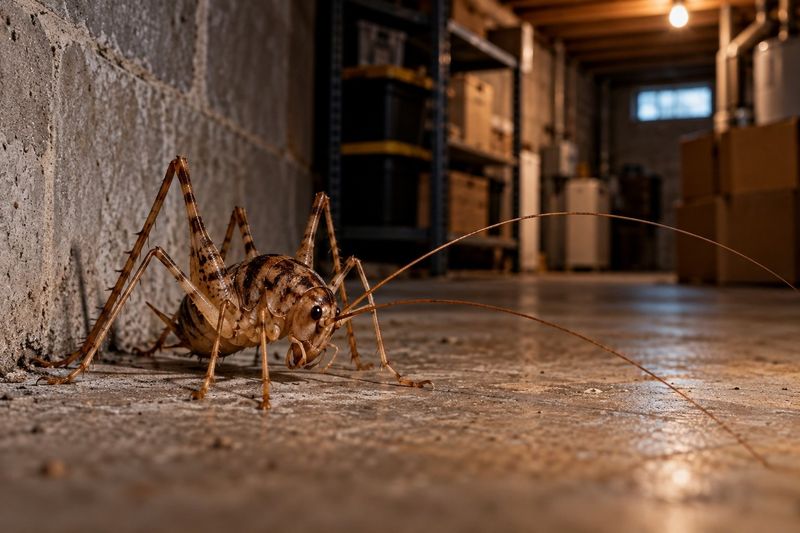
Picture the perfect bedroom for a camel cricket. It would be dark, cool, a little soggy, and tucked far away from bright sunlight.
Outdoors, these bugs hunt for spots like that every single day. They hide under logs, flat stones, piles of wet leaves, old boards, and stacks of firewood.
When daylight comes, they slip into shaded places that stay moist and protected. At night, they creep out to look for food, then return to their cozy cover before morning.
Now think about a typical Ohio basement. Concrete walls stay cool, sunlight barely reaches the corners, and the air often feels heavy and damp.
To a camel cricket, that space looks a lot like the bottom of a giant rotting log. Crawl spaces and garages offer the same kind of shelter, which is why you may spot them there too.
People sometimes call them cave crickets or cellar crickets for this very reason. Their whole lifestyle is built around dim, wet places with steady temperatures.
If you want to guess where they will settle, check the darkest and dampest corners first. Look behind storage bins, under laundry sinks, near floor drains, and around sump pits.
Knowing their favorite hangouts helps you clean, dry, and watch those areas more closely. A little detective work goes a long way.
2. Wet Fall Weather Can Push More Of Them Indoors
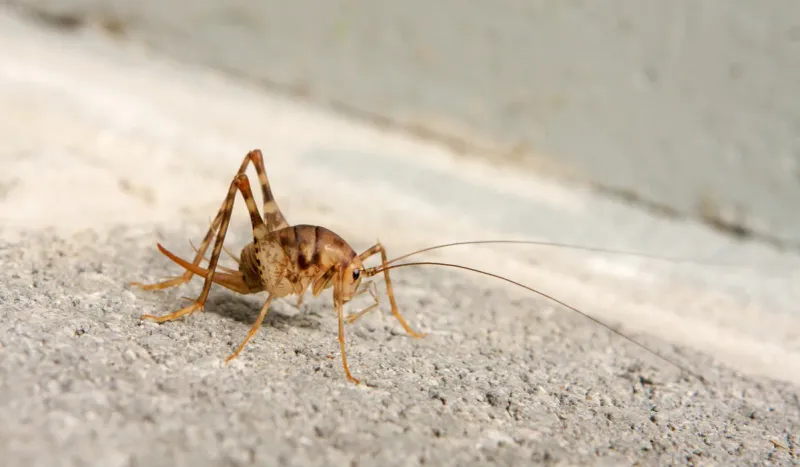
Ohio falls can swing from crisp and sunny to soggy for days on end. Camel crickets feel those changes long before we grab our jackets.
As late summer turns into fall, nighttime temperatures start to drop. Plants outside dry out, and the leafy cover these insects rely on begins to thin.
Those shifts send a clear message to the crickets. Life outside is getting harder, so it is time to find better shelter.
Heavy rain can make things even more dramatic. When the ground floods or stays soaked, crickets get flushed from their hiding spots and move toward buildings.
Oddly enough, long hot and dry stretches can do the same thing. In that case, they head toward homes looking for moisture instead of escaping it.
Many of them are also hunting for a place to spend the winter. A basement offers steady temperatures that feel much better than a frozen backyard.
Your Ohio Garden Changes Every Week. Your Plan Should Too.
Gardening in Ohio changes quickly throughout the season. Every Friday you’ll receive a simple weekly plan showing exactly what to plant, prune, fertilize, harvest, and protect so you never miss the right timing.
So if you notice more jumpers after a stormy week, the weather is likely the reason. You can help by clearing leaf piles, mulch, and firewood away from your foundation.
Keep gutters flowing and downspouts pointed away from the house. Less soggy ground near the walls means fewer travelers knocking at your door.
3. Most Basement Camel Crickets Aren’t Native
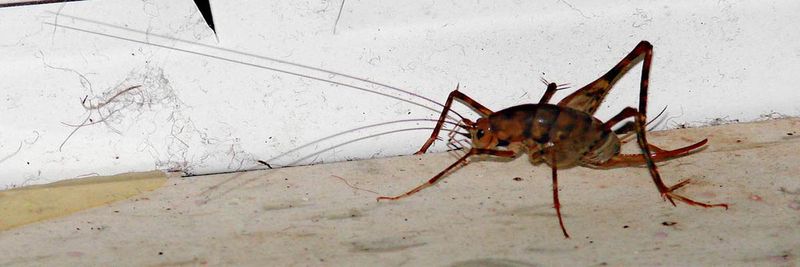
Here is a twist that surprises plenty of homeowners. The cricket bouncing around your basement may not be from around here at all.
North America does have its own native camel crickets. They live in forests, caves, and shady spots, and they have been here for a very long time.
However, a study found that a non-native species has taken over many homes. The greenhouse camel cricket, known to scientists as Diestrammena asynamora, is now the most common indoor cricket in lots of houses.
That pattern is especially strong east of the Mississippi River. Ohio sits right in that zone, so your basement guests are quite likely part of this group.
Researchers were curious about how widespread these newcomers had become. They asked regular people to send in photos and samples from their homes.
The results showed that the imported species turned up far more often than the native ones. In many places, the locals were hard to find indoors.
Why does this matter to you? Knowing which cricket you have helps explain why they seem so comfortable in buildings.
Greenhouse camel crickets have a long history of living near people. Basements, sheds, and garages suit them just fine, and they settle in quickly.
4. The Greenhouse Camel Cricket Arrived From Asia
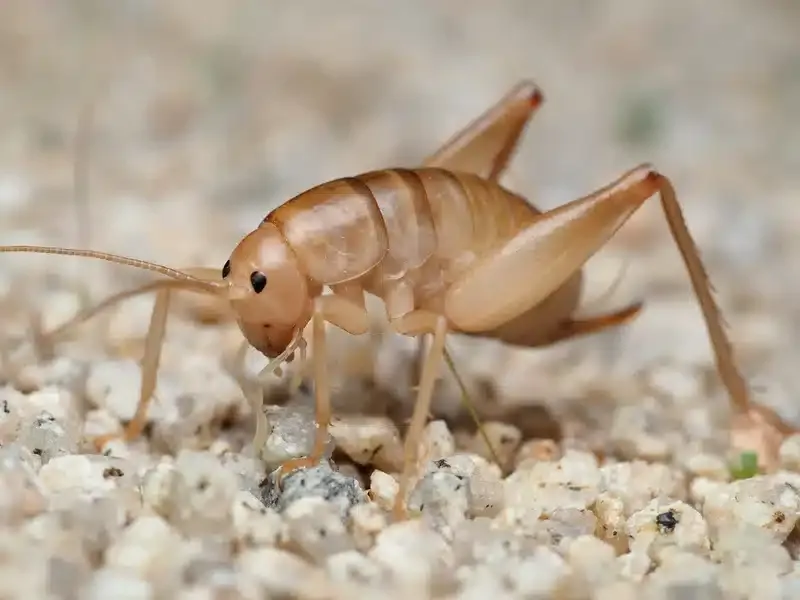
Long before anyone in Ohio grumbled about jumpy basement bugs, these crickets lived in China. Their journey to America is a bit like a sneaky travel story.
The greenhouse camel cricket first started showing up in North America in the 1900s. Nobody bought a ticket for it, of course.
Experts believe it hitched a ride inside freight shipments or travelers’ luggage. Crates of goods and packed bags made perfect dark hiding places for a small insect.
Once it landed, it found plenty of familiar conditions. Greenhouses were warm and humid, which is how the bug earned its common name.
From there, it spread into homes, basements, and outbuildings. Over the years, it quietly became a regular part of life in many eastern states.
Today you can find this species in Europe, Asia, and North America. That is a lot of ground to cover for a creature without wings.
Fun fact time. Many pests we deal with today traveled the same way, tucked into cargo and moving across oceans with people.
So the next time one leaps across your floor, give it a little credit. Its family made a pretty impressive trip to get there.
5. They Don’t Chirp, Bite Or Sting
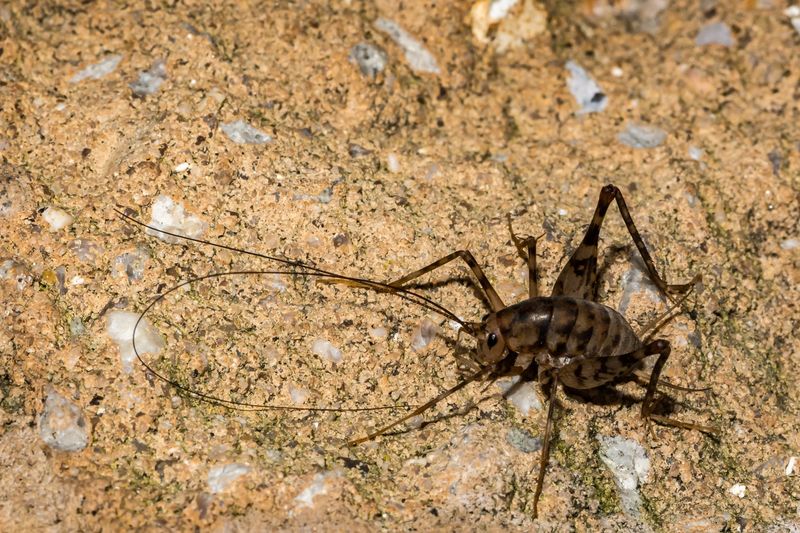
Relax, the scary jump is mostly just for show. These bugs look alarming, but they pose very little threat to you or your family.
Unlike the crickets singing in your yard on summer nights, camel crickets stay quiet. They lack the body parts needed to make sound, so you will not hear chirping from the basement.
They also have no wings, which means they cannot fly. All that movement comes from their long, powerful back legs.
Camel crickets do not bite or sting people. A few reports mention a small nip if one is grabbed, but they are generally considered harmless.
So why do they leap right at you sometimes? Their main defense is to jump wildly when startled, hoping to confuse whatever spooked them.
That leap can go in any direction, including straight toward your feet. It feels like an attack, but the cricket is really just panicking.
If one lands near you, take a breath and step back. Calmly scoop it into a cup with a piece of paper and carry it outside.
Teaching kids this fact can turn screams into curiosity. A silent, flightless jumper is far more odd than dangerous.
6. They Clean Up Debris That Collects In Basements
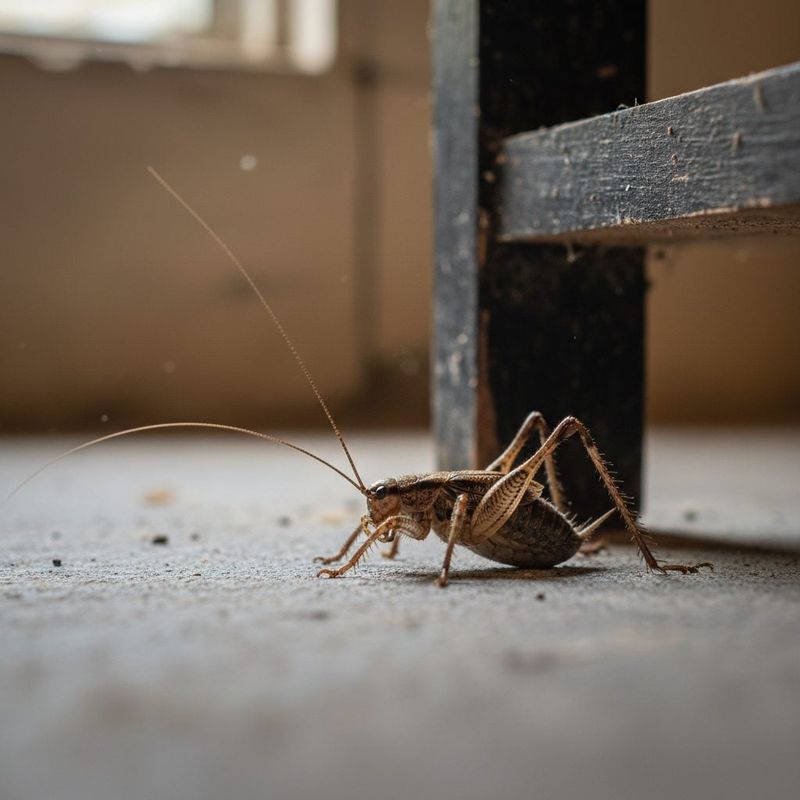
Believe it or not, your uninvited roommates are part of a tiny cleanup crew. They eat a lot of the gunk that piles up in forgotten corners.
Camel crickets are omnivores and detritivores. In plain words, they will munch on almost any bit of organic stuff they can find.
Their menu includes fungi, rotting plant bits, and decaying animal matter. They will even eat other insects, including smaller camel crickets.
In a basement, that means crumbs, dust bunnies with food bits, and bits of mold may disappear over time. Some experts say they can help tidy up a space in this way.
Still, their appetite has a downside. They also chew on wood, carpet, and cardboard, and they sometimes nibble on curtains or clothing.
That is bad news for old boxes of photos or stored winter coats. Damp cardboard is like a snack bar to them.
Here is a smart move. Swap cardboard boxes for plastic bins with snug lids, and keep fabric items off the floor.
Sweep regularly and toss out moldy clutter. When the free buffet shrinks, your basement becomes a lot less tempting for hungry hoppers.
7. A Crowd Of Them Usually Signals A Moisture Problem
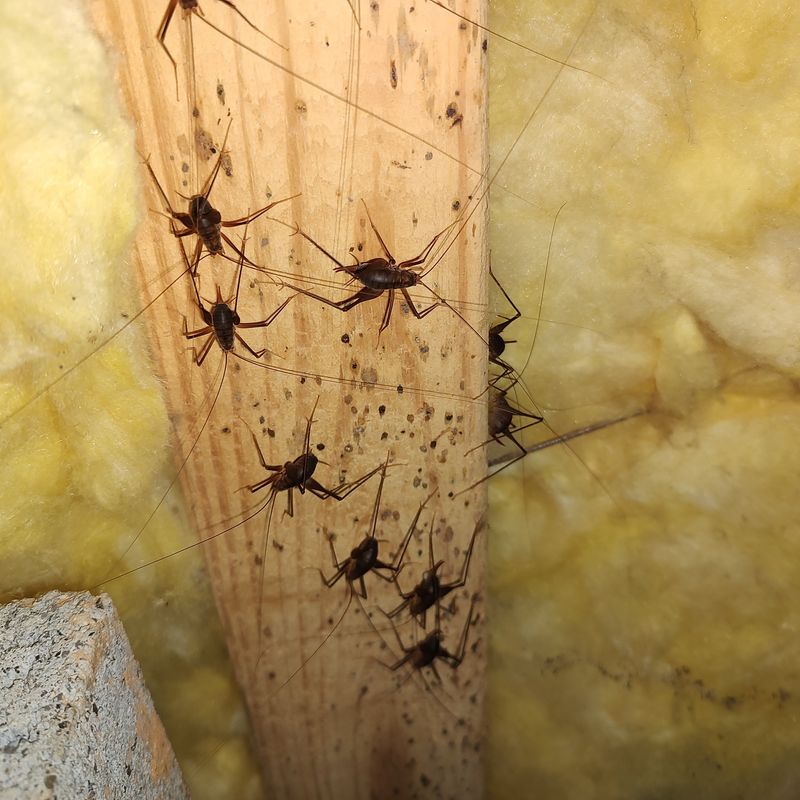
One cricket is a visitor, but twenty is a message. When a whole gang moves in, your basement is probably damper than it should be.
These insects love humidity. Homes with indoor moisture levels above 50 percent can draw them in like a welcome sign.
A basement packed with crickets usually means the space offers the dark, moist setup they crave. In other words, the bugs are pointing at a bigger issue.
Look around for clues. Musty smells, water stains, sweating pipes, peeling paint, or puddles near the walls can all hint at trouble.
Damp spaces invite more than camel crickets, too. Termites, millipedes, and earwigs also enjoy soggy conditions and may show up as well.
A cheap humidity gauge, called a hygrometer, can tell you a lot. Set it in the basement and check the reading for a few days.
If the numbers stay high, start hunting for the source. Leaky pipes, cracked foundations, and poor drainage outside are common culprits in Ohio homes.
Fixing water problems protects your house in many ways. Fewer crickets is a nice bonus on top of drier walls and fresher air.
8. Run A Dehumidifier To Make Basements Less Inviting

If camel crickets had a least favorite appliance, the dehumidifier would win easily. It quietly pulls away the one thing they need most.
These insects depend on moisture to survive. Without damp air, they dry out and lose interest in sticking around.
Experts suggest keeping indoor humidity between 30 and 50 percent. That range feels comfortable to people but uninviting to cellar crickets.
Pick a dehumidifier sized for your basement’s square footage. Bigger spaces or very damp rooms may need a stronger model or a unit that drains straight into a floor drain.
Place it near the dampest area, and keep doors to that room mostly closed. Empty the bucket often if it does not drain on its own.
Airflow helps too. Running a fan, opening vents, or improving crawl space ventilation can lower humidity even more.
Pair the machine with a simple hygrometer so you can track your progress. Watching the number drop is oddly satisfying.
Give it a few weeks before judging results. As the air dries out, you should notice fewer jumpers, less musty smell, and a basement that feels much more pleasant to use.
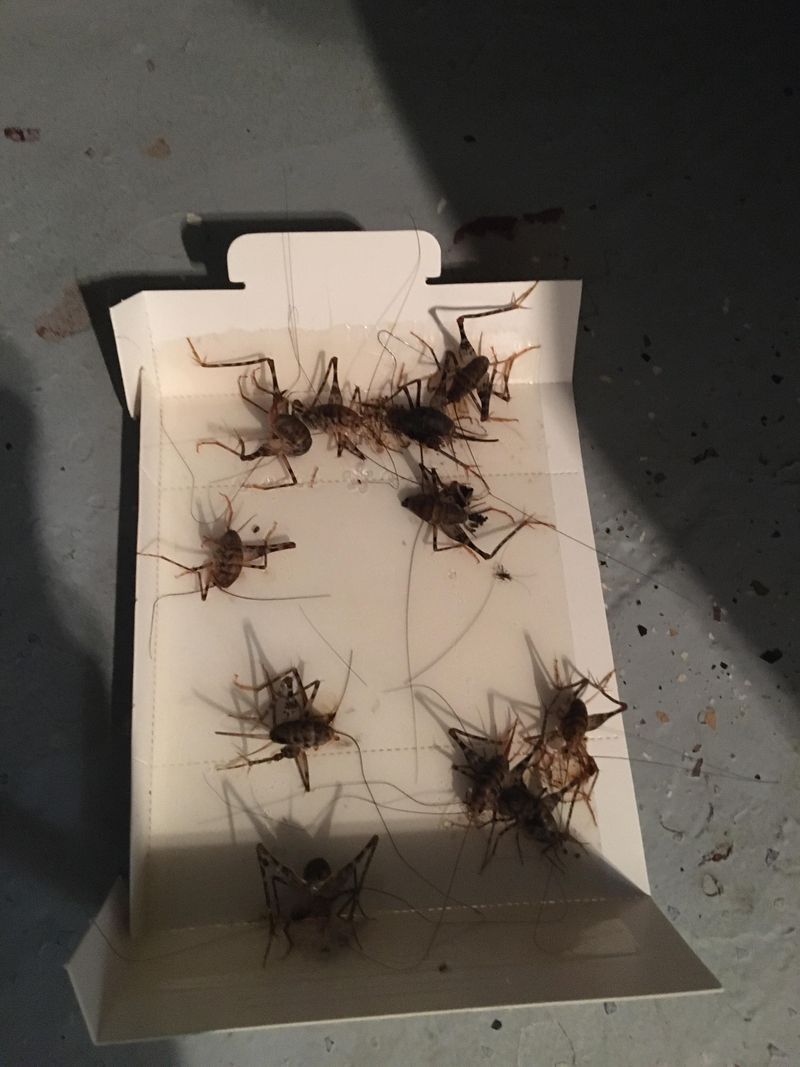
9. Sticky Traps Show Where They’re Getting In
Think of sticky traps as tiny security cameras for bugs. They show you where the action is happening.
Also called glue traps or sticky boards, these flat cards catch crickets that wander across them. They are simple, cheap, and easy to set out.
Place them along walls, since crickets like to travel near edges. Put a few near doors, windows, vents, sump pits, and any spots where you have seen activity.
After a few days, check which traps caught the most bugs. The busiest traps often point straight toward an entry point, like a gap under a door or a crack in the foundation.
Traps also help you judge the size of the problem. One stray cricket is very different from a trap covered in them.
You might set a trap near indoor potted plants as well. The extra humidity around plant soil can draw crickets in.
Keep in mind that traps alone usually will not solve an infestation. They work best as a scouting tool alongside other steps.
Once you find the openings, seal them with caulk or weatherstripping. Combine that with drier air, and your basement will feel far less welcoming next fall.