The One Late-Fall Task That Shields Young Pennsylvania Trees From Hungry Rabbits
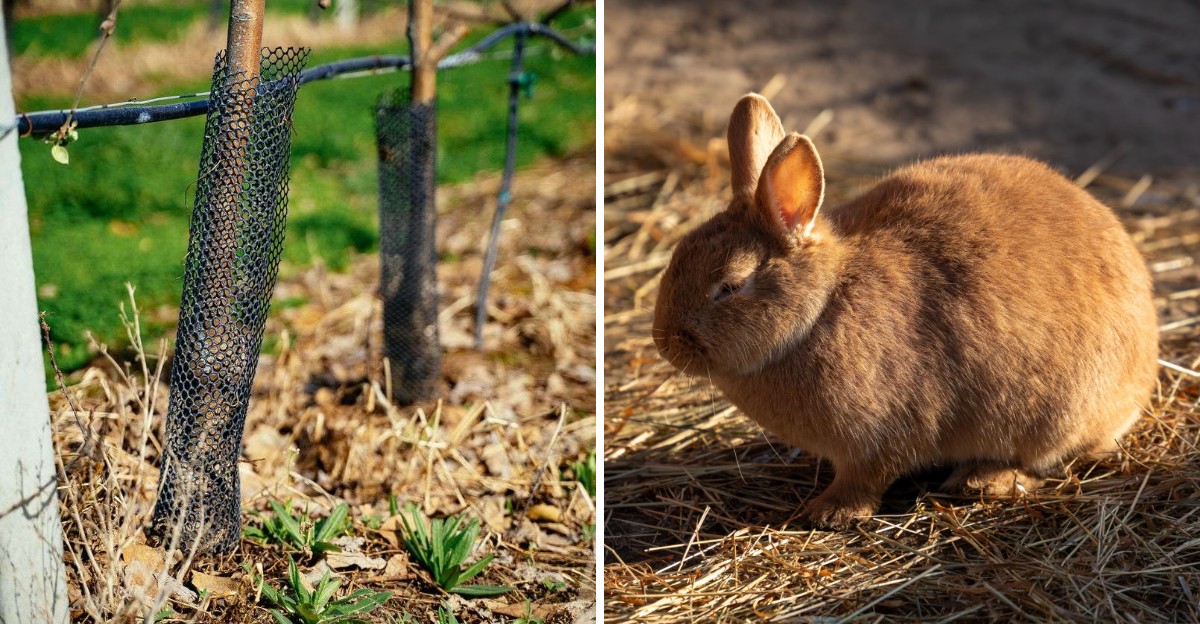
A single cottontail can strip a ring of bark off a young apple tree in one snowy night. I learned this the hard way in Pennsylvania, from a chewed-up sapling that looked fine in November and struggled by April.
Snow changes the whole game. Every inch of drift acts like a stepladder, so a rabbit can reach bark well above where you expect it. You might notice angled, knife-clean cuts on low twigs after a thaw, and that is the calling card.
Here in Pennsylvania, winter food runs thin from about December through March. Clover and grass disappear under frost and snow.
Tender bark becomes the easiest meal in the yard, and your newest trees sit right on the menu.
I skipped one simple chore a few years back, and I still wince about it. One quick afternoon of work in late fall makes all the difference, and I’ll show you exactly what it is.
Those Gnawed Rabbit Marks on Young Tree Bark Tell a Bigger Story
Rabbits do not hibernate, and their winter menu shrinks fast. Eastern cottontails, the most common rabbit across the state, spend summer munching clover, grass, and garden greens.
Once frost and snow cover those plants, they switch to bark, buds, and small twigs. Young trees get hit hardest. Their bark is thin and smooth, so tender inner tissue sits just below the surface.
Penn State Extension notes that fruit trees and many ornamentals take the biggest hit during long, snowy winters.
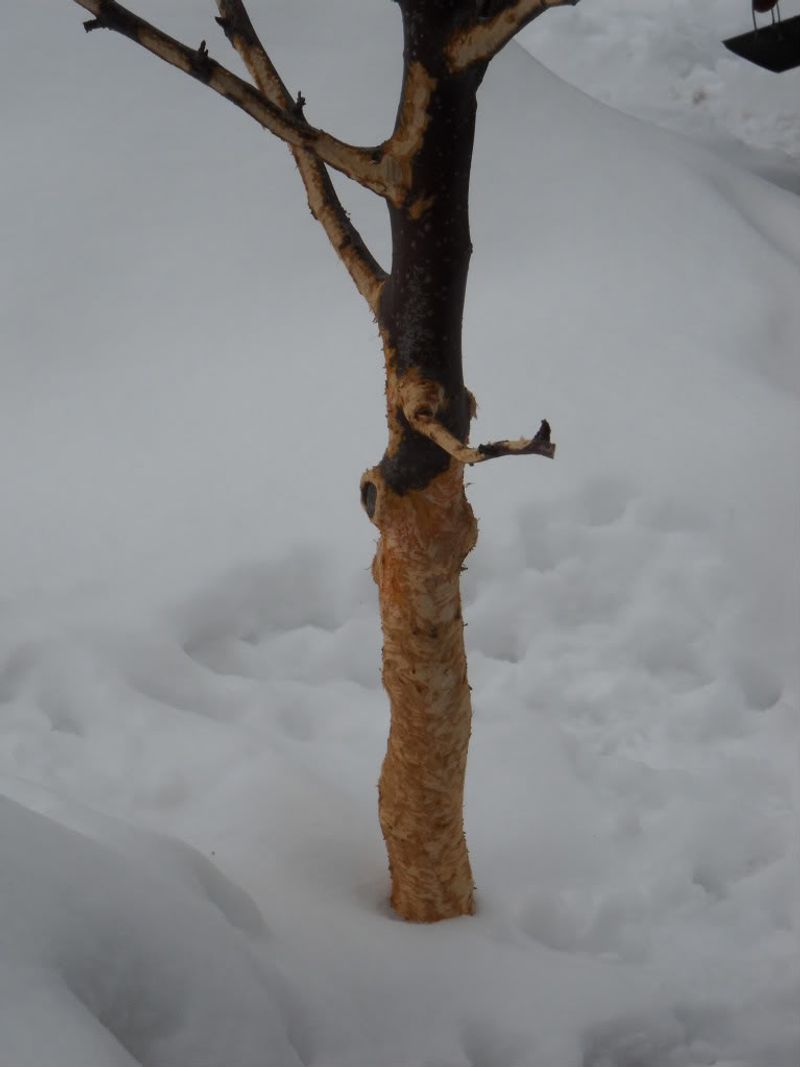
The real trouble is called girdling. A rabbit chews a full ring of bark around the trunk, cutting the pathway that moves food from leaves down to the roots. A tree girdled all the way around often declines and rarely recovers.
You can spot rabbit work by a few clues. The bites look clean and angled, like a pruner made them, on twigs up to about pencil thickness.
Bark damage usually shows wide, rough tooth marks, and small round droppings often sit nearby.
Voles cause similar harm, though they usually chew below the snow right at ground level. Knowing who visited helps you choose the right defense before the next storm rolls in.
Wrap Your Saplings in Wire Before the First Big Snow
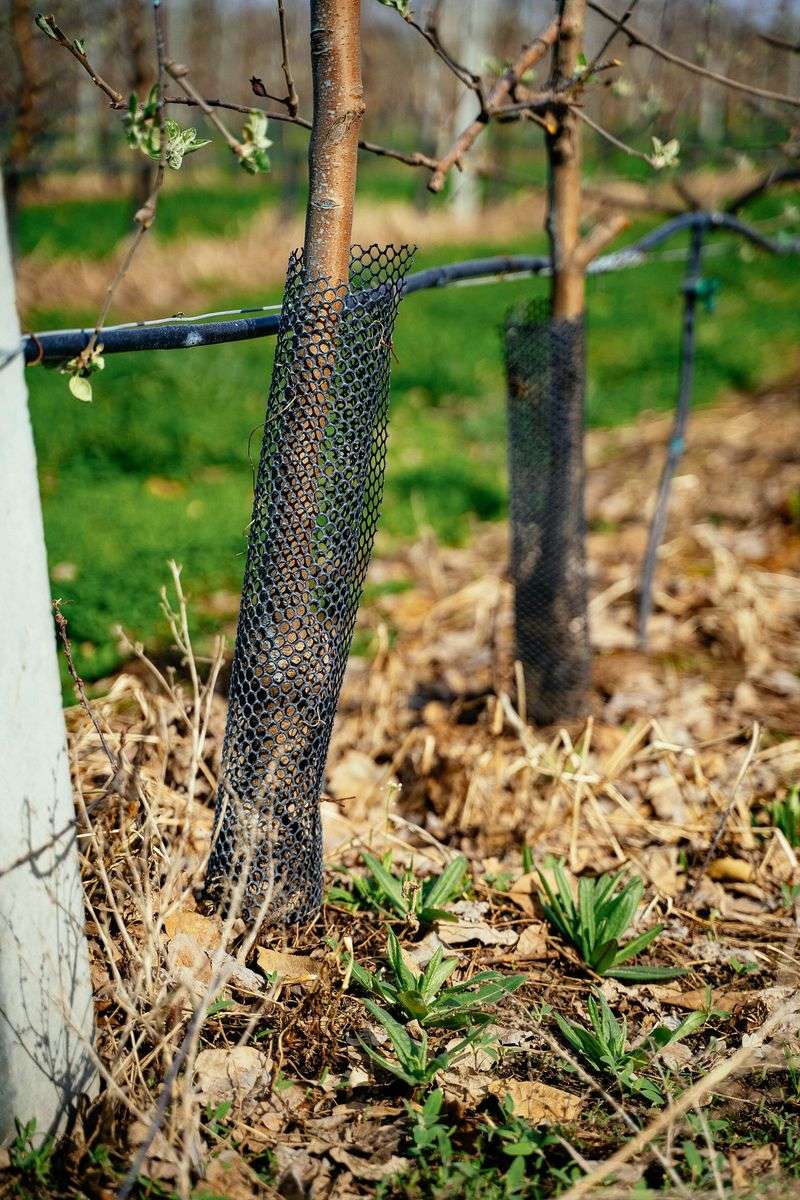
A physical barrier is the one late-fall chore that works best. Extension experts at Penn State and other universities agree that a fence or guard around the trunk beats sprays, scare tactics, and wishful thinking.
Timing matters a lot. Aim to finish the job once leaves drop and before steady snow arrives, which in much of Pennsylvania means November into early December.
Northern counties and higher ground around the Poconos and Alleghenies often see snow earlier, so gardeners there should move sooner.
Why not wait until damage shows up? By the time you notice chewed bark, a rabbit may already have circled the trunk. Prevention costs a few dollars, while replacing a five-year-old tree costs years of growth.
Leave the protection on all winter. Rabbits keep feeding until green plants return, so remove or loosen guards in spring once grass and clover start growing again.
I like to make it a once-a-year ritual. Rake leaves, mulch the beds, then grab the wire and stakes for every tree under about four or five years old. The whole yard can be done in one afternoon.
Hardware Cloth Cages Give Tree Trunks the Toughest Armor
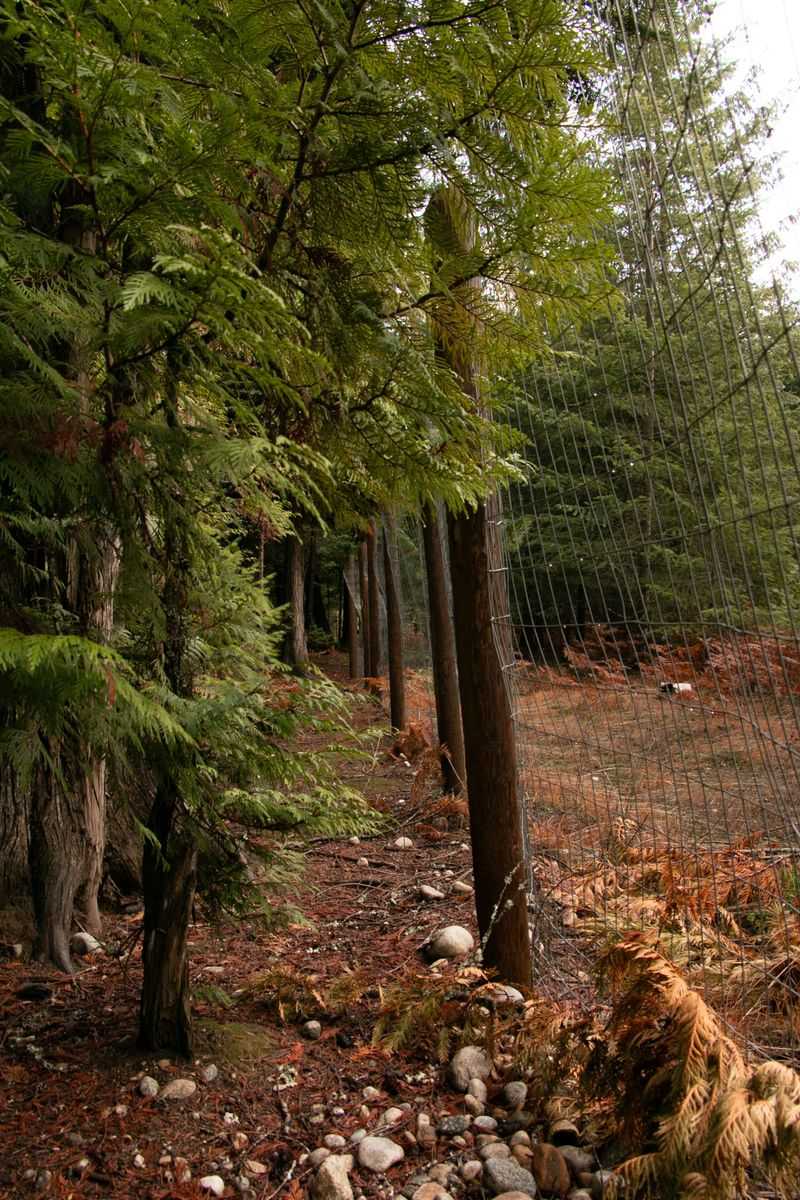
Galvanized hardware cloth is my favorite material in Pennsylvania, and for good reason. It holds its shape, lasts for years, and rabbits cannot chew through it.
A mesh between one-quarter inch and one inch keeps noses and teeth away from bark, and the smaller openings also block voles.
Height is where most people go wrong. Make the cage at least 2 feet tall, plus the depth of snow you usually get. In snowy parts of Pennsylvania, 3 feet or more gives better peace of mind.
Next, look at the bottom edge. Bury it 2 to 3 inches into the soil, or pin it down tight, so nothing slips underneath. Late fall soil is still soft enough for this in most Pennsylvania years.
Spacing matters too. Keep the wire an inch or two away from the trunk all the way around, since a rabbit can still reach bark pressed against the mesh. A cylinder wide enough to allow growth works well.
Secure the cage with one or two stakes so wind and drifting snow cannot tip it. Chicken wire works in a pinch, though it bends more easily over time.
White Spiral Tree Guards Make Quick Work of Small Trunks
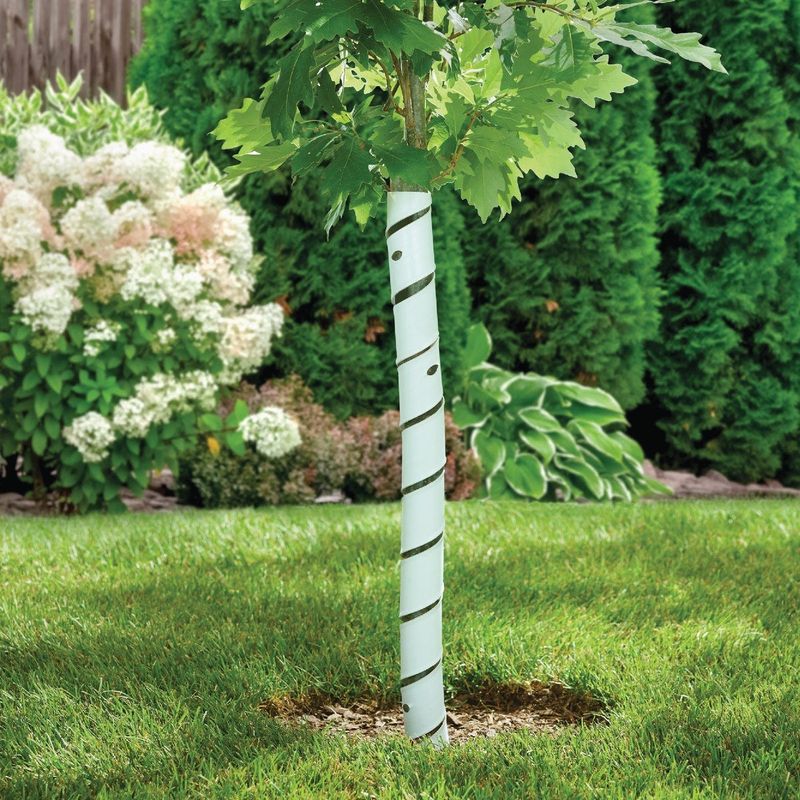
Short on time? Plastic spiral guards might become your new best friend. These white coils wrap around a trunk in seconds and expand a little as the tree grows.
They protect bark from rabbits and voles at the base. Many gardeners also use them to reduce sunscald, the winter bark cracking that hits thin-barked trees like maples and fruit trees on sunny, frigid days.
The light color reflects some of that harsh sun. There are a few limits to know. Most spirals stand around 2 feet tall, so a deep snowfall can let a rabbit reach above them. Pair them with a taller wire cage in snowy spots.
Push the bottom of the guard slightly into the soil or mulch so there is no gap. Check after big storms to make sure the coil has not slid up the trunk.
Spring cleanup matters here. Plastic can trap moisture and invite insects against the bark if left on through summer.
Pull guards off once the weather warms, store them in the garage, and reuse them next fall. Paper tree wrap is another option, though it tears more easily and offers less chew protection.
Apple, Cherry, and Serviceberry Trees Top the Rabbit Wish List
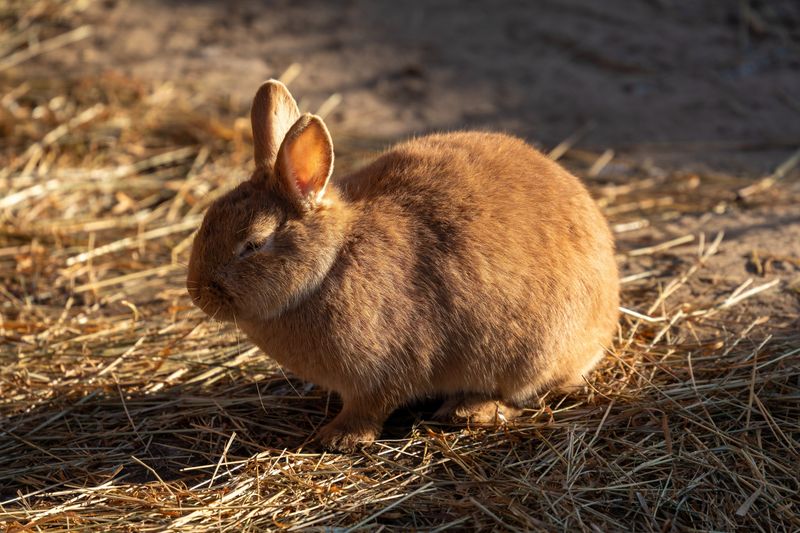
Some trees seem to wear a sign reading free snacks. Apples and crabapples land near the top of every extension list, along with pears, plums, and cherries. If you planted a little orchard, those trunks need guards first.
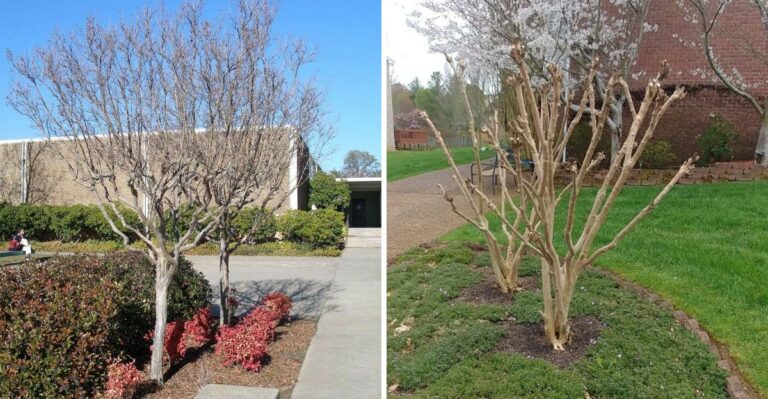
Ornamentals are not safe either. Serviceberry, redbud, maples, and honeylocust all get sampled. Shrubs such as roses, raspberries, and blueberries also take hits when snow piles up.
Bark thickness explains much of the pattern. Young stems carry smooth, thin bark loaded with sugars and nutrients, while older trees grow thick, rough bark that rabbits mostly ignore.
Once trunks thicken and bark turns corky, often after several years, the risk drops a lot. Fresh nursery stock can be extra tempting. Trees planted this year often sit in open lawns with soft bark and few nearby food options.
A quick yard walk helps you plan. Make a list of every young tree and shrub, mark the fruit trees, and protect those first.
Native oaks and conifers still deserve a glance, since hungry rabbits will sample many species during a long, hard winter.
Brush Piles Near Your Trees Give Cottontails a Cozy Hideout
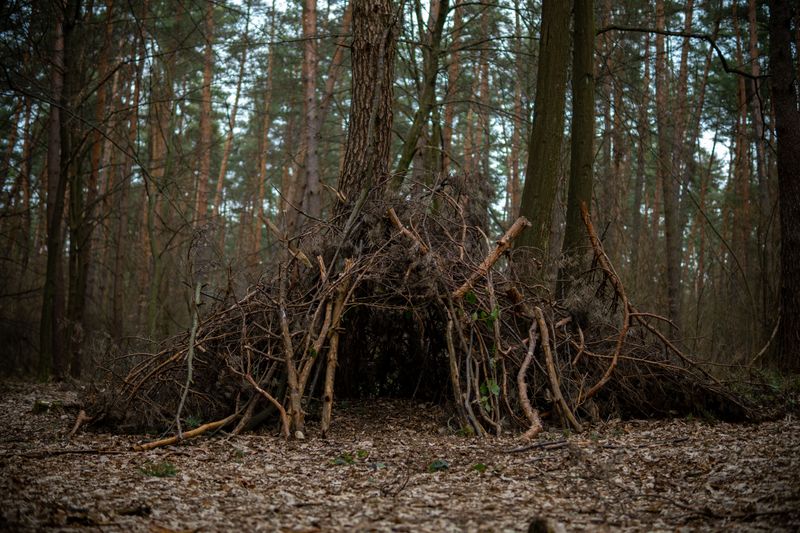
Cottontails love a good hiding spot close to dinner. A brush pile, tangle of weeds, or overgrown fence line just a few steps from your young trees makes the perfect setup for them.
Tidying up those areas lowers the pressure. Mow tall grass around trees, clear weedy edges, and move brush piles farther from the planting zone. Rabbits feel exposed in open space, which makes them less likely to linger.
Keep mulch pulled a few inches back from the trunk too. Deep mulch piled against bark gives voles a sheltered tunnel right up to the tree.
Repellents deserve an honest word. Taste and odor sprays can discourage nibbling, but they wash off in rain and snow and need frequent reapplication.
Extension specialists generally rate them as weaker than barriers, especially when winter food runs low and rabbits get bold.
Keep one thing in mind if you enjoy wildlife. Brush piles help songbirds and other critters, so you do not have to remove them entirely.
Simply relocate them toward the back edge of the property. That way, the rabbits still have a home, just not one next door to your saplings.
A Quick Winter Check on Your Tree Guards Pays Off by Spring
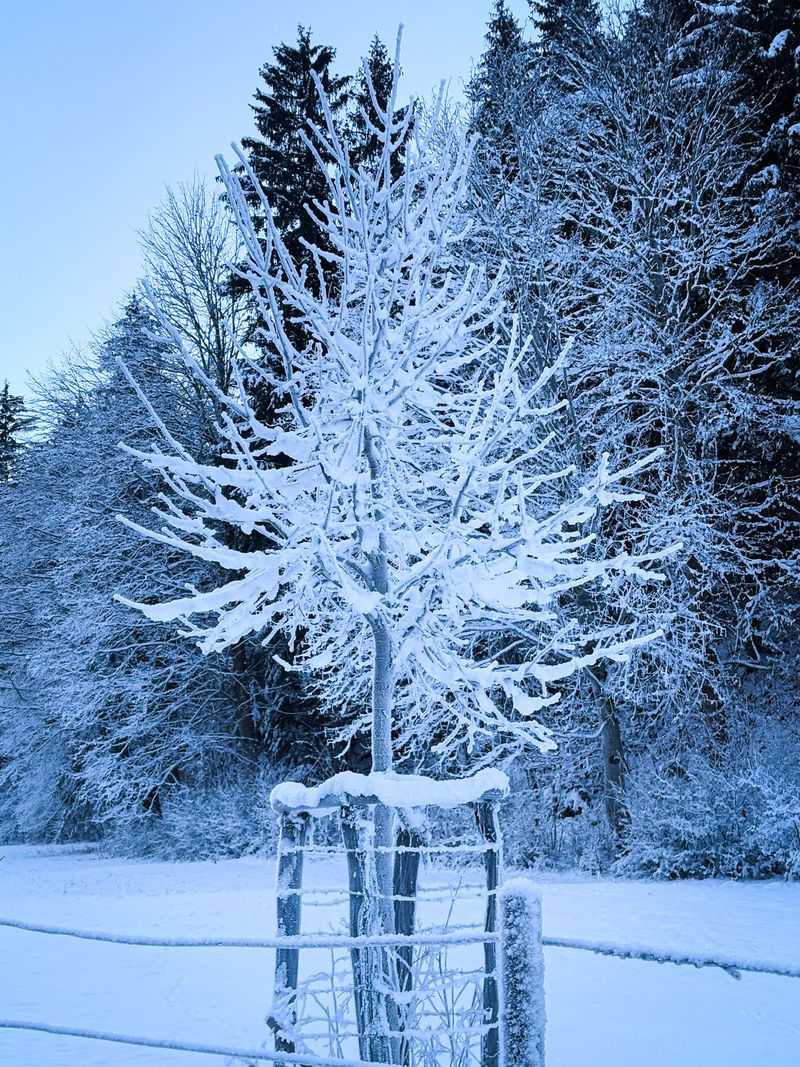
Setting up guards is the big job, but a little follow-up keeps them working. After each heavy storm, take a short stroll and peek at your trees.
Watch for snow drifts piling against the cage. A drift can act like a ramp, lifting a rabbit right over the top. Knock it down or stomp it flat around the wire.
Also look for tipped stakes or spirals that slid upward. Fixing them takes a minute and saves a lot of worry.
Found some damage anyway? Small nibbles usually heal fine on their own, so skip the wound paint, which extension experts say does not help.
If bark is chewed most of the way around, talk with a certified arborist about options, since a fully girdled young tree often needs replacing.
In spring, pull plastic guards and check wire cages for rub spots. Many gardeners leave sturdy cages in place for several years, loosening them as trunks widen.
Write a reminder on your fall calendar for next year. A protected sapling spends its energy on roots and branches instead of repairs, and that steady growth shows up season after season.