The One Plant California Fire Officials Say Should Never Touch Your House
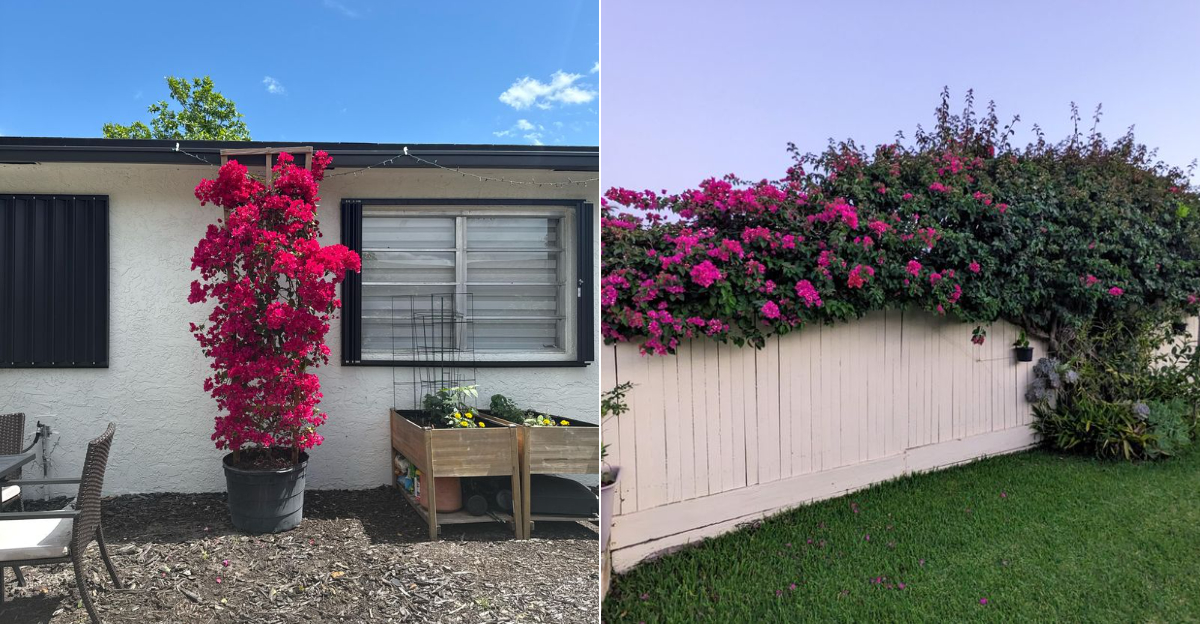
A plant draped across a California wall can look like the perfect blend of color, privacy, and curb appeal.
But when its branches press against siding, roofs, eaves, or fences, that beauty can create a problem during wildfire season.
Dense, woody growth can trap dry leaves, hide withered material, and give windblown embers a place to settle close to the structure.
In hot, dry weather, neglected vines may become even more combustible, especially when they are allowed to climb unchecked.
Fire officials are not necessarily telling homeowners to rip every plant out of the yard. The concern is placement, maintenance, and direct contact with the house.
A few inches of separation may not be enough once growth thickens and debris collects underneath.
Before letting a colorful climber cover another wall, California homeowners should understand why this popular landscape choice can become a fire risk and what safer placement looks like.
1. It’s Looking Gorgeous And Growing Way Too Close
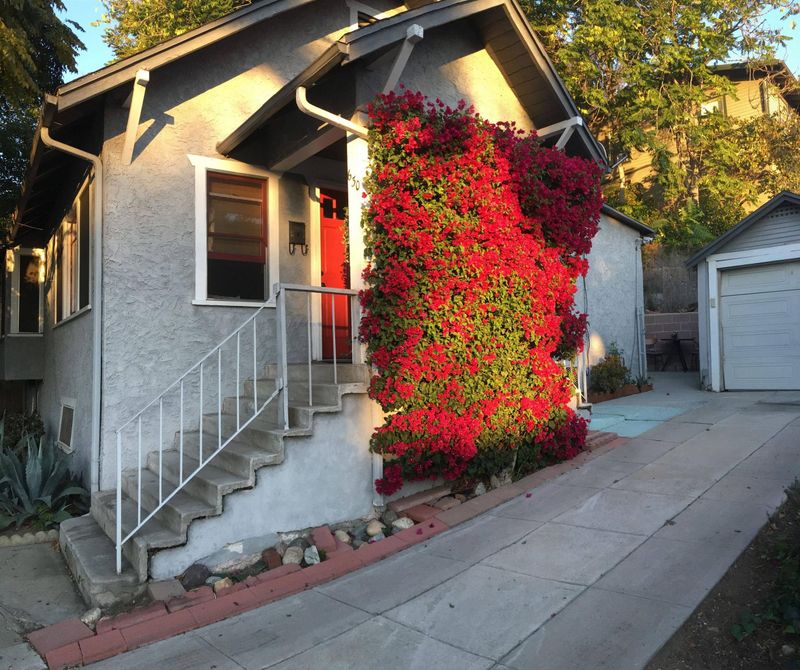
Few plants put on a show quite like bougainvillea. The brilliant blooms in pink, orange, and purple are hard to resist, and it is easy to see why so many homeowners plant it right next to their houses.
But here is the problem. Bougainvillea grows fast, sometimes up to 36 inches in a single year.
Before you know it, the vine is pressing against your siding, creeping toward your windows, and climbing up toward your roof.
Fire officials in California strongly recommend keeping all plants at least 30 feet from your home’s exterior. For a fast-growing vine like this one, that distance matters even more.
A vine that looks harmless in spring can become a serious hazard by late summer when everything dries out.
The closer the plant is to your house, the faster fire can travel from the vine to your walls. There is almost no buffer zone when the plant is touching the structure directly.
Many homeowners are surprised to learn that even a single branch resting against the exterior wall can create a path for flames.
Pruning it back regularly and keeping a clear, dry-free zone around your foundation is one of the most effective things you can do to lower your wildfire risk this season.
2. Why Fire Crews Want This Vine Off Your Walls
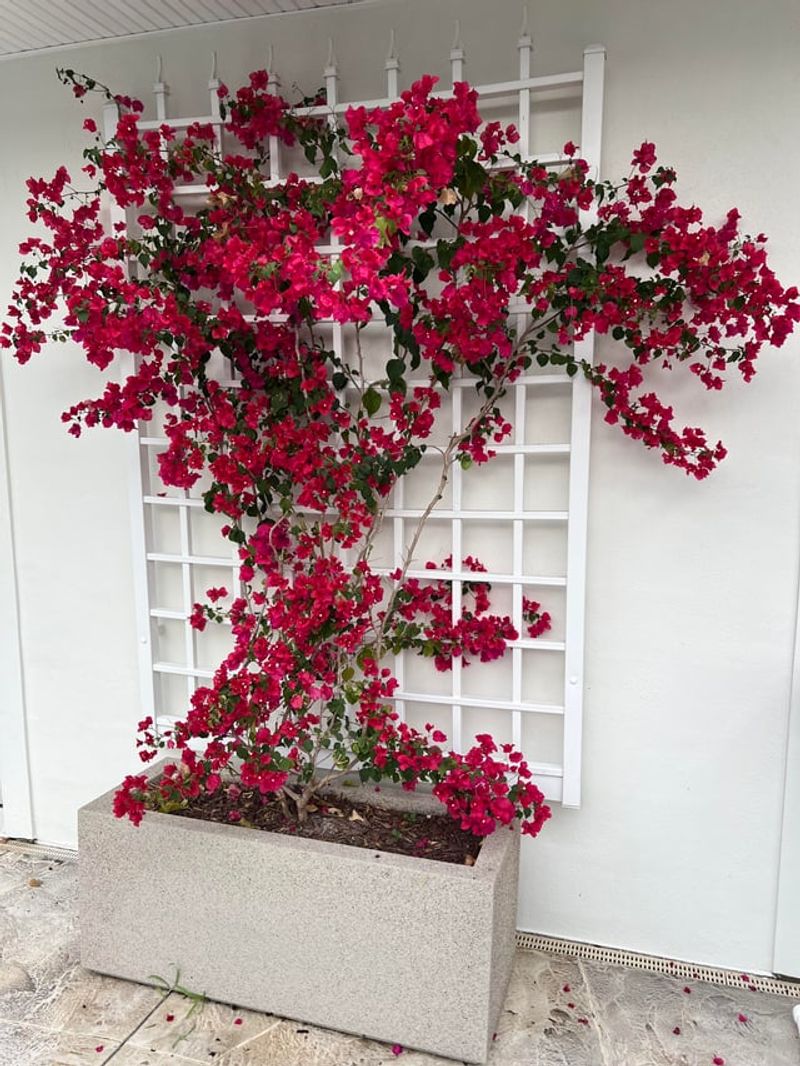
When fire crews do home inspections in high-risk zones, bougainvillea growing on walls is one of the first things they flag. It is not just about the flames themselves.
The real concern is how this plant behaves when it burns.
Bougainvillea burns hot and fast. The papery bracts, which are the colorful parts most people think are petals, dry out completely in summer heat.
They become incredibly flammable and can catch a spark almost instantly.
Fire officials in the southern and central regions have documented cases where a vine growing on an exterior wall allowed flames to reach a roofline in under two minutes. That is a terrifying speed when you think about evacuation time.
Walls covered in vines also trap heat. The space between the plant and the wall creates a pocket where embers can collect and smolder without being noticed.
Your California Garden Changes Every Week. Your Plan Should Too.
Gardening in California changes quickly throughout the season. Every Friday you’ll receive a simple weekly plan showing exactly what to plant, prune, fertilize, harvest, and protect so you never miss the right timing.
By the time smoke is visible, the structure itself may already be compromised.
Removing the vine from your walls entirely is the safest choice. If you love the look, consider growing it in a large planter set well away from the house.
You still get the gorgeous color without turning your exterior wall into a fire hazard. Your local fire department may even offer free home assessments to help you make the right call.
3. Dry Twigs Hiding Behind All That Bright Color
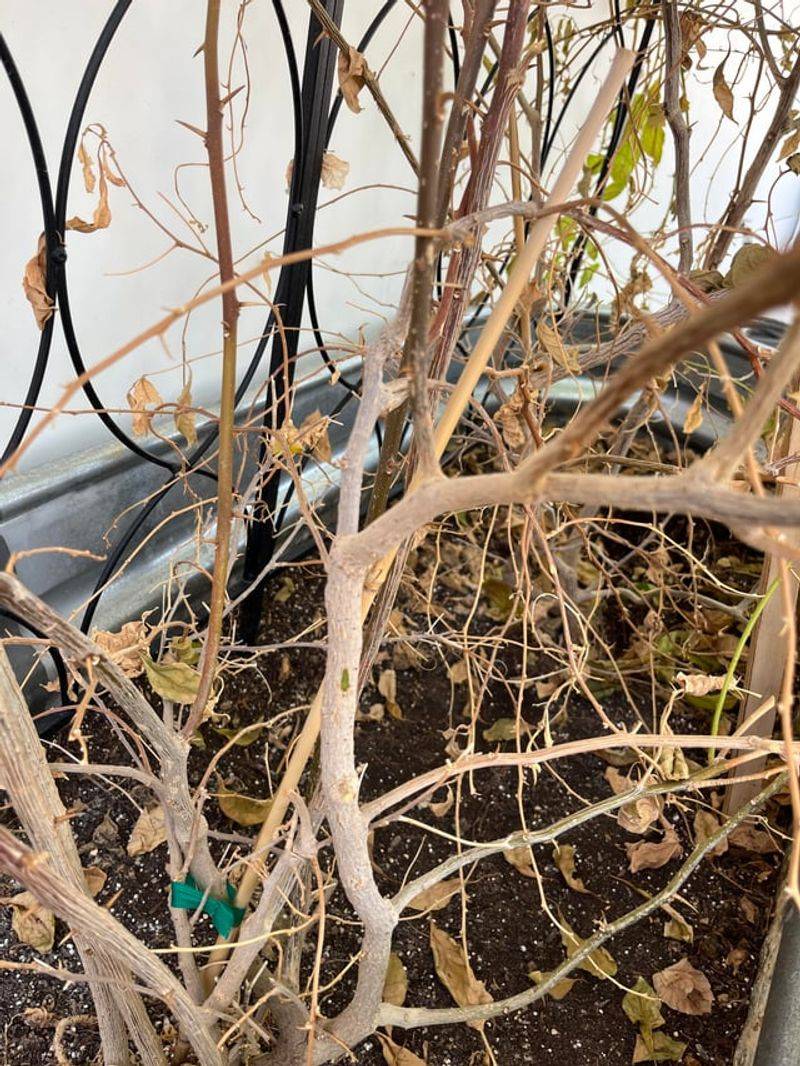
All that gorgeous color on top is hiding something much less pretty underneath. Deep inside a mature bougainvillea, you will find a dense tangle of dry, woody twigs and withered stems that have been building up for years.
Most homeowners never see this part of the plant because the blooms cover everything. But fire officials describe the interior of an overgrown bougainvillea as a bundle of kindling just waiting for a spark.
During peak fire season, relative humidity can drop below 15 percent in some inland and mountain areas. At that level, the dry interior of a bougainvillea becomes almost as flammable as newspaper.
It does not take much to ignite it.
Wind-driven embers are one of the biggest threats during wildfires. Studies have shown that embers can travel more than a mile ahead of an active fire front.
If one of those embers lands in the dry core of your bougainvillea, the result can be devastating.
Thinning out the interior of the plant regularly helps reduce the amount of withered material that builds up. Use gloves because bougainvillea has sharp thorns.
Pull out damaged stems and dispose of them properly, not in a pile near your fence or home. Keeping the inside of the plant open and airy reduces fuel load significantly and makes your property much harder to ignite.
4. When A Pretty Vine Becomes A Fire Ladder
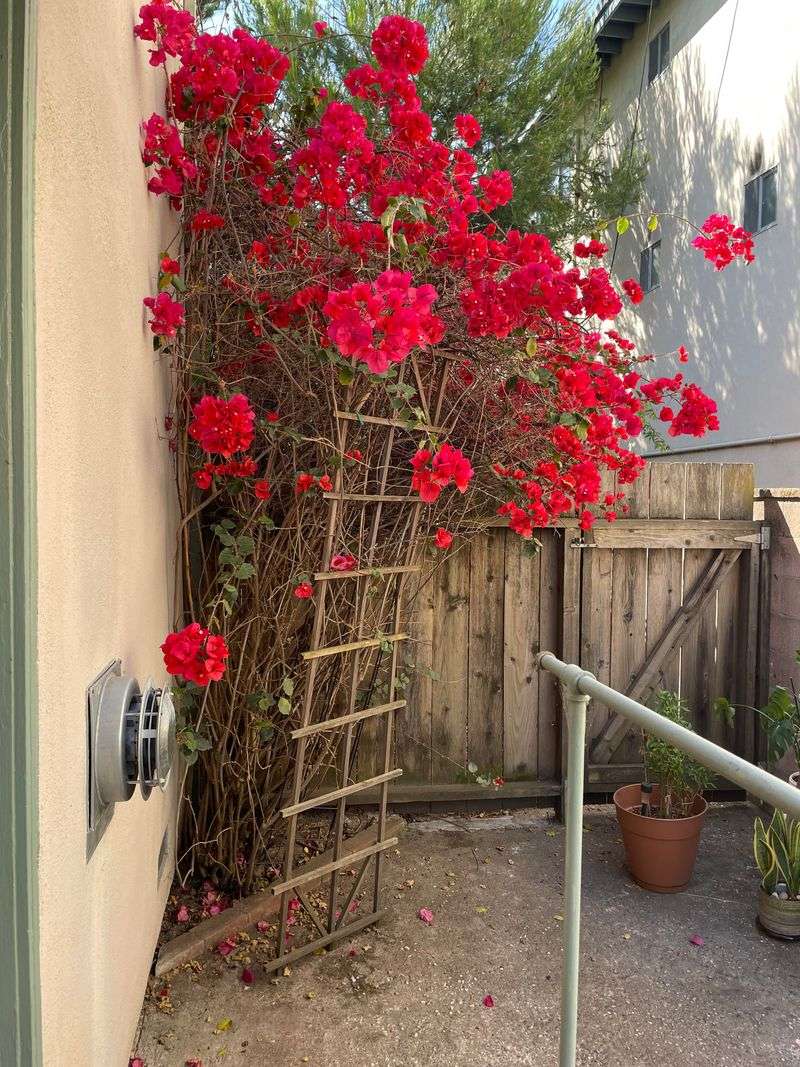
A fire ladder is exactly what it sounds like. It is a path that allows flames to climb from the ground up to your roof without any gap or break.
Bougainvillea is one of the most common fire ladders found on homes in high-risk areas of California.
When the vine grows from the ground, up a wall, and onto the eaves or roof, it creates a continuous fuel source. Fire does not have to jump.
It just follows the plant straight up.
Roof fires are among the most dangerous because they are hard to fight and spread quickly to the attic and interior of the home. Fire officials say that eliminating vertical fuel connections is one of the top priorities in home hardening.
Many homeowners train bougainvillea to climb a trellis or pergola for visual appeal. But if that structure is attached to the house, or even just nearby, it can serve the same purpose as a ladder during a fire event.
Breaking the vertical connection is key. Trim the vine so there is a clear gap between the highest growth and your roofline.
Remove any branches that arch over or touch the eaves. Even a few inches of separation can slow fire spread enough to make a difference.
Combined with ember-resistant vents and a non-combustible roof, these steps can dramatically improve your home’s chances of surviving a wildfire.
5. Overgrown Branches Sneaking Toward The Eaves
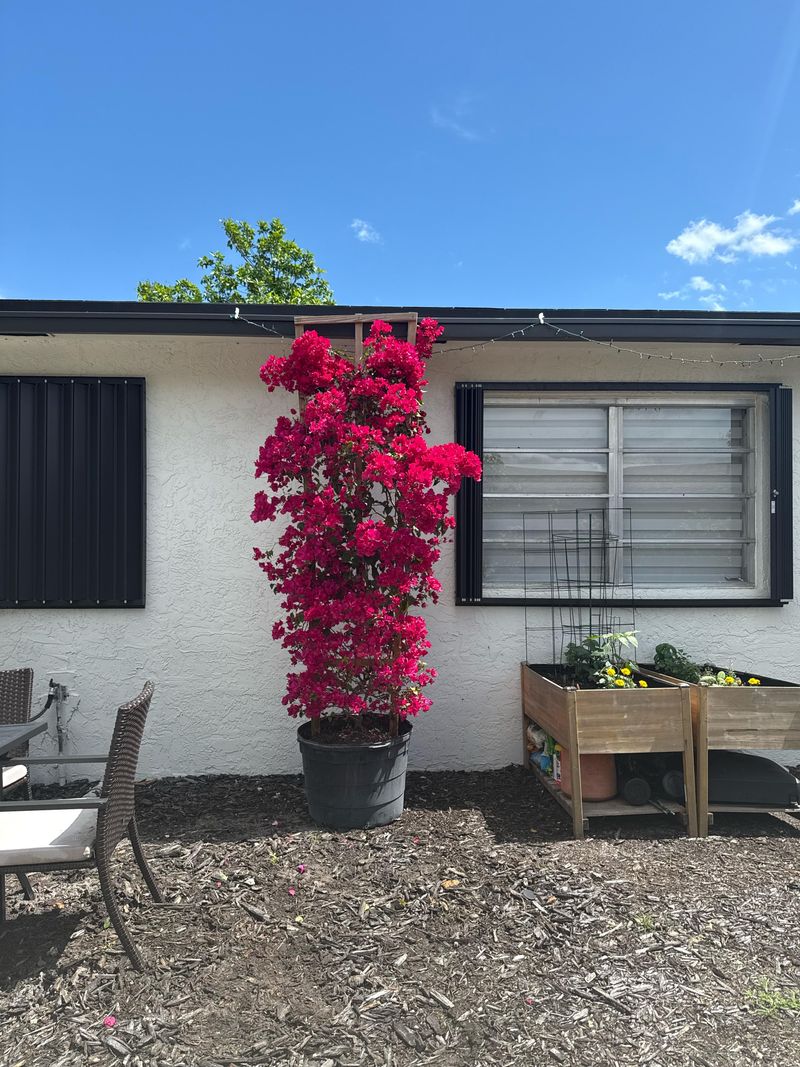
Gutters and eaves are two of the most vulnerable spots on any home during a wildfire. Embers collect in gutters, and the eaves provide a sheltered spot where heat can build up fast.
When bougainvillea branches grow close to these areas, the risk goes up sharply.
Many homeowners trim the bottom and sides of the plant but forget to look up. Over a single growing season, bougainvillea can send branches arching up and over toward the roofline without anyone noticing until it is too late.
Branches that reach the eaves can deposit dry leaves and debris directly into gutters. Clogged gutters filled with flammable plant material are a well-known ignition point during wildfires.
Fire officials in northern and foothill communities have pointed to this exact issue in post-fire damage assessments.
A good rule is to inspect your roofline and gutters at least twice a year, once in spring and again before fire season peaks in late summer. Look for any plant material that has made contact with or grown above the gutter line.
Install gutter guards if possible, and keep gutters clean of all debris. Trim any bougainvillea branches that are angled upward toward your eaves.
A simple pruning session twice a year can prevent a costly and dangerous situation. The few minutes it takes to check and trim could make all the difference when fire season arrives.
6. Withered Leaves Giving Embers A Place To Land
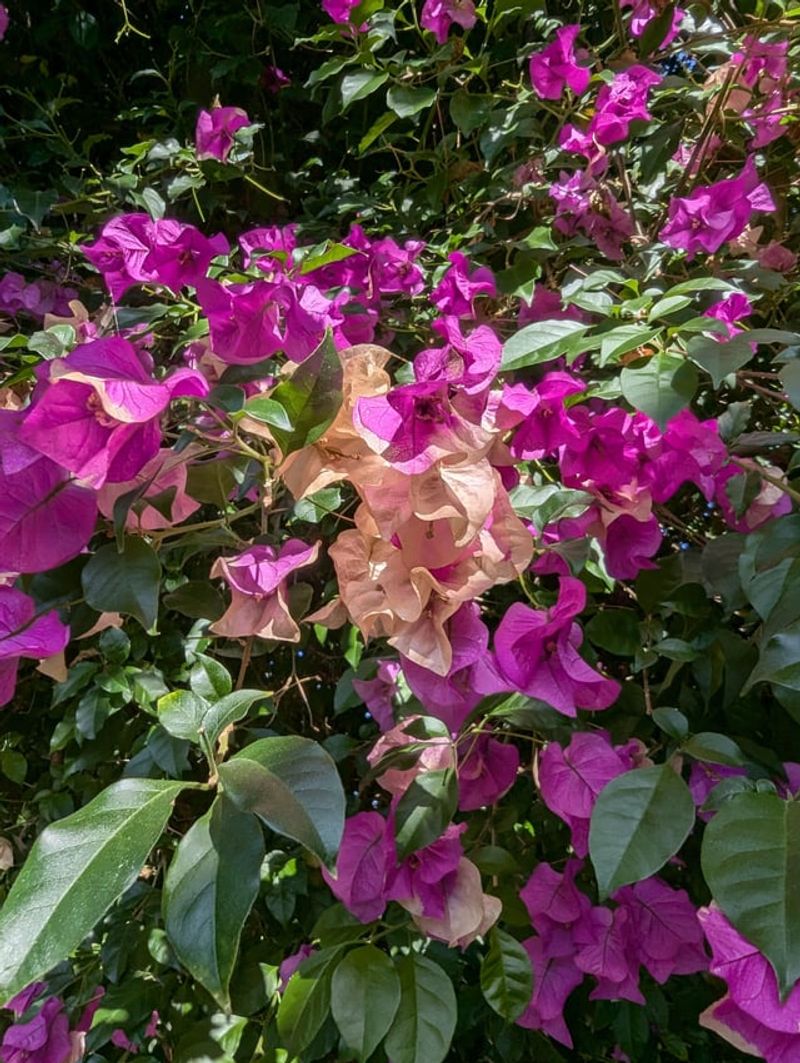
Bougainvillea drops leaves constantly, especially during dry or hot spells. Those fallen leaves pile up at the base of the plant, against walls, and along fences.
That buildup is a serious fire problem that many homeowners overlook entirely.
Think of it this way. A single ember landing on a pile of dry bougainvillea leaves is like dropping a match on tissue paper.
The leaf litter ignites quickly and spreads the flame to nearby mulch, fencing, and eventually the structure of your home.
Fire officials across California recommend creating what is called a non-combustible zone within the first five feet of your home. That means no wood mulch, no dry leaves, and no plant debris of any kind pressed against your foundation or walls.
Raking and removing fallen bougainvillea leaves should be part of your regular yard maintenance, not just a once-a-year chore. During fire season, checking for leaf buildup weekly is a smart habit to build.
Replace organic mulch near the house with gravel, decomposed granite, or other non-combustible materials. These options still look neat and tidy but do not give embers anything to grab onto.
Small changes in how you manage yard debris can have a big impact on how your home holds up when fire conditions are at their worst. It is one of the easiest and most affordable improvements you can make right now.
7. Wooden Fences Turning Into A Fiery Shortcut
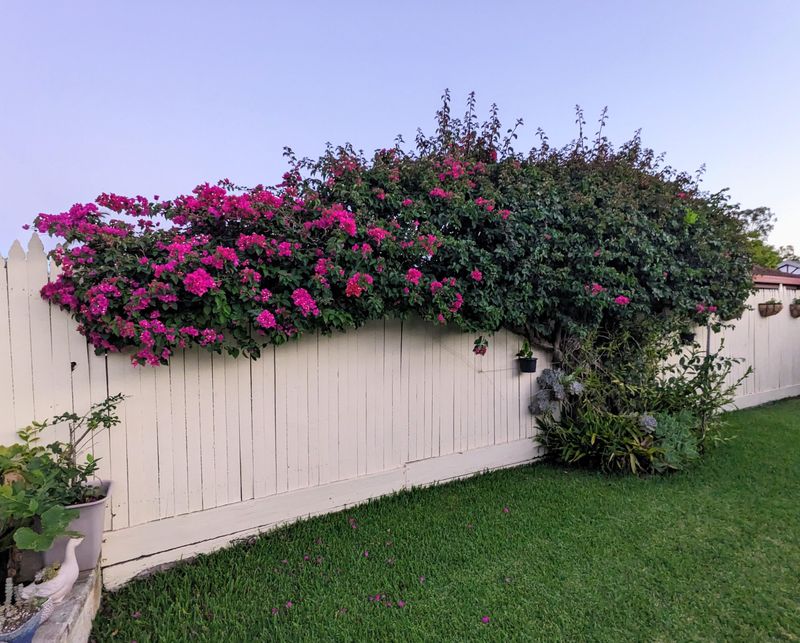
Wooden fences are already a fire concern on their own. But when bougainvillea grows along a wooden fence that connects directly to your house, you have created a nearly perfect path for fire to travel.
Fence fires are one of the leading ways that wildfires reach homes in California. The fence acts as a bridge, carrying flames from the street, a neighbor’s yard, or an open field straight to your structure.
Adding a fast-burning vine on top of that fence makes the situation significantly worse.
Fire officials recommend replacing wood fencing within 30 feet of your home with non-combustible materials like metal, concrete block, or composite materials that do not burn.
If replacing the fence is not possible right now, at minimum remove the bougainvillea from it.
Cutting the vine back from the fence also removes a visual barrier that can hide the buildup of dry debris underneath.
Piles of leaves and stems caught in the base of a fence line are a hidden ignition source that is easy to miss during a quick walk-through.
Even if your fence is not attached to the house, a burning fence can radiate enough heat to ignite siding, windows, and vents from several feet away.
Reducing the fuel load on and around your fencing is a step that fire professionals consistently recommend as part of any solid home hardening plan.
8. Why One Quick Trim May Not Be Enough
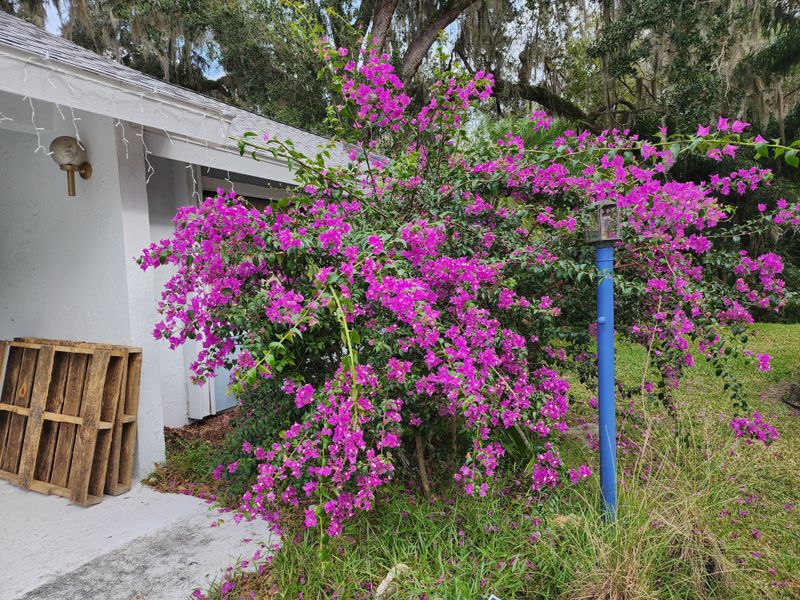
A lot of homeowners give their bougainvillea a quick trim in spring and feel like the job is done for the year. The truth is, one trim is rarely enough when it comes to fire safety.
Bougainvillea grows back aggressively and can regain risky levels of growth within just a few months.
Fire season in this state typically runs from late spring through fall, and sometimes well into winter in drier years. That means the window of risk is long, and the plant keeps growing throughout most of it.
Experts recommend trimming bougainvillea at least three times a year if it is growing near your home.
Once in early spring, once in midsummer, and once again in early fall before the hottest and driest stretch of the season.
Keeping a maintenance schedule is the most reliable way to stay ahead of the growth.
Beyond trimming frequency, the method matters too. Cutting back to a manageable size is not enough if you leave the cut branches and debris piled near the house.
Bag and remove all trimmings immediately after each session. Also consider whether the plant’s location makes ongoing maintenance practical.
If the vine is in a spot where regular access is difficult or where it keeps reaching your roof no matter how often you trim, relocating or removing it entirely may be the safest long-term solution for your home and your family.