7 Texas Trees That Drop The Most Mess
One common shade tree drops spiky seed balls that roll under your shoes like tiny marbles all winter long. Another tree releases so much fluffy seed cotton in spring that it can clog air conditioner fins in Texas.
I used to think raking leaves in autumn was the only big yard chore under a big tree. Nobody warned me about sticky sap, flaking bark, thorny pods, and pollen strings piling up on my patio.
You might notice that many of the messiest trees are also the ones Texans love the most. They give generous shade and feed hungry wildlife, yet they also ask for a sturdy rake and real patience.
I truly believe a messy tree is easier to love once you know exactly what it will drop. So which leafy neighbor in your own yard is secretly the biggest litterbug on the block?
1. Honey Mesquite
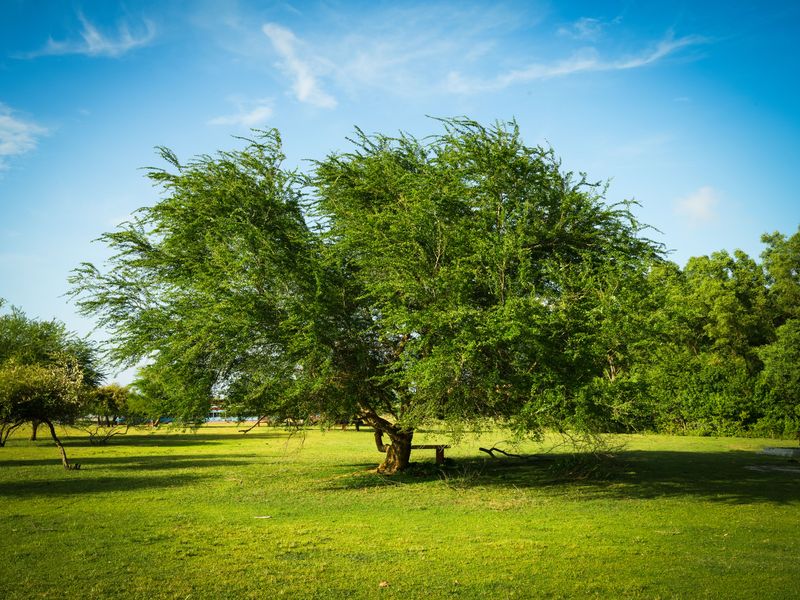
Honey mesquite pods dangle like skinny yellow green beans, and by late summer they rain down across the yard. I love their sweet smell, but stepping on a carpet of crunchy pods barefoot is no fun.
Prosopis glandulosa is a tough native that shrugs off drought and grows across much of the state. Its feathery leaves cast light, dappled shade, which is why many homeowners keep one near the patio.
The pods are only part of the story, because wild mesquites often carry sharp thorns along their branches. Fallen twigs can poke through thin shoe soles and flatten bike tires, so wear sturdy gloves when pruning.
Seeds inside those pods sprout easily, especially after animals eat them and spread them around the neighborhood. You may find tiny mesquite seedlings popping up in flower beds, and they get woody surprisingly fast.
My best advice is to rake pods every week or two while they are still dry and light. Pull young seedlings while the soil is moist, since their taproots dig deep before you know it.
Thornless selections are sold at many nurseries, and they make friendlier choices near walkways and play areas. Plant them well away from foundations and septic lines, because their roots travel far searching for water.
Fun fact: Indigenous peoples of the Southwest ground mesquite pods into sweet flour for many generations. So that annoying lawn litter was once a valued food, which makes raking feel a little more interesting.
2. American Sweetgum
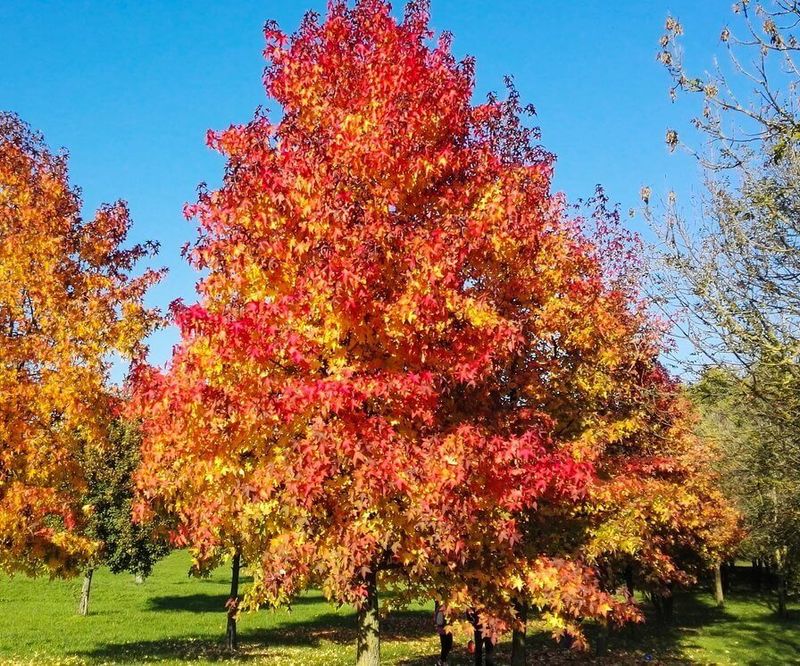
Spiky sweetgum balls feel like miniature hedgehogs under your feet when you cross the lawn in socks. I have to admit, I have rolled an ankle on them more than once while carrying groceries.
American sweetgum, Liquidambar styraciflua, grows naturally in the eastern part of the state, especially in moist bottomlands.
Its star-shaped leaves turn glowing red and purple in fall, which explains why people keep planting it.
Each gumball is actually a cluster of many small seed capsules fused together into one prickly sphere. They hang on the branches for months and then drop steadily through winter and into early spring.
Gumballs can bounce out of mower chutes with real force, so clear them before you mow the lawn. They also pile up in gutters, where they hold moisture and slow the flow of rainwater.
A rolling nut gatherer, the kind with a wire cage on a handle, makes cleanup much faster. Personally, I toss collected gumballs into the compost pile, though they break down slowly over a year or more.
If you want the fall color without the mess, look for the cultivar Rotundiloba, which rarely forms gumballs. Its leaves have rounded lobes instead of sharp points, so it looks a bit softer in the landscape.
Sweetgums grow tall, often reaching sixty feet or more, so give them plenty of room from the house. They also prefer acidic, moist soil and may turn yellow in the alkaline ground found in many western areas.
3. Pecan
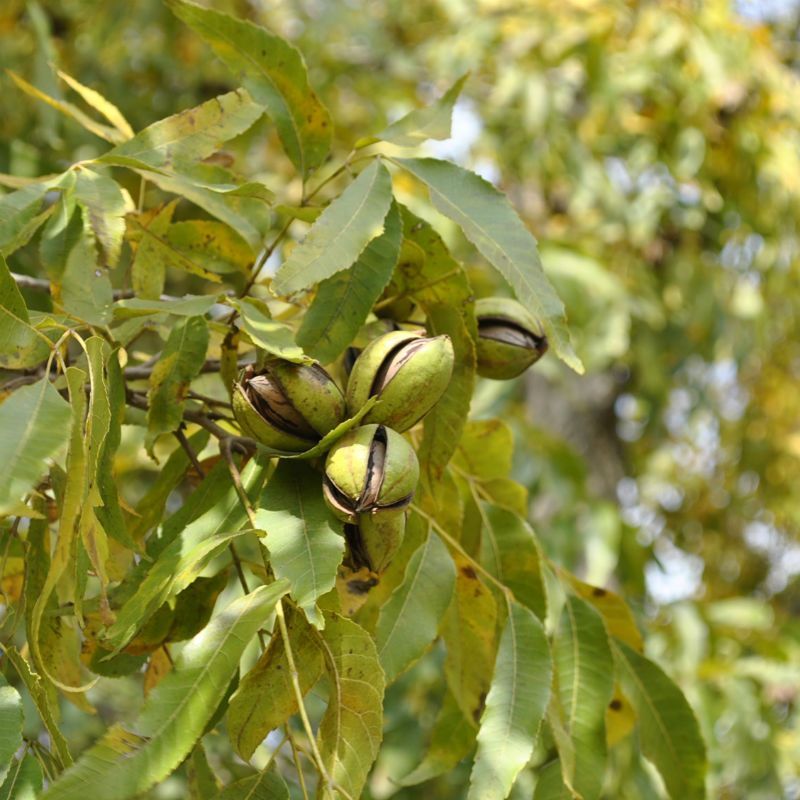
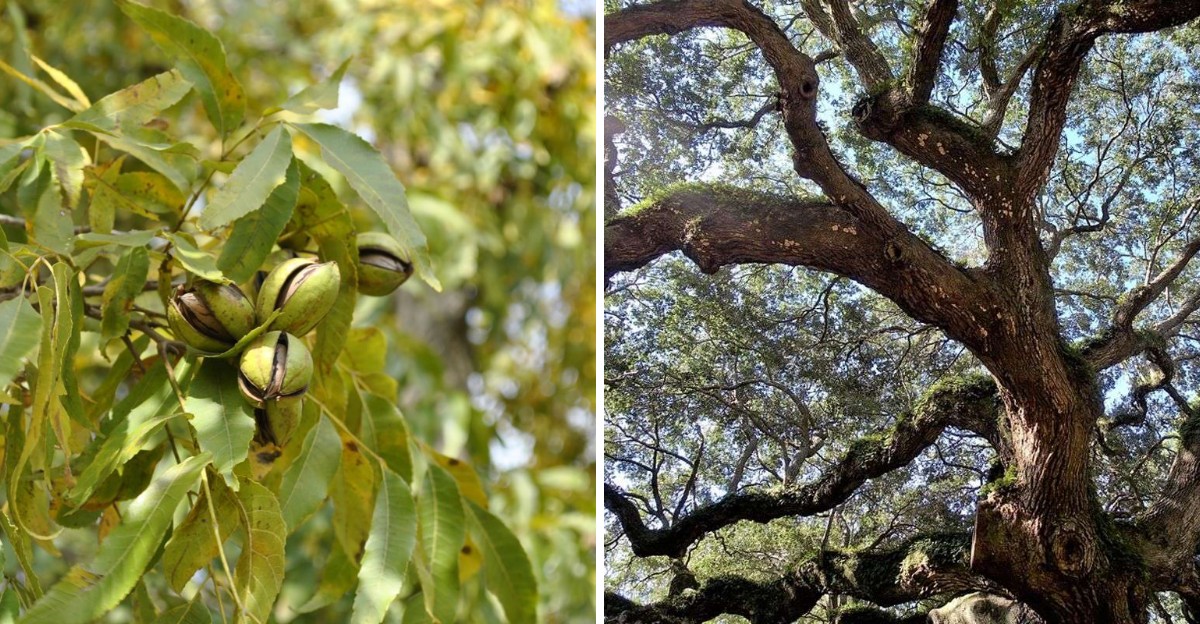
Nothing says autumn in Texas like the crunch of pecan shells under your boots on a cool morning. I adore the free snacks, but the cleanup under a big pecan can take whole weekends.
Carya illinoinensis is the official state tree, and mature specimens can stretch well over seventy feet tall. That huge canopy drops nuts first and leaves later, so the debris arrives in several separate waves.
Green husks split open in fall, and they often stain concrete a dark brown that lingers for weeks. Sweep driveways quickly after a heavy drop, before rain soaks the husks and spreads the stain further.
Summer brings a stickier problem, because pecan aphids feed on leaves and drip sugary honeydew onto everything below. Black sooty mold grows on that film, so parked cars and patio chairs can look grimy fast.
Fall webworms add another surprise in late summer, wrapping branch tips in silky tents full of caterpillars. Webs within reach can be pulled down with a long pole, letting birds and wasps snack on the larvae.
Pecans also tend to shed small twigs and branches after storms, since the wood can be somewhat brittle. A certified arborist can thin the canopy every few years, which helps wind pass through more easily.
Honestly, gathering pecans feels more like a treasure hunt than a chore once the kids join in. Collect nuts within a few days of falling, because squirrels and crows will happily beat you to them.
4. Live Oak
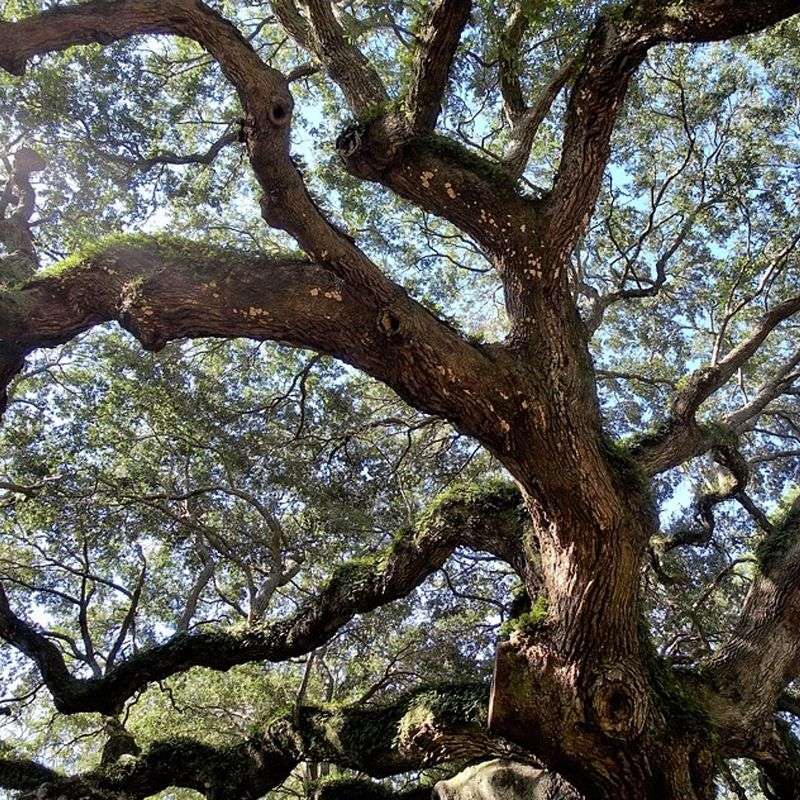
Live oaks look green all year, so their big spring leaf drop catches plenty of new homeowners off guard. To my surprise, my first spring under one felt like a second autumn arriving in March.
Two species share the name in Texas, the coastal Quercus virginiana and the drought-tough Quercus fusiformis out west. Both hold their old leaves through winter, then shed them quickly as fresh new growth pushes out.
Right behind the leaves come catkins, the stringy pollen tassels that coat porches and windshields with yellow dust.
Allergy sufferers usually notice this stretch, so keep windows closed on breezy days while the tassels fall.
Small leaves and tassels slip into gutters and pool filters, so clean them several times during spring. A leaf blower works better than a rake here, since the tiny leaves tangle in rake tines.
Acorns follow in fall, and while squirrels and deer adore them, they can sprout in your flower beds. Pull those seedlings early, because oak taproots grow deep and stubborn within just a single growing season.
Pruning brings one serious caution, since fresh wounds can attract beetles that spread oak wilt disease.
Texas A&M Forest Service advises avoiding pruning from February through June and painting every cut right away.
Personally, I think the seasonal mess is a fair trade for shade that can last for several centuries. Just give the roots space, since paving close to the trunk often leads to cracked and lifted walkways.
5. American Sycamore
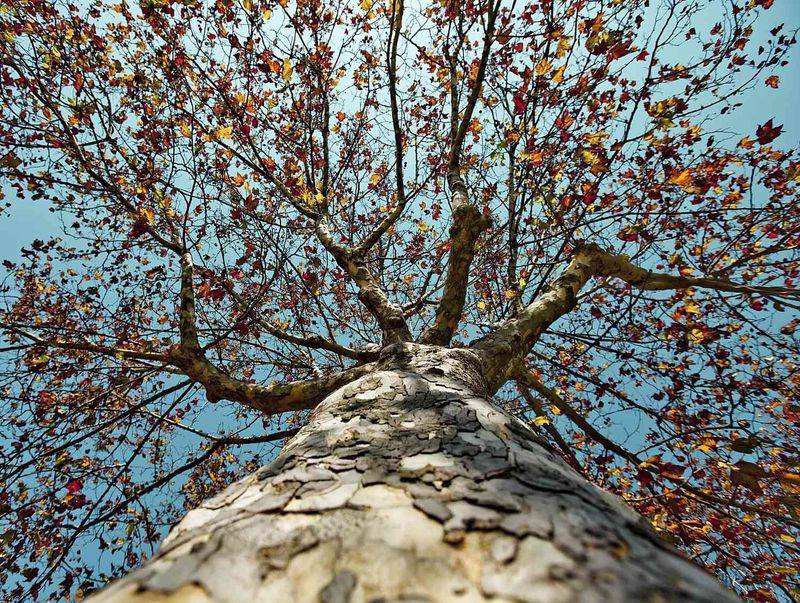
Sycamore leaves can grow nearly as wide as a dinner plate, so a handful can smother a flower bed. Take a closer look at the trunk too, and you will spot bark peeling off in patchy sheets.
American sycamore, Platanus occidentalis, grows along creeks and rivers and can top one hundred feet in the wild. That ghostly white upper bark is gorgeous in winter, but it comes with a steady shower of flakes.
Leaves trickle down over a long stretch, sometimes starting in late summer when the weather turns dry. Their thick, leathery texture means they break down slowly, so shred them with a mower before composting.
Round seed balls about an inch wide dangle on long stems and eventually break apart into fuzzy seeds. Those tiny hairs drift around in spring and can irritate eyes and noses for some sensitive people.
Anthracnose is another common headache, since this fungus can cause early leaf drop during cool, wet springs. Most trees recover and push out new leaves, but you will be raking twice in one year.
Because sycamores love water, their roots spread wide near the surface and can lift nearby sidewalks. Plant them in a big open yard or near a pond, far from pools and driveways.
Believe it or not, the related Mexican sycamore is a popular choice in many Texas cities. It handles heat well and still sheds, though many gardeners find its leaves a bit easier to manage.
6. Crape Myrtle
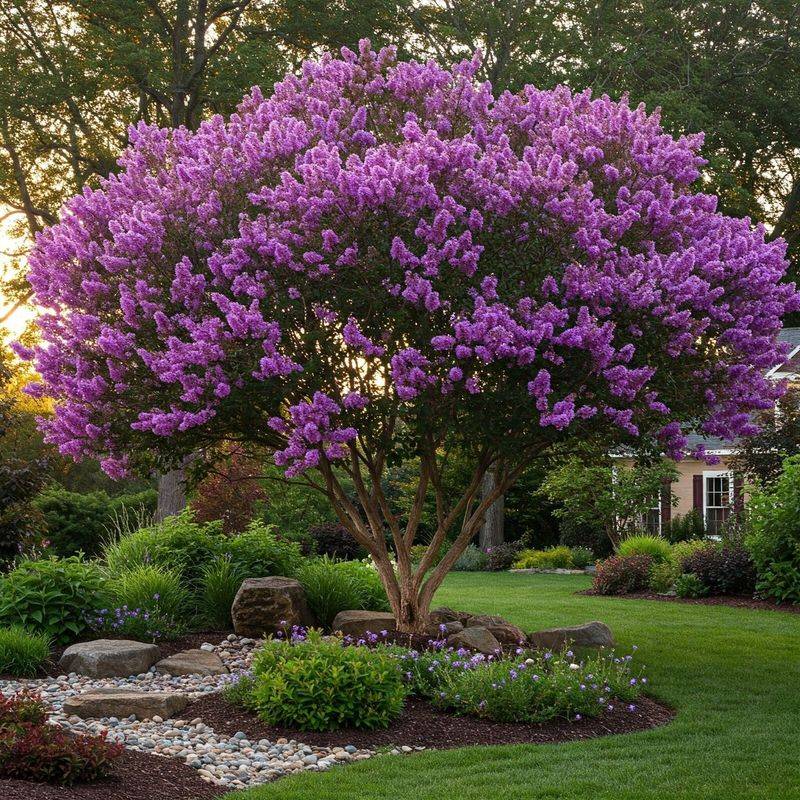
Crape myrtle blooms look like crinkled tissue paper, and they flutter down like confetti all summer long. I love that colorful carpet, until the petals stick to wet patios and track inside on everyone’s shoes.
Lagerstroemia indica comes from Asia, yet it thrives in southern heat and blooms for months on end. Its smooth bark also peels in thin strips each summer, adding another layer of litter around the trunk.
The bigger nuisance comes from crapemyrtle bark scale, a pest first found near Dallas in 2004. These tiny white insects cluster on branches and trunks, quietly sipping sap through mouthparts like tiny straws.
Both the scale and crapemyrtle aphids release sticky honeydew, a sugary liquid that drips onto whatever sits below. A dark fungus called sooty mold soon follows, coating bark and leaves until the whole tree looks smudged.
Gently scrubbing the trunk with soapy water and a soft brush removes many scale insects you can reach.
For heavy infestations, extension experts mention systemic soil treatments, but follow every label carefully to protect pollinators.
Skip the heavy topping cuts that leave knobby stubs, since they trigger weak sprouts crowded tightly together.
Light pruning in late winter keeps air moving through the branches and makes pests easier to spot.
Keep crape myrtles away from parking spots, because sticky honeydew can glue petals right onto your car. A healthy, sunny tree tends to bloom better and handle pests more easily than a shaded one.
7. Eastern Cottonwood
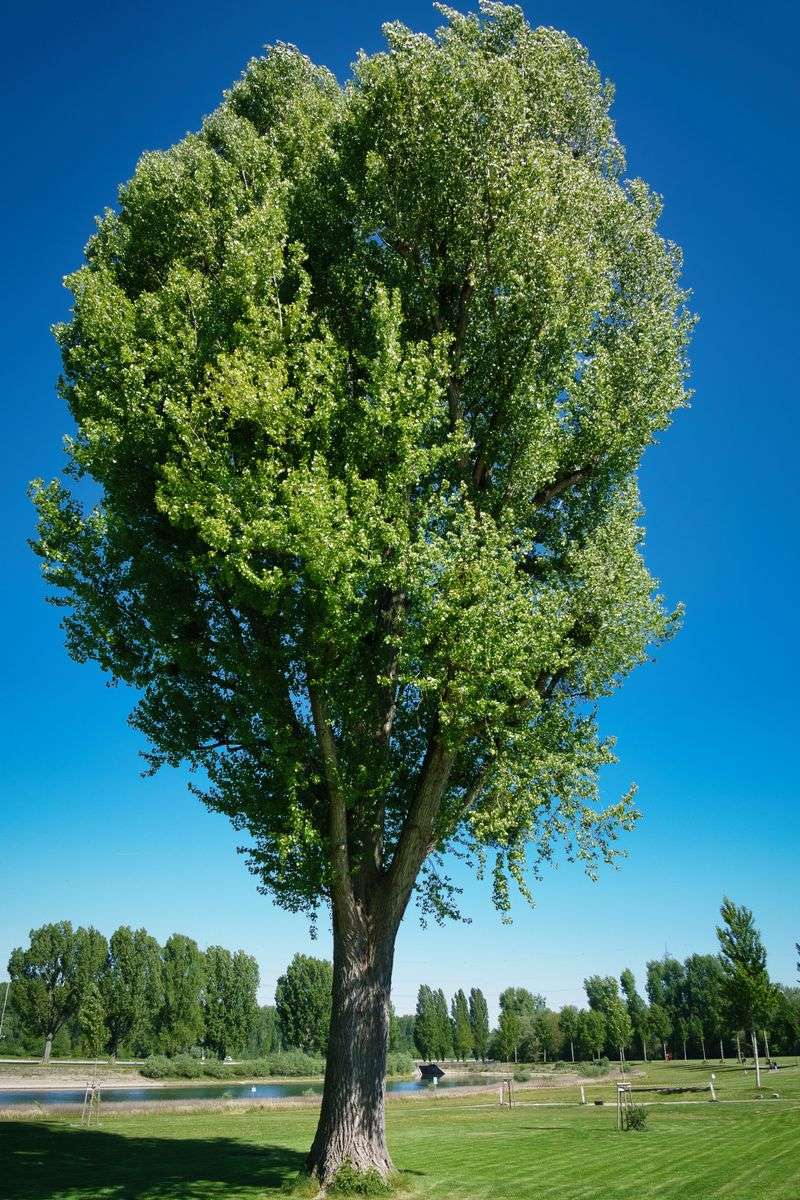
Late spring around a female cottonwood looks like a snow globe somebody shook a little too hard. Fluffy white tufts drift across whole neighborhoods and pile up in soft drifts beside the porch steps.
Eastern cottonwood, Populus deltoides, ranks among the fastest-growing native trees and often adds several feet each year.
Only female trees make that cotton, since males produce pollen instead of the fluffy seeds everyone notices.
The fluff wraps around tiny seeds, and it can clog air conditioner coils and window screens surprisingly fast. Hose off outdoor AC coils gently after the seed season ends, which helps your unit run more efficiently.
Leaves are the next chore, and those big triangular leaves rattle in every breeze before dropping each fall. I can’t imagine a tree that sounds more like gentle rain, even when the sky stays clear.
Fast growth comes with soft, brittle wood, so large limbs can snap during Texas thunderstorms and high winds.
Have an arborist check big trees near the house, especially ones with cracks or heavy overhanging branches.
Their thirsty roots also chase water toward sewer lines and septic fields, so plant them far from both. A creek bank or pond edge gives these giants plenty of room to grow without bothering any neighbors.
If you love the look, ask nurseries about male cottonwoods, which skip the cotton but still shed leaves. Whichever you choose, the shade and soothing rustle might just win you over despite the extra raking.